Source Wireless Electro-Optical Smoke Detector for Homes, Offices, and Warehouses
Find and compare 30 wireless electro-optical smoke detector models from Chinese manufacturers. Evaluate features like 90dB alarms, CE certification, and wireless transmission modes to select the right safety device for your procurement needs.
Key considerations
Products List


Wireless Smoke Detector for Addressable Fire Alarm Safety&Security System
$16.20 - $16.80
MOQ: 1 Pieces


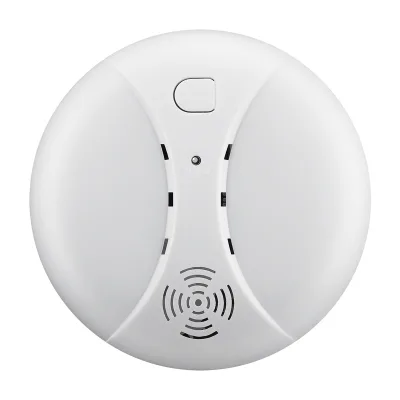


Comprehensive Sourcing Guide
Wireless Electro-Optical Smoke Detector Sourcing Guide
Sourcing wireless electro-optical smoke detectors requires a careful balance between technical performance, regulatory compliance, and supply chain reliability. These devices serve as critical components in modern fire safety infrastructure, offering flexibility in installation while maintaining high sensitivity to early-stage fires. Buyers must navigate a market where specifications vary significantly across models, particularly regarding power sources, transmission frequencies, and networking capabilities. This guide provides a structured approach to evaluating suppliers and products, ensuring that procurement decisions align with safety standards and operational requirements.
The following sections detail the essential considerations for sourcing these devices, from understanding product scope to verifying long-term supplier stability. By focusing on verified attributes and standard compliance, buyers can mitigate risks associated with non-conforming products or unreliable supply chains. The guidance herein is based on observed market data and established industry practices, providing a practical framework for making informed procurement decisions in the fire safety sector.
Product Scope and Observed Listing Signals
The market for wireless electro-optical smoke detectors encompasses a diverse range of models, each tailored to specific installation environments and system architectures. Observed listings indicate a strong presence of indoor-focused devices, with materials predominantly consisting of ABS plastic for durability and aesthetic integration. The working principle relies on electro-optical technology, which detects smoke particles through light scattering, a method widely recognized for its effectiveness in identifying smoldering fires. Buyers should note that while the core technology is consistent, the implementation varies, with some models operating in active modes and others in passive modes, affecting their power consumption and detection logic.
Listing signals reveal significant variation in packaging and model designations, reflecting different target markets and distribution channels. Models such as the KD-122LA, KD-127D, and KD-125A are frequently observed, each with distinct physical dimensions ranging from approximately 67x47mm to 101x34mm. Packaging options include gift boxes, double blisters, color boxes, and export cartons, indicating that suppliers cater to both retail and bulk industrial procurement. The presence of wireless transmission modes, including GSM dial-up and specific radio frequencies like 315MHz and 229.95MHz, suggests that these detectors are designed for integration into broader alarm systems rather than standalone use.
Technical Specifications to Verify
Power supply requirements are a critical technical specification that varies across the product range, directly impacting installation complexity and maintenance costs. Some models operate on DC 9V or DC 3V batteries, which are suitable for simple, standalone installations where wiring is impractical. In contrast, other models require DC 12V to DC 24V power supplies, indicating integration into hardwired or centralized systems. Buyers must verify the power source for each specific model to ensure compatibility with existing infrastructure or planned power solutions. The working current for certain wired models is observed to be between 16mA and 17mA, a detail that is essential for calculating load capacity on control panels.
Signal transmission and detection methods further differentiate the models, influencing system design and reliability. Wireless alarm systems are common, with some units featuring networked functions via GSM dial-up, allowing for remote monitoring and alerts. Others rely on radio frequency transmission at specific frequencies, requiring coordination with compatible receivers or control panels. The detection logic also varies; some detectors are designed to trigger an alarm upon a single detection event, while others employ a dual-detection method, requiring smoke to be detected twice to minimize false alarms. This dual-detection approach, observed in models like the DSW928N, enhances reliability but may introduce a slight delay in alarm activation.
Compliance and Safety Documentation
Certification is a non-negotiable aspect of sourcing smoke detectors, as these devices are life-safety equipment subject to strict regulatory oversight. The most frequently observed certification is RoHS, indicating compliance with restrictions on hazardous substances, which is essential for environmental and health safety. Additionally, CE marking is prevalent, often accompanied by specific standards such as EN 14604, which governs the performance of smoke alarm devices in domestic premises. Buyers must verify that the certificates provided by suppliers are valid and correspond to the specific models being procured, as certification status can vary between product lines.
Other certifications, such as ISO and CCC, may be present in listings, indicating adherence to quality management systems or Chinese compulsory certification requirements. The standard EN 14604 is particularly relevant for electro-optical smoke alarms, defining acoustic and performance criteria. Buyers should request copies of these certificates and cross-reference them with official databases to ensure authenticity. It is also important to note that while some listings mention EN54-7 or EN54-25, these are European standards for fire detection and fire alarm systems, and their applicability depends on the specific product type and intended market. Verification of these standards ensures that the products meet the rigorous performance requirements for fire safety in commercial and residential buildings.
Cost Drivers and Commercial Terms
The price range for wireless electro-optical smoke detectors is broad, reflecting differences in technology, certification, and packaging. Observed prices span from low-cost basic models to higher-end units with advanced networking capabilities. The minimum order quantity (MOQ) also varies significantly, ranging from single units for sampling to thousands for bulk procurement. Buyers should consider the total cost of ownership, which includes not only the unit price but also the cost of compatible receivers, control panels, and ongoing maintenance. Models with GSM functionality may have higher upfront costs but offer greater flexibility and remote monitoring benefits.
Commercial terms such as packaging and shipping methods also impact the overall cost and logistics. Export cartons are standard for bulk orders, while retail-oriented packaging like gift boxes or blisters may incur additional costs. The origin of the products, primarily Zhejiang, China, is a common factor in pricing, as this region is a major hub for electronics manufacturing. Buyers should negotiate terms that account for potential volume discounts and clarify responsibilities for shipping and insurance. Understanding these cost drivers helps in budgeting accurately and selecting suppliers that offer the best value for specific project requirements.
Supplier Qualification and Quality Control
Supplier qualification is essential to ensure that the products meet safety and performance standards. Buyers should verify the supplier’s manufacturing capabilities, quality control processes, and ability to provide consistent product quality. The presence of certifications such as ISO indicates a commitment to quality management, but buyers should also assess the supplier’s track record and customer feedback. It is advisable to request samples for testing before placing large orders, allowing for verification of technical specifications and performance.
Quality control measures should include routine testing of alarm volume, detection sensitivity, and transmission reliability. The alarm volume for many models is specified as at least 80dB or 90dB within one meter, a critical parameter for ensuring audibility in emergency situations. Buyers should inquire about the supplier’s testing protocols and whether they conduct third-party testing for compliance. Establishing a clear communication channel with the supplier for addressing any quality issues is also important for maintaining long-term partnership and product reliability.
Long-Term Procurement Checks
Long-term procurement success depends on the supplier’s ability to maintain product availability and support. Buyers should assess the supplier’s inventory management and lead times to ensure timely delivery for ongoing projects. The wireless nature of these detectors means that compatibility with existing systems is crucial; buyers should verify that the supplier can provide updates or replacements that are compatible with current infrastructure. Additionally, the lifespan of batteries and components should be considered, as this affects maintenance schedules and replacement costs.
Regulatory changes and standard updates may also impact product suitability over time. Buyers should stay informed about changes in fire safety regulations and ensure that their suppliers are compliant with the latest standards. Regular reviews of supplier performance, including product quality and service responsiveness, are essential for maintaining a reliable supply chain. By focusing on these long-term factors, buyers can mitigate risks and ensure that their fire safety systems remain effective and compliant throughout their operational life.
FAQs
What is the working principle of this smoke detector?
The device operates on an electro-optical type working principle to detect smoke particles effectively. It functions as an active system designed for indoor applications to ensure early fire detection in residential or commercial spaces.
Can I customize the packaging for this wireless alarm?
Yes, customization is available for this product to meet specific buyer requirements. The standard packaging options include gift boxes, double blisters, color boxes, or export cartons depending on the specific model selected.
Which certifications does this smoke detector hold?
The product holds CE-CPR En 14604 and CE En14604 certifications for safety compliance. Some models also carry ISO and CCC certifications, ensuring they meet international standards for electrical and fire safety equipment.
How loud is the alarm volume within one meter?
The alarm volume is at least 90dB within one meter for most models to ensure clear notification. Certain variants provide a minimum of 80dB, utilizing sound and light alarm features for effective anti-theft and fire warnings.
What power supply does this wireless detector require?
Power requirements vary by model, with some units operating on DC 9V or DC 3V batteries. Other versions are designed to work with a DC 12V to DC 24V power supply for continuous operation in wired systems.
Which transmission mode does this smoke detector use?
The device supports wireless transmission modes including 315MHz and 229.95MHz frequencies for signal relay. Some specific models also offer wired alarm signal transmission capabilities to integrate with existing control panels.
What is the standard size of this smoke detector?
Dimensions vary by model, with common sizes including 85x39mm, 67x47mm, and 101x34mm. These compact dimensions allow for easy installation on ceilings or walls while maintaining effective detection coverage for indoor environments.