Source Wireless Solar Animal Repeller for Farms, Gardens, and Lawns
Compare 30 wireless solar animal repeller units from verified Chinese manufacturers. Buyers can evaluate solar-powered ultrasonic traps for controlling wolves, foxes, and dogs in outdoor spaces ranging from 50 to over 100 square meters; compare the available evidence and request quotations based on your requirements.
Key considerations
Products List




Comprehensive Sourcing Guide
Wireless Solar Animal Repeller Sourcing Guide
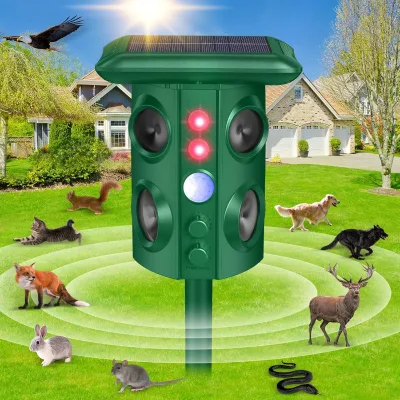
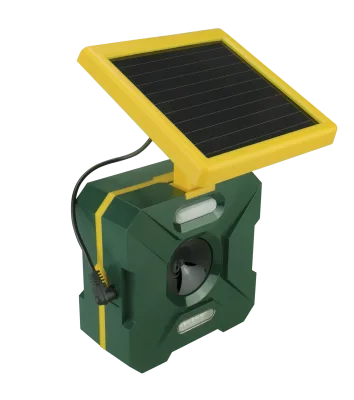
Procurement of wireless solar animal repellers requires careful evaluation of the specific operational environment, as these devices are primarily designed for outdoor applications ranging from residential lawns to large agricultural farms. The observed product data indicates a strong focus on sustainable power solutions, with many units combining solar panels and rechargeable batteries to ensure continuous operation in areas without reliable grid access. Buyers must verify that the selected model's power supply matches the local sunlight availability and the intended coverage area, which can vary significantly from small garden plots to expansive properties exceeding 100 square meters.
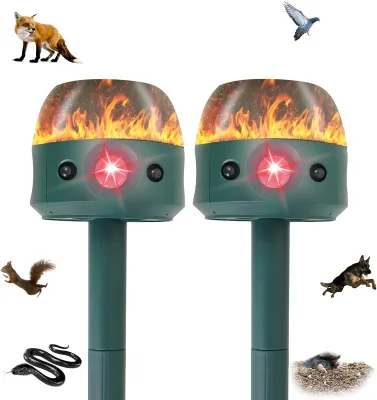
The market offers a diverse range of repelling technologies, including ultrasonic emitters and electronic traps, each targeting different pest profiles such as wolves, foxes, coyotes, and domestic animals like dogs and cats. When sourcing, it is critical to distinguish between devices designed for general pest control and those engineered for specific wildlife management scenarios. The customization options available in the supply chain allow buyers to tailor features like color, packaging, and specific functional outputs to meet unique regional regulations or aesthetic requirements, ensuring the final product integrates seamlessly into the intended landscape.
Product Scope and Observed Listing Signals
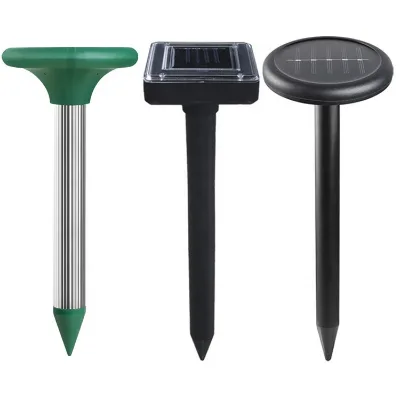
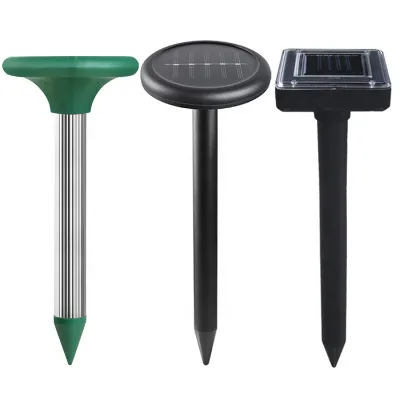
The current market listings reveal a wide spectrum of product models, with dimensions ranging from compact units measuring approximately 2.7 by 9.6 centimeters to larger installations spanning over 36 centimeters in length. This variation in physical size often correlates with the intended application area and the power capacity of the internal battery systems. Buyers should carefully review the listed dimensions and weight specifications, such as the 0.5kg net weight observed in certain models, to ensure the device can be physically installed and secured in the target location without requiring excessive structural support or complex mounting hardware.
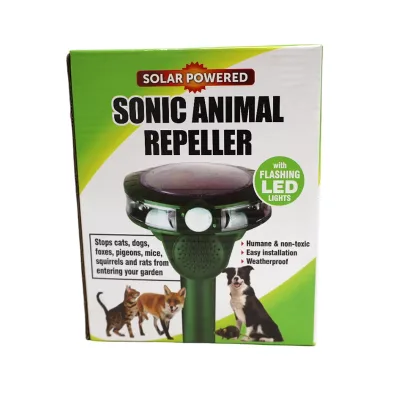
Listing signals also highlight the importance of packaging and shipping considerations, as products are frequently supplied in cartons or color boxes that may vary in standardization. The observed data suggests that some manufacturers offer customized packing solutions, which can impact logistics costs and on-site storage efficiency. Procurement teams must verify whether the packaging is robust enough to protect the electronic components during transit, especially for units intended for outdoor use where exposure to moisture or rough handling is a risk. Understanding these logistical details helps in planning the supply chain and minimizing potential damage before the product reaches the end user.
Technical Specifications to Verify
Technical verification must begin with the power source configuration, as the observed data includes units powered by electricity, solar panels, or a hybrid combination of solar and rechargeable batteries. Buyers need to confirm the specific power supply type for each model to ensure compatibility with the site's energy infrastructure and to guarantee that the device can operate effectively during periods of low sunlight. The presence of rechargeable capabilities is a key differentiator, allowing for extended usage times that can exceed 480 hours, which is essential for maintaining consistent pest control without frequent manual intervention or battery replacement.
Another critical technical aspect is the repelling mechanism, which ranges from ultrasonic frequency emitters to electronic traps and devices featuring strong flash functions. The target pest list varies significantly, with some models designed to deter specific wildlife like martens and deer, while others focus on general garden pests. Procurement teams should validate that the selected technology aligns with the specific pest pressure in the target area and that the device's effectiveness claims, such as long-term performance, are supported by the internal design and component quality. Verifying these functional attributes ensures the investment delivers the intended protection against the identified threats.
Compliance and Safety Documentation
Compliance verification is paramount when sourcing electronic devices for outdoor use, as the observed listings frequently cite certifications such as CE, RoHS, and CCC. These certifications indicate that the products meet specific safety and environmental standards required for sale in various international markets, particularly in Europe and China. Buyers must request and validate current certification documents for each model to ensure that the electrical components and materials used in construction adhere to the latest regulatory requirements, thereby mitigating legal risks and ensuring the safety of the end users and the environment.
In addition to general safety certifications, specific environmental protection ratings like IPX4 may be present, indicating resistance to water splashes which is crucial for outdoor durability. The observed data also mentions standards related to product dimensions and packaging, which serve as quality benchmarks for manufacturing consistency. Procurement teams should ensure that the supplier provides comprehensive documentation covering these standards, including test reports that verify the device's ability to withstand outdoor conditions. This due diligence protects the buyer from liability issues and ensures the product performs reliably in the field.
Cost Drivers and Commercial Terms
The cost structure for wireless solar animal repellers is influenced by several factors, including the complexity of the power system, the type of repelling technology, and the level of customization required. The observed price range spans from approximately 1.95 to 190 USD, reflecting the diversity in product capabilities and the scale of production. Buyers should analyze the unit price in relation to the specific features offered, such as the inclusion of solar panels, rechargeable batteries, or advanced electronic traps, to determine the true value proposition and avoid overpaying for unnecessary features that do not align with their operational needs.
Commercial terms, including minimum order quantities (MOQ) and lead times, vary significantly across the supply base, with observed MOQs ranging from single units to thousands of pieces. This flexibility allows buyers to scale their orders based on immediate demand or long-term inventory strategies. However, larger orders often come with different pricing tiers and potential customization fees. Procurement teams must negotiate clear terms regarding payment schedules, shipping responsibilities, and warranty periods, which are observed to be up to two years for some models, to ensure a sustainable and cost-effective supply relationship.
Supplier Qualification and Quality Control
Supplier qualification should focus on the manufacturer's location and their track record in producing electronic pest control devices, with observed origins in Zhejiang and Guangdong, China. These regions are known for their robust manufacturing ecosystems, but buyers must verify the specific factory's quality control processes to ensure consistency in product performance. The availability of customization services suggests that suppliers have the flexibility to adapt production lines, but this capability must be balanced with rigorous quality assurance protocols to prevent defects in the final product.
Quality control checks should extend beyond the initial production run to include ongoing monitoring of product consistency and durability. Buyers should request samples that undergo testing for key performance indicators such as battery life, solar charging efficiency, and the effectiveness of the repelling mechanism against target pests. The observed data indicates that some products are designed for long-term use, making it essential to verify that the materials and assembly processes meet high standards. Establishing a clear quality agreement with the supplier helps maintain product integrity and reduces the risk of field failures that could damage the buyer's reputation.
Long-Term Procurement Checks
Long-term procurement success depends on establishing a robust framework for ongoing performance monitoring and supplier relationship management. Buyers should implement regular audits to verify that the products continue to meet the specified certifications and performance standards over time. The observed warranty periods of up to two years provide a baseline for expected product longevity, but proactive checks on battery degradation and solar panel efficiency are necessary to ensure the devices remain effective throughout their intended lifespan. This proactive approach helps identify potential issues before they escalate into costly replacements or service failures.
Furthermore, the dynamic nature of pest control regulations and environmental standards requires buyers to stay informed about any changes that might affect product compliance. Regular communication with suppliers regarding updates to certifications, such as new RoHS or CE requirements, ensures that the supply chain remains compliant with evolving legal frameworks. By maintaining a vigilant oversight of the product lifecycle, from initial sourcing to end-of-life disposal, buyers can secure a reliable supply of wireless solar animal repellers that consistently deliver value and protection for their clients and operations.
FAQs
What certifications do wireless solar animal repellers typically have?
Most units carry CE, RoHS, and CCC certifications for safety and compliance. Some models also include ISO standards and IPX4 water resistance ratings. These certifications ensure the devices meet international quality and environmental requirements for outdoor electronic pest control equipment.
How is the power supply managed in these devices?
Devices use solar panels combined with rechargeable batteries or direct electric power. This hybrid approach ensures continuous operation even during low-light conditions. The solar feature supports sustainable, long-term use in outdoor environments without frequent manual battery replacements or wiring.
Which pests are effectively targeted by ultrasonic repellers?
These units target wolves, foxes, dogs, coyotes, deer, and martens. The ultrasonic technology creates an uncomfortable environment for these specific animals. This makes the devices suitable for protecting farms, lawns, and gardens from a wide range of common wild and domestic pests.
Can the product be customized for specific applications?
Yes, customization is available for various industrial and agricultural needs. Buyers can request specific designs, packaging, or functional adjustments. This flexibility allows businesses to tailor the repellers to their exact operational requirements, ensuring better integration into existing pest control strategies.
What is the typical warranty period for these units?
Many suppliers offer a two-year warranty on their products. This coverage protects buyers against manufacturing defects and ensures product reliability. A standard warranty period indicates confidence in the device's durability and long-term performance in outdoor animal control applications.
Where are these products typically manufactured?
Manufacturing is primarily located in Zhejiang and Guangdong provinces in China. These regions are known for their robust electronics manufacturing capabilities. Buyers can source high-quality units directly from these established industrial hubs, ensuring access to reliable supply chains and competitive pricing.