Source Wireless Speaker EVA Storage Case for Tools, Cameras, Audio
Compare 30 Wireless Speaker EVA Storage Case options from verified suppliers. These cases feature waterproof and shockproof designs suitable for hardware tools, electrical tools, and digital cameras.
Key considerations
Products List





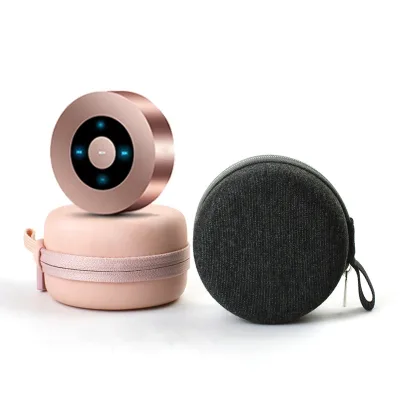
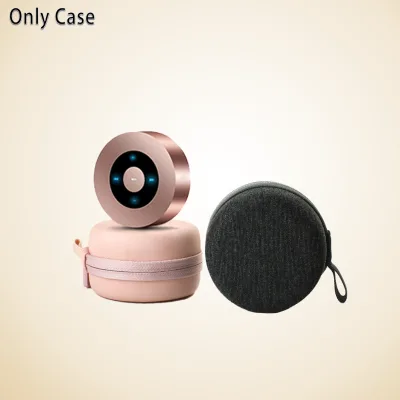
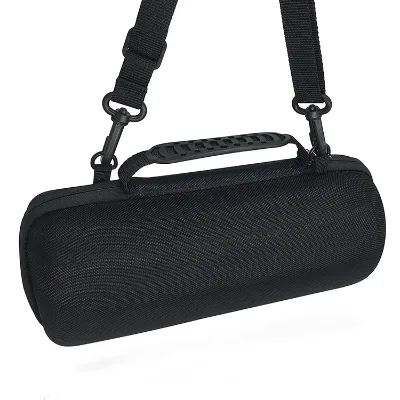
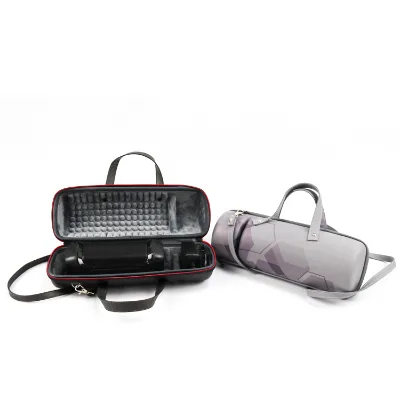
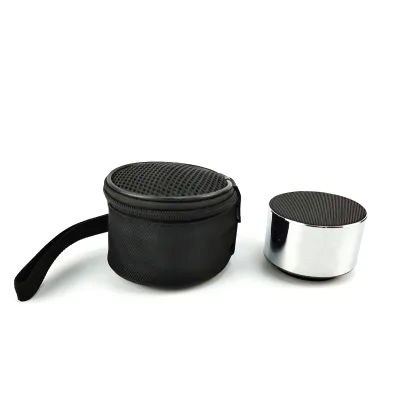
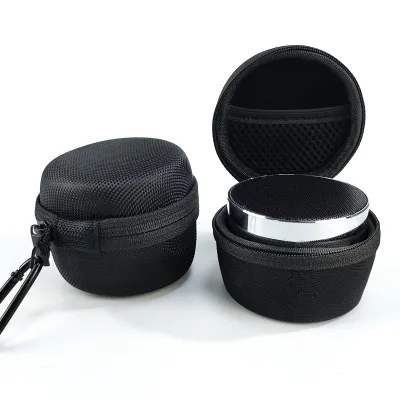
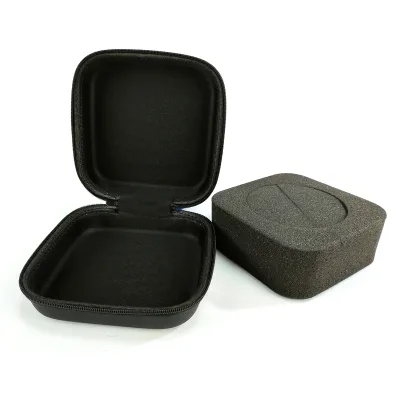
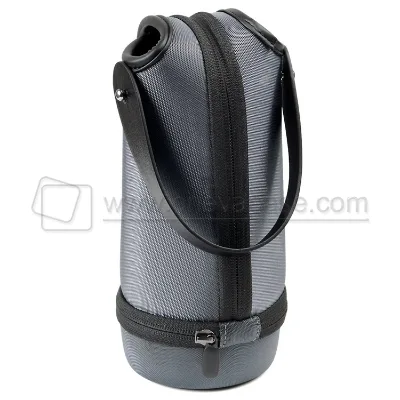
Comprehensive Sourcing Guide
Strategic Sourcing Guide for Wireless Speaker EVA Storage Cases
Understanding Material Composition and Structural Integrity
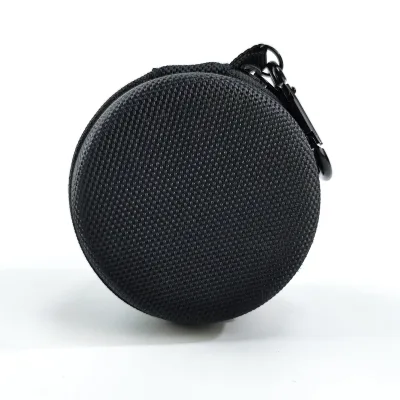
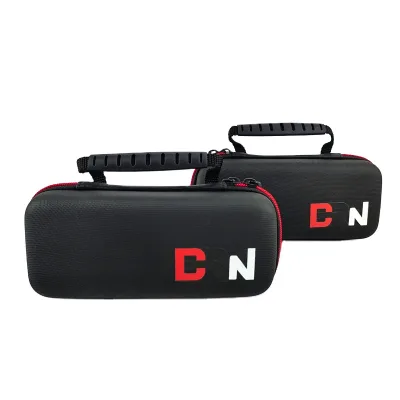
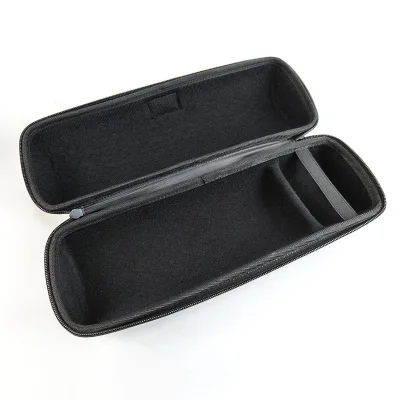
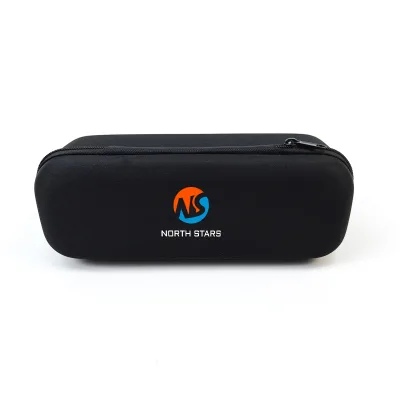
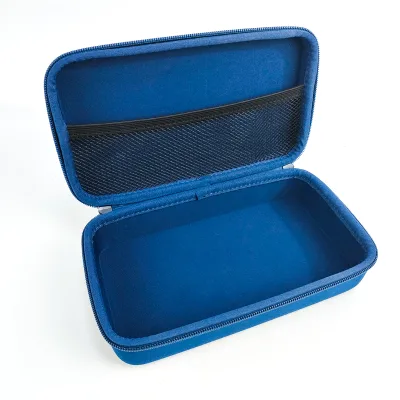
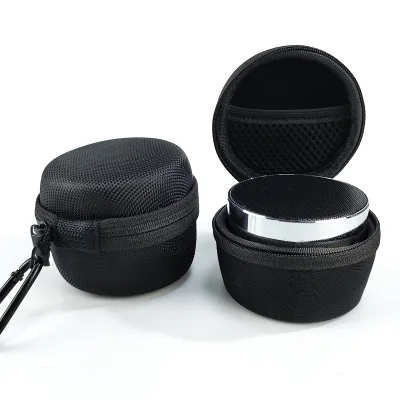
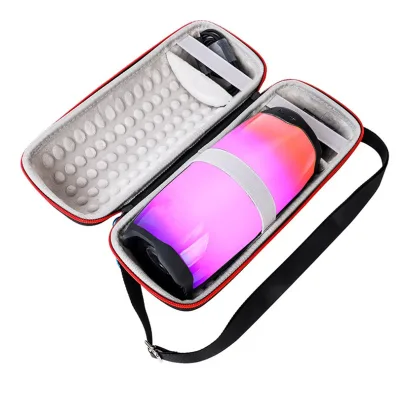
When sourcing wireless speaker EVA storage cases, the primary focus must be on the material composition that defines the product's durability and protective capabilities. Based on observed market data, the core material is Ethylene-Vinyl Acetate (EVA), often selected for its unique balance of shock absorption and structural rigidity. In many configurations, this EVA is not used in isolation but is combined with other textiles to enhance functionality. For instance, specific product listings indicate a composite construction utilizing Oxford fabric, EVA, and Velvet. This tri-layer approach suggests a design philosophy where the outer Oxford layer provides abrasion resistance, the middle EVA layer offers impact protection, and the inner Velvet lining safeguards the speaker's finish from scratches.
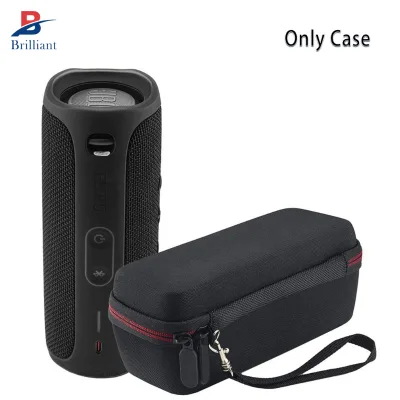
The structural integrity of these cases varies significantly between "Hard bag" and "Box/Case" types. While some products are categorized as "Hard bag" with a "Partial Hard" hardness rating, others are described simply as "Box/Case" or "Single-Shoulder Bag." Buyers must verify the specific hardness rating required for their inventory. A "Partial Hard" designation implies a flexible yet supportive structure, suitable for casual transport, whereas a fully rigid EVA case would be necessary for high-risk environments or heavy equipment. The internal material, often cited as Polyester, plays a crucial role in the fit and finish, ensuring that the speaker does not shift during transit. The exterior color options observed range from standard Black to Red, indicating that customization is a viable avenue for branding, though the base material properties remain consistent across these variations.
Technical Specifications and Dimensional Variability
The technical specifications for wireless speaker storage cases are highly variable, reflecting the diverse sizes of modern audio equipment. There is no single standard dimension; instead, the market presents a spectrum of sizes tailored to specific device capacities. Observed data highlights several distinct dimensional profiles. For example, one model is specified with dimensions of 8x8x6.5 cm, suitable for compact, portable speakers. Another listing provides a standard of 21x12x8 cm, indicating a capacity for larger units. More substantial storage needs are met by cases adhering to a 90mm x 90mm x 150mm standard, which aligns with the "Medium Capacity" classification found in multiple product attributes.
It is critical for buyers to distinguish between the physical dimensions of the case and its stated "Capacity." While some products explicitly state "Medium Capacity," others provide precise measurements like 14x7x7 cm or 12x7x7 cm. These measurements often refer to the internal volume or the external footprint, and confusion here can lead to procurement errors. The "Single-Shoulder Bag" and "Backpack" styles further complicate the dimensional analysis, as these formats include straps and handles that add to the overall footprint but not necessarily the internal storage volume. Buyers must request the exact internal cavity dimensions rather than relying solely on the external product standard, which may include padding thickness. The gross weight of these units is another key specification, typically ranging from less than 0.5 kg to between 0.5 and 1 kg. This weight range is significant for logistics planning, as it directly impacts shipping costs and the portability of the final product for the end-user.
Compliance, Certification, and Standard Verification
In the realm of B2B procurement, compliance and certification are often the most misunderstood aspects of sourcing EVA cases. While the supplied data lists specific product models such as CE795, CE396, CB359, CE762, CE136, and CB357, these alphanumeric codes serve as internal manufacturer identifiers rather than external regulatory certifications. Buyers should not assume that a model number like "CE" implies compliance with European Conformity standards unless explicitly verified by the supplier. The term "CE" in a model number is a common naming convention and does not automatically confer regulatory status.
Instead of relying on model numbers for compliance, procurement teams must verify the actual standards the product meets. The observed data mentions a "prod_standard" of specific dimensions (e.g., 90mm90mm150mm), which is a physical specification, not a safety or quality standard. For electronic accessories, buyers should inquire about specific testing protocols for flammability, chemical safety (such as REACH or RoHS compliance for the EVA and Polyester materials), and mechanical durability. The "Customization" attribute suggests that many suppliers offer OEM/ODM services, which often involve creating custom molds or printing. In these cases, the supplier must provide documentation proving that the custom materials and processes adhere to the destination market's safety regulations. Without explicit certification data in the product listing, the buyer must treat all compliance claims as unverified until third-party test reports are provided.
Cost Drivers and Pricing Dynamics
The pricing structure for wireless speaker EVA storage cases is influenced by a complex interplay of material costs, customization levels, and order volume. The observed price range in the market spans from $0.85 to $5.81 USD. This wide variance indicates that the final price is heavily dependent on the specific configuration of the case. The lower end of the spectrum likely corresponds to basic "Polybag" packaging with minimal customization and standard dimensions. Conversely, the higher price points are associated with multi-material constructions (Oxford+EVA+Velvet), complex printing techniques like Screenprint or Embossing, and specialized packaging such as Cardboard.
The Minimum Order Quantity (MOQ) is a significant cost driver. The observed MOQ range is between 100 and 1000 pieces, with a specific data point noting an MOQ of 500 pieces for certain models. Orders falling below the standard MOQ often incur a premium, while orders exceeding the threshold may benefit from volume discounts. Additionally, the "Sample time" of 5-7 days suggests that the production cycle involves a dedicated prototyping phase. For buyers requiring urgent delivery, the lead time for sample approval and subsequent mass production must be factored into the total cost of ownership. The "Brand name" attribute, with "NS" appearing in the data, suggests that branded cases may carry a price premium over unbranded generic options. Buyers should also consider the "Gross Weight" in their cost calculations, as heavier cases (up to 1 kg) will incur higher shipping fees compared to lighter variants (<0.5 kg).
Typical Applications and Usage Scenarios
The versatility of EVA storage cases allows them to serve a broad spectrum of applications beyond just wireless speakers. The observed usage data categorizes these products for "Hardware Tools," "Hand Tools," "Electrical Tools," and "Car Repair Tools." This indicates that the robust, shockproof nature of EVA makes it ideal for protecting sensitive equipment in industrial and automotive environments. The "Waterproof" and "Shockproof" attributes are particularly valuable for tools used in outdoor or construction settings where exposure to moisture and impact is common.
However, the primary application for the core keyword remains consumer electronics. Specific listings explicitly mention usage for "Video Camera" and "Digital Camera," highlighting the case's ability to protect delicate optical and electronic components. The "Leisure" style and "Unisex" gender classification suggest a strong appeal to the consumer market, where aesthetics and portability are as important as protection. The "All" season attribute further reinforces the idea that these cases are designed for year-round use, regardless of environmental conditions. For buyers targeting the B2B market, the "Lady, Woman, Outdoor" application suggests a niche market for lifestyle-oriented accessories. Understanding these diverse use cases is essential for matching the right product specification to the target customer segment. A case designed for heavy-duty hardware tools may be over-engineered and too bulky for a consumer looking for a sleek camera bag, and vice versa.
Supplier Evaluation and Quality Control Protocols
Evaluating suppliers for EVA storage cases requires a rigorous approach to quality control, particularly given the variability in material composition and construction. The "Customization" availability means that every order may have unique requirements, increasing the risk of production errors. Buyers should prioritize suppliers who offer clear "OEM/ODM" capabilities and have a documented process for sample approval. The "Sample time" of 5-7 days is a benchmark for efficiency; suppliers who cannot meet this timeline may struggle with larger production runs.
Quality control should focus on the integrity of the seams, the adhesion of the EVA to the fabric layers, and the accuracy of the dimensions. Since the "Inside Material" is often Polyester and the exterior is EVA, the bonding process is critical. Delamination or peeling at the seams is a common failure point that can compromise the "Waterproof" claim. Buyers must request physical samples to test the "Hardness" and "Bearing Capacity," which is listed as 3-10 kg in some observations. This capacity test ensures the case can support the weight of the speaker without collapsing or deforming. Furthermore, the "Printing" methods, such as Screenprint or Embossing, should be inspected for durability and color fastness. A supplier that cannot provide a sample with the requested printing technique should be excluded from the shortlist. The "Place of origin" being Guangdong, China, is a common hub for these products, but buyers should verify the specific factory's track record for consistency and quality, rather than relying solely on the region's reputation.
Long-Term Procurement and Supply Chain Considerations
Sourcing EVA storage cases is not merely a transactional activity but a strategic decision that impacts long-term supply chain stability. The "Customization" feature allows for brand differentiation, but it also creates dependency on the supplier's ability to maintain mold consistency and material quality over time. Buyers should establish clear agreements regarding the "prod_packing" method, whether "Polybag" or "Cardboard," as this affects the product's presentation and protection during transit. Changes in packaging materials can lead to unexpected costs or damage rates.
The "Gross Weight" and "Single package size" are critical for logistics planning. As the market evolves, buyers may need to adjust their inventory based on the specific dimensions of the cases they source. For instance, a case with a size of 8x8x6.5 cm offers a high density of units per shipping container compared to larger 21x12x8 cm models. This density directly influences the cost per unit when factoring in freight. Additionally, the "Season: All" attribute suggests that these products are not subject to seasonal demand spikes, allowing for steady production planning. However, buyers must remain vigilant regarding raw material price fluctuations, as EVA and Oxford fabric costs can vary. Establishing a long-term relationship with a supplier who offers "Warmly Welcomed" OEM/ODM services can provide the flexibility needed to adapt to market changes, such as shifting from a "Black" to a "Red" color scheme or adjusting the "Kind" from a "Backpack" to a "Single-Shoulder Bag" based on consumer trends. By focusing on these strategic elements, buyers can ensure a resilient and cost-effective supply chain for their wireless speaker storage case inventory.
FAQs
What materials are used for wireless speaker eva storage cases?
The core material is Ethylene-Vinyl Acetate, often combined with Oxford fabric and Velvet for durability. Some variants use Polyester as the inside material to protect the speaker finish from scratches during transit.
How much does a Wireless Speaker EVA Storage Case cost?
The observed price range in the market spans from 0.85 to 5.81 USD per unit. This variance depends on the specific configuration, material composition, and customization levels requested by the buyer.
Which dimensions are available for wireless speaker eva storage cases?
Available sizes include 8x8x6.5 cm for compact units and 21x12x8 cm for larger devices. Some models adhere to a 90mm by 90mm by 150mm standard classified as medium capacity.
Can I customize the Wireless Speaker EVA Storage Case with my brand?
Yes, customization is available for these cases, allowing for OEM and ODM services. Buyers can request specific printing methods like screenprint or embossing to add branding to the product.
What is the minimum order quantity for wireless speaker eva storage cases?
The minimum order quantity ranges from 100 to 1000 pieces depending on the supplier. One specific data point notes an MOQ of 500 pieces for certain models in the current market.
How long does it take to get a sample of a Wireless Speaker EVA Storage Case?
The sample time is typically 5 to 7 days for production. This duration allows for the prototyping phase before mass production begins, ensuring the custom specifications are met accurately.
Are wireless speaker eva storage cases waterproof and shockproof?
Yes, these cases are designed to be waterproof and shockproof to protect the equipment. This makes them suitable for use with hardware tools, electrical tools, and digital cameras in various environments.