Source Wireless RGB LED Gaming Headset for PC, Console, and Esports Play
Browse 30 listings for the wireless rgb led gaming headset and compare jack type, RGB lighting, driver size, battery capacity, Bluetooth version, noise cancelling, and packing options. Filter by price, MOQ, and dual-mode wired-plus-wireless designs suited to gaming, computer, and mobile phone use before requesting supplier quotes.
Key considerations
Products List


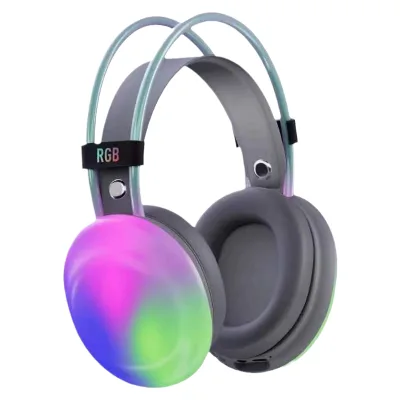


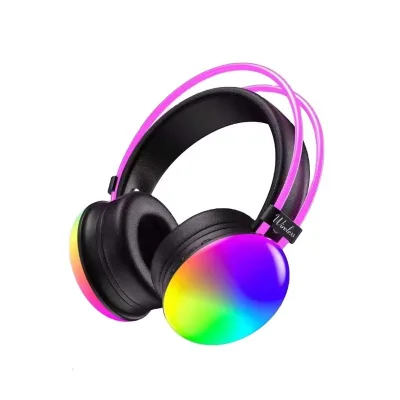
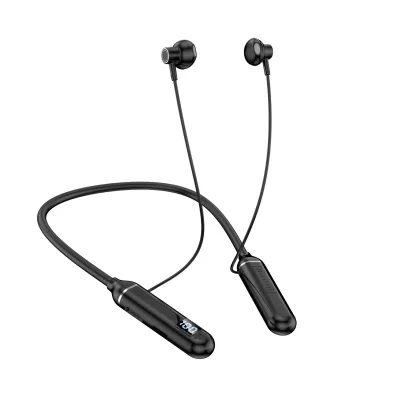





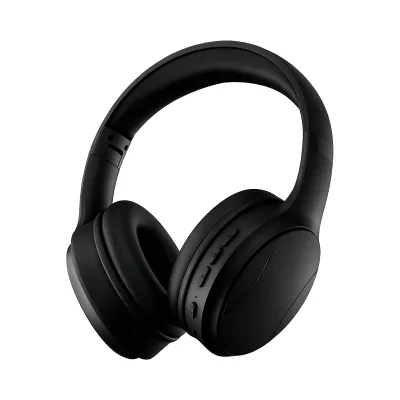
Comprehensive Sourcing Guide
Wireless RGB LED Gaming Headset Sourcing Guide
Procuring wireless RGB LED gaming headsets requires balancing aesthetic appeal with rigorous audio performance and connectivity stability. Buyers must navigate a market where visual customization often competes with technical reliability, particularly in the high-fidelity segment. The observed product landscape includes models with USB-C charging, Bluetooth v5.3 connectivity, and active noise cancellation features. Understanding these distinct technical profiles is essential for selecting the right supplier who can deliver consistent quality across large volumes.
This guide focuses on verifying critical specifications such as driver size, battery life, and wireless latency. It also addresses the importance of material durability, such as PU wire construction and plastic or metal housing, which directly impact user experience. By aligning procurement strategies with observed listing signals and technical requirements, buyers can mitigate risks associated with inconsistent audio quality or premature hardware failure. The following sections provide a structured approach to evaluating suppliers and ensuring product compliance.
Product Scope and Observed Listing Signals
The current market for wireless gaming headsets exhibits a wide price range, typically spanning from $2.90 to $57.14 USD, reflecting significant variation in component quality and brand positioning. Minimum order quantities (MOQs) vary substantially, ranging from single units for sampling to 3,000 units for bulk manufacturing, allowing flexibility for both small startups and large distributors. Buyers should note that many listings highlight "HiFi" sound quality and "Noise-Cancelling" capabilities, which are key selling points for competitive gaming peripherals.
Observed product attributes include diverse jack types, such as USB and 3.5mm, and various form factors like open-ear designs. Some models feature moving-coil drive units of 50mm, while others specify electrostatic principles, indicating a need for careful verification of acoustic performance. Color options predominantly include black and blue, with RGB lighting serving as a standard aesthetic feature. Understanding these signals helps buyers filter suppliers based on their specific technical and aesthetic requirements.
Technical Specifications to Verify
Buyers must verify the wireless connectivity standards, as Bluetooth v5.3 is increasingly common for low-latency performance. It is crucial to confirm the working distance, which typically ranges from 6 to 10 meters, ensuring reliable connection in typical gaming environments. Additionally, the wireless delay time should be less than 30ms to prevent audio-visual sync issues during fast-paced gameplay. Suppliers should provide clear documentation on chipset quality, such as JL chips, which are known for stability in consumer electronics.
Battery performance is another critical area for verification. Observed data indicates battery capacities around 200mAh, with charging times of 1-3 hours via Type-C interfaces. However, estimated battery life may be less than three hours, which is a significant constraint for extended gaming sessions. Buyers should also check for waterproof standards, such as IPX-2, which offers basic protection against sweat and light rain. Confirming these specifications ensures the product meets the endurance expectations of professional gamers.
Compliance and Safety Documentation
Ensuring regulatory compliance is vital for importing consumer electronics into various international markets. Buyers should request certificates for radio frequency compliance, such as FCC or CE marks, to verify that the Bluetooth modules meet local emission standards. Safety documentation for lithium-ion batteries is equally important, including UN38.3 testing reports to ensure safe transportation and handling. These documents protect against customs delays and potential liability issues related to battery safety.
Electromagnetic compatibility (EMC) testing results should also be reviewed to guarantee that the headset does not interfere with other electronic devices. Suppliers must provide evidence that their manufacturing processes adhere to relevant environmental standards, particularly regarding the use of plastics and metals in the housing. Verifying these compliance documents early in the sourcing process helps avoid costly recalls and ensures that the products can be legally sold in target markets without regulatory hurdles.
Cost Drivers and Commercial Terms
Several factors influence the final cost of wireless gaming headsets, including the choice of materials and the complexity of the RGB lighting system. Models with metal components and PU wiring generally command higher prices due to improved durability and perceived quality. The inclusion of active noise cancellation (ANC) and high-fidelity audio drivers also adds to the manufacturing cost. Buyers should analyze the bill of materials to understand how these components impact the unit price and overall margin potential.
Commercial terms such as MOQ and lead times vary significantly among suppliers. While some manufacturers offer low MOQs for testing, bulk orders may require longer production runs and extended lead times. Payment terms and shipping costs should be negotiated carefully, especially when dealing with international suppliers from regions like Guangdong, China. Understanding these cost drivers allows buyers to forecast expenses accurately and negotiate favorable terms that align with their budget constraints and volume requirements.
Supplier Qualification and Quality Control
Evaluating supplier qualifications involves assessing their manufacturing capabilities and quality control processes. Buyers should verify if the supplier has experience in producing wireless audio devices and whether they possess private molds or rely on standard designs. Factories with in-house testing facilities for audio quality and wireless connectivity are preferable, as they can ensure consistent product performance. Requesting samples for rigorous testing is a critical step before committing to large orders.
Quality control measures should include inspections for physical defects, such as cracks in the plastic housing or loose connections in the USB-C ports. Buyers should also verify the consistency of RGB lighting effects and the durability of the headband and ear cushions. Establishing clear acceptance criteria for audio clarity and battery performance helps maintain product standards. Regular audits and third-party inspections can further ensure that the supplier adheres to agreed-upon quality benchmarks throughout the production cycle.
Long-Term Procurement Checks
Sustainable procurement requires ongoing monitoring of supplier performance and product reliability. Buyers should track warranty claims and customer feedback to identify any recurring issues with battery life or connectivity. Maintaining open communication with suppliers allows for timely resolution of defects and continuous improvement in product design. Regularly reviewing market trends helps buyers stay ahead of technological advancements, such as newer Bluetooth versions or improved audio codecs.
Building a diversified supplier base reduces dependency on a single manufacturer and mitigates supply chain risks. Buyers should periodically re-evaluate their supplier portfolio to ensure they are getting the best value for their money. Long-term partnerships with reliable suppliers can lead to better pricing, priority production slots, and collaborative innovation. By focusing on these strategic checks, buyers can ensure a stable and competitive supply of high-quality wireless gaming headsets for their customers.
FAQs
What is the jack type for the wired gaming headset?
The wired gaming headset features a USB jack type for direct connection. This design supports both computer and mobile phone usage while delivering high-fidelity stereo sound through a 50mm moving-coil drive unit for immersive audio experiences.
Can the headset be customized for specific branding needs?
Yes, customization is available for this wired gaming headset to meet specific branding requirements. Buyers can request tailored solutions while maintaining the core features like RGB lighting and active noise cancellation for enhanced gaming performance.
Which battery capacity supports the wireless dual-mode functionality?
The headset includes a 200mAh battery capacity to support its wireless dual-mode functionality. This allows for less than three hours of estimated battery life, ensuring reliable performance during short gaming sessions or mobile use.
How does the active noise cancellation improve audio quality?
Active noise cancellation filters out background distractions to provide clearer audio. This feature works alongside the HiFi function and microphone to ensure users hear game sounds and voice chat clearly without external interference during gameplay.
What materials are used in the headset construction?
The headset is constructed using durable plastic and metal materials for longevity. These materials support the open-ear form factor and ensure the device remains lightweight while withstanding the rigors of daily gaming and multimedia usage.
Which wireless standard ensures low latency for gaming?
The headset utilizes Bluetooth v5.3 to ensure low latency for gaming applications. This standard supports a wireless delay time of less than 30ms, providing a responsive connection for real-time audio feedback during intense gaming sessions.
What is the working distance for the wireless connection?
The working distance for the wireless connection ranges from 6 to 10 meters. This range allows users to move freely around their room while maintaining a stable connection to their computer or mobile device without signal loss.
Can the headset be used for aviation and home theater?
Yes, the headset is designed for versatile usage including aviation and home theater. Its multimedia capabilities and noise-cancelling features make it suitable for various environments beyond just computer gaming, offering a comprehensive audio solution.