Source Wooden Color Balance Board for Fitness Core Stretch
Compare 30 Wooden Color Balance Board options from verified suppliers in China. These boards support balance training, core exercises, and muscle relaxation with customizable logos and various sizes.
Key considerations
Products List


Sport Fitness Wooden Adjustable Angle Incline Wooden Slant Balance Board
$16.50 - $17.00
MOQ: 100 Pieces


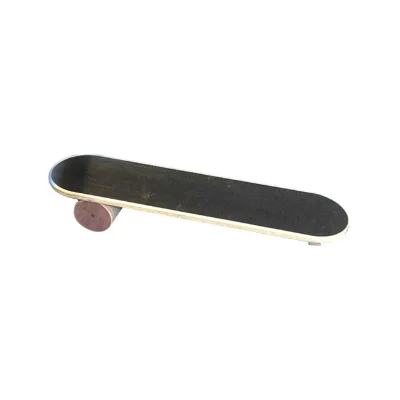
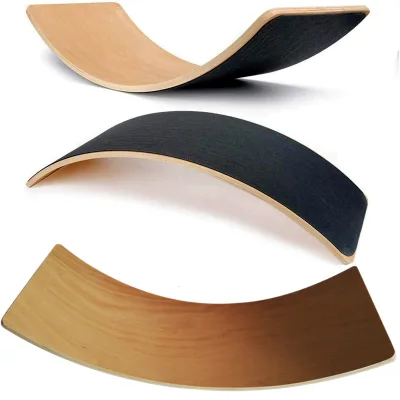


Winning Wood Balance Board Health Exercise Athletic Training Fitness Balance Board
$13.80 - $14.00
MOQ: 300 Pieces


High Quality Fitness Wooden Kids Balance Board with Customize W01d063
$10.00 - $15.00
MOQ: 1000 Pieces


Wholesale Custom Wobble Exercises Wooden Round Balance Board for Sale W01f083
$3.00 - $8.00
MOQ: 100 Pieces


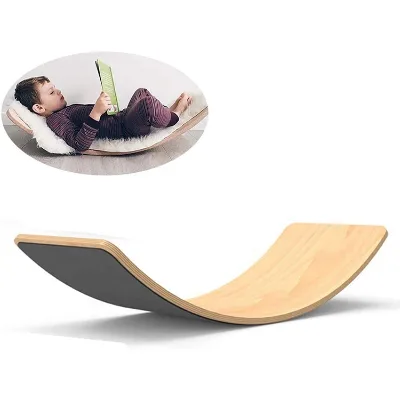

Comprehensive Sourcing Guide
Strategic Sourcing Guide for Wooden Color Balance Boards
Understanding Product Specifications and Variants
When sourcing wooden color balance boards, buyers must first navigate a diverse landscape of technical specifications that define the utility and application of each unit. The core keyword "Wooden Color Balance Board" encompasses several distinct models, each engineered for specific training outcomes. Based on available market data, these products are primarily categorized by their physical dimensions, structural shape, and intended user demographics.
The physical footprint of these boards varies significantly. One observed specification indicates a model with dimensions of 78 cm by 36.5 cm by 14 cm, featuring a fish-shaped design. Another variant presents a rectangular profile measuring 83 cm by 30 cm by 1.5 cm, while a third option offers an oval or rectangular shape with dimensions of 50 cm by 31 cm by 9 cm. These dimensional differences are not merely aesthetic; they directly influence the center of gravity, the range of motion available to the user, and the stability required for different exercises.
Material composition is a critical differentiator. The primary material identified for these units is wood, which provides a natural aesthetic and a specific tactile feel compared to plastic alternatives. The "wooden color" aspect often refers to the natural finish or specific stains applied, such as "Log Color," which preserves the grain while offering a consistent visual identity. However, color options are not limited to natural tones; some listings indicate "Grey/Yellow" or "Multiple" color choices, suggesting that manufacturers offer customization in surface finishes to match gym aesthetics or brand requirements.
The target demographic is consistently listed as "Adult" and "Unisex," indicating that these boards are designed for general fitness applications rather than pediatric use. The maximum loading capacity is a crucial safety metric, with one prominent model rated for 150 kg. This high weight capacity suggests robust construction capable of supporting dynamic movements and heavier users, a vital consideration for commercial gym environments. The power source is universally manual, relying on the user's body weight and balance rather than external motors, which simplifies maintenance and reduces failure points.
Compliance, Certification, and Safety Standards
In the B2B procurement of fitness equipment, verifying compliance with international safety and quality standards is non-negotiable. While specific test results for every unit cannot be assumed without direct verification, the market data indicates that certain models carry certifications such as CE, ISO, and RoHS. These certifications serve as a baseline for regulatory compliance, particularly for markets in Europe and North America.
The CE marking confirms that the product meets EU safety, health, and environmental requirements. For a balance board, this implies that the structural integrity has been assessed to prevent sudden failure under load, and that the materials used do not pose chemical hazards. The ISO certification typically relates to quality management systems, suggesting that the manufacturer adheres to consistent production processes. RoHS compliance indicates that the product is free from specific hazardous substances, which is essential for both environmental sustainability and user safety.
Buyers must exercise caution when interpreting these certifications. The presence of a certification label on a product listing does not automatically guarantee that every unit in a bulk order meets the same standard. It is imperative to request valid, current certificates from the supplier for the specific batch being purchased. Furthermore, while the observed standard dimensions (e.g., 7527cm or 7829cm) provide a reference, buyers should verify that the physical product matches these specifications exactly, as deviations can affect the balance dynamics and safety of the equipment.
The origin of the product is another factor in compliance. The data indicates that these products originate from China. While this is a major manufacturing hub with a vast supply chain, it necessitates rigorous due diligence regarding labor standards and environmental regulations. Buyers should ensure that the supplier's compliance with local laws in the country of origin aligns with the import requirements of the destination country.
Cost Drivers and Pricing Dynamics
The pricing structure for wooden color balance boards is influenced by a complex interplay of factors, including material costs, customization levels, and order volume. The observed price range in the market spans from $2.78 to $50 USD. This wide variance suggests that the base cost of a simple, unbranded wooden board is significantly lower than that of a customized, high-specification unit with premium packaging.
Material quality is a primary cost driver. The use of solid wood versus engineered wood composites will drastically affect the final price. Solid wood offers superior durability and a premium feel but comes at a higher cost. Additionally, the finish and color options play a role; a natural "Log Color" finish may be less expensive than a multi-color painted design or a specialized coating that enhances grip and durability.
Customization is another significant variable. The market data confirms that customization is available, including logo placement and color selection. Adding a custom logo or specific branding to the board requires additional setup time and potentially higher unit costs, especially for smaller orders. However, for large-volume procurement, the per-unit cost of customization often decreases due to economies of scale.
The Minimum Order Quantity (MOQ) also impacts the effective cost per unit. The observed MOQ range is from 1 to 1000 sets. A buyer ordering a single unit for testing or a small pilot program will face a higher per-unit price compared to a bulk order of 1000 sets. One specific model lists an MOQ of 100 sets, which is a common threshold for balancing production efficiency with inventory risk for the supplier. Buyers should negotiate based on their volume needs, understanding that higher volumes typically unlock better pricing tiers and more favorable payment terms.
Typical Applications and Functional Benefits
Wooden color balance boards are versatile tools designed for a wide range of applications, from rehabilitation to high-performance athletic training. The primary functional benefit highlighted in the product data is the improvement of soft tissue ligaments and the relaxation of muscles. This makes them particularly valuable in physical therapy settings where controlled instability is used to strengthen connective tissues without excessive impact.
Beyond rehabilitation, these boards are essential for balance training and core strengthening. The unstable surface forces the user to engage stabilizer muscles in the legs, core, and ankles to maintain equilibrium. This engagement is crucial for athletes looking to improve proprioception and prevent injuries. The "Leg" exercise part designation in the specifications further emphasizes their utility in lower-body conditioning.
The suitability of these boards extends to various environments. They are designed for use in both home and gymnasium settings. For home users, the compact dimensions of some models (e.g., 50 cm * 31 cm * 9 cm) make them easy to store when not in use. For commercial gyms, the durability and high load capacity (up to 150 kg) ensure they can withstand heavy daily use by multiple clients.
The "Fish-Shaped" and "Rectangle" designs offer different training experiences. A fish-shaped board may provide a unique center of gravity that challenges the user in specific planes of motion, while a rectangular board offers a more traditional, stable platform for general balance work. The "Oval" shape adds another dimension, potentially allowing for a smoother rolling motion. Buyers should select the shape based on the specific training goals of their target clientele.
Supplier Evaluation and Quality Control
Selecting the right supplier is critical for ensuring product consistency and long-term reliability. When evaluating potential partners, buyers should look beyond the basic product listing and assess the supplier's capacity for quality control. The availability of samples is a key indicator of a supplier's confidence in their product. The data confirms that sample support is available, with a sample time of 7 days. This allows buyers to physically inspect the wood quality, finish, and stability before committing to a large order.
Quality control should be a continuous process. Buyers must verify that the production process maintains the specified dimensions and weight. For instance, if a model is listed as 78 cm * 36.5 cm * 14 cm with a weight of 8 kg, the actual product should match these figures within a tight tolerance. Deviations can indicate poor craftsmanship or the use of inferior materials.
Packaging is another area of focus. The data mentions "Carton," "CTN," and "Paper Box" as packaging options. Robust packaging is essential to prevent damage during transit, especially for wooden products that can be susceptible to moisture or impact. Buyers should ensure that the packaging includes protective materials like foam or corner guards to maintain the integrity of the board.
Supplier communication and responsiveness are also vital. The ability to provide clear documentation, including certification copies and detailed specifications, is a sign of a professional supplier. Buyers should request a detailed product specification sheet that includes all relevant dimensions, materials, and safety ratings. Additionally, the supplier's ability to handle customization requests, such as logo printing, should be tested during the sampling phase.
Long-Term Procurement and Maintenance Considerations
Procuring wooden color balance boards is not just a one-time transaction; it involves planning for long-term maintenance and lifecycle management. Wood is a natural material that requires specific care to maintain its structural integrity and aesthetic appeal. Buyers should advise their end-users on proper maintenance, such as avoiding prolonged exposure to direct sunlight or excessive moisture, which can cause warping or cracking.
The "Folded: Unfolded" attribute suggests that some models may have a collapsible design, although most balance boards are solid structures. If a model is indeed foldable, the mechanism must be durable enough to withstand repeated assembly and disassembly. Buyers should verify the hinge or joint quality to ensure it does not become loose over time.
Lead times are a critical factor in supply chain planning. The observed delivery time is 30 days, which is a standard timeframe for manufacturing and shipping from China. However, buyers should account for potential delays due to customs clearance, shipping logistics, or production bottlenecks. Establishing a buffer in the procurement schedule is advisable to prevent stockouts, especially for popular models.
Finally, the warranty and after-sales support provided by the supplier should be clearly defined. Given the nature of fitness equipment, which undergoes significant stress, a warranty that covers structural defects is essential. Buyers should negotiate terms that include replacement policies for defective units and clear guidelines for handling returns or claims. By focusing on these long-term considerations, buyers can ensure a sustainable and reliable supply of wooden color balance boards for their operations.
Comparative Analysis of Key Models
To assist in decision-making, the following table summarizes the key specifications of the observed models. This comparison highlights the diversity in dimensions, weights, and shapes available in the market.
| Model Reference | Dimensions (L x W x H) | Shape | Weight | Max Loading | Primary Usage |
|---|---|---|---|---|---|
| MS-WBBK | 75 cm * 27 cm | Not Specified | Not Specified | Not Specified | Balance Training |
| MS-BB001 | 78 cm * 29 cm | Not Specified | Not Specified | Not Specified | Fitness, Body Building |
| MS-BB003 | DIA: 39.5 cm | Not Specified | Not Specified | Not Specified | Stretch, Exercise |
| MS-ALX4531 | Not Specified | Not Specified | Not Specified | Not Specified | Fitness |
| MS-TB002 | 32 cm * 41.5 cm * 15 cm | Not Specified | Not Specified | Not Specified | Fitness |
| HSN-0134 | 78 cm * 36.5 cm * 14 cm | Fish-Shaped | 8 Kg | Not Specified | Balance Training |
| HSN-0112 | 83 cm * 30 cm * 1.5 cm | Rectangle | 3 Kg | Not Specified | Balance Training |
| Generic Model | 50 cm * 31 cm * 9 cm | Oval; Rectangle | 5 Kg | 150 Kg | Core Training |
This table illustrates that while the core function remains consistent, the physical attributes vary widely. Buyers must align these specifications with their specific operational needs, whether that requires a lightweight, portable board for home use or a heavy-duty, high-load unit for a commercial gym. The diversity in dimensions and shapes allows for a tailored approach to procurement, ensuring that the selected equipment meets the precise requirements of the end-user.
FAQs
What is the maximum loading capacity for these wooden boards?
One model supports a maximum loading of 150 kg. This high capacity ensures safety for dynamic movements and heavier users in commercial gym environments.
How long does delivery take for orders from China?
The standard delivery time is 30 days. Buyers should account for this timeframe when planning inventory to avoid stockouts during peak seasons.
Can I request a custom logo on the balance board?
Yes, customization is available including logo placement. This option allows brands to match gym aesthetics or specific corporate requirements on the wood surface.
What materials are used to construct these balance boards?
The primary material is wood, offering a natural aesthetic and specific tactile feel. Some variants feature a Log Color finish to preserve the grain while ensuring consistency.
Which certifications do these products typically hold?
Certain models carry CE, ISO, and RoHS certifications. These marks confirm compliance with EU safety standards and indicate the product is free from hazardous substances.
What is the minimum order quantity for purchasing these boards?
The MOQ ranges from 1 to 1000 sets depending on the supplier. One specific model lists an MOQ of 100 sets to balance production efficiency with inventory risk.
How can I verify the product quality before placing a bulk order?
Sample support is available with a sample time of 7 days. This allows buyers to physically inspect the wood quality and stability before committing to large volumes.