Source Word Guessing Board Game for Parties, Education, and Team Building
Explore 30 options for a Word Guessing Board Game designed for unisex audiences aged 3 and up. Compare features like advanced difficulty levels, waterproof materials, and custom printing services to find the ideal fit for home, educational, or business applications.
Key considerations
Products List


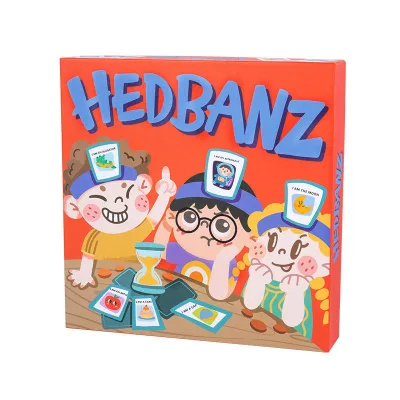
Factory Direct Sales Custom Logo Design Printing Paper Custom Funny Board Game
$0.35 - $0.45
MOQ: 500 Pieces




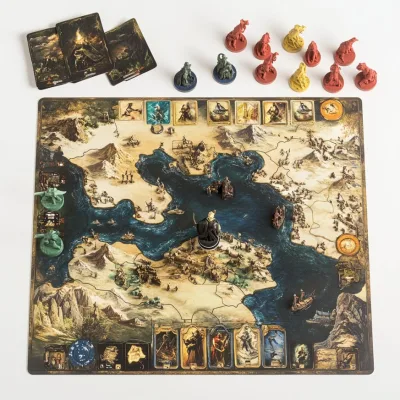
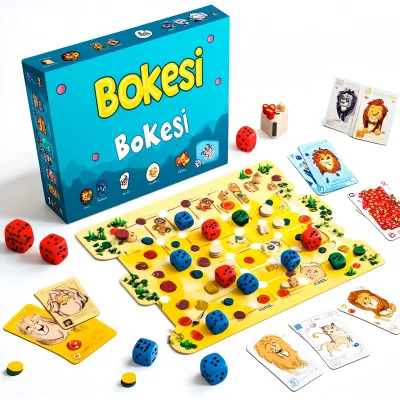
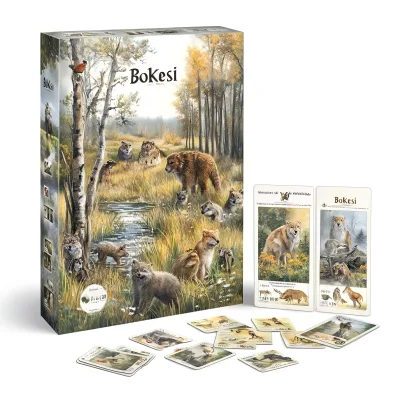
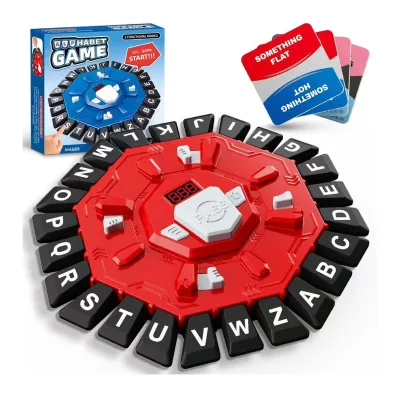


Comprehensive Sourcing Guide
Word Guessing Board Game Sourcing Guide
Sourcing word guessing board games requires a nuanced understanding of the intersection between educational tools and abstract strategy entertainment. Buyers must distinguish between products designed for early childhood literacy and those targeting advanced cognitive engagement. The market offers diverse configurations, ranging from simple language cards for toddlers to complex board games with dice and accessories for older demographics. Understanding these distinctions is critical for aligning procurement with specific target audience needs, whether for retail distribution, educational institutions, or corporate team-building activities.
Procurement strategies should also account for the high degree of customization available in this category. Manufacturers frequently offer OEM services, allowing buyers to tailor game mechanics, artwork, and instructional materials to their brand identity. This flexibility extends to printing specifications, where full-color CMYK printing on coated paper is standard for high-quality educational cards. Buyers should leverage these customization options to create unique value propositions, ensuring that the final product resonates with their specific market segment while maintaining consistent quality across all components.
Product Scope and Observed Listing Signals
The observed product landscape reveals a wide spectrum of game types, including board games, card games, and language learning cards. Listings indicate a strong emphasis on educational utility, with many products explicitly marketed for letters, math learning, and early childhood development. These items often feature soft covers and are packaged in boxes or cartons, suggesting a focus on durability and ease of storage. The presence of accessories such as dice and game boards indicates a hybrid approach, blending traditional board game mechanics with card-based word guessing elements to enhance player engagement.
Demographic targeting varies significantly across listings, with age ranges spanning from three years and up to fourteen years and older. This broad spectrum suggests that buyers can source products for multiple market segments simultaneously. Some listings highlight unisex appeal and small group sizes, making them suitable for family use or small classroom settings. Others cater to larger groups or specific applications like chess and card rooms, indicating versatility in gameplay settings. Buyers should carefully review these signals to ensure the selected products align with their intended user base and usage scenarios.
Technical Specifications to Verify
Verifying material composition is essential for ensuring product safety and durability. Listings indicate the use of paper, plastic, and paper-plastic combinations, with specific models like PG210 and MY-282 representing different structural designs. Buyers must confirm that materials meet relevant safety standards, particularly for products aimed at younger children. The surface finishing options, including varnish, lamination, UV coating, and linen textures, play a crucial role in both aesthetics and longevity. These finishes protect the printed content from wear and tear, ensuring that the game remains visually appealing and functional over time.
Printing quality and color accuracy are critical technical aspects that require close scrutiny. High-end listings mention the use of Heidelberg printing presses for CMYK full-color printing, which ensures vibrant and consistent colors across all game components. Buyers should request physical samples to evaluate print quality, checking for issues such as color bleeding, misalignment, or fading. Additionally, the condition of the product, whether new or refurbished, should be clearly stated. Ensuring that all components, from game boards to accessories, are manufactured to precise specifications will help maintain brand reputation and customer satisfaction.
Compliance and Safety Documentation
Safety compliance is paramount, especially for products targeting children aged three and up. Buyers must ensure that all materials used in the production of word guessing games meet international safety standards, such as those for non-toxic materials and small part hazards. While specific certifications like CE are mentioned in background data, buyers should verify the current status and validity of any certifications provided by suppliers. This verification process helps mitigate risks associated with product recalls or legal liabilities, ensuring that the games are safe for their intended users.
Documentation should also include detailed instructions for use and assembly, particularly for games with complex components like dice and game boards. Clear teaching modes and instructional materials are essential for ensuring that players can understand and enjoy the game without confusion. Buyers should review these documents to ensure they are accurate, comprehensive, and available in the required languages. Proper documentation not only enhances the user experience but also demonstrates the supplier's commitment to quality and customer support, which can be a significant differentiator in competitive markets.
Cost Drivers and Commercial Terms
Cost structures in this category are influenced by several factors, including material quality, printing complexity, and customization levels. Products with advanced features, such as full-color printing on coated paper with special surface finishes, tend to be more expensive. Buyers should analyze the cost breakdown to understand how different specifications impact the final price. Additionally, the minimum order quantity (MOQ) ranges from 36 to 10,000 units, offering flexibility for both small-scale trials and large-volume orders. Understanding these commercial terms is crucial for budgeting and inventory management.
Lead times and production capabilities are also significant cost drivers. Suppliers located in regions like Guangzhou, China, may offer competitive pricing and efficient production cycles, but buyers should confirm lead times to ensure timely delivery. Customization requests, such as OEM branding or unique game designs, can extend production times and increase costs. Buyers should negotiate clear terms regarding pricing, payment schedules, and delivery timelines to avoid unexpected expenses. Establishing a transparent commercial relationship with suppliers helps in managing costs effectively and ensuring project success.
Supplier Qualification and Quality Control
Evaluating supplier qualifications is a critical step in the sourcing process. Buyers should assess the supplier's experience in manufacturing educational and entertainment products, looking for evidence of consistent quality and reliability. Suppliers offering customized standards and OEM services demonstrate flexibility and a customer-centric approach. It is also important to verify the supplier's production capacity and quality control processes to ensure they can meet order volumes and maintain high standards. Requesting references or case studies can provide additional insights into the supplier's track record.
Quality control measures should be clearly defined and agreed upon before production begins. This includes specifications for material testing, print quality checks, and final product inspections. Buyers should consider implementing third-party inspection services to verify that the products meet agreed-upon standards before shipment. Establishing a robust quality control framework helps in identifying and addressing potential issues early in the production process, reducing the risk of defects and ensuring that the final products meet customer expectations. Regular communication with suppliers during production can also help in maintaining quality and addressing any concerns promptly.
Long-Term Procurement Checks
Building a long-term relationship with suppliers requires ongoing monitoring and evaluation. Buyers should regularly review supplier performance metrics, such as on-time delivery rates, product quality consistency, and responsiveness to issues. Establishing key performance indicators (KPIs) can help in objectively assessing supplier performance and identifying areas for improvement. Regular feedback sessions with suppliers can foster collaboration and continuous improvement, ensuring that both parties are aligned on quality and service expectations. This proactive approach helps in maintaining a stable and reliable supply chain.
Market trends and consumer preferences in the educational and entertainment sectors are constantly evolving. Buyers should stay informed about emerging trends, such as new game mechanics, digital integration, or sustainability initiatives, to ensure their product offerings remain relevant. Regularly updating product specifications and sourcing strategies based on market insights can help in maintaining a competitive edge. Additionally, exploring opportunities for product diversification, such as introducing new game types or targeting new demographics, can drive growth and expand market reach. Continuous innovation and adaptation are key to long-term success in this dynamic industry.
FAQs
What is the minimum order quantity for these games?
The minimum order quantity ranges from 36 to 10,000 units depending on the specific product model and customization level. Buyers can select options that fit their budget and inventory needs while ensuring the supplier meets their production capacity requirements for bulk orders.
Can I customize the printing and design of the game?
Yes, customization is available for printing and design with options like CMYK full color printing using the best Heidelberg equipment. Buyers can request specific surface finishes such as varnish, lamination, or UV coating to match their brand identity and product standards.
What materials are used to manufacture these board games?
These games are primarily manufactured using paper and plastic materials to ensure durability and safety for various age groups. The specific material composition may vary by model, but all products are designed to meet standard educational and entertainment requirements for children and adults.
How long does it take to produce a custom order?
Production time typically ranges from 0.5 to 2 hours for gameplay duration, but manufacturing lead times depend on order volume and customization. Buyers should consult suppliers for specific lead times based on their requested specifications and current production capacity in Guangzhou, China.
Are these games suitable for educational purposes?
Yes, many models are designed as educational games for early learning, including letters and math skills for children aged 3 to 7 years. They serve as effective tools for home or classroom use, supporting teaching modes through instructions and interactive gameplay elements.
What is the standard packaging for these products?
Products are typically packed in boxes or cartons to ensure safe transport and storage during shipping. The packaging can be customized according to buyer requests, ensuring that the game boards and accessories remain secure and presentable upon delivery to the final destination.
Which age groups can play these board games?
These games cater to a wide age range, starting from 3 years up to 14 years and older. The difficulty levels vary from simple educational tasks for young children to advanced abstract strategy challenges for older players, ensuring engagement across different developmental stages.