Source Woolen Socks for winter sports, daily wear, and baby care
Find 30 listings for Woolen Socks featuring styles like ankle, middle, and tall heights. Buyers can compare materials including chenille and wool, along with customization options and seasonal suitability for various needs.
Key considerations
Products List


Comprehensive Sourcing Guide
Woolen Socks Sourcing Guide
Sourcing Woolen Socks requires a nuanced understanding of material properties, manufacturing capabilities, and commercial terms that differ significantly from synthetic alternatives. Buyers must navigate a landscape where natural fiber performance intersects with modern textile engineering to deliver comfort, durability, and thermal regulation. This guide provides evidence-based procurement strategies for sourcing high-quality Woolen Socks, focusing on verified product attributes, technical verification steps, and risk mitigation measures. By adhering to structured evaluation criteria, procurement teams can ensure that selected suppliers meet specific operational needs while maintaining cost efficiency and quality consistency.
The following sections outline critical decision points for buyers, including product scope analysis, technical specification verification, compliance documentation, cost structure assessment, supplier qualification, and long-term procurement checks. Each section is designed to provide actionable guidance that aligns with industry best practices and observed market signals. Buyers are encouraged to use this framework as a reference for developing detailed sourcing strategies, conducting supplier audits, and establishing quality control protocols tailored to their specific requirements.
Product Scope and Observed Listing Signals
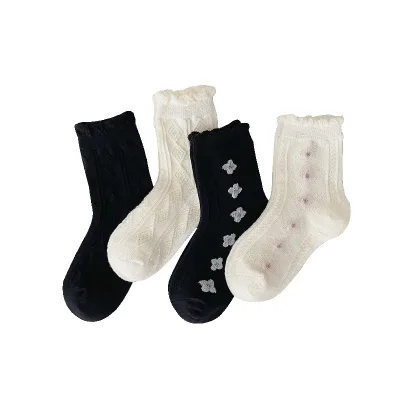
The observed product landscape for Woolen Socks reveals a diverse range of styles, materials, and customization options that cater to various market segments. Key attributes identified in current listings include styles such as stockings, socks, wool socks, and ankle socks, indicating a broad applicability across different use cases. Material composition is a critical differentiator, with chenille and wool being prominent options, each offering distinct tactile and performance characteristics. Buyers should note that material selection directly impacts product feel, durability, and thermal properties, making it essential to align material choices with end-user expectations and intended application environments.
Customization capabilities are a significant feature in the current market, with many suppliers offering logo customization, free design services, and OEM supply types. This flexibility allows buyers to create branded products that resonate with their target audience while maintaining unique brand identity. Additionally, seasonal versatility is evident, with products designed for spring/autumn, summer, and winter use, suggesting that Woolen Socks can be engineered for various climate conditions. Buyers should leverage these customization options to develop differentiated product offerings that address specific market needs, while ensuring that customization processes do not compromise quality or lead times.
Technical Specifications to Verify
Technical verification is crucial for ensuring that Woolen Socks meet performance expectations and quality standards. Key specifications to verify include product models, sizes, thicknesses, and standard measurements, which provide a baseline for product consistency and fit. For instance, observed models such as BAT-W01, BAT-W05, and DL-WS-45 indicate a variety of product lines that may differ in construction, material blend, or intended use. Buyers should request detailed specification sheets for each model to understand variations in size ranges, thickness levels, and standard measurements, ensuring that selected products align with target demographic requirements and sizing expectations.
Material properties and feature sets are equally important for technical verification, with attributes such as breathability, anti-bacterial properties, thermal insulation, and sweat absorption being critical performance indicators. Observed features like anti-slip, eco-friendly composition, and knitted construction suggest that Woolen Socks can be engineered for specific functional needs, such as sports performance or everyday comfort. Buyers should verify these features through supplier documentation or third-party testing reports, ensuring that claimed properties are substantiated by objective data. Additionally, thickness variations, ranging from normal to thickening, should be evaluated based on intended use cases, with thicker options suitable for winter conditions and thinner options for warmer climates.
Compliance and Safety Documentation
Compliance and safety documentation are essential for mitigating regulatory risks and ensuring that Woolen Socks meet international standards. While specific certifications such as OEKO-TEX, ISO 9001, and GOTS are mentioned in background information, buyers should verify the current status and applicability of these certifications for each supplier and product line. These certifications indicate adherence to environmental, quality, and safety standards, providing assurance that products are free from harmful substances and manufactured under controlled conditions. Buyers should request valid certification documents and verify their authenticity through official certification bodies, ensuring that suppliers maintain up-to-date compliance records.
In addition to certifications, buyers should assess suppliers' quality management systems and production processes to ensure consistent product quality and safety. This includes evaluating raw material sourcing, manufacturing practices, and final product inspection procedures. Suppliers should demonstrate a commitment to quality through documented processes, regular audits, and continuous improvement initiatives. Buyers should also consider the environmental impact of production processes, particularly when sourcing Woolen Socks, as wool production can have significant ecological implications. Suppliers that prioritize sustainable practices and transparent supply chains can help buyers meet corporate social responsibility goals and appeal to environmentally conscious consumers.
Cost Drivers and Commercial Terms
Understanding cost drivers and commercial terms is essential for developing competitive pricing strategies and managing procurement budgets. Key cost factors include material costs, labor expenses, customization requirements, and order volumes, all of which influence final product pricing. Observed price ranges and MOQ values provide insights into market dynamics, with prices varying based on product complexity, material quality, and customization levels. Buyers should negotiate favorable terms based on order volume, lead times, and payment conditions, ensuring that cost structures align with budget constraints and profitability targets.
Commercial terms such as delivery times, sample availability, and small order acceptance are also critical for procurement planning. Observed delivery times of 3-7 days and sample availability within 7 days indicate efficient production processes, allowing buyers to respond quickly to market demands. Suppliers that accept small orders provide flexibility for testing new products or fulfilling urgent requests, reducing inventory risks and enabling agile procurement strategies. Buyers should evaluate these commercial terms in conjunction with cost factors to develop comprehensive procurement strategies that balance cost efficiency with operational flexibility.
Supplier Qualification and Quality Control
Supplier qualification and quality control are fundamental to ensuring consistent product quality and reliable supply chain performance. Buyers should conduct thorough supplier assessments, evaluating factors such as production capacity, quality management systems, and past performance records. This includes verifying supplier credentials, conducting on-site audits, and reviewing quality control processes to ensure that suppliers can consistently meet product specifications and quality standards. Buyers should also assess suppliers' ability to handle customization requests, ensuring that they have the necessary expertise and resources to deliver tailored products without compromising quality.
Quality control measures should be integrated into the procurement process, with clear quality standards and inspection protocols established for each product batch. Buyers should implement incoming quality inspections, in-process monitoring, and final product testing to identify and address quality issues early in the production cycle. Suppliers should provide detailed quality reports and test results, enabling buyers to verify product compliance and performance. Additionally, buyers should establish feedback mechanisms to continuously improve product quality and address any recurring issues, fostering a collaborative relationship with suppliers that prioritizes quality and continuous improvement.
Long-Term Procurement Checks
Long-term procurement checks are essential for maintaining supply chain resilience and ensuring sustained product quality over time. Buyers should establish regular review cycles to assess supplier performance, product quality, and market trends, enabling proactive identification and mitigation of potential risks. This includes monitoring supplier financial stability, production capacity, and compliance status, ensuring that suppliers remain reliable partners throughout the procurement lifecycle. Buyers should also track product performance in the market, gathering feedback from end-users to identify areas for improvement and drive product innovation.
Sustainability and ethical sourcing practices should be integrated into long-term procurement strategies, reflecting growing consumer demand for responsible products. Buyers should evaluate suppliers' environmental impact, labor practices, and supply chain transparency, ensuring that procurement activities align with corporate sustainability goals. Additionally, buyers should explore opportunities for collaboration with suppliers to develop innovative products that address emerging market needs, such as enhanced thermal properties, improved durability, or eco-friendly materials. By prioritizing long-term relationships and continuous improvement, buyers can build resilient supply chains that deliver value and drive competitive advantage in the Woolen Socks market.
FAQs
What styles of Woolen Socks are available?
The available styles include ankle, stockings, and wool socks. These options cater to different preferences and seasonal needs, with specific models like BAT-W01 and DL-WS-45 offering distinct designs for various applications.
Can I request custom designs for these socks?
Yes, custom designs are available for these products. Buyers can request specific logos and patterns, such as cartoon designs, while the supplier accepts OEM orders to meet unique branding requirements for bulk purchases.
What materials are used to make these socks?
The primary materials used are wool and chenille. These materials provide features like thermal retention, breathability, and anti-bacterial properties, making them suitable for winter, spring, autumn, and summer seasons depending on thickness.
What are the minimum order quantities for these socks?
Minimum order quantities range from zero to two thousand pairs depending on the specific product model. Small orders are accepted, allowing buyers to test the market with lower initial commitments before scaling up production.
How long does it take to receive samples?
Samples can be prepared within seven days. This quick turnaround allows buyers to verify quality and design details before committing to larger orders, ensuring the final product meets specific expectations and standards.
Where are these Woolen Socks manufactured?
These socks are manufactured in China, specifically in the Zhejiang region. The products originate from this location, ensuring access to established supply chains and manufacturing capabilities for various sock styles and specifications.
What packaging options are available for bulk orders?
Packaging options include cartons, polybags with brand paper cards, and gift boxes containing five pairs. The specific packaging method depends on the product model and buyer requirements, ensuring safe transport and presentation.