Source Work Clothes for construction, factory, and staff protection
Compare 30 listings of Work Clothes from suppliers in China. Buyers can review specifications like material, certifications, and MOQs to find suitable options for industrial and safety applications.
Key considerations
Products List
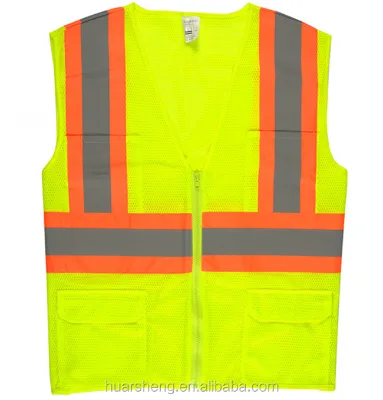
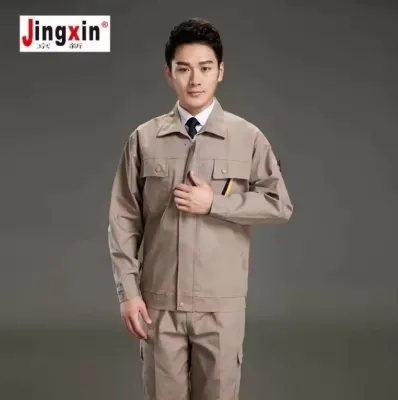
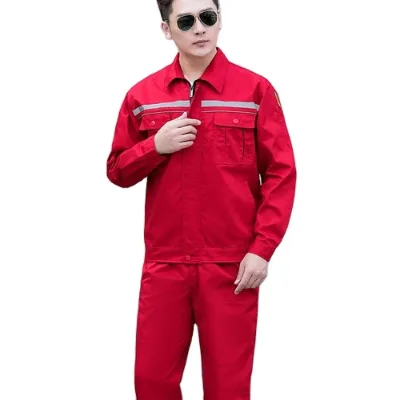


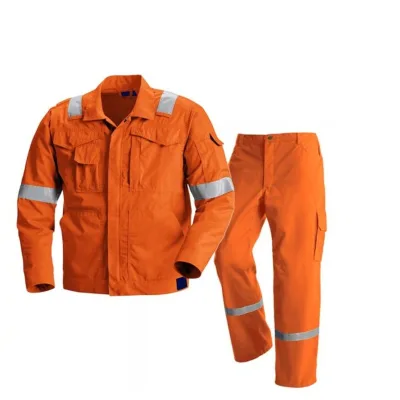

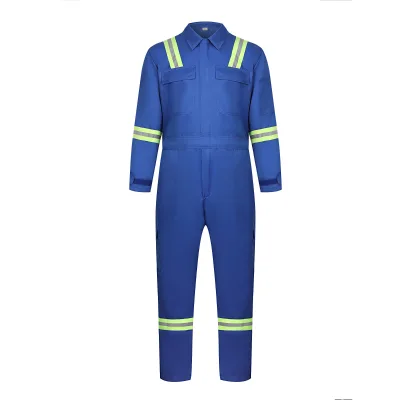
100% High Quality Cotton Work Coveralls Work Coveralls Breathable Workwear
$8.36 - $12.59
MOQ: 500 Sets


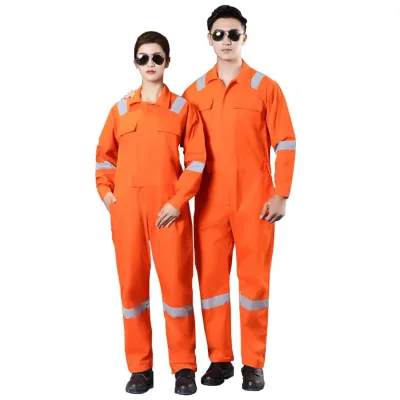
Spring and Autumn Long Sleeve Men's and Women's Workwear Work Clothes Coverall
$10.90 - $12.90
MOQ: 20 pieces




Comprehensive Sourcing Guide
Strategic Sourcing Guide for Industrial Work Clothes
Navigating the global market for industrial Work Clothes requires a disciplined approach that prioritizes verified product attributes over marketing narratives. Buyers seeking durable, compliant, and cost-effective protective apparel must rely on concrete data points regarding material composition, certification status, and supply chain logistics. The following guide synthesizes observed market realities to help procurement professionals evaluate potential suppliers and products for workwear needs, ensuring that decisions are grounded in factual evidence rather than unverified claims.
Technical Specifications and Material Composition
The foundation of any effective workwear procurement strategy lies in a precise understanding of technical specifications. In the current market, Work Clothes are frequently defined by their material composition and functional attributes. Observed product data indicates a prevalence of cotton and polyester-cotton blends, which offer a balance between breathability and durability. For instance, specific listings identify materials as "Cotton" or "polyester-cotton," suggesting that buyers should explicitly verify the fiber ratio to ensure the garment meets the specific environmental demands of the job site.
Beyond fabric, the construction details are critical. Attributes such as "Seamless Fusing" are noted as "No" in certain product profiles, implying that traditional stitching methods are the standard for these items. This distinction is vital for buyers requiring high-tenacity garments where seam strength is paramount. Furthermore, the "Needle detection" attribute is listed as "Yes" for certain work uniforms, a critical safety feature that ensures no metal fragments remain in the finished product, thereby protecting both the wearer and the end-user of the final manufactured goods.
Functional features also play a significant role in selection. The market data highlights attributes like "Quick Dry" and "High Tenacity" as common selling points. These features suggest that the Work Clothes are designed for environments where moisture management and resistance to tearing are necessary. Buyers should cross-reference these claims against the specific "Feature" tags provided in supplier listings, which may also include "Other" or "Durable" classifications. Additionally, the "Style" is often categorized under "Safety Protective Clothing" or "Work Fashion," indicating a dual focus on safety compliance and aesthetic presentation for staff uniforms.
Compliance and Certification Verification
In the realm of industrial safety, certification is not merely a formality but a prerequisite for liability management and operational safety. The supplied data explicitly mentions "CE" certification for specific work uniform products, confirming that certain items meet European safety standards. This is a high-confidence fact that buyers can use as a benchmark when evaluating potential suppliers. However, it is crucial to note that not every product in the market will carry this specific certification; therefore, procurement teams must verify the "Certification" field for each specific SKU before placing an order.
While some background knowledge references standards like ISO 20471, the provided facts do not confirm this standard for the specific products listed. Consequently, buyers should not assume compliance with ISO 20471 based on general category knowledge alone. Instead, the verification process should focus on the explicit "Certification" and "Standard" fields provided in the product data. One listing mentions "SGS" as a product standard, which serves as a third-party verification of quality. When evaluating suppliers, buyers must request documentation that aligns with the specific certifications claimed, such as CE or SGS, rather than relying on generic industry expectations.
The "Place of Origin" also plays a role in compliance. Products are observed originating from regions such as Jiangsu, Beijing, and Nanchang in Jiangxi Province. Different regions may have varying regulatory enforcement levels. Buyers should ensure that the "Place of Origin" aligns with the jurisdiction of the intended market and that the supplier can provide traceable documentation linking the specific batch of goods to the claimed certifications.
Cost Drivers and Pricing Structures
Understanding the cost structure of Work Clothes is essential for budgeting and negotiation. The observed price range in the market spans from $0.16 to $28.62 USD. This wide variance is driven by several factors, including material quality, certification levels, and the complexity of the design. Lower-priced items often correspond to basic cotton or polyester-cotton blends with standard features, while higher-priced items may include specialized safety features, custom branding, or higher-grade certifications.
The Minimum Order Quantity (MOQ) is another significant cost driver. The observed MOQ range is between 1 and 5000 units. Suppliers offering an MOQ of "2 Pcs" or "Single item" provide flexibility for small-scale testing or immediate needs, but the unit cost may be higher. Conversely, bulk orders typically benefit from economies of scale, though the initial capital outlay is substantial. Buyers must balance the need for inventory against the cash flow implications of high MOQs.
Additional cost factors include customization and packaging. Attributes such as "Custom Logo Acceptable" and "Printing or Embroidery" indicate that branding services are available but may incur extra charges. The packaging method, described as "Polybag" with "20 PCS Each Carton," also influences shipping costs. Buyers should calculate the total landed cost, including the unit price, customization fees, and shipping expenses, which may vary based on the "Shipping" methods listed, such as UPS, FedEx, TNT, DHL, or sea freight.
Typical Applications and Use Cases
Work Clothes are designed for a variety of industrial and commercial applications, as indicated by the "Application" attribute listed as "Work Protection." This broad category encompasses roles ranging from general labor to specialized safety tasks. The "Uniform Type" is described as "Work Coverall" or "Work Fashion," suggesting versatility in use cases. For instance, "Work Coveralls" are typically used in heavy-duty environments where full-body protection is required, while "Work Fashion" items might be suited for customer-facing roles in industrial settings where a professional appearance is also necessary.
The "Gender" attribute, listed as both "Men" and "Unisex," highlights the importance of sizing inclusivity. The available sizes range from "M/L/XL/2XL/3XL/4XL," ensuring that a wide range of body types can be accommodated. This is particularly relevant for large-scale procurement where uniform consistency across a diverse workforce is required. The "Color" options, including "Gray" and "Red," allow for color-coding based on role, department, or safety level, which is a common practice in industrial safety management.
Furthermore, the "Key words" such as "Staff Working Uniform" reinforce the intended use case for internal staff management. These garments are not just protective gear but also serve as a visual identifier for employees, aiding in site security and team organization. Buyers should consider the specific operational environment when selecting colors and styles to ensure that the Work Clothes meet both safety and organizational needs.
Supplier Evaluation and Service Capabilities
Evaluating suppliers requires a focus on their service capabilities and production flexibility. The "Supply Type" is identified as "Oem Service," and "OEM&ODM" is noted as "It Is Welcome," indicating that suppliers are capable of custom manufacturing and design services. This is a critical factor for buyers looking to brand their own workwear or require specific design modifications. The "Service" attributes, including "Custom Design," "Direct Factory Manufacture," and "Good Quality Products," suggest a vertically integrated supply chain that can offer competitive pricing and quality control.
Lead times are another crucial metric for supplier evaluation. The data indicates a "7 days sample order lead time" and a "Sampling" period of "5-7 Days." For bulk production, the "Bulk Goods" lead time is estimated at "15-25 Days." These timelines are essential for supply chain planning, especially for projects with tight deadlines. Buyers should confirm these lead times with the supplier, as they can vary based on order volume and customization requirements.
The "Free Sample" attribute is listed as "Acceptable&Negotiable," offering buyers the opportunity to inspect product quality before committing to a large order. This is a valuable risk mitigation strategy. Additionally, the "Logo" options, such as "Custom Logo Acceptable" or "Printing or Embroidery," allow for brand integration. Buyers should verify the supplier's capacity to handle these customizations within the specified lead times and ensure that the quality of the branding matches the overall product standards.
Quality Control and Long-Term Procurement
Quality control is paramount in the workwear industry to ensure the safety and longevity of the garments. The "Needle detection" feature, marked as "Yes," is a specific quality control measure that buyers should prioritize. This process ensures that no metal contaminants are present in the finished product, which is critical for industries with strict safety regulations. Additionally, the "Feature" of "High Tenacity" suggests that the materials are tested for strength and resistance to wear and tear.
For long-term procurement, buyers should consider the durability and maintenance requirements of the Work Clothes. Attributes like "Quick Dry" and "Durable" indicate that the garments are designed to withstand harsh conditions and frequent washing. The "Single gross weight" of 1.500 kg and "Single package size" of 49X36X5 cm provide insights into the bulk and density of the product, which can affect storage and shipping logistics.
When establishing a long-term partnership, buyers should evaluate the supplier's ability to maintain consistent quality over time. The "Service 3: Good Quality Products" claim should be backed by a robust quality assurance process. Buyers should request regular quality reports and consider implementing a sampling plan for incoming shipments to ensure that the product specifications remain consistent. Furthermore, the "Custom Size" option, noted as "European Size," allows for flexibility in sizing, which is beneficial for international procurement where size standards may vary.
Summary of Key Procurement Considerations
To summarize, successful procurement of Work Clothes requires a meticulous review of technical specifications, certifications, and supplier capabilities. Buyers must verify material compositions, such as cotton or polyester-cotton blends, and ensure that safety features like needle detection are present. Certification checks should focus on explicit claims like CE and SGS, rather than assuming compliance with broader standards. Cost analysis must account for price ranges, MOQs, and customization fees, while lead times should be carefully planned to avoid supply chain disruptions.
The following table summarizes the key attributes observed in the market data to assist buyers in their evaluation process:
| Attribute Category | Observed Values | Procurement Action |
|---|---|---|
| Material | Cotton, Polyester-Cotton | Verify fiber ratio for durability and comfort. |
| Certification | CE, SGS | Request documentation; do not assume ISO 20471. |
| Safety Features | Needle Detection (Yes), High Tenacity | Confirm presence of metal detection and strength tests. |
| MOQ | 1 to 5000 | Negotiate based on volume needs and cash flow. |
| Lead Time | Sample: 5-7 Days; Bulk: 15-25 Days | Plan production schedules accordingly. |
| Customization | Logo, Custom Size, OEM/ODM | Confirm capabilities and additional costs. |
| Origin | Jiangsu, Beijing, Nanchang | Verify regional compliance and logistics. |
By adhering to these evidence-based guidelines, buyers can navigate the complex landscape of workwear procurement with confidence, ensuring that the selected products meet the rigorous demands of industrial safety and operational efficiency.
FAQs
What certifications are available for these Work Clothes?
Some products in this category carry CE certification and meet SGS standards. Buyers must verify the specific certification field for each SKU before ordering, as not all items include these documented safety approvals.
Can I get custom logos on the work uniforms?
Yes, custom logos are acceptable via printing or embroidery services. Suppliers offer OEM and ODM capabilities, allowing for branding integration while maintaining the standard production lead times for bulk goods.
What is the typical lead time for sample orders?
Sample orders typically require 5 to 7 days for preparation. Bulk production generally takes between 15 and 25 days, depending on order volume and the complexity of any requested customizations.
Which materials are commonly used for these Work Clothes?
Common materials include cotton and polyester-cotton blends. These fabrics are selected for their durability and breathability, often featuring high tenacity and quick-dry properties suitable for various industrial environments.
How do I find suppliers with low minimum order quantities?
Suppliers in this market offer minimum order quantities ranging from 2 pieces up to 5000 units. Buyers can source single items or small batches to test quality before committing to larger production runs.
Are there safety features like needle detection included?
Yes, needle detection is a standard quality control feature for certain work uniforms listed. This ensures no metal fragments remain in the finished product, protecting both the wearer and the final goods.