Source Yoga Pant Options for Gym, Yoga, and Running
Explore 30 verified listings for Yoga Pant styles including high waist tummy control and flared designs. Compare features like quick-dry fabric, OEM services, and customization options to find suitable athletic wear for fitness and casual wear; compare the available evidence and request quotations based on your requirements.
Key considerations
Products List


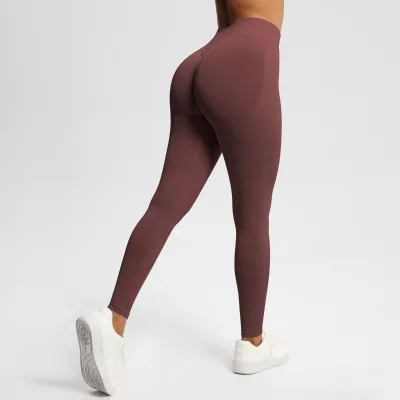
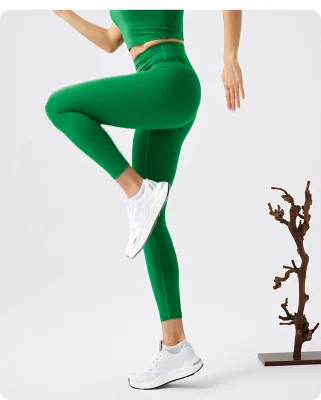
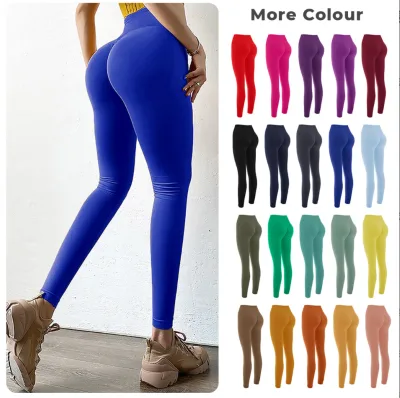
Spring and Autumn Female Butt-Lifting Speed-Dry Yoga High-Waist Fitness Pant
$6.40 - $7.20
MOQ: 50 Pieces









Comprehensive Sourcing Guide
Yoga Pant Sourcing Guide
Buyers evaluating yoga pants must first distinguish between high-waist tummy control styles and flared designs, as the supplied data indicates distinct product categories like "Women Sports Flared Leggings" and "Gym Workout Legging." The observed listings reveal a wide variance in minimum order quantities, ranging from single-piece samples to bulk orders of 150 pieces, which directly impacts initial procurement strategy and inventory risk.
Procurement teams should verify whether the supplier offers OEM and ODM services alongside in-stock items, as this determines flexibility for branding and speed to market. The presence of customizable labels and logos suggests a strong potential for private label development, yet buyers must confirm if the specific model numbers like 9313-2 or BSNZ070 align with their desired aesthetic and functional requirements before committing to volume.
Product Scope and Observed Listing Signals
The product scope encompasses athletic workout leggings designed for diverse occasions including yoga, running, training, and casual wear, with specific attributes like breathable and quick-dry fabrics highlighted in descriptions. Buyers should note that while some listings emphasize sustainability and plus-size availability, others focus on specific fashion elements like wrinkle textures or solid patterns, requiring careful selection based on target demographic needs.
Listing signals indicate that materials typically consist of nylon and spandex blends, providing the necessary stretch and recovery for high-intensity activities. However, the observed data also includes items with usage listed as "Bath," which suggests a need for rigorous filtering to ensure the selected inventory strictly meets athletic performance standards rather than general leisure wear, preventing misalignment with core fitness market expectations.
Technical Specifications to Verify
Technical verification must begin with material composition, as the supplied facts specify nylon/spandex blends and pure nylon options, which dictate the garment's durability and moisture-wicking capabilities. Buyers should confirm the exact weight specifications, noting that some entries list a standard of 0.2kg, while others provide single package dimensions of 30x20x5 cm, ensuring these metrics align with shipping cost calculations and retail packaging requirements.
Dimensional consistency is critical, with observed size ranges spanning S to XL and waist types consistently identified as high waist with elastic closures. Procurement teams must validate that the length specifications, such as ankle-length pants, match the intended silhouette for their brand, and verify that the production model numbers correspond to the correct fabric density and stretch ratios required for the specific sportswear type.
Compliance and Safety Documentation
While the supplied facts do not explicitly list third-party certifications, buyers must request documentation confirming that the nylon and spandex materials meet international safety standards for textile contact. The absence of specific test results in the provided data necessitates a proactive approach where suppliers are required to submit lab reports verifying the absence of harmful substances, ensuring the final products are safe for direct skin contact during intense physical activity.
Safety compliance also extends to the manufacturing process, particularly regarding the heat transfer vinyl or silicone logo application techniques mentioned in the technical details. Buyers should verify that the customization methods do not compromise the fabric's integrity or introduce allergens, and ensure that the production origin in China or Zhejiang adheres to the specific export regulations and safety protocols required for the destination market.
Cost Drivers and Commercial Terms
Cost structures are heavily influenced by the minimum order quantity, which varies significantly from one piece for samples to 150 pieces for mixed colors and sizes. Buyers must calculate the unit price impact of these thresholds, as the observed price range of 0.99 to 20 USD suggests that economies of scale play a major role in determining the final landed cost per unit for large-volume orders.
Commercial terms require careful attention to the FOB port, with Ningbo identified as a key shipping location, and the sample lead time of 5-7 workdays after details are confirmed. Procurement teams should negotiate clear payment terms that account for the customization lead times and ensure that the packing specifications, such as one piece per polybag or carton, are included in the total cost to avoid unexpected logistics expenses.
Supplier Qualification and Quality Control
Supplier qualification should prioritize those offering both OEM and ODM services with a proven track record of handling customized logos and labels. The ability to produce mixed colors and sizes in a single order of 150 pieces indicates a flexible manufacturing capability, but buyers must verify the supplier's capacity to maintain consistent quality across different model numbers like 2020 and BSNZ070 during mass production.
Quality control protocols must address the specific production techniques used, such as heat transfer vinyl or silicone logo application, to ensure durability and aesthetic consistency. Buyers should implement a pre-shipment inspection plan that checks for defects in the elastic waist closure and verifies that the fabric meets the breathable and quick-dry claims, ensuring the final product performs as expected in real-world athletic scenarios.
Long-Term Procurement Checks
Long-term procurement success depends on establishing a reliable supply chain that can consistently deliver the specific technical attributes required, such as high-waist tummy control and flared designs. Buyers should monitor the supplier's ability to maintain the observed material standards and packaging consistency over time, ensuring that the transition from sample to bulk production does not result in deviations in fabric weight or garment fit.
Continuous evaluation of the supplier's responsiveness to customization requests and their adherence to lead times is essential for maintaining inventory stability. Procurement teams should regularly review the supplier's performance against the initial sample lead time of 5-7 workdays and assess their ability to scale production while maintaining the quality of the nylon and spandex blends, ensuring a sustainable partnership for future product launches.
FAQs
What materials are used for these yoga pants?
The yoga pants are primarily constructed from a blend of nylon and spandex. This material combination ensures the fabric is breathable, quick-drying, and durable for intense workouts. Some listings also specify nylon as the main component, providing a smooth texture that supports movement and comfort during various athletic activities.
Can I customize the logo on the yoga pants?
Yes, customized logos are acceptable for these yoga pants. Suppliers offer OEM and ODM services, allowing you to apply your brand identity. The technical options for logo application include heat transfer vinyl or silicone methods. You can place the logo at the waist position to ensure visibility and brand recognition for your product line.
What is the minimum order quantity for these leggings?
The minimum order quantity varies by supplier, ranging from one piece to 150 pieces. Some vendors accept a single piece for samples or small trials, while others require mixed colors and sizes with a higher threshold. You should confirm the specific MOQ with the supplier to align with your inventory needs and budget constraints effectively.
How long does it take to get a sample?
Sample lead time is typically five to seven workdays after details are confirmed. This timeframe allows the supplier to prepare the specific design, size, and logo requirements you provide. Once the sample is ready, it can be shipped to you for quality inspection before proceeding with bulk production orders for your yoga apparel business.
What styles of yoga pants are available?
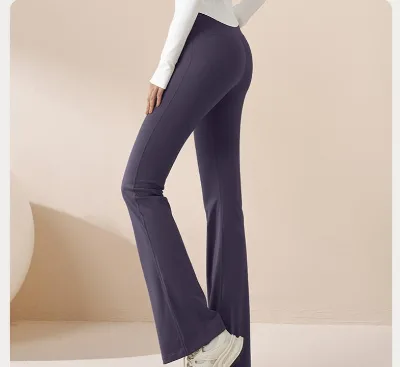
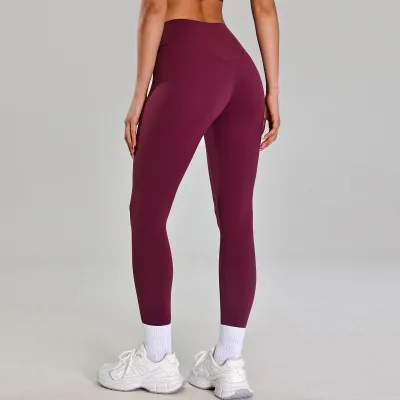
Available styles include high-waist tummy control leggings and flared yoga gym leggings. These designs cater to various occasions such as yoga, gym fitness, running, and casual wear. The pants feature elastic waists and come in solid patterns, offering both functional support and fashionable aesthetics for women seeking versatile athletic wear for their daily routines.
Where are these yoga pants manufactured?
These yoga pants are manufactured in China, with specific origins noted in Zhejiang. The production facilities offer customization services and handle various packaging requirements, such as individual polybags or cartons. Sourcing from this region provides access to established supply chains for athletic wear, ensuring consistent quality and competitive pricing for international buyers seeking reliable yoga apparel.