4400mAh Laptop Battery Suppliers and Manufacturers
Source 23 verified suppliers for 4400mAh Laptop Battery packs. Compare lead times, MOQs, certifications, and response rates to find the right partner. Review product specs and request quotes today; review the available evidence before requesting comparable quotations from suitable candidates.
Updated
Suppliers List

Luoyang Apower Imp. & Exp. Co., Ltd.
- Verified by TUVRHEINLAND
- Trading Company
- China Henan
- Lead time15 days
- Avg. response≤ 3h
Main products18650 Battery, Rechargeable Battery, Battery Pack, Lithium Battery, Li Ion Battery, Lithium Ion Battery, LiFePO4 Battery, Power Supply, Storage Battery, LFP Battery
Main marketsSouth America,Southeast Asia/ Mideast,Europe,North America


Genuine Original Laptop Battery PA3817u 11.1V 5000mAh with Good Quality
$10.69 - $12.98
MOQ: 10 Pieces


Replacement Li-ion Laptop Notebook Computer Battery for Y460 11.1V 5200mAh Laptop Battery Pack
$10.19 - $10.99
MOQ: 130 Pieces
Mildtrans Industrial Co., Limited
- Verified by SGS Group
- Trading Company
- Lead time2 days
- Avg. response≤ 9h
Main productsLaptop Screen, Laptop Keyboard, Laptop Battery, Laptop Adapter, Laptop Shell
Main marketsSouth America(25%), Southern Europe(20%), Southeast Asia(15%)
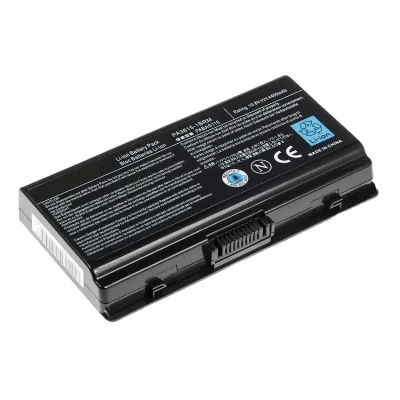
High Quality Li-ion Battery Pack 10.8v 4400mAh for Toshiba PA3615 Notebook Laptop Battery
$39.0441
MOQ: 10 Minimum
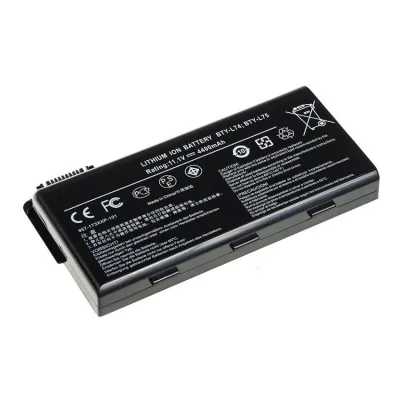
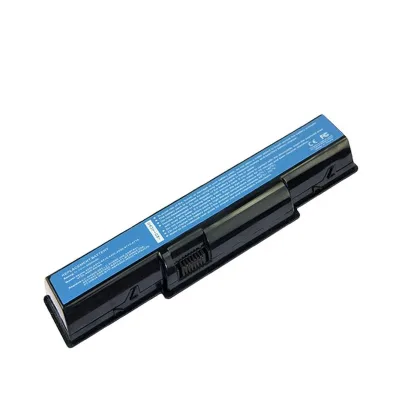
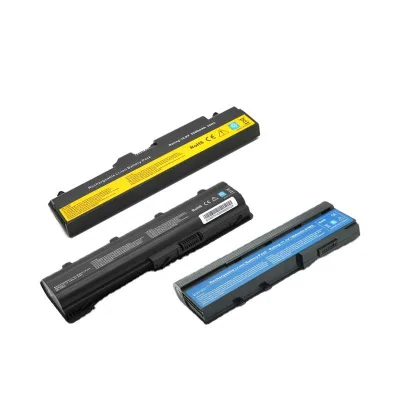
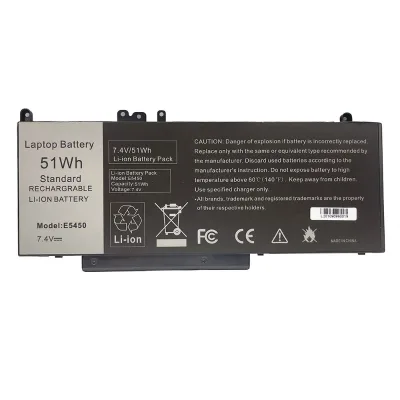
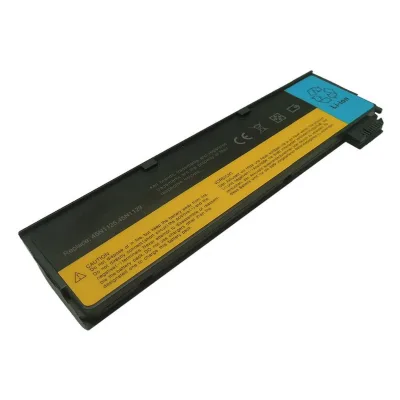

Dongguan Lewe Electronics Co., Ltd.
- Verified by BV
- Combined
- China Guangdong
- Lead time15 days
- Avg. response≤ 9h
Main productsLaptop Battery Packs, Power Tool Battery Packs, Power Bank, Mobile Battery Packs, AC Adapters, Storage Battery, Travel Battery, Backup Battery, Portable Power Bank, External Battery Pack
Main marketsAustralia,North America

$10.00 - $20.00
MOQ: 10 Pieces

4400mAh Laptop Battery for HP Business Notebook 2400 Mobile Thin Client Elitebook
$10.00 - $20.00
MOQ: 10 Pieces


$10.00 - $20.00
MOQ: 10 Pieces
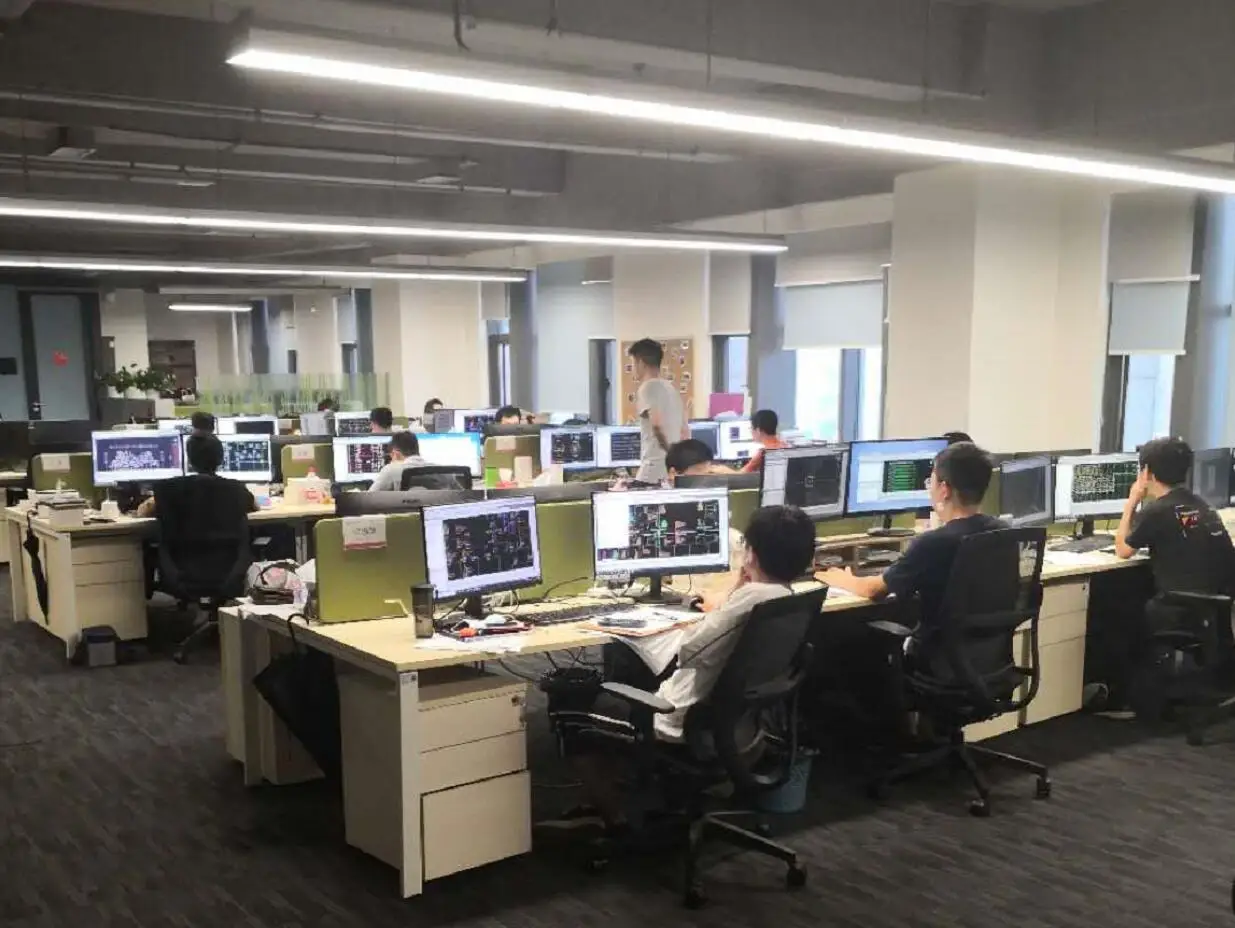
Shenzhen Jiageer Technology Co., Ltd.
- Trading Company
- Guangdong, China
- Lead time0 days
- Avg. response≤ 8h
Main productsLaptop Keyboard, Laptop Adapter, Laptop Memory
Main marketsNorth America(50.00%), South America(20.00%), Western Europe(5.00%), Southern Europe(5.00%), Central America(5.00%), Eastern Europe(5.00%), Oceania(3.00%), Southeast Asia(3.00%), Eastern Asia(1.00%), Northern Europe(1.00%), Africa(1.00%), Mid East(1.00%)

Shenzhen Three Six Zero Industrial Co., Ltd.
- Manufacturer, Trading Company
- Guangdong, China
- Lead time15 days
- Avg. response≤ 8h
Main productslaptop cover case,battery pack,notebook adapter,laptop keyboard,screen cable
Main marketsNorth America(30.00%), Eastern Europe(15.00%), South America(15.00%), Western Europe(10.00%), Southern Europe(5.00%), Northern Europe(5.00%), Southeast Asia(5.00%), Mid East(5.00%), Oceania(5.00%), Africa(5.00%)
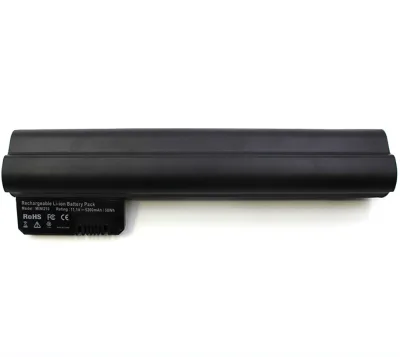
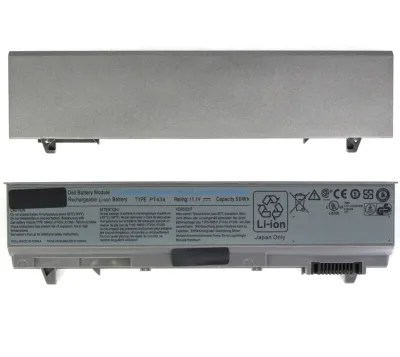
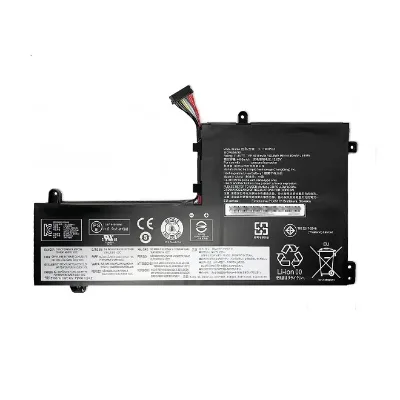
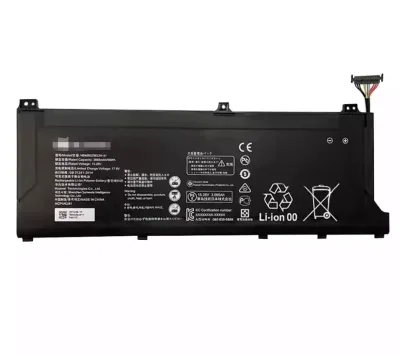
New Hot Selling Laptop Battery for Matebook D 14 Magicbook 14 Replacement Battery
$22.55 - $23.55
MOQ: 1 pieces
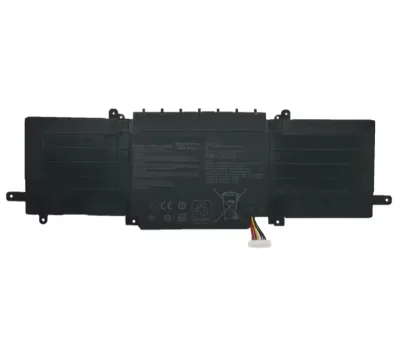

Shenzhen Yanxin Technology Development Co., Ltd
- Verified by SGS
- Trading Company
- China Guangdong
- Lead time15 days
- Avg. response≤ 3h
Main productsLaptop Battery, Laptop Charger, LCD, Laptop Parts, Laptop Accessory, Battery, Charger, Power, Screen, Keyboard
Main marketsDomestic


L22b4PE0 L22c4PE0 L22D4PE0 L22L4PE0 L22m4PE0 Laptop Battery for Lenovo Rechargeable Notebook Battery
$1.00 - $99.00
MOQ: 10 Pieces


Shenzhen Mild-Trans Industrial Co., Ltd.
- Verified by TüVRheinland
- Trading Company
- Lead time7 days
- Avg. response≤ 8h
Main productsLaptop Screen, Laptop Keyboard, Laptop Battery, Laptop Adapter, Laptop Cover
Main marketsSouth America(20%), Southeast Asia(15%), Africa(15%)
Shenzhen Biterson Electronics Co., Ltd.
- Trading Company
- Guangdong, China
- Lead time35 days
- Avg. response≤ 2h
Main productsLithium Iron Phosphate (LiFePO4)/Lithium Ion/Li-Polymer/Nickel-Metal Hydride (Ni-MH) Battery Packs
Main marketsDomestic Market(20.00%), Western Europe(20.00%), North America(20.00%), Southern Europe(10.00%), Southeast Asia(10.00%), Northern Europe(10.00%), Eastern Europe(10.00%)
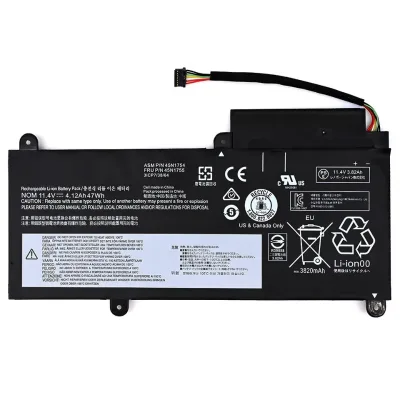
$12.0832 - $14.6728
MOQ: 10 pieces
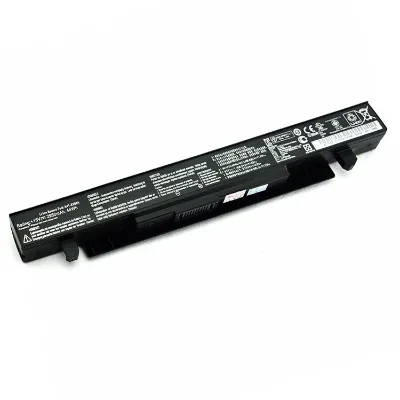
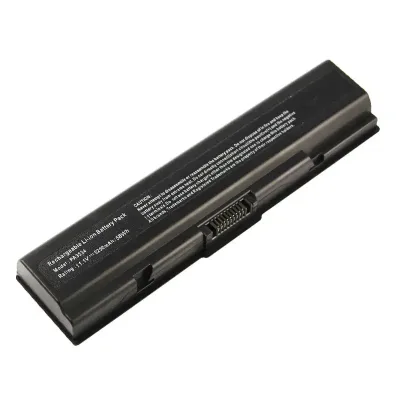
$13.3563 - $16.8524
MOQ: 10 pieces
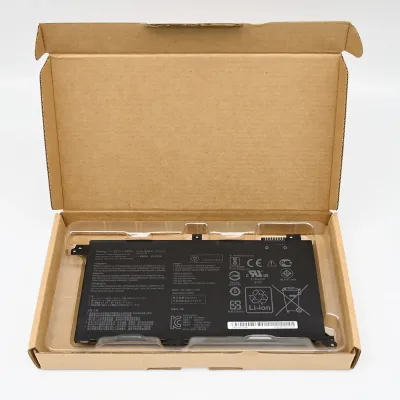

Liyuan Battery Technology (Yichun) Co., Ltd.
- Verified by BV
- Combined
- China Jiangxi
- Lead time23 days
- Avg. response≤ 4h
Main productsButton Battery, 3V Lithium Button Coin Cell, 1.5V Manganese Dioxide Button Cell, 3.6V Rechargeable Button Cell, Button Battery with Weld Foot, Button Battery with Welding Wire, Alkaline Battery, Carbon-Zinc Battery, Ni-MH Battery, Ni-CD Battery
Main marketsDomestic

Hot Sale Best Quality Battery Ly9754D Suitable for Lenovo Laptop 4400mAh
$28.50 - $29.00
MOQ: 1000 Pieces

Hot Sales Replacement Battery Cells Laptop Battery CB502V7 14.8V for Lenovo
$28.50 - $29.00
MOQ: 1000 Pieces


Factory Supply Replacement Endurance High-Power Laptop Battery Ly89vb5 with CE
$28.50 - $29.00
MOQ: 1000 Pieces
Guangzhou Longhe Electronics Co., Ltd.
- Manufacturer, Trading Company
- Guangdong, China
- Lead time7 days
- Avg. response≤ 3h
Main productsMobile Battery/Polymer Battery/3C Parts/Cable,laptop battery,watch battery,phone battery,Tablet battery
Main marketsDomestic Market(20.00%), Western Europe(20.00%), Southeast Asia(20.00%), Eastern Europe(20.00%), North America(20.00%)
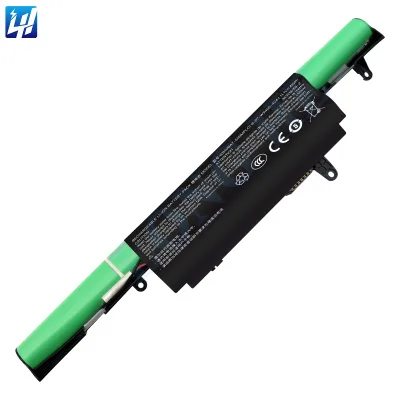
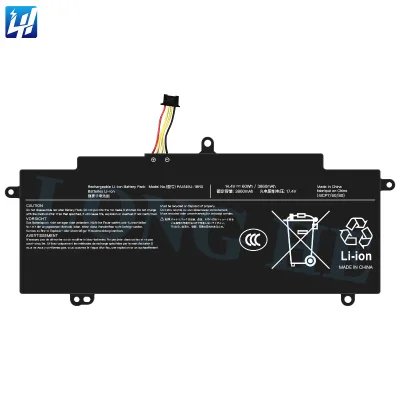
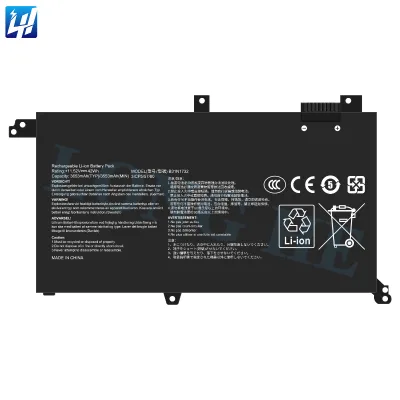
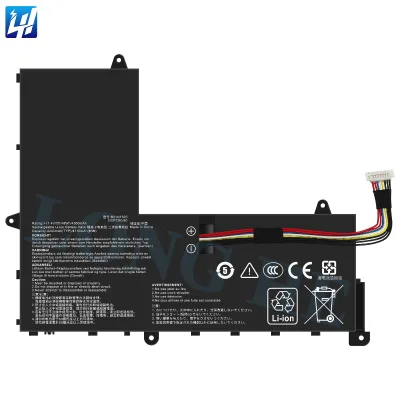
11.1V 4400mAh W940BAT Replacement Laptop Battery for CLEVO W940BAT-6/W94LS/W940S Laptops
$10.8131
MOQ: 2 Minimum
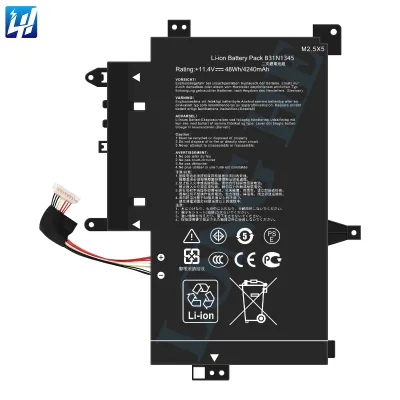

Shenzhen Chengyuan Technology Co., Limited
- Manufacturer, Distributor/Wholesaler
- Guangdong, China
- Lead time7 days
- Avg. response≤ 2h
Main productslaptop battery,AC adapters,laptop keyboards,battery pack
Main marketsNorth America(53.00%), Western Europe(35.00%), Northern Europe(3.00%), South America(2.50%), Southern Europe(2.00%), Eastern Europe(1.50%), Oceania(1.00%), South Asia(1.00%), Southeast Asia(0.50%), Africa(0.50%)
Guangzhou Jiaguote Electronic Technology Co., Ltd.
- Manufacturer, Trading Company
- Guangdong, China
- Lead time0 days
- Avg. response≤ 10h
Main productsAdaptor for laptop,batteries for laptop,laptop accessories,Switching power supplies,Chargers & Adapters
Main marketsSouthern Europe(8.33%), Northern Europe(8.33%), Central America(8.33%), Western Europe(8.33%), Eastern Asia(8.33%), Mid East(8.33%), Oceania(8.33%), Africa(8.33%), Southeast Asia(8.33%), Eastern Europe(8.33%), South America(8.33%), North America(8.33%)
$12.00 - $15.00
MOQ: 10 pieces
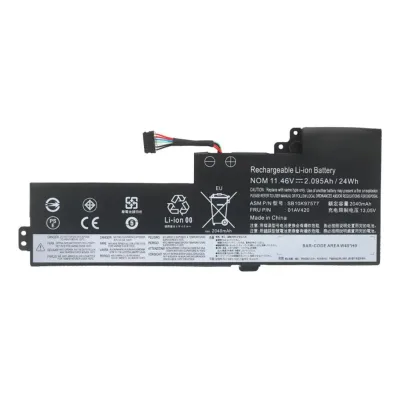
$16.5547 - $17.1711
MOQ: 10 pieces
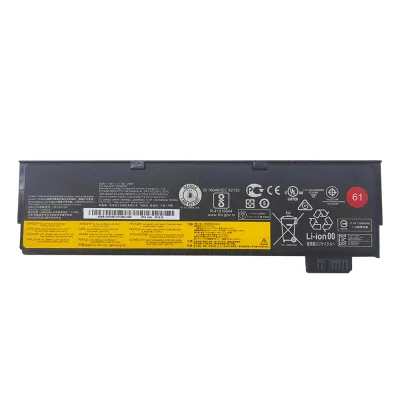

Shenzhen Singo Electronics Co., Ltd
- Verified by SGS
- Manufacturer
- China Guangdong
- Lead time15 days
- Avg. response≤ 6h
Main productsLaptop Battery, Apple Laptop Battery, Cameras Battery, Jump Start, Portable Power Bank, Digital Camera Battery, Laptop Adapter

Laptop Battery for Lenovo Thinkpad E450 E450c E455 E460 E460c 11.4V 47wh 45n1755
$15.90 - $20.83
MOQ: 5 Pieces


Laptop Battery for Lenovo K4e-Are K4e-Itl L19c3PDA L19m3PDA L19L3PDA L19c3PDA 11.52V 45wh
$15.90 - $20.83
MOQ: 5 Pieces

Laptop Battery for Asus V4000f V4000d V5200j V4000fj C21n1818 B21n1818-2 V4000f 7.7V 37wh
$15.90 - $20.83
MOQ: 5 Pieces


Shenzhen Colourstone Technology Co., Ltd.
- Manufacturer, Trading Company
- Guangdong, China
- Lead time3 days
- Avg. response≤ 6h
Main productsLaptop Battery,Notebook Power Adapter,USB Flash Drive,laptop spare parts,laptop keyboard
Main marketsEastern Europe(30.00%), Western Europe(15.00%), Mid East(15.00%), South America(15.00%), North America(10.00%), Southern Europe(5.00%), Southeast Asia(5.00%), Oceania(5.00%)
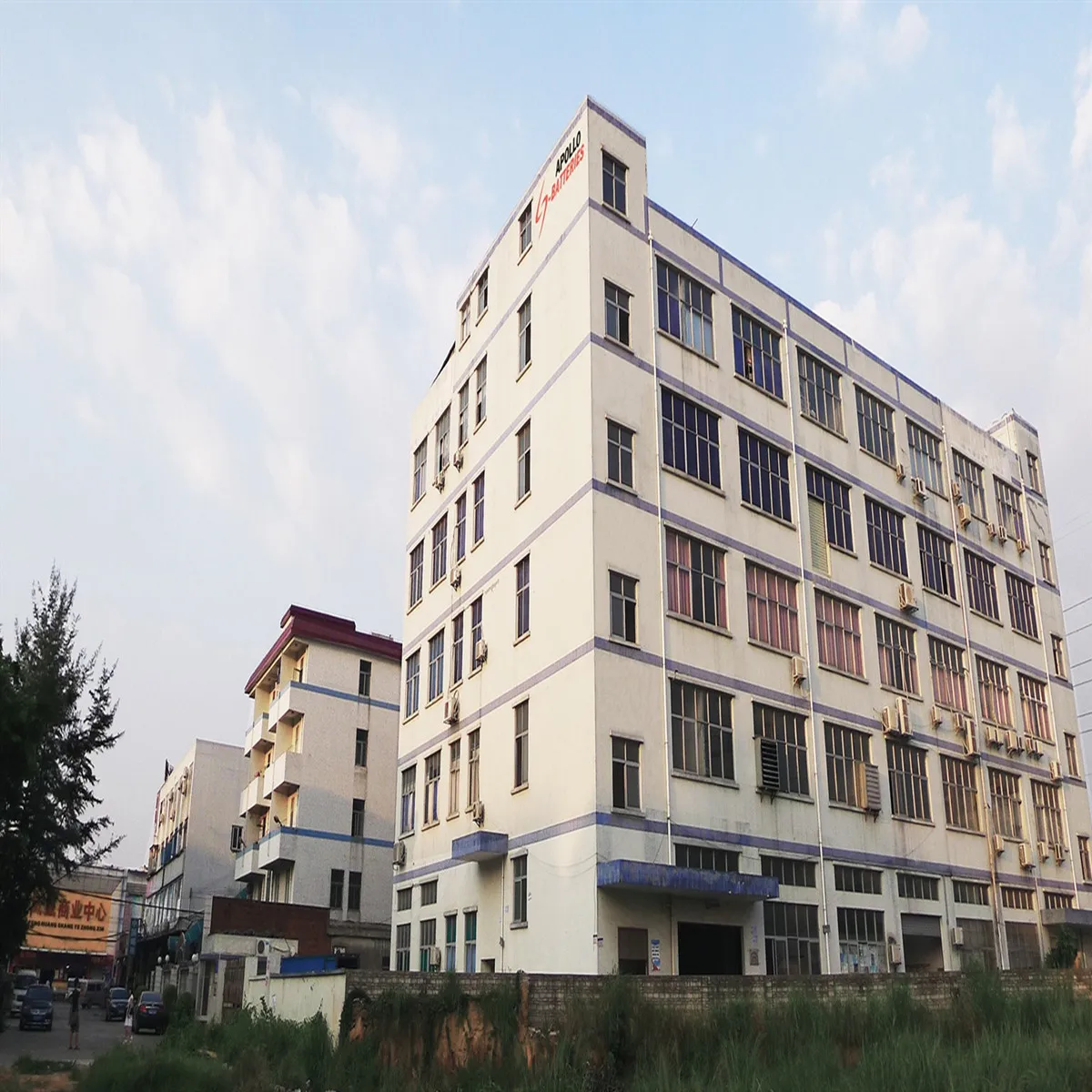
Shenzhen Apollo International Electronics Co., Ltd.
- Manufacturer, Trading Company
- Guangdong, China
- Lead time10 days
- Avg. response≤ 5h
Main productsLaptop Batteries,Laptop Adapters,Camera Batteries & Chargers & Grips,Mobile Phone Batteries,Power Tool Batteries & Chargers
Main marketsEastern Europe(20.00%), Northern Europe(20.00%), Western Europe(20.00%), Southern Europe(15.00%), North America(15.00%), Central America(5.00%), South America(5.00%)
Shenzhen Longhehui Electronics Co., Ltd.
- Verified by TüVRheinland
- Manufacturer, Trading Company
- Lead time7 days
- Avg. response≤ 3h
Main productsPhone Battery, Mobile Phone Battery, Watch Battery, Tablet Battery, Laptop Battery
Main marketsNorth America(10%), South America(10%), Eastern Europe(10%)
- Trading Company
- Hong Kong S.A.R.
- Lead time0 days
- Avg. response≤ 2h
Main productswatch,flat,mobile phone
Main marketsSoutheast Asia(20.00%), North America(10.00%), Central America(10.00%), South Asia(10.00%), South America(5.00%), Eastern Europe(5.00%), Africa(5.00%), Oceania(5.00%), Mid East(5.00%), Eastern Asia(5.00%), Western Europe(5.00%), Northern Europe(5.00%), Southern Europe(5.00%), Domestic Market(5.00%)
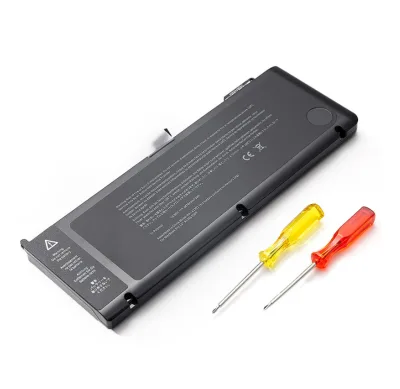
Built-in Laptop Battery Suitable for Apple Laptop A1321 A1382 Battery A1286 MB470 MB471 Computer
$25.00 - $50.00
MOQ: 1 Minimum
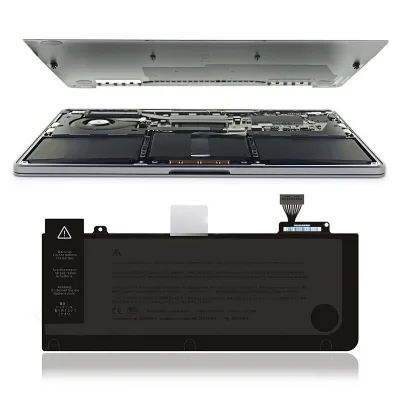
Li Ion Laptop Batteries Notebook A1278 A1322 Laptop Replacement Battery for Laptop11-13-15 Inches
$22.00 - $50.00
MOQ: 1 Minimum
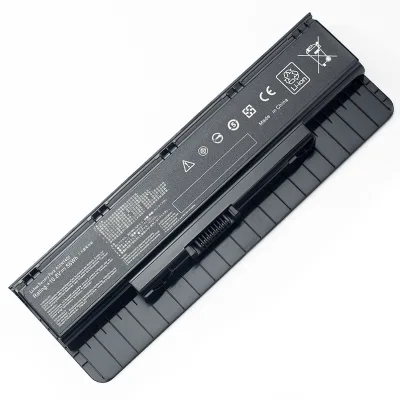
Lithium-Ion Laptop Battery for ASUS N551J Notebook Battery G771JK/JM/JW/V/Z G551J G58VM A32N1405
$18.00 - $46.00
MOQ: 1 Minimum
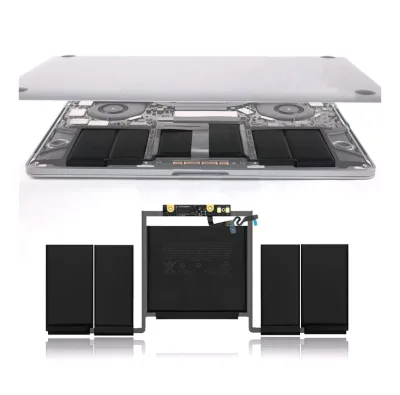
Genuine 6-Cell Laptop Battery A1819 New Series Digital for In-Stock Laptops
$26.00 - $50.00
MOQ: 1 Minimum
Shenzhen Bejiate Industrial Development Co., Ltd.
- Manufacturer, Trading Company, Distributor/Wholesaler
- Guangdong, China
- Lead time3 days
- Avg. response≤ 5h
Main productslaptop battery,laptop adapter,laptop keyboard,laptop screen
Main marketsWestern Europe(25.00%), South America(25.00%), North America(25.00%), Domestic Market(5.00%), Eastern Asia(3.00%), Oceania(3.00%), Northern Europe(3.00%), South Asia(2.50%), Southeast Asia(2.00%), Mid East(2.00%), Southern Europe(1.50%), Central America(1.00%), Eastern Europe(1.00%), Africa(1.00%)
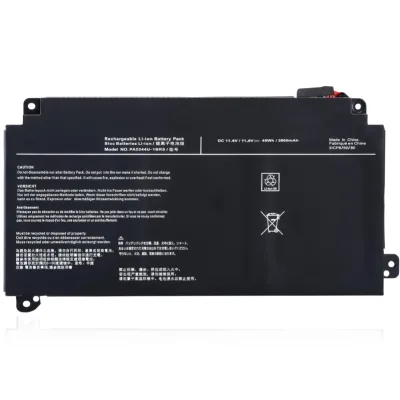
$8.1233 - $13.1618
MOQ: 10 pieces
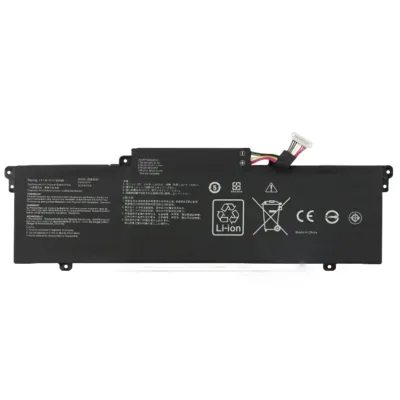
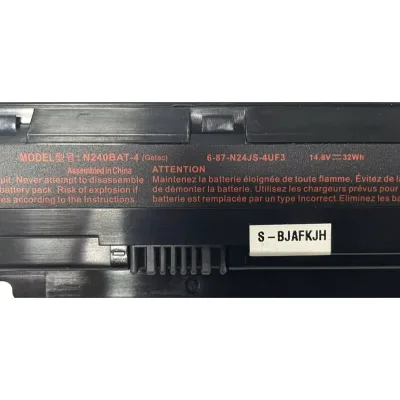
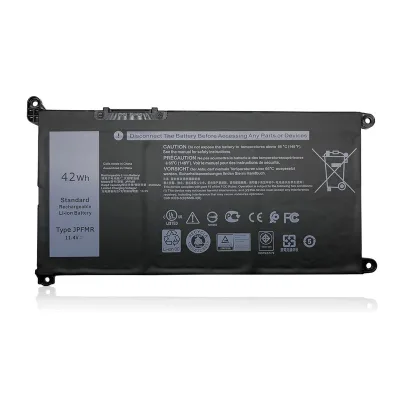
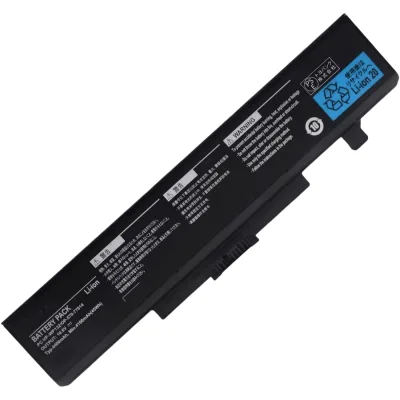
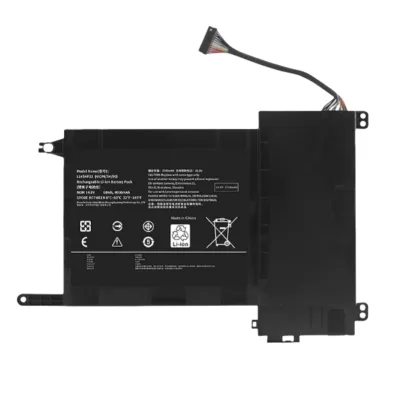
Dongguan Win-Hsin Electronic Co., Ltd.
- Verified by TüVRheinland
- Trading Company
- Lead time5 days
- Avg. response≤ 2h
Main productsLaptop Keyboard, Laptop Battery, Laptop Adapter, Laptop Screen, Other Laptop Accessories
Main marketsSoutheast Asia(30%), South America(20%), Eastern Europe(15%)
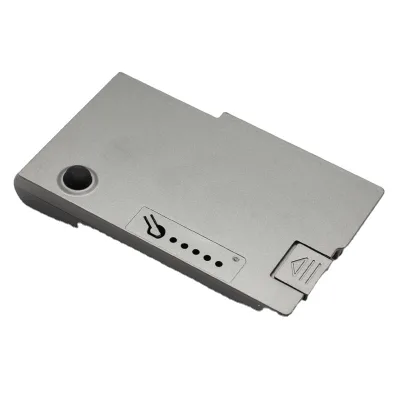
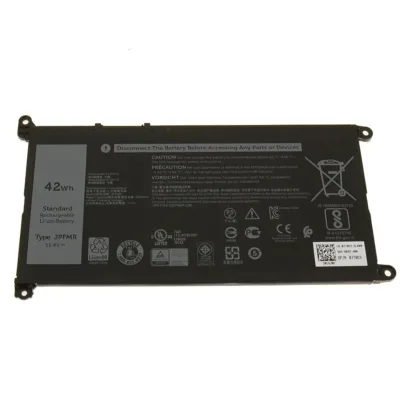
Laptop Battery JPFMR for Dell Chromebook 3100 3400 14 5493 5488 15 5593 JPFMR 7T0D3 Battery Laptop
$6.96 - $13.49
MOQ: 5 pieces

Dongguan Win-Hsin Electronic Co., Ltd.
- Verified by CTI
- Combined
- China Guangdong
- Lead time15 days
- Avg. response≤ 3h
Main productsLaptop Battery, Laptop Keyboard, Laptop Adapter, CPU Fan, Laptop Screen, DC Jack, Laptop Casings, Laptop Accessories, Notebook Battery, Notebook Keyboard
Main marketsSouth America,Southeast Asia/ Mideast,Europe


Energy Saving Strong Cycle Life Rechargeable Lithium Laptop Computer Battery
$8.00 - $15.00
MOQ: 5 Pieces

Anti Degradation Stable Output Rechargeable Lithium Laptop Computer Battery
$8.00 - $15.00
MOQ: 5 Pieces


Professional OEM Rechargeable Li-Polymer Replacement Laptop Battery for Notebooks
$8.00 - $15.00
MOQ: 5 Pieces
Shenzhen Delongyi Energy Co., Ltd.
- Manufacturer
- Guangdong, China
- Lead time30 days
- Avg. response≤ 3h
Main productschargers,batteries,keyboards,cables,LCD screens
Main marketsNorth America(40.00%), Western Europe(15.00%), South America(10.00%), Domestic Market(5.00%), Southern Europe(5.00%), Northern Europe(5.00%), Central America(5.00%), Eastern Europe(5.00%), Mid East(5.00%), Oceania(5.00%)
Hangzhou Yamao Information Technology Co., Ltd.
- Trading Company
- Zhejiang, China
- Lead time15 days
- Avg. response≤ 3h
Main productsLaptop Adapter(Charger),Laptop Battery,Power Bank and Cable,AC/DC Power Adapter,Laptop Parts Accessories
Main marketsEastern Asia(86.00%), South Asia(14.00%)

Shenzhen Jiazijia Information Technology Co., Ltd.
- Trading Company, Agent
- guangdong, China
- Lead time30 days
- Avg. response≤ 3h
Main productslaptop battery,medical battery,phone battery,tools battery
Main marketsNorth America(80.00%), Mid East(10.00%), Eastern Europe(10.00%)
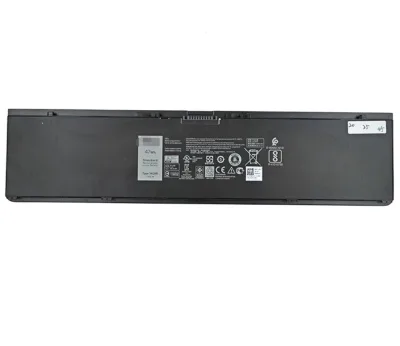
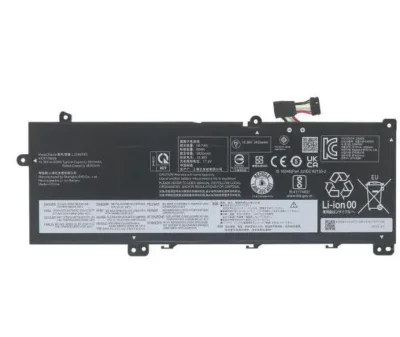
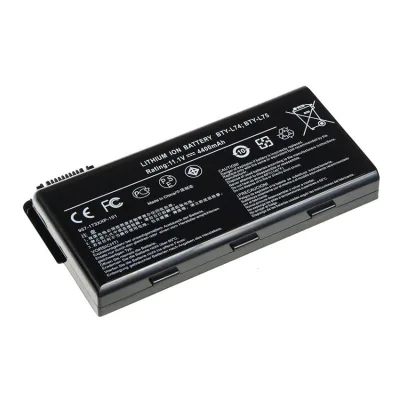
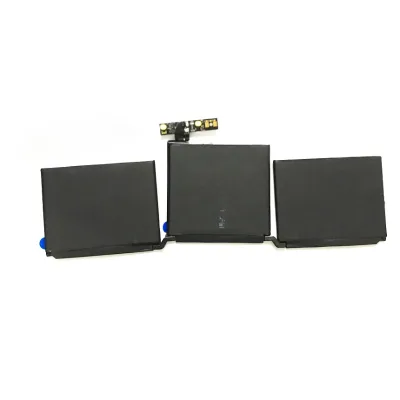
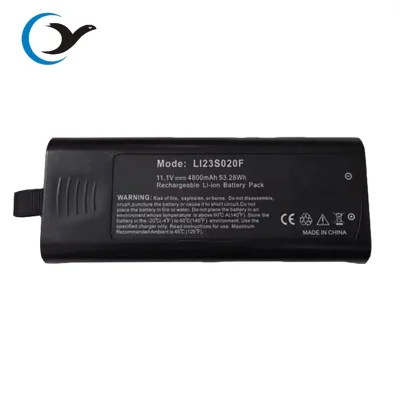
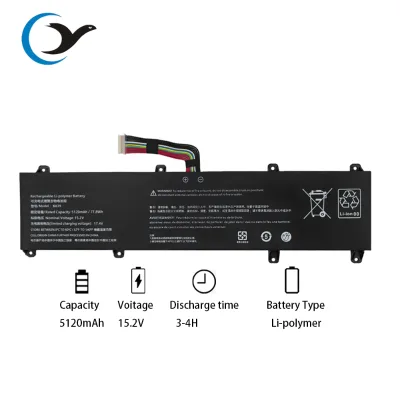
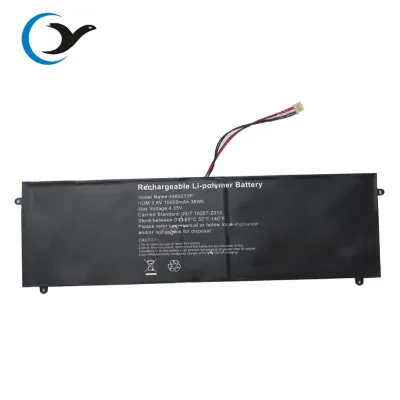
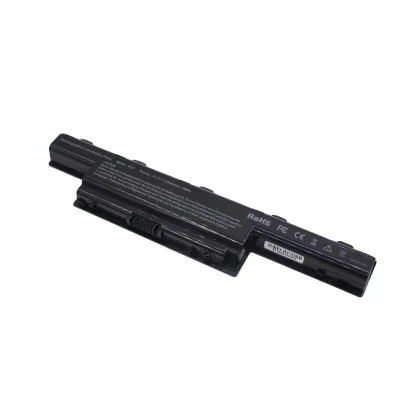
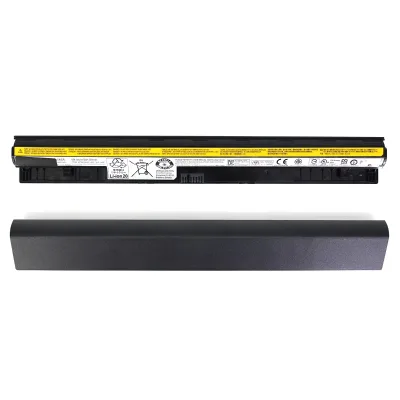
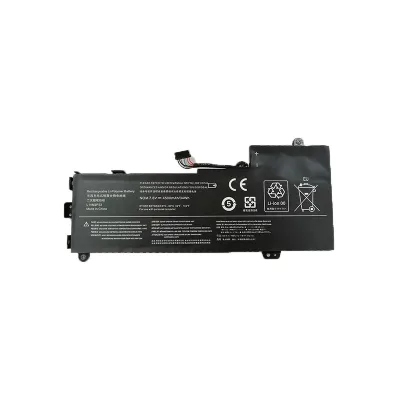
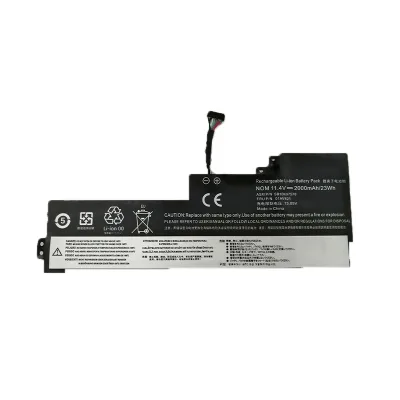
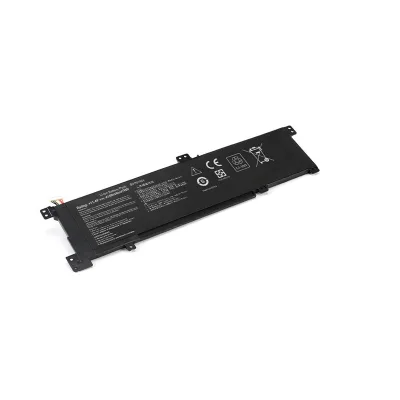
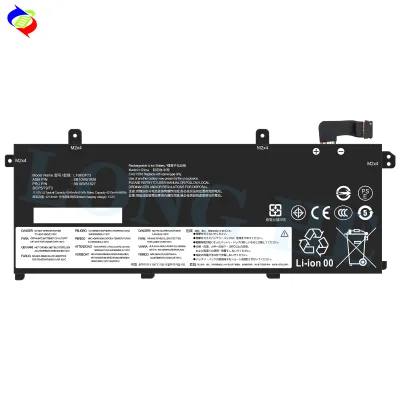
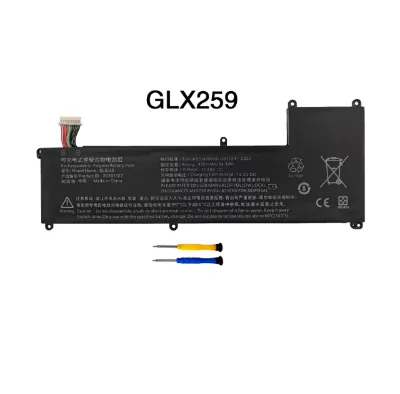
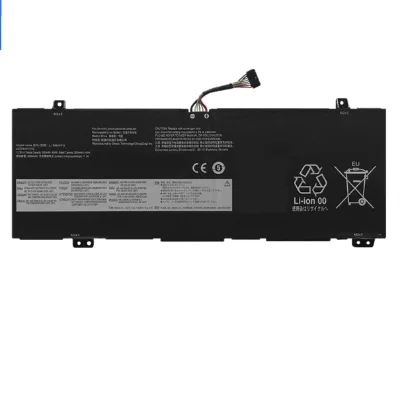
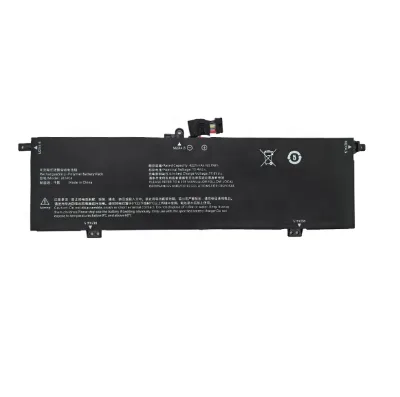
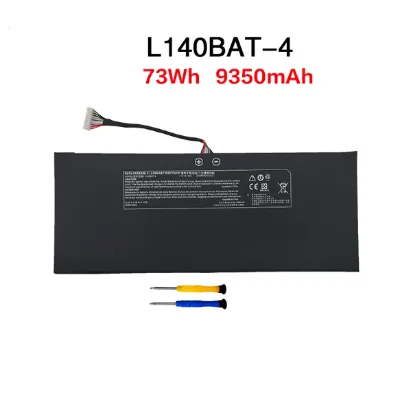
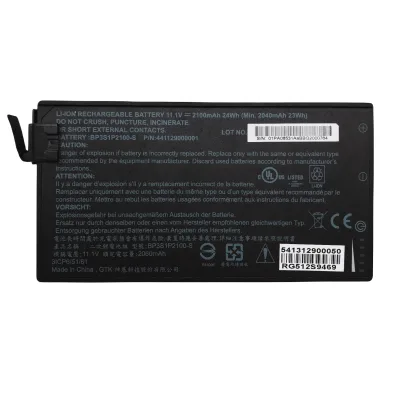
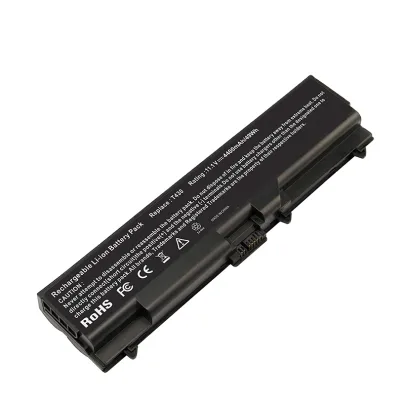
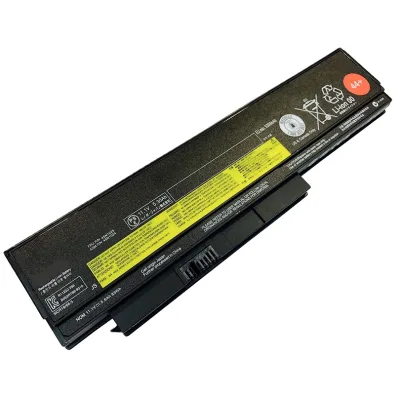
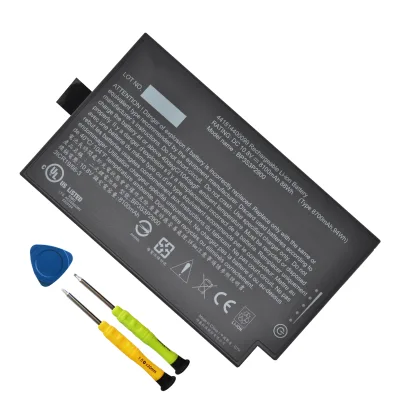
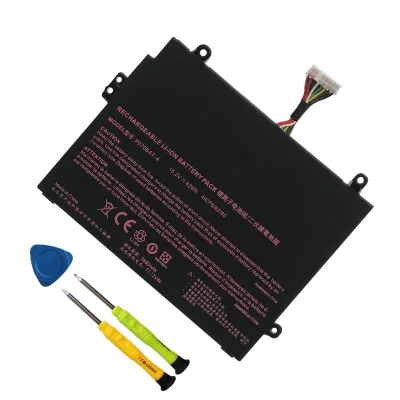
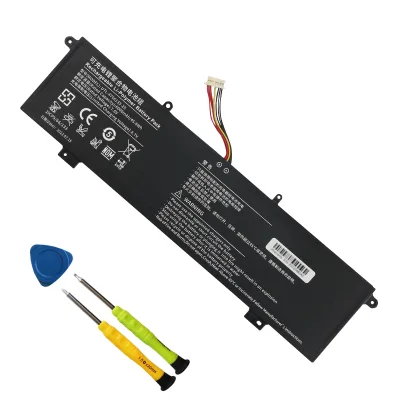
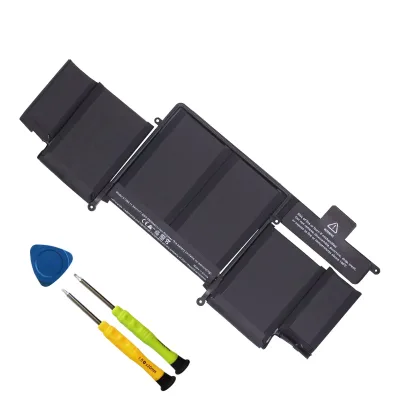
Comprehensive Sourcing Guide
4400mAh Laptop Battery Supplier Concentration and Factory Types
The current supplier landscape for 4400mAh laptop batteries reveals a distinct concentration of manufacturing and trading entities within China, specifically highlighting the Henan region as a notable operational hub. This geographic clustering suggests that buyers seeking these specific power components will likely encounter a dense network of vendors operating from this area, which can streamline initial outreach but requires careful vetting to distinguish between primary manufacturers and secondary distributors. The presence of suppliers in this region indicates an established supply chain infrastructure for lithium-ion and lithium-polymer cells, which are the core components of the 4400mAh capacity batteries frequently requested for various laptop models. Buyers should recognize that while Henan is a confirmed location for some suppliers, the broader industry often spans multiple provinces, meaning that relying solely on one regional cluster may limit the diversity of available options and pricing structures.
In terms of company structure, the observed results indicate a significant presence of trading companies alongside potential manufacturing facilities. Trading companies often serve as intermediaries that aggregate products from various factories, offering a wider selection of compatible batteries for different laptop brands such as Dell, Toshiba, and Lenovo. This model can be advantageous for buyers who need mixed orders or specific compatibility certifications without dealing directly with multiple factories. However, it is crucial to understand that trading companies may have different lead times and quality control processes compared to direct manufacturers. The distinction between a trading company and a factory is vital for negotiating prices and understanding the true origin of the battery cells, as trading companies might source from Guangdong or other manufacturing hubs while listing their own operational base in Henan.
How to Verify 4400mAh Laptop Battery Suppliers
Verification is a critical step when evaluating suppliers for 4400mAh laptop batteries, as the integrity of the power source directly impacts device safety and performance. Buyers should prioritize suppliers who hold recognized third-party verification badges, such as those provided by TÜV Rheinland or SGS Group, which indicate that the supplier has undergone rigorous audits of their business operations and product quality systems. These verifications serve as a baseline assurance that the supplier is a legitimate entity capable of fulfilling orders and maintaining consistent quality standards. It is important to note that not all suppliers will display these specific badges, so buyers must actively look for these indicators rather than assuming their presence. The absence of such verification does not necessarily disqualify a supplier, but it requires additional due diligence to confirm their reliability and financial stability.
Beyond verification badges, buyers should scrutinize the specific certifications listed for the 4400mAh battery products themselves, as these attest to compliance with international safety and environmental standards. Common certifications observed in this category include CE, UL, CB, TUV, RoHS, CTIA, KC, PSE, GOST-R, and SASO, each corresponding to different regional regulatory requirements. For instance, CE and RoHS are essential for European markets, while UL and KC are critical for North American and South Korean markets, respectively. Buyers must ensure that the certifications claimed by the supplier are valid and applicable to the specific battery model they intend to purchase. It is advisable to request copies of these certificates and verify their authenticity with the issuing bodies, as counterfeit documentation can pose significant legal and safety risks. Additionally, checking for ISO system certifications can provide further insight into the supplier's quality management processes, although some suppliers may not currently hold such system-level certifications.
What to Compare Across 4400mAh Laptop Battery Suppliers
When comparing suppliers for 4400mAh laptop batteries, several key dimensions must be evaluated to determine the best fit for specific procurement needs. Lead time is a primary factor, with observed data indicating a standard lead time of approximately 15 days for production and delivery. This timeframe can vary based on order volume and customization requirements, so buyers should confirm the exact lead time for their specific order size. Minimum Order Quantity (MOQ) is another critical comparison point, as suppliers may have varying thresholds, ranging from as low as 10 units for sample orders to 500 units for bulk purchases. Understanding these MOQs helps buyers align their inventory strategies with supplier capabilities, ensuring that they do not overstock or face unnecessary barriers to entry.
Response time and pricing structure are also essential metrics for comparison. A response time of around 2.77 hours suggests a relatively quick communication cycle, which is beneficial for resolving technical queries and negotiating terms efficiently. Buyers should compare this responsiveness across multiple suppliers to ensure they can get timely support during the procurement process. Pricing should be analyzed in conjunction with MOQ and lead time, as lower prices may be associated with higher MOQs or longer lead times. Additionally, buyers should compare the range of main products offered by each supplier, as some may specialize exclusively in batteries while others offer a broader range of laptop accessories like screens, keyboards, and adapters. This specialization can indicate a supplier's depth of expertise and reliability in the battery sector.
Common 4400mAh Laptop Battery Sourcing Risks
One of the primary risks in sourcing 4400mAh laptop batteries is the potential mismatch between claimed specifications and actual product performance. Buyers must be vigilant about verifying the actual capacity, voltage, and cell type, as discrepancies can lead to device malfunction or safety hazards. For example, a battery labeled as 4400mAh might have a lower actual capacity or use inferior cell materials, which can affect its cycle life and overall reliability. To mitigate this risk, buyers should request detailed product datasheets and, if possible, conduct independent testing on sample units before committing to large orders. This due diligence is essential to ensure that the batteries meet the required standards for their intended application, whether for consumer electronics or industrial use.
Another significant risk is the variability in quality control and warranty support among different suppliers. While some suppliers offer warranties of one year or more, others may have limited or no warranty coverage, leaving buyers vulnerable to defects and failures. The quality grade of the batteries, such as A+ grade, is another factor that can vary between suppliers and should be clearly defined in the contract. Buyers should also be aware of the recyclability status of the batteries, as non-recyclable components can pose environmental and disposal challenges. Additionally, the risk of counterfeit certifications or misleading product descriptions is prevalent in the battery industry, so buyers must verify all claims through independent channels. Understanding these risks allows buyers to implement stricter quality assurance protocols and contractual safeguards to protect their interests.
4400mAh Laptop Battery Regional Sourcing and Logistics
Sourcing 4400mAh laptop batteries from China, particularly from regions like Henan and Guangdong, offers logistical advantages due to the established infrastructure for electronics manufacturing and export. The concentration of suppliers in these areas facilitates efficient production and shipping processes, reducing the overall time and cost associated with international trade. Buyers should consider the proximity of the supplier to major ports and logistics hubs, as this can impact shipping times and freight costs. Additionally, the availability of specialized packaging for lithium batteries, which are classified as dangerous goods, is crucial for ensuring safe and compliant transportation. Suppliers in these regions are typically experienced in handling the specific regulatory requirements for shipping lithium-ion and lithium-polymer batteries, which can simplify the logistics process for buyers.
However, buyers must also account for the potential complexities of international shipping and customs clearance when sourcing from these regions. Different countries have varying regulations regarding the import of lithium batteries, and non-compliance can result in delays, fines, or seizure of goods. Buyers should work with suppliers who are knowledgeable about these regulations and can provide the necessary documentation, such as Material Safety Data Sheets (MSDS) and UN38.3 test reports. Furthermore, the choice of shipping method, whether by air, sea, or express courier, will depend on the urgency of the order and the total volume. Air freight is faster but more expensive, while sea freight is cost-effective for large orders but takes longer. Understanding these logistical factors helps buyers plan their supply chain more effectively and avoid unexpected delays or costs.
4400mAh Laptop Battery Commercial Terms and Order Planning
Commercial terms and order planning are essential components of a successful procurement strategy for 4400mAh laptop batteries. Buyers should negotiate clear payment terms, such as using escrow services or letters of credit, to protect their financial interests and ensure that suppliers fulfill their obligations. The price range for these batteries can vary significantly, with observed data showing prices from approximately $10.19 to $29.90 per unit, depending on the model, capacity, and certification requirements. Buyers should compare these prices against their budget and quality expectations, keeping in mind that lower prices may come with trade-offs in terms of warranty or support. Additionally, buyers should plan for potential price fluctuations due to raw material costs and currency exchange rates, which can impact the final cost of the order.
Order planning should also include considerations for customization and after-sales support. Many suppliers offer customization options, such as specific voltage, capacity, or branding, which can be tailored to meet the unique needs of the buyer's products. However, customization may increase the MOQ and lead time, so buyers should plan accordingly and communicate their requirements clearly to the supplier. After-sales support, including warranty claims and technical assistance, is another critical aspect of order planning. Buyers should ensure that the supplier has a robust support system in place to handle any issues that may arise after delivery. By carefully planning these commercial terms and logistical details, buyers can minimize risks and ensure a smooth procurement process for their 4400mAh Laptop Battery needs.
FAQs
What is the price range for 4400mAh laptop batteries?
The price range for 4400mAh laptop batteries typically falls between $10.19 and $29.90 per unit. Specific costs depend on the model and capacity, with some listings starting at $16.90 and others reaching up to $29.90. Buyers should check individual product pages for exact pricing based on quantity and specifications.
What is the minimum order quantity for these batteries?
Minimum order quantities vary significantly by supplier and product type. Some suppliers require a minimum of 10 units, while others set the threshold at 130 or 500 pieces. Buyers must verify the specific MOQ for each battery model to ensure it aligns with their procurement volume and budget constraints.
How long does delivery take for these orders?
The standard lead time for these battery orders is approximately 15 days. This duration allows for production and quality checks before shipment. Buyers should confirm the exact timeline with their chosen supplier, as expedited options or custom orders may alter the standard delivery schedule significantly.
What certifications do these laptop batteries hold?
These batteries commonly hold certifications such as CE, RoHS, TUV, CB, UL, CTIA, KC, PSE, GOST-R, and SASO. These certifications ensure compliance with international safety and quality standards. Buyers should verify specific certification documents for their target markets to ensure regulatory compliance and product safety.
Where are these batteries manufactured?
These batteries are primarily manufactured in China, with specific origins noted in Guangdong and Henan provinces. The place of origin is a key factor for logistics and quality assurance. Buyers should confirm the exact manufacturing location to understand shipping routes and potential import duties for their region.
What is the supplier verification status?
Suppliers are verified by recognized third-party agencies such as TÜV Rheinland and SGS Group. This verification adds a layer of trust regarding the supplier's legitimacy and operational standards. Buyers should review the specific verification reports to understand the scope of the audit and the supplier's compliance history.
How quickly do suppliers respond to inquiries?
The average response time for suppliers is approximately 2.77 hours. This indicates a relatively quick turnaround for initial communications and quotations. Buyers can expect timely updates on order status and product availability, facilitating smoother negotiation and faster decision-making during the sourcing process.