100m Detecting Range Laser Receiver Suppliers and Manufacturers
Compare 12 verified suppliers offering 100m Detecting Range Laser Receiver units with OEM support, ISO certifications, and Guangdong origins. Review response times, lead times, and pricing to select a factory for your project needs; review the available evidence before requesting comparable quotations from suitable candidates.
Updated
Suppliers List

Shenzhen Capital Electronics Co., Ltd.
- Manufacturer, Trading Company
- Guangdong, China
- Lead time7 days
- Avg. response≤ 7h
Main productsGolf range finder,Laser distance meter,Temperature controller,golf net,golf putting green
Main marketsOceania(30.00%), North America(30.00%), Eastern Asia(30.00%), Southeast Asia(10.00%)
Hangzhou Longshuo Technology Co., Ltd.
- Verified by Intertek
- Manufacturer, Trading Company
- Lead time3 days
- Avg. response≤ 5h
Main productsLaser Rangefinder, Laser Distance Meter, Phase Module, Pulse Class Module, Laser Measuring Tape
Main marketsDomestic Market(85%), North America(5%), South America(4%)
Shaanxi Ireeda Protective Technology Co., Ltd.
- Verified by TüVRheinland
- Trading Company
- Lead time7 days
- Avg. response≤ 4h
Main productsNight Vision Devices, Multi-function Thermal Camera, Laser Rangefinder, Thermal Core, Image Intensifier Tube
Main marketsNorth America(30%), Southeast Asia(20%), Mid East(20%)
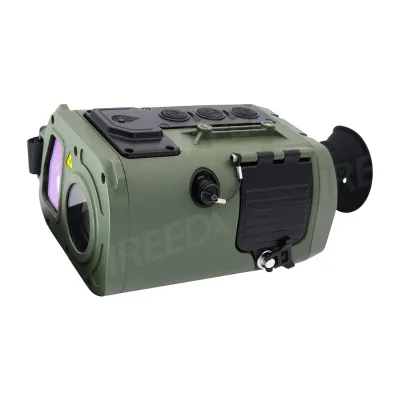
$3209.00 - $3928.00
MOQ: 1 pieces
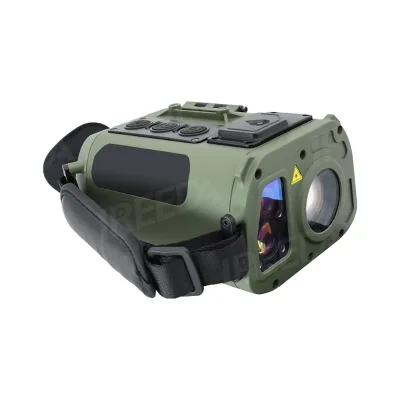
$3209.00 - $3928.00
MOQ: 1 pieces
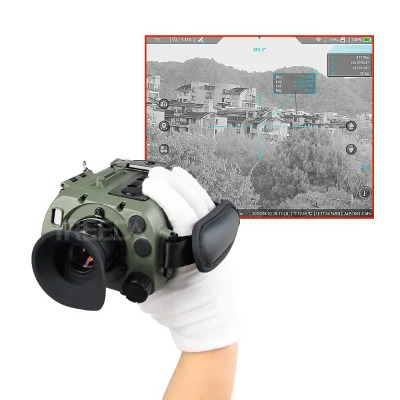
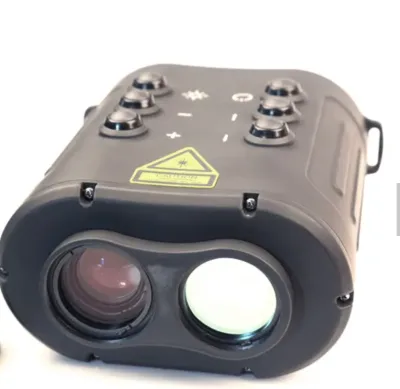

Onick Optics (Wuhan) Co., Ltd.
- Verified by SGS
- Combined
- China Hubei
- Lead time15 days
- Avg. response≤ 3h
Main productsRange Finder, Telescope, Night Vision, Thermal Imager, Trail Cameras, Speedometer, Photovoltaic Energy Storage
Main marketsDomestic


High Magnifications Multi-Function Remote Distance Meter Laser Range Finder with Low Price
Negotiable
MOQ: 1 Pieces


Chengdu Jrt Meter Technology Co., Ltd.
- Trading Company
- Sichuan, China
- Lead time3 days
- Avg. response≤ 2h
Main productsLaser Distance Module,laser distance sensor,laser rangefinder module,IP67 laser ranging sensor,Lidar distance sensor
Main marketsNorth America(30.00%), Eastern Asia(20.00%), Southern Europe(10.00%), Northern Europe(10.00%), Western Europe(10.00%), Eastern Europe(10.00%), Mid East(10.00%)

Suzhou Zeland Electronic Technology Co., Ltd.
- Verified by SGS
- Trading Company
- China Jiangsu
- Lead time15 days
- Avg. response≤ 9h
Main productsTotal Station, Mini Prism, High Pressure Washer, Rtk Gnss, Aluminum Tripod, Battery and Charger for Total Station, Fogger Machine, Auto Level, Self Levelling Staff, Tribrach
Main marketsSouth America,Eastern Europe,Mid East,North America,Southeast Asia,Eastern Asia,Oceania,Western Europe,Africa

$685.00 - $690.00
MOQ: 1 Pieces

High Quality Good Price Laser Detector Laser Receiver for Rotary Laser Level
$28.00 - $29.00
MOQ: 1 Pieces

High Quality Good Price Laser Detector Laser Receiver for Rotary Laser Level Green Beam
$28.00 - $29.00
MOQ: 1 Pieces

Cheaper Price Surveying Accessories Laser Detector Laser Receiver for Rotary Laser Level
$35.00 - $39.00
MOQ: 1 Pieces

Cheaper Price Single Side LCD Display Laser Detector Laser Receiver for Line Laser Level
$28.00 - $29.00
MOQ: 1 Pieces

HANGZHOU INTOP TECHNOLOGY CO., LTD.
- Verified by SGS
- Trading Company
- China Zhejiang
- Lead time0 days
- Avg. response≤ 3h
Main productsAnti Drone, Drone Jammer, Drone Detector

Advanced Uav Detection System with Range and Real-Time Positioning
$42500.00 - $44000.00
MOQ: 1 Pieces


Zhejiang Fanshuang Technology Co., Ltd.
- Verified by BV
- Combined
- China Zhejiang
- Lead time15 days
- Avg. response≤ 1h
Main productsDrone Defense, Drone Detection, Signal Blocking
Main marketsSouth America,Africa,Southeast Asia/ Mideast,East Asia(Japan/ South Korea),Domestic,Europe,Australia,North America

Professional Handheld Drone Detector for 100-6000MHz Uav Frequencies
$2880.00 - $3500.00
MOQ: 1 Pieces


Drone Detection Uav Signal Detection and Location Drone Defense Equipment
$1000.00 - $200000.00
MOQ: 1 Pieces


Foshan Anlong Communication Equipment Co., Ltd.
- Verified by SGS
- Manufacturer/Factory
- China Guangdong
- Lead time15 days
- Avg. response≤ 5h
Main productsAnti Drone Module, Drone Jammer Module, Power Amplifier Module, Wideband Module, GaN Module, RF Jammer Module, Anti Uav Module, Anti Fpv Module, Uav Detector, Drone Detector
Main marketsSouth America,Eastern Europe,Mid East,North America,Southeast Asia,Eastern Asia,Oceania,Western Europe,Africa

Hangzhou Ragine Electronic Technology Development Co., Ltd.
- Verified by SGS
- Trading Company,Manufacturer/Factory
- China Zhejiang
- Lead time30 days
- Avg. response≤ 7h
Main productsAnti Drone System, C-Uav, Drone Gun, Drone Jammer, Drone Detector, Drone Spoofer
Main marketsSouth America,Eastern Europe,Mid East,North America,Southeast Asia,Eastern Asia,Oceania,Western Europe,Africa
Shenzhen Hanghui Technology Development Co., Ltd.
- Manufacturer, Trading Company
- Guangdong, China
- Lead time0 days
- Avg. response≤ 22h
Main productswalkie-talkie,radio station,fire fighting helmet,infrared telescope,Thermal imaging telescope
Main marketsEastern Asia(1.00%), North America(1.00%)

Changzhou Skyvictor Import and Export Co., Ltd.
- Verified by BV
- Trading Company
- China Jiangsu
- Lead time23 days
- Avg. response≤ 25h
Main productsLaser Level, Rotary Laser Level, Surveying Instrument, Laser Distance Meter, Electrical Measuring Meter, Multimeter, Total Station, Machine Control System, EDM, Electronic Tools
Main marketsSoutheast Asia/ Mideast


Standard Wireless Remote Control Laser Detector for Rotary Level with Competitive Price
Negotiable
MOQ: 20 Pieces


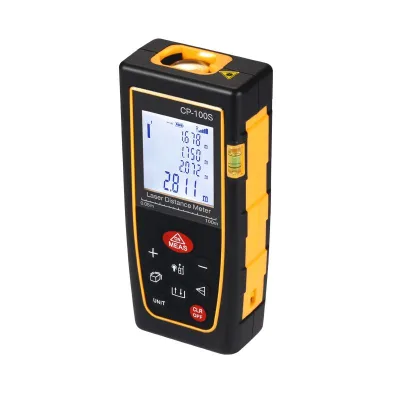
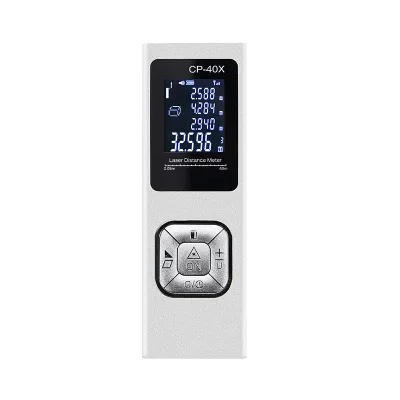
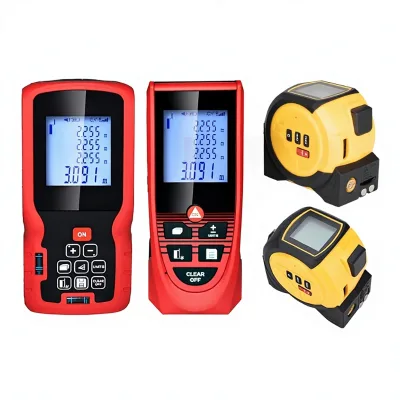
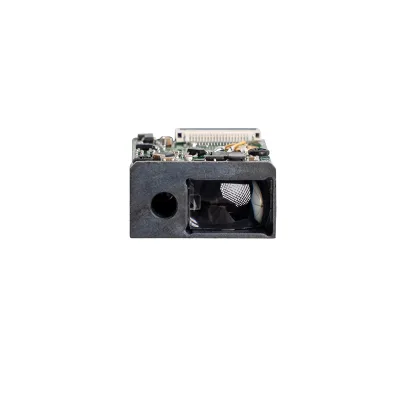


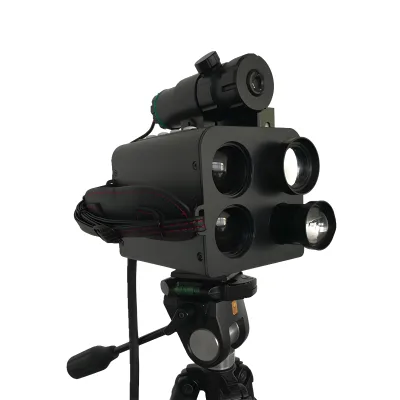
Comprehensive Sourcing Guide
100m Detecting Range Laser Receiver Supplier Concentration and Factory Types
The current supplier landscape for 100m detecting range laser receivers reveals a distinct concentration of manufacturing and trading entities within specific industrial hubs. Evidence indicates that a significant portion of these suppliers are located in Guangdong, China, a region renowned for its robust electronics supply chain and precision instrument manufacturing capabilities. This geographic clustering suggests that buyers seeking rapid prototyping or high-volume production may find a dense network of potential partners in this area. The presence of both manufacturers and trading companies in these results highlights a diverse ecosystem where direct factory engagement is possible, yet intermediary services also play a crucial role in facilitating international trade. Buyers should recognize that while Guangdong offers logistical advantages and established infrastructure, the specific location of a supplier does not automatically guarantee superior quality or pricing, as individual factory capabilities vary widely.
Beyond geographic concentration, the types of entities offering these products range from pure manufacturers to hybrid trading companies. The data shows that many suppliers identify as both manufacturers and trading companies, which can imply they have in-house production lines while also managing external supply chains for complementary components. This dual identity often allows for greater flexibility in order sizes and customization options, as trading arms can source additional materials while manufacturing arms handle core assembly. For buyers evaluating 100m detecting range laser receivers, understanding this distinction is vital because it affects communication channels, quality control processes, and pricing structures. Manufacturers typically offer more direct control over production specifications, whereas trading companies may provide broader product portfolios and simplified logistics. However, the overlap in company types means buyers must verify actual production capabilities rather than relying solely on listed titles, ensuring that the entity they engage with has the technical expertise to handle the specific requirements of laser distance measurement technology.
How to Verify 100m Detecting Range Laser Receiver Suppliers
Verifying the legitimacy and capability of suppliers requires a multi-layered approach that goes beyond basic profile reviews. One critical step is to check for third-party verification badges, such as Intertek, which indicate that an independent agency has assessed the supplier’s business operations and product quality. The presence of such verification provides a baseline level of trust, suggesting that the supplier has undergone rigorous scrutiny regarding their legal status and operational integrity. Buyers should prioritize suppliers who display these verified badges, as they offer an additional layer of security compared to unverified entities. Additionally, examining the supplier’s response time is a practical indicator of their operational efficiency and customer service commitment. A response time of five to seven days, as observed in some results, may indicate a structured but potentially slower communication process, which buyers must factor into their project timelines. Faster response times often correlate with more agile supply chains, which can be crucial for resolving technical queries or negotiating custom specifications for 100m detecting range laser receivers.
Another essential verification method involves scrutinizing the supplier’s certifications and compliance standards. The data reveals that many suppliers hold certifications such as ISO14001, ISO 9001, FCC, CE, and UKCA, which are critical for ensuring that the laser receivers meet international safety and environmental regulations. Buyers must confirm that these certifications are current and applicable to the specific models they intend to purchase, as certification scopes can vary. Furthermore, checking the warranty terms provided by the supplier offers insight into their confidence in product durability. Some suppliers offer a one-year warranty, while others provide two years, which can significantly impact long-term cost of ownership and risk mitigation. Buyers should also verify the customization support options, such as OEM, ODM, and OBM services, to ensure the supplier can accommodate specific branding or technical requirements. By combining verification badges, response time analysis, certification checks, and warranty reviews, buyers can build a comprehensive profile of each supplier’s reliability and suitability for their sourcing needs.
What to Compare Across 100m Detecting Range Laser Receiver Suppliers
When comparing suppliers, lead time is a pivotal metric that directly impacts inventory management and project scheduling. The observed lead times range from three to seven days, indicating varying levels of production readiness and stock availability. Suppliers with shorter lead times, such as three days, may maintain higher inventory levels or have more streamlined production processes, making them suitable for urgent orders. Conversely, suppliers with longer lead times might operate on a make-to-order basis, which could offer more flexibility for custom specifications but requires earlier planning. Buyers should align their supplier selection with their specific delivery requirements, considering whether speed or customization is the higher priority. Additionally, comparing the main products offered by each supplier helps identify those with specialized expertise. Some suppliers focus on laser rangefinders and distance meters, while others may offer broader testing instruments. Selecting a supplier whose main products align closely with the 100m Detecting Range Laser Receiver ensures that they possess the necessary technical knowledge and manufacturing experience to deliver high-quality products.
Price and customization capabilities are also critical factors in supplier comparison. The price range for laser range finders varies significantly, with some models priced between $11.00 and $15.99, while others range from $18.00 to $20.00. These price differences may reflect variations in measurement accuracy, build quality, or included features such as magnification or slope compensation. Buyers should evaluate whether the price aligns with the specified technical attributes, such as measurement accuracy of ±1.5mm or ±0.01m, to ensure value for money. Furthermore, assessing the customization support options is essential for buyers seeking branded or uniquely specified products. Suppliers offering OEM, ODM, and OBM services provide greater flexibility for tailoring products to specific market needs. Buyers should compare the extent of customization available, including options for branding, packaging, and technical modifications. By systematically comparing lead times, main product focus, pricing, and customization capabilities, buyers can identify suppliers that best match their operational and strategic requirements for sourcing 100m detecting range laser receivers.
Common 100m Detecting Range Laser Receiver Sourcing Risks
One significant risk in sourcing 100m detecting range laser receivers is the potential discrepancy between advertised specifications and actual product performance. Buyers must be cautious of suppliers who provide vague or incomplete product details, as this may indicate a lack of transparency or quality control. For instance, some product listings may omit critical information such as laser class, measurement accuracy, or ingress protection ratings, which are essential for ensuring the device meets specific operational requirements. Buyers should insist on detailed technical specifications and request sample units to verify performance before committing to large orders. Additionally, the risk of intellectual property infringement exists, particularly when engaging with suppliers that offer extensive OEM services without proper verification. Buyers must ensure that their branding and design specifications are protected and that the supplier adheres to relevant intellectual property laws. Conducting due diligence on the supplier’s history and reputation can help mitigate this risk, as established suppliers are more likely to respect IP rights and maintain professional standards.
Another common risk is the variability in warranty and after-sales support. While some suppliers offer a one-year warranty, others provide two years, and the terms of these warranties can vary significantly. Buyers must carefully review the warranty conditions to understand what is covered, such as manufacturing defects versus accidental damage, and the process for claiming repairs or replacements. Inadequate after-sales support can lead to increased downtime and additional costs if products fail in the field. Furthermore, the risk of supply chain disruptions cannot be overlooked, especially when sourcing from regions with complex logistics networks. Buyers should assess the supplier’s ability to handle unexpected delays and their contingency plans for maintaining consistent supply. By identifying and addressing these risks through thorough verification, detailed specification reviews, and clear warranty agreements, buyers can protect their interests and ensure a smoother sourcing experience for 100m detecting range laser receivers.
100m Detecting Range Laser Receiver Regional Sourcing and Logistics
Sourcing 100m detecting range laser receivers from Guangdong, China, offers distinct logistical advantages due to the region’s well-developed infrastructure and proximity to major shipping ports. This concentration of suppliers facilitates efficient consolidation of goods, allowing buyers to combine multiple orders from different suppliers into a single shipment, thereby reducing overall logistics costs. The presence of specialized electronics manufacturing clusters in Guangdong also means that buyers can access a wide range of components and raw materials locally, which can shorten production cycles and enhance supply chain resilience. However, buyers must also consider the potential challenges associated with international shipping, such as customs clearance procedures and import regulations in their home country. Understanding these logistical nuances is crucial for planning effective delivery schedules and avoiding unexpected delays. Buyers should work closely with their suppliers to ensure that all necessary documentation, such as certificates of origin and compliance certificates, is prepared accurately to streamline the customs process.
In addition to regional advantages, buyers should evaluate the supplier’s experience with international logistics and their ability to handle various shipping methods. Some suppliers may offer FOB (Free on Board) terms, while others may provide DDP (Delivered Duty Paid) options, each with different implications for cost and responsibility. Buyers must determine which shipping terms best align with their logistical capabilities and risk tolerance. Furthermore, the size and weight of the laser receivers, as indicated by single package dimensions and gross weights, can impact shipping costs and handling requirements. For example, compact devices with small package sizes may be more cost-effective to ship in bulk, while larger or heavier units may require specialized packaging and handling. By carefully assessing the logistical implications of sourcing from specific regions and understanding the supplier’s shipping capabilities, buyers can optimize their supply chain and ensure timely delivery of 100m detecting range laser receivers to their final destinations.
100m Detecting Range Laser Receiver Commercial Terms and Order Planning
Effective order planning for 100m detecting range laser receivers requires a clear understanding of the commercial terms offered by suppliers, including payment methods, minimum order quantities (MOQs), and pricing structures. While specific MOQs are not explicitly detailed in the current data, buyers should inquire about these thresholds to determine if they align with their inventory needs and budget constraints. Suppliers may offer tiered pricing based on order volume, so buyers should negotiate for the best possible rates by committing to larger quantities or establishing long-term partnerships. Additionally, understanding the payment terms, such as the availability of escrow services, is crucial for protecting financial interests. Escrow services provide a secure transaction mechanism where funds are held until the buyer confirms receipt and satisfaction with the goods, reducing the risk of fraud or non-delivery. Buyers should prioritize suppliers who offer secure payment options and transparent pricing to ensure a smooth commercial transaction.
Furthermore, buyers must plan for potential variations in lead times and production schedules when placing orders. As observed, lead times can range from three to seven days, and buyers should factor this into their inventory planning to avoid stockouts or excess inventory. Establishing clear communication channels with suppliers regarding order status and production updates can help mitigate delays and ensure timely delivery. Buyers should also consider the implications of customization requests on lead times and costs, as OEM or ODM services may require additional time for design approval and production setup. By carefully planning orders based on accurate lead time estimates, negotiating favorable commercial terms, and utilizing secure payment methods, buyers can optimize their procurement process and achieve cost-effective sourcing of 100m detecting range laser receivers. This strategic approach ensures that buyers maintain control over their supply chain while meeting their business objectives.
FAQs
What is the price range for 100m laser range finders?
Prices for 100m laser range finders typically range from $6.50 to $20.00 per unit. Costs vary based on features like magnification, accuracy, and customization options. Buyers should check specific product listings for exact pricing tiers and bulk order discounts available from manufacturers.
Do suppliers offer OEM customization for laser rangefinders?
Yes, many manufacturers provide OEM, ODM, and OBM customization support. Buyers can request custom branding, colors, and packaging for their laser range finder orders. This allows businesses to tailor products to their specific market needs while maintaining quality standards and performance specifications.
What certifications are available for these laser devices?
Common certifications include CE, FCC, FDA, UKCA, and ISO 9001. These ensure compliance with international safety and quality standards. Buyers should verify specific certification documents with suppliers to confirm that the laser range finders meet the regulatory requirements for their target export markets.
How fast is the response time from suppliers?
Supplier response times generally range from 5 to 7 hours. Quick responses indicate active customer service teams ready to assist with inquiries. Buyers can expect timely communication regarding product details, pricing, and order status when contacting verified manufacturers directly through the platform messaging system.
What is the typical lead time for orders?
Lead times for production and shipping are typically 3 to 7 days. This duration covers manufacturing, quality control, and initial dispatch processes. Buyers should confirm exact delivery schedules with suppliers, as lead times may vary based on order volume, customization requirements, and current production capacity.
Where are these laser range finder manufacturers located?
Manufacturers are primarily located in Guangdong and Zhejiang, China. These regions are known for strong electronics and optical instrument production capabilities. Buyers can source directly from these hubs to benefit from established supply chains, competitive pricing, and efficient logistics networks for international shipping.
What warranty periods are offered for laser rangefinders?
Warranty periods typically range from 1 to 2 years. This coverage protects against manufacturing defects and ensures product reliability. Buyers should review specific warranty terms with suppliers to understand the scope of coverage, claim procedures, and any conditions that might affect the validity of the warranty.