Abstract Antique Style Wall Clock Suppliers and Manufacturers
Discover 18 verified suppliers offering Abstract Antique Style Wall Clock options with varying lead times, certifications, and response speeds. Compare dimensions, MOQs, and pricing to select the right partner for your sourcing needs today; review the available evidence before requesting comparable quotations from suitable candidates.
Suppliers List

Xiamen Junnong Agri Production Sell Co., Ltd.
- Verified by TUVRHEINLAND
- Trading Company
- China Fujian
- Lead time30 days
- Avg. response≤ 4h
Main productsHat, Clock, Wall Clock, LED Clock, Watch, Cap
Main marketsNorth America

- Manufacturer/Factory
- China Fujian
- Lead time45 days
- Avg. response≤ 12h
Main productsBamboo Chopping Board, Bamboo Box, Bamboo Tray, Bamboo Bottle, Bamboo Products, Bamboo Cutlery, Bamboo Plywood, Bamboo Furniture, Bamboo Plate, Bamboo Broom
Main marketsSouth America,Eastern Europe,Mid East,North America,Southeast Asia,Oceania,Western Europe,Africa

Guangzhou MyWow Decor Co., Ltd
- Combined
- China Guangdong
- Lead time15 days
- Avg. response≤ 10h
Main productsWall Panel, Artificial Plant, Mat, Pegatina De Pared, Artificial Grass, Wall Sticker
Main marketsSouth America,Europe,North America


3 Pieces Set Crystal Porcelain Painting Wall Clock Art Painting Clock for Home Decor
$23.50 - $25.50
MOQ: 50 Square Meters

- Verified by TUVRHEINLAND
- Combined
- China Fujian
- Lead time15 days
- Avg. response≤ 21h
Main productsFridge Magnet, Decorative Hook, Metal Plaque, Wood Plaque, Wooden Photo Frame, Wood Chalkboard, Book Mark, Linen Painting, Canvas Box, Cup Coasters
Main marketsSouth America,Africa,Southeast Asia/ Mideast,East Asia(Japan/ South Korea),Europe,Australia,North America

Zhejiang Pangoo Cultural & Art Co., Ltd.
- Verified by CTI
- Combined
- China Zhejiang
- Lead time30 days
- Avg. response≤ 7h
Main productsResin Craft, Oil Painting, Wall Clock
Main marketsSouth America,Southeast Asia/ Mideast,North America

Abstract Art Modern Wall Clock Hanging Luxury Digital Silent Decoration Wall Clock
$2.27 - $2.75
MOQ: 50 Pieces

Colorful Art Style Clock Quartz Wall Clock Living Room Office Home Durable
$12.00 - $13.50
MOQ: 50 Pieces


Jinjiang Jiaxing Supply Management Co., Ltd.
- Verified by TUVRHEINLAND
- Trading Company
- China Fujian
- Lead time30 days
- Avg. response≤ 1h
Main productsEVA Clogs, Flip Flop, Shoe Charms, Shopping Bags, Wristbands, Gifts, Promotional Gifts, Slipper, Sport Cap, Ball
Main marketsNorth America
Zhangzhou Bonmo Industry Co., Ltd.
- Verified by Intertek
- Manufacturer, Trading Company
- Lead time30 days
- Avg. response≤ 3h
Main productsWall Clock, Thermometer And Hygrometer Clock, Clock Movement, Clock Hands
Main marketsDomestic Market(35%), Southeast Asia(34%), North America(15%)

Ningbo V. K. Industry and Trading Co., Ltd.
- Verified by BV
- Trading Company
- China Zhejiang
- Lead time30 days
- Avg. response≤ 6h
Main productsIce Bath Tub, Cosmetic Glass Bottle, Hydroponics Grow Box, Baby Bottle, Inflatable Tent, Cream Jar, Reed Diffuser Bottle, Jewish Products, Mezuzah Case
Main marketsSouth America,Europe,Australia,North America

Olive Branch Wall Clock Art Silent Wall Decoration European Style Household Clock
$22.99 - $23.99
MOQ: 30 Pieces


Modern Minimalist Stylish Atmospheric Clock Wall Hanging Clock Creative Wall Decoration
$21.99 - $22.99
MOQ: 30 Pieces

Guangzhou MyWow Decor Co., Ltd
- Combined
- China Guangdong
- Lead time15 days
- Avg. response≤ 18h
Main productsWallpaper, Wall Paper, 3D Wallpaper, 3D Wall Panel, Window Blinds, Artificial Grass, Wall Tiles, Center Rugs, Wall Mural, Natural Grasscloth
Main marketsSouth America,Europe,North America

Entrance Living Room Crystal Wall Clock Art Painting Clock Luxury Frame
$26.00 - $28.00
MOQ: 10 Square Meters

3 Pieces Set Crystal Porcelain Wall Art Painting Clock for Wall Decoration
$26.00 - $28.00
MOQ: 10 Square Meters

New Arrival Wall Art Crystal Porcelain Painting Wall Decoration Painting for Home and Hotel
$26.00 - $28.00
MOQ: 10 Square Meters

Jinjiang Jiaxing Import and Export Co., Ltd.
- Verified by CTI
- Manufacturer/Factory
- China Fujian
- Lead time120 days
- Avg. response≤ 1h
Main productsShoes, Slipper, Clothes, Promotion Gifts, Silicone Products, Outdoor Sports Products, Bags, Fashion Accessories, Consumer Electronics
Main marketsSouth America,Eastern Europe,Mid East,North America,Southeast Asia,Eastern Asia,Oceania,Western Europe,Africa
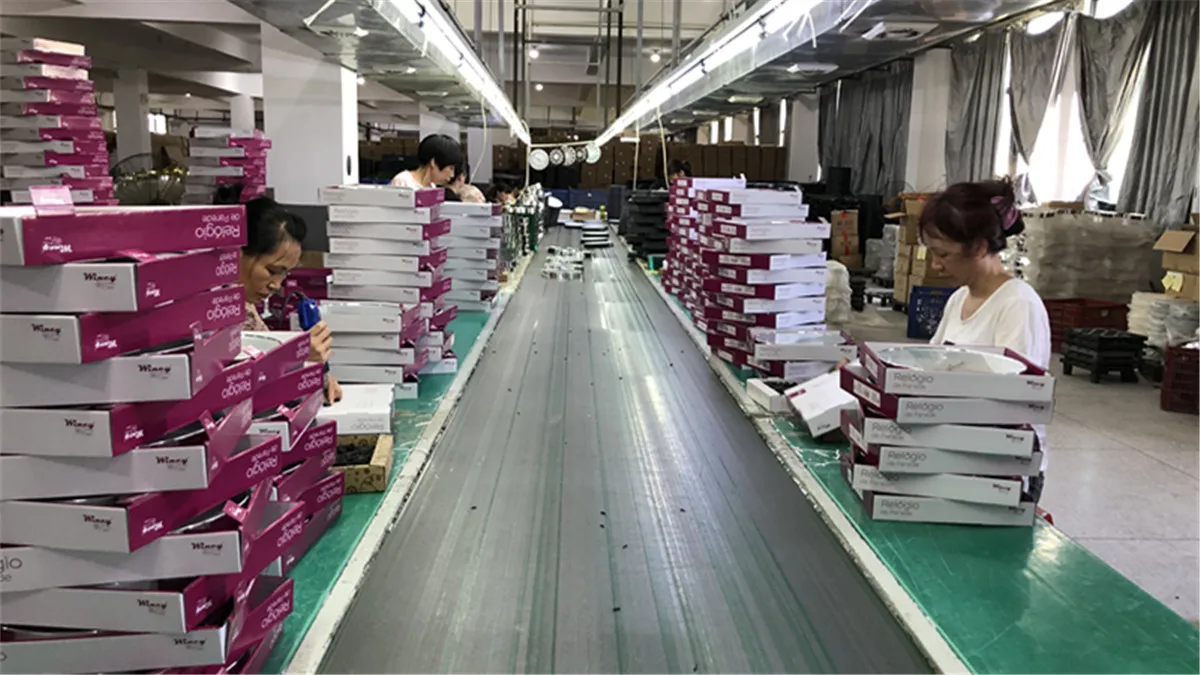
Xiamen Hendery Trade Co., Ltd.
- Trading Company
- Fujian, China
- Lead time30 days
- Avg. response≤ 8h
Main productsWall Clock,Wall Mirror,Table Clock,Crystal Porcelain Wall Clock,Acrylic DIY Wall Clock
Main marketsNorth America(18.00%), Southeast Asia(16.00%), Africa(12.00%), Eastern Europe(10.00%), South America(10.00%), South Asia(8.00%), Western Europe(8.00%), Southern Europe(6.00%), Central America(5.00%), Mid East(3.00%), Oceania(2.00%), Northern Europe(1.00%), Eastern Asia(1.00%)

Shenzhen Shi Ying Technology Co., Ltd.
- Verified by BV
- Trading Company
- China Guangdong
- Lead time23 days
- Avg. response≤ 4h
Main productsWatch, Pocket Watch, Nurses Watch, Carabiner Watch, Lady Watch, Men Watch, Fashion Watch, Digital Watch, Wood Watch, Mini Insert Clock
Main marketsEurope

45.5cm Round Vintage Antique Decorative Wall Clock with Quartz Movement
$13.75 - $13.95
MOQ: 500 Pieces


Quanzhou Jesin Trading Co., Ltd.
- Trading Company
- Fujian, China
- Lead time50 days
- Avg. response≤ 16h
Main productsgarden decoration,Christmas decoration,outdoor solar,home crafts,Holiday gifts
Main marketsNorthern Europe(30.00%), North America(30.00%), Eastern Europe(20.00%), Southern Europe(10.00%), Western Europe(10.00%)
Fuzhou Rainhou Craft Co., Ltd.
- Manufacturer, Trading Company
- Fujian, China
- Lead time40 days
- Avg. response≤ 1h
Main productsdecorative mirrors,clock,tray,candleholder,metal decors
Main marketsNorth America(20.00%), Eastern Europe(15.00%), South America(15.00%), Southern Europe(14.00%), Western Europe(12.00%), Northern Europe(10.00%), Southeast Asia(5.00%), Central America(3.00%), Eastern Asia(2.00%), Oceania(2.00%), Mid East(2.00%)

Ningbo Yinzhou Wenhui Paper Co., Ltd.
- Verified by TUVRHEINLAND
- Manufacturer/Factory
- China Zhejiang
- Lead time45 days
- Avg. response≤ 10h
Main productsStationery Gifts Promotional Homeware, Pen, Pet Products, Board Game, Paper Tube, Notebook, Wooden Toys, DIY Toy, Puzzle, Gift Bag
Main marketsSouth America,Eastern Europe,Mid East,North America,Southeast Asia,Eastern Asia,Oceania,Western Europe,Africa


Factory Price Silent Living Room Office Luxury Creative Home Decor Wall Clock
$6.50 - $10.00
MOQ: 1000 Pieces

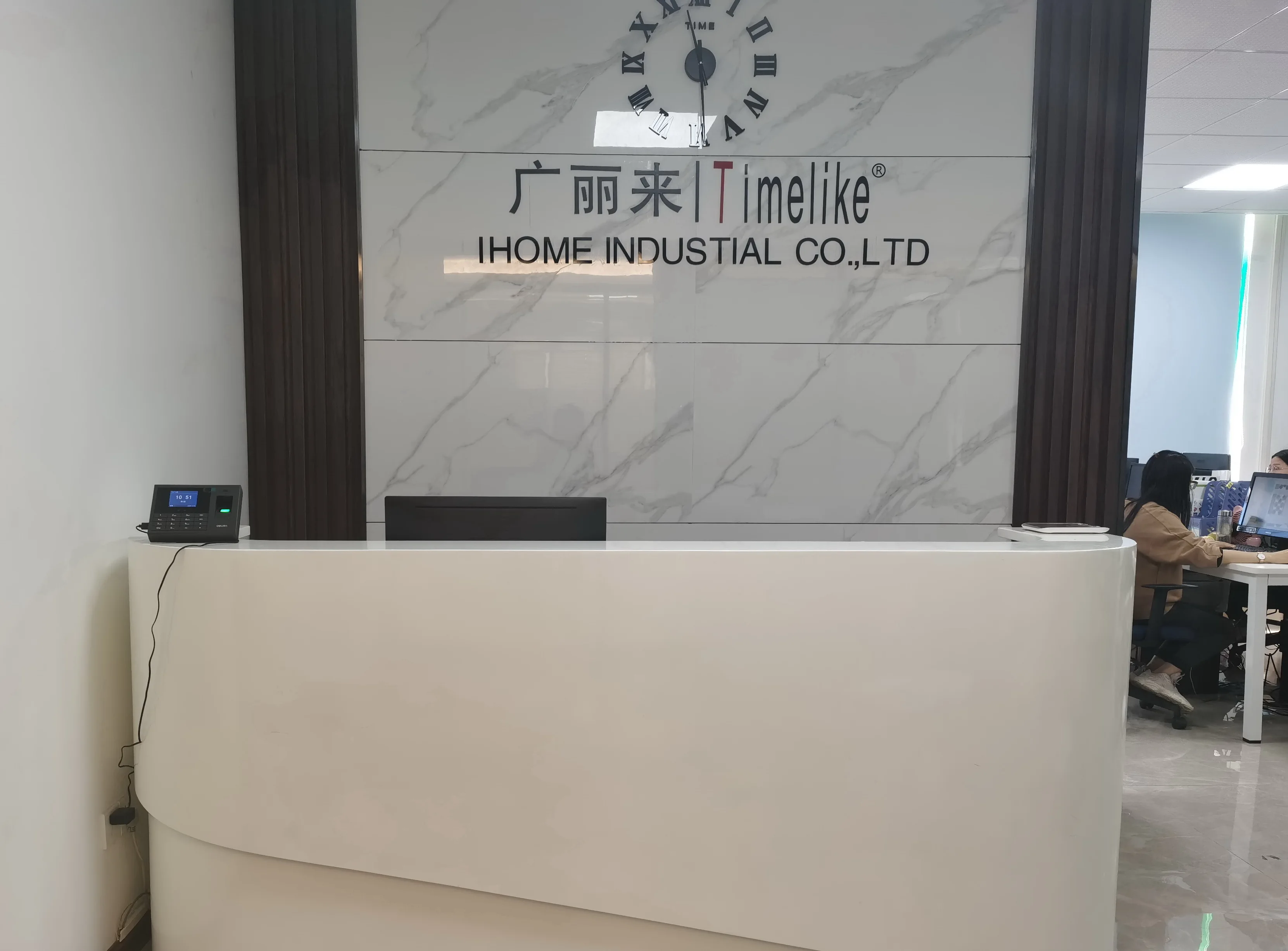
- Manufacturer, Trading Company
- Guangdong, China
- Lead time30 days
- Avg. response≤ 11h
Main productsWall Clock,Table Lamps,Metal Arts,watch
Main marketsNorth America(35.00%), Western Europe(30.00%), Eastern Europe(14.00%), Domestic Market(10.00%), Southeast Asia(4.00%), Mid East(4.00%), Africa(3.00%)

Real Love Industrial Factory Groups
- Manufacturer, Trading Company
- Zhejiang, China
- Lead time0 days
- Avg. response≤ 1h
Main productsHardware,Fabrics,Bags,Toys,Materials
Main marketsSouth America(20.00%), North America(20.00%), Eastern Europe(10.00%), Northern Europe(8.00%), Central America(5.00%), Domestic Market(5.00%), Eastern Asia(5.00%), Mid East(5.00%), Oceania(5.00%), Southeast Asia(5.00%), Southern Europe(4.00%), Western Europe(3.00%), Africa(3.00%), South Asia(2.00%)

Zhangzhou Cheng Zhan Electronic Co., Ltd.
- Manufacturer, Trading Company
- Fujian, China
- Lead time7 days
- Avg. response≤ 2h
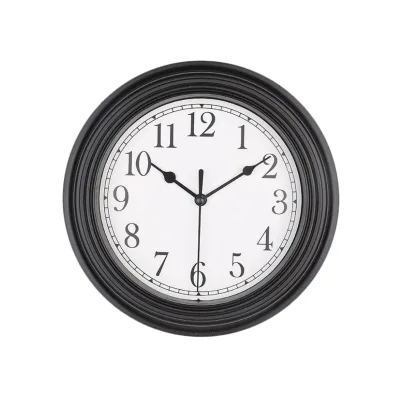
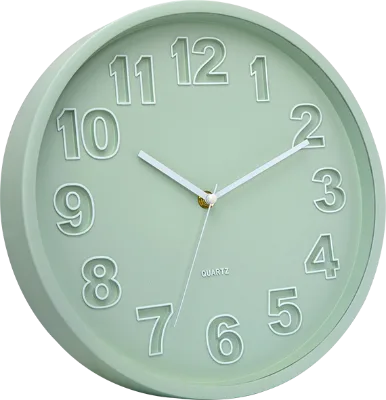
Main productsWall Clock
Main marketsDomestic Market(80.00%), Western Europe(10.00%), North America(6.00%), Eastern Europe(3.00%), Northern Europe(1.00%)


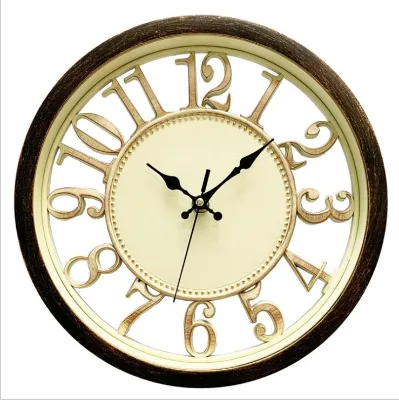
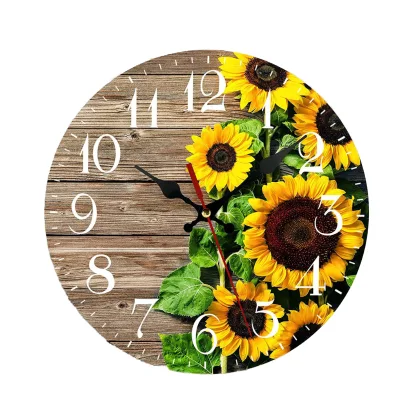



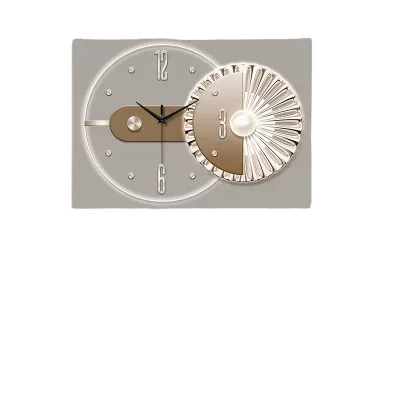
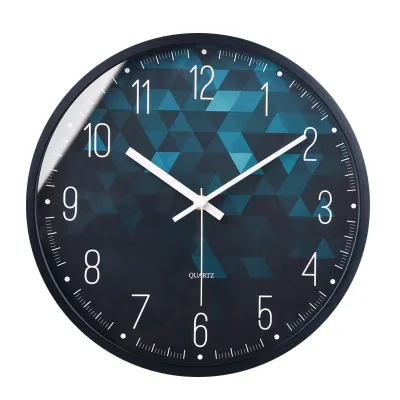

Comprehensive Sourcing Guide
Abstract Antique Style Wall Clock Supplier Concentration and Factory Types
Current data indicates a concentration of suppliers in China, specifically within the Fujian and Guangdong provinces, where manufacturing clusters for home decor items are active. In Fujian, suppliers often operate as trading companies or manufacturers specializing in metal and wood products, offering items like galvanized antique design wall clocks and rustic wooden variants. These entities frequently list main products that include various clock types alongside other home decor goods, suggesting a specialized but diversified production base. The presence of both trading companies and manufacturers in this region allows buyers to access different supply chain models, from direct factory production to consolidated trading services.
In contrast, suppliers located in Guangdong may present as combined entities or manufacturers with a broader range of capabilities, including OEM and ODM services for glass and crystal-based clock art. These regions demonstrate distinct product focuses, with some suppliers emphasizing metal and iron construction while others prioritize wood, bamboo, or glass materials. Buyers should verify the specific company type listed for each potential partner, as trading companies may offer broader catalog access while manufacturers might provide deeper customization for specific materials like metal or wood. Understanding this geographic and structural distribution helps in identifying the right partner for specific material requirements and production scales.
How to Verify Abstract Antique Style Wall Clock Suppliers
Verification of supplier credibility relies heavily on checking for recognized third-party certifications and verification statuses provided in the supplier profile. Some suppliers in the current results display verification from entities like TÜV Rheinland, which serves as a concrete indicator of quality management system audits. Additionally, system certifications such as BSCI and SEDEX may be present for manufacturers, indicating adherence to social compliance and ethical labor standards. Buyers must confirm the presence of these specific credentials rather than assuming general compliance, as the absence of such labels requires direct inquiry into the supplier's audit history and factory conditions.
Beyond certifications, response time and company type serve as practical indicators of operational reliability. A response time metric, such as 3.81 or 11.32 hours, reflects the supplier's capacity to communicate effectively, which is critical for resolving technical queries about clock movements or customization options. Buyers should also examine the listed company type to distinguish between trading companies and manufacturers, as this affects the depth of technical knowledge available. For suppliers lacking explicit verification badges, buyers should request copies of relevant certificates or ask for factory audit reports to validate claims before proceeding with any order, ensuring that the supplier maintains the necessary standards for producing antique-style wall clocks.
What to Compare Across Abstract Antique Style Wall Clock Suppliers
When evaluating potential partners, buyers should prioritize comparing lead times, minimum order quantities, and pricing structures to ensure alignment with project requirements. Lead times in the observed data range from 15 to 45 days, with some suppliers offering faster turnaround for standard items while others require longer periods for customized wooden or metal pieces. Minimum order quantities also vary significantly, with some suppliers requiring 300 or 500 units, while others may accept smaller orders like 50 units or one carton per size. These differences directly impact inventory planning and cash flow, making it essential to match supplier capabilities with the buyer's volume needs and delivery schedules.
Pricing and product specifications provide another critical layer for comparison, as costs can fluctuate based on material and movement type. Prices observed for metal wall clocks range from approximately $5.10 to $8.50, while glass and crystal art clocks may command higher prices between $23.50 and $26.50. Buyers must also compare technical attributes such as power type, movement mechanism, and surface materials, as these define the final product quality. For instance, some clocks utilize battery-powered quartz movements, while others may feature mechanical or step movements with external power supplies. A detailed side-by-side analysis of these specifications ensures that the selected supplier can deliver the exact aesthetic and functional requirements for the abstract antique style wall clocks.
Common Abstract Antique Style Wall Clock Sourcing Risks
One significant risk involves the discrepancy between product descriptions and actual manufacturing capabilities, particularly regarding material authenticity and finish quality. Suppliers may list products as "antique" or "rustic," but the actual surface treatment, such as distressed metal or matte transparent coatings, might not meet the buyer's visual expectations without prior sample verification. The variation in packing standards, ranging from individual bubble bags to master cartons with specific dimensions, also poses a risk of damage during transit if the packaging is not robust enough for the fragile nature of glass or intricate metal designs. Buyers must explicitly confirm packing details to prevent breakage and ensure the product arrives in sellable condition.
Another risk stems from inconsistent response times and communication delays, which can hinder the resolution of customization requests or quality issues. Suppliers with slower response times, such as those exceeding 20 hours, may struggle to address urgent production changes or clarify technical details about clock movements and power requirements. This delay can lead to production bottlenecks, especially when custom options like irregular shapes or specific finishes are requested. Additionally, the lack of standardized certifications across all suppliers means that some may not adhere to the same quality control protocols, increasing the likelihood of receiving substandard goods. Buyers should mitigate this by establishing clear communication channels and setting strict deadlines for responses before finalizing orders.
Abstract Antique Style Wall Clock Regional Sourcing and Logistics
Sourcing from China, particularly from Fujian and Guangdong, offers access to established manufacturing clusters but requires careful logistics planning due to varying lead times and shipping complexities. Suppliers in Fujian often specialize in metal and wood products, while those in Guangdong may focus on glass and combined decor items, each with distinct shipping profiles. Lead times can extend up to 45 days for customized orders, necessitating early planning to avoid stockouts. Buyers should account for these durations when scheduling production and shipping, ensuring that inventory levels are maintained to meet market demand without interruption.
Logistics considerations also include the specific packing standards and carton dimensions provided by suppliers, which directly affect shipping costs and container utilization. For example, master cartons may measure 604243cm or 512329cm, influencing how many units fit into a standard shipping container. Buyers must calculate these dimensions to optimize freight costs and minimize waste. Furthermore, the origin of the products, consistently listed as Fujian or Guangdong, impacts customs clearance and import duties. Understanding these regional logistics nuances allows buyers to negotiate better shipping terms and plan for efficient distribution, ensuring that the abstract antique style wall clocks reach their destination in optimal condition and within the desired timeframe.
Abstract Antique Style Wall Clock Commercial Terms and Order Planning
Commercial terms for these products often include specific minimum order quantities and pricing tiers that vary by material and design complexity. Buyers should be prepared to meet MOQs ranging from 50 units for glass art clocks to 500 units for wooden or metal variants, as these thresholds are set to ensure production efficiency. Pricing is typically fixed per unit, with observed ranges reflecting material costs and manufacturing complexity. Understanding these terms is crucial for budgeting and ensuring that the order volume aligns with the supplier's production capacity, preventing delays or additional costs associated with small batch runs.
Order planning must also account for customization options and production lead times, which can significantly impact the overall timeline. Some suppliers offer customization for size, shape, and finishing, but these options often require longer lead times and may involve additional costs. Buyers should confirm the availability of custom features and the associated lead time before placing an order to avoid unexpected delays. Additionally, verifying the supplier's capacity for OEM and ODM services ensures that they can handle specific design requirements. By carefully planning these commercial aspects, buyers can secure a reliable supply chain for abstract antique style wall clocks while maintaining control over costs and delivery schedules.
FAQs
What is the price range for antique style wall clocks?
Prices for antique style wall clocks typically range from $2.50 to $26.50 depending on materials and design complexity. Metal and bamboo options often start around $2.50, while glass crystal art clocks can reach $26.50. Buyers should verify specific unit costs based on order volume and customization requirements before finalizing procurement decisions.
What are the minimum order quantities for these clocks?
Minimum order quantities vary significantly by supplier and product type. Metal wall clocks generally require a minimum of 300 pieces, while bamboo wooden clocks often start at 500 units. Some luxury glass art clocks may accept orders as low as 50 pieces or one carton per size. Always confirm the exact MOQ with the supplier.
How long does production take for custom orders?
Production lead times for these clocks typically range from 15 to 45 days. Suppliers in Guangdong often offer faster turnaround times around 15 days, while those in Fujian may require up to 30 days. Bamboo manufacturers might need 45 days due to material processing. Buyers should confirm specific timelines during negotiation.
What materials are commonly used for antique wall clocks?
Common materials include metal, bamboo, wood, and glass. Metal clocks often feature iron or galvanized finishes with quartz movements. Bamboo and wooden clocks utilize natural materials with step or quartz movements. Luxury options may combine glass and crystal porcelain for decorative appeal. Buyers should select materials based on durability and aesthetic preferences.
Are these clocks suitable for OEM or ODM customization?
Many suppliers offer OEM and ODM customization services for antique style wall clocks. Manufacturers in Fujian and Guangdong typically support custom designs, packaging, and branding. Bamboo suppliers often provide customization options for size and finish. Buyers should verify specific customization capabilities and associated costs directly with the supplier before placing orders.
What certifications do these suppliers typically hold?
Suppliers may hold various certifications such as BSCI, SEDEX, and TÜV Rheinland verification. These certifications indicate compliance with social responsibility and quality standards. Buyers should request valid certification documents to ensure supplier reliability. Not all suppliers display certifications prominently, so verification is essential for risk management in procurement.