CE ISO Rheometer for Laboratory Suppliers and Manufacturers
Discover 19 verified suppliers offering CE ISO Rheometer for Laboratory equipment with ISO9001:2015 and CE certifications. Compare response times, lead times, and product specifications like torque and temperature limits to source the right testing instruments for your facility today.
Suppliers List

Harbin Hapro Electric Technology Co., Ltd.
- Verified by TUVRHEINLAND
- Combined
- China Heilongjiang
- Lead time30 days
- Avg. response≤ 11h
Main productsUV Irradiation Crosslinking, Torque Rheometer, Laboratory Mini Extruder, Film Forming Machine, Rubber Machine, Plastic Machine, Two-Roll Mills, Thermal Stability Tester Oven
Main marketsSouth America,East Asia(Japan/ South Korea),Europe,Australia,North America

Changchun Intelligent Instrument Equipment Co.,Ltd.
- Verified by TUVRHEINLAND
- Combined
- China Jilin
- Lead time30 days
- Avg. response≤ 2h
Main productsMaterial Testing Machine, Torque Rheometer, Voltage Breakdown Tester, Capillary Rheometer, Melt Flow Index Tester
Main marketsDomestic

Torque Rheometer Extrusion Rheological for Polymer Tester Lab Instrument
$22000.00 - $30000.00
MOQ: 1 Sets

ISO Certified Capillary Rheometer for Plastic Rubber Product Evaluation
$500.00 - $30000.00
MOQ: 1 Sets

High Performance Capillary Rheometer for Advanced Rheological Studies
$26000.00 - $30000.00
MOQ: 1 Sets

High Precision Rheometer Tester for Innovative Material Testing Applications
$20000.00 - $27000.00
MOQ: 1 Sets

Reliable Capillary Rheometer with 200kg Weight for Consistent Results
$20000.00 - $27000.00
MOQ: 1 Sets

Rheometer Materials Testing Machine for High-Quality Rheological Testing Solutions
$500.00 - $27000.00
MOQ: 1 Sets

Qingdao Evertech Industry Co., Ltd.
- Manufacturer/Factory
- China Shandong
- Lead time23 days
- Avg. response≤ 3h
Main productsComposite Curing Autoclave, Rubber Plastic Kneader Machine, Sand Blast Rooms/Air Blast Rooms, Rubber Plastic Rheometer, Autoclave for Rubber Shoes, Waste Tyre Recycling Line, Retort Machine, Autoclave for Wood Treatment
Main marketsSouth America,Eastern Europe,Mid East,North America,Southeast Asia,Eastern Asia,Oceania,Western Europe,Africa

Laboratory Rubber Rotorless Rheometer/Rubber Testing Rheometer with Rotorless Curemeter Instrument
$1000.00 - $5000.00
MOQ: 1 Sets

Laboratory Rotorless Rheometer Instrumentation/ Moving Die Rheometer for Rubber
$1000.00 - $5000.00
MOQ: 1 Sets

Test Unvulcanized Rubber Apparatus Vulcanized Rotorless Rheometer Laboratory Equipment
$4800.00 - $5300.00
MOQ: 1 Sets


Rubber Apparatus Rotorless Rheometer Testing Equipment Instrument Rubber Lab Equipment
$4800.00 - $5300.00
MOQ: 1 Sets

Hunan Gonoava Instrument Co Ltd
- Verified by TUVRHEINLAND
- Trading Company
- China Hunan
- Lead time15 days
- Avg. response≤ 7h
Main productsThermal Gravimetric Analyzer, Differential Scanning Calorimeter, Helium Mass Spectrometer, Xrf Portable Analyzer, Fluorescence Spectrometer, RoHS Environmental Analyzer, Contact Angle Testers, Universal Tensile Compression Testing Machine, Climatic Test Chambers, Plastic Testing Machine
Main marketsSoutheast Asia/ Mideast,East Asia(Japan/ South Korea),North America

ISO 3219-2021 DIN 53019 High quality Research Rheometer Equipment/Instrument/Apparatus
$15000.00 - $25000.00
MOQ: 1 Pieces

Food Texture Analyzer Rheological Tester rheological analysis for food biology pharmaceuticals
$1500.00 - $7950.00
MOQ: 1 Pieces

$1250.00 - $3500.00
MOQ: 1 Pieces

QINGDAO DAHUA MACHINERY CO., LTD.
- Trading Company
- China Shandong
- Lead time23 days
- Avg. response≤ 17h
Main productsRubber Machinery, Rubber Machine, Rubber Mixing Mill, Rubber Mixer Machinery, Rubber Kneader Mixer, Rubber Internal Mixer, Rubber Vulcanizing Press Machine, Vacuum Rubber Molding Press Machine, Rubber Calender Machine, Rubber Extruder Machine
Main marketsSouth America,Southeast Asia/ Mideast,North America

Qingdao Guangyue Rubber Machinery Manufacturing Co., Ltd.
- Verified by TUVRHEINLAND
- Trading Company,Manufacturer/Factory
- China Shandong
- Lead time23 days
- Avg. response≤ 8h
Main productsRubber Curing Press, Rubber Sheeting Mixing Mill, Rubber Refiner Crusher Extruder, Rubber Kneader Bale Cutter, Tumblast Cleaning Machine, Tyre Machinery, Manual Push-Pull Vulcanizer, Laboratory Plate Vulcanizing Press, Shot Blasting Machine, Kneading Mixing Machine
Main marketsSouth America,Eastern Europe,Mid East,North America,Southeast Asia,Eastern Asia,Oceania,Western Europe,Africa
Guangzhou Silian Machinery Co., Ltd.
- Verified by CTI
- Combined
- China Guangdong
- Lead time30 days
- Avg. response≤ 2h
Main marketsAfrica,Southeast Asia/ Mideast,East Asia(Japan/ South Korea),Domestic,Europe,Australia,North America

Qingdao Judong Industry Co., Ltd.
- Verified by TUVRHEINLAND
- Trading Company,Manufacturer/Factory,Group Corporation
- China Shandong
- Lead time38 days
- Avg. response≤ 25h
Main productsRubber Vulcanizing Press, Rubber Mixing Mill, Rubber Extruder Machine, Rubber Kneader, Plate Vulcanizing Press, Reclaimed Rubber, Rubber Calendar Machine, Conveyor Belt Machine, Banbury Mixer, Rotocure Machine
Main marketsSouth America,Eastern Europe,Mid East,North America,Southeast Asia,Eastern Asia,Oceania,Western Europe,Africa

Dongguan Lonroy Equipment Co., Ltd
- Verified by SGS
- Trading Company
- China Guangdong
- Lead time15 days
- Avg. response≤ 10h
Main productsMfi Tester, Izod Impact Tester, Charpy Impact Tester, Universal Testing Machine, Temperature Humidity Chamber, UV Weather Tester, Tensile Testing Machine, Taber Abrasion Tester, Hardness Tester, Projector
Main marketsAfrica

$1000.00 - $3000.00
MOQ: 1 Pieces

$1000.00 - $3000.00
MOQ: 1 Pieces

Dongguan Weibang Instrument Equipment Co., Ltd.
- Verified by BV
- Combined
- China Guangdong
- Lead time23 days
- Avg. response≤ 11h
Main productsEnvironment Test Chamber, Rapid Temperature Change Test Chamber, Constant Temperature and Humidity Test Chambe, Thermal Shock Test Chamber, Walk-in Environmental Test Chamber, Bond Test Machine, Universal Testing Machine, Hast Highly Accelerated Stress Test Chamber, Vibration Test System
Main marketsSoutheast Asia/ Mideast

Comprehensive Laboratory Instrument for Thrust and Tensile Measurement
$7999.00 - $40000.00
MOQ: 1 Pieces

Comprehensive Laboratory Test Instruments for Efficient Testing Solutions
$7999.00 - $40000.00
MOQ: 1 Pieces


Efficient Laboratory Instrument for Thrust and Tensile Testing Applications
$7999.00 - $40000.00
MOQ: 1 Pieces

Laboratory Testing Instrument for Precision Thrust Testing Applications
$7999.00 - $40000.00
MOQ: 1 Pieces

Laboratory Instrument for Comprehensive Thrust Testing and Analysis
$7999.00 - $40000.00
MOQ: 1 Pieces

Benemed (Hongkong) Industry Co., Limited
- Verified by TUVRHEINLAND
- Trading Company,Manufacturer/Factory
- China Henan
- Lead time23 days
- Avg. response≤ 6h
Main productsHematology Analyzer, Ultrasound Scanner, Patient Monitor, Chemistry Analyzer, Electrolyte Analyzer, Urine Analyzer, ECG Machine, Pulse Oximeter, Ot Light, X-ray Film Viewer
Main marketsSouth America,Eastern Europe,Mid East,Southeast Asia,Eastern Asia,Western Europe,Africa

TRYTE TECHNOLOGY (H.K.) LIMITED
- Trading Company
- China Hunan
- Lead time0 days
- Avg. response≤ 16h
Main productsLab Equipment, Lab Instrument, Testing Machine, Analyzer Instrument, Coal Testing Instrument, Oil Testing Instrument, Petroleum Testing Instrument, Bomb Calorimeter, Medical Equipment, PCB Board Related Equipment


Temperature Meter-Laboratory Temperature Meter-Temperature Measuring Tester
$1.00 - $20.00
MOQ: 1 Pieces

Jinan Xinghua Instruments Co., Ltd.
- Trading Company,Manufacturer/Factory
- China Shandong
- Lead time23 days
- Avg. response≤ 6h
Main productsTextile Testing Equipments, Yarn Testing Equipments, Leather and Footwear Testing Equipment, Plastic Testing Equipment, Paper and Package Testing Equipment, Paint Testing Equipment, Metallographic Testing Equipment, Mask Testing Equipment, Protective Clothing Testing Equipment, Tensile Testing Machine
Main marketsSouth America,Eastern Europe,Mid East,North America,Southeast Asia,Eastern Asia,Western Europe,Africa

Sailham Equipment (Dongguan) Co., Ltd.
- Verified by TUVRHEINLAND
- Trading Company,Manufacturer/Factory
- China Guangdong
- Lead time23 days
- Avg. response≤ 8h
Main productsClimatic Test Chamber, Temperature Humidity Test Chamber, Wak-in Climatic Chamber, Salt Spray Test Chamber, Rain Spray Test Chamber, Universal Testing Machine, Thermal Shock Chamber, Heat Damp Changing Test Chamber, Vibration Table, Drop Test Machine
Main marketsSouth America,Eastern Europe,Mid East,North America,Southeast Asia,Eastern Asia,Oceania,Western Europe,Africa
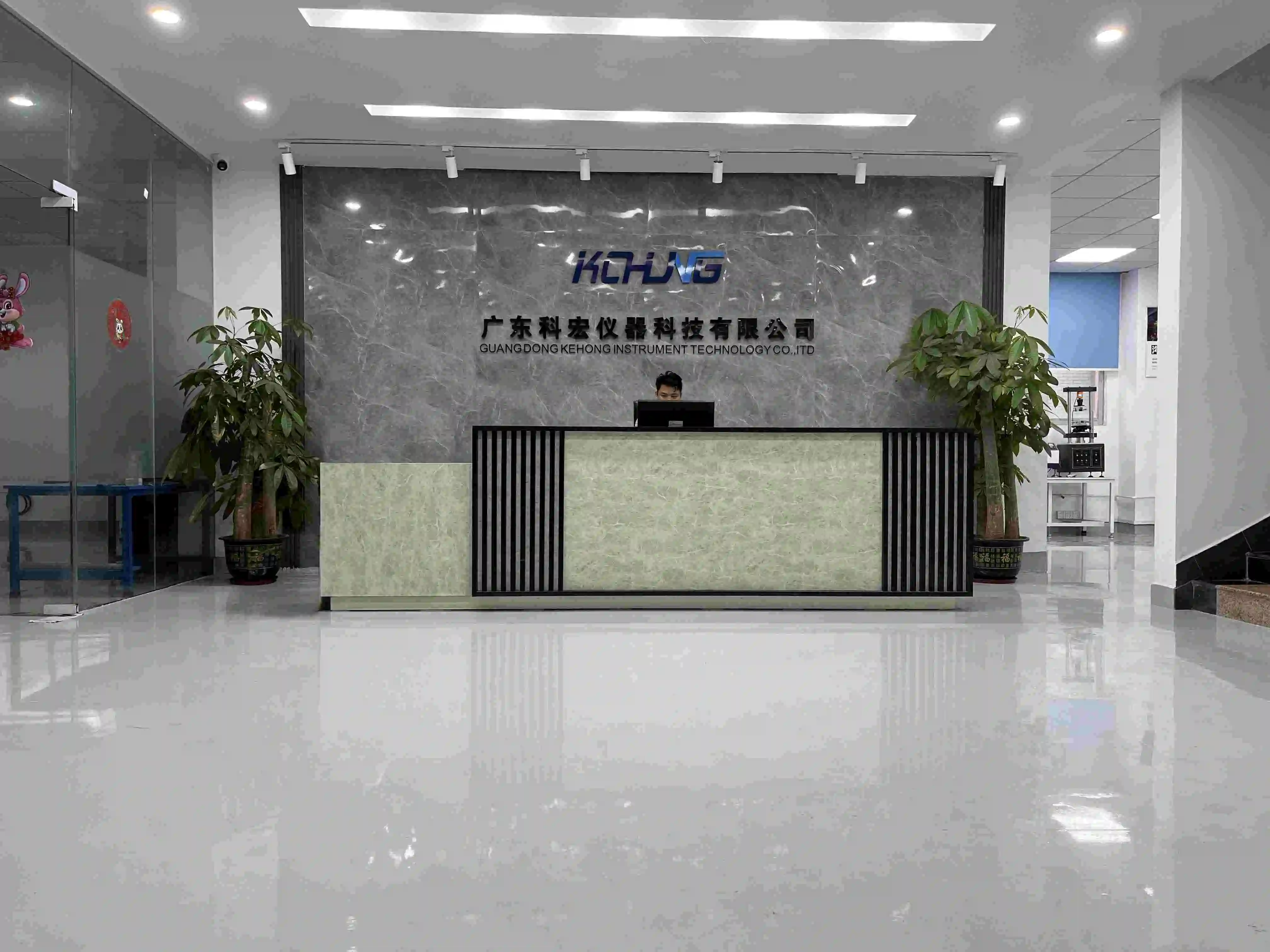
Guangdong Kehong Instrument Technology Co., Ltd.
- Manufacturer, Trading Company
- Guangdong, China
- Lead time7 days
- Avg. response≤ 1h
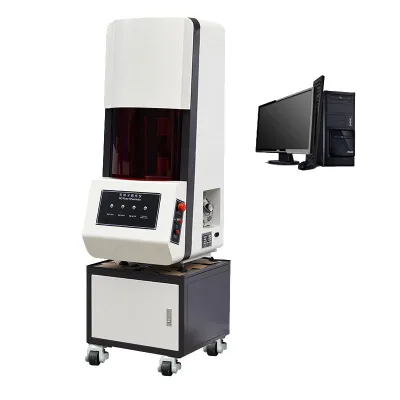
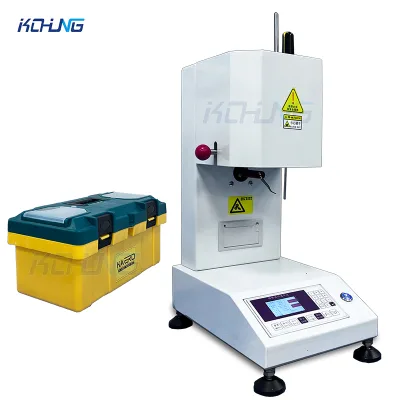
Main productsopen two roll mill,Banbury mixer,Tensile strength tester,Flat vulcanizing press,MDR rheometer
Main marketsDomestic Market(70.00%), South Asia(5.00%), Eastern Asia(4.00%), Mid East(3.00%), Southern Europe(2.00%), Northern Europe(2.00%), North America(2.00%), Western Europe(2.00%), Eastern Europe(2.00%), South America(2.00%), Southeast Asia(2.00%), Africa(2.00%), Central America(1.00%), Oceania(1.00%)

Guangdong Guangce Instrument Technology Co., Ltd.
- Verified by BV
- Combined
- China Guangdong
- Lead time23 days
- Avg. response≤ 3h
Main productsTesting Equipment
Main marketsSouth America,Southeast Asia/ Mideast,Europe,North America

Shanghai Haiker Environmental Protection Equipment Co., Ltd
- Verified by SGS
- Trading Company
- China Shanghai
- Lead time15 days
- Avg. response≤ 4h
Main productsLaboratory Fume Hood, Colony Counter, Quanti-Tray System, Ultrapure Water Systems
Main marketsOthers(foreignTradeCapacity.exportBusinessCapacityMarketOther),Europe

Faithful lnstrument (Hebei) Co., Ltd.
- Verified by BV
- Combined
- China Hebei
- Lead time15 days
- Avg. response≤ 7h
Main productsIncubator, Magnetic Stirrer, Drying Oven, Heating Mantle, Water Bath, Laminar Flow Cabinet, Stainless Steel Water Still, Disintegrator, Furnace, Vortex Mixer
Main marketsSouth America,Africa,Southeast Asia/ Mideast,Europe,Australia,North America

WANT Balance Instrument Co., Ltd.
- Verified by TUVRHEINLAND
- Combined
- China Jiangsu
- Lead time15 days
- Avg. response≤ 10h
Main productsElectronic Balance, Electronic Scale, Moisture Analyzer, Viscometer, pH Meter, Weighing Scale, Precision Balance, Analytical Balance, Industry Scale, Commercial Scale
Main marketsEast Asia(Japan/ South Korea),Domestic,Europe,North America




Comprehensive Sourcing Guide
CE ISO Rheometer for Laboratory Supplier Concentration and Factory Types
When searching for a CE ISO Rheometer for Laboratory use, buyers will encounter suppliers concentrated in several Chinese provinces, and the visible results already show three distinct sourcing bases. One verified supplier in Heilongjiang lists torque rheometers, laboratory mini extruders, film forming machines, two-roll mills and thermal stability testers among its main products, operating as a combined company with ODM, OEM and own-brand capability. A second supplier in Jilin focuses specifically on material testing machines, torque rheometers, voltage breakdown testers, capillary rheometers and melt flow index testers, which signals a testing-instrument specialization rather than a broad machinery portfolio.
The third cluster visible in current results is Shandong, where a manufacturer/factory type lists rubber plastic rheometers alongside composite curing autoclaves, kneader machines and waste tyre recycling lines. This mix tells buyers something important: some suppliers are dedicated instrument makers, while others sell rheometers as one line within a wider rubber and plastics equipment business. Neither model is automatically better, but the factory type label, main product list and RD capacity fields on each listing should be read together. A manufacturer/factory designation differs from a combined or trading profile, and the breadth of the main product range often indicates whether rheometer production is a core competency. Before shortlisting, record each supplier's location, company type and stated product focus, since these fields are self-reported and should be cross-checked during direct communication.
How to Verify CE ISO Rheometer for Laboratory Suppliers
Verification should begin with the credentials actually displayed on supplier listings rather than assumptions. In the current results, the Heilongjiang supplier carries an ISO9001:2015 system certification and is verified through TUVRHEINLAND, which is a meaningful third-party verification signal. The Jilin supplier's instrument listings show ISO certification at the product level, while the Shandong factory lists ASME and ISO 9001 system certifications. Note that product-level CE marks also appear on individual listings, but CE and ISO claims should always be confirmed by requesting the actual certificate numbers and checking that the certificate scope covers rheometers and testing instruments, not merely a portion of the supplier's broader product catalog.
Beyond certificates, confirm the verification badge itself: ask the supplier to confirm their platform verification status and request business licenses, factory photos and, where feasible, a live video audit of the production and calibration areas. Because a rheometer is a precision instrument, ask which standards each unit is calibrated against and what documentation ships with the instrument. Responding speed is another verifiable datapoint: the Jilin supplier shows a response time of about 1.11 hours, the Shandong factory about 2.86 hours, and the Heilongjiang combined supplier about 10.74 hours. These figures are platform-recorded averages, but they give a practical preview of communication discipline. Treat every displayed attribute as a claim to be validated in writing, and keep copies of all certificate correspondence in your sourcing file before any deposit changes hands.
What to Compare Across CE ISO Rheometer for Laboratory Suppliers
Build a comparison table from the attributes suppliers actually display, without assuming every field is populated for every company. Lead time is a strong differentiator in the current results: the Shandong manufacturer lists roughly 23 days while the Heilongjiang combined supplier lists around 30 days, so a week's difference in delivery may influence which factory suits a tight commissioning schedule. MOQ also varies in buyer-friendly ways here; the Jilin supplier's torque rheometer listings show an MOQ of one set, and the Heilongjiang lab mixer torque rheometer listings show an MOQ of one unit, which allows pilot purchases without volume commitments.
Compare technical specifications side by side where listings provide them. The Heilongjiang instruments show maximum temperature of 350 degrees, maximum torque of 320 Nm, maximum speed of 250 rpm, maximum power of 5 kW, chamber volumes of 20 ml and 60 ml depending on the model, and rotor types including roller, Banbury, sigma, delta and cam configurations. The Jilin torque rheometer lists a 105 kg weight, vertical structure and semiautomatic grade, with customization available. Warranty terms appear on some listings, such as one year, but not on others, so ask directly where the field is blank. Response time, location, company type, RD capacity and main product breadth complete the comparison. Rank suppliers on the attributes that matter to your project rather than on price alone, and note which supplier answered every comparison question without prompting.
Common CE ISO Rheometer for Laboratory Sourcing Risks
The most common risk in this category is certificate mismatch: a supplier advertises CE or ISO prominently, but the certificate may cover a different product family, an expired period, or only a system certification rather than the instrument itself. A related risk is specification drift, where the delivered rheometer's chamber volume, torque range or rotor configuration differs from the listing. The visible listings differ meaningfully, with chamber volumes of 20 ml and 60 ml and different rotor sets across models, so a purchase order that does not pin the exact model, standard specification and packing configuration invites disputes.
Another risk is over-relying on a single communication channel. Response times on platforms range from about one hour to nearly eleven hours in current results, and slow responders can become unresponsive after payment. Mitigate this by agreeing on response expectations and named contacts in the contract. Packing and transit damage is a further concern for precision instruments; some listings specify plywood or standard wooden packing, which should be confirmed as export-grade with internal bracing for a device weighing 105 to 150 kg or more. Finally, beware of assuming factory type equals manufacturing depth: a combined company or a broad machinery factory may assemble or source components rather than build the rheometer end to end. Ask which parts are made in-house, request a pre-shipment functional test video, and define acceptance criteria, including calibration documentation, before the balance payment is released to the supplier.
CE ISO Rheometer for Laboratory Regional Sourcing and Logistics
The three provinces visible in current results suggest a practical regional strategy. Jilin's supplier, focused on testing instruments such as capillary rheometers, melt flow index testers and torque rheometers, is a natural first contact when instrument specialization matters most. Heilongjiang's combined supplier suits buyers who want a laboratory mixer torque rheometer alongside related lab equipment, with the flexibility of ODM, OEM and own-brand production. Shandong's manufacturer/factory, with rubber plastic rheometers next to kneaders and autoclaves, fits buyers building a broader rubber processing lab who prefer coordinating fewer vendors. Regional proximity to your existing equipment vendors can simplify integration, spare parts and service visits, so weigh geography alongside specifications.
Logistically, plan around the stated lead times and packing details. With roughly 23 to 30 day lead times appearing in current results, add time for pre-shipment inspection, export documentation and inland transport to port. Instrument weight and packed dimensions matter for freight costing: the Jilin listings show units from 105 kg to 200 kg with packed sizes up to 1060 x 770 x 1590 mm, which typically moves as consolidated or less-than-container-load freight rather than parcel shipping. Confirm whether the quoted price includes export wooden packing, and ask who arranges freight forwarding and insurance. Because instruments are sensitive to shock and humidity, request humidity indicators and shock loggers for sea freight where available, and clarify the supplier's process for reporting and replacing transit-damaged units before shipment is booked.
CE ISO Rheometer for Laboratory Commercial Terms and Order Planning
Commercial planning should start with the price signals visible in listings while recognizing their limits. The Jilin supplier's torque rheometer listings show ranges such as roughly 22,000 to 30,000 for one model and 20,000 to 27,000 for another, while a capillary rheometer listing shows a much lower starting figure, and the Heilongjiang lab mixer listings show a nominal unit price at an MOQ of one. Wide ranges usually reflect configuration options, so always request a binding quotation tied to your exact specification, packed weight, and Incoterm rather than transacting against the displayed range.
Order planning should sequence the following: specification freeze, quotation with certificate copies, deposit, production, pre-shipment test with calibration records, balance payment, and shipment within the agreed lead time. Because listed lead times run roughly 23 to 30 days in current results, build buffer time for customization, since several listings state customization is available, and customized instruments rarely ship at standard lead times. Confirm MOQ flexibility in writing; one-set minimums appear in this category, but custom configurations may carry different terms. Negotiate warranty coverage explicitly, using the one-year warranty shown on some listings as a reference point, and define what labor, parts and remote support the warranty includes. Finally, keep payment milestones tied to verifiable outputs, such as factory acceptance test results, so that funds are released against evidence rather than promises, and retain all specification and certificate documents with the order file.
FAQs
What certifications should a laboratory rheometer have?
Look for CE marking on the instrument and an ISO 9001 quality management certificate from the manufacturer. Many Chinese laboratory rheometers list CE certification at the product level and ISO 9001:2015 at the company level. Confirm the certificate number and validity directly with the supplier before placing an order, since listings can change over time.
What is the typical minimum order quantity for a lab rheometer?
The typical MOQ is 1 set, which suits research labs and testing facilities buying a single instrument. Several listings explicitly state a MOQ of 1 set for torque and capillary rheometer models. Because these are capital instruments, suppliers rarely require volume purchases, but confirm whether calibration, accessories, or spare rotors are included at the quoted MOQ.
How much does a laboratory torque rheometer cost?
Listed torque rheometer prices range from roughly 20,000 to 30,000 US dollars per set, depending on configuration and features. Capillary rheometer listings show wider variation, with some models quoted from about 20,000 to 27,000 dollars. Treat these as reference figures only, and request a formal quotation specifying chamber volume, rotor type, software, and accessories for an accurate price.
What lead time should I expect when ordering a rheometer from China?
Some verified suppliers list a lead time of about 23 to 30 days after order confirmation. Actual delivery depends on model complexity, customization requirements, and shipping method. Ask the supplier to confirm the current production schedule in writing, and clarify whether the quoted lead time covers manufacturing only or also packing, customs clearance, and transit to your port.
Which rheometer specifications matter most for polymer testing?
Key specifications include maximum torque, maximum temperature, rotor speed range, and chamber volume. For example, laboratory mixer rheometers commonly list a maximum temperature of 350 degrees, torque up to 320 Nm, speeds up to 250 rpm, and chamber volumes around 20 to 60 ml. Match these limits to your materials, and confirm rotor options such as roller, Banbury, sigma, delta, or cam types.
Can rheometer suppliers provide customization and after-sales support?
Many listings state that customization is available, and several suppliers advertise ODM and OEM capability alongside their own brands. Typical support includes a one-year warranty and computer-controlled operation with digital displays. Before ordering, agree in writing on installation guidance, training, spare parts availability, and response commitments, since service levels vary between manufacturers and trading companies.