Laboratory Linear Shaker with LCD Display Suppliers and Manufacturers
Source a Laboratory Linear Shaker with LCD Display from 24 verified suppliers in China. Compare key dimensions such as lead times, MOQs, certifications, and prices to find the right fit. Review product specifications and request quotes directly to streamline your procurement process.
Suppliers List

- Verified by BV
- Trading Company,Manufacturer/Factory,Group Corporation
- China Henan
- Lead time15 days
- Avg. response≤ 3h
Main productsLaboratory Instrument, Rotary Evaporator, Glass Reactor, Life Science Instruments, Agricultural Instruments, Chemical Analysis Equipments, Thermal Cycler PCR, Petroleum Instruments, Drug Testing Equipment, Physical Testing Instruments
Main marketsSouth America,Eastern Europe,Mid East,North America,Southeast Asia,Eastern Asia,Oceania,Western Europe,Africa

Nanbei Instruments Digital LCD Display Orbital and Linear Shaker Table Shaker for Lab
$527.00 - $625.00
MOQ: 1 Pieces

Laboratory Shaker LCD Digital Linear Shaker
Contact supplier

Laboratory Medical LCD Digital Rocking Shaker
Contact supplier
- Verified by TüVRheinland
- Trading Company
- Lead time25 days
- Avg. response≤ 4h
Main productsCentrifuge, Microscope, Autoclave, Incubator, Spectrophotometer
Main marketsAfrica(50%), North America(20%), South America(20%)

- Trading Company,Manufacturer/Factory
- China Shandong
- Lead time0 days
- Avg. response≤ 6h
Main productsTourniquet, Nonwoven Consumables, Surgical Suture, Bandage, Ostomy Bag, Urine Bag, Cotton Wool Roll, Blood Lancet, Lab Consumable

Qingdao Hiprove Medical Technologies Co., Ltd.
- Trading Company,Manufacturer/Factory,Group Corporation
- China Shandong
- Lead time15 days
- Avg. response≤ 14h
Main productsAlcohol Swabs, Blood Mixer, Blood Collection Tube, Infusion Sets, Syringe, Blood Transfusion Sets, Bandage, Infusion Pump, Gauze Rolls, Bottle Preforms
Main marketsSouth America,Eastern Europe,Mid East,North America,Southeast Asia,Eastern Asia,Oceania,Western Europe,Africa

Zhejiang Top Cloud-Agri Technology Co., Ltd.
- China Zhejiang
- Lead time0 days
- Avg. response≤ 6h
Main productsSoil Nutrient Analyzer, Seed Tester Meter, Chlorophyll Meter, Leaf Area Meter, Fat Analyzer, Fruit Hardness Tester, Incubator, Grain Testing Meter Tester, Plant Physical Tester, Flour and Oil Testing Instrument
- Verified by BV
- Combined
- China Jiangsu
- Lead time15 days
- Avg. response≤ 4h
Main productsOven, Incubator, Baby Incubator, Vacuum Oven, Biological Safety Cabinet, Cooling Incubator, CO2 Incubator, Orbital Shaker, Clean Bench, Vacuum Pump
Main marketsSouth America,Africa,Southeast Asia/ Mideast,Europe,North America

TRYTE TECHNOLOGY (H.K.) LIMITED
- Trading Company
- China Hunan
- Lead time0 days
- Avg. response≤ 17h
Main productsLab Equipment, Lab Instrument, Testing Machine, Analyzer Instrument, Coal Testing Instrument, Oil Testing Instrument, Petroleum Testing Instrument, Bomb Calorimeter, Medical Equipment, PCB Board Related Equipment

Benemed (Hongkong) Industry Co., Limited
- Verified by TUVRHEINLAND
- Trading Company,Manufacturer/Factory
- China Henan
- Lead time23 days
- Avg. response≤ 5h
Main productsHematology Analyzer, Ultrasound Scanner, Patient Monitor, Chemistry Analyzer, Electrolyte Analyzer, Urine Analyzer, ECG Machine, Pulse Oximeter, Ot Light, X-ray Film Viewer
Main marketsSouth America,Eastern Europe,Mid East,Southeast Asia,Eastern Asia,Western Europe,Africa


Laboratory Orbital Digital Shaker Orbital Shaker Laboratory Instrument Orbital Shaker
$100.00 - $200.00
MOQ: 1 Pieces


Portable LED Digital Orbital Shaker Laboratory Numerical Control Shaker
$100.00 - $200.00
MOQ: 1 Pieces

Oscillator High Quality LED Laboratory Desktop Temperature-Controlled Shaker
$100.00 - $200.00
MOQ: 1 Pieces
- Verified by BV
- Combined
- China Jiangsu
- Lead time15 days
- Avg. response≤ 18h
Main productspharmaceutical
Main marketsSouth America,Africa,Southeast Asia/ Mideast,East Asia(Japan/ South Korea),Domestic,Europe,Australia,North America

- Verified by BV
- Combined
- China Shandong
- Lead time30 days
- Avg. response≤ 4h
Main productsLaboratory Equipment, Medical Device, Biochemistry Analyzer, Autoclave, Biological Safety Cabinet, Laminar Flow Cabint, Fume Hood, Centrifuge, Oven, Incubator
Main marketsSouth America,Africa,Southeast Asia/ Mideast,East Asia(Japan/ South Korea),Europe,Australia,North America

Biobase Laboratory Orbital Linear Shaker Blood Tube Shaking Mixer Medical Digital Shaker
$190.00 - $390.00
MOQ: 1 set

Biobase 0rbital and Linear Mini LCD Display Laboratory Shaker Sieve Shaker
$1500.00 - $1700.00
MOQ: 1 Set


Biobase Orbital and Linear Shaker with 10mm Rotatory Shaking100-500rpm Shaker for Lab
$250.00 - $450.00
MOQ: 1 Pieces

Biobase Shaker Double LCD Remote Control Orbital and Linear Shaker for Lab
$80.00 - $280.00
MOQ: 1 Pieces

- Verified by TUVRHEINLAND
- Trading Company,Manufacturer/Factory
- China Hunan
- Lead time38 days
- Avg. response≤ 13h
Main productsMicrocope Centrifuge Water Bath Heating Mantel, Shaker Stirrer Incubator and Oven Freezer Aas, Autoclave &Sterilizer Water Distiller pH Meter, Spectrophotometer Viscometer Balance&Scale HPLC, Lab Glassware; Electrophoresis Suction Machine, ECG Thermometer Ultrasound Scanner, Operating Table Lamp Bed Wheel Chair, Infusion Oxygen Concentrator Cylinder, X-ray Machine Hematology Analyzer, Human Models Medical Disposable
Main marketsSouth America,Eastern Europe,Mid East,North America,Southeast Asia,Eastern Asia,Oceania,Western Europe,Africa

Wincom LCD Display Digital Orbital and Linear Shaker Numerical Control Laboratory Shaker Ls-Ld330
$455.00 - $495.00
MOQ: 1 Pieces

Digital Rotator Laboratory Mixer Orbital Shaker Shaking LCD Display Timing Continuous Sr-D10b
$465.00 - $495.00
MOQ: 1 Pieces


Laboratory Shaker Digital Orbital Shaker 40-200rpm Lab Instrument Sk-018s
$65.00 - $85.00
MOQ: 1 Pieces


Zhengzhou Bioda Instrument Co., Ltd.
- Trading Company
- Henan, China
- Lead time20 days
- Avg. response≤ 1h
Main productsGlass Reactor,Rotary Evaporator,Water Analyzer,Agricultural Equipment,Centrifuge
Main marketsNorth America(30.0%), Southeast Asia(20.0%), Western Europe(15.0%), Africa(15.0%), South America(15.0%), Mid East(5.0%)
- Verified by BV
- Combined
- China Shandong
- Lead time15 days
- Avg. response≤ 2h
Main productsBiological Safety Cabinet, Laminar Flow Cabinet, Fume Hood, Incubator, Refrigerator, Freezer, Drying Oven, Centrifuge, Autoclave, Balance
Main marketsSouth America,Africa,Southeast Asia/ Mideast,East Asia(Japan/ South Korea),Europe,Australia,North America

Scitek Rocking Shaker Sample Processor LCD Electric Shaker for laboratory
$369.00 - $459.00
MOQ: 1 unit


Jiangsu Jinyi Instrument Technology Company Limited
- Manufacturer/Factory
- China Jiangsu
- Lead time23 days
- Avg. response≤ 7h
Main productsElectronic Spirometer, Laboratory Centrifuge, Thermostatic Incubator Drying Oven, Testtube Heater, Votex Mixer, Speed-Adjustable Shaker, Thermostatic Shaker, Water/Oil Bath, Electric Stirrer, Hot Plate
Main marketsSouth America,Eastern Europe,Mid East,North America,Southeast Asia,Eastern Asia,Oceania,Western Europe,Africa

Hunan BKMAM International Trade Co., Ltd.
- Trading Company,Manufacturer/Factory
- China Hunan
- Lead time15 days
- Avg. response≤ 6h
Main productsSterile Sampling Bag, Centrifuge Tube, Laboratory Glassware, Petri Dishes, Serologial Pipette, Glass Cuvette, Biohazard Bag, Culture Medium, Laboratory Instruments, Whirl Pack Bag
Main marketsSouth America,Eastern Europe,Mid East,North America,Southeast Asia,Eastern Asia,Oceania,Western Europe,Africa

High-Performance Stainless Steel Laboratory Shaker 220V Horizontal Design
$80.90 - $92.90
MOQ: 1 Pieces

Changsha Yonglekang Equipment Co., Ltd.
- Manufacturer
- Hunan, China
- Lead time5 days
- Avg. response≤ 6h
Main productsPlanetary ball mill machine,laboratory rotary agitator,laboratory hot plate,lab glove box,lab TCLP equipments
Main marketsDomestic Market(20.0%), North America(20.0%), Southeast Asia(10.0%), Eastern Europe(10.0%), South America(7.000000000000001%), Northern Europe(5.0%), Western Europe(5.0%), Africa(5.0%), Mid East(5.0%), Oceania(5.0%), Eastern Asia(3.0%), Southern Europe(3.0%), South Asia(2.0%)
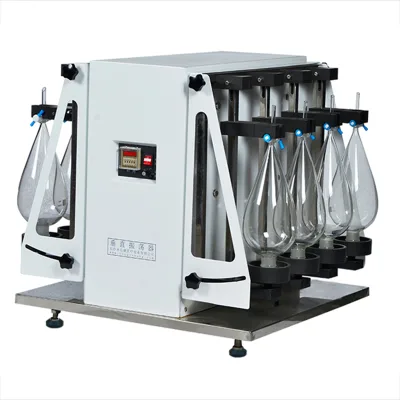
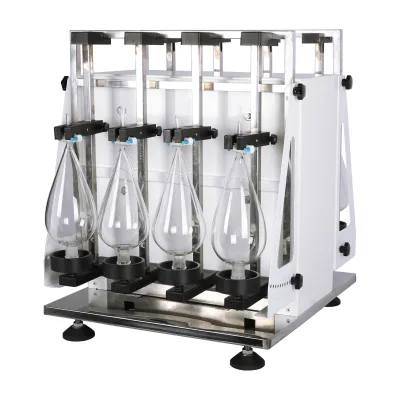
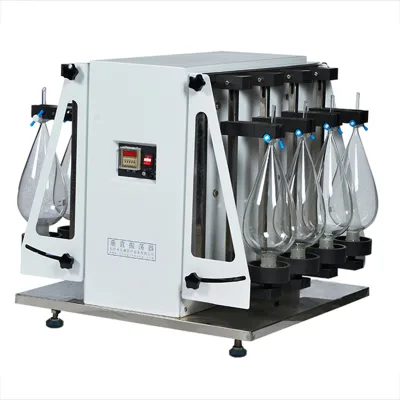
Lab Automatic Rotary Shaker Strong Shaker with Separating Funnel Automatically Shaking Laboratorie
$1000.00 - $2000.00
MOQ: 1 Minimum
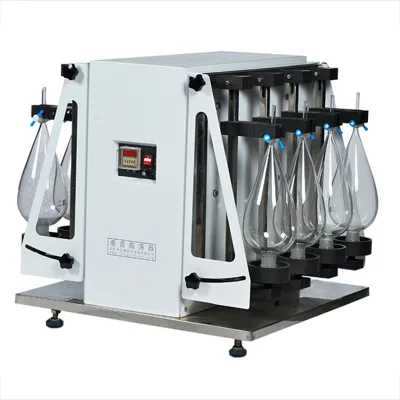
Strong Shaker Lab Companion Funnel Shaker Vertical Reciprocating Shaker
$1000.00 - $2000.00
MOQ: 1 Minimum
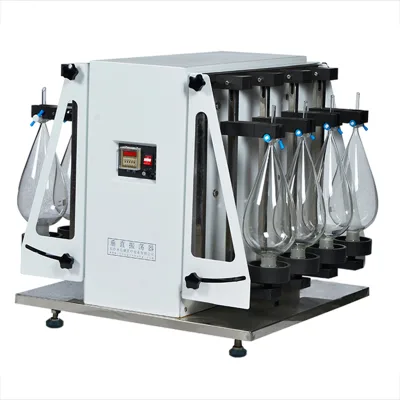
Automatic Reciprocating Vertical Laboratory Shaker Machine Essential Lab Supplies Equipment
$1033.98 - $2067.96
MOQ: 1 Minimum
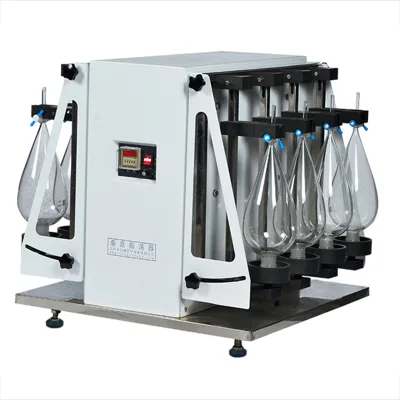

- Verified by BV
- Combined
- China Shandong
- Lead time15 days
- Avg. response≤ 4h
Main productsRefrigeration Equipment, Autoclave, Chemistry Analyzer
Main marketsSouth America,Africa,Southeast Asia/ Mideast,Europe,Australia,North America

GUANGZHOU ICLEAR HEALTHCARE LIMITED
- Verified by SGS
- Trading Company,Manufacturer/Factory
- China Guangdong
- Lead time15 days
- Avg. response≤ 10h
Main productsMedical Imaging Equipment, Ivd Products Supplies, Ent Products, Laboratory Equipment, Chinese Traditional Medicine Treatment Equipment, Hospital Comsumbles, Medical Equipment, Healthcare Products, Surgical Equipment and Instruments, Veterinary Products
Main marketsSouth America,Eastern Europe,Mid East,North America,Southeast Asia,Eastern Asia,Oceania,Western Europe,Africa

Portable LED Digital Orbital Shaker Laboratory Numerical Control Shaker
$100.00 - $700.00
MOQ: 1 piece


Chongqing Drawell Instrument Co., Ltd.
- Trading Company,Manufacturer/Factory
- China Chongqing
- Lead time23 days
- Avg. response≤ 4h
Main productsSpectrophotometer/ Spectrometer, Autoclave, PCR, Chromatograph, Freezer, Incubator and Oven, Centrifuge, Microscope, Rotary Evaporator, Balance
Main marketsSouth America,Eastern Europe,Mid East,North America,Southeast Asia,Eastern Asia,Oceania,Western Europe,Africa


Sk-L180-PRO Drawell 100-350rpm LCD Lab Linear Shaker Laboratory Digital Shaker
$544.00 - $680.00
MOQ: 1 Pieces

- Verified by CTI
- Trading Company
- China Jiangsu
- Lead time15 days
- Avg. response≤ 15h
Main productsClinical Lab Equipment, Rehabilitation Equipment, Surgical Equipment, Medical Furniture, Medical Scales, X-ray Machine, Medical Disposables, Oxygen Concentrator, Medical Equipment, Medical Consumables
Main marketsSouth America,Africa,Southeast Asia/ Mideast,Europe,Australia
Henan Junmu Medical Equipment Co., Ltd.
- Verified by TUVRHEINLAND
- Trading Company
- China Henan
- Lead time15 days
- Avg. response≤ 2h
Main marketsEast Asia(Japan/ South Korea)
Shandong Horde Electronic Technology Co., Ltd.
- Manufacturer, Trading Company
- Shandong, China
- Lead time7 days
- Avg. response≤ 2h
Main productsSoil/fertilizer testing equipment,Water testing equipment,Food testing equipment,Environmental testing and monitoring equipment,Molecular Biodetector
Main marketsSouth Asia(30.0%), Southeast Asia(20.0%), Africa(20.0%), Mid East(10.0%), South America(10.0%), Eastern Europe(5.0%), Northern Europe(5.0%)

Nanjing AMIS Medical Technology Co., Ltd.
- Trading Company,Manufacturer/Factory,Other
- China Jiangsu
- Lead time15 days
- Avg. response≤ 6h
Main productsUltrasound Scanner, ECG Machine, Patient Monitor, Laboratory Analyzer, Infant Incubator, X Ray Machine, Health Beauty, Pathology Products, Autoclave Sterilizer, Dental Chair
Main marketsSouth America,Eastern Europe,Mid East,North America,Southeast Asia,Eastern Asia,Oceania,Western Europe,Africa

Xinxiang Tianfeng Vibration Machinery Co., Ltd.
- Verified by SGS
- Combined
- China Henan
- Lead time15 days
- Avg. response≤ 19h
Main productsVibrating Screen, Ultrasonic Vibrating Screen, Test Sieve, Swing Screen, Drum Screen, Rectilinear Sieve, Cyclone Screen, Feeder, Bucket Elevator, Vibrating Conveyor
Main marketsDomestic

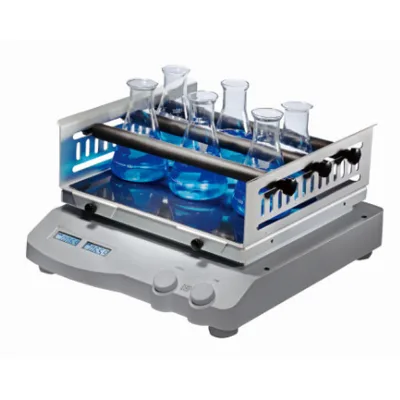
Lab Test Sieve Shaker/Standard Laboratory Test Sieve Shaker
Contact supplier

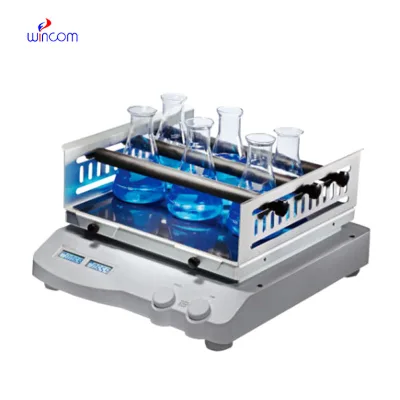
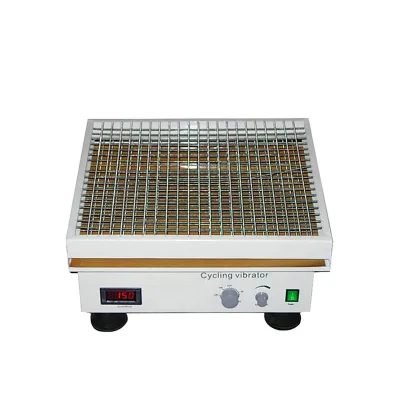
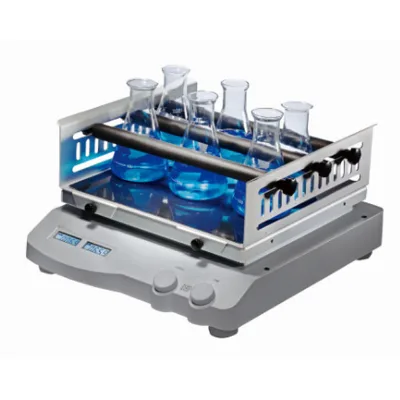


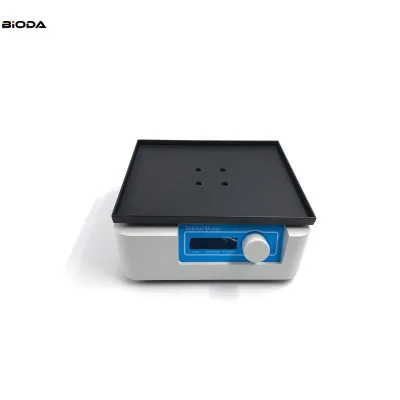
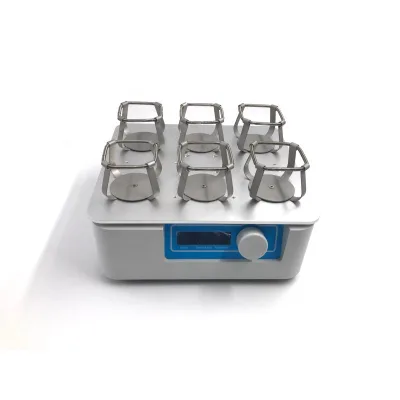


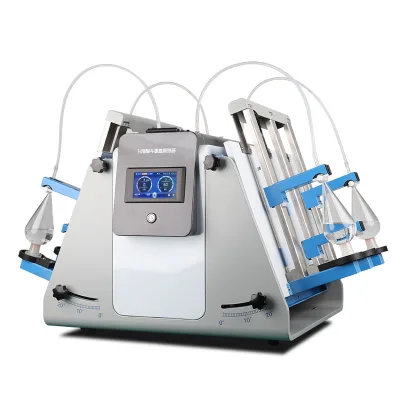
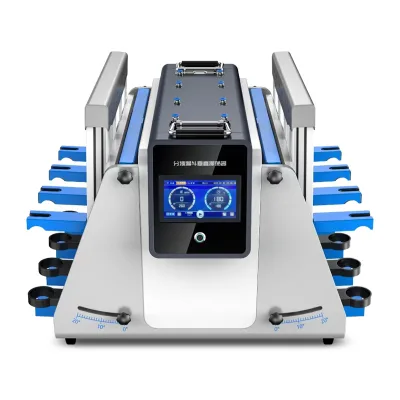


Comprehensive Sourcing Guide
Laboratory Linear Shaker with LCD Display Supplier Concentration and Factory Types
The current supplier landscape for laboratory linear shakers with LCD displays shows a concentration of manufacturing and trading entities primarily located in China, with specific clusters identified in Henan, Jiangsu, and Hunan provinces. Fact-based observations confirm that suppliers in Henan, such as those associated with the Nanbei brand, operate as manufacturers, factories, or group corporations, while other entities in Jiangsu and Hunan function as trading companies or specialized manufacturers. This geographic distribution suggests that buyers should expect a mix of direct factory sources and trading intermediaries depending on the specific region of origin. The presence of multiple company types indicates that a single product listing may originate from different organizational structures, requiring buyers to distinguish between a direct manufacturer and a trading company during the initial vetting phase.
When evaluating the factory types, it is critical to note that some suppliers offer both OEM and ODM capabilities, while others focus on their own brands like Nanbei or Wincom. The data indicates that manufacturers in these regions often possess their own research and development capacity, allowing for customization of specifications such as motor type, amplitude, and display interfaces. However, trading companies may aggregate products from various factories, potentially offering a broader range of models but with less direct control over the manufacturing process. Buyers must verify the actual company type listed in the supplier profile to understand whether they are dealing with the production entity or an intermediary. This distinction impacts the ability to request specific engineering changes or to access detailed production timelines directly from the source.
How to Verify Laboratory Linear Shaker with LCD Display Suppliers
Verification of suppliers for laboratory linear shakers with LCD displays relies heavily on third-party audit reports and system certifications rather than self-declared claims. The available data confirms that some suppliers hold BV verification, while others have been audited by TüVRheinland, providing a tangible layer of trust regarding their business operations and compliance. Additionally, system certifications such as ISO 9001, ISO 9000, ASME, ISO 20000, and HSE are present in the records of certain manufacturers, indicating adherence to international quality management and safety standards. Buyers should prioritize suppliers who display these specific verification badges and certification numbers, as these are concrete indicators of a supplier's operational maturity and commitment to quality control protocols.
Beyond external audits, buyers must scrutinize the product-specific certifications and attributes listed in the supplier's catalog to ensure compliance with regional safety standards. Product evidence shows that many shakers carry CE certification and are confirmed to meet ISO standards, which is essential for selling in European and other regulated markets. The presence of specific product attributes, such as the use of brushless DC motors, aluminum or stainless steel construction, and IP21 protection classes, serves as a technical verification of the product's quality and durability. Buyers should cross-reference these technical specifications with the supplier's claimed capabilities to ensure consistency. If a supplier claims a specific certification but the product listing lacks the corresponding evidence, this discrepancy should be flagged as a risk requiring immediate clarification before proceeding with any order.
What to Compare Across Laboratory Linear Shaker with LCD Display Suppliers
When comparing suppliers, the response time and lead time are critical operational metrics that directly influence project planning and inventory management. The observed data reveals a response time of approximately 2.86 hours for some suppliers, while others may take up to 4 hours, indicating a variance in customer service efficiency. Lead times also differ significantly, with some suppliers offering a 15-day turnaround and others requiring 25 days. These differences are substantial for buyers with tight deadlines and should be a primary factor in supplier selection. Buyers must explicitly ask for current lead times for their specific order volume, as these figures can fluctuate based on raw material availability and production scheduling, rather than relying on static averages.
Another vital comparison point is the minimum order quantity (MOQ) and the pricing structure, which vary across different supplier profiles. The data indicates that some suppliers accept a single unit as an MOQ, making them suitable for small-scale testing or pilot projects, while others may have higher thresholds. Pricing ranges observed include values from 400 to 625 units of currency, depending on the specific model, customization level, and brand. Buyers should compare the price per unit against the included features, such as the type of motor, display technology, and warranty terms. It is also essential to evaluate the supply ability, with some suppliers capable of delivering 1000 pieces per month, ensuring they can scale with demand. A comprehensive comparison should weigh these commercial terms against the technical specifications to determine the best value proposition for the specific application.
Common Laboratory Linear Shaker with LCD Display Sourcing Risks
One significant risk in sourcing laboratory linear shakers involves the potential mismatch between the claimed company type and the actual manufacturing capability. While some suppliers are verified as manufacturers with their own brands, others are trading companies that may not have direct control over the production line. This distinction can lead to issues regarding quality consistency, customization requests, and after-sales support. If a buyer requires a highly customized shaker with specific motor configurations or unique display interfaces, dealing with a trading company might result in communication delays or misinterpretation of technical requirements. Buyers must verify the supplier's capacity for OEM and ODM services to ensure they can meet specific engineering needs without compromising the product's integrity.
Another risk pertains to the accuracy of product specifications and the validity of certifications provided in the listing. While product evidence shows attributes like CE certification and specific motor types, there is a risk that these details may not apply to every unit produced or that the certifications may not be current. For instance, a supplier might list a product with a brushless DC motor, but the actual shipment could contain a different motor type if the customization is not strictly enforced. Additionally, the warranty terms, often listed as one year, may vary in scope and coverage depending on the supplier's policies. Buyers should request detailed warranty documents and verify the authenticity of certifications with the issuing bodies to mitigate the risk of receiving non-compliant or substandard equipment that could fail during critical laboratory operations.
Laboratory Linear Shaker with LCD Display Regional Sourcing and Logistics
The regional sourcing of laboratory linear shakers with LCD displays is heavily influenced by the location of manufacturing clusters in China, specifically in Henan, Jiangsu, and Hunan provinces. Suppliers in Henan, such as those associated with the Nanbei brand, are located in Zhengzhou, while others in Jiangsu and Hunan operate from their respective provincial hubs. These locations determine the logistics strategy, as the port of dispatch is often listed as Shanghai or Shenzhen, regardless of the factory's inland location. Buyers must account for the inland transportation time from the factory to the port, which can add to the overall lead time. Understanding the specific origin of the product is crucial for calculating accurate shipping costs and delivery schedules, as inland factories may incur additional handling fees compared to coastal manufacturers.
Logistics planning also involves evaluating the packaging details and the supply ability of the supplier to ensure safe and timely delivery. Product evidence indicates that items are typically packed in carton cases or standard export packages, designed to protect the delicate components like the LCD display and motor during transit. However, the weight of the units, ranging from 9kg to higher capacities, requires careful consideration of freight costs and handling requirements. Buyers should verify the packaging standards with the supplier to ensure that the equipment will arrive without damage, especially for international shipments. Additionally, the supply ability, such as 1000 pieces per month, must be aligned with the buyer's order volume to prevent delays. A robust logistics plan should include contingency measures for potential shipping disruptions, ensuring that the laboratory operations are not interrupted by supply chain issues.
Laboratory Linear Shaker with LCD Display Commercial Terms and Order Planning
Commercial terms for laboratory linear shakers with LCD displays often include specific customization options and warranty provisions that must be clearly defined before placing an order. The data shows that customization is available for many models, allowing buyers to specify motor types, display interfaces, and structural configurations. However, the extent of customization and the associated costs can vary significantly between suppliers. Buyers should negotiate clear terms regarding the customization process, including the timeline for design approval and the impact on the final price. Additionally, warranty terms, typically listed as one year, should be detailed to cover specific components like the motor and display, ensuring that any defects are addressed promptly. Understanding these commercial terms is essential for managing expectations and avoiding disputes after the order is placed.
Order planning must also consider the payment terms, shipping methods, and the total cost of ownership, including potential duties and taxes. While the minimum order quantity can be as low as one unit, larger orders may benefit from volume discounts or more favorable shipping rates. Buyers should calculate the total cost, including the base price, customization fees, and logistics expenses, to ensure the project remains within budget. It is also important to plan for the lead time, which can range from 15 to 25 days, and to factor in additional time for customs clearance and final delivery. By carefully planning the order timeline and budget, buyers can ensure a smooth procurement process and timely delivery of the laboratory linear shakers with LCD displays, minimizing the risk of operational delays.
FAQs
What is the price range for laboratory linear shakers with LCD displays?
Prices for these shakers typically range from $400 to $625 per unit. The specific cost depends on the model features, such as motor type and load capacity. Buyers should check individual product listings for exact pricing tiers and any applicable bulk discounts.
What certifications are available for these laboratory shakers?
Most listed models carry CE certification and comply with ISO standards. Some suppliers also hold ISO 9001, ASME, or HSE system certifications. Buyers should verify specific product certificates to ensure they meet local regulatory requirements for laboratory equipment safety and performance.
What is the typical lead time for ordering these shakers?
Standard lead times generally range from 15 to 25 days after order confirmation. This duration can vary based on the supplier's location, such as Henan or Jiangsu, and whether the unit requires custom OEM modifications. Early inquiry helps secure faster production slots.
What is the minimum order quantity for these shakers?
The minimum order quantity is typically one unit, allowing for single-item purchases. This low MOQ supports laboratories needing immediate replacements or small-scale testing setups. Bulk orders may offer better pricing but are not strictly required to initiate the procurement process.
What motor types are used in these LCD shakers?
These shakers commonly use brushless DC motors or standard DC motors. Brushless options offer quieter operation and longer lifespan, while standard DC motors provide reliable performance. The choice affects power consumption, with options ranging from 30W to 50W depending on the model.
Can these shakers be customized for specific laboratory needs?
Yes, many suppliers offer customization options including OEM and ODM services. Buyers can request specific platform sizes, load capacities, or branding. Customization availability should be confirmed with the supplier, as some models may have limited modification options compared to fully bespoke laboratory equipment solutions.