PLC Syringe Needle Cleaning Machine Suppliers and Manufacturers
Compare 15 verified suppliers offering PLC Syringe Needle Cleaning Machine solutions with ISO9001 certification and automated features. Review response times, lead times, and customization options to select the right factory for your production needs; review the available evidence before requesting comparable quotations from suitable candidates.
Suppliers List

Ningbo Haijiang Machinery Manufacturing Co., Ltd.
- Combined
- China Zhejiang
- Lead time45 days
- Avg. response≤ 14h
Main productsInjection Molding Machine, Blow Molding Machine, Mould
Main marketsSouth America,Africa,Southeast Asia/ Mideast,East Asia(Japan/ South Korea),Domestic,Europe,Australia,North America

NANJING TRANS WORLD TRADING CO., LTD.
- Trading Company,Manufacturer/Factory
- China Jiangsu
- Lead time0 days
- Avg. response≤ 16h
Main productsBlood Collection Tube Machine, Syringe Printing Machine, Syringe Assembly Machine, Hypodermic Needle, Blister Packing Machine, Infusion Set Assembly, Ethylene Oxide Sterilizer, Lab Kit, Cannula, Mould


Syringe Assembly Machine Syringe Making Machine Automatic Needle Assemble Machine
$22000.00 - $35000.00
MOQ: 1 Pieces

Medical Syringe Assembly Production Line Machine/Syringe Assembly Machine
$22000.00 - $35000.00
MOQ: 1 Pieces


SHANXI BRILLIANT MOULD PLASTIC TECHNOLOGY CO., LTD
- Verified by TUVRHEINLAND
- Manufacturer/Factory
- China Shanxi
- Lead time60 days
- Avg. response≤ 11h
Main productsPlastuc Injection Mold, Plastic Ap Mold, Lotion Pump Mold, Trigger Sprayer Mold, Mist Sprayer Mold, Flip Cap Mold
Main marketsSouth America,Eastern Europe,Mid East,North America,Southeast Asia,Eastern Asia,Oceania,Western Europe,Africa

Medical Syringe Needle Making Machine Syringe with Needle Making Machine
$10000.00 - $12000.00
MOQ: 1 Sets

Machine Needle Making Machine Syringe Plastic Syringe Making Machine
$10000.00 - $12000.00
MOQ: 1 Sets

Disposable Syringe Needle Production Line Syringe Needle Production Line
$10000.00 - $12000.00
MOQ: 1 Sets


Injection Syringe Needle Making Machine Disposable Syringe Making Machine for Production
$10000.00 - $12000.00
MOQ: 1 Sets

Hunan Zhengzhong Pharmaceutical Machinery Co., Ltd.
- Verified by SGS
- Combined
- China Hunan
- Lead time90 days
- Avg. response≤ 25h
Main productsInspection Machine
Main marketsDomestic

Shanghai Iven Pharmatech Engineering Co., Ltd.
- Verified by SGS
- Combined
- China Shanghai
- Lead time60 days
- Avg. response≤ 3h
Main productsFilling Machine, Pharmaceutical Machine, Medical Machine, Packing Machine, Water Treatment Machine, Pharmaceutical Single Machine, Oral Solid Dosage Machine, Labeling Machine, Turn-Key Project, Blood Collection Tube Machine
Main marketsAfrica,Southeast Asia/ Mideast,Europe,North America


Advanced Medical Disposable Syringe & Needle Manufacturing Machine
$50000.00 - $200000.00
MOQ: 1 Pieces

$50000.00 - $220000.00
MOQ: 1 Pieces

$50000.00 - $200000.00
MOQ: 1 Pieces

$50000.00 - $300000.00
MOQ: 1 Pieces

Excellent Quality Best Price High Efficiency Syringe Making Machine
$50000.00 - $250000.00
MOQ: 1 Pieces

Fuzhou Smartell Technology Co., Ltd.
- Manufacturer/Factory
- China Fujian
- Lead time120 days
- Avg. response≤ 5h
Main productsMedical Molds, Syringe Pad Printing Machine, Syringe Assembly Machine, Hypodermic Needle Assembly Machine, Infusion Set Assembly Machine, Soft Blister Packing Machine, Syringe Packing Machine, Eto Sterilization Machine, Syringe Full Line Molds and Machine, Infusion Set Full Line Molds and Machines
Main marketsSouth America,Eastern Europe,Mid East,North America,Southeast Asia,Eastern Asia,Africa


Syringe Assembly and Needle Making Machine 1ml 5ml PLC Control Medical Plant Use
$19500.00 - $35800.00
MOQ: 1 Sets


Syringe Production Line Machinery Suppliers All Machine Guarantee 12 Months Certified
$190000.00 - $390000.00
MOQ: 1 Pieces


Shanghai Medigrade Industry Co., Ltd.
- Verified by SGS
- Trading Company
- China Shanghai
- Lead time30 days
- Avg. response≤ 5h
Main productsLabeling Machine, Filling Machine, Packing Machine, Capping Machine
Main marketsSoutheast Asia/ Mideast,Domestic

Syringe Assembling Machine Syringe Making Machine Automatic Syringe Packing Machine
$20000.00 - $100000.00
MOQ: 1 set

Fully Automatic Syringe Assembly Machine Medical Syringe Production Machineries
$5000.00 - $100000.00
MOQ: 1 set

High Quality Syringe Assembling Machine Syringe Making Machine Syringe Production
$5000.00 - $100000.00
MOQ: 1 set


Shanghai ALWELL Machinery Equipment Co., Ltd.
- Verified by TUVRHEINLAND
- Combined
- China Shanghai
- Lead time30 days
- Avg. response≤ 3h
Main productsSyringe Filling Machine, Cartridge Filling Machine, Pfs Filling Machine, Vial Filling Machine, Prefilled Syringe Filling Machine, Syringe Filling Equipment, Pharmaceutical Filling Machine, Automatic Syringe Filling Machine, Syringe Labeling Machine, Injection Filling Machine
Main marketsSouth America,Southeast Asia/ Mideast

High Efficiency Prefilled Syringe Filling Machine Syringe Filling and Packaging Solution
$24800.00 - $86500.00
MOQ: 1 Pieces


- Verified by SGS
- Trading Company
- China Zhejiang
- Lead time30 days
- Avg. response≤ 9h
Main productsCapsule Filling Machine, Labelling Machine, Blister Packaging Machine, Pillow Packing Machine, Cartonging Machine, Tablet Press Machine, Automatic Labeling Machine, Wet Wipe Packaging Machine, Heat Shrink Wrapping Machine, Capsule Counting Machine
Main marketsSouth America,Southeast Asia/ Mideast,Europe,North America

Wenzhou Trustar Machinery Technology Co., Ltd.
- Verified by TUVRHEINLAND
- Trading Company,Manufacturer/Factory
- China Zhejiang
- Lead time30 days
- Avg. response≤ 5h
Main productsPacking Machinery, Blister Packing Machine, Cartoning Machine, Capsule Filling Machine, Coating Machine, Tube Filling Machine, Packaging Machine, Packing Machine, Cream Tube Fill and Seal Machine, Pharmaceutical Machines
Main marketsSouth America,Eastern Europe,Mid East,North America,Southeast Asia,Eastern Asia,Oceania,Western Europe,Africa


High-Speed Prefilled Syringe Filling Machine - Sterile & Closed System
$28500.00 - $35000.00
MOQ: 1 Sets

Shanghai Marya Pharmaceutical Engineering & Project Co., Ltd.
- Verified by TUVRHEINLAND
- Combined
- China Shanghai
- Lead time45 days
- Avg. response≤ 5h
Main productsPharmaceutical Engineering, Pharmaceutical Filling Machine, Pharmaceutical Filling Line, Cleanroom, Cleanroom Project, Cleanroom HVAC System, Injection Filling Machine, Powder/Liquid Vial Filling Line, Syringe Filling Machine, Pfs Filling Machine
Main marketsSouth America,Australia

Marya High-Precision Syringe Filling Machine for Pharmaceutical Vaccine Production
$150000.00 - $200000.00
MOQ: 1 Pieces

Marya High-Speed Syringe Filling Machine for Prefilled Syringe Production Lines
$10000.00
MOQ: 1 Pieces


Guangzhou Shell-Conning Mechanical Equipment Co., Ltd.
- Verified by SGS
- Combined
- China Guangdong
- Lead time45 days
- Avg. response≤ 7h
Main productsLabeling Machine
Main marketsDomestic,Australia

User Friendly High Precision Syringe Labeling Machine for Pre-Filled Syringes with PLC
$136111.00 - $150000.00
MOQ: 1 Pieces

High Performance Syringe Labeling Machine with Automatic Feeding and High Precision Sensors
$160920.00
MOQ: 1 Pieces

Disposable Syringe-Filling Needs From Injection to Labeling and Sealing
$350000.00 - $500000.00
MOQ: 1 Pieces

Disposable Syringe with Needle for Factory Production 2ml 1ml 5ml for Factory Production 10ml
$350000.00 - $500000.00
MOQ: 1 Pieces
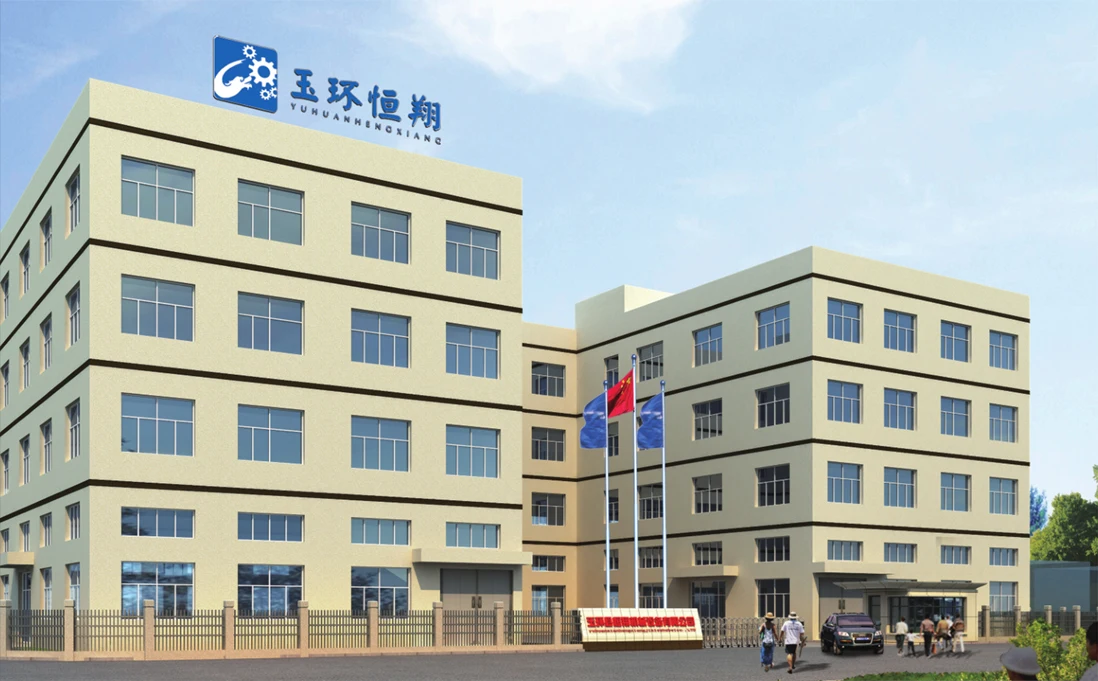
Yuhuan Hengxiang Machinery Equipment Co., Ltd.
- Manufacturer
- Zhejiang, China
- Lead time45 days
- Avg. response≤ 3h
Main productssyringe assembly machine,Infusion set assembly machine,syringe package machine,Needle assembly machine,Syringe printing machine
Main marketsAfrica(30.0%), Mid East(30.0%), South Asia(20.0%), Southeast Asia(20.0%)
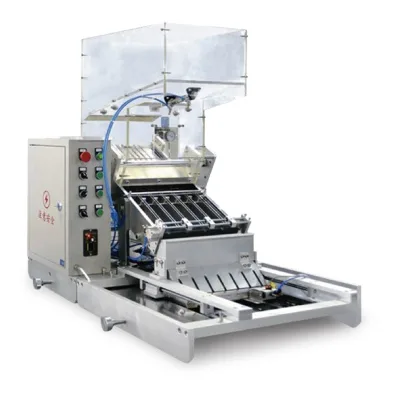
Injection Needle Automatic Swinging Machine and Packaging Machine Stand-alone
$7256.99 - $9134.67
MOQ: 1 Minimum
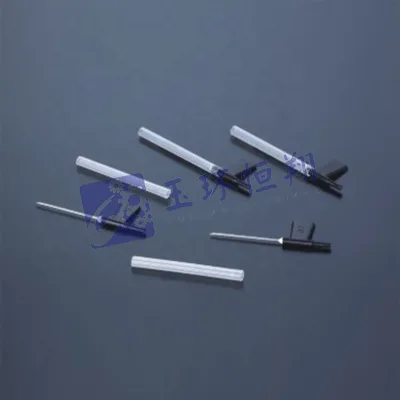
Intravenous Single-wing Needle Automatic Assembly Machine - Special Medical Consumables
$13194.52 - $182693.31
MOQ: 1 Minimum

Anyang Gaokang Medical Co., Ltd
- Verified by SGS
- Trading Company,Manufacturer/Factory
- China Henan
- Lead time23 days
- Avg. response≤ 3h
Main productsSolvent Extraction Machine, CO2 Extraction Machine, Subcritical Extraction Machine, Bioreactor, Spray Dryer, Freeze Dryer, Fluid Bed Dryer, Molecular Distillation Equipment, Mixing Equipment, Ultrasonic Extraction and Concentration Machine
Main marketsSouth America,Eastern Europe,Mid East,North America,Southeast Asia,Eastern Asia,Oceania,Western Europe,Africa

Affordable High-Quality Syringe Filling Machines for Hyaluronic Acid
$25000.00 - $50000.00
MOQ: 1 Pieces


Yuyao Zhiheng Automation Equipment Co., Ltd.
- Combined
- China Zhejiang
- Lead time30 days
- Avg. response≤ 25h
Main productsAutomatic Assembly Machine, Assembly Machine, Automatic Machine, Machine, Equipment, Assembly, Tester, Riveting Contact, Riveting, Automatic Equipment
Main marketsSoutheast Asia/ Mideast,Domestic,Europe

$10000.00 - $20000.00
MOQ: 1 Pieces

$10000.00 - $20000.00
MOQ: 1 Pieces

$10000.00 - $20000.00
MOQ: 1 Pieces

$10000.00 - $20000.00
MOQ: 1 Pieces

$10000.00 - $20000.00
MOQ: 1 Pieces

$10000.00 - $20000.00
MOQ: 1 Pieces


Comprehensive Sourcing Guide
PLC Syringe Needle Cleaning Machine Supplier Concentration and Factory Types
Current supplier data indicates a concentration of manufacturing capabilities within China, specifically highlighting facilities in Zhejiang, Jiangsu, and Shanxi provinces. These regions host a mix of combined entities, trading companies, and dedicated manufacturers that offer injection molding, blow molding, and specialized assembly machinery. The observed product evidence suggests that many suppliers in these clusters provide comprehensive solutions ranging from raw needle manufacturing to final syringe assembly and disposal. Buyers should note that while some entities are verified by third parties like TÜV Rheinland, others operate as combined firms offering both trading and factory services. This diversity in company type means a single supplier might manage the entire supply chain from mold design to final machine assembly, or they might act as an intermediary for specialized production lines.
When evaluating the factory types, it is critical to distinguish between pure manufacturers and combined entities that may outsource specific components. The available facts show suppliers with capabilities in OEM and ODM services, indicating flexibility in customizing machinery for specific production needs. Some facilities list their main products as injection molding machines and molds, while others focus on assembly lines for syringes and needles. This variation implies that a buyer seeking a specific cleaning machine might find it integrated into a broader production line offered by a manufacturer in Jiangsu or a specialized mold maker in Shanxi. Understanding whether a supplier is a direct factory or a trading company is essential for verifying the origin of the technology and the depth of their technical support capabilities.
How to Verify PLC Syringe Needle Cleaning Machine Suppliers
Verification begins with checking for recognized system certifications such as ISO 9001:2015 or ISO 9001, which appear in the profiles of several active suppliers. These certifications serve as a baseline indicator that the supplier maintains a documented quality management system, though they do not guarantee specific machine performance. Buyers should also look for third-party verification badges, such as the TÜV Rheinland mark observed in the current results, which adds a layer of independent validation to the supplier's claims. It is important to request current certificates directly from the supplier rather than relying solely on platform badges, as these documents can be expired or generic. The presence of specific product certifications like CE on the machinery itself is another critical data point that must be confirmed against the actual equipment specifications.
Beyond certifications, buyers must assess the supplier's response time and lead time to gauge their operational reliability. The observed data shows response times ranging from approximately 10 to 15 hours, which can indicate the efficiency of their communication channels. A supplier with a longer response time might struggle with urgent technical queries or order modifications. Additionally, the lead time for production varies significantly, with some suppliers listing zero days while others indicate 45 to 60 days. This discrepancy often reflects whether the machine is a standard stock item or a custom-built solution. Buyers should verify these timelines by asking for a detailed production schedule and confirming the status of their specific order requirements before committing to a purchase agreement.
What to Compare Across PLC Syringe Needle Cleaning Machine Suppliers
When comparing suppliers, the primary focus should be on the specific attributes of the machinery, such as automation levels, power requirements, and customization options. The available product evidence highlights machines with automatic production lines, PLC operation panels, and varying power inputs ranging from 2.5kw to customized specifications. Buyers must ensure that the automation features match their production line requirements, as some suppliers offer intelligent manufacturing capabilities while others provide basic assembly functions. The customization availability is another key differentiator, with many suppliers indicating that they can adapt machines for specific syringe sizes or needle types. Comparing these technical specifications side-by-side helps identify which supplier can best integrate with existing factory infrastructure.
Financial and logistical terms also require careful comparison, including minimum order quantities, pricing structures, and delivery timelines. Current data shows a minimum order quantity of one unit for some advanced machines, with prices ranging from 10,000 to 35,000 units of currency depending on the complexity and features. Lead times vary from immediate availability to two months, which directly impacts the buyer's production planning and inventory strategy. Buyers should also compare the warranty terms, which are listed as one year for some assembly machines, and the packing standards, which range from standard packing to wooden boxes for heavy machinery. These commercial details determine the total cost of ownership and the risk associated with the procurement process.
Common PLC Syringe Needle Cleaning Machine Sourcing Risks
One significant risk involves the discrepancy between advertised capabilities and actual delivery performance, particularly regarding lead times and production capacity. While some suppliers list a lead time of zero days, others indicate up to 60 days, creating uncertainty for buyers with tight deadlines. This variance often stems from whether the machine is a standard model or requires custom engineering, which can lead to delays if the supplier underestimates the complexity of the customization. Buyers must verify the supplier's current production load and capacity to ensure they can meet the agreed-upon delivery schedule. Failure to confirm these details can result in production bottlenecks and increased costs due to expedited shipping or alternative sourcing.
Another critical risk is the potential mismatch between the supplier's main product focus and the specific machine required. Many suppliers list injection molding machines or molds as their primary products, while the syringe cleaning machine might be a secondary offering or an integrated component of a larger line. This lack of specialization can lead to gaps in technical support, spare parts availability, and after-sales service. Buyers should investigate whether the supplier has a dedicated team for the specific cleaning technology or if it is managed by a general machinery department. Additionally, the absence of specific test results or performance data for the cleaning function in the provided facts means buyers must request detailed performance metrics and validation reports before finalizing the order.
PLC Syringe Needle Cleaning Machine Regional Sourcing and Logistics
Sourcing from China offers access to a dense network of manufacturers in provinces like Zhejiang, Jiangsu, and Shanxi, each with distinct logistical advantages. Suppliers in Zhejiang and Jiangsu often benefit from proximity to major ports, facilitating efficient export of heavy machinery like injection molding and assembly lines. The observed product origins confirm that these regions are central to the production of syringe manufacturing equipment, with specific facilities in Nanjing and other industrial hubs. Buyers should consider the shipping distance and port availability when selecting a supplier, as this impacts transit times and freight costs. The regional concentration also means that local logistics partners are well-versed in handling large industrial equipment, which can streamline the delivery process.
However, regional sourcing also presents challenges related to customs clearance and import regulations in the buyer's country. Different regions may have varying export compliance standards, and buyers must ensure that the machinery meets all local safety and environmental requirements. The product evidence indicates that machines are often packed in wooden boxes or containers, which may require specific treatment certificates for international transport. Buyers should verify the packing standards and any necessary phytosanitary certificates to avoid delays at the destination port. Additionally, the distance between the supplier's factory and the port can affect the final delivery timeline, so buyers should request a detailed logistics plan that includes inland transportation and port handling fees.
PLC Syringe Needle Cleaning Machine Commercial Terms and Order Planning
Commercial terms for these machines often include specific payment structures, warranty periods, and after-sales support agreements. The observed data shows warranty terms of one year for assembly machines, which is a standard baseline but may vary for more complex cleaning systems. Buyers should negotiate extended warranty periods or service level agreements that cover on-site installation and training, especially for computerized and automated equipment. The minimum order quantity of one unit suggests flexibility for small-scale buyers, but larger orders may attract volume discounts or more favorable payment terms. It is crucial to clarify the scope of the warranty, including what components are covered and the response time for technical support, to avoid unexpected costs during the machine's operational life.
Order planning must account for the lead time and the customization process, which can significantly extend the delivery schedule. Suppliers with lead times of 45 to 60 days typically require a detailed design phase and manufacturing schedule, while those with shorter lead times may offer standard configurations. Buyers should align their production schedules with the supplier's timeline to ensure the machine arrives before it is needed. Additionally, the customization options, such as specific power inputs or language settings, must be finalized early in the process to prevent delays. Buyers should also plan for the installation and commissioning phase, as the machine's performance depends on proper setup and integration with existing production lines.
FAQs
What is the price range for syringe assembly machines?
Syringe assembly machines typically range from $10,000 to $35,000 depending on automation level and specifications. Basic injection molding units start near $10,000, while advanced automatic assembly lines with PLC controls and touch screens cost between $22,000 and $35,000. Buyers should verify exact pricing based on custom requirements and order volume.
What certifications do these machines have?
Manufacturers generally hold ISO9001:2015 and ISO 9001 system certifications. Product-level certifications often include CE marks for safety compliance. These credentials ensure adherence to international quality management standards. Buyers should request valid certificates to verify compliance before placing orders for medical device manufacturing equipment.
What is the typical lead time for delivery?
Lead times vary significantly by supplier location and product type. Injection molding machines usually require approximately 45 days for production. Syringe assembly lines may have zero lead time if stocked, while complex needle making molds can take up to 60 days. Always confirm specific delivery schedules with the supplier.
What is the minimum order quantity for these machines?
The minimum order quantity is typically one unit for most industrial machinery. Suppliers accept single-unit purchases for injection molding and assembly equipment. This low MOQ allows small businesses to test production capabilities without large initial inventory commitments. Verify specific terms with individual suppliers as policies may vary.
Where are these machines manufactured?
Manufacturing locations include Zhejiang, Jiangsu, and Shanxi provinces in China. Specific origins listed include Nanjing for assembly lines and Zhejiang for needle making molds. Buyers can filter suppliers by these regions to align with logistics preferences or regional trade requirements for their specific sourcing needs.
What automation features are available?
Machines feature automatic operation with PLC control panels and touch screens. Features include intelligent manufacturing, flexible production lines, and flow production rhythms. Customization options are available for language settings and power inputs. These automated systems reduce manual labor and improve consistency in syringe and needle production processes.