Agility Ring Suppliers and Manufacturers
Source 30 Agility Ring suppliers from Taiwan and China. Compare response times, lead times, MOQs, and certifications like EN71 and CE. Verify supplier details and request quotes directly to find the best fit for your needs; review the available evidence before requesting comparable quotations from suitable candidates.
Suppliers List
- Trading Company
- Taiwan, China
- Lead time45 days
- Avg. response≤ 11h
Main productsEducational Toys,Traning Sport,Water Sport,Teaching aids
Main marketsEastern Asia(10.00%), Mid East(10.00%), Southern Europe(10.00%), Africa(10.00%), Northern Europe(10.00%), Western Europe(10.00%), South America(10.00%), North America(10.00%), Oceania(5.00%), Southeast Asia(5.00%), Central America(5.00%), Eastern Europe(5.00%)

HEFEI MERRYBODY SPORTS CO., LTD.
- Verified by TUVRHEINLAND
- Trading Company
- China Anhui
- Lead time30 days
- Avg. response≤ 7h
Main productsDumbbell, Gym Ball, Exercise Mat, Boules Set, Bench, Foam Roller, Barbell, Pilate Ring, Pilate Products
Main marketsSouth America,Southeast Asia/ Mideast,East Asia(Japan/ South Korea),Europe,Australia,North America

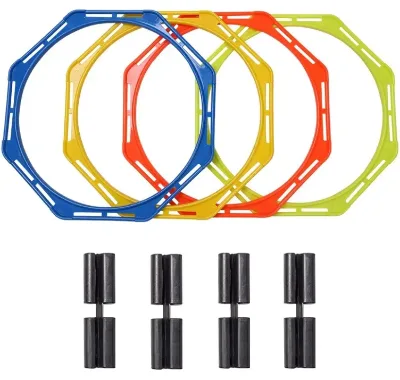
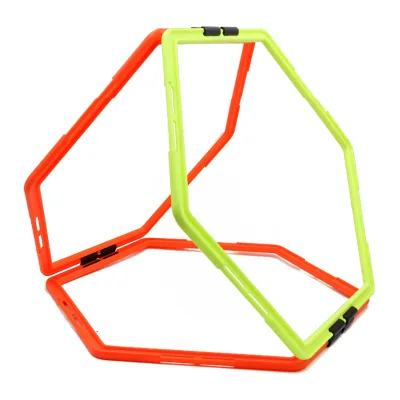
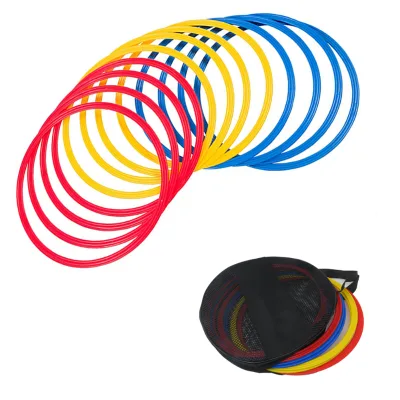
Fitness Hex Agility Ring Agility Grid System Speed and Agility Training Rings
$0.45 - $0.95
MOQ: 500 Pieces

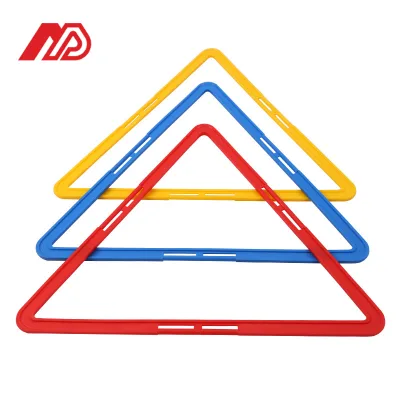
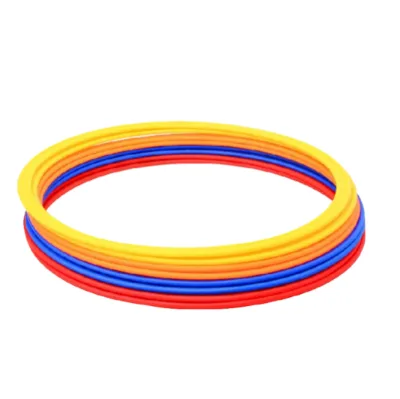
Agility Training Triangle Rings Soccer Training Equipment Multi-Sport Agility Ring Set
$0.55 - $0.95
MOQ: 500 Pieces


Speed Agility Training Hexagonal Agility Rings PP Agility Grid for Footwork Training
$0.45 - $0.95
MOQ: 500 Pieces


Nanjing Allshing Trade Company Limited
- Verified by BV
- Trading Company
- China Jiangsu
- Lead time23 days
- Avg. response≤ 11h
Main productsTraffic Cone, Football Cones, Agility Ladder, Soccer Cone, Agility Hurdle, Agility Training Set, Training Equipment Set, Tactics Board, Scoreboard, Table Tennis Set
Main marketsSouth America,Eastern Europe,Mid East,North America,Southeast Asia,Eastern Asia,Oceania,Western Europe,Africa

Wholesale Soccer Training Equipment Rings Agility Training Ring Agility Equipment
$0.49 - $0.69
MOQ: 300 Pieces

Wholesale Soccer Agility and Speed Ring Football Agility Rings Training Circles
$0.49 - $0.69
MOQ: 300 Pieces

Rubber Agility Rings Training Equipment Multi-Sport Agility Ring Set Speed Ladder
$0.48 - $0.58
MOQ: 50 Pieces

Wholesale Speed Agility Training Rings, Football and Basketball Ladder Premium Ring
$0.19 - $0.23
MOQ: 300 Pieces

Wholesale Agility Rings Speed Rings Youth Agility Footwork Training Hurdles Ladder
$0.49 - $0.69
MOQ: 300 Pieces

Triangle Agility Rings, Speed Rings, Youth Agility Footwork Training and Speed Hurdles Ladder
$0.48 - $0.56
MOQ: 100 Pieces
Nanjing Allshing Trade Company Limited
- Verified by TüVRheinland
- Trading Company
- Lead time25 days
- Avg. response≤ 6h
Main productsFootball Soccer Training Articles, Outdoor Products
Main marketsNorth America(50%), Africa(8%), Mid East(8%)
Telamon Sports Goods (Shanghai) Co., Ltd.
- Verified by BV
- Trading Company
- China Shanghai
- Lead time15 days
- Avg. response≤ 10h
Main marketsNorth America
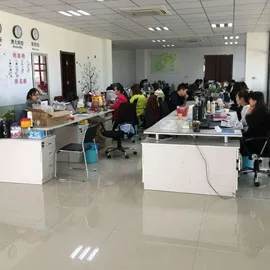
- Trading Company
- Jiangsu, China
- Lead time15 days
- Avg. response≤ 1h
Main productsSutuspension Trainer/Ballet Strap/Resistance Bands/Booty Belt/Hip Cicle/Speed Che/Trampoline/Weight-lifting Belt/AB Roller/Yoga Ball,Suspension Trainer,Yoga Blanket,Massage ball,Wateproof dry bag
Main marketsNorth America(52.00%), Western Europe(20.00%), Northern Europe(10.00%), Oceania(5.00%), South America(5.00%), Mid East(5.00%), Domestic Market(3.00%)
Shandong Jiulin Import And Export Co., Ltd.
- Verified by SGS Group
- Trading Company
- Lead time0 days
- Avg. response≤ 4h
Main productsBike, Cardio Training Equipment, Strength Training Equipment, Wooden Parallettes/Wooden Push Up Bar, Equine Equipment
Main marketsNorthern Europe(15%), Western Europe(15%), North America(15%)

Nantong Splendid Sporting Co., Ltd.
- Verified by BV
- Trading Company,Manufacturer/Factory
- China Jiangsu
- Lead time45 days
- Avg. response≤ 6h
Main productsGym Bench, Power Rack, Functional Machine, Dumbbell, Kettlebell, Barbell, Foam Roller, Yoga Mat, Resistance Band, Slam Ball
Main marketsSouth America,Eastern Europe,Mid East,North America,Southeast Asia,Eastern Asia,Oceania,Western Europe,Africa

The Best Injection Flat Agility Equipment Rings Set Hex Agility Rings for Agility Training
$0.72 - $0.75
MOQ: 200 Pieces


Nantong Ironman Sporting Industrial Co., Ltd.
- Verified by BV
- Trading Company,Manufacturer/Factory
- China Jiangsu
- Lead time60 days
- Avg. response≤ 9h
Main productsDumbbell Set, Yoga Accessories, Barbell Set, Home Equipment, Gym Equipment, Jump Rope, Kettlebells, Plates, Weightlifiting Set, Bars
Main marketsSouth America,Eastern Europe,Mid East,North America,Southeast Asia,Eastern Asia,Oceania,Western Europe,Africa
- Trading Company
- Lead time旺季: "1 - 100":25,"101 - 500":30,"501 - 1000":35,"> 1000":"To be negotiated", 淡季: "1 - 100":25,"101 - 500":30,"501 - 1000":35,"> 1000":"To be negotiated"
- Avg. response≤ 15h
Main productsFree Weights,CrossFit,Yoga Items,Fitness Equip ments,Boxing
Rizhao Fitness Sport Co., Ltd.
- Verified by SGS Group
- Trading Company
- Lead time30 days
- Avg. response≤ 2h
Main productsPilates Equipment, Yoga Accessories, Pilates Accessories, Barbell Bumper Plates, Speed Agility Training
Main marketsNorth America(50%), Western Europe(20%), Oceania(10%)
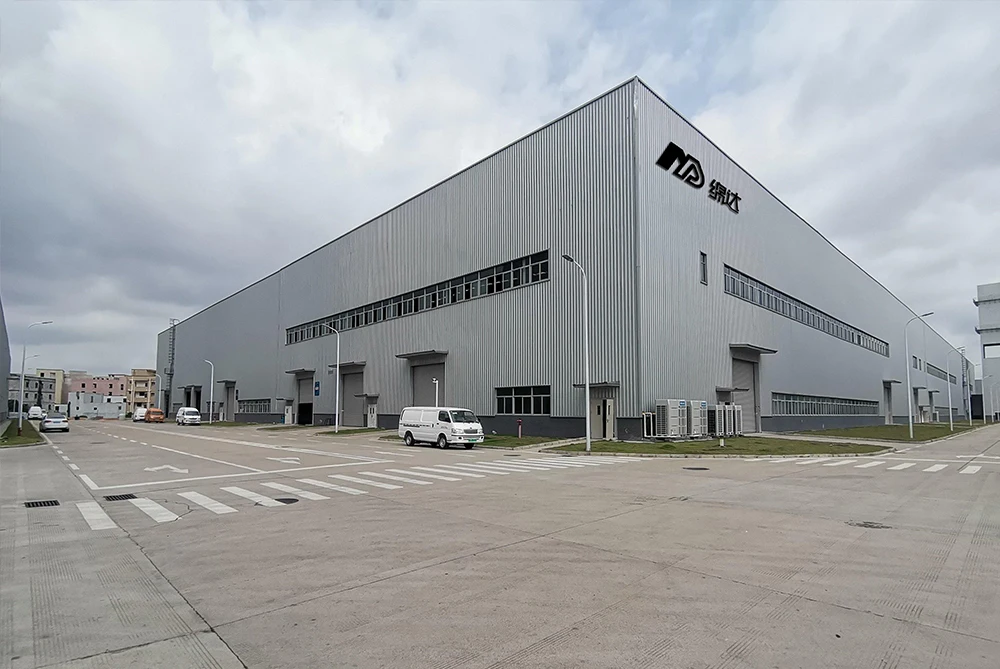
Yiwu Mianda Plastic Products Co., Ltd.
- Trading Company
- Zhejiang, China
- Lead time15 days
- Avg. response≤ 3h
Main productsfootball,football training equipment,fitness training products,Moving electron,agility training supplies
Main marketsDomestic Market(30.00%), South America(20.00%), Eastern Europe(10.00%), Mid East(10.00%), Southern Europe(10.00%), Southeast Asia(10.00%), Eastern Asia(5.00%), Africa(5.00%)

Nantong Get-Fit Sports Co., Ltd.
- Verified by TUVRHEINLAND
- Combined
- China Jiangsu
- Lead time30 days
- Avg. response≤ 5h
Main productsDumbbell, Weight Plate, Barbell, Power Rack, Weightlifting Bar, Yoga Pilates, Kettlebell, Gym Equipment, Fitness Equipment, Outdoor Exercise
Main marketsSouth America,Southeast Asia/ Mideast,East Asia(Japan/ South Korea),Europe,Australia,North America

Multi-Function Speed Agility Training Rings for Adults Kids Soccer Football Fitness
$0.40
MOQ: 1000 Pieces

Multi-Sport Agility & Speed Training Rings for Soccer, Basketball, Tennis & Fitness Drills
$0.20 - $0.28
MOQ: 1000 pieces


Nanjing Tropical International Co., Ltd.
- Verified by BV
- Trading Company
- China Jiangsu
- Lead time30 days
- Avg. response≤ 15h
Main productsYoga Block, Yoga Mat, Yoga Wheel, Foam Roller, Yoga Bolster, Yoga Towel, Yoga Ball, Yoga Bag, Pilates Ring, Resistance Band
Main marketsEurope,North America

Shanghai Beone Industrial Co., Ltd.
- Trading Company
- Shanghai, China
- Lead time30 days
- Avg. response≤ 8h
Main productsSports protective gear,knee sleeve,slimming belt,arm trimmer,armband
Main marketsNorth America(20.00%), Central America(19.00%), South America(10.00%), Southern Europe(8.00%), Eastern Europe(8.00%), Western Europe(8.00%), Northern Europe(8.00%), Mid East(5.00%), Africa(5.00%), South Asia(3.00%), Eastern Asia(3.00%), Southeast Asia(3.00%)
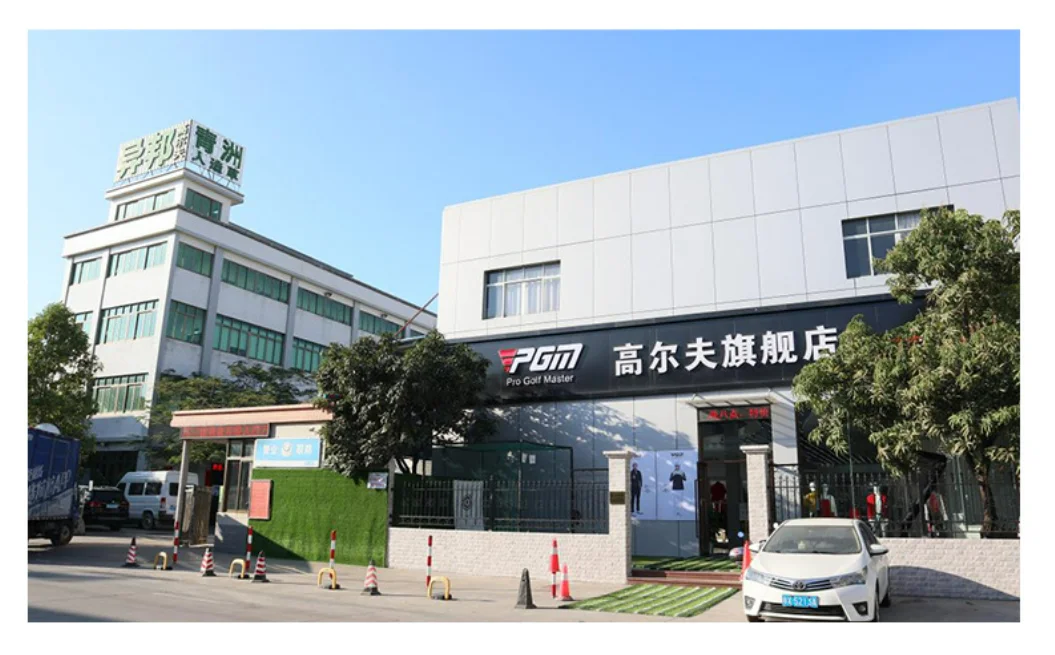
Danyang Hengyun Import And Export Trade Co., Ltd.
- Trading Company
- Jiangsu, China
- Lead time15 days
- Avg. response≤ 3h
Main productsGolf Equipment,Golf Clubs,Golf Accessories,Golf Bags,Custom Golf Product
Main marketsNorth America(40.00%), Domestic Market(10.00%), Northern Europe(10.00%), Western Europe(10.00%), Southeast Asia(5.00%), Southern Europe(5.00%), Eastern Europe(5.00%), Central America(5.00%), South America(5.00%), Eastern Asia(5.00%)
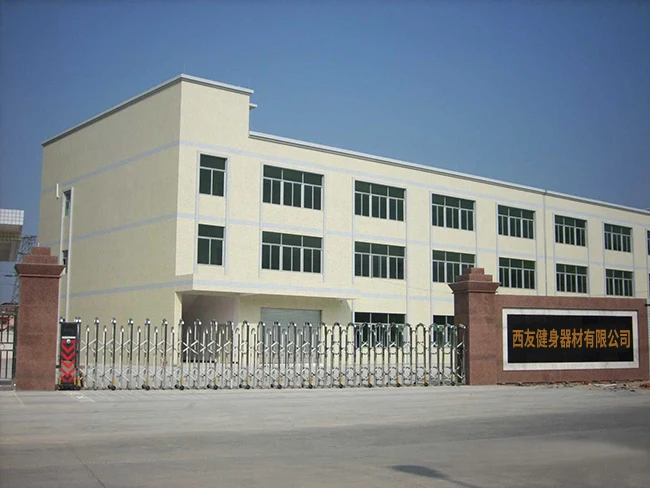
Yiwu Xiyou International Trade Co., Ltd.
- Trading Company
- Zhejiang, China
- Lead time10 days
- Avg. response≤ 9h
Main productsDumbbell,Fitness Machine,Yoga products,Squat Rack,Home fitness products
Main marketsEastern Europe(22.00%), Western Europe(15.00%), Northern Europe(10.00%), Mid East(10.00%), South America(10.00%), North America(10.00%), South Asia(5.00%), Southern Europe(5.00%), Eastern Asia(5.00%), Domestic Market(5.00%), Africa(3.00%)
Suzhou Everise Fitness Co., Ltd.
- Verified by Intertek
- Manufacturer, Trading Company
- Lead time20 days
- Avg. response≤ 3h
Main productsResistance Band, Jump Rope, Yoga Mat, Dumbbell, Massage Ball
Main marketsNorth America(55%), South America(11%), Eastern Europe(11%)
Shandong United Factories Fitness Equipment Co., Ltd.
- Trading Company
- Shandong, China
- Lead time7 days
- Avg. response≤ 2h
Main productsTreadmill,Dumbbell,Barbell,Elliptical,Spinning Bike
Main marketsSoutheast Asia(30.00%), South Asia(30.00%), South America(20.00%), Africa(20.00%)

Rizhao Fenghua Scaffoldings Co., Ltd.
- Verified by BV
- Combined
- China Shandong
- Lead time45 days
- Avg. response≤ 15h
Main productsScaffolding, Scaffold, Forging, Formwork, Scaffold Couplers, Swivel Coupler, Frame System, Hand Tools, Scaffold Plank
Main marketsSouth America,East Asia(Japan/ South Korea),Europe,North America

MOQ: 1000 Pieces

MOQ: 1000 Pieces

MOQ: 1000 Pieces

MOQ: 1000 Pieces

MOQ: 1000 Pieces

Changzhou Sitan Imp. and Exp. Co., Ltd.
- Verified by BV
- Trading Company
- China Jiangsu
- Lead time15 days
- Avg. response≤ 10h
Main productsFitness Equipment, Barbell Series, Resistance Bands, Agility & Speed, Yoga Ball, Massage Series, Power Rack, Weight Ball, Charging Notebook, Custom Logo Goods
Main marketsSoutheast Asia/ Mideast,Domestic,Europe,North America

$16.50 - $20.50
MOQ: 2 Pairs

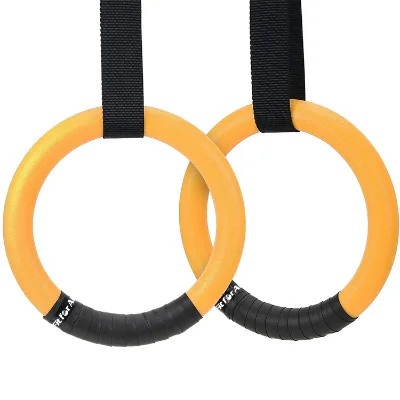
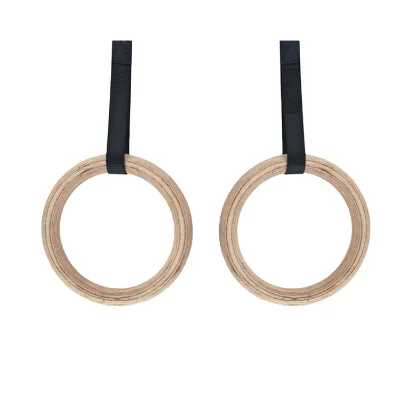
Full-Body Workout Hanging Ring Gym Ring Gymnastics Ring Training Ring with Steel Buckle
$16.50 - $20.50
MOQ: 2 Pairs


- Verified by BV
- Trading Company
- China Anhui
- Lead time30 days
- Avg. response≤ 13h
Main productsDumbbell, Cast Iron Plate, Chrome Bar, Fitness Equipment, Traing Set
Main marketsSouth America,Africa,Southeast Asia/ Mideast,East Asia(Japan/ South Korea),Europe,Australia,North America


$1.58 - $2.18
MOQ: 100 Pieces


NINGBO H&W SPORTING GOODS CO.,LTD
- Verified by Intertek
- Trading Company
- Zhejiang, China
- Lead time25 days
- Avg. response≤ 3h
Main productsRubber Toy Ball, Squeeze Toy, Sporting Goods, Massage Balls, Pet Products
Main marketsNorth America(50%), Oceania(15%), Western Europe(15%)
Jiangsu Anc Health Tech Co., Ltd.
- Trading Company
- Jiangsu, China
- Lead time35 days
- Avg. response≤ 3h
Main productsANC pop up goal,disc cones,agility ladder,kick trainer,resistance parachute
Main marketsNorth America(70.00%), Western Europe(20.00%), South America(3.00%), Northern Europe(2.00%), Oceania(2.00%), Southern Europe(1.00%), Eastern Asia(1.00%), Southeast Asia(1.00%)

Shanghai Ritmark Sports Co., Ltd.
- Verified by BV
- Trading Company,Manufacturer/Factory
- China Shanghai
- Lead time23 days
- Avg. response≤ 4h
Main productsPVC Boat Fender, Fitness Ball, Fitness Sandbag, Waist Belt, Massage Tools, Acupressure Mat, Buoys, Dock Bumper, Yoga Items, Fitness Products
Main marketsSouth America,Eastern Europe,Mid East,North America,Southeast Asia,Eastern Asia,Oceania,Western Europe,Africa

- Verified by TUVRHEINLAND
- Trading Company
- China Anhui
- Lead time30 days
- Avg. response≤ 7h
Main productsDumbbells, Kettlebells, Barbells, Weight Plates, Crossfit Gym, Home Gym, Power Rack, Aerobic Step, Yoga Mat, Foam Roller
Main marketsEurope,Australia,North America
Nantong Get-Fit Sports Co., Ltd.
- Verified by TüVRheinland
- Manufacturer, Trading Company
- Lead time30 days
- Avg. response≤ 5h
Main productsDumbbell, Weight Plate, Barbell, Power Rack, Yoga Series
Main marketsNorth America(45%), Southeast Asia(15%), South America(10%)

Nanjing Bewe Intl Trading Co., Ltd.
- Verified by BV
- Trading Company
- China Jiangsu
- Lead time38 days
- Avg. response≤ 20h
Main productsPadel, Beach Tennis, Pickleball Paddle, Volleyball, Squash, Badminton, Golf, Tennis, Soccer Ball, Basketball
Main marketsSouth America,Eastern Europe,Mid East,North America,Southeast Asia,Eastern Asia,Oceania,Western Europe,Africa
Yongkang Chaoyuan Housewares Co., Ltd.
- Verified by SGS
- Combined
- China Zhejiang
- Lead time15 days
- Avg. response≤ 6h
Main marketsSouth America,Southeast Asia/ Mideast,Domestic,Europe,Australia,North America
Shandong Aofan Sports Equipment Co., Ltd.
- Manufacturer, Trading Company
- Shandong, China
- Lead time15 days
- Avg. response≤ 2h
Main productsGym folding mat,The judo MATS,wrestling mat,Pole vault spongy mat,Back over spongy cushion
Main marketsSouth Asia(10.00%), Eastern Asia(10.00%), Northern Europe(5.00%)
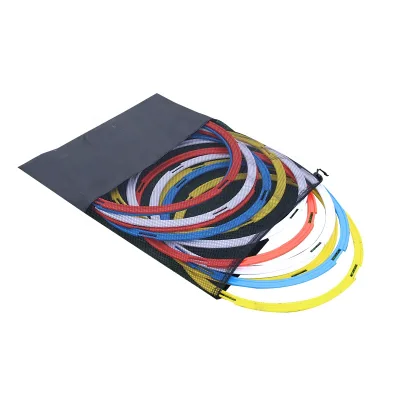
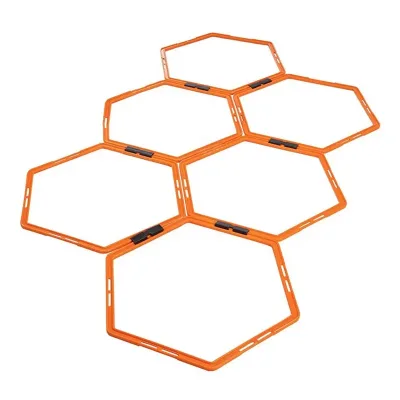


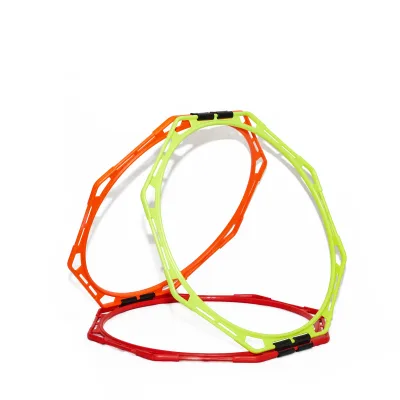
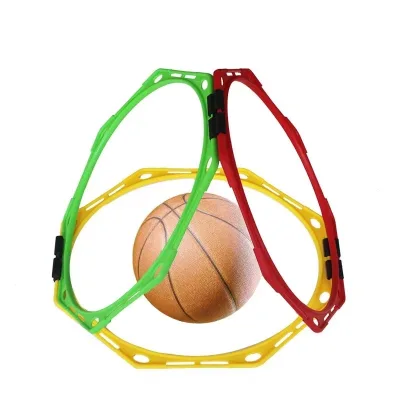


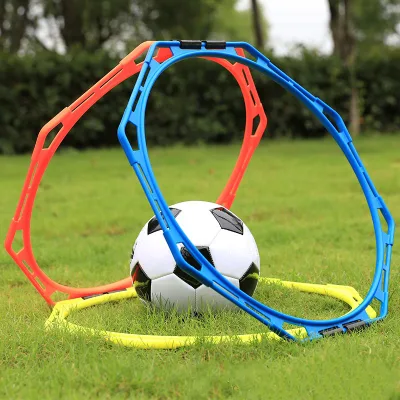
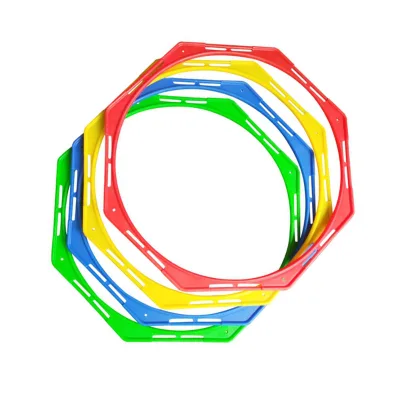
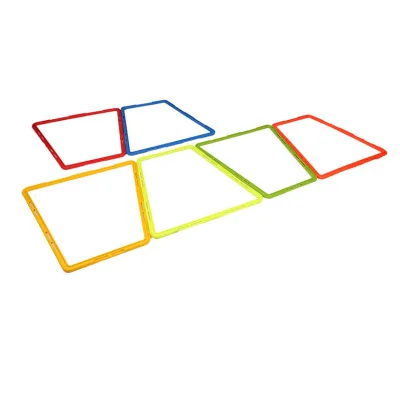
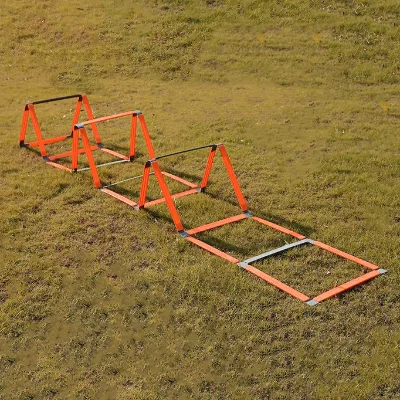


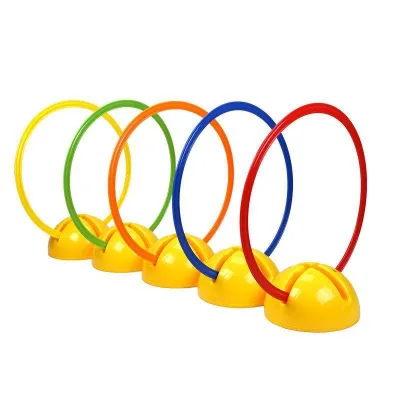
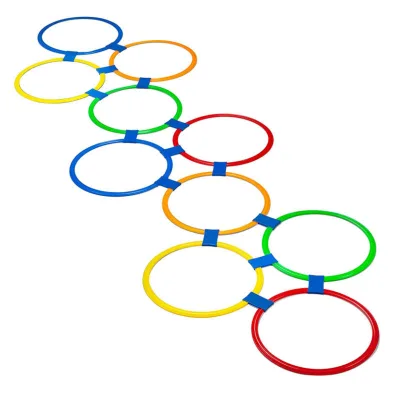
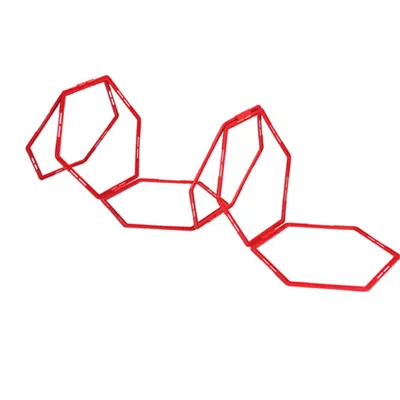
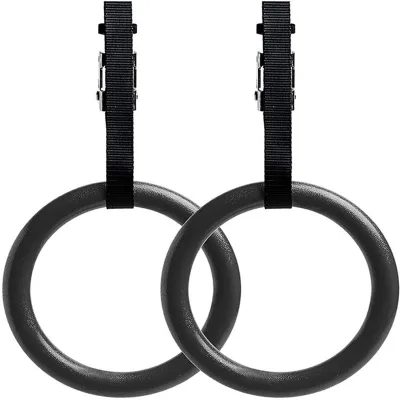




Comprehensive Sourcing Guide
Agility Ring Supplier Concentration and Factory Types
The current supplier landscape for agility rings reveals a distinct concentration of manufacturing and trading entities primarily located in Taiwan and mainland China, specifically within the Anhui province. Evidence indicates that a significant portion of available suppliers operate as trading companies rather than direct manufacturers, which influences the supply chain structure and product customization capabilities. These trading firms often aggregate products from various factories, offering a broader range of items such as educational toys, training sports equipment, and teaching aids alongside the core Agility Ring inventory. The presence of suppliers in Taiwan suggests a focus on established export channels, with specific ports like Keelung Port serving as key dispatch points for international orders.
In contrast, suppliers based in mainland China, such as those in Anhui, may offer different production dynamics, often focusing on high-volume output for fitness and body building equipment. The distinction between trading companies and factories is critical for buyers, as trading companies might provide faster access to diverse product lines but could have less direct control over the manufacturing process. Buyers should verify the actual factory location when a supplier claims to be a manufacturer, as the data shows a mix of company types. Understanding this concentration helps in identifying whether a supplier can handle custom orders or if they are limited to standard catalog items, which is a common trait among trading entities in this sector.
How to Verify Agility Ring Suppliers
Verifying the legitimacy and capability of Agility Ring suppliers requires a rigorous check of their stated credentials against independent data points. Buyers should prioritize suppliers who display third-party verification marks, such as TÜV Rheinland, which serves as a tangible indicator of quality management systems and operational reliability. While some suppliers list certifications like EN71 or CE for their specific products, these are product-level validations and do not automatically confirm the supplier's overall corporate standing. It is essential to distinguish between a product certificate and a company-level audit, ensuring that the entity handling the order has the necessary infrastructure to maintain consistent quality standards throughout the production cycle.
Response time and lead time data provide further insight into a supplier's operational efficiency and reliability. A supplier with a response time of six hours or less may indicate a dedicated sales team, whereas longer response times could signal a lack of immediate support or a smaller operation. Lead times, which can range from thirty to forty-five days for production alone, must be scrutinized to ensure they align with the buyer's project schedule. Buyers should also examine the supplier's main product list to confirm they specialize in sports and entertainment equipment rather than unrelated categories. This verification process ensures that the supplier has the specific expertise required for agility rings, reducing the risk of receiving substandard or incorrect goods.
What to Compare Across Agility Ring Suppliers
When evaluating multiple suppliers, buyers must compare key operational metrics such as minimum order quantities, lead times, and response speeds to determine the best fit for their specific needs. The data shows a wide variance in MOQs, ranging from as low as one hundred sets to as high as five hundred sets, which directly impacts the initial investment and inventory risk. Lead times also differ significantly, with some suppliers offering thirty-day production windows while others require up to forty-five days, not including shipping duration. These differences can be decisive for buyers with tight deadlines or those looking to test the market with smaller initial orders.
Price and supply ability are equally critical comparison points that vary across the supplier base. Unit prices for agility rings can fluctuate based on material, design, and order volume, with some listings showing prices as low as forty-five cents while others exceed four dollars. Supply ability, often cited as five thousand pieces per month, indicates the maximum output capacity a supplier can sustain without compromising quality or delivery schedules. Buyers should also compare the specific product attributes, such as material composition (PE or plastic), color options, and customization availability, as these factors influence the final product's suitability for their target audience. A comprehensive comparison ensures the selected supplier balances cost, volume, and quality effectively.
Common Agility Ring Sourcing Risks
One of the primary risks in sourcing agility rings involves the discrepancy between product specifications and actual delivery, particularly regarding material quality and safety standards. While some suppliers list certifications like EN71 or CE, these may apply only to specific models and not the entire production run. Buyers must verify that the materials used, such as PE or plastic, meet the durability and safety requirements for the intended age group, whether children or adults. The risk of receiving non-compliant products is heightened when dealing with trading companies that may not have direct oversight of the manufacturing process, making it crucial to request sample testing before placing large orders.
Another significant risk is the potential for delayed shipments due to unclear logistics and port of dispatch details. Some suppliers specify ports like Keelung Port, while others may have less defined shipping arrangements, leading to confusion and delays. The production time, often listed as forty-five days, combined with additional delivery times, can extend the total lead time to over sixty days, which may disrupt supply chains. Buyers should also be wary of suppliers who do not clearly state their packaging details or shipping methods, as this can lead to damage during transit. Mitigating these risks requires clear communication and a thorough review of all logistical terms before finalizing any agreement.
Agility Ring Regional Sourcing and Logistics
Regional sourcing strategies for agility rings are heavily influenced by the geographic location of the suppliers, with Taiwan and mainland China emerging as the primary hubs. Suppliers in Taiwan often utilize established ports like Keelung Port, which can offer reliable shipping routes to international markets. However, the logistics from mainland China, particularly from regions like Anhui, may involve different transit times and customs procedures that buyers need to account for. Understanding these regional differences is essential for planning the supply chain, as the distance and shipping infrastructure can significantly impact the total cost and delivery timeline.
Logistics planning must also consider the specific packaging and shipping methods employed by each supplier. Some suppliers use polybags or cartons for packaging, which affects the volume and weight of the shipment, thereby influencing freight costs. The port of dispatch is a critical factor, as it determines the initial leg of the journey and the subsequent handling required. Buyers should verify the exact port and shipping terms to avoid unexpected delays or additional charges. Additionally, the supply ability of the supplier, often capped at five thousand pieces per month, must be factored into the logistics plan to ensure that the order can be fulfilled within the desired timeframe without overloading the supplier's capacity.
Agility Ring Commercial Terms and Order Planning
Commercial terms for Agility Ring orders vary significantly, with minimum order quantities ranging from one hundred to five hundred sets, directly affecting the financial commitment required from the buyer. Lead times, which can extend from thirty to forty-five days for production, must be carefully integrated into the overall order planning to ensure timely delivery. Buyers should also consider the payment terms and the availability of escrow services, which provide a layer of security for both parties. Understanding these commercial terms is vital for managing cash flow and ensuring that the order proceeds smoothly without unexpected financial hurdles.
Order planning must also account for the customization options and product specifications offered by the supplier. Some suppliers allow for customized logos and designs, while others may only offer standard products. The supply ability, often listed as five thousand pieces per month, sets a limit on the volume that can be produced within a specific timeframe. Buyers should plan their orders accordingly, ensuring that the requested quantity does not exceed the supplier's capacity. Additionally, the response time of the supplier, which can range from a few hours to several days, plays a crucial role in the efficiency of the ordering process. A proactive approach to order planning, combined with a clear understanding of commercial terms, helps mitigate risks and ensures a successful sourcing experience.
FAQs
What is the typical lead time for agility rings?
Lead times vary by supplier and order volume. Some manufacturers require 45 days for production plus 20 days for delivery, totaling around 65 to 75 days. Others may offer faster turnaround times of 30 days depending on stock availability and customization needs.
What are the minimum order quantities for these rings?
Minimum order quantities differ significantly across suppliers. Some vendors require 250 sets as a baseline, while others accept orders as low as 100 sets. Buyers should verify specific MOQs before placing orders to ensure they meet the supplier's production thresholds.
Where are Agility Ring manufacturers located?
Manufacturers are primarily located in Taiwan and China. Specific facilities operate in regions like Anhui, China, and Keelung Port in Taiwan. Buyers should confirm the exact origin to understand shipping logistics and potential import duties associated with the product.
Do agility rings come with safety certifications?
Yes, many products carry recognized safety certifications. Common standards include EN71 and CE marks, ensuring compliance with international safety regulations. Buyers should request specific certificate copies to verify that the rings meet the required safety standards for their target market.
What materials are used to make agility rings?
Agility rings are typically constructed from durable plastic or PE materials. Some models feature waterproof or wearproof properties for outdoor use. The material choice impacts flexibility and durability, so buyers should check product specifications for the specific application requirements.
How quickly do suppliers respond to inquiries?
Response times vary among different trading companies and manufacturers. Some suppliers respond within 6 hours, while others may take up to 11 hours. Buyers should expect prompt communication but should verify current response times directly with the specific vendor they intend to contact.
Can agility rings be customized with logos?
Customization options are available for many Agility Ring models. Suppliers often allow logo printing and specific color selections like yellow, red, or black. Buyers should confirm customization details and any additional costs associated with branding or specific design modifications before finalizing the order.