Agriculture Sand Spread Gravel Spreader Suppliers and Manufacturers
Source 17 verified suppliers for Agriculture Sand Spread Gravel Spreader equipment. Compare key dimensions including location, lead time, MOQ, response time, and certifications. Review product specs and request quotes to identify the right manufacturing partner for your operational needs; review the available evidence before requesting comparable quotations from suitable candidates.
Suppliers List

Zhengzhou Gofine Machine Equipment Co., Ltd.
- Verified by SGS
- Trading Company
- China Henan
- Lead time15 days
- Avg. response≤ 4h
Main productsAgricultural Machine, Fertilizer Machine, Organic Fertilizer Machine, Coffee Roaster, Scrap Copper Granulator, Compound Fertilizer Production Line, Waste Organic Fertilizer Compost Machine, Fertilizer Making Production Line, Fertilizer Pellet Mill, Fertilizer Granulator Machine
Main marketsSouth America,Africa,Others(foreignTradeCapacity.exportBusinessCapacityMarketOther),Southeast Asia/ Mideast,East Asia(Japan/ South Korea),Europe,Australia,North America

Shandong China Coal Industrial & Mining Supplies Group Co., Ltd.
- Verified by BV
- Manufacturer/Factory
- China Shandong
- Lead time98 days
- Avg. response≤ 1h
Main productsMine Car, Mucking Loader, Mining Locomotive, U Steel Support, Mine Support, Wall Cement Plaster Machine, Scraper Conveyor, Crawler Dumper, Concrete Pump
Main marketsSouth America,Eastern Europe,Mid East,North America,Southeast Asia,Eastern Asia,Oceania,Western Europe,Africa

Snow Melting Salt Spreader Sand Spreader China Manufacturer Snow Salt Spreader
$2800.00 - $6385.00
MOQ: 1 Pieces

$2800.00 - $6385.00
MOQ: 1 Pieces

Jiangyin Dingchuang Sport Machinery Co., Ltd.
- Manufacturer
- China Jiangsu
- Lead time0 days
- Avg. response≤ 8h
Main productsRunning Track, Sport Surface, Turf Machine, Synthetic Running Track, Paver Machine, Sprayer Machine, Mixer Machine, Line Marker Machine, Sand Infill Machine, Turf Clean Machine


Sand Spreader for Artificial Grass
MOQ: 1 Pieces

Shandong Weixin Import and Export Co., Ltd
- Verified by CTI
- Combined
- China Shandong
- Lead time15 days
- Avg. response≤ 13h
Main productsMining Machine, Mining Equipment, Railway Equipment, Construction Machinery, Agricultural Equipment, Crane, Excavator, Loader, Forklift, Tractor
Main marketsDomestic,Europe

Yucheng Xinyi Machinery Manufacturing Co., Ltd
- Verified by SGS
- Combined
- China Shandong
- Lead time30 days
- Avg. response≤ 3h
Main marketsDomestic,North America

Agricultural Manure Spreader Organic Fertilizer Spreader for Pasture Farm Crops Planting
$2800.00 - $6600.00
MOQ: 1 Pieces


Professional Agricultural Machinery Factory Vertical Auger Fertilizer Spreader and Manure Spreader
$3296.00 - $4226.00
MOQ: 1 Pieces

Industrial Grade Double Vertical Auger Fertilizer Spreader Manure Spreader for Rural Farms
$8000.00 - $14200.00
MOQ: 1 Pieces

China Factory Vertical Auger Manure Spreader and Fertilizer Spreader for Worldwide Distribution
$3296.00 - $4226.00
MOQ: 1 Pieces

Yucheng Dadi Machinery Co., Ltd.
- Verified by TUVRHEINLAND
- Combined
- China Shandong
- Lead time15 days
- Avg. response≤ 13h
Main productsDisc Harrow, Disc Plough, Offsets Disc Harrow, Seeder, Disc Plow, Disc Blade
Main marketsOthers(foreignTradeCapacity.exportBusinessCapacityMarketOther),Domestic


MOQ: 1 Pieces


Shandong Yuntai Machinery Co., Ltd.
- Verified by BV
- Combined
- China Shandong
- Lead time30 days
- Avg. response≤ 19h
Main productsDisc Plough, Disc Harrow, Disc Blade, Trailer, Cultivator, Agricultural Spare Parts, Plough Disc, Harrow Disc, Tractor Trailer, Ox Plough
Main marketsSouth America,Africa,Southeast Asia/ Mideast,Europe,Australia,North America

MOQ: 3 Pieces

MOQ: 3 Pieces

MOQ: 3 Pieces

MOQ: 3 Pieces

Yucheng Hengshing Machinery Co., Ltd.
- Verified by BV
- Combined
- China Shandong
- Lead time30 days
- Avg. response≤ 22h
Main productsPlow, Disc Plough, Disc Harrow, Cultivator, Farm Mower, Farm Trailer, Potato Harvester, Potato Planter, Corn Thresher, Peanut Thresher
Main marketsSouth America,Africa,Southeast Asia/ Mideast,Europe,Australia,North America

Yucheng Dingshengyuan Machinery Manufacturing Co., Ltd
- Verified by TUVRHEINLAND
- Combined
- China Shandong
- Lead time15 days
- Avg. response≤ 3h
Main productsMachinery
Main marketsSoutheast Asia/ Mideast


$4200.00 - $5200.00
MOQ: 1 Pieces


YUCHENG LIANSHENG MACHINERY CO., LTD.
- Verified by SGS
- Trading Company,Manufacturer/Factory
- China Shandong
- Lead time23 days
- Avg. response≤ 7h
Main productsPlough, Harrow, Seeding Machine, Mower, Thresher, Harvester, Boom Sprayer, Fertilizer Spreader, Agricultural Spare Parts, Grain Harvesting Equipment
Main marketsSouth America,Eastern Europe,Mid East,North America,Southeast Asia,Eastern Asia,Oceania,Western Europe,Africa

Granular Powder Fertilizer Distributor Lime Spreader Tractor Farmyard Manure Spreader
$5300.00 - $5500.00
MOQ: 1 Pieces

Farm Lawn Grass Seed Self-Propelled Spreader / Broadcast Spreader / Compost Spreader for Sale
$8500.00 - $9000.00
MOQ: 1 Pieces

Hot Sale Fertilizer Spreader Lime Sand Grass Seed Alfalfa Spreading Machine
$360.00 - $400.00
MOQ: 1 Pieces

$1300.00 - $1400.00
MOQ: 1 Pieces


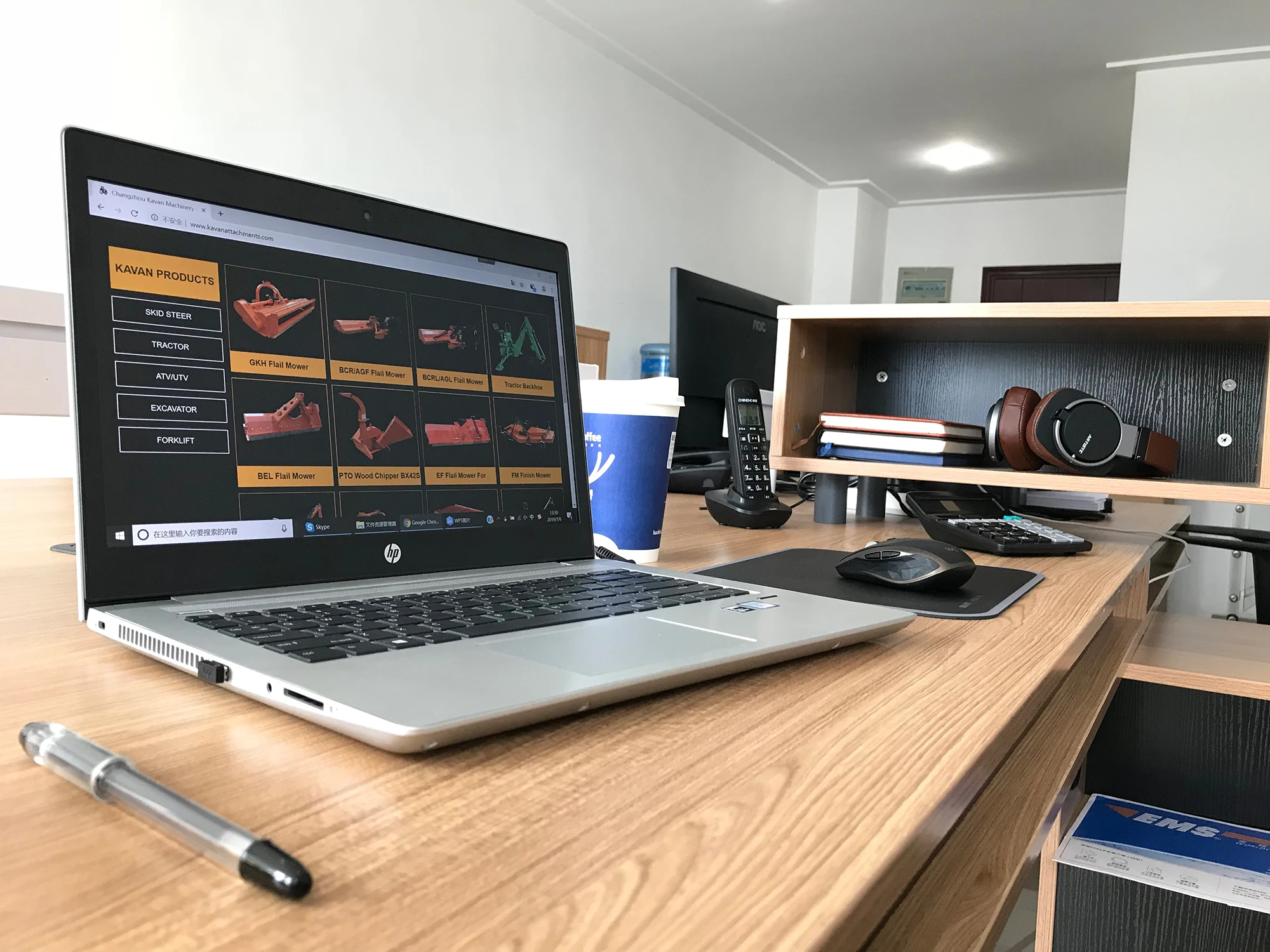
Changzhou Kavan Machinery Co., Ltd.
- Manufacturer, Trading Company
- Jiangsu, China
- Lead time45 days
- Avg. response≤ 9h
Main productsTractor Implements,Skid Steer attachments,Excavator attachments,ATV Implements,Wheel Loder Implements
Main marketsNorth America(30.00%), Northern Europe(27.00%), Southern Europe(13.00%), Oceania(12.00%), Eastern Europe(10.00%), Western Europe(8.00%)

Qingdao Tiangong Mechanical Installationg Co., Ltd.
- Verified by SGS
- Combined
- China Shandong
- Lead time38 days
- Avg. response≤ 3h
Main marketsDomestic

High Precision Inertial Vibratory Sand Spreader with Laser Guided Spreading Width Adjustment
$10000.00 - $20000.00
MOQ: 1 Pieces

$10000.00 - $20000.00
MOQ: 1 Pieces

$10000.00 - $20000.00
MOQ: 1 Pieces

Compact Tractor Mounted Inertial Vibration Sand Spreader for Small Road and Parking Lot Maintenance
$10000.00 - $20000.00
MOQ: 1 Pieces

High Mobility Inertial Vibratory Sand Spreader with Articulated Design for Tight Maneuvering Spaces
$10000.00 - $20000.00
MOQ: 1 Pieces

$10000.00 - $20000.00
MOQ: 1 Pieces

Jinan Xinyiyin Import and Export Trading Co., Ltd.
- Verified by CTI
- Combined
- China Shandong
- Lead time23 days
- Avg. response≤ 4h
Main productsDisc Harrow, Disc Plough, Irrigation System, Harvesting Machine, Mower, Grain Cart, Manure Fertilizer Spreader, Farm Trailer, Land Leveler, Stone Picker
Main marketsDomestic

Wide Spreading Width Manure Spreader Self-Propelled Spreader for Chemical and Organic Fertilizer
$5624.00 - $6269.00
MOQ: 1 Pieces


Premium Horizontal Auger Manure Spreader for Efficient Fertilization
$9500.00 - $11100.00
MOQ: 1 Pieces


Hot Sale Fertilizer/Manure Spreader Cross Auger Design with Hydraulic Door
$7344.00 - $8757.00
MOQ: 1 Pieces


Shandong Hongsheng Intelligent Technology Co., Ltd.
- Verified by CTI
- Trading Company
- China Shandong
- Lead time15 days
- Avg. response≤ 2h
Main productsIndustrial Machinery, Agricultural Machinery, General Mechanical Equipment and Accessories
Main marketsSoutheast Asia/ Mideast,Domestic


$2788.00 - $2888.88
MOQ: 1 sets


Taizhou Kobold Sprayer Co., Ltd.
- Verified by TUVRHEINLAND
- Manufacturer/Factory
- China Zhejiang
- Lead time30 days
- Avg. response≤ 4h
Main productsSprayer, Garden Sprayers, Agricultural Sprayers, Hand Sprayers, Electric Sprayers, Battery Sprayers, Stainless Steel Sprayers, Power Sprayers, Trigger Sprayers, Pressure Sprayers
Main marketsSouth America,Eastern Europe,Mid East,North America,Southeast Asia,Eastern Asia,Oceania,Western Europe,Africa


Agricultural Good Quality Handheld Lawn Fertiliser Easy to Operate Spreader
$2.20 - $2.76
MOQ: 1000 Pieces


Taian Yimeite Machinery Co., Ltd
- Verified by TUVRHEINLAND
- Combined
- China Shandong
- Lead time15 days
- Avg. response≤ 2h
Main productsTelehandler, Tmr Feed Mixer Wagon, Skid Loader, Manure Spreader, Feeder Spreader, Feed Pusher, Cow Headlock and Free Stall, Manure Collector, Backhoe Loader, Cow Milking Machine
Main marketsDomestic


Professional Agricultural Machinery Factory Vertical Auger Fertilizer Spreader and Manure Spreader
$15000.00 - $16000.00
MOQ: 1 Sets


Weifang Sichuang Machinery Co., Ltd.
- Verified by SGS
- Trading Company,Manufacturer/Factory
- China Shandong
- Lead time23 days
- Avg. response≤ 4h
Main productsMower, Green Roller, Turf Brush, Aerator, Top Dresser, Grass Seeder, Turf Sweeper, Big Roll Harvester, Turf Sprayer, Line Marker
Main marketsSouth America,Eastern Europe,Mid East,North America,Southeast Asia,Eastern Asia,Oceania,Western Europe,Africa


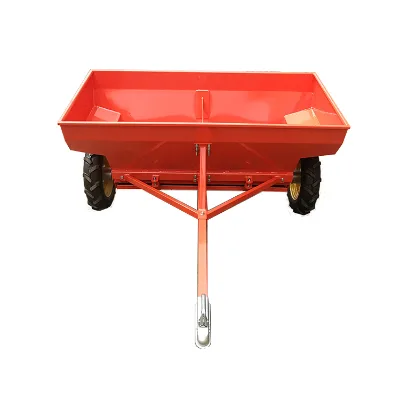
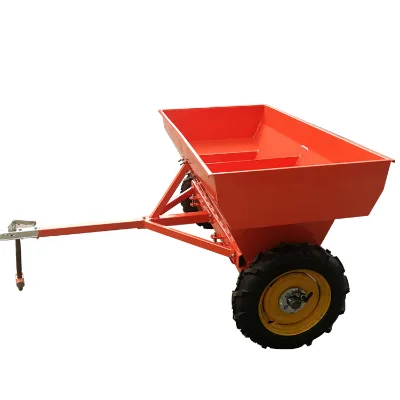


Comprehensive Sourcing Guide
Agriculture Sand Spread Gravel Spreader Supplier Concentration and Factory Types
Current data indicates a concentration of suppliers in China, specifically within the Henan and Shandong provinces, where agricultural machinery and fertilizer equipment are prominent. In Henan, trading companies dominate the landscape, offering a diverse range of products including fertilizer machines and sand spreaders, often serving as intermediaries for various manufacturing capabilities. These entities typically list main products such as compound fertilizer production lines and organic fertilizer compost machines alongside their spreader offerings. Conversely, suppliers in Shandong often operate as manufacturers or factories, producing specialized equipment like mining loaders and municipal machinery that includes snow melting salt spreaders. This distinction is critical because factory types in Shandong may offer direct OEM capabilities, whereas trading companies in Henan might focus on aggregating products from multiple sources to provide a broader catalog.
The presence of combined supplier types in other regions suggests a complex market structure where entities may blend manufacturing with trading functions. Buyers should note that while some suppliers explicitly state their company type as a manufacturer, others may operate as trading companies with ODM and OEM capacities. This variation affects the supply chain dynamics, as manufacturers often control the production process and quality standards directly, while trading companies may leverage their network to source specific components or finished goods. Understanding this concentration helps buyers identify whether they are dealing with a direct production source or a reseller, which influences negotiation leverage and communication efficiency. The geographic clustering in China provides a logistical advantage for sourcing, but the specific factory type determines the depth of technical support and customization options available for Agriculture Sand Spread Gravel Spreader projects.
How to Verify Agriculture Sand Spread Gravel Spreader Suppliers
Verification processes for these suppliers rely heavily on third-party audit results and system certifications rather than self-declared claims. Some suppliers in the dataset have been verified by recognized agencies such as SGS or BV, which adds a layer of credibility to their operational status. For instance, a supplier in Henan may hold an SGS verification status, while a manufacturer in Shandong might carry a BV verification badge. These external validations are essential for confirming that the business entity exists and meets basic operational standards. Additionally, system certifications like ISO 9000 or ISO 9001 are observed in specific factory profiles, indicating a commitment to quality management systems. Buyers must prioritize suppliers with these documented verifications to mitigate the risk of engaging with unverified entities that may lack the necessary infrastructure for large-scale production.
Beyond verification badges, buyers should scrutinize the specific product attributes and certifications listed for individual items. Product evidence often includes certifications such as ISO, CE, or UL, which are critical for compliance in international markets. For example, a tractor-mounted fertilizer sand spreader might list ISO and CE certifications, while a snow melting salt spreader could carry CE certification alone. These product-level certifications ensure that the machinery meets safety and performance standards required for export. Buyers should request copies of these certificates and cross-reference them with the supplier's profile to ensure consistency. Furthermore, checking the response time and lead time data provided in the supplier profile can offer insights into their operational efficiency. A supplier with a rapid response time and a defined lead time is more likely to be reliable than one with vague or missing data, making these metrics vital components of the verification strategy.
What to Compare Across Agriculture Sand Spread Gravel Spreader Suppliers
When evaluating potential partners, buyers must compare key operational metrics such as lead time, minimum order quantity, and response speed to determine fit. The data shows significant variation in lead times, with some suppliers offering a 15-day turnaround while others require up to 98 days. This disparity can drastically impact project timelines and inventory planning, making it essential to align supplier capabilities with production schedules. Similarly, minimum order quantities (MOQ) vary, with some suppliers accepting orders as low as one unit, which is advantageous for testing or small-scale projects. Response times also differ, ranging from under an hour to several days, influencing the speed of communication and problem resolution. Buyers should create a comparison matrix to visualize these differences and select suppliers that balance speed with cost-effectiveness.
Another critical dimension for comparison is the customization capacity and main product focus of each supplier. Some entities offer ODM and OEM services with their own brands, allowing for tailored solutions that meet specific agricultural needs. In contrast, others may focus on standard models with limited customization options. The main products listed by suppliers, such as mining equipment or agricultural machinery, indicate their core expertise and potential for cross-category support. For instance, a supplier specializing in fertilizer machines might have deeper expertise in granular spreading mechanisms compared to a general machinery trader. Buyers should also examine the technical specifications provided, such as voltage, capacity, and spread width, to ensure the equipment matches their operational requirements. By systematically comparing these attributes, buyers can identify suppliers that offer the best combination of flexibility, reliability, and technical competence for their specific Agriculture Sand Spread Gravel Spreader needs.
Common Agriculture Sand Spread Gravel Spreader Sourcing Risks
One significant risk in sourcing agriculture sand spread gravel spreaders is the potential mismatch between supplier type and actual manufacturing capability. Trading companies may claim OEM capabilities but rely on third-party factories, which can lead to inconsistencies in quality control and communication delays. If a supplier lists a wide array of unrelated products, such as mining locomotives alongside fertilizer spreaders, it may indicate a lack of specialized focus, potentially affecting the depth of technical knowledge available. Buyers should be cautious of suppliers who do not clearly distinguish between their trading and manufacturing roles, as this ambiguity can complicate warranty claims and after-sales support. Verifying the actual production facility and its capacity is crucial to ensure that the supplier can deliver the required volume and quality without relying on external subcontractors.
Another risk involves the variability in product certifications and compliance standards across different suppliers. While some products list ISO and CE certifications, others may only have basic or no listed certifications, leaving buyers exposed to regulatory non-compliance in their target markets. The absence of specific system certifications like ISO 9001 in a supplier's profile can be a red flag regarding their quality management processes. Additionally, discrepancies in product specifications, such as voltage requirements or capacity limits, can lead to equipment failure or inefficiency if not carefully reviewed. Buyers must ensure that the product evidence provided matches the intended application environment, particularly regarding power sources and operational conditions. Failing to verify these details can result in costly modifications or the need to replace equipment entirely, highlighting the importance of rigorous due diligence before placing orders.
Agriculture Sand Spread Gravel Spreader Regional Sourcing and Logistics
Sourcing from China offers distinct logistical advantages due to the established manufacturing clusters in provinces like Henan and Shandong. These regions have developed specialized supply chains for agricultural and industrial machinery, facilitating efficient production and export processes. Suppliers in Henan often focus on fertilizer and agricultural equipment, while those in Shandong may specialize in mining and municipal machinery, including salt spreaders. This regional specialization allows buyers to target suppliers with specific expertise, reducing the risk of receiving substandard or mismatched products. However, buyers must account for the distance and shipping complexities involved in importing from these locations. Understanding the specific port of origin and the logistics infrastructure in these regions can help in planning transportation and minimizing delays.
Logistics planning also requires careful consideration of packaging and shipping standards, which vary by supplier and product type. Some suppliers use wooden cases for packing, while others may opt for plastic film or wooden boxes, impacting the protection of the equipment during transit. The dimensions and weight of the spreaders, such as those with a capacity of 1.73 cubic meters or specific external dimensions, influence shipping costs and container utilization. Buyers should request detailed packing lists and shipping documents to ensure that the equipment is secured properly and complies with international shipping regulations. Additionally, the lead time data provided by suppliers should be integrated into the logistics schedule to account for production, customs clearance, and final delivery. By aligning regional sourcing strategies with robust logistics planning, buyers can optimize their supply chain and ensure timely delivery of agriculture sand spread gravel spreaders.
Agriculture Sand Spread Gravel Spreader Commercial Terms and Order Planning
Commercial terms for agriculture sand spread gravel spreaders often include specific pricing structures, payment conditions, and delivery schedules that vary by supplier. Price ranges observed in the data indicate significant variation, with some units priced as low as $800 and others reaching nearly $16,000, depending on specifications and customization. Buyers should negotiate based on the total cost of ownership, including shipping, taxes, and potential customization fees, rather than focusing solely on the unit price. Payment terms may differ, with some suppliers requiring deposits while others offer more flexible arrangements. Understanding these commercial terms is essential for budgeting and financial planning, ensuring that the project remains within financial constraints while securing the necessary equipment.
Order planning must also account for the minimum order quantities and production lead times to avoid bottlenecks in the supply chain. Suppliers with an MOQ of one unit offer flexibility for small orders, while those with higher MOQs may require larger commitments to achieve cost efficiency. Lead times, ranging from 15 to 98 days, necessitate careful scheduling to align with project deadlines. Buyers should establish clear communication channels to monitor production progress and address any potential delays proactively. Additionally, considering the customization options available, such as specific voltage requirements or spread widths, buyers should finalize these details early in the ordering process to prevent rework or delays. By integrating commercial terms and order planning into a cohesive strategy, buyers can streamline the procurement process and ensure the successful acquisition of high-quality agriculture sand spread gravel spreaders.
FAQs
What is the price range for sand spreaders?
Prices for sand spreaders vary by model and specifications. Some units start around 800 dollars while others reach up to 15890 dollars. Buyers should check specific product listings for exact pricing details before placing an order.
Where are these agricultural machines manufactured?
Manufacturers are located in several Chinese provinces including Henan, Shandong, and Jiangsu. Specific origins depend on the supplier, with some products explicitly stating they originate from Shandong or Jiangyin regions in China.
What certifications do these machines hold?
Many machines carry ISO and CE certifications to ensure safety and quality standards. Some suppliers also hold ISO 9000 or ISO 9001 system certifications. Buyers should verify specific product attributes for the exact certification status.
How long does it take to receive an order?
Lead times vary significantly between different suppliers and product types. Some manufacturers offer a quick turnaround of 15 days, while others may require up to 98 days. Buyers must confirm the specific delivery schedule with the seller.
What is the minimum order quantity required?
The minimum order quantity for many sand spreader models is one unit. This allows buyers to purchase single units for testing or small-scale operations. Always verify the specific MOQ listed on the product page.
Can these machines be customized for specific needs?
Customization is available for many sand spreader models to meet specific operational requirements. Buyers can request changes to capacity, voltage, or other specifications. Check product attributes to confirm if customization options are currently available.
What is the typical response time for suppliers?
Supplier response times vary, with some replying within less than one hour and others taking several hours. Specific response times range from 0.60 to 7.24 hours depending on the company. Faster response times often indicate higher availability.