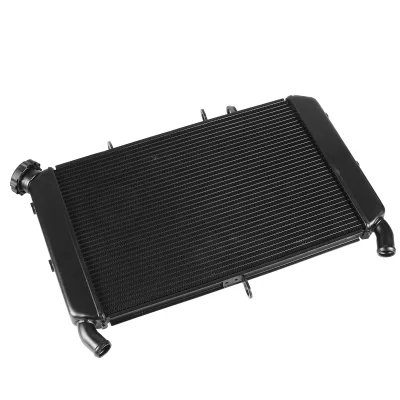
Aluminum Brazed Moto Radiator Suppliers and Manufacturers
Explore 20 verified suppliers offering aluminum brazed moto radiators with varying lead times, certifications, and response speeds. Buyers can compare dimensions, materials, and customization options before requesting quotes for specific models; review the available evidence before requesting comparable quotations from suitable candidates.
Updated
Suppliers List

Guangdong Fangyuyuan Refrigeration Industrial Co.,Ltd.
- Verified by TUVRHEINLAND
- Combined
- China Guangdong
- Lead time30 days
- Avg. response≤ 5h
Main productsAutomotive Air Conditioning Accessories, Automotive Air Conditioning, Bus Air Conditioner, Truck Refrigeration Units, Compressor, Condenser Assembly, Evaporator Core, Receiver Drier, Evaporator Blower, Alternator
Main marketsOthers(foreignTradeCapacity.exportBusinessCapacityMarketOther)

Dezhou Hualude Hardware Products Co., Ltd.
- Verified by BV
- Trading Company
- China Shandong
- Lead time15 days
- Avg. response≤ 8h
Main productsIron Nail, Iron Wire, Fence Post, Fence Gate, Wire Mesh, Galvanized Corrugated Sheet, Galvanized Coil, Roll Forming Machine, Concrete Accessory, PPGI Coils
Main marketsSoutheast Asia/ Mideast,Europe,Australia,North America

Anhui Jagrow Auto Parts Co., Ltd.
- Verified by TUVRHEINLAND
- Trading Company,Manufacturer/Factory
- China Anhui
- Lead time45 days
- Avg. response≤ 6h
Main productsPerformance Parts, Exhaust System, Air Intake System, Cooling System, Carbon Fiber Parts, Exhaust Downpipe, Exhaust Manifold, Exhaust Catback, Oil Cooler, Turbo Intercooler
Main marketsSouth America,Eastern Europe,Mid East,North America,Southeast Asia,Eastern Asia,Oceania,Western Europe,Africa

NANJING MAJESTIC AUTO PARTS CO., LTD.
- Manufacturer/Factory
- China Jiangsu
- Lead time23 days
- Avg. response≤ 10h
Main productsRadiator Tube, Radiator, Cooling System, Heat Exchanger System, Aluminum Tube, High Frequency Welded Tube, Intercooler Tube, Oil Cooler Tube, Intercooler, Oil Cooler
Main marketsSouth America,Eastern Europe,Mid East,North America,Southeast Asia,Eastern Asia
- Manufacturer, Trading Company
- Lead time旺季: , 淡季:
- Avg. response≤ 6h
Main productsATV Parts,Motorcycle parts,UTV Parts,ATV Wheels,UTV wheels
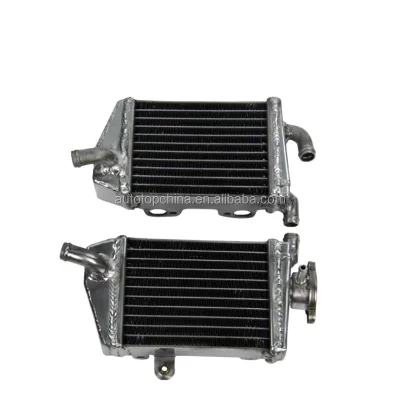
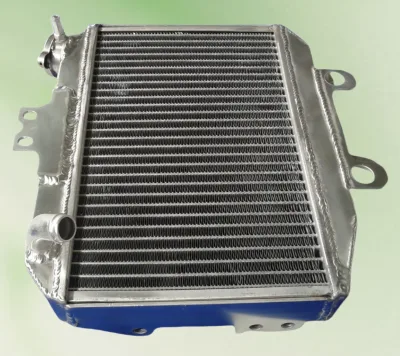
Motocross All Aluminum Radiator Assembly, High Quality Motorcycle Engine Radiators
$46.6872 - $54.9974
MOQ: 50 pieces
Anhui Jagrow Auto Parts Co., Ltd.
- Trading Company
- Lead time旺季: "1 - 100":45,"> 100":"To be negotiated", 淡季: "1 - 100":45,"> 100":"To be negotiated"
- Avg. response≤ 2h
Main productsExhaust System, Air Intake System, Cooling System, Carbon Fiber Parts, CNC Parts
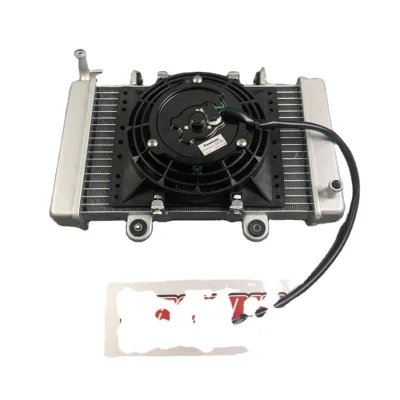
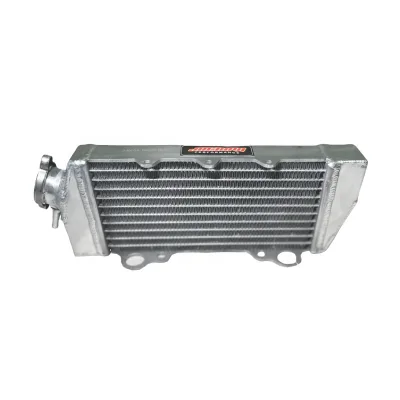
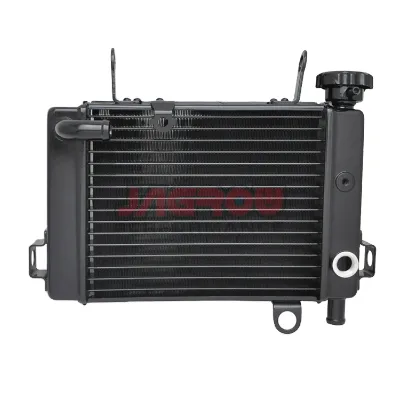
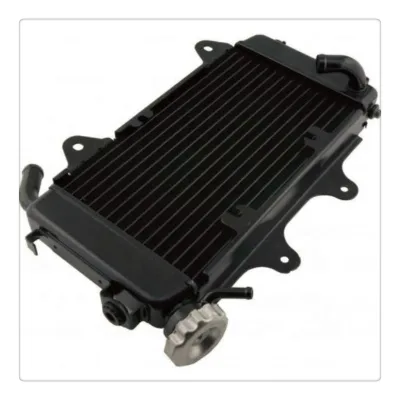
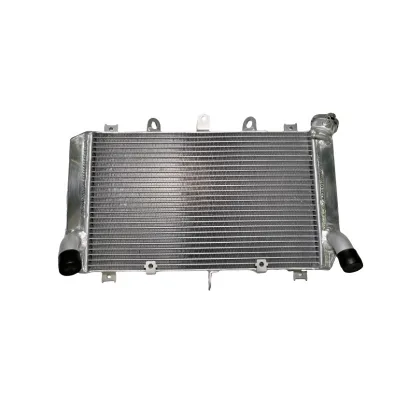
Custom Aluminum Radiator for KAWASAKI Z900 2017 - 2021 & Z900RS Motorcycle Cooling
$29.00 - $37.00
MOQ: 20
Xian MD Uniche Import&Export Co., Ltd.
- Verified by SGS Group
- Trading Company
- Lead time25 days
- Avg. response≤ 1h
Main productsMotorcycle brake disc, Motorcycle sprocket, Motorcycle brake pad, Motorcycle parts
Main marketsSoutheast Asia(30%), Western Europe(26%), North America(25%)
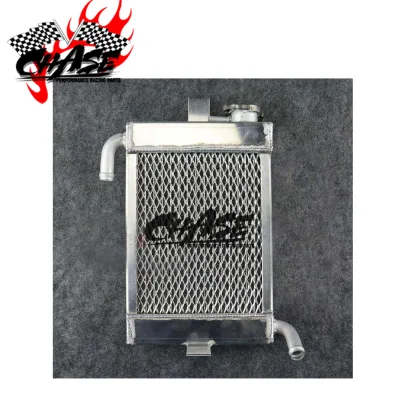
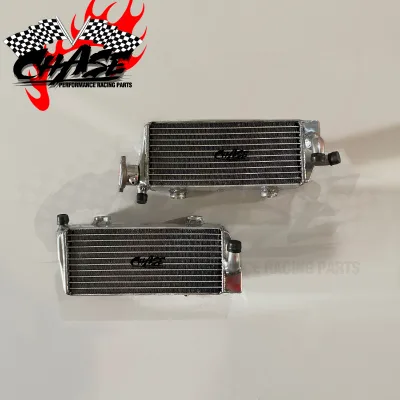
Guangzhou Chase Auto Parts Inc. Ltd.
- Manufacturer, Trading Company
- Guangdong, China
- Lead time35 days
- Avg. response≤ 6h
Main productsAUTO RADIATOR,AUTO CONDENSER,AUTO ELECTRIC FAN,AUTO INTER COOLER,AUTO HEATER
Main marketsSoutheast Asia(20.00%), South America(20.00%), North America(20.00%), Central America(10.00%), Mid East(10.00%), Eastern Europe(10.00%), Domestic Market(5.00%), Western Europe(5.00%)

Ningbo Tower Machinery Co., Ltd
- Verified by TUVRHEINLAND
- Manufacturer/Factory
- China Zhejiang
- Lead time30 days
- Avg. response≤ 7h
Main productsSheet Metal Fabrication, CNC Machining Parts, Laser Cutting Parts, Tube Bending Parts, Welding Parts, Stamping Parts, Bus Seat, Trailer Jack, Electric Winch, Wheel Spacer
Main marketsSouth America,Eastern Europe,Mid East,North America,Southeast Asia,Eastern Asia,Oceania,Western Europe,Africa
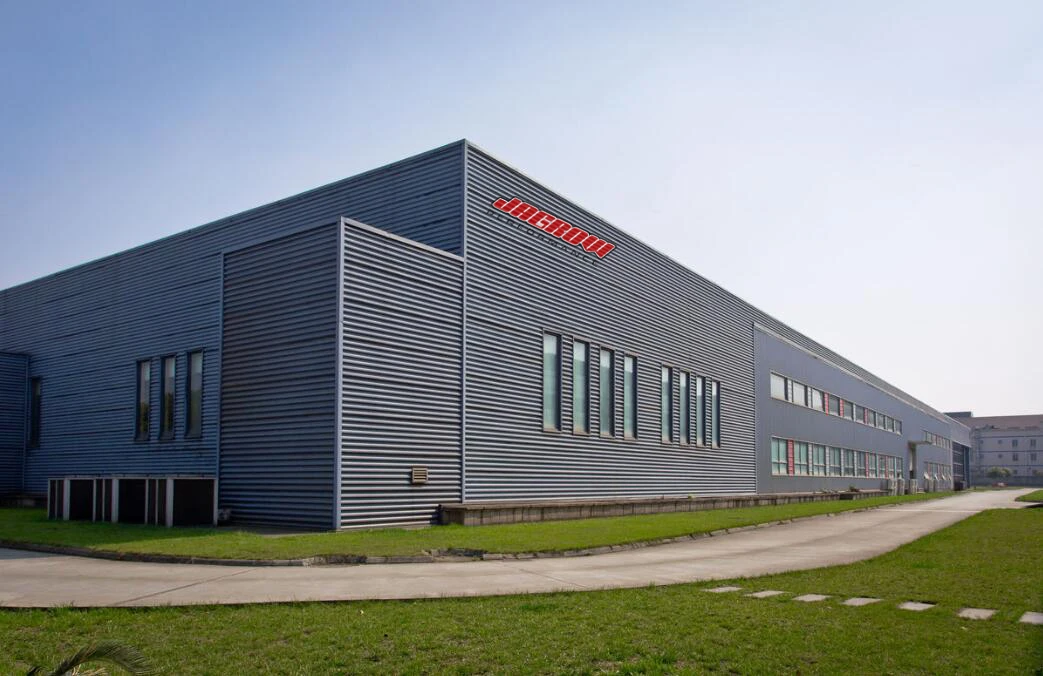
Anhui Jagrow Auto Parts Co., Ltd.
- Manufacturer, Trading Company
- Anhui, China
- Lead time45 days
- Avg. response≤ 3h
Main productsExhaust Manifold,Exhaust Downpipe,Exhaust Catback,Carbon Fiber Products,Air Intake System
Main marketsNorth America(47.00%), Northern Europe(5.00%), Central America(5.00%), Western Europe(5.00%), Domestic Market(5.00%), Mid East(5.00%), South Asia(5.00%), Southern Europe(5.00%), Southeast Asia(5.00%), Eastern Europe(5.00%), South America(5.00%), Eastern Asia(1.00%), Oceania(1.00%), Africa(1.00%)
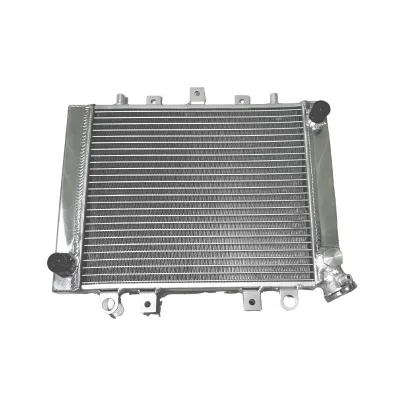
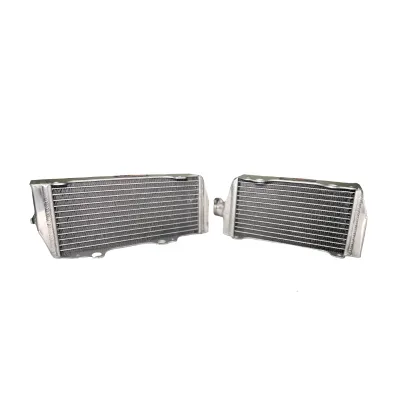
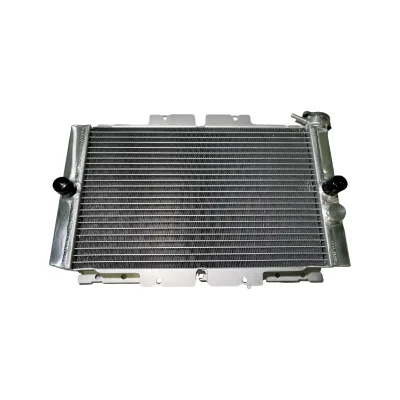
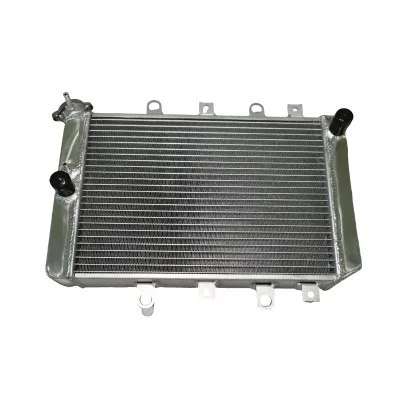
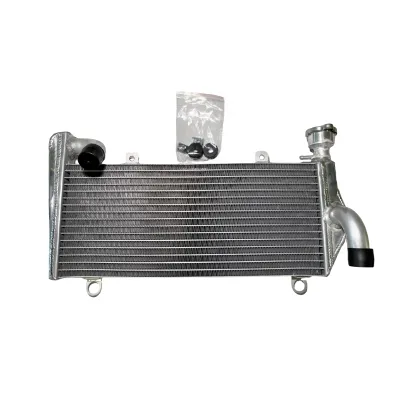
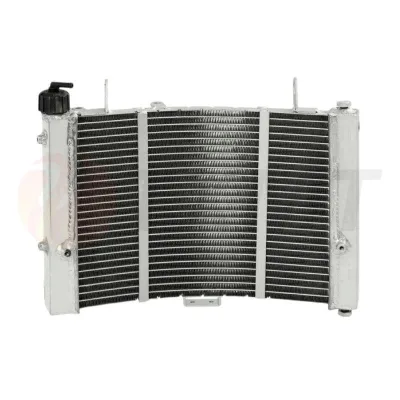
Aluminum Motorcycle Radiator for Ducati Panigale 899 1199
$29.00 - $36.00
Jinan Besttouch International Trade Co., Ltd.
- Trading Company
- Shandong, China
- Lead time30 days
- Avg. response≤ 4h
Main productsAuto Radiator,Truck Radiator,Electric Car,Gas Engine,Silicone Hose
Main marketsNorth America(60.00%), Oceania(10.00%), Western Europe(10.00%), South America(10.00%), Africa(5.00%), Mid East(5.00%)
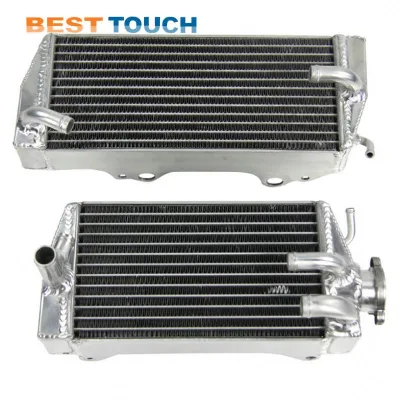
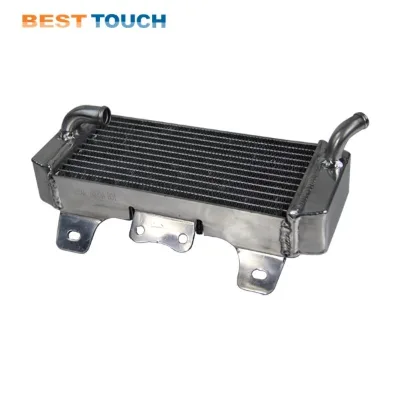
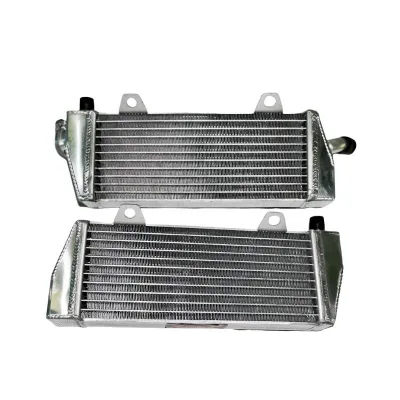
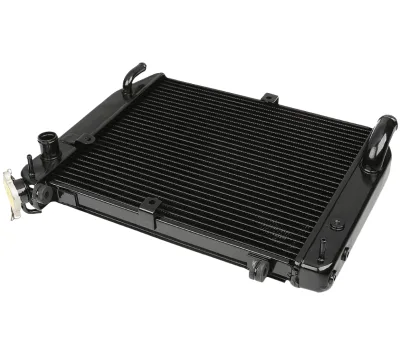
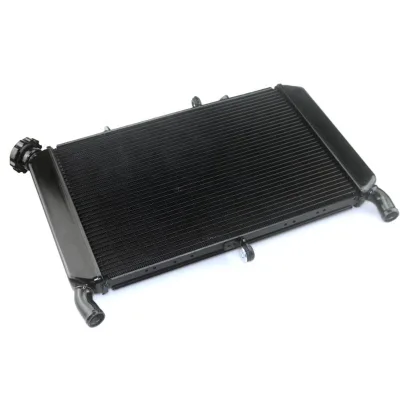
Radiator for YAMAHA V-MAX/VMAX VMX1200 VMX12 1985-2007 Motorcycle Radiator
$51.50 - $55.30
MOQ: 30 pieces
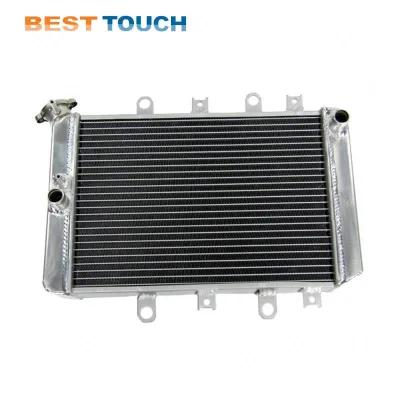
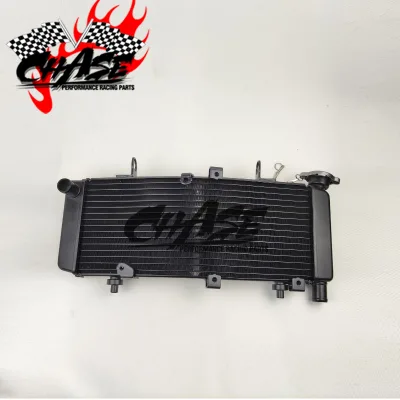
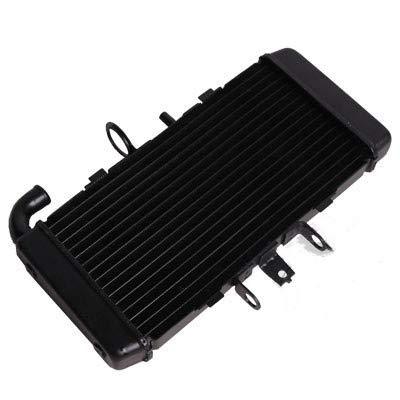
Performance Aluminum Radiator CB600 HORNET CBF600 Custom Racing Aluminum Radiator for Honda
$50.00 - $59.30
MOQ: 10 pieces
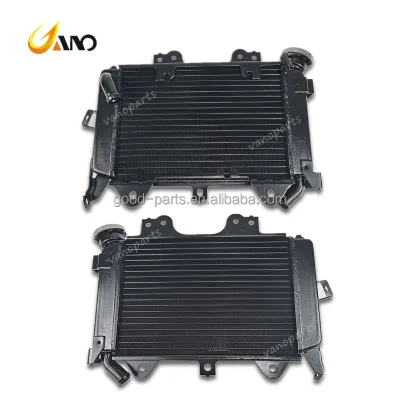
Fuzhou Vano Imp.& Exp. Co., Ltd.
- Trading Company
- Lead time旺季: "1 - 1000":90,"> 1000":"To be negotiated", 淡季: "1 - 1000":90,"> 1000":"To be negotiated"
- Avg. response≤ 2h
Main productsATV carburetor,motorcycle regulator,motorcycle plastic parts,motorcycle shock Absorber,motorcycle brake shoe

Yizheng Aoxing Auto Parts Co., Ltd.
- Combined
- China Jiangsu
- Lead time30 days
- Avg. response≤ 5h
Main productsAuto Radiator, Auto Parts, Engine Parts, Intercooler, Air Cooler, Heat Exchanger, Oiler, Water-Cooling Plate, Cooling Fan, Tank
Main marketsDomestic,Europe,North America
Huangshan Benma Group Co., Ltd.
- Manufacturer, Trading Company
- Lead time旺季: "1 - 10000":35,"> 10000":"To be negotiated", 淡季: "1 - 10000":35,"> 10000":"To be negotiated"
- Avg. response≤ 6h
Main productsMotorcycle Brake Pad, Motorcycle Clutch Shoes, Motorcycle Clutch Assembly, Motorcycle Clutch Disc
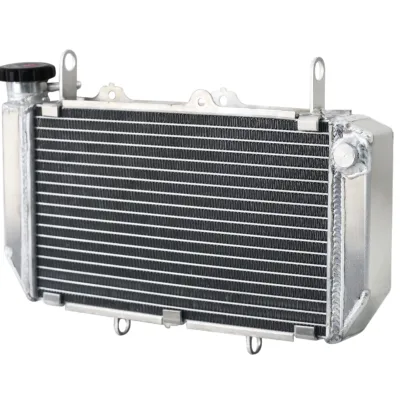
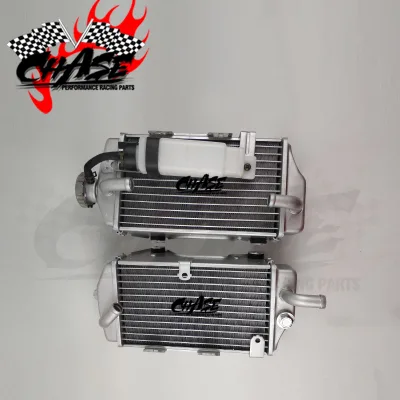
High Performance 2 Row Aluminum ATV Radiator Fits for YFZ450r 2009-2013 YFZ450X 2010-2011
$26.8263 - $40.2379
MOQ: 100 pieces
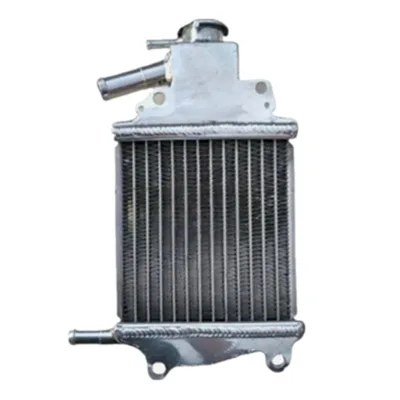
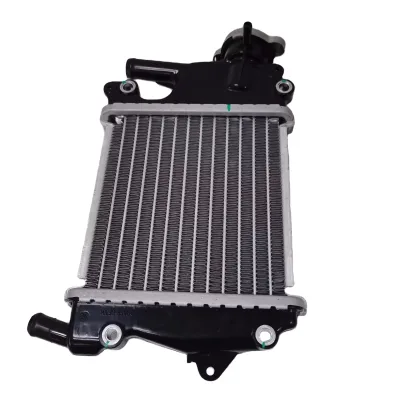
High Performance Aluminum Cooler Thermostat Racing Radiator for Vario150 125 PCX125 PCX150 ADV150
$19.6709 - $25.8823
MOQ: 100 pieces
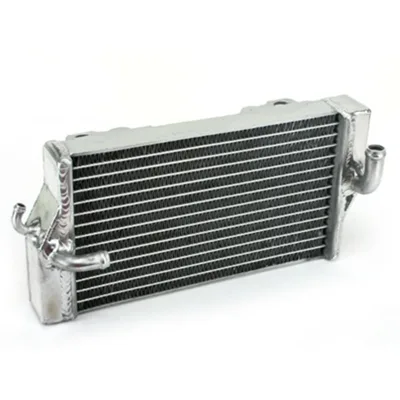
$43.574 - $61.2103
MOQ: 100 pieces

Wuxi TECFREE International Trade Co., Ltd.
- Trading Company,Manufacturer/Factory
- China Jiangsu
- Lead time23 days
- Avg. response≤ 4h
Main productsHeat Exchanger, Radiator, Charge Air Cooler, Oil Cooler, Intercooler, Heat Exchange Fin, Heat Exchange Core, Forklift Radiator, Industrial Muffler
Main marketsNorth America,Southeast Asia,Western Europe


High Quality CNC Racing Aluminum Motorcycle Radiator for Car&Motorcycle
$50.00 - $300.00
MOQ: 10 Pieces
Anshan Zhongjda Industry Co., Ltd.
- Verified by TüVRheinland
- Manufacturer, Trading Company
- Lead time30 days
- Avg. response≤ 1h
Main productsAluminum Extruding Parts, Aluminium Fabricating Parts, Linear Bearing Parts, Linear Guide, Hand Tool And Accessories
Main marketsNorth America(40%), Western Europe(30%), Southeast Asia(10%)

Guangzhou Modudu Motorcycle Parts Co., Ltd.
- Distributor/Wholesaler
- Guangdong, China
- Lead time15 days
- Avg. response≤ 5h
Main productsMotorcycle accessories,Brake pads,Oil seals,Original spare parts for motorcycles,Rearview mirrors
Main marketsNorth America(25.00%), Mid East(15.00%), Western Europe(15.00%), Oceania(15.00%), Northern Europe(5.00%), Central America(5.00%), Eastern Europe(5.00%), Southeast Asia(3.00%), Domestic Market(2.00%), South Asia(2.00%), Southern Europe(2.00%), Eastern Asia(2.00%), Africa(2.00%), South America(2.00%)
Hangzhou Xisheng Electronic Technology Co., Ltd.
- Trading Company
- Zhejiang, China
- Lead time0 days
- Avg. response≤ 1h
Main productsMotorcycle Meters,Motorcycle Engine Parts,Motorcycle Mirrors,Motorcycle Exhaust Systems,Motorcycle Helmets
Main marketsSouth America(50.00%), Southeast Asia(10.00%), North America(10.00%), Western Europe(5.00%), Oceania(5.00%), Southern Europe(5.00%), Central America(5.00%), Mid East(3.00%), South Asia(2.00%), Domestic Market(1.00%), Eastern Asia(1.00%), Africa(1.00%), Northern Europe(1.00%), Eastern Europe(1.00%)

Shanghai Shenglin M&E Technology Co., Ltd.
- Verified by BV
- Trading Company,Manufacturer/Factory
- China Shanghai
- Lead time30 days
- Avg. response≤ 5h
Main productsDry Cooler, Immersion Cooling, Heat Exchanger, Condenser, Chiller, Rooftop Air Conditioner, Heat Pump, Ahu, Condensing Unit, Cold Room System
Main marketsSouth America,Eastern Europe,Mid East,North America,Southeast Asia,Eastern Asia,Oceania,Western Europe,Africa
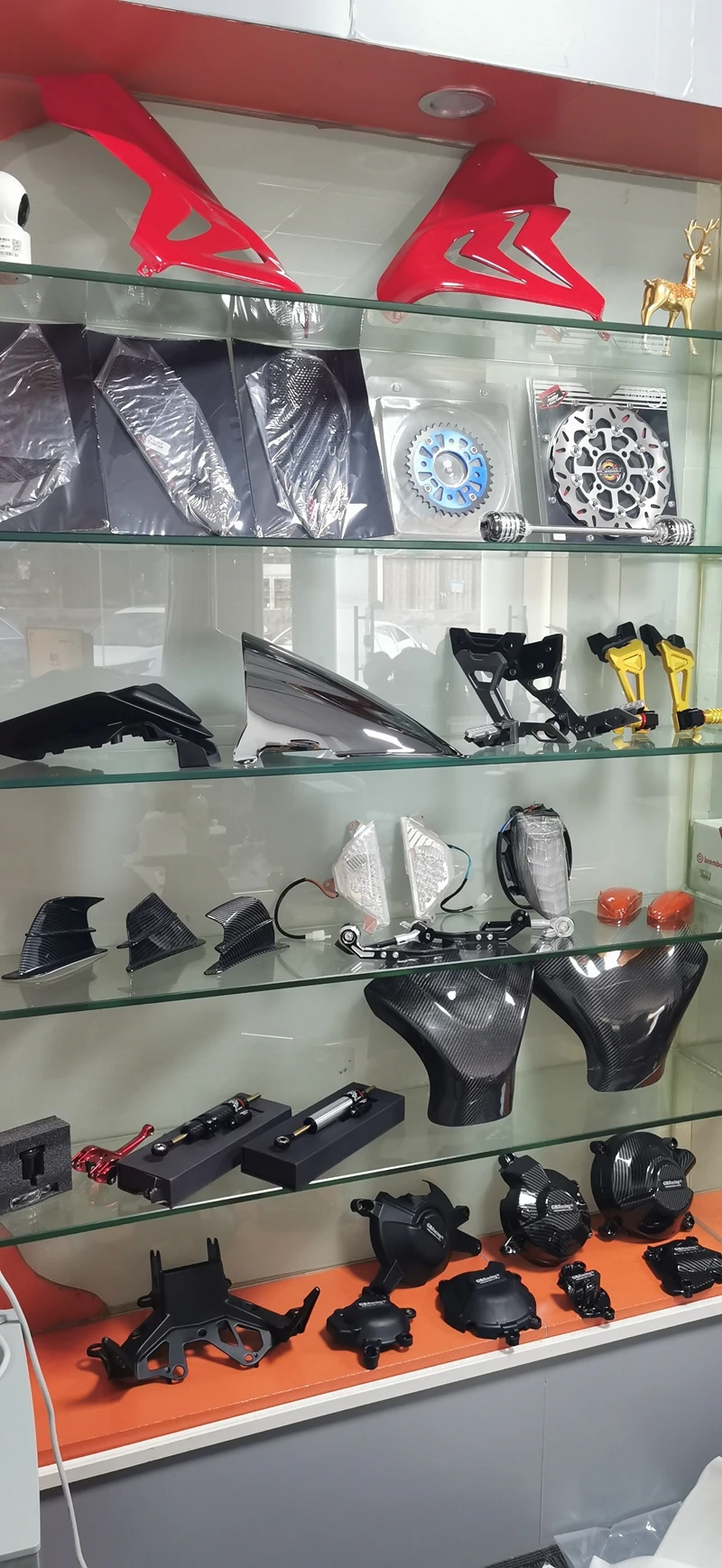
Guangzhou Jie Mozhi Trading Co., Ltd.
- Trading Company, Distributor/Wholesaler
- Guangdong, China
- Lead time7 days
- Avg. response≤ 5h
Main productsTail lights,Wheel Rims,ank Traction Pad,Foot rest,Lap timer
Main marketsSoutheast Asia(20.00%), Eastern Europe(20.00%), Southern Europe(20.00%), Western Europe(20.00%), Domestic Market(10.00%), Mid East(5.00%), South America(5.00%), North America(5.00%)




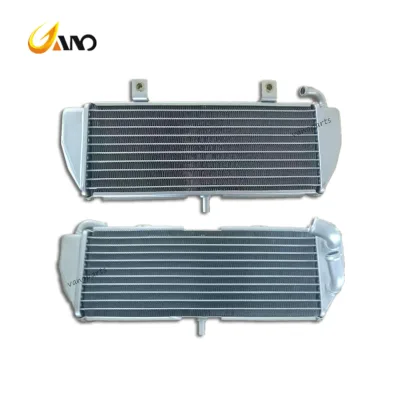


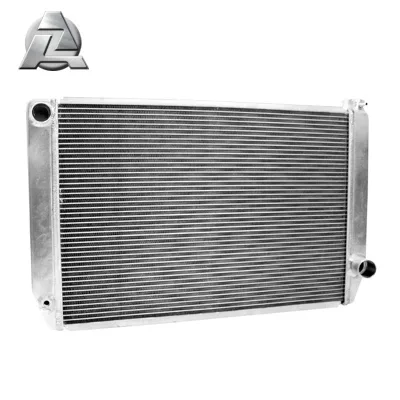
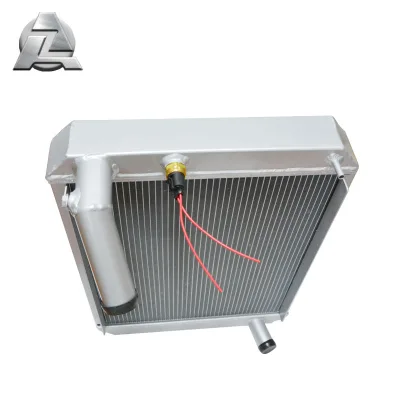
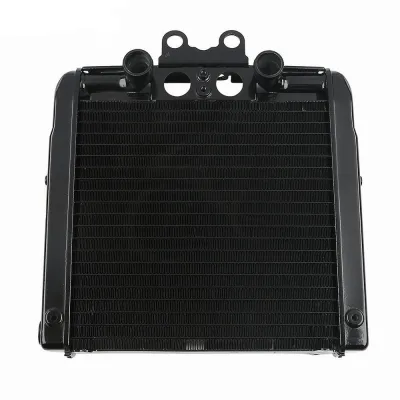


Comprehensive Sourcing Guide
Aluminum Brazed Moto Radiator Supplier Concentration and Factory Types
The current supplier landscape for aluminum brazed moto radiators reveals a distinct geographic concentration within China, specifically highlighting manufacturing hubs in Guangdong, Shandong, and Anhui provinces. These regions serve as primary clusters for automotive and motorcycle cooling system components, offering buyers access to established industrial ecosystems. Guangdong-based entities often present a combined operational model, integrating both manufacturing capabilities and trading functions to streamline the supply chain for complex parts like evaporator cores and compressor assemblies. This dual approach allows for greater flexibility in handling OEM orders while maintaining direct control over production quality. In contrast, suppliers located in Shandong frequently operate as specialized trading companies or factories focused on metal processing and aluminum profiles, leveraging local access to raw materials such as high-grade aluminum and ratio-frequency welded tubes. The presence of these regional clusters indicates that buyers can source directly from areas with deep expertise in aluminum brazing technologies, which are critical for ensuring the structural integrity and thermal efficiency of motorcycle radiators.
Factory types vary significantly across these regions, influencing the buyer’s ability to customize products and manage inventory. Many suppliers in the current results identify as combined entities or trading companies that also possess manufacturing facilities, allowing them to offer both OEM and ODM services. This is particularly evident in Anhui, where suppliers explicitly list capabilities for custom branding and performance parts, catering to the specific needs of motorcycle enthusiasts and aftermarket distributors. The distinction between pure trading companies and manufacturer-factory hybrids is crucial for assessing lead times and communication efficiency. Combined companies often provide a single point of contact for both engineering queries and logistics, whereas pure trading companies may rely on external factories, potentially adding layers of communication. Buyers should carefully review the company type listed in supplier profiles to determine if they require direct factory interaction for technical specifications or if a trading partner’s logistical support is sufficient for their order volume. Understanding this structural difference helps in predicting the responsiveness of the supplier and their ability to handle complex customization requests for aluminum brazed components.
How to Verify Aluminum Brazed Moto Radiator Suppliers
Verifying the legitimacy and capability of Aluminum Brazed Moto Radiator suppliers requires a multi-layered approach that goes beyond basic company registration checks. One of the most critical steps is to examine third-party verification badges, such as those provided by TÜV Rheinland or Bureau Veritas (BV), which indicate that an independent agency has audited the supplier’s business operations and facility. These verifications provide a baseline level of trust regarding the supplier’s existence and operational stability. Additionally, buyers should scrutinize the system certifications displayed, such as ISO9001:2015, ISO14001:2015, or TS 16949, which demonstrate adherence to international quality and environmental management standards. For motorcycle radiator manufacturers, the presence of ISO9001 is a strong indicator of consistent production processes, while TS 16949 suggests compliance with automotive industry-specific quality management requirements. It is essential to confirm that these certifications are current and relevant to the specific product category, as some suppliers may hold general certifications that do not fully cover the technical nuances of aluminum brazing or heat exchanger manufacturing.
Beyond certifications, buyers must validate the supplier’s response capabilities and product evidence to ensure they can meet specific technical demands. The response time metric, often displayed as a numerical value, offers insight into the supplier’s operational efficiency and customer service readiness. A lower response time generally correlates with a more active sales team capable of addressing urgent inquiries or technical questions promptly. Furthermore, examining the detailed product attributes, such as material composition (e.g., high-grade aluminum cores, plastic tanks), structure type (sealed or direct-flow), and specific model numbers, helps verify the supplier’s technical depth. Buyers should look for suppliers who provide comprehensive product data, including core sizes, tank dimensions, and packing methods, as this level of detail suggests a mature engineering team. It is also advisable to check for additional certifications like CE, RoHS, or CCC, which may be required for specific export markets. By cross-referencing verification badges, certification documents, response metrics, and detailed product specifications, buyers can build a robust profile of a supplier’s reliability and technical competence before initiating any commercial discussions.
What to Compare Across Aluminum Brazed Moto Radiator Suppliers
When evaluating multiple suppliers for aluminum brazed moto radiators, buyers must systematically compare key operational metrics to identify the most suitable partner for their specific needs. Lead time is a primary differentiator, with some suppliers offering turnaround times as short as 15 days, while others may require up to 45 days for production and delivery. This variance often reflects the supplier’s production capacity, inventory levels, and complexity of customization requests. Buyers should align their order planning with these lead times to avoid stockouts or delays in their own distribution channels. Similarly, the Minimum Order Quantity (MOQ) varies significantly, ranging from low thresholds of one unit for sampling or small batches to higher requirements of 10 or 20 units for standard production runs. Understanding these MOQs is crucial for cash flow management, especially for smaller distributors or those testing new product lines. Suppliers with lower MOQs may offer greater flexibility but could have higher per-unit costs, whereas those with higher MOQs might provide better economies of scale.
Price and customization capabilities are equally important factors in the comparison process. The price range for aluminum brazed radiators can vary based on material quality, core design, and order volume, with some products listed between $18 and $50 per unit. Buyers should request detailed quotations that break down costs for materials, labor, and packaging to ensure transparency. Additionally, the availability of customization services, such as OEM branding, specific core sizes, or unique tank configurations, should be assessed. Suppliers that explicitly state customization is available and provide detailed product attributes, such as specific model numbers and packing methods, are better positioned to meet unique buyer requirements. The supplier’s main product focus also provides insight into their expertise; those specializing in cooling systems, evaporators, and compressors may offer more specialized knowledge than general auto part traders. By comparing lead times, MOQs, pricing structures, and customization options, buyers can make informed decisions that balance cost, speed, and technical suitability for their Aluminum Brazed Moto Radiator sourcing needs.
Common Aluminum Brazed Moto Radiator Sourcing Risks
Sourcing aluminum brazed moto radiators from international suppliers introduces several risks that buyers must proactively manage to ensure product quality and supply chain stability. One significant risk is the potential mismatch between advertised specifications and actual product performance, particularly regarding thermal efficiency and durability. Aluminum brazing is a complex process that requires precise temperature control and material compatibility; any deviation can lead to leaks or reduced heat dissipation capabilities. Buyers should be cautious of suppliers who provide vague product descriptions or lack detailed technical data, such as core material grades or brazing techniques. Another risk is the variability in quality control standards across different factories. While some suppliers display robust certifications like ISO9001, others may not have rigorous internal testing protocols. This inconsistency can result in batches of radiators that fail to meet performance expectations, leading to customer complaints and returns. To mitigate this, buyers should request sample units for independent testing and verify the supplier’s quality assurance processes before placing large orders.
Logistical and communication risks also pose challenges in international sourcing. Differences in time zones and language barriers can lead to misunderstandings regarding technical specifications, packaging requirements, or shipping instructions. Suppliers with slower response times may struggle to address urgent issues or provide timely updates on production status. Additionally, the risk of intellectual property infringement exists when working with suppliers who offer OEM services, particularly if proprietary designs or branding are involved. Buyers must ensure that clear confidentiality agreements are in place and that the supplier has a track record of respecting intellectual property rights. Furthermore, reliance on a single supplier for critical components can create supply chain vulnerabilities. If a supplier faces production delays or quality issues, it can disrupt the buyer’s entire inventory. Diversifying the supplier base and maintaining open communication channels can help mitigate these risks. By identifying and addressing these potential pitfalls early in the sourcing process, buyers can establish a more resilient and reliable supply chain for aluminum brazed moto radiators.
Aluminum Brazed Moto Radiator Regional Sourcing and Logistics
The geographic location of suppliers significantly impacts logistics costs, lead times, and overall supply chain efficiency for aluminum brazed moto radiators. Suppliers located in Guangdong, Shandong, and Anhui provinces in China benefit from established industrial clusters and proximity to major shipping ports, which can facilitate faster and more cost-effective export processes. Guangdong, in particular, is known for its advanced manufacturing infrastructure and comprehensive supply chain networks, making it a hub for complex automotive and motorcycle parts. Buyers sourcing from this region may experience shorter transit times to international destinations due to the high volume of freight services available. However, it is essential to consider the specific logistics requirements of each supplier, as some may use different packaging methods, such as polywood crates or neutral packing, which can affect shipping volume and protection during transit. Understanding these logistical nuances helps buyers optimize their freight strategies and minimize potential damage to delicate aluminum components.
Shipping and customs procedures also vary based on the supplier’s location and the nature of the products. Aluminum brazed radiators are often classified under specific harmonized system codes, and buyers must ensure that their suppliers provide accurate documentation to facilitate smooth customs clearance. The supplier’s experience with international shipping can influence the reliability of delivery schedules and the handling of any regulatory requirements. For instance, suppliers in Shandong may have specialized expertise in metal products, which could translate to more efficient handling of heavy or bulky items. Buyers should also consider the environmental impact of their sourcing decisions, as some suppliers may adhere to stricter environmental standards, such as ISO14001, which can be a factor for eco-conscious buyers. Additionally, the choice of packaging, whether it be foam, plastic bags, or cartons, can affect the carbon footprint of the shipment. By evaluating the regional advantages and logistical capabilities of suppliers in different provinces, buyers can make informed decisions that balance cost, speed, and sustainability in their Aluminum Brazed Moto Radiator sourcing strategy.
Aluminum Brazed Moto Radiator Commercial Terms and Order Planning
Effective commercial terms and strategic order planning are essential for successful procurement of aluminum brazed moto radiators, ensuring that buyers can manage costs and inventory efficiently. Payment terms, such as the availability of escrow services or letter of credit options, provide financial security and protect buyers from fraud or non-delivery. Buyers should prioritize suppliers who offer secure payment methods and clear refund policies, especially when placing initial orders or working with new partners. The price range of $18 to $50 per unit, as observed in some listings, indicates that costs can vary based on order volume and customization levels. Buyers should negotiate volume discounts and clarify any additional fees for tooling, sampling, or expedited shipping to avoid unexpected expenses. Understanding the total landed cost, including freight, insurance, and duties, is crucial for accurate profit margin calculations and competitive pricing in the end market.
Order planning should also account for the supplier’s production capacity and lead times to maintain a steady supply of inventory. Suppliers with lead times ranging from 15 to 45 days require careful scheduling to prevent stockouts, particularly for high-demand models. Buyers should establish a reorder point based on sales velocity and supplier lead times to ensure continuous availability. Additionally, the supplier’s ability to handle OEM orders and provide custom branding services can enhance market differentiation. Buyers should communicate their branding requirements clearly and confirm the supplier’s capability to meet these specifications within the agreed timeline. Regular communication and performance reviews can help identify any issues early and foster a collaborative relationship. By aligning commercial terms with strategic order planning, buyers can optimize their supply chain, reduce risks, and
FAQs
What certifications do aluminum brazed radiators have?
Suppliers offer CE, ISO, and RoHS certifications for their aluminum brazed radiators. Some listings also display ISO9001:2015 and ISO14001:2015 system certificates. These standards ensure quality management and environmental compliance. Buyers should verify specific product certificates before ordering to confirm they meet regional regulatory requirements.
What is the minimum order quantity for these parts?
Minimum order quantities vary by supplier and product type. Some manufacturers accept orders as low as one unit for testing purposes. Others require a minimum of ten or twenty pieces per model. Buyers should check the specific MOQ listed for each radiator model to plan their initial procurement volume effectively.
How long does production take for these radiators?
Lead times typically range from fifteen to forty-five days depending on the supplier location and order size. Suppliers in Shandong often report faster turnaround times around fifteen days. Others in Guangdong or Anhui may require up to thirty or forty-five days. Buyers should confirm exact lead times with the supplier before placing orders.
What is the price range for aluminum radiators?
Prices for aluminum brazed radiators generally range from eighteen to fifty dollars per unit. Specific models like racing cooling systems may cost between twenty-nine and thirty-six dollars. Prices depend on the radiator type, core size, and customization options. Buyers should request detailed quotes to understand the final cost including shipping and taxes.
Are customization options available for these radiators?
Yes, customization is available for many aluminum brazed radiator models. Suppliers offer custom packaging, branding, and specific core dimensions. Some manufacturers support OEM and ODM services for performance parts. Buyers should provide detailed specifications to ensure the customized radiator meets their vehicle or equipment requirements.
Where are these radiators manufactured?
These radiators are manufactured in China, specifically in provinces like Guangdong, Shandong, and Anhui. Guangdong suppliers often focus on automotive air conditioning and cooling systems. Shandong manufacturers specialize in aluminum profiles and brazed welding techniques. Anhui suppliers provide performance parts and motorcycle cooling systems. Buyers can filter suppliers by location to reduce shipping costs.