Aluminum Foil Thermal Lunch Box Suppliers and Manufacturers
Compare 23 verified suppliers offering aluminum foil thermal lunch boxes with varying lead times, certifications, and locations. Review response times and MOQs to select the right partner for your bulk food container needs; review the available evidence before requesting comparable quotations from suitable candidates.
Updated
Suppliers List

Changsha Cutoutil Hardware Tools Co., Ltd.
- Trading Company
- China Hunan
- Lead time15 days
- Avg. response≤ 9h
Main productsCarbide Insert, Carbide End Mills, Carbide Burr, Carbide Drill, CNC Turning Tools, CNC Milling Tools and U Drills, CNC Toolholder, Measuring Tools, Machine Accessories, Spare Parts
Main marketsSouth America,Eastern Europe,Mid East,North America,Southeast Asia,Western Europe,Africa

Chongqing Naibowan International Import and Export Trading Co., Ltd.
- Verified by CTI
- Trading Company
- China Chongqing
- Lead time30 days
- Avg. response≤ 9h
Main productsAluminium Foil Food Container, Food Container, Faluminium Container, Aluminium Foil Tray
Main marketsDomestic,North America


High-Quality Rectangular Aluminum Foil Thermal Lunch Box Food Container for Men
$0.04
MOQ: 100000 Pieces


Hot Selling Circular and Other Shapes Aluminum Foil Snack Lunch Food Container Box
$0.04
MOQ: 100000 Pieces


- Verified by TUVRHEINLAND
- Trading Company,Manufacturer/Factory
- China Guangdong
- Lead time45 days
- Avg. response≤ 4h
Main productsStainless Steel Cookware, Stainless Steel Untensil, Stainless Steel Kitchenware, Stainless Steel Colander Bowl, Stainless Steel G. N Pan, Stainless Steel Pressure Cooker, Stainless Steel Buckets, Stainless Steel Dishes Rack, Stainless Steel Chafing Dishes, Stainless Steel Fittings
Main marketsSouth America,Eastern Europe,Mid East,North America,Southeast Asia,Eastern Asia,Oceania,Western Europe,Africa


Stainless Steel Vacuum Insulated Thermal Bento Lunchbox for Office School Camping Picnic
$2.50 - $10.00
MOQ: 200 Pieces

Three Layers Middle Capactiy Stainless Steel Thermal Insulation Lunch Box Food Container
$2.50 - $10.00
MOQ: 200 Pieces

Stackable Bento Lunch Box Leakproof Food Storage Container Thermal Insulated Lunch Container
$9.16 - $15.38
MOQ: 100 Sets


Shanghai Silver Engineer Industry Co., Ltd.
- Verified by BV
- Trading Company
- China Shanghai
- Lead time30 days
- Avg. response≤ 2h
Main productsAluminum Foil Container Making Machine, Aluminium Foil Container Machine, Aluminum Foil Container, Aluminum Foil Container Lid, Aluminium Foil Machine, Aluminum Foil Packaging Machine, Aluminum Foil Container Mould, Aluminum Foil Rewinder, Aluminium Foil Pan, Envase De Aluminio
Main marketsSouth America,Africa,Southeast Asia/ Mideast,East Asia(Japan/ South Korea),Domestic,Europe,Australia,North America

Disposable Aluminum Foil Lunch Box/Full-Size Deep Steam Aluminum Foil Lunch Box
$8.00 - $100.00
MOQ: 1 Boxes


$0.01 - $0.08
MOQ: 10000 Pieces

$0.01 - $0.48
MOQ: 10000 Pieces
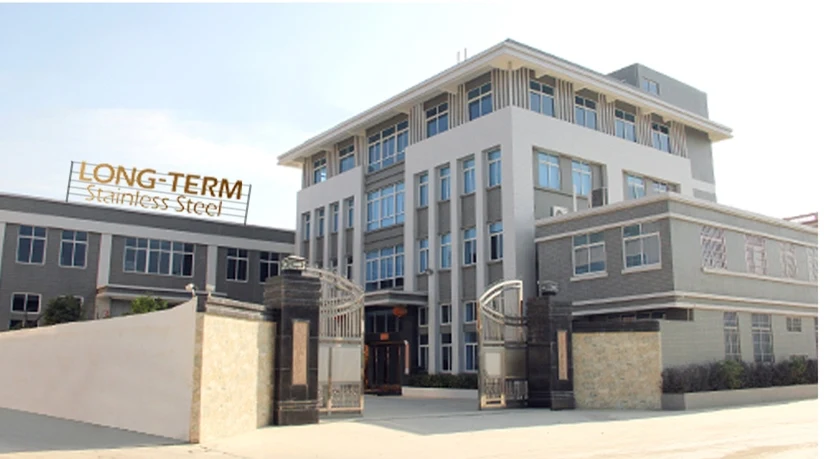
Chaozhou Chaoan Long-Term Stainless Steel Products Co., Ltd.
- Manufacturer, Trading Company
- Guangdong, China
- Lead time30 days
- Avg. response≤ 21h
Main productsStainless Steel Water Kettles, Coffee Pots, Milk Pots, Cookware
Main marketsMid East(60.00%), Mid East(60.00%), North America(20.00%), North America(20.00%), Eastern Europe(15.00%), Eastern Europe(15.00%), Oceania(3.00%), Oceania(3.00%), Southeast Asia(2.00%), Southeast Asia(2.00%), South Asia(0.00%), Eastern Asia(0.00%), South America(0.00%), Western Europe(0.00%), Southern Europe(0.00%), Central America(0.00%), Northern Europe(0.00%), Africa(0.00%), Domestic Market(0.00%), South Asia(0.00%), Eastern Asia(0.00%), South America(0.00%), Western Europe(0.00%), Southern Europe(0.00%), Central America(0.00%), Northern Europe(0.00%), Africa(0.00%), Domestic Market(0.00%)
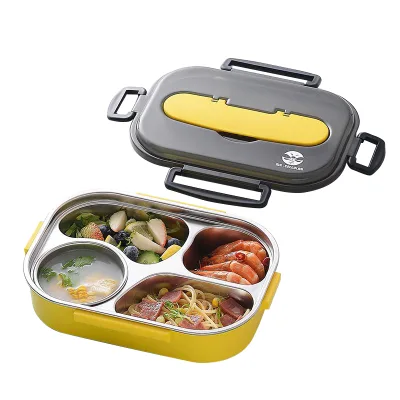
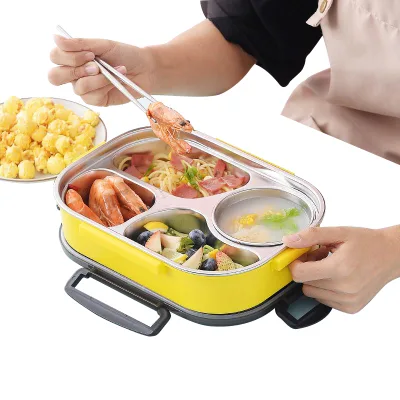
Thermal Lunch Box for Food Grade Hot Sale School Food Tray Thermal Lunch Box
$2.80 - $3.50
MOQ: 1 pieces
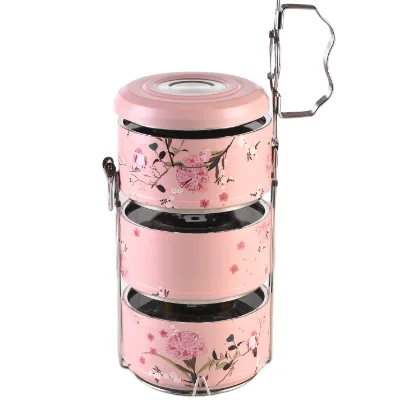
Custom Printed Thermal Lunch Box of Tiffin Box for Kids with Colorful Lunch Box
$9.2543 - $11.3636
MOQ: 1 pieces
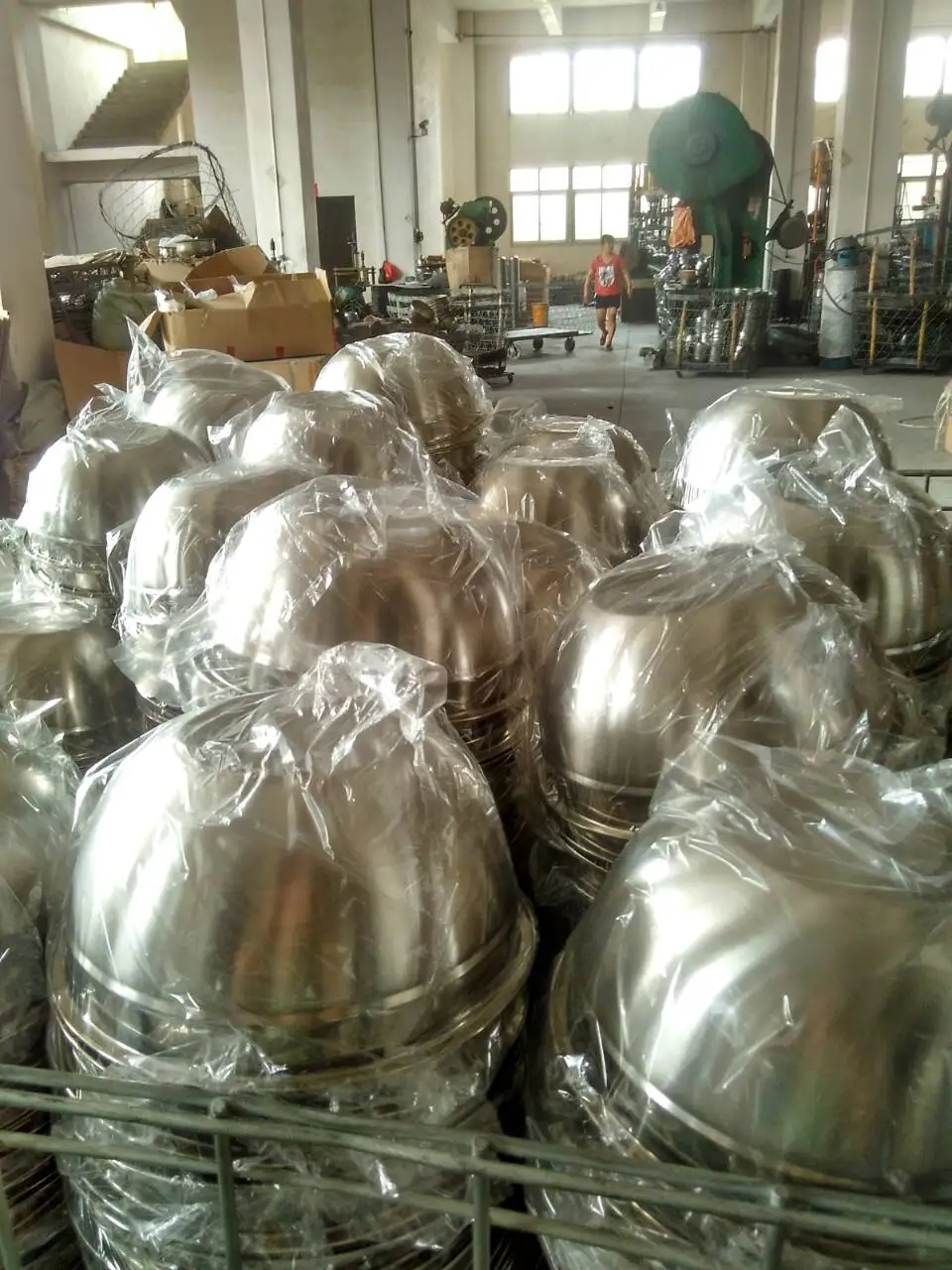
Chaozhou Chaoan Caitang Happy Cooking Hardware Factory
- Manufacturer, Trading Company
- Guangdong Province, China
- Lead time45 days
- Avg. response≤ 6h
Main productsCookware Set,Lunch Box,Kettle,Hotel Supplies,Bowl
Main marketsDomestic Market(100.00%), South Asia(100.00%), Eastern Europe(100.00%), Southern Europe(100.00%), Northern Europe(100.00%), Central America(100.00%), Eastern Asia(100.00%), Mid East(100.00%), Oceania(100.00%), Western Europe(30.00%), Southeast Asia(20.00%), North America(20.00%), South America(20.00%), Africa(10.00%)
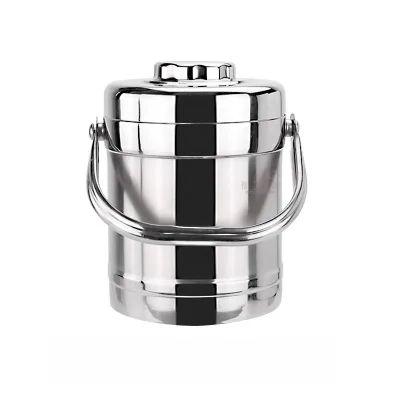
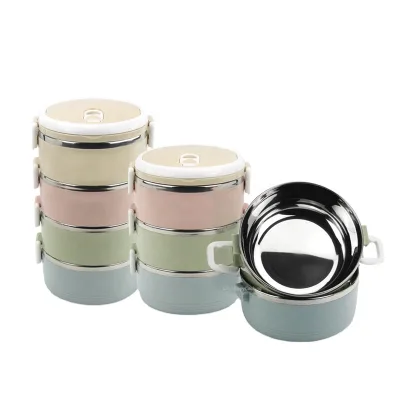
Food Container New Style Thermal Insulation Keep Hot 12 Hours Thermos Lunch Box Insulated Lunch Box
$3.47 - $3.53
MOQ: 24 pieces
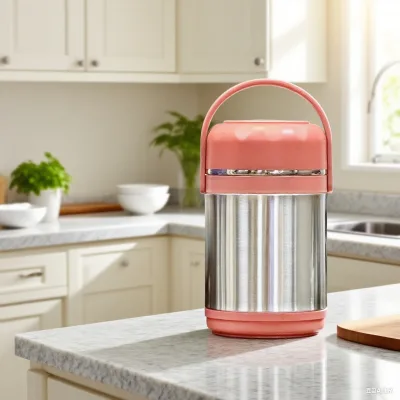
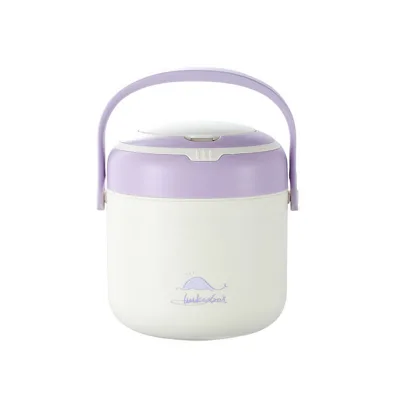

Jieyang Rongcheng District Yijiahao Tableware Factory
- Verified by SGS
- Trading Company
- China Guangdong
- Lead time23 days
- Avg. response≤ 1h
Main productsStainless Steel Tableware, Flatware, Cutlery, Mugs, Lunch Box, Kitchenware, Shaver, Heater, Electric Fan, Spoon
Main marketsEast Asia(Japan/ South Korea),Domestic

Shanghai Jingyao Industrial Co., Ltd.
- Verified by BV
- Manufacturer/Factory
- China Shanghai
- Lead time15 days
- Avg. response≤ 4h
Main productsFood Truck/Cart/Car/Trailer/Van/Caravan/Trolley, Bakery Equipment, Bakery Oven Machine, Rotary Oven, Ice Flake Machine, Ice Cube Machine, Ice Block Machine, Ice Tube Machine, Ice Evaporator, Ice Machine
Main marketsSouth America,Eastern Europe,Mid East,North America,Southeast Asia,Eastern Asia,Oceania,Western Europe,Africa


$60.00 - $100.00
MOQ: 10 Pieces


Zhejiang Qualflask Industry and Trade Co., Ltd.
- Verified by BV
- Combined
- China Zhejiang
- Lead time30 days
- Avg. response≤ 1h
Main productsTumbler, Vacuum Flask, Stainless Steel Lunch Box, Stainless Steel Water Bottle, Vacuum Water Bottle, Water Bottle, Mug, Insulated Water Bottle, Sport Water Bottle, Stainless Steel Jug
Main marketsDomestic


Stainless Steel Thermal Lunch Box with Spoon 400ml Double Layer Vacuum Food Jar
$3.90 - $4.50
MOQ: 500 Pieces
Taizhou Gaotai Plastic Co., Ltd.
- Manufacturer
- Zhejiang, China
- Lead time30 days
- Avg. response≤ 9h
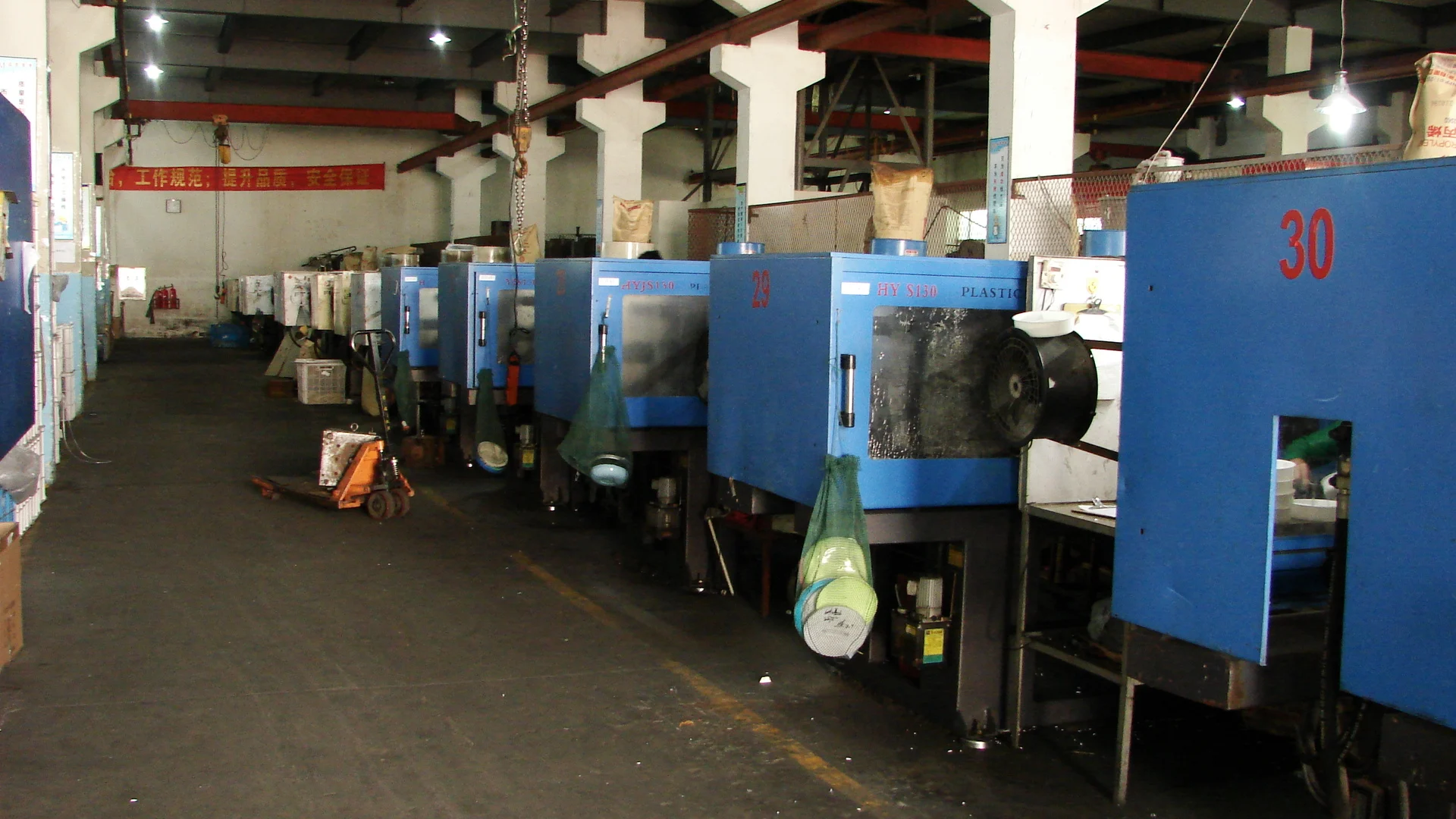
Main productsVacuum Flask,Coffee Pot,Food Container,Air Pot,Lunch Box
Main marketsAfrica(25.00%), Mid East(20.00%), Northern Europe(15.00%), South America(10.00%), North America(10.00%), Eastern Europe(10.00%), Domestic Market(5.00%), South Asia(5.00%)
Jilin Lewei Homewares Manufacturer Co., Ltd.
- Trading Company
- Jilin, China
- Lead time15 days
- Avg. response≤ 2h
Main productswater bottle,ceramic product,flowerpot,candle warmer,coffee cups
Main marketsNorth America(40.00%), Oceania(10.00%), Southeast Asia(10.00%), Northern Europe(10.00%), Western Europe(10.00%), Southern Europe(5.00%), Eastern Europe(5.00%), South America(5.00%), Eastern Asia(5.00%)
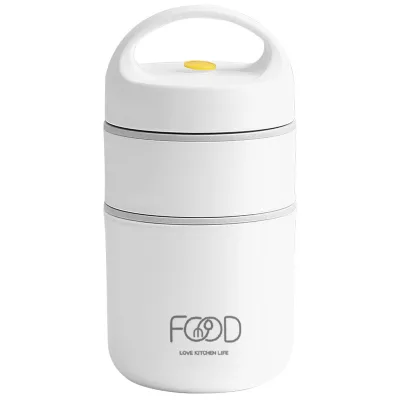
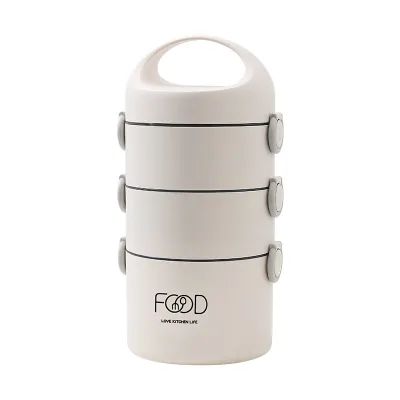
Microwave Multilayer Stackable Double Wall Thermal Lunch Boxes for Children.with Handle
$2.64 - $8.23
MOQ: 100 Minimum
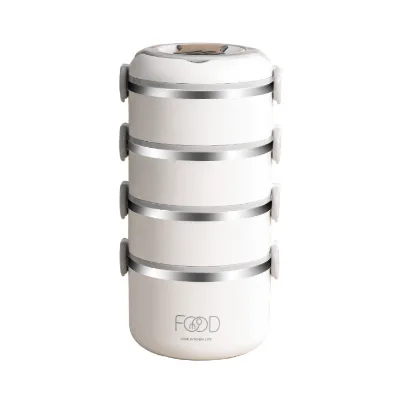
Thermal Lunch Box Multilayer Airtight Reusable Stackable Insulated Food Containers With Bags
$1.20 - $4.88
MOQ: 2 pieces

Chaozhou Nicety Technology Co., Ltd
- Verified by CTI
- Trading Company
- China Guangdong
- Lead time30 days
- Avg. response≤ 7h
Main productsLunch Box, Stainless Steel Lunch Box, Pet Product, Pet Bowl, Car Accessory, Bathroom Fitting
Main marketsSouth America,Southeast Asia/ Mideast,East Asia(Japan/ South Korea),Domestic,Europe,Australia,North America

Three Layers Round Plastic Stainless Steel Thermal Insulation Food Container Storage Lunch Box
$3.98 - $4.15
MOQ: 36 Pieces

Leakproof Hot Sale Stainless Steel Four Grid Customizable Steel-Plastic Lunch Box
$4.49 - $4.84
MOQ: 24 Pieces
Jieyang Rongcheng District Haoli Metal Products Factory
- Manufacturer, Trading Company
- Guangdong, China
- Lead time15 days
- Avg. response≤ 4h
Main productsCutlery,Water bottle,Lunch box,Kitchen gadgets,Cookware
Main marketsEastern Asia(20.00%), Mid East(20.00%), Africa(20.00%), North America(20.00%)
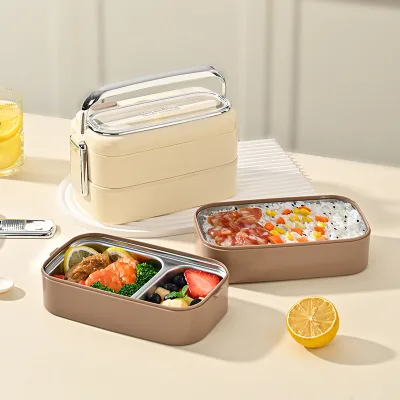
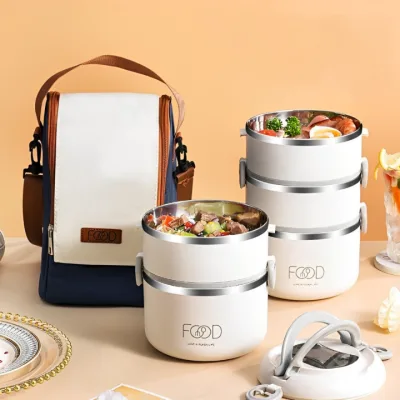
$1.9298 - $9.3889
MOQ: 2 Minimum
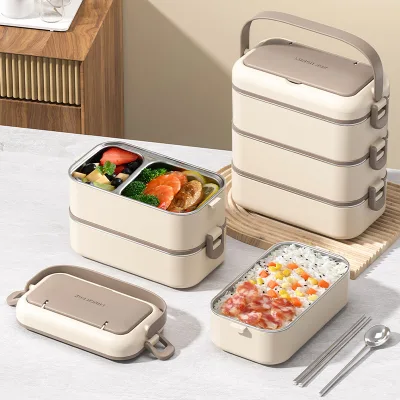
Chaozhou Chaoan Caitang Xinhui Hardware Factory
- Verified by SGS Group
- Manufacturer, Trading Company
- Lead time7 days
- Avg. response≤ 3h
Main productsThermos Cup, Cooking Pot Set, Lunch Box, Stainless Steel GN Pan, Chafing Dish
Main marketsNorth America(30%), Southeast Asia(30%), Western Europe(15%)
Chaozhou City Chaoan District Caitang Town Hongyuan Hardware Products Factory
- Verified by SGS Group
- Manufacturer, Trading Company
- Lead time6 days
- Avg. response≤ 3h
Main productsStainless Steel Plate, Stainless Steel Basin, Stainless Steel Pot, Stainless Steel Square Plate, Stainless Steel Bowl
Main marketsNorth America(25%), Southeast Asia(20%), Western Europe(20%)
Yiwu Hezhexin Trading Co., Ltd.
- Trading Company
- Zhejiang, China
- Lead time0 days
- Avg. response≤ 2h
Main productsKitchen Tools,Gardening Tools,Storage Container,Popular Drinkware,Household Appliances
Main marketsNorth America(20.00%), Southern Europe(10.00%), Northern Europe(10.00%), Africa(10.00%), Southeast Asia(10.00%), Eastern Europe(10.00%), Western Europe(10.00%), South Asia(5.00%), Mid East(5.00%), Oceania(5.00%), South America(5.00%)

Shanghai Karry Industrial Co., Ltd.
- Verified by BV
- Combined
- China Zhejiang
- Lead time30 days
- Avg. response≤ 6h
Main productsSports Bottle
Main marketsSoutheast Asia/ Mideast,Europe,North America

Thermos Hot Children School Travel Thermal Adult Office Custom Lunch Box with Lid
$2.88 - $3.98
MOQ: 500 Pieces

High Quality Warm Eco Friendly Promotional Wholesale New Thermal Insulated Lunch Box
$2.88 - $3.98
MOQ: 500 Pieces
Jieyang Rongcheng Yueqi Stainless Steel Products Factory
- Manufacturer, Trading Company
- Guangdong, China
- Lead time14 days
- Avg. response≤ 2h
Main productsStainless Steel Cutlery
Main marketsSouth Asia(100.00%), Eastern Asia(100.00%), Mid East(100.00%), Central America(100.00%), Africa(100.00%), South America(100.00%), Domestic Market(30.00%), Southeast Asia(30.00%), North America(25.00%), Oceania(5.00%), Eastern Europe(3.00%), Northern Europe(3.00%), Southern Europe(2.00%), Western Europe(2.00%)

Hangzhou Meituo Home Technology Co., Ltd.
- Manufacturer, Trading Company
- Zhejiang, China
- Lead time25 days
- Avg. response≤ 5h
Main productsStorage container,Storage box,PET PRODUCT,OUTDOOR PRODUCTS
Main marketsWestern Europe(20.00%), Southeast Asia(20.00%), Eastern Asia(20.00%), North America(20.00%), Mid East(10.00%), South America(10.00%)
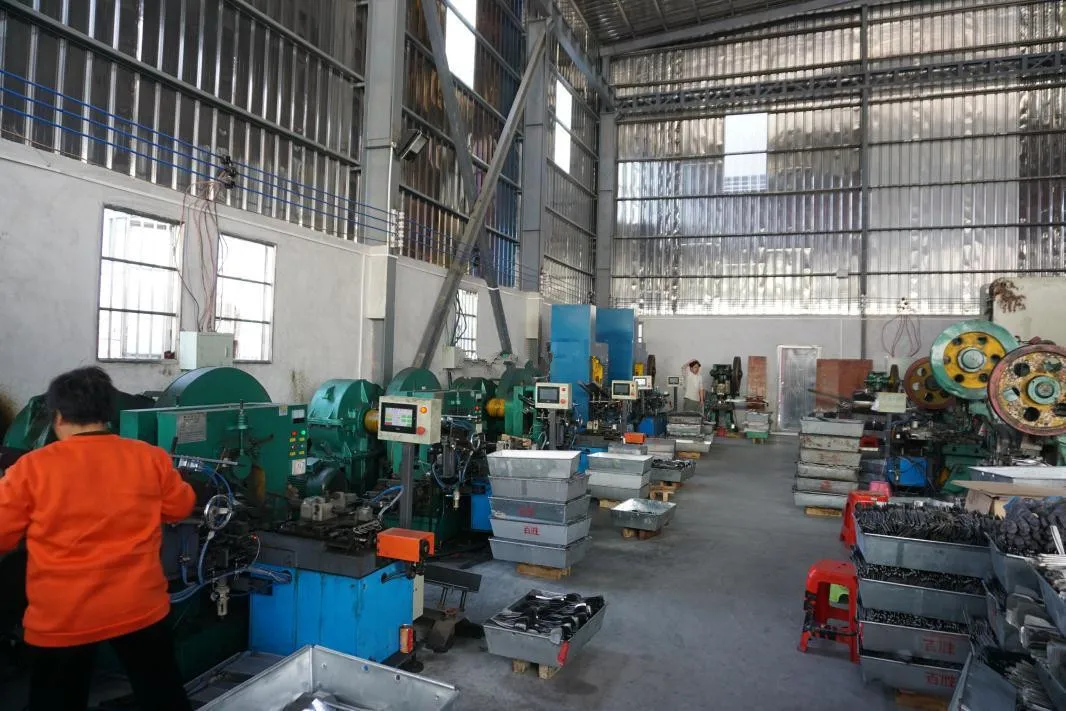
Jieyang Rongcheng District Fanlin Stainless Steel Products Factory
- Manufacturer
- Guangdong, China
- Lead time14 days
- Avg. response≤ 2h
Main productsStainless Steel Products,Hardware,Daily plastic products,Online trade agent,Stainless steel straw
Main marketsNorth America(30.00%), Eastern Europe(20.00%), South America(15.00%), Eastern Asia(5.00%), Mid East(5.00%), Southern Europe(3.00%), Northern Europe(3.00%), Central America(3.00%), Domestic Market(3.00%), Western Europe(3.00%), Southeast Asia(3.00%), Oceania(3.00%), Africa(2.00%), South Asia(2.00%)

Ningbo Bobwin Commodity Co., Ltd.
- Manufacturer
- Zhejiang, China
- Lead time45 days
- Avg. response≤ 7h
Main productsLunch Boxes,Kitchenware,Food Warmer Containers,Cooler Boxes,Water Bottle
Main marketsDomestic Market(100.00%), Central America(25.00%), Southeast Asia(20.00%), Eastern Europe(15.00%), Africa(10.00%), North America(9.00%), Mid East(5.00%), Western Europe(5.00%), South America(5.00%), Northern Europe(2.00%), South Asia(1.00%), Southern Europe(1.00%), Eastern Asia(1.00%), Oceania(1.00%)
- Trading Company
- Lead time旺季: "1 - 100":10,"101 - 1000":35,"> 1000":"To be negotiated", 淡季: "1 - 100":10,"101 - 1000":35,"> 1000":"To be negotiated"
- Avg. response≤ 4h
Main productsStorage Containers, Closet Storage, Laundry Storage, Office Storage, Storage Bags
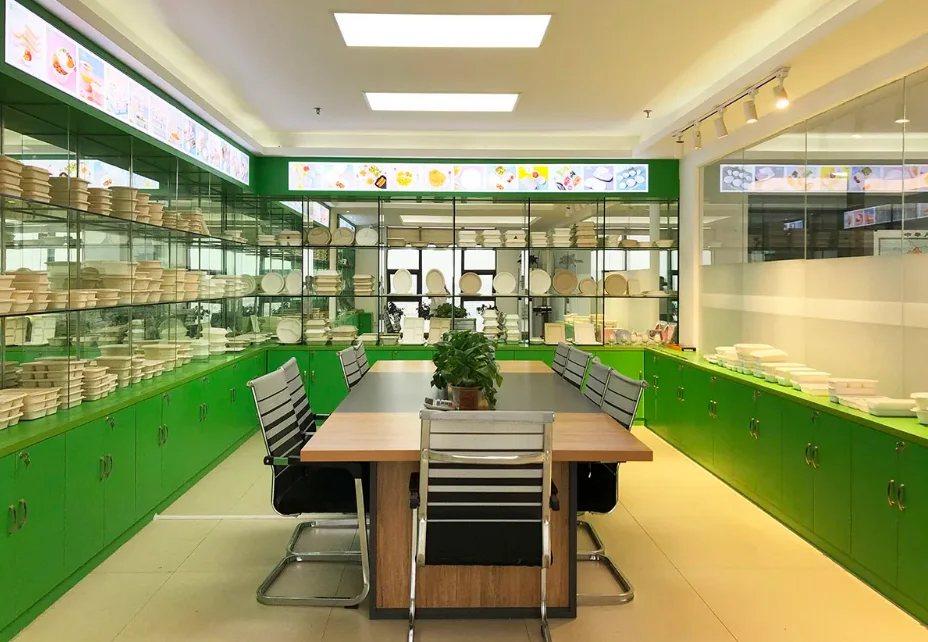
Shenzhen Aohua Packaging Products Co., Ltd.
- Trading Company
- Guangdong, China
- Lead time10 days
- Avg. response≤ 4h
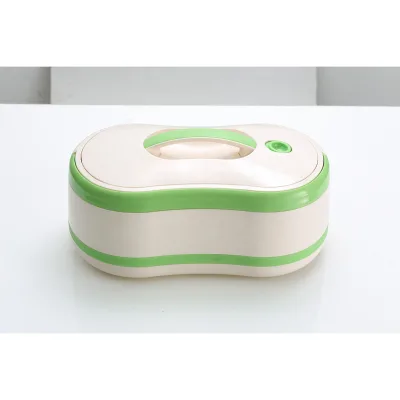
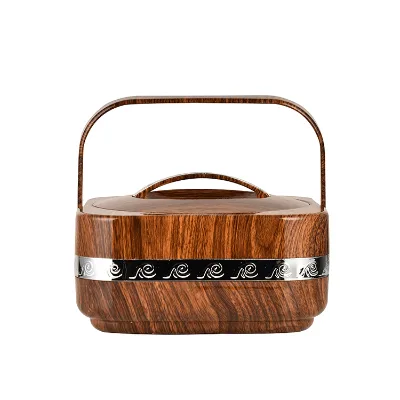
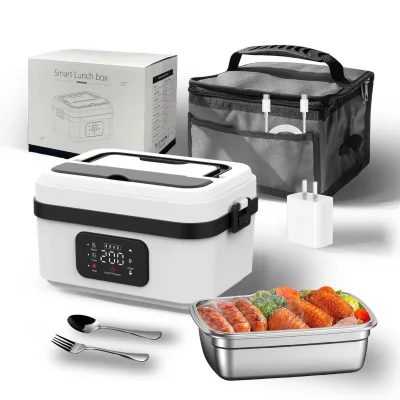
Main productsMultifunctional Lunch Box, PET/PP Lunch Box, Plastic Food Container, Silicone Lunch Box, Stainless Steel Lunch Box/Electric Lunch Box
Main marketsNorth America(30.00%), Western Europe(20.00%), Northern Europe(10.00%), Southeast Asia(10.00%), South Asia(5.00%), Oceania(5.00%), Southern Europe(5.00%), Mid East(5.00%), Eastern Asia(2.00%), South America(2.00%), Central America(2.00%), Africa(2.00%), Eastern Europe(2.00%)


Comprehensive Sourcing Guide
Aluminum Foil Thermal Lunch Box Supplier Concentration and Factory Types
Supplier concentration for aluminum foil thermal lunch boxes appears in specific Chinese regions, with Hunan and Chongqing identified as active sourcing hubs. Some suppliers in these areas operate as trading companies, while others combine trading functions with manufacturing capabilities. This mix means buyers must distinguish between pure intermediaries and entities with direct factory control. A trading company may offer a broader range of packaging and printing items, whereas a manufacturer often focuses on specific production lines for foil containers or stainless steel thermal units. The presence of OEM capacity indicates that some facilities can customize designs, but this does not guarantee they own the production machinery for every item listed.
When evaluating factory types, look for explicit statements regarding production ownership versus trading status. Some suppliers list main products that include both aluminum foil containers and unrelated items like carbide inserts or stainless steel cookware, suggesting a diversified trading portfolio rather than a specialized factory. Specialized manufacturers typically concentrate on food-grade packaging or thermal lunch boxes, whereas general trading companies might source from multiple factories to fulfill orders. Buyers should verify if the supplier's main products align with their specific needs, as a company listing diverse machinery parts alongside food containers may not have deep expertise in food safety standards for thermal packaging.
How to Verify Aluminum Foil Thermal Lunch Box Suppliers
Verification of suppliers requires checking for recognized third-party certifications and audit reports. Some suppliers display system certifications such as ISO 9001, ISO 14001, or OHSAS 18001, which indicate adherence to quality and environmental management standards. Others may hold specific product certifications like FDA, CE/EU, or CIQ, which are critical for food contact materials. It is essential to confirm that these certifications are current and applicable to the specific aluminum foil products being sourced, as general company certifications do not always cover individual product lines. Additionally, verification badges from agencies like CTI or TÜV Rheinland provide an extra layer of confidence regarding the supplier's operational integrity and product safety claims.
Response time and verification status are also key indicators of supplier reliability. A response time under ten hours suggests an active sales team capable of addressing inquiries promptly, which is vital for resolving technical questions about material thickness or thermal performance. Buyers should look for suppliers who have undergone third-party verification processes, as this often involves on-site audits of their facilities and quality control procedures. However, the absence of a specific verification badge does not automatically disqualify a supplier; it simply means the buyer must request additional documentation to confirm their claims. Always ask for proof of certification and recent audit reports before proceeding with any significant order to ensure the supplier meets your compliance requirements.
What to Compare Across Aluminum Foil Thermal Lunch Box Suppliers
Comparing suppliers requires a detailed analysis of lead times, minimum order quantities, and pricing structures. Lead times can vary significantly, with some suppliers offering delivery within 15 days while others require up to 45 days. This variation often depends on the complexity of the order, the availability of raw materials, and the supplier's current production capacity. Minimum order quantities (MOQ) also differ, ranging from small batches of 100 units to large industrial orders of 100,000 units. Buyers must align their order volume with the supplier's MOQ to avoid unnecessary costs or inventory issues. Pricing per unit can fluctuate based on order size, with some suppliers offering competitive rates for bulk purchases while others maintain fixed pricing regardless of volume.
Beyond logistics, comparing product attributes and customization options is crucial for finding the right fit. Some suppliers offer customizable designs, including specific shapes, sizes, and compartment layouts, while others provide standard stock items. Features such as heat retention capabilities, material thickness, and packaging standards (e.g., carton or plastic box) vary across different product lines. Buyers should also consider the supplier's main product focus; a company specializing in stainless steel cookware might offer different thermal solutions compared to one focused solely on disposable aluminum foil containers. Evaluating these factors helps ensure that the selected supplier can meet specific functional requirements and design preferences without compromising on quality or delivery schedules.
Common Aluminum Foil Thermal Lunch Box Sourcing Risks
One significant risk in sourcing aluminum foil thermal lunch boxes is the potential mismatch between product claims and actual material quality. Some suppliers list products with features like "heatable" or "thermal insulation," but the actual performance may vary depending on the aluminum grade and construction method. Without rigorous testing, buyers might receive containers that fail to maintain temperature or leak during transport. Additionally, the presence of multiple product categories, such as carbide tools alongside food containers, can indicate a lack of specialization, potentially leading to inconsistent quality control for food-grade items. Buyers must demand specific test reports for food safety and thermal performance to mitigate these risks.
Another risk involves the reliability of delivery timelines and the accuracy of product specifications. Suppliers may quote lead times that are optimistic, leading to delays that disrupt supply chains. Inconsistent packaging standards, such as varying box dimensions or lack of protective materials, can result in damaged goods upon arrival. Furthermore, the availability of customization services may be overstated, with some suppliers unable to deliver unique designs within the agreed timeframe. Buyers should verify the supplier's track record for on-time delivery and request samples to validate product specifications before committing to large orders. Clear communication regarding expectations and potential bottlenecks is essential to avoid costly misunderstandings and ensure a smooth procurement process.
Aluminum Foil Thermal Lunch Box Regional Sourcing and Logistics
Regional sourcing impacts logistics costs and delivery efficiency, with suppliers located in Hunan, Chongqing, and Guangdong offering distinct advantages. Suppliers in these regions benefit from established infrastructure and proximity to major ports, which can reduce shipping times and costs. However, the specific location of the factory influences the type of logistics partners available and the ease of coordinating shipments. Buyers should consider the distance between the supplier's location and their own distribution centers to optimize freight expenses. Additionally, regional differences in labor costs and material availability can affect the overall pricing and production capacity of the supplier.
Logistics planning must account for the specific packaging requirements of aluminum foil thermal lunch boxes. Some products are packed in cartons, while others use plastic boxes or specialized packaging to prevent damage during transit. The dimensions and weight of the packaging can significantly impact shipping costs, especially for large orders. Buyers should work closely with suppliers to determine the most efficient packing methods and shipping routes. It is also important to consider any regional trade regulations or import restrictions that might affect the movement of goods. By understanding the logistical landscape of the supplier's region, buyers can better manage their supply chain and ensure timely delivery of their orders.
Aluminum Foil Thermal Lunch Box Commercial Terms and Order Planning
Commercial terms and order planning are critical for managing costs and ensuring a successful procurement process. Buyers should negotiate clear payment terms, such as escrow services or letters of credit, to protect against non-delivery or quality issues. Understanding the supplier's pricing structure, including any volume discounts or hidden fees, is essential for accurate budgeting. Some suppliers may offer flexible payment options based on order size, while others require full payment upfront. Buyers must also consider the impact of currency fluctuations and exchange rates on the final cost of the order.
Order planning involves coordinating production schedules, quality checks, and delivery timelines to meet business needs. Buyers should establish a detailed timeline that includes sample approval, production start, quality inspection, and shipping. It is important to communicate any specific requirements, such as custom designs or special packaging, well in advance to avoid delays. Regular communication with the supplier throughout the production process helps ensure that the order stays on track and any issues are addressed promptly. By carefully planning the order and maintaining open lines of communication, buyers can minimize risks and ensure a smooth and efficient procurement experience.
FAQs
What is the price range for aluminum foil thermal lunch boxes?
Prices for aluminum foil thermal lunch boxes typically range from $0.04 to $0.15 per unit. The final cost depends on the specific model, customization options, and order volume. Buyers should verify current pricing with suppliers to ensure accurate budgeting for their specific requirements.
What is the minimum order quantity for these containers?
Minimum order quantities vary significantly by supplier and product type. Some suppliers require a minimum of 100 units, while others may demand 1,000 or even 100,000 units. Buyers must check the specific MOQ listed for each product to determine feasibility for their order size.
How long does delivery take for bulk orders?
Lead times for aluminum foil thermal lunch boxes generally range from 15 to 45 days. Some suppliers offer a 15-day delivery time for standard items, while others may require up to 30 or 45 days. Buyers should confirm the exact lead time with the supplier before placing an order.
Are these lunch boxes customizable for branding?
Yes, many suppliers offer customization services for aluminum foil thermal lunch boxes. Options include custom designs, logos, and specific dimensions. Buyers should verify if OEM services are available and discuss customization details directly with the supplier to ensure their branding requirements are met.
What certifications do these food containers hold?
Aluminum foil thermal lunch boxes often hold certifications such as FDA, CE/EU, and CIQ. These certifications ensure the containers meet food safety and quality standards. Buyers should request proof of certification from suppliers to verify compliance with their local regulations and safety requirements.
Where are these suppliers located?
Suppliers for aluminum foil thermal lunch boxes are primarily located in China, including regions like Hunan, Chongqing, and Guangdong. Buyers can filter suppliers by location to find manufacturers closer to their shipping ports or with specific regional expertise. Location impacts logistics costs and delivery times.