Analog Student Oscilloscope Suppliers and Manufacturers
Source 18 verified suppliers for Analog Student Oscilloscope units from Henan and Hunan, China. Compare key dimensions including response times, lead times, and pricing tiers to identify suitable partners. Review product specifications and request quotes directly to proceed with procurement.
Suppliers List
Henan Zhizao Teaching Instrument Co., Ltd.
- Trading Company
- Henan, China
- Lead time10 days
- Avg. response≤ 5h
Main productsteaching models,OMR machine,heating mantle,pigment,lab equipment
Main marketsCentral America(15.00%), North America(15.00%), Mid East(10.00%), Eastern Asia(9.00%), Southeast Asia(8.00%), South Asia(8.00%), South America(8.00%), Western Europe(8.00%), Africa(7.00%), Northern Europe(5.00%), Oceania(3.00%), Eastern Europe(2.00%), Southern Europe(2.00%)
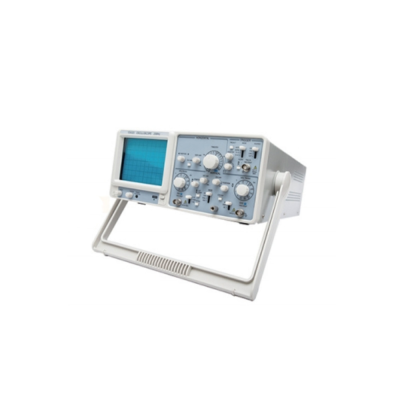
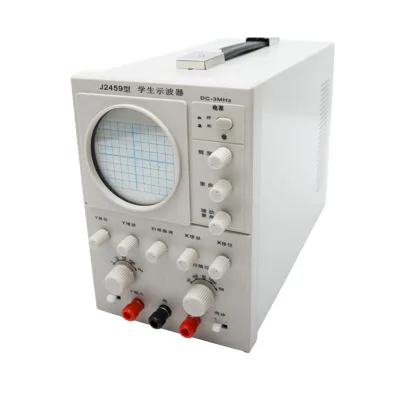
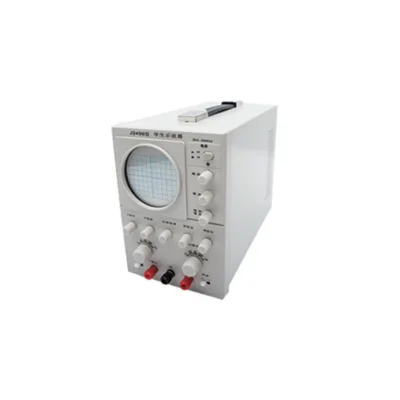
$101.99 - $203.97
MOQ: 1 Minimum

- Verified by TUVRHEINLAND
- Trading Company,Manufacturer/Factory
- China Hunan
- Lead time38 days
- Avg. response≤ 13h
Main productsMicrocope Centrifuge Water Bath Heating Mantel, Shaker Stirrer Incubator and Oven Freezer Aas, Autoclave &Sterilizer Water Distiller pH Meter, Spectrophotometer Viscometer Balance&Scale HPLC, Lab Glassware; Electrophoresis Suction Machine, ECG Thermometer Ultrasound Scanner, Operating Table Lamp Bed Wheel Chair, Infusion Oxygen Concentrator Cylinder, X-ray Machine Hematology Analyzer, Human Models Medical Disposable
Main marketsSouth America,Eastern Europe,Mid East,North America,Southeast Asia,Eastern Asia,Oceania,Western Europe,Africa
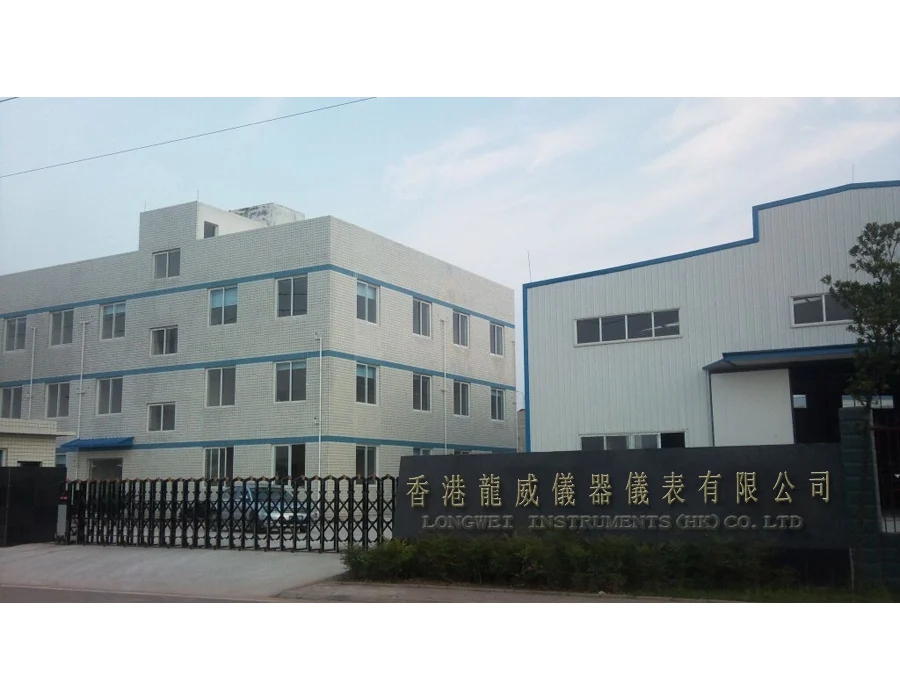
Dongguan Longwei Electronic Technology Co., Ltd.
- Manufacturer, Trading Company
- Gd, China
- Lead time10 days
- Avg. response≤ 6h
Main productsDc power supply,oscilloscope,switching power supply,function generator,digital power supply
Main marketsDomestic Market(30.00%), North America(10.00%), Northern Europe(10.00%), Western Europe(10.00%), Eastern Europe(10.00%), South America(10.00%), Southeast Asia(5.00%), Central America(3.00%), South Asia(3.00%), Eastern Asia(3.00%), Mid East(2.00%), Africa(2.00%), Southern Europe(2.00%)

SHENZHEN SCIEO ELECTRONICS CO., LTD.
- Verified by SGS
- Trading Company
- China Guangdong
- Lead time30 days
- Avg. response≤ 1h
Main productsPower Supply, Oscilloscope, Electronic Load, Multimeter, Signal Generators, Safety Regulation Tester, Hipot Tester, ESD Simulator, Thermal Imager, Power Meter
Main marketsDomestic,Europe

Educational Digital Storage Oscilloscope 50MHz 2 Channels for University and College Labs Testing
$327.00 - $537.00
MOQ: 3 Pieces

$2362.00 - $3730.00
MOQ: 1 Pieces

Factory Price Handheld Dual-Channel Oscilloscope 50MHz with Isolated Inputs for University Labs
$327.00 - $537.00
MOQ: 3 Pieces


Oscilloscope Handheld Shs800X with 70MHz 2CH with Multifunction Dmm – CE/RoHS Certified
$501.00 - $1151.00
MOQ: 1 Pieces

Zhengzhou Resound Photoelectric Technology Research Institute Co., Ltd.
- Verified by TUVRHEINLAND
- Trading Company
- China Henan
- Lead time15 days
- Avg. response≤ 4h
Main productsAnalytical Instruments, Testing Instruments, Dlab Brand, Semiconductor Measuring Equipment, Semiconductor Fabrication Equipment, Nuclear Radiation Detection, Water Quality Related Instruments, Microscope, Spectrometer, Laboratory Instruments
Main marketsAfrica,Southeast Asia/ Mideast,Europe
Shenzhen Haoyuan Instrument Co., Ltd.
- Verified by SGS
- Trading Company
- China Guangdong
- Lead time15 days
- Avg. response≤ 2h
Main productsOscilloscope, Power Analyzer, Programmable DC Power Supply, Programmable Electronic Load, Thermal Imaging Camera, Power Quality Analyzer, Pressure Calibrator, Battery Tester, Spectrum Analyzer, Cable Fault Locator
Main marketsOthers(foreignTradeCapacity.exportBusinessCapacityMarketOther),Southeast Asia/ Mideast
Jiangxi Shuoda Electric Co., Ltd.
- Trading Company
- Jiangxi, China
- Lead time0 days
- Avg. response≤ 4h
Main productsPLC,Servo Drive,Servo Motor,Module,Industrial Camera
Main marketsNorth America(40.00%), South America(20.00%), Eastern Europe(20.00%), Western Europe(10.00%), Northern Europe(10.00%)
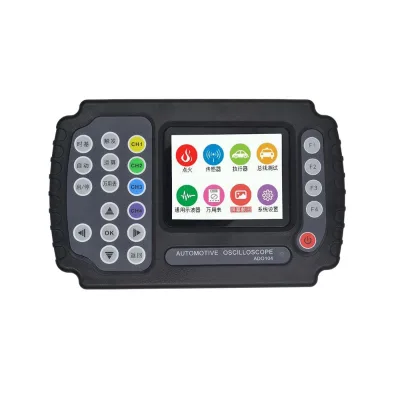
Digital Handheld Storage Oscilloscope ADO 102/104 Double Channels/four Channels Oscilloscope
$81.59 - $122.38
MOQ: 1 units
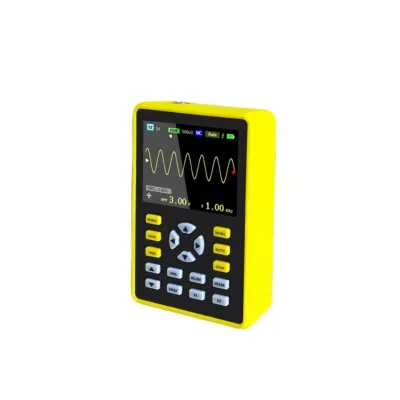
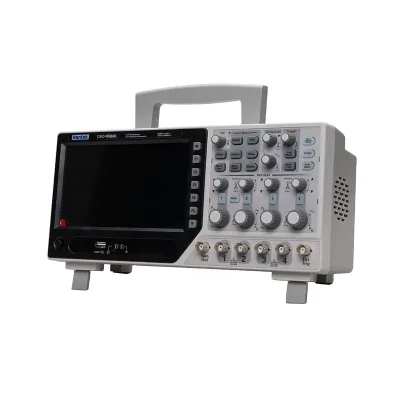
- Trading Company, Agent, Distributor/Wholesaler
- Guangdong, China
- Lead time0 days
- Avg. response≤ 3h
Main productsIntegrated Circuit,Industrial Control,Display Device,Sensor,plc
Main marketsNorth America(30.00%), Southeast Asia(20.00%), Eastern Europe(20.00%)

Shenzhen Nuobashi Trading Co., Ltd
- Verified by BV
- Trading Company
- China Guangdong
- Lead time30 days
- Avg. response≤ 8h
Main productsHeat Pump, Car Diagnostic Instrument, Kitchen Equipment
Main marketsEurope

Dongguan Qihang Electronic Technology Co., Ltd.
- Verified by TUVRHEINLAND
- Trading Company
- China Guangdong
- Lead time15 days
- Avg. response≤ 9h
Main productsSpectrum Analyzer, Network Analyzer, Signal Generator, Dmm, Digital Oscilloscope, Power Meter
Main marketsDomestic
Shenzhen Jinxi Boyuan Technology Co., Ltd.
- Verified by TüVRheinland
- Trading Company
- Lead time15 days
- Avg. response≤ 2h
Main productsOscilloscope, Signal Generator, Spectrum Analyzer, Electronic Device Automation Testing System, Current And Voltage Testing System Equipment
Main marketsSoutheast Asia(40%), Eastern Europe(30%), Western Europe(20%)

Nanjing Reach Top Communication Technology Co., Ltd.
- Verified by SGS
- Trading Company
- China Jiangsu
- Lead time60 days
- Avg. response≤ 11h
Main productsRF Power Amplifier, RF Switch, Horn Antenna
Main marketsDomestic
Shenzhen Handiier Technology Co.,Ltd
- Manufacturer, Trading Company
- Guangdong, China
- Lead time10 days
- Avg. response≤ 12h
Main productsshaver,shaving accessories,hair trimmer,Vacuum Cleaner Parts,Air Purifier Parts
Main marketsNorth America(50.00%), Eastern Europe(10.00%), South America(10.00%), Northern Europe(5.00%), Central America(4.00%), Western Europe(3.00%), South Asia(3.00%), Southern Europe(3.00%), Oceania(3.00%), Eastern Asia(2.00%), Mid East(2.00%), Southeast Asia(2.00%), Domestic Market(2.00%), Africa(1.00%)

- Verified by SGS
- Manufacturer/Factory
- China Shaanxi
- Lead time0 days
- Avg. response≤ 9h
Main productsPressure Sensor, Pressure Transmitter, Level Measurement, Pressure Transducer, Water Level Sensor, Water Level Meter, Ultrasonic Level Sensor, Radar Level Sensor, Fuel Level Sensor, Flow Meter

Assembled Oscilloscope Clock Oscilloscope Tube +Driver Board 30+ Combinations
$135.00 - $145.00
MOQ: 1 Pieces

Chiptime Electronics (shenzhen) Co., Limited.
- Agent, Distributor/Wholesaler
- Guangdong, China
- Lead time1 days
- Avg. response≤ 24h
Main productsIC Chip,Diode,Transistor,Sensor,Inductor
Main marketsNorth America(20.00%), Mid East(15.00%), Western Europe(15.00%), Southern Europe(10.00%), Eastern Europe(10.00%), South America(10.00%), South Asia(5.00%), Eastern Asia(5.00%), Northern Europe(5.00%), Southeast Asia(5.00%)

Shenzhen FNIRSI Technology Co., Ltd.
- Verified by SGS
- Manufacturer
- China Guangdong
- Lead time15 days
- Avg. response≤ 5h
Main productsOscilloscope, Multimeter, Fast Charging Protocol Detection, Range Finder, Air Detection, Transistor Tester, Nuclear Radiation Detector
Main marketsSouth America,Africa,Southeast Asia/ Mideast,East Asia(Japan/ South Korea),Europe


Fnirsi 138PRO Cheap Mini 200kHz Handheld Digital Portable Oscilloscope with PWM
$16.59 - $18.30
MOQ: 5

Chongqing Optec Instrument Co., Ltd.
- Manufacturer
- China Chongqing
- Lead time15 days
- Avg. response≤ 2h
Main productsStereo Microscope, Monocular Microscope, Video Microscope, Digital Microscope, Operating Microscope, Parallel Light Microscope, LED Cold Light Source
Main marketsAfrica,Europe,North America
Shenzhen Graigar Technology Co., Ltd.
- Manufacturer, Trading Company
- Guangdong, China
- Lead time3 days
- Avg. response≤ 3h
Main productsUltrasonic Flaw Detector,Ultrasonic Flow Meter,Thickness Gauge,Underground Metal Detector,Leeb Hardness Tester
Main marketsNorth America(20.00%), Western Europe(15.00%), South America(10.00%), Mid East(10.00%), Oceania(10.00%), Africa(10.00%), Southeast Asia(10.00%), Eastern Europe(10.00%), Domestic Market(5.00%)
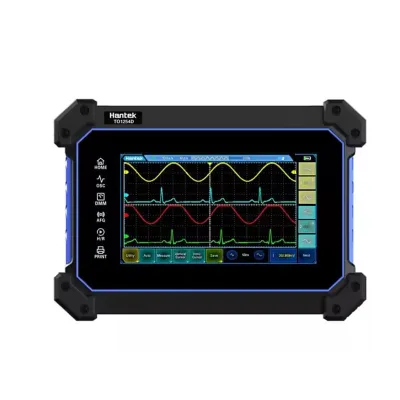
TO1202C Digital Flat-panel Oscilloscope 2-channel Oscilloscope Maximum Bandwidth up to 250MHz
$260.00 - $360.00
MOQ: 1 Minimum
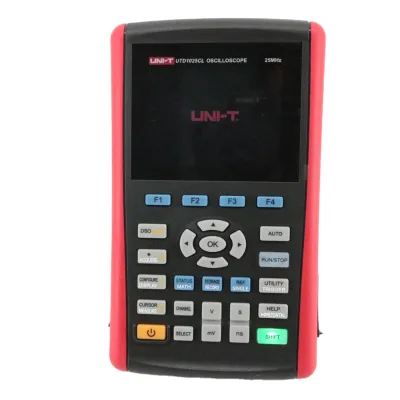
UTD1025CL Portable Digital Oscilloscope 1CH 25MHZ with 3.5" LCD 64K Color TFT
$305.57 - $326.01
MOQ: 1 Minimum




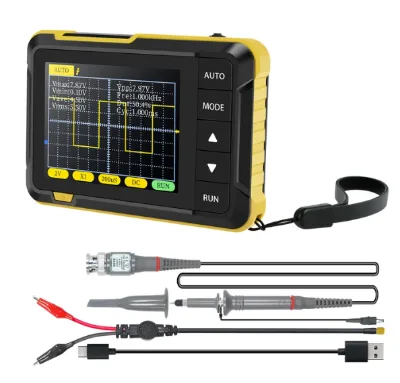


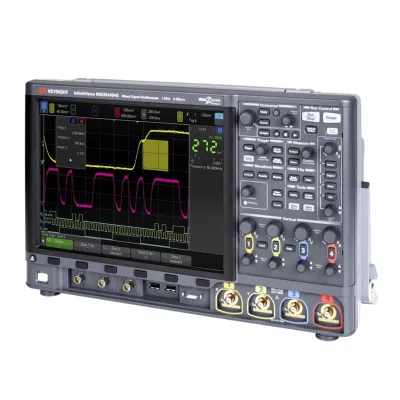
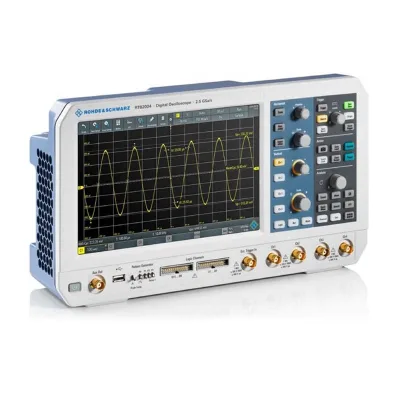


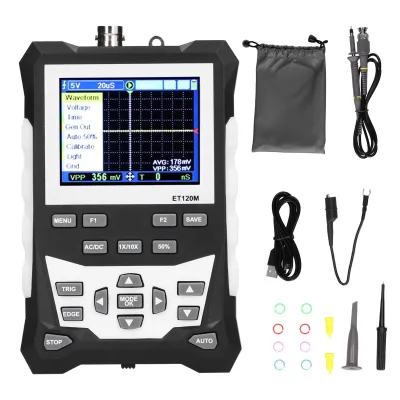
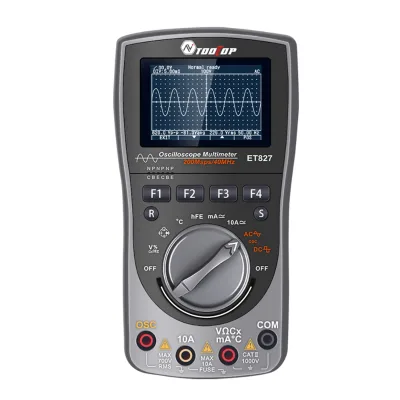
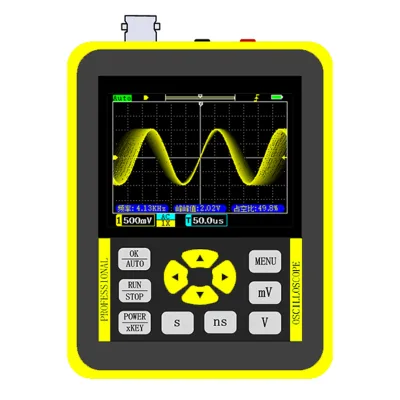
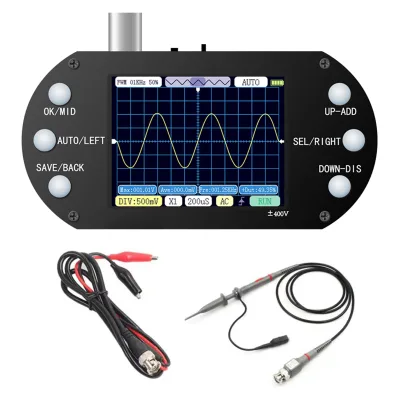
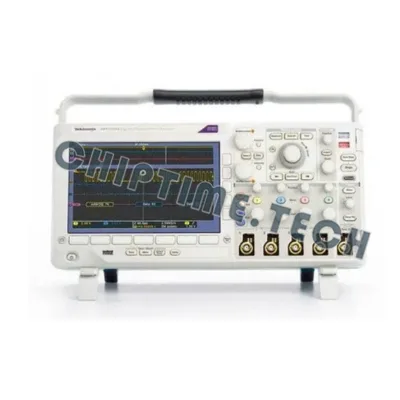


Comprehensive Sourcing Guide
Analog Student Oscilloscope Supplier Concentration and Factory Types
Current data indicates a concentration of suppliers in Henan, China, offering teaching models and laboratory equipment alongside other scientific instruments. These entities are primarily identified as Trading Companies, though some listings also claim Manufacturer/Factory status. This distinction is critical because trading companies often aggregate products from various factories, whereas manufacturers control the production line directly. The presence of specific model numbers like DM-20MHZ and J2459 suggests a focus on educational physics equipment tailored for primary and secondary schools. Buyers should note that the main product lists often include diverse items such as OMR machines, heating mantles, and pigment supplies, indicating these suppliers may not specialize exclusively in oscilloscopes but rather serve a broad educational science market.
When evaluating the factory type, buyers must verify if the supplier actually manufactures the Analog Student Oscilloscope or merely resells it. The data shows some suppliers possess ISO 9001 certification and TUVRHEINLAND verification, which adds a layer of credibility to their operational standards. However, the mix of trading companies and manufacturers in the same region requires careful scrutiny. A supplier listing "Microscope Centrifuge Water Bath" alongside oscilloscopes might indicate a generalist trading firm rather than a dedicated electronics factory. To identify true manufacturing clusters, buyers should request factory audit reports or video tours that specifically show the assembly lines for the analog oscilloscope models. Without explicit evidence of a dedicated production facility for this specific instrument, the assumption should lean toward a trading arrangement unless proven otherwise.
How to Verify Analog Student Oscilloscope Suppliers
Verification begins with checking the response time and lead time metrics provided in the supplier profile. The observed data shows response times ranging from 5 to 12.31 hours, which serves as an initial indicator of operational efficiency and customer service readiness. A supplier with a 5-hour response time may offer more immediate support for technical queries regarding the analog oscilloscope specifications compared to one taking over 12 hours. Additionally, lead times vary significantly, with some suppliers indicating a 10-day window while others list 38 days. This variance often correlates with the supplier type; manufacturers might have shorter lead times for standard models, whereas trading companies may require longer periods to coordinate shipments from multiple sources. Buyers should prioritize suppliers with consistent, documented response and lead time data to ensure reliability.
Certification and verification status provide further evidence of supplier legitimacy. The available facts confirm that some suppliers hold ISO 9001 system certification and have undergone TUVRHEINLAND verification. These credentials suggest adherence to international quality management standards and third-party validation of business practices. However, buyers must ensure these certifications are current and specifically relevant to the production of electronic testing instruments. It is also essential to verify the "is_verified" status directly on the platform, as this indicates the supplier has passed a baseline identity check. For analog student oscilloscopes, which are used in educational settings, verifying that the supplier has a history of supplying schools or educational institutions is equally important. Buyers should request copies of these certificates and cross-reference them with the issuing bodies to confirm authenticity before proceeding with any order.
What to Compare Across Analog Student Oscilloscope Suppliers
Comparing suppliers requires a detailed analysis of product attributes, specifically the model numbers, bandwidth, and channel configurations. The data reveals a range of products from DC 3MHz oscilloscopes to 50MHz dual-channel student models, with specific model identifiers like J2455 and UTD2052CL. Buyers must match these technical specifications to their curriculum requirements, ensuring the analog oscilloscope meets the necessary frequency and channel needs for student experiments. The minimum order quantity (MOQ) is another critical comparison point, with some suppliers offering an MOQ of just 1 piece, which is ideal for small school purchases or pilot testing. In contrast, other suppliers might have higher thresholds. Evaluating the price range, which spans from approximately 101.98 to 3250.00, helps buyers understand the cost structure for different tiers of equipment, from basic teaching models to advanced digital storage units.
Beyond technical specs, buyers should compare the supplier's main product focus and customization capabilities. Some suppliers list a broad range of lab equipment, including centrifuges and spectrophotometers, while others focus more narrowly on testing instruments. The availability of customization, such as branding or specific packaging, is a key differentiator for educational institutions looking to standardize their equipment. The data indicates that customization is available for certain models, but this must be confirmed for each specific supplier. Additionally, the material composition, such as advanced PVC or hand-painted crafts, affects durability and safety for student use. Buyers should create a comparison matrix that includes response time, lead time, MOQ, price, and certification status to objectively rank suppliers based on their ability to meet specific procurement needs for analog student oscilloscopes.
Common Analog Student Oscilloscope Sourcing Risks
One significant risk involves the discrepancy between the claimed supplier type and the actual manufacturing capability. Many suppliers in the search results are listed as Trading Companies, which means they do not own the production facilities. This can lead to communication gaps, quality control issues, and delays if the factory they source from faces production bottlenecks. The presence of diverse product lines, such as heating mantles and pigments alongside oscilloscopes, further suggests a lack of specialized focus. If a supplier is not a dedicated manufacturer, they may lack the technical expertise to troubleshoot complex issues with the analog oscilloscope or provide accurate technical support. Buyers should mitigate this risk by requesting detailed information about the actual factory location and production capacity before finalizing any agreements.
Another risk is the variability in product specifications and quality standards across different suppliers. The data shows a wide range of bandwidths and sampling rates, from 3MHz to over 1GHz, with some products labeled as "Digital Storage Oscilloscope" while others are "Analog." Confusion between analog and digital specifications can lead to purchasing the wrong equipment for specific educational goals. Furthermore, the lack of uniform pricing and MOQs can complicate budget planning. Some suppliers offer single-item purchases, while others may have higher minimums. Buyers must verify that the product descriptions accurately reflect the physical characteristics of the oscilloscope, including input impedance and maximum input voltage. Without clear evidence of consistent quality standards, there is a risk of receiving equipment that does not meet the safety or performance requirements for a school laboratory environment.
Analog Student Oscilloscope Regional Sourcing and Logistics
The primary sourcing region identified in the data is Henan, China, where several suppliers are located. This concentration suggests a potential logistics hub for educational science equipment, but buyers should also consider suppliers in other regions like Hunan, China, which appears in the results. The distance from the supplier to the destination port will impact shipping costs and delivery times. Suppliers in Henan may have established logistics networks for exporting educational materials, but buyers must confirm the specific shipping terms and estimated transit times. The lead time data, ranging from 10 to 38 days, includes both production and shipping durations. Buyers should clarify whether the quoted lead time covers only manufacturing or includes the entire delivery process to their location. Understanding the regional logistics capabilities is essential for planning inventory and ensuring timely delivery for the start of the academic year.
Logistics planning also involves verifying the packaging standards and handling procedures for delicate electronic equipment. The data mentions "Good Carton Packing" and "Carton Box" as standard packaging methods, but buyers should request specific details on how the oscilloscopes are protected during transit. Fragile components like CRT screens or sensitive circuit boards require robust packaging to prevent damage. Additionally, buyers should inquire about the supplier's experience with international shipping, including customs documentation and compliance with import regulations in the destination country. The response time of the supplier can also influence logistics coordination; a faster response time may indicate better communication channels for resolving shipping issues. By understanding the regional logistics landscape, buyers can better anticipate potential delays and ensure that the analog student oscilloscopes arrive in perfect condition for classroom use.
Analog Student Oscilloscope Commercial Terms and Order Planning
Commercial terms for analog student oscilloscopes vary significantly based on the supplier's pricing structure and order volume. The observed price range spans from roughly 101.98 to 3250.00, reflecting differences in model complexity and features. Buyers should carefully review the price minimums and maximums to understand the cost per unit for their specific order size. Some suppliers offer a single-item MOQ, which is advantageous for small schools or pilot programs, while others may require larger quantities. It is crucial to clarify whether the quoted price includes shipping, taxes, and duties, as these factors can significantly impact the total cost of ownership. Buyers should also inquire about payment terms, such as the availability of escrow services, to ensure financial security during the transaction.
Order planning must account for the lead times and response times provided by the suppliers. With lead times ranging from 10 to 38 days, buyers need to schedule their orders well in advance to avoid disruptions in the academic calendar. A supplier with a 5-hour response time may be more responsive to urgent requests or changes in order specifications compared to one with a 12-hour response time. Buyers should also consider the establishment year and experience of the supplier, as more established companies may offer better stability and support. Additionally, verifying the availability of after-sales support and warranty terms is essential for long-term order planning. By aligning commercial terms with realistic lead times and response capabilities, buyers can ensure a smooth procurement process for their Analog Student Oscilloscope needs.
FAQs
What is the typical MOQ for analog student oscilloscopes from these suppliers?
Several listed products carry a minimum order quantity of 1 piece, so schools and labs can order a single unit for evaluation. This makes small pilot purchases practical before committing to larger classroom quantities. Always confirm the MOQ for the specific model and bandwidth you need, as terms can vary between products and suppliers.
How much does a student analog oscilloscope cost?
Listed prices for education-focused oscilloscopes range roughly from about 100 to 300 dollars per unit depending on bandwidth and features. Entry-level 3MHz student models sit at the lower end, while 20MHz dual-channel and 100MHz portable units cost more. Request a formal quotation for your target quantity, since pricing often improves on volume orders.
Which bandwidth should I choose for physics teaching labs?
For basic physics demonstrations and secondary school use, a 3MHz to 20MHz analog oscilloscope is generally sufficient for observing common waveforms. More advanced electronics courses may need 50MHz or 100MHz digital storage models. Match the bandwidth to your curriculum's experiments rather than choosing the highest specification available.
How long does production and delivery usually take?
Lead times in the current supplier results range from about 10 days to roughly 38 days depending on the supplier. Simpler analog student units with stock available tend to ship faster than configurable digital storage models. Confirm the lead time for your exact model, order quantity, and destination before placing a purchase order.
Do these suppliers support customization or OEM orders?
At least one trading and manufacturing supplier in the results advertises OEM and ODM capability, so customization may be available for bulk orders. This can cover branding, packaging, or specification adjustments for educational tenders. Verify the minimum order volume, customization cost, and approval sample timeline directly with the supplier before committing.
What certifications or verification should I check before ordering?
One supplier in the current results holds ISO 9001 certification and has been verified by TUV Rheinland, which indicates a documented quality management system. Certification status varies by supplier, so ask each one for current certificates, product compliance documents for your market, and test reports for the specific oscilloscope model you intend to purchase.
How quickly do these suppliers respond to inquiries?
Average response times in the current supplier data range from around 5 hours to about 12 hours, so most inquiries receive replies within one business day. Response speed can vary by time zone and workload, especially during tender season. Send a detailed inquiry including model, quantity, and destination to get faster and more accurate quotes.