Android 11 Portable Mini Projector Suppliers and Manufacturers
Source 10 verified suppliers for Android 11 Portable Mini Projector units. Compare grounded dimensions including ISO certifications, response times, and lead times. Review product specs and pricing to identify suitable partners for your procurement needs; review the available evidence before requesting comparable quotations from suitable candidates.
Suppliers List

CRE Electronic Technology Co., Limited
- Verified by CTI
- Combined
- China Hunan
- Lead time23 days
- Avg. response≤ 13h
Main productsLCD Projector, LED Projector, Projector, Portable Projector, Home Theater Projector, Mini Projector, HD Projector, Digital Projector, Multimedia Projector, Video Projector
Main marketsSouth America,East Asia(Japan/ South Korea),Europe,Australia,North America

Hangzhou Lulai Technology Co., Ltd.
- Verified by SGS
- Trading Company
- China Zhejiang
- Lead time15 days
- Avg. response≤ 2h
Main productsNotebook Computer, Home Theater Projector, Drone, Keyboard
Main marketsAfrica,Southeast Asia/ Mideast,East Asia(Japan/ South Korea),Europe,Australia,North America

Factory Affordable Mini Projector Wireless Portable LED Projector High Resolution Projector
$28.70 - $39.90
MOQ: 1 Pieces


Shenzhen Esaker Technology Co., Ltd.
- Verified by SGS
- Manufacturer/Factory
- China Guangdong
- Lead time15 days
- Avg. response≤ 7h
Main productsGame Console, Gaming Accessories, Phone Case, Charger, Entertainment Electronics, Game Controller, Game Box, Earphone
Main marketsSouth America,Eastern Europe,Mid East,North America,Southeast Asia,Eastern Asia,Oceania,Western Europe,Africa

- Verified by SGS
- Trading Company
- China Guangdong
- Lead time15 days
- Avg. response≤ 7h
Main productsMobile Phone Cases, Car Phone Holder, Bluetooth Speaker, Tablet Case, Wireless Charger, Power Bank, Earphone Headset, RC Drones, Consumer Electronics, Security Cameras
Main marketsOthers(foreignTradeCapacity.exportBusinessCapacityMarketOther),Europe

Changzhou Sitan Imp. and Exp. Co., Ltd.
- Verified by BV
- Trading Company,Manufacturer/Factory
- China Jiangsu
- Lead time45 days
- Avg. response≤ 10h
Main productsFitness Equipment, Barbell Series, Resistance Bands, Agility & Speed, Yoga Ball, Massage Series, Power Rack, Weight Ball, Charging Notebook, Custom Logo Goods
Main marketsSouth America,Eastern Europe,Mid East,North America,Southeast Asia,Eastern Asia,Oceania,Western Europe,Africa

New Portable Mini Projector for Daylight Projection, Android OS 1080P Support
$278.00 - $300.00
MOQ: 10 Pieces

Portable Android Projector with WiFi Bluetooth, Outdoor Office Home Cinema Support 1080P
$278.00 - $300.00
MOQ: 10 Pieces

$63.50 - $98.00
MOQ: 1 Pieces

Shenzhen Xangshi Technology Co., Ltd.
- Trading Company
- China Guangdong
- Lead time15 days
- Avg. response≤ 6h
Main productsTV Box, Android TV Box, Google Certified TV Box, Smart TV Box, Ott TV Box, IPTV TV Box, IPTV Streamer, TV Stick, IPTV TV Stick, Google Certified TV Stick
Main marketsSouth America,Europe,North America
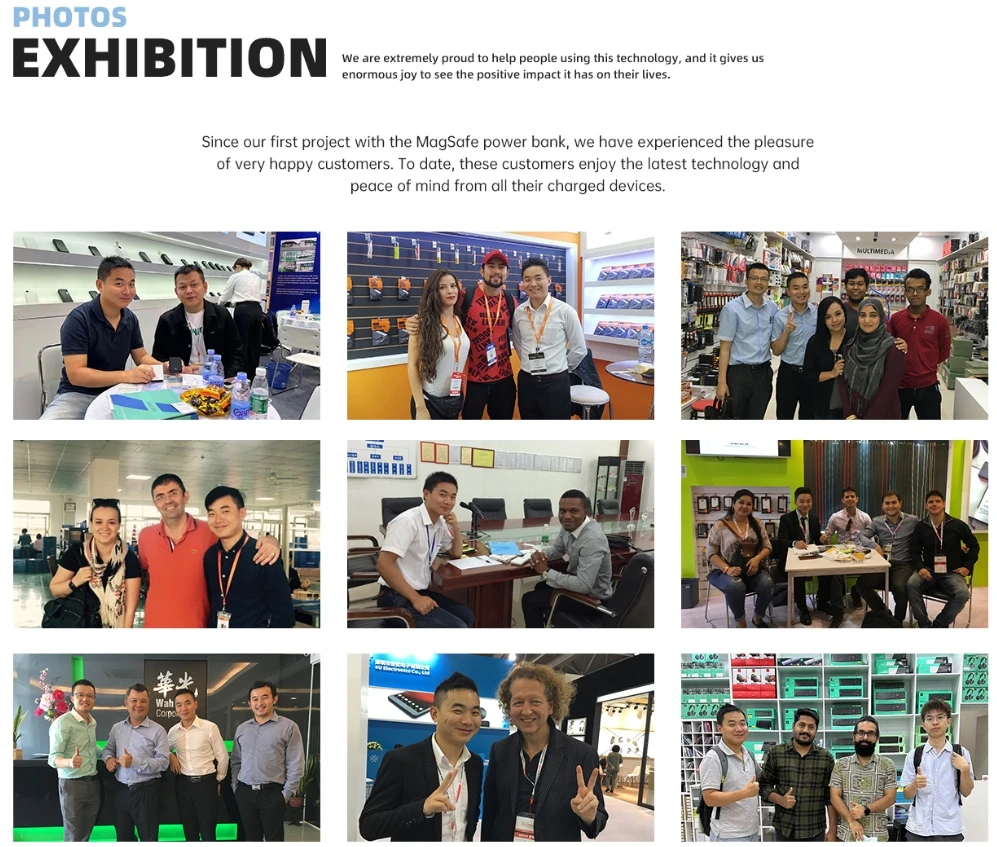
Shenzhen Hisone Technology Co., Ltd.
- Manufacturer
- Guangdong, China
- Lead time15 days
- Avg. response≤ 2h
Main productsMagnetic Power Bank,Power Bank,Wireless Charger,USB Cable,Phone Case
Main marketsSoutheast Asia(80.00%), Mid East(3.00%), South America(3.00%), South Asia(2.00%), Central America(2.00%), North America(2.00%), Domestic Market(1.00%), Oceania(1.00%), Southern Europe(1.00%), Northern Europe(1.00%), Africa(1.00%), Western Europe(1.00%), Eastern Asia(1.00%), Eastern Europe(1.00%)

ZHONGSHAN KWANGNA GLOBAL SUPPLY CHAIN CO., LTD
- Trading Company
- China Guangdong
- Lead time0 days
- Avg. response≤ 6h
Main productsMosquito Repellent Light, Small Kitchen Air Conditioner, Air Frier, Coffee Maker, Vacuum Cup, Coffee Steel Cup, Portable Mini Fan, Steel Milk Cup, Rice Cooker, Smart Rice Cooker

Portable Compact Mini Portable Home Theater LCD HD LED Video Smart Projector
$46.00 - $47.00
MOQ: 100 Pieces

Small Smart Compact Portable Mini Video Home Theater LED Hy320mini Projector
$39.00 - $41.00
MOQ: 100 Pieces

Mini Compact Home Theater Hy300 PRO Portable 1280 H713 Android Smart Projector
$39.00 - $41.00
MOQ: 100 Pieces

Smart Compact Portable Mini Video Home Theater LED Hy320mini Projector
$39.00 - $41.00
MOQ: 100 Pieces

Home Theater LED Hy320mini Smart Compact Portable Mini Video Projector
$39.00 - $41.00
MOQ: 100 Pieces

Home Theater Hy300 PRO Portable Mini Compact 1280 H713 Android Smart Projector
$39.00 - $41.00
MOQ: 100 Pieces

- Verified by SGS
- Trading Company
- China Guangdong
- Lead time15 days
- Avg. response≤ 8h
Main productsConsumer Electronics, Car Accessories, Mini Thermal Printers, Garden Lights, Lawn Mower Accessories, Portable Speakers, Digital Camera, Mini Projectors
Main marketsOthers(foreignTradeCapacity.exportBusinessCapacityMarketOther),Europe

P30 Mini Projector Android 11 WiFi 6 4K 1080P Bluetooth 5.0 Home Cinema Portable Projector
$40.43 - $42.82
MOQ: 1 Pieces

$39.00 - $43.17
MOQ: 1 Pieces


Hy300ultra Mini Projector - Android 11, WiFi 6, 170 ANSI Lumens, Us Plug
$29.00 - $33.00
MOQ: 2 Pieces

Hy300 PRO+ Mini Projector - Android 11, WiFi 6, 720p HD, 170 ANSI Lumens, Us Plug
$30.00 - $32.00
MOQ: 2 Pieces

Quanzhou E-Best International Trade Co., Ltd.
- Verified by BV
- Trading Company
- China Fujian
- Lead time30 days
- Avg. response≤ 7h
Main productsBluetooth Speaker, Phone Case, Power Bank, Beauty Device, Portable Projector, IP Poe Camera, Mouse, Air Fryer, Razors, Wireless Headphones
Main marketsNorth America

Portable Projector Versatile Mini Projector for Home Cinema with Bluetooth Integration
$51.70 - $58.15
MOQ: 20 Pieces


$46.15 - $52.00
MOQ: 20 Pieces


![B11 Mini Smart Projector Android 12 [Xxx ANSI] [Chipset] High Quality Portable Projector](https://image.made-in-china.com/221f0j00fAOiqgYJfNRP/B11-Mini-Smart-Projector-Android-12-Xxx-ANSI-Chipset-High-Quality-Portable-Projector.webp)


Comprehensive Sourcing Guide
Android 11 Portable Mini Projector Supplier Concentration and Factory Types
When mapping the supply landscape for Android 11 Portable Mini Projector units, buyers should first identify the geographic clusters where manufacturing density is highest. High-confidence data indicates that suppliers are concentrated in specific regions such as China Hunan and China Zhejiang. These areas often host integrated manufacturing ecosystems where component sourcing, assembly, and quality control occur in close proximity. Understanding these clusters helps buyers assess logistical efficiency and potential for on-site audits. The distinction between factory types is also critical; results show a mix of combined entities and trading companies. Combined suppliers typically handle both manufacturing and sales, offering direct control over production variables. In contrast, trading companies may aggregate products from multiple factories, providing flexibility but potentially less direct oversight over the final assembly process.
Buyers must differentiate between these supplier types to align with their specific procurement needs. A combined supplier might be preferable for buyers requiring deep customization or strict quality control, as they manage the entire value chain. Conversely, a trading company might offer a broader range of models or lower minimum order quantities, which is useful for testing market demand. It is essential to verify the actual operational status of these entities. For instance, a supplier listed as a trading company might still have its own assembly line, while a combined entity might outsource certain components. By analyzing the main products listed, such as LCD Projectors, LED Projectors, and Home Theater Projectors, buyers can gauge the specialization of each supplier. This specialization indicates whether the supplier has the technical expertise to handle the specific optical and software requirements of Android 11 Portable Mini Projector devices, ensuring that the chosen partner has the necessary infrastructure to support your product specifications.
How to Verify Android 11 Portable Mini Projector Suppliers
Verification is the cornerstone of risk mitigation when sourcing Android 11 Portable Mini Projector units. Buyers should prioritize third-party verification services that provide independent assessments of a supplier’s capabilities. Evidence from current results shows that suppliers may be verified by entities such as CTI or SGS. These certifications indicate that an independent body has inspected the facility, reviewed documentation, and assessed production capabilities. However, a verification badge alone is not sufficient; buyers must request the detailed report to understand the scope of the audit. Did the auditor check the optical engine quality? Was the software stability tested? By examining the specifics of the verification, buyers can determine if the supplier’s claims about their Android 11 Portable Mini Projector performance are backed by rigorous testing. This step is crucial for ensuring that the product meets the technical standards required for consumer electronics.
Beyond third-party audits, buyers should conduct their own due diligence by requesting sample units and reviewing system certifications. Suppliers may hold ISO9001:2015 and ISO14001:2015 certificates, which attest to quality management and environmental responsibility. While these are positive indicators, they do not guarantee product performance. Therefore, buyers should ask for specific test reports related to brightness, resolution, and connectivity. For example, verifying that the projector supports 1080P native resolution and has a stable Android 11 interface requires direct testing. Additionally, checking the supplier’s response time and lead time can provide insights into their operational efficiency. A supplier with a quick response time and a reasonable lead time is often more reliable. By combining third-party verification with direct sample testing and certification review, buyers can build a comprehensive picture of the supplier’s reliability and capability to deliver high-quality Android 11 Portable Mini Projector units.
What to Compare Across Android 11 Portable Mini Projector Suppliers
When comparing suppliers for Android 11 Portable Mini Projector units, buyers should focus on key operational metrics that directly impact cost and delivery. Lead time is a critical factor, as it determines how quickly you can restock or launch new products. Current data shows lead times varying, with some suppliers offering 15 days and others 23 days. This difference can significantly affect your inventory planning and cash flow. Similarly, response time is a proxy for communication efficiency. A supplier with a response time of 1.49 days is likely to be more responsive to inquiries and issues than one with a response time of 12.07 days. Efficient communication is vital for resolving technical queries or adjusting order specifications. By comparing these metrics, buyers can identify suppliers who are not only capable but also operationally aligned with their business needs.
Another important dimension is the Minimum Order Quantity (MOQ) and pricing structure. Some suppliers may offer an MOQ of 1, which is ideal for small batches or testing, while others may require larger quantities. Price ranges also vary, with some units priced between $66 and $73.90, and others between $149 and $169. These differences often reflect variations in features, such as brightness levels or display technology. Buyers should compare the value proposition of each supplier, considering not just the price but also the included features and support. For instance, a higher-priced unit might offer better brightness or a more robust Android 11 interface. By analyzing these factors, buyers can make informed decisions that balance cost, quality, and operational efficiency. This comparative approach ensures that the chosen supplier offers the best overall value for the Android 11 Portable Mini Projector units, supporting both immediate needs and long-term growth.
Common Android 11 Portable Mini Projector Sourcing Risks
Sourcing Android 11 Portable Mini Projector units involves several inherent risks that buyers must proactively manage. One significant risk is the variability in product quality, particularly regarding optical performance and software stability. While suppliers may claim high brightness and resolution, actual performance can vary based on component quality and assembly precision. Buyers should mitigate this risk by requesting detailed specifications and conducting rigorous sample testing. For example, verifying that the projector achieves the claimed 1080P resolution and has a stable Android 11 interface is essential. Additionally, software updates and compatibility issues can arise, affecting user experience. By establishing clear quality standards and requiring pre-shipment inspections, buyers can reduce the likelihood of receiving defective units. This proactive approach ensures that the Android 11 Portable Mini Projector units meet the expected performance levels.
Another common risk is supply chain disruption, which can lead to delays in delivery and increased costs. Suppliers may face challenges in sourcing components, such as LCD panels or Android chips, due to global market fluctuations. Buyers should diversify their supplier base to mitigate this risk, ensuring that they have alternative sources if one supplier experiences issues. Additionally, communication barriers can lead to misunderstandings about product specifications or order requirements. To address this, buyers should maintain clear and consistent communication with suppliers, using detailed technical documents and regular check-ins. By identifying and managing these risks, buyers can ensure a smoother sourcing process for Android 11 Portable Mini Projector units, minimizing potential disruptions and maintaining product quality. This strategic approach helps buyers navigate the complexities of the supply chain and achieve their procurement goals.
Android 11 Portable Mini Projector Regional Sourcing and Logistics
Regional sourcing plays a crucial role in determining the logistics and cost efficiency of Android 11 Portable Mini Projector units. Suppliers located in China Hunan and China Zhejiang offer distinct advantages in terms of manufacturing infrastructure and export capabilities. These regions are known for their robust electronics manufacturing ecosystems, which facilitate efficient production and shipping. Buyers should consider the proximity of suppliers to major ports to optimize logistics costs and reduce transit times. For instance, suppliers in Zhejiang may have easier access to coastal ports, enabling faster export to international markets. By understanding the regional dynamics, buyers can select suppliers that align with their logistical needs and cost objectives. This strategic approach ensures that the Android 11 Portable Mini Projector units are delivered efficiently and cost-effectively.
Logistics planning also involves considering the packaging and shipping methods for Android 11 Portable Mini Projector units. Proper packaging is essential to protect the devices during transit, especially given their delicate optical components. Suppliers may offer anti-shock packing with foam, which helps prevent damage during shipping. Buyers should verify the packaging standards and ensure that they meet their requirements for safe transport. Additionally, buyers should consider the mode of transportation, such as air freight for urgent orders or sea freight for larger volumes. Each mode has its own cost and time implications, which should be factored into the overall sourcing strategy. By carefully planning logistics and packaging, buyers can ensure that the Android 11 Portable Mini Projector units arrive in optimal condition, ready for distribution and sale. This attention to detail enhances the overall value proposition of the product.
Android 11 Portable Mini Projector Commercial Terms and Order Planning
Negotiating commercial terms is a critical step in securing a reliable supply of Android 11 Portable Mini Projector units. Buyers should focus on establishing clear payment terms, such as escrow services, which provide financial protection for both parties. Escrow ensures that payment is released only after the buyer confirms receipt and satisfaction with the goods. This mechanism reduces the risk of fraud and ensures that the supplier is motivated to deliver high-quality products. Additionally, buyers should negotiate favorable pricing structures, taking into account the volume of orders and the frequency of purchases. By leveraging their purchasing power, buyers can secure better rates and terms, which can significantly impact their profit margins. Clear and fair commercial terms build trust and foster long-term partnerships with suppliers.
Order planning involves determining the optimal order quantity and frequency to balance inventory costs and demand. Buyers should analyze their sales data and market trends to forecast demand for Android 11 Portable Mini Projector units. This analysis helps in determining the right order size to avoid overstocking or stockouts. Additionally, buyers should consider the lead time and production capacity of the supplier when planning orders. A supplier with a shorter lead time and higher production capacity can accommodate larger or more frequent orders, providing greater flexibility. By aligning order planning with supplier capabilities and market demand, buyers can ensure a steady supply of Android 11 Portable Mini Projector units, supporting their business operations and customer satisfaction. This strategic approach to commercial terms and order planning is essential for successful sourcing.
FAQs
What is the price range for portable mini projectors?
Portable mini projectors are available between $66 and $169 per unit. Prices vary based on specifications such as brightness, resolution, and display technology. Buyers can find options starting at $66 for basic models up to $169 for higher-end units with advanced features like 4K support and higher ANSI lumens.
What is the minimum order quantity for these projectors?
The minimum order quantity is one unit for most listed portable projector models. This low MOQ allows buyers to test product quality and functionality before committing to larger bulk orders. It is ideal for small businesses or individual buyers looking to sample the market without significant initial inventory investment.
How long does it take to manufacture and ship these projectors?
Lead times for these projectors range from 15 to 23 days. The variation depends on the specific supplier and production schedule. Buyers should confirm exact delivery timelines with the supplier before placing orders to ensure alignment with their project deadlines and inventory requirements.
What certifications do these projector suppliers hold?
Suppliers hold ISO9001:2015 and ISO14001:2015 system certifications. These standards ensure quality management and environmental responsibility in production. Additionally, products may carry CE, ROHS, FCC, and CCC certifications, verifying compliance with international safety and electromagnetic compatibility standards for global markets.
Where are these projector manufacturers located?
Manufacturers are located in China, specifically in Hunan and Zhejiang provinces. These regions are known for their electronics manufacturing capabilities. Buyers can source directly from these verified locations to benefit from established supply chains and specialized production expertise in consumer electronics.
What is the typical response time for supplier inquiries?
Supplier response times vary, with some responding within 1.49 hours and others taking up to 12.07 hours. Faster response times indicate active customer service teams. Buyers should prioritize suppliers with quicker response rates to ensure efficient communication and timely resolution of pre-sales questions.