Anatomical Demonstration Spine Model Suppliers and Manufacturers
Compare 23 verified suppliers offering anatomical demonstration spine models with varying lead times, response speeds, and certifications. Review product specifications like size and material before contacting factories in Guangdong for quotes; review the available evidence before requesting comparable quotations from suitable candidates.
Suppliers List

Guangzhou MeCan Medical Limited
- Verified by CTI
- Combined
- China Guangdong
- Lead time15 days
- Avg. response≤ 2h
Main productsColor Doppler Ultrasound Scanner, Patient Monitor, Medical Fridge, Medical X-ray Machine, X-ray Film Processor, Colonoscope, Hospital Bed, Medical Freezer, Ventilator, Anaesthesia Machine
Main marketsAfrica,Southeast Asia/ Mideast

Guangzhou Med Equipment Limited
- Combined
- China Guangdong
- Lead time15 days
- Avg. response≤ 3h
Main productsMedical Equipment, Lab Equipment, Hospital Bed, Hospital Equipment, Autoclave, Operation Table, X-ray Machine, Endoscope, Refractometer, Dental Chair
Main marketsDomestic

SHANGHAI XINYI EDUCATION TECHNOLOGY CO.LTD
- Verified by BV
- Trading Company,Manufacturer/Factory
- China Shanghai
- Lead time15 days
- Avg. response≤ 9h
Main productsMedical Teaching Models, Human Skelton, Education Teaching Models, First Aid Kits, Aed, Electronic Equipments, Anatomical Models, Lab Equipments, Training Model, Human Care
Main marketsSouth America,Eastern Europe,Mid East,North America,Southeast Asia,Eastern Asia,Oceania,Western Europe,Africa

- Combined
- China Guangdong
- Lead time30 days
- Avg. response≤ 7h
Main productsPharmaceutical Gifts Item, Anatomical Models, First Aid Kits, Medical Plastic Rulers, Medical Disposable Tourniquets, Customized Tissue Boxes, Plastic Pill Boxes Series, Medical Clipboards, Tongue Depressors Series, Medical Penlight
Main marketsSoutheast Asia/ Mideast,Europe,North America
Henan Zhizao Teaching Instrument Co., Ltd.
- Trading Company
- Henan, China
- Lead time10 days
- Avg. response≤ 4h
Main productsteaching models,OMR machine,heating mantle,pigment,lab equipment
Main marketsCentral America(15.0%), North America(15.0%), Mid East(10.0%), Eastern Asia(9.0%), Southeast Asia(8.0%), South Asia(8.0%), South America(8.0%), Western Europe(8.0%), Africa(7.000000000000001%), Northern Europe(5.0%), Oceania(3.0%), Eastern Europe(2.0%), Southern Europe(2.0%)
Henan Yuyue Biotechnology Co., Ltd.
- Trading Company
- Henan, China
- Lead time10 days
- Avg. response≤ 1h
Main productsAnatomic Model,Human Skeleton model,Medical Simulator,Tooch Model,Acupuncture Model
Main marketsDomestic Market(30.0%), Southeast Asia(15.0%), South America(15.0%), North America(10.0%)

Faithful lnstrument (Hebei) Co., Ltd.
- Verified by BV
- Combined
- China Hebei
- Lead time15 days
- Avg. response≤ 6h
Main productsIncubator, Magnetic Stirrer, Drying Oven, Heating Mantle, Water Bath, Laminar Flow Cabinet, Stainless Steel Water Still, Disintegrator, Furnace, Vortex Mixer
Main marketsSouth America,Africa,Southeast Asia/ Mideast,Europe,Australia,North America

Tangshan UMG Medical Instrument Co., Ltd.
- Verified by BV
- Combined
- China Hebei
- Lead time23 days
- Avg. response≤ 3h
Main productsDental Handpiece, Dental Material, Dental Equipment, Dental Disposable Instrument, Dental Orthodontic, Dental Teach Simulation, Dental Prophy Angles, Latex Free Disposable Prophy Cups, Disposable Prophy Brush, Dental Unit
Main marketsSouth America,Africa,Southeast Asia/ Mideast,East Asia(Japan/ South Korea),Domestic,Europe,Australia,North America

Ningbo Jingfeng Stationery Co., Ltd.
- Manufacturer, Trading Company
- Zhejiang, China
- Lead time10 days
- Avg. response≤ 5h
Main productsGlobe,Teaching Model,craft,gift,home decoration
Main marketsNorth America(52.0%), Mid East(22.0%), Southeast Asia(8.0%), Eastern Europe(5.0%), South Asia(3.0%), Southern Europe(2.0%), South America(2.0%), Northern Europe(2.0%), Africa(1.0%), Eastern Asia(1.0%), Oceania(1.0%), Western Europe(1.0%)
Dongguan Yaojian Medical Technology Co., Ltd.
- Manufacturer, Trading Company
- Guangdong, China
- Lead time0 days
- Avg. response≤ 14h
Main productsTooth Model,Tooth Accessory,Skull Model,skeleton model,dental model
Main marketsNorth America(30.0%), Eastern Europe(15.0%), Western Europe(15.0%), Southern Europe(10.0%), South America(10.0%), Mid East(10.0%), Southeast Asia(10.0%)
Guangzhou Hongde Cosmetic Co., Ltd.
- Manufacturer, Trading Company, Business Service (Transportation, finance, travel, Ads, etc)
- Guangdong, China
- Lead time0 days
- Avg. response≤ 4h
Main productsFace Serums,Skin Care Products,Hair Care Products,Body Care Products,Home Care Products
Main marketsWestern Europe(35.0%), North America(35.0%), South America(10.0%), Southeast Asia(5.0%), Oceania(3.0%), Mid East(3.0%), Africa(2.0%), Domestic Market(1.0%), South Asia(1.0%), Southern Europe(1.0%), Northern Europe(1.0%), Central America(1.0%), Eastern Europe(1.0%), Eastern Asia(1.0%)

Sunny Medical Equipment Limited
- Verified by SGS
- Manufacturer/Factory
- China Guangdong
- Lead time0 days
- Avg. response≤ 8h
Main productsEndoscope Camera, B-Ultrasound Scanner, Laboratory Equipment, ECG, Patient Monitor, Dental Equipment, Dialysis Machine, X-ray Machine, Veterinary Equipment

Henan Green Education Equipment Co., Ltd.
- Trading Company
- Henan, China
- Lead time5 days
- Avg. response≤ 2h
Main productsAnatomical models,Nursing models,Dental models,Specimens,Silicone suture model
Main marketsSouth America(18.0%), Africa(18.0%), North America(10.0%), Southeast Asia(10.0%), Mid East(10.0%), Northern Europe(5.0%), South Asia(5.0%), Western Europe(5.0%), Eastern Asia(5.0%), Eastern Europe(5.0%), Southern Europe(5.0%), Central America(2.0%), Oceania(2.0%)
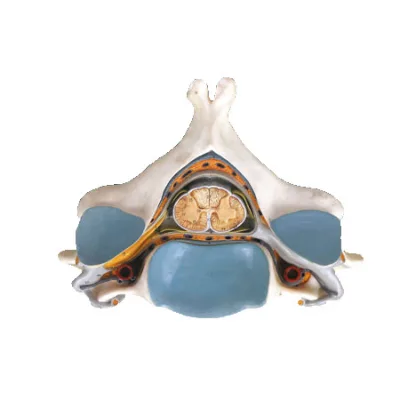
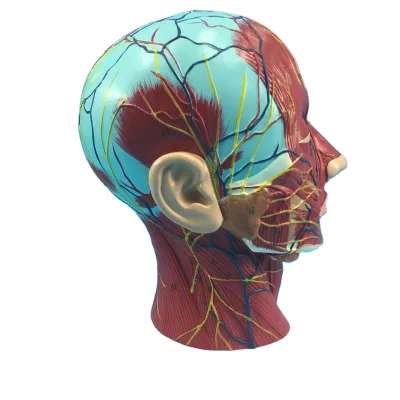
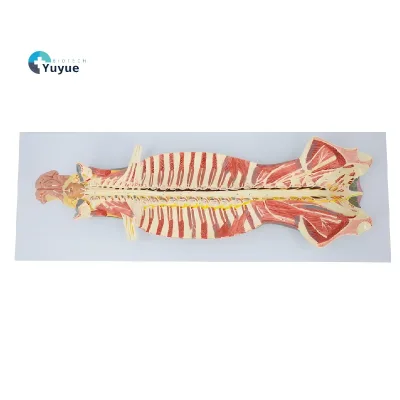
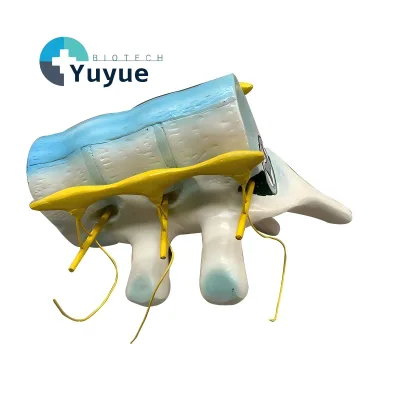
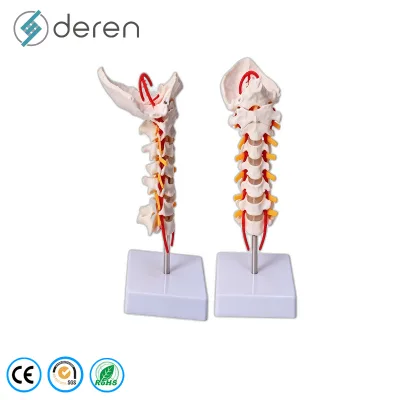
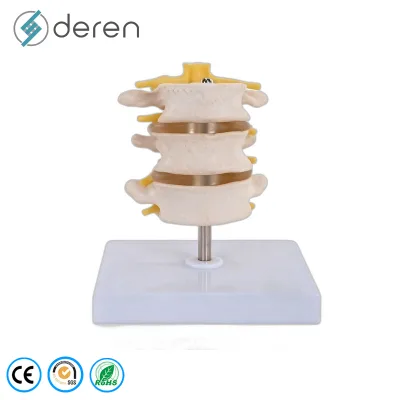
Model of Enlargement of Spinal Cord and Spinal Nerve in the Fifth Cervical Spine
$22.42 - $30.58
Moq: 2
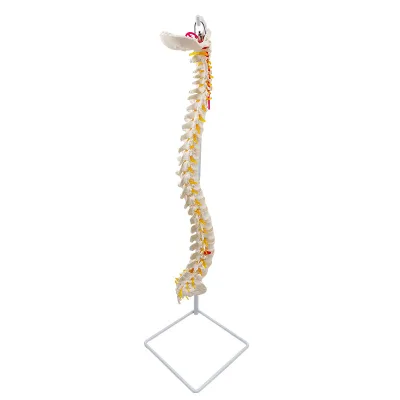
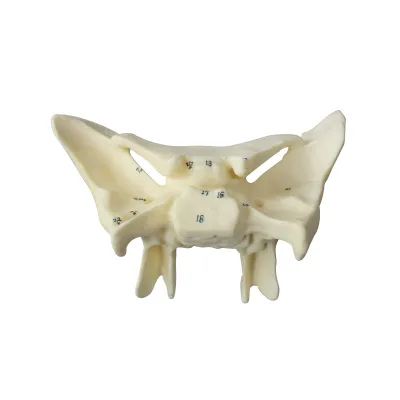
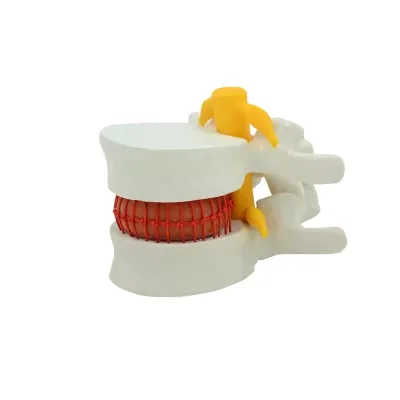
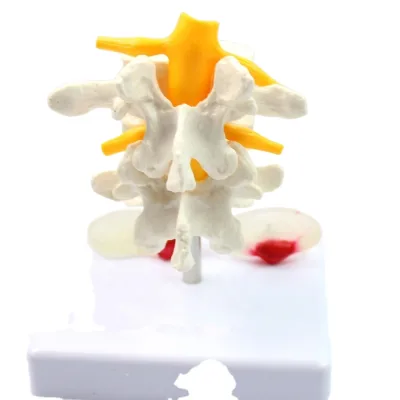
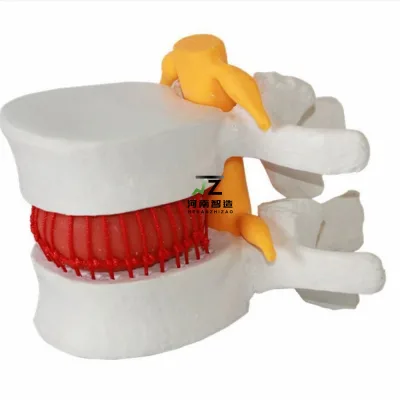
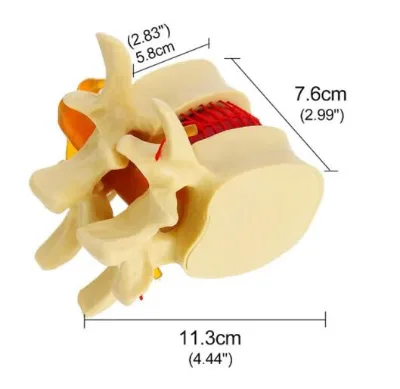
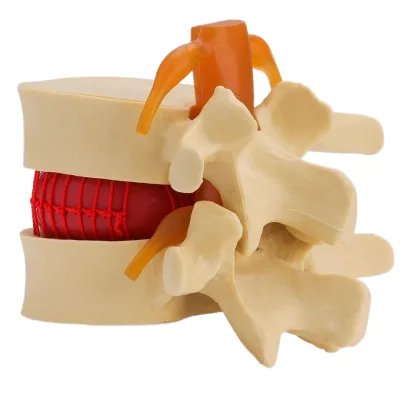
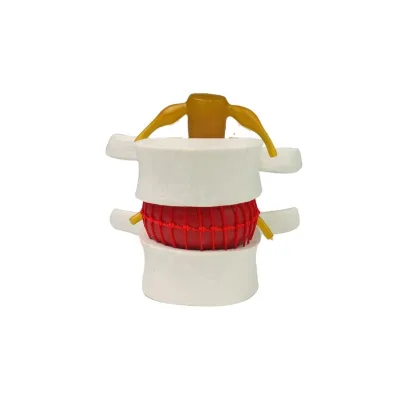
4 stage lumbar vertebrae degeneration model Human spine model
Contact supplier

Zhangjiagang Deren Scientific Equipment Co., Ltd.
- Manufacturer
- Jiangsu, China
- Lead time20 days
- Avg. response≤ 2h
Main productsAnatomical Model,Dental model,Prepared Microscope Slides,Anatomy Model,Animal Model and Specimen
Main marketsDomestic Market(57.99999999999999%), Eastern Asia(6.0%), Mid East(6.0%), Southeast Asia(6.0%), North America(6.0%), South America(6.0%), Eastern Europe(3.0%), South Asia(3.0%), Southern Europe(3.0%), Western Europe(3.0%)

Jiangsu Jinlu Group Medical Device Co., Ltd.
- Verified by TUVRHEINLAND
- Combined
- China Jiangsu
- Lead time15 days
- Avg. response≤ 5h
Main productsOrthopedic Implants, Interlocking Nails, Spine Pedical Screws, Locking Plates, Truma Bone Plates Screws, External Fixtors, Maxillo-Facia Plates, Surgical Instruments, Hip and Knee Prothesis, Cannulated Screws
Main marketsSouth America,Africa,Southeast Asia/ Mideast,Europe,North America
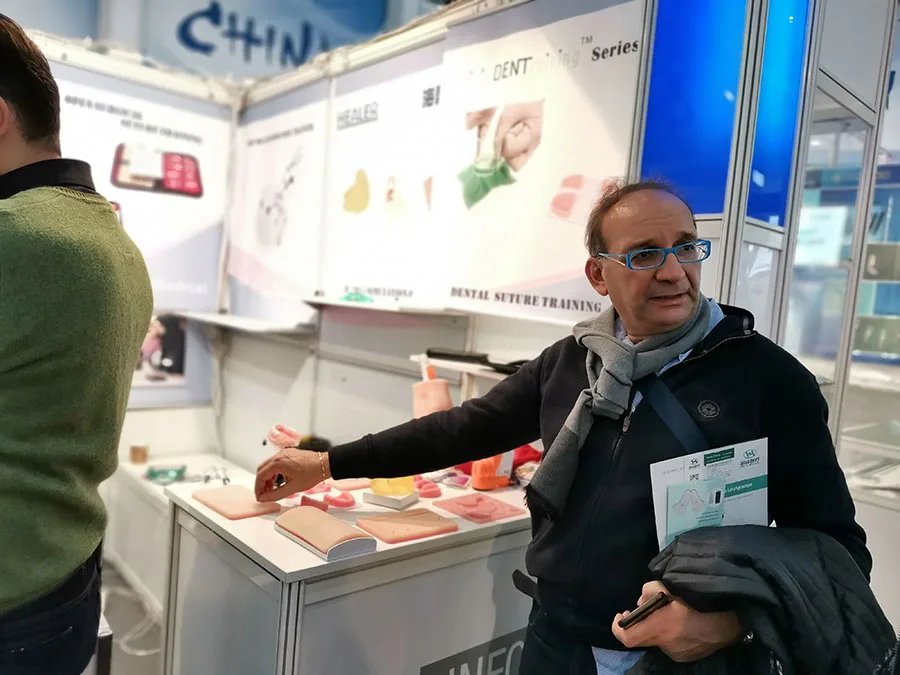
Hangzhou Healer Medical Instruments Co., Ltd.
- Manufacturer, Trading Company
- Zhejiang, China
- Lead time15 days
- Avg. response≤ 5h
Main productsMedical Training And Teaching Products,Medical Instruments,Medical Training and Teaching Products,Medical Instruments,laparoscopic instruments
Main marketsDomestic Market(60.0%), North America(15.0%), Eastern Europe(10.0%), Southeast Asia(10.0%), Oceania(5.0%)
Shanghai Chinon Medical Model & Equipment Manufacturing Co., Ltd.
- Manufacturer, Trading Company
- Shanghai, China
- Lead time7 days
- Avg. response≤ 1h
Main productsmedical model,CPR Manikin,CPR human model,training baby cpr model,teaching model
Main marketsWestern Europe(11.11%), Eastern Asia(11.11%), Mid East(11.11%), Oceania(11.11%), Africa(11.11%), Southeast Asia(11.11%), Eastern Europe(11.11%), South America(11.11%), North America(11.11%)
Luoyang Bomn Supply Chain Co., Ltd.
- Trading Company
- Henan, China
- Lead time30 days
- Avg. response≤ 2h
Main productsmedical teaching model,medical model,CPR Manikin,CPR human model,skeleton
Main marketsNorthern Europe(20.0%), Central America(20.0%), Eastern Europe(20.0%), South America(20.0%), North America(20.0%)
Shaoxing Kere Import & Export Co., Ltd.
- Trading Company
- Zhejiang, China
- Lead time0 days
- Avg. response≤ 6h
Main productsLab equipments,Lab plastic ware,Lab glassware,Teaching aids,Medical consumables
Main marketsNorth America(18.0%), Northern Europe(15.0%), Western Europe(12.0%), South America(12.0%), Eastern Europe(12.0%), South Asia(8.0%), Eastern Asia(8.0%), Africa(6.0%), Mid East(3.0%), Southeast Asia(2.0%), Central America(2.0%), Southern Europe(1.0%)
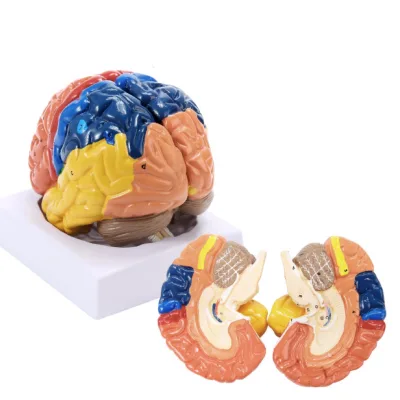
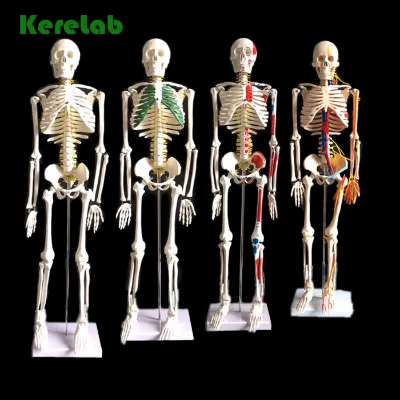
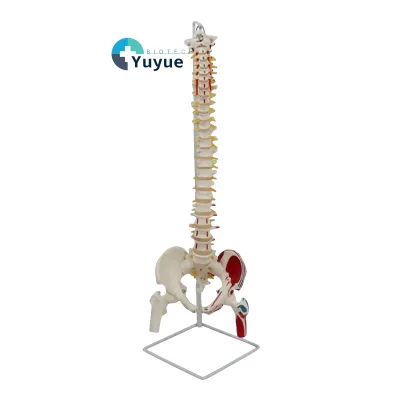
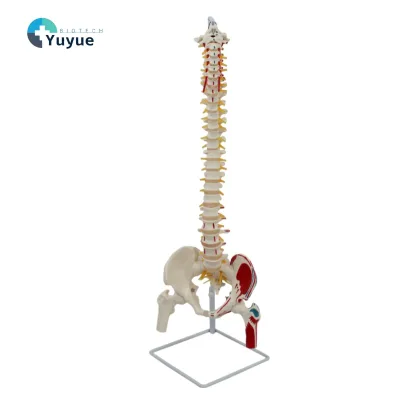
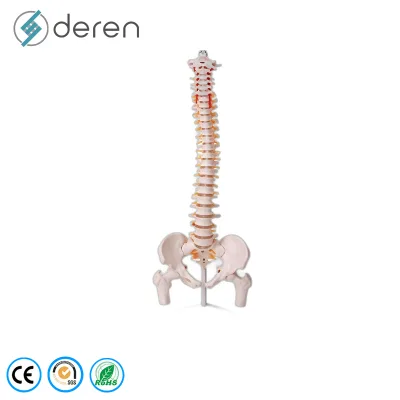
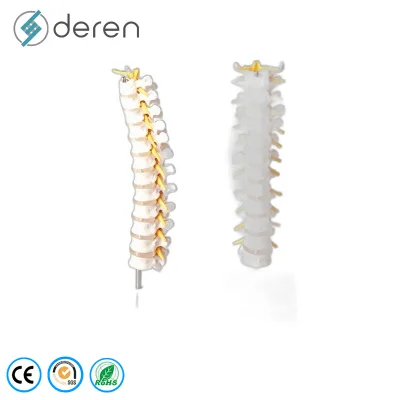
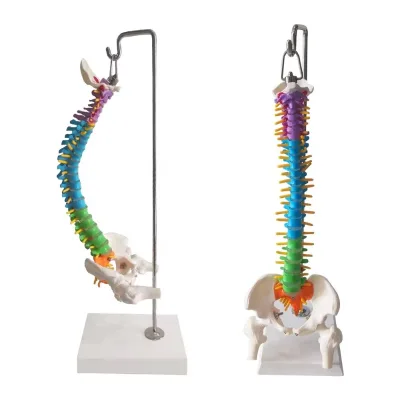
3d PVC Anatomical Human Spine Model for Education
$11.80 - $198.00

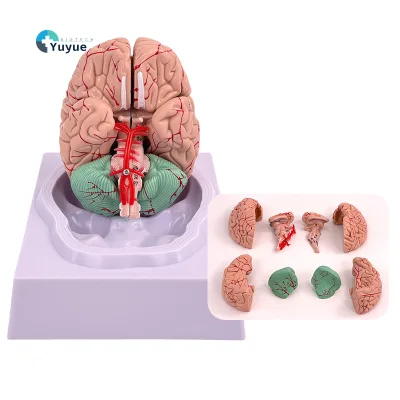
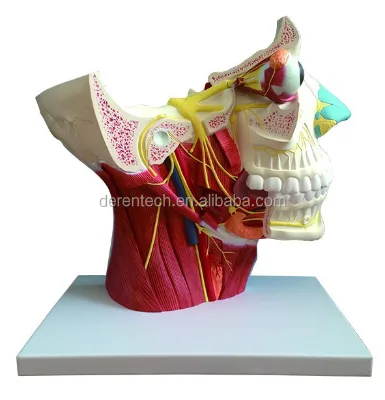
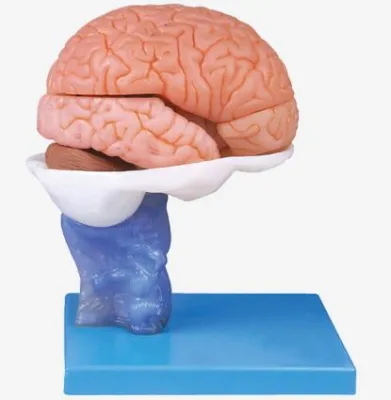
Medical Education Model Human Brain With Arteries and Nerves
$17.00 - $32.00
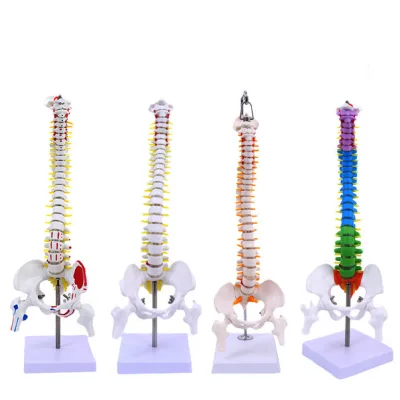
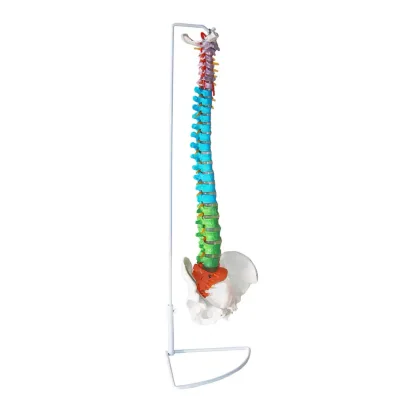
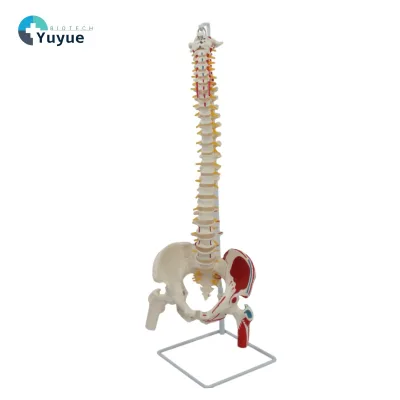
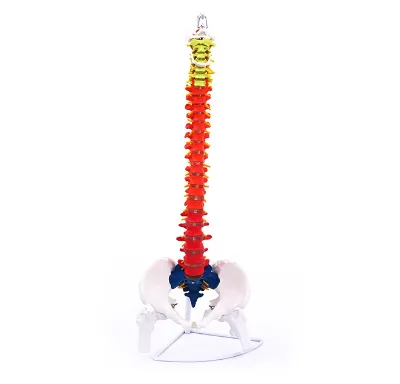
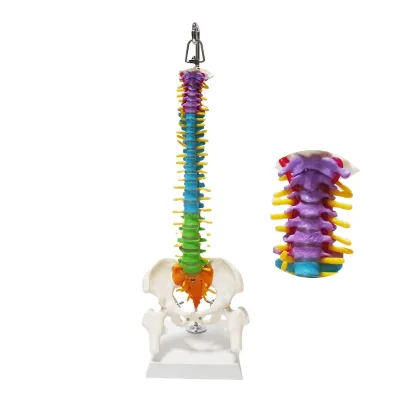
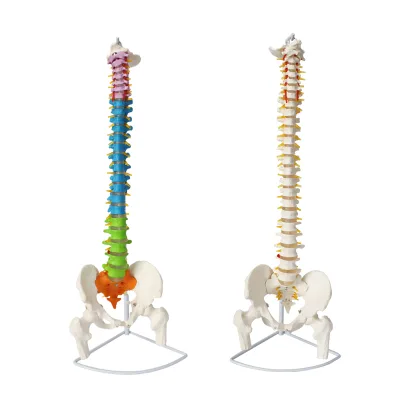
Artificial Medical Anatomical Spine Model
Contact supplier
Xinxiang Red Forest Edu. Instrument Co., Ltd.
- Manufacturer, Trading Company
- Henan, China
- Lead time15 days
- Avg. response≤ 3h
Main productsMicroscope Prepared Slides/Human Anatomical Model,Anatomical Model,Human skeleton model,Skull Model,microscope slides
Main marketsNorth America(34.0%), Western Europe(28.000000000000004%), Northern Europe(5.0%), South America(5.0%), Domestic Market(5.0%), Eastern Asia(5.0%), Eastern Europe(5.0%), Mid East(3.0%), South Asia(3.0%), Oceania(2.0%), Central America(2.0%), Africa(1.0%), Southeast Asia(1.0%), Southern Europe(1.0%)

- Trading Company
- China Zhejiang
- Lead time0 days
- Avg. response≤ 7h
Main productsAdditive Manufacturing/3D Printing, Dental Models, Hydration Bladder, Nursing and First Aid Models, Anatomical Model

Guangzhou Maya Medical Equipment Co., Ltd.
- Verified by BV
- Combined
- China Guangdong
- Lead time15 days
- Avg. response≤ 7h
Main productsMedical Equipment, Medical X-ray Machine, B Ultrasound Scanner, Hemodialysis Machine, Patient Monitor, Anesthesia Machine, Medical Disposable Material, Dental Equipment, Laboratory Equipment, Hospital Furniture
Main marketsAfrica

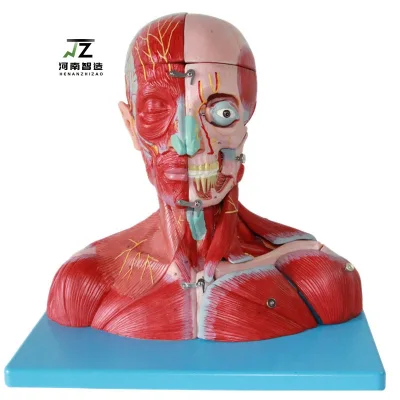
Medical Science Educational Teaching Male Muscle Model Human Bone Anatomy Model
$180.00 - $1180.00
Moq: 1

Natural Anatomical Skull Model Medical Teaching Model for Medical School Training
$18.00 - $35.00
Moq: 1


Ningbo Cbmtec Medical Equipment Co., Ltd.
- Verified by BV
- Manufacturer/Factory
- China Zhejiang
- Lead time45 days
- Avg. response≤ 4h
Main productsPatient Monitor, Ventilator, Patient Lift, Anesthesia Machine, Ultrasound Scanner, Gas Cylinder, Oxygen Concentrator, Pulse Oximeter, Oxygen Regulator
Main marketsSouth America,Eastern Europe,Mid East,North America,Southeast Asia,Eastern Asia,Oceania,Western Europe,Africa




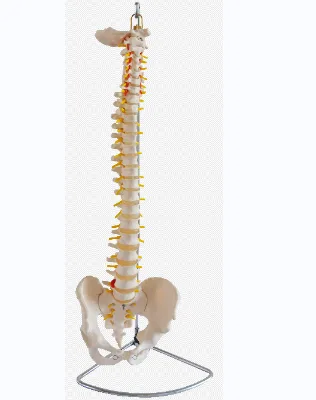
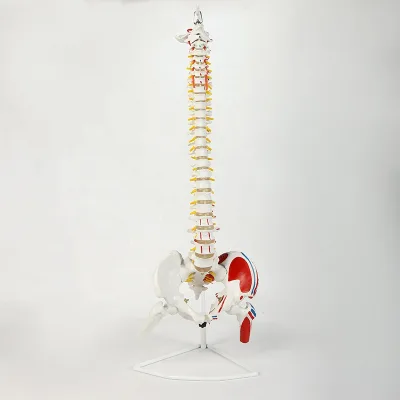
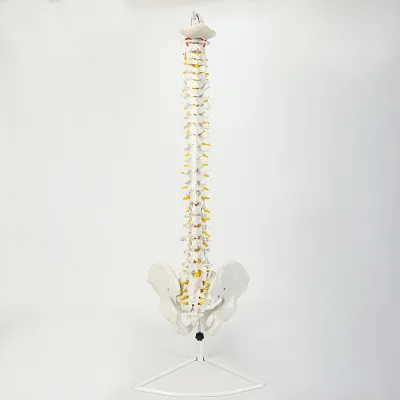
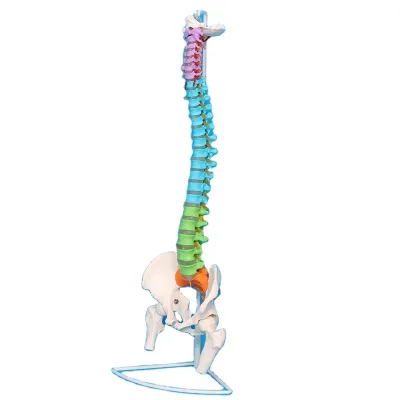
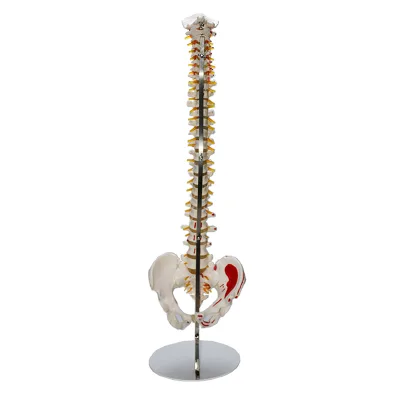
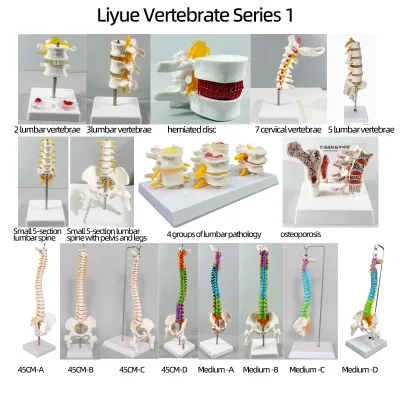
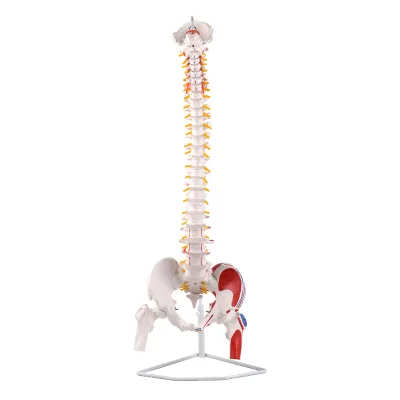
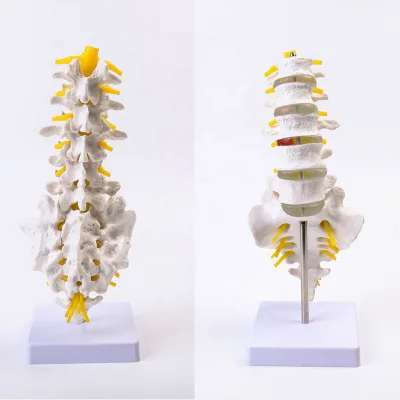




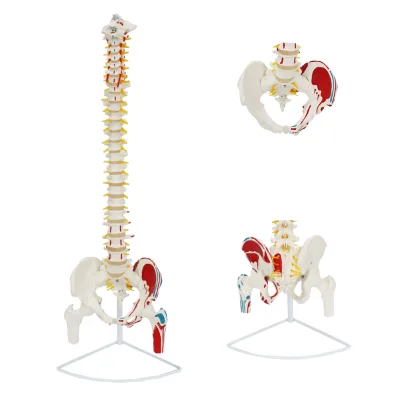
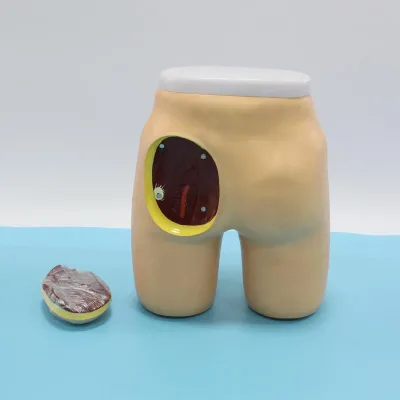
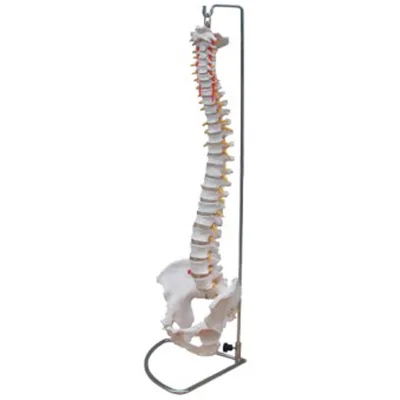
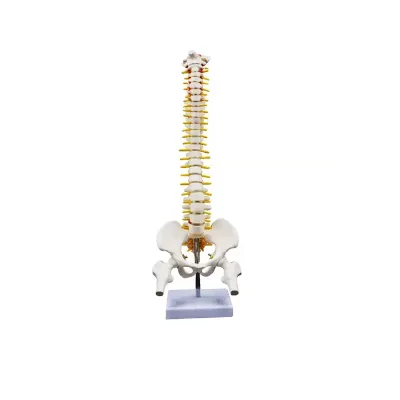


Comprehensive Sourcing Guide
Anatomical Demonstration Spine Model Supplier Concentration and Factory Types
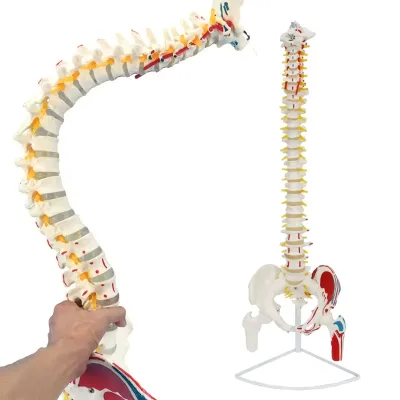
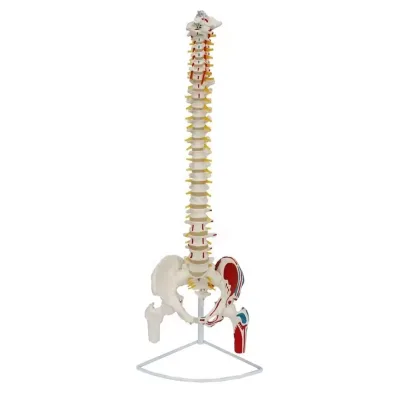
The current supplier landscape for anatomical demonstration spine models shows a distinct concentration of manufacturing activity within China, specifically in the Guangdong region. This geographic clustering suggests a specialized industrial ecosystem where suppliers leverage local supply chains for materials like PVC and plastic resins used in model construction. When evaluating potential partners, buyers should prioritize verifying the specific city or district within Guangdong, as proximity to raw material sources often influences production costs and lead times. The data indicates that many entities operating in this space are classified as combined companies, meaning they may function as both manufacturers and trading firms. This hybrid structure can offer flexibility in sourcing but requires careful due diligence to distinguish between actual factory capabilities and mere distribution networks.
Factory types in this sector vary significantly, with some suppliers explicitly listing ODM and OEM capabilities for custom anatomical models. These facilities often produce a wide range of medical equipment alongside educational models, including patient monitors, X-ray machines, and hospital beds. This diversification implies that a single supplier might have multiple production lines, potentially affecting the focus and quality control dedicated to anatomical spine models. Buyers must investigate whether the specific product line is a core competency or a secondary offering. The presence of combined company types suggests that some suppliers may outsource the actual molding or assembly while managing the sales and logistics. Understanding this distinction is critical for ensuring that the supplier has direct control over the quality of the spine model, particularly regarding the accuracy of anatomical details and the durability of the materials used.
How to Verify Anatomical Demonstration Spine Model Suppliers
Verification of suppliers in the Anatomical Demonstration Spine Model market requires a multi-layered approach focusing on third-party credentials and response metrics. Current data indicates that some suppliers hold CTI verification status, which serves as a baseline indicator of business legitimacy. However, buyers should not rely solely on this single metric. It is essential to cross-reference this verification with specific product certifications, as some listings show ISO, CE, and RoHS compliance for specific models, while others list system certifications as NIL. The absence of a general system certification does not necessarily disqualify a supplier if individual products carry valid safety and quality marks. Buyers must request and validate these specific product-level certificates to ensure the models meet international safety standards for educational and medical use.
Response time is another critical verification metric that reflects a supplier's operational readiness and communication efficiency. Available data shows response times ranging from 1.75 to 2.38, which can serve as a proxy for how quickly a supplier can address inquiries or resolve issues. A faster response time often correlates with better customer service and more agile production planning. Buyers should test this metric by initiating contact before placing an order to gauge the actual speed and quality of communication. Additionally, verifying the origin of the products is vital; while many listings specify Guangzhou or China (Mainland) Guangdong, buyers should confirm that the shipping origin matches the production location to avoid potential discrepancies in quality control or logistics. Ensuring that the supplier can provide consistent, verifiable data across all these dimensions is the first step in building a reliable supply chain.
What to Compare Across Anatomical Demonstration Spine Model Suppliers
When comparing suppliers, buyers should focus on a structured analysis of lead times, minimum order quantities, and pricing structures to determine the best fit for their specific needs. Lead times in this sector can vary, with some suppliers indicating a standard 15-day production window. This timeframe is a crucial factor for buyers with tight deadlines, as it directly impacts inventory planning and project schedules. Minimum order quantities (MOQ) also differ significantly, with some suppliers offering an MOQ of just one unit, which is ideal for small educational institutions or research labs testing specific models. In contrast, other suppliers may have higher thresholds that are better suited for bulk procurement. Buyers must align these constraints with their budget and volume requirements to avoid unnecessary costs or stockouts.
Pricing and customization options provide another vital dimension for comparison. The market shows a wide price range, with some spine models listed between $22 and $54, while more complex or larger models can range up to $899. This variation often reflects differences in material quality, anatomical accuracy, and the level of customization available. Some suppliers offer non-customized standard models, while others provide full customization services for specific educational needs. Buyers should evaluate whether the price difference justifies the added features or if a standard model suffices for their requirements. Additionally, comparing the main products offered by each supplier can reveal their specialization; a supplier focusing heavily on medical equipment might offer higher quality control for anatomical models than a general trading company. This holistic comparison ensures that buyers select a partner that balances cost, quality, and service efficiency.
Common Anatomical Demonstration Spine Model Sourcing Risks
One of the primary risks in sourcing anatomical demonstration spine models is the potential discrepancy between advertised specifications and actual product quality. While some listings provide detailed attributes such as size, weight, and material composition, others may lack sufficient detail to verify the model's durability or anatomical accuracy. For instance, a model described as "flexible" might not maintain its shape under repeated handling, which is common in educational settings. Buyers must request physical samples or detailed video evidence to confirm that the product matches the description, particularly regarding the realism of the spine structure and the stability of the joints. Relying solely on text-based product descriptions without visual or physical verification can lead to receiving substandard models that fail to meet educational standards.
Another significant risk involves the inconsistency of certifications and compliance standards across different suppliers. While some products explicitly list ISO, CE, and RoHS certifications, others show no system certification or ambiguous labeling. This inconsistency can pose legal and safety risks, especially if the models are intended for use in regulated medical or educational environments. Buyers must verify that the specific model they intend to purchase carries the necessary certifications for their region and intended use. Furthermore, the risk of supply chain disruption exists if a supplier relies on a single production line or lacks the capacity to scale during peak demand. Buyers should assess the supplier's production capacity and backup plans to ensure they can fulfill orders consistently without delays or quality compromises.
Anatomical Demonstration Spine Model Regional Sourcing and Logistics
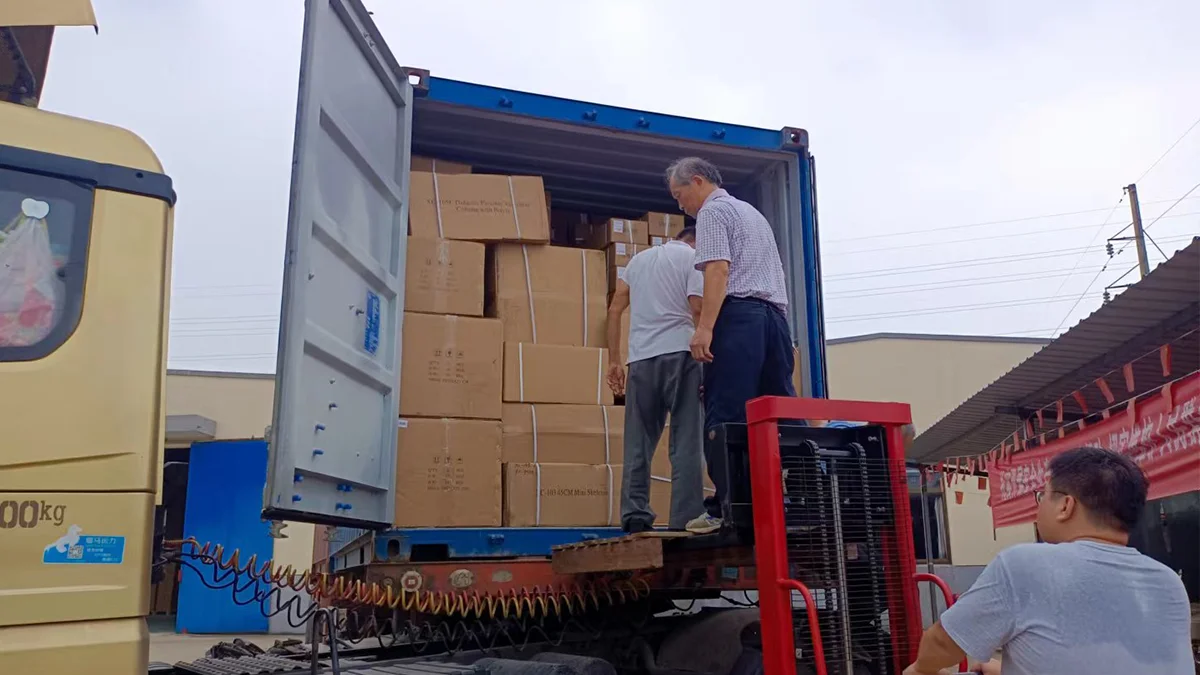
Sourcing anatomical demonstration spine models from the Guangdong region in China offers logistical advantages due to the area's well-developed infrastructure and proximity to major ports. The concentration of suppliers in this region facilitates efficient shipping and reduces transit times for international buyers. However, buyers must be aware that the specific origin of the product, whether Guangzhou or another city within Guangdong, can influence packaging and shipping costs. Some suppliers specify "Standard Package for Export" or "Export Standard Packaging for Air and Sea," which indicates a level of preparedness for international logistics. Buyers should confirm the packaging details to ensure the models are protected during transit, especially given the fragile nature of anatomical models that may include delicate joints or realistic textures.
Logistics planning also requires attention to the weight and dimensions of the models, as these factors directly impact shipping costs and handling requirements. For example, larger models like full skeleton or animal anatomical models can weigh up to 10kg or more, requiring specialized freight arrangements. Smaller models, such as individual spine segments, are lighter but may require careful handling to prevent damage. Buyers should calculate the total shipping volume and weight to estimate freight costs accurately and choose the most cost-effective shipping method. Additionally, understanding the lead time in conjunction with shipping duration is essential for accurate delivery planning. A 15-day production lead time combined with international shipping can result in a total delivery window of several weeks, which buyers must factor into their procurement schedules to avoid delays in educational or medical projects.
Anatomical Demonstration Spine Model Commercial Terms and Order Planning
Commercial terms for anatomical demonstration spine models often include specific conditions regarding customization, payment, and delivery. While some suppliers offer customization services, others may limit options to non-customized standard models. Buyers must clarify the scope of customization early in the negotiation process, as this can significantly affect the production timeline and cost. Additionally, the availability of escrow services or secure payment methods should be verified to protect the buyer's financial interests. Although specific escrow details are not always listed, buyers should insist on using secure payment channels that offer dispute resolution mechanisms. This ensures that funds are only released once the products meet the agreed-upon specifications and quality standards.
Order planning requires a strategic approach to managing inventory and production schedules, particularly given the variability in lead times and MOQs. Buyers should plan their orders well in advance to accommodate the 15-day production lead time and any potential delays in shipping. For suppliers with an MOQ of one, buyers can start with small test orders to evaluate quality before committing to larger volumes. This approach minimizes risk and allows for adjustments based on the initial product performance. Furthermore, buyers should consider the long-term relationship with the supplier, as consistent ordering can lead to better pricing and priority production slots. By carefully planning orders and maintaining clear communication regarding commercial terms, buyers can ensure a smooth procurement process and reliable access to high-quality anatomical demonstration spine models.
FAQs
Where are anatomical spine models manufactured?
These models are manufactured in China, specifically in the Guangdong region. Guangzhou is a noted origin point for many of these educational items. Buyers should verify the specific factory location before placing large orders to ensure logistics compatibility.
What is the typical lead time for these models?
The standard lead time for these anatomical spine models is 15 days. This duration applies to most standard orders from suppliers in the Guangdong area. Buyers should confirm if expedited shipping options are available for urgent medical school requirements.
Do suppliers offer customization for spine models?
Yes, customization is available for many anatomical spine models. Some listings indicate that specific features like herniated discs or nerve details can be tailored. However, other products are listed as non-customized, so buyers must check individual product attributes carefully.
What certifications do these anatomical models hold?
Certifications vary by product, with some models holding ISO, CE, and RoHS approvals. Other listings show no system certification or only condition-based labels. Buyers should request specific certification documents for each model to ensure compliance with local medical education standards.
What is the minimum order quantity for spine models?
The minimum order quantity for these anatomical spine models is one unit. This low threshold allows buyers to purchase single samples for evaluation before committing to larger bulk orders. It is ideal for small medical schools or individual researchers testing product quality.
How quickly do suppliers respond to inquiries?
Supplier response times vary, with observed averages around 1.75 to 2.38 hours. Fast response times indicate active engagement and readiness to discuss product specifications. Buyers should expect prompt replies when contacting verified suppliers in the Guangdong region for immediate sourcing needs.
What is the price range for these models?
Prices for anatomical spine models range from 22 to 899 units of currency depending on complexity. Simple vertebral columns start lower, while detailed skeletons with removable joints cost significantly more. Buyers should compare specific product attributes to find the best value for their budget.
Are these models suitable for medical teaching?
Yes, these models are specifically designed for teaching the basics of human anatomy to medical students. They often feature realistic details like herniated discs and flexible vertebral columns. Many listings explicitly state their use for medical schools and educational institutions requiring durable teaching resources.