Android ECU Code Reader Suppliers and Manufacturers
Source 26 verified suppliers for Android ECU Code Reader units. Compare dimensions like lead times, MOQs, certifications, and response speeds. Review product specs and request quotes to streamline procurement; review the available evidence before requesting comparable quotations from suitable candidates.
Suppliers List

Sichuan CNGO New Energy Co.LTD.
- Verified by SGS
- Trading Company
- China Sichuan
- Lead time15 days
- Avg. response≤ 3h
Main productsGas Valve, Oxygen Valve, Cylinder Valve, Filling Valve, Ball Valve, Gas Cylinder Tank, Solenoid Valve, Tank Valve, Tank, Cylinder
Main marketsEurope


Compact V317 OBD2 Code Reader Monitors Live ECU Data, Performs I/M Readiness Test
$14.95 - $16.70
MOQ: 20

Shenzhen Kingbolen Electrics Technology Co., Ltd.
- Trading Company, Distributor/Wholesaler, Business Service (Transportation, finance, travel, Ads, etc)
- Lead time旺季: "1 - 1000":3,"> 1000":"To be negotiated", 淡季: "1 - 1000":3,"> 1000":"To be negotiated"
- Avg. response≤ 2h
Main productsdiagnostic tool,ECU Programming Tool,Car Key Programmer,Battery Teaster,Code Reader

Ediag Plus OBD2 Diagnostic Tool Scanner with CAN-FD Protocol ECU Coding Code Reader 1 Year Free
$111.80 - $121.97
MOQ: 1 sets

Launch CR3001 Auto Engine Fault Code Reader for All OBDII Protocol Cars Since 1996 Lifetime Free
$16.32 - $17.34
MOQ: 1 pieces
Shenzhen Boyna Technology Co., Ltd.
- Verified by SGS Group
- Trading Company
- Lead time30 days
Main productsCar Diagnostic Tool, Automotive Code Reader, OBD Cables and Connector, Battery Tester and Charger, Car ECU Programming Tool
Main marketsEastern Europe(30%), North America(15%), Southern Europe(15%)
- Verified by TüVRheinland
- Manufacturer, Trading Company
- Lead time15 days
Main productsPCBA, Cable, Connector
Main marketsNorth America(25%), Domestic Market(23%), South America(15%)

Shenzhen A. N. G Technology Co., Ltd.
- Verified by TUVRHEINLAND
- Trading Company,Manufacturer/Factory
- China Guangdong
- Lead time23 days
- Avg. response≤ 2h
Main productsSmart Card, RFID Card, RFID Tag, NFC Tag, RFID Sticker, RFID Keyfob, RFID Wristband, RFID Blocking Card, RFID Reader, NFC Reader
Main marketsSouth America,Eastern Europe,Mid East,North America,Southeast Asia,Eastern Asia,Oceania,Western Europe,Africa
Shenzhen Clover Technology Co., Ltd.
- Manufacturer
- guangdong, China
- Lead time7 days
- Avg. response≤ 9h
Main productsAutomotive Diagnostic Tool,DIY Professional Diagnostic Tools,Tire Pressure Monitoring System,OBD2,Elm327
Main marketsNorth America(30.00%), Eastern Europe(15.00%), Southeast Asia(10.00%), Northern Europe(10.00%), Southern Europe(5.00%), South America(5.00%), Central America(5.00%), Western Europe(5.00%), Mid East(5.00%), Oceania(5.00%), Africa(5.00%)

- Verified by BV
- Combined
- China Guangdong
- Lead time23 days
- Avg. response≤ 1h
Main productsRFID & Mobile ID Access Control Reader, Osdp Wiegand Access Control Reader, Qr Code Access Control Reader, HTTP Web Access Control Terminal, Wireless Access Control System, Biometric Access Control System, Time Attendance Terminal, RFID Smart Card Reader, RFID NFC Desktop Reader Writer, Customized IoT Devices
Main marketsSoutheast Asia/ Mideast,North America
Shenzhen Acartool Auto Electronics Co., Ltd.
- Verified by SGS Group
- Trading Company
- Lead time3 days
Main productsCar Diagnostic Tool, Truck Diagnostic Tool, Car Key Programmer, Code Scanner, OBD2 Scanner
Main marketsNorth America(30%), South America(13%), Eastern Europe(12%)

Shenzhen HCC Technology Co., Ltd.
- Verified by BV
- Manufacturer/Factory
- China Guangdong
- Lead time15 days
- Avg. response≤ 4h
Main productsPOS Terminal, Unattended Payment Terminal, Thermal Printer, EMV Card Reader, IC Card Reader, Bus Ticket Validator, Passport Scanner, Smart Card Reader, Barcode Scanner, PDA
Main marketsSouth America,Eastern Europe,Mid East,Southeast Asia,Eastern Asia,Oceania,Western Europe,Africa

ACR122u-A9 NFC Card Payment System Reader 13.56MHz Access Control Program Reader
$20.00 - $26.00
MOQ: 1 Pieces

Android 9.0 EMV Qr Code Scanner Contactless and Portable POS Bus Payment Validator P18-Q
$10.00 - $350.00
MOQ: 1 Pieces

ID Control EMV Card Reader PDA Machine Touch Screen POS Terminal Android 2GB RAM Hcc-CS20
$135.00 - $160.00
MOQ: 1 Pieces

$46.00 - $60.00
MOQ: 1 Pieces

EMV L1 and L2 Linux NFC Card Reader Qr Code Barcode Scanner Bus Transportation Validatorp18-Q
$310.00 - $340.00
MOQ: 1 Pieces
Chengdu Chexinwang Electronic Technology Co., Ltd.
- Trading Company
- Sichuan, China
- Lead time1 days
- Avg. response≤ 3h
Main productsX431 PRO5, X431 IMMO PLUS, MTOOL
Main marketsWestern Europe(30.00%), North America(25.00%), South America(20.00%), Southeast Asia(10.00%), Oceania(5.00%), Eastern Asia(5.00%), Africa(5.00%)

Zhejiang Junmp Technology Inc., Ltd
- Verified by TUVRHEINLAND
- Combined
- China Zhejiang
- Lead time15 days
- Avg. response≤ 10h
Main productsRFID Inlays, Labels, Harsh Environment Tags, Intelligent Terminals
Main marketsSouth America,Africa,Southeast Asia/ Mideast,East Asia(Japan/ South Korea),Domestic,Europe,North America
Chengdu Daobo Technology Co., Ltd.
- Trading Company
- Sichuan, China
- Lead time2 days
- Avg. response≤ 3h
Main productsDiagnostic tools,Key programmer,Ecu tools,Remote keys/Car Key shell,key cutting machine
Main marketsAfrica(25.00%), South Asia(12.00%), South America(10.00%), North America(10.00%), Eastern Asia(9.00%), Mid East(8.00%), Southeast Asia(8.00%), Central America(5.00%), Eastern Europe(3.00%), Western Europe(3.00%), Oceania(2.00%), Southern Europe(2.00%), Northern Europe(2.00%), Domestic Market(1.00%)
CHENGDU WECAN ELECTRONICS CO.,LTD
- Trading Company
- SICHUAN, China
- Lead time3 days
- Avg. response≤ 1h
Main productsOBD2 Scanner,clamp meter,digital multimeter,multimeter,diagnostic tools
Main marketsNorth America(30.00%), South Asia(20.00%), Eastern Europe(10.00%), South America(5.00%), Southern Europe(5.00%), Northern Europe(5.00%), Western Europe(5.00%), Eastern Asia(5.00%), Mid East(5.00%), Africa(5.00%), Southeast Asia(5.00%)
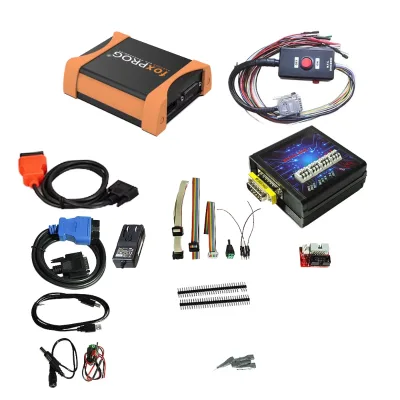
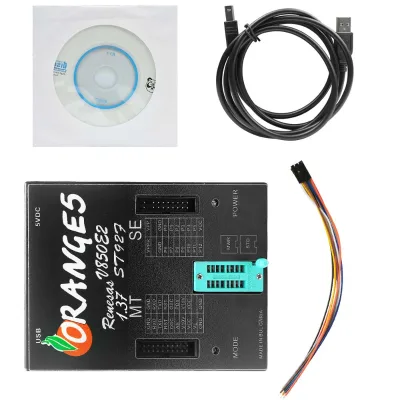
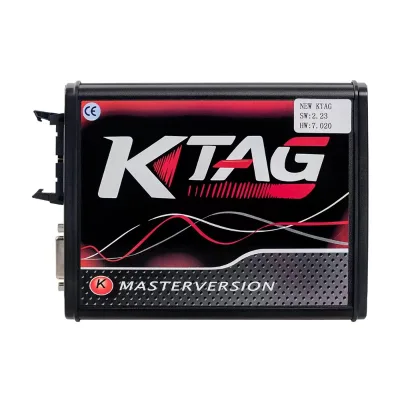
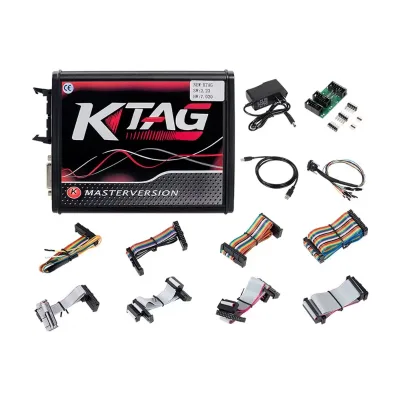
China Supplier Kess-v2 Master Version Kess Ktag Ecu Most Popular Programming Tool
$45.50 - $55.00
MOQ: 1

Shenzhen Talentcar Electronic Co., Ltd.
- Manufacturer, Trading Company, Buying Office
- Lead time旺季: "1 - 5":7,"6 - 10":10,"> 10":"To be negotiated", 淡季: "1 - 5":7,"6 - 10":10,"> 10":"To be negotiated"
- Avg. response≤ 2h
Main productsCar Diagnostic Tool,Car Key Programmer,Chip Tuning Tools,Code Scanner
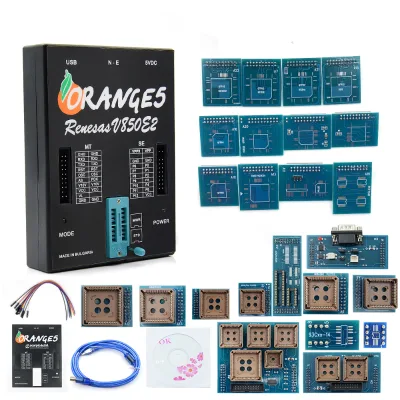
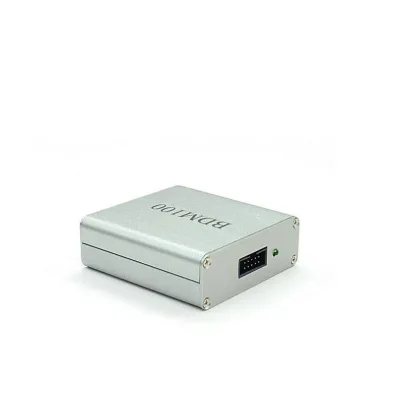
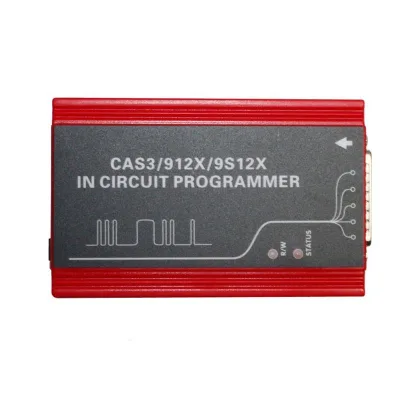
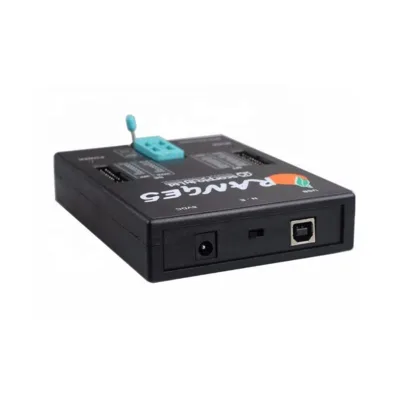
$160.00 - $183.00
MOQ: 1 pieces
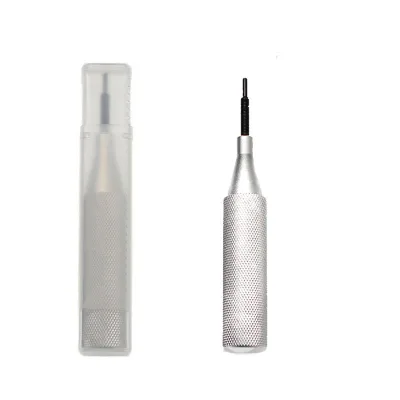
Low Price ECU PC Version Open Cover Code Reader Tool High Performance Handheld
$4.07 - $5.08
MOQ: 1 sets


- Verified by SGS
- Trading Company
- China Zhejiang
- Lead time15 days
- Avg. response≤ 20h
Main productsCar Mat, Car Air Freshener, Car Seat Cover, Steering Wheel Cover, Car Phone Holder, Car Roof Tent, Car Sunshade, Jerry Can
Main marketsEurope,Australia


Wholesale Multi-Language Car Fault Diagnostic Instrument Engine Scanner Code Reader
$10.78 - $11.99
MOQ: 100 Pieces

Fast Drop Shipping Diagnostic Instrument Engine Fault Detector Car Code Reader
$15.18 - $17.05
MOQ: 65 Pieces

Customized Cheap Diagnostic Computer Multilingual Car Inspection Scanner
$16.28 - $18.48
MOQ: 60 Pieces


Shenzhen Blovedream Technology Co., Ltd.
- Combined
- China Guangdong
- Lead time15 days
- Avg. response≤ 1h
Main productsPDA, Handheld Terminal, Industrial PDA, Handheld PDA, PDA Android, Android Mobile Computer, PDA Barcode Scanner Android, PDA Barcode Scanner, Android Barcode Scanner Terminal, Data Collector
Main marketsSouth America,Africa,Southeast Asia/ Mideast,East Asia(Japan/ South Korea),Europe,Australia,North America
Shenzhen Auto Creacle Technology Co., Ltd.
- Manufacturer, Trading Company, Distributor/Wholesaler
- Guangdong, China
- Lead time7 days
- Avg. response≤ 7h
Main productsWheel aligner,Vehicle repair tool,Automotive electronics,Car Key programmer,Car code reader
Main marketsCentral America(10.00%), Africa(10.00%), Southeast Asia(10.00%), Eastern Asia(10.00%), Mid East(10.00%), North America(10.00%), Domestic Market(5.00%), South Asia(5.00%), Southern Europe(5.00%), Northern Europe(5.00%), Oceania(5.00%), Western Europe(5.00%), Eastern Europe(5.00%), South America(5.00%)

2018 OBD2 Wholesale Prices for VAG Immo Emulator for VW for Audi for Seat Auto Key Programmer
$5.50 - $6.00
MOQ: 10 units

High Quality Ecu Programmer PAD OBDSTAR X300 DP PLUS Ecu Programmer Cableobdstar X300 Pro3
$1632.47 - $1856.58
MOQ: 1 Minimum
Shenzhen Autol Technology Co., Ltd.
- Trading Company, Agent, Distributor/Wholesaler
- Guangdong, China
- Lead time0 days
- Avg. response≤ 9h
Main productsAUTEL MaxiSys Pro,AUTEL MaxiSys Elite,LAUNCH X431 V,LAUNCH X431 PRO,ikeycutter condor xc-007 master series key cutting machine

Shenzhen Yilida Technology Co., Ltd.
- Verified by CTI
- Manufacturer/Factory
- China Shandong
- Lead time0 days
- Avg. response≤ 23h
Main productsAutomotive Maitenance Equipment, Car Repair Tool, Automobile Collision Repair Equipment, Car Workshop Equipment, Chassis Straigntener


Io-Prog ECU Programmer Via Obdii
MOQ: 1 Pieces

Shenzhen Dwell Electronics Co., Limited
- Verified by BV
- Trading Company,Manufacturer/Factory
- China Guangdong
- Lead time15 days
- Avg. response≤ 7h
Main productsAccess Control, Access Control Reader, Access Controller, Smart Card Reader, RFID Card Reader, RFID Reader, Single Door Access Controller, Standalone Access Controller, Lock, Access Control Card Reader
Main marketsSouth America,Eastern Europe,Mid East,North America,Southeast Asia,Eastern Asia,Oceania,Western Europe,Africa

Shenzhen Jiushu Technology Co., Ltd.
- Manufacturer, Trading Company, Distributor/Wholesaler
- Guangdong, China
- Lead time2 days
- Avg. response≤ 7h
Main productstruck diagnostic tool,forklift diagnostic tool,diagnostic tool,car code reader,car diagnostic tools
Main marketsNorth America(50.00%), Western Europe(20.00%), Southern Europe(20.00%), Southeast Asia(5.00%)
Shenzhen Zhitong Automotive Technology Co., Ltd.
- Verified by SGS Group
- Trading Company
- Lead time7 days
Main productsCar Diagnostic Tools, ECU Programming Tool, OBD2 Scanner, Auto Key Programmer, Auto Injector Cleaner And Auto Battery Tester

Guangzhou Juhe Electronic Technology Co., Ltd.
- Trading Company, Agent, Distributor/Wholesaler
- Guangdong, China
- Lead time0 days
- Avg. response≤ 1h
Main productsDiesel diagnostic tools,ECU/ECM/Control Module,monitor/display screen,Engine/program cable,wiring harness
Main marketsNorth America(30.00%), Southeast Asia(20.00%), Oceania(20.00%), Mid East(10.00%), South America(10.00%), Africa(10.00%)
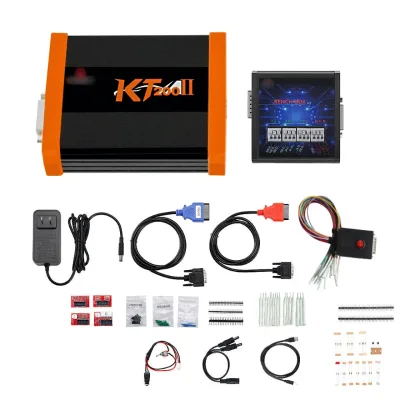
$849.97 - $1105.99
MOQ: 1 Minimum
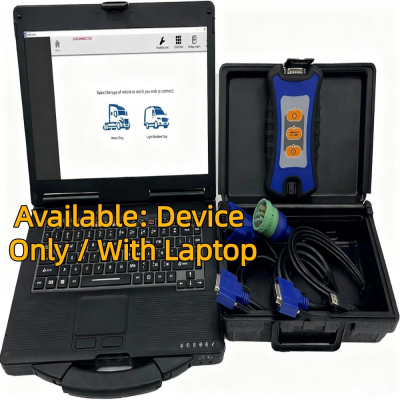
Code Scanner Diesel Trucks Best OBD2 Diagnostic Tool Link3 121054 Compatible With NEXIQ
$347.22 - $602.54
MOQ: 1 Minimum


Guangzhou Xinyue Electronic Technology Co., Ltd.
- Trading Company
- Guangdong, China
- Lead time7 days
- Avg. response≤ 2h
Main productsCar Diagnostic Tool,Vehicle Key Shells,Smart Watch straps and chargers,Electronics,Adapter cables
Main marketsWestern Europe(60.00%), North America(20.00%), South America(10.00%), Eastern Europe(5.00%), Mid East(5.00%)

- Manufacturer/Factory
- China Guangdong
- Lead time15 days
- Avg. response≤ 18h
Main productsAccess Control, Electromagnetic Lock, UHF Long Range Reader, RFID Access Control, Em Lock, Automatic Swing Door Opener, Frameless Bolt Lock, Glass Door Lock, Power Supply Controller, Access Exit Push Button
Main marketsSouth America,Eastern Europe,Mid East,North America,Southeast Asia,Eastern Asia,Oceania,Western Europe,Africa

- Trading Company
- China Shandong
- Lead time23 days
- Avg. response≤ 23h
Main productsCar Lift Factory, Car Parking System, Tire Changer Manufacture, Wheel Balancer Factory, Wheel Alignment Machine, Frame Machine, Spray Booth, Air Compressor, Car Jack, Car Wash Machine
Main marketsSouth America,Africa,Southeast Asia/ Mideast,Domestic,Europe,Australia,North America






Comprehensive Sourcing Guide
Android ECU Code Reader Supplier Concentration and Factory Types
The landscape for sourcing android ecu code readers reveals a distinct mix of manufacturing capabilities and commercial intermediaries, requiring buyers to carefully distinguish between direct factories and trading entities. Current market data indicates that a significant portion of available suppliers operate as trading companies, which often serve as bridges between specialized manufacturing hubs and international buyers. These trading firms may offer broader product portfolios, including related items like gas valves or general automotive accessories, but they might not possess the direct engineering control over the android-based diagnostic hardware. Conversely, some suppliers are identified as distributors or wholesalers, focusing on volume movement rather than custom development. This structural diversity means that when evaluating potential partners, you must look beyond the company name to understand their actual role in the supply chain. A trading company might provide excellent customer service and flexible order sizes, but they may lack the ability to modify the underlying android operating system or hardware architecture to meet specific OEM requirements.
Understanding the factory type is crucial for determining the level of technical support and customization available for your Android ECU Code Reader project. Suppliers listed with main products such as diagnostic tools, ecu programming tools, and car key programmers are more likely to have the technical infrastructure to support complex software updates and hardware integrations. In contrast, suppliers whose primary focus is on simpler code readers or general vehicle accessories may offer limited support for advanced features like bi-directional controls or live data streaming. The presence of verification badges, such as SGS, can provide an additional layer of confidence in the supplier’s operational standards, but it does not automatically confirm their manufacturing depth. Buyers should inquire directly about whether the supplier owns the production lines for the android tablets or if they source the core hardware from third-party manufacturers. This distinction impacts lead times, quality control processes, and the ability to resolve technical issues that may arise during the deployment of the diagnostic tools in the field.
How to Verify Android ECU Code Reader Suppliers
Verifying the authenticity and capability of Android ECU Code Reader suppliers requires a multi-layered approach that goes beyond surface-level profile information. Start by examining the verification status provided by the platform, such as SGS certification, which indicates that a third-party agency has inspected certain aspects of the supplier’s business. However, this verification should be cross-referenced with the supplier’s claimed main products and company type to ensure consistency. For instance, if a supplier claims to be a manufacturer but lists a wide array of unrelated products like gas cylinders or solenoid valves, this may indicate a trading company with a broad sourcing network rather than a specialized factory. Additionally, check for specific product certifications listed in the product attributes, such as CE, ISO, RoHS, CCC, and GS. These certifications are critical for android ecu code readers because they ensure the devices meet safety and electromagnetic compatibility standards in various international markets. A supplier that can provide valid certificates for their specific models demonstrates a commitment to regulatory compliance and quality assurance.
Another vital step in verification is assessing the supplier’s responsiveness and communication efficiency, which can be inferred from their reported response times. A quick response time, such as under three hours, often correlates with a more active and professional sales team that is likely to provide better support throughout the procurement process. You should also request detailed product specifications, including the operating system version, processor type, and memory configuration, to ensure the Android ECU Code Reader meets your technical requirements. For example, a high-end diagnostic tool might require an android 10 operating system with a quad-core processor and ample RAM for running complex diagnostic software. Verify that the supplier can provide samples or demo units to test the device’s functionality, including its ability to perform bi-directional tests and read live data streams. Furthermore, inquire about their after-sales support structure, including warranty terms and software update policies, as these factors are essential for maintaining the long-term usability of the diagnostic tools. By combining verification of credentials with technical due diligence, you can mitigate the risk of partnering with unreliable suppliers.
What to Compare Across Android ECU Code Reader Suppliers
When comparing suppliers for android ecu code readers, focus on key commercial and operational metrics that directly impact your procurement strategy and total cost of ownership. One of the most critical factors is the minimum order quantity (MOQ), which varies significantly across different suppliers. Some suppliers may offer an MOQ of just one unit, allowing for easy sampling and small-scale testing, while others may require bulk orders of fifty or more units. This distinction is particularly important for buyers who are new to the product category or wish to test market demand before committing to large volumes. Additionally, compare the price ranges for similar product models, keeping in mind that lower prices may come with trade-offs in terms of build quality, software features, or support services. For example, a basic code reader might be available at a lower price point, but a more advanced android-based ecu code reader with bi-directional control capabilities will naturally command a higher price. Ensure that you are comparing apples to apples by aligning the specifications, such as screen size, connectivity options, and diagnostic functions, when evaluating price differences.
Lead time and response speed are also essential comparison points that can influence your supply chain reliability. Suppliers with shorter lead times, such as those offering production within fifteen days, can help you respond more quickly to market demands and reduce inventory holding costs. However, be aware that lead times may vary based on order volume, with larger orders potentially requiring negotiation or extended production schedules. Similarly, a supplier’s response time to inquiries can indicate their level of engagement and willingness to provide detailed information. Compare the main products offered by each supplier to ensure they have a strong focus on diagnostic tools and ecu programming, as this specialization often translates to better technical expertise and product quality. Additionally, consider the customization options available, such as logo printing, packaging design, and software localization, as these can be crucial for branding and market positioning. By systematically comparing these factors, you can identify suppliers that offer the best balance of cost, quality, and service for your specific needs.
Common Android ECU Code Reader Sourcing Risks
Sourcing android ecu code readers from international suppliers introduces several risks that buyers must proactively manage to ensure a successful procurement outcome. One significant risk is the potential mismatch between the advertised product specifications and the actual delivered goods. This can occur if the supplier lacks transparency about the hardware components or software versions used in their diagnostic tools. For instance, a supplier might advertise an Android ECU Code Reader with high-end specifications, but the delivered unit may have inferior processors or outdated operating systems. To mitigate this risk, it is essential to request detailed technical documentation and, if possible, obtain samples for rigorous testing before placing a large order. Another common risk is the lack of reliable after-sales support, particularly for software updates and technical troubleshooting. Android-based diagnostic tools often require regular software updates to remain compatible with new vehicle models and protocols. If the supplier does not have a robust update mechanism or customer support team, your devices may become obsolete quickly, leading to customer dissatisfaction and additional costs.
Intellectual property and compliance risks are also prevalent in the Android ECU Code Reader market. Some suppliers may use unlicensed software or components that violate intellectual property rights, exposing buyers to legal liabilities. Additionally, products that do not meet international safety and electromagnetic compatibility standards can face customs clearance issues or regulatory penalties in the destination market. Buyers should verify that the supplier has obtained the necessary certifications, such as CE, RoHS, and FCC, for their specific product models. Furthermore, be cautious of suppliers who offer prices that seem too good to be true, as this may indicate the use of substandard materials or components. Quality control is another area of concern, as inconsistent manufacturing processes can lead to defective units with issues like screen failures or connectivity problems. Establishing clear quality standards and inspection protocols in your purchase agreement can help protect against these risks. By identifying and addressing these potential pitfalls early in the sourcing process, you can build a more resilient and reliable supply chain for your android ecu code readers.
Android ECU Code Reader Regional Sourcing and Logistics
The regional origin of Android ECU Code Reader suppliers can influence logistics planning, customs procedures, and overall supply chain efficiency. Current market data indicates that some suppliers are located in regions like Sichuan and Guangdong in China, which are known for their electronics manufacturing capabilities. Suppliers in these regions may benefit from established supply chains for electronic components, potentially leading to more competitive pricing and faster production times. However, the specific location of the supplier also impacts shipping costs and transit times, which buyers must factor into their total landed cost calculations. For example, suppliers located in coastal areas like Guangdong may have easier access to major ports, facilitating faster and more cost-effective sea freight options. In contrast, suppliers in inland regions might rely more on rail or air freight, which can be more expensive but faster for urgent orders. Understanding the logistical advantages and disadvantages of different regions can help you optimize your sourcing strategy and reduce lead times.
Logistics planning for android ecu code readers also involves considering the packaging and handling requirements to ensure the devices arrive in good condition. Diagnostic tools often include sensitive electronic components and screens that are susceptible to damage during transit. Buyers should verify that the supplier uses appropriate packaging materials, such as shock-absorbing foam and sturdy boxes, to protect the products. Additionally, inquire about the supplier’s experience with international shipping and their ability to handle customs documentation accurately. Delays in customs clearance can disrupt your supply chain and lead to additional storage fees. It is also important to consider the shipping methods available, such as air, sea, or express delivery, and choose the option that best balances cost and speed for your needs. For smaller orders or urgent requirements, air freight or express delivery may be preferable, while larger bulk orders can be more cost-effectively shipped by sea. By carefully planning the logistics and understanding the regional advantages of different suppliers, you can ensure a smooth and efficient procurement process for your android ecu code readers.
Android ECU Code Reader Commercial Terms and Order Planning
Effective order planning for android ecu code readers requires a thorough understanding of the commercial terms offered by suppliers, including payment methods, warranty policies, and return procedures. Common payment options for these products include Telegraphic Transfer (T/T), Western Union, and PayPal, each with its own advantages and risks. T/T is often preferred for larger orders due to its lower transaction fees and security, while PayPal and Western Union may be more suitable for smaller transactions or samples. Buyers should negotiate clear payment terms, such as a deposit followed by payment upon shipment or against a copy of the bill of lading, to protect their financial interests. Additionally, inquire about the supplier’s warranty policy, including the duration of coverage and the process for claiming repairs or replacements. A robust warranty policy can provide peace of mind and reduce the risk of financial loss due to defective products. It is also important to clarify the return and refund procedures in case the delivered goods do not meet the agreed-upon specifications.
Order planning should also account for the scalability of the supplier’s production capacity and their ability to handle fluctuations in demand. Suppliers with flexible production lines and a history of handling large orders may be better equipped to meet your growth requirements. Discuss lead times for both standard and customized orders, and establish a clear communication channel for updates on production progress. Consider the potential for volume discounts or tiered pricing structures, which can reduce your unit costs as your order quantities increase. Furthermore, plan for the integration of the android ecu code readers into your existing business operations, including software deployment, training, and customer support. Ensure that the supplier can provide the necessary technical documentation and training materials to facilitate a smooth rollout. By carefully planning the commercial terms and order logistics, you can build a sustainable and profitable sourcing relationship for your android ecu code readers, ensuring long-term success in the automotive diagnostic market.
FAQs
What is the price range for Android ECU code readers?
Prices for Android-based diagnostic scanners vary significantly by model and capability. Basic handheld units typically range from $13.35 to $16.70. Advanced bi-directional tools with full system coding and large screens, such as the 689BT model, are priced between $510.00 and $515.00. Buyers should verify specific model pricing before ordering.
What certifications do these diagnostic tools usually have?
Many Android ECU code readers carry CE, ISO, RoHS, CCC, and GS certifications. Some models also display ISO9001 and BV ECE110r compliance. These certifications indicate adherence to international safety and quality standards. Buyers should request specific certificate copies to verify compliance with local regulatory requirements before finalizing procurement agreements.
What are the typical lead times for these products?
Standard lead times for Android diagnostic tools are generally around 15 days. Some suppliers indicate a range of 15 to 30 days for delivery. For larger orders exceeding 1000 units, lead times may be negotiated separately. Buyers should confirm exact shipping schedules with suppliers to ensure timely project completion.
What is the minimum order quantity for these scanners?
Minimum order quantities vary by product type. Basic OBD2 code readers often require a minimum of 20 to 50 units. High-end Android diagnostic tablets may have a minimum order quantity of just one unit. Buyers should check specific product listings to determine the exact MOQ applicable to their desired model.
Where are these diagnostic tools typically manufactured?
These Android ECU code readers are primarily manufactured in China. Specific production locations include Sichuan and Guangdong provinces. Buyers should verify the exact place of origin for each product to understand logistics and potential shipping costs. Origin details are usually listed in the product specifications provided by the supplier.
Do these tools support bi-directional control and coding?
Advanced Android models like the 689BT support bi-directional active tests and ECU coding. Basic handheld scanners may only read and clear fault codes. Buyers seeking programming capabilities should look for keywords like bi-directional or coding in the product description. Verify specific feature lists to ensure the tool meets technical requirements.