Anti-Static Oval Bristle Wood Comb Suppliers and Manufacturers
Source an anti-static oval bristle wood comb from 27 suppliers across Zhejiang and Shandong. Compare grounded dimensions such as lead time, MOQ, response time, material options and unit pricing, then request quotes to verify each supplier before ordering; review the available evidence before requesting comparable quotations from suitable candidates.
Updated
Suppliers List
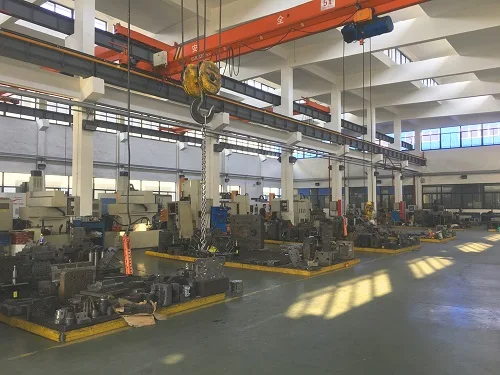
Ningbo Damu Plastic Product & Mold Co., Ltd.
- Manufacturer
- Zhejiang, China
- Lead time30 days
- Avg. response≤ 8h
Main productsplastic injection molding,plastic part,CNC machining,Die castng die,silicone part
Main marketsNorth America(60.00%), South Asia(30.00%), Mid East(10.00%)
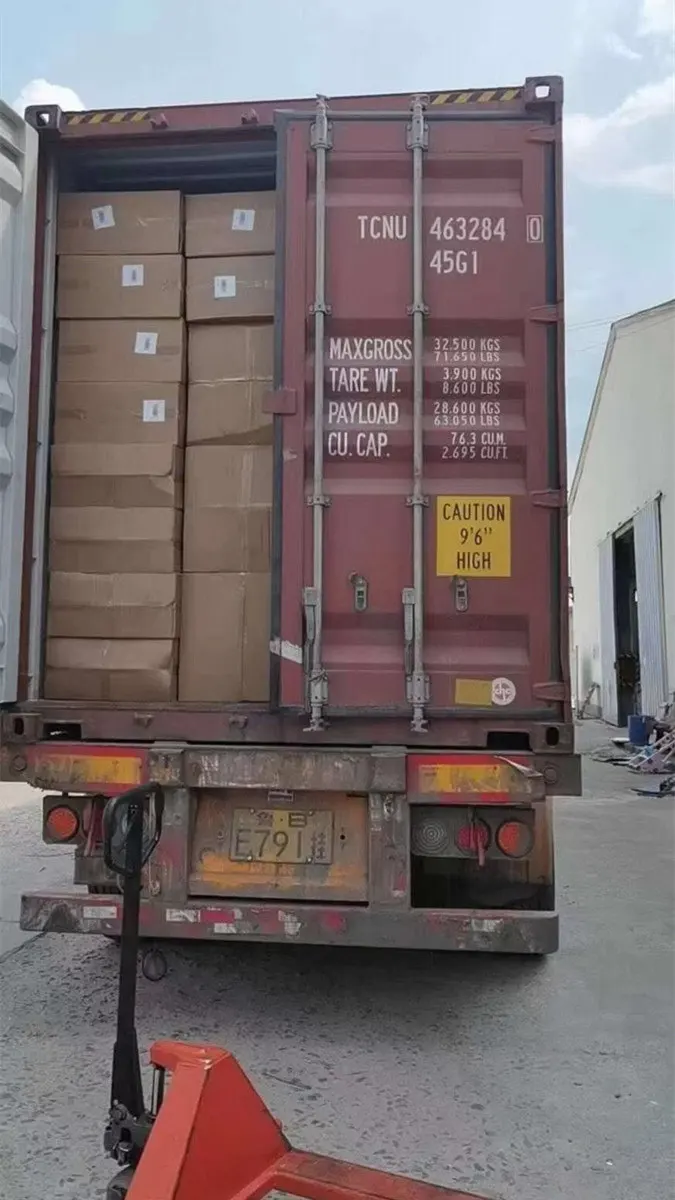
- Manufacturer, Trading Company
- Shandong, China
- Lead time20 days
- Avg. response≤ 3h
Main productsHairbrushes,Bath brushes,Wooden combs,Wooden crafts,OEM
Main marketsNorth America(43.00%), Northern Europe(15.00%), Oceania(10.00%), South Asia(5.00%), Eastern Europe(5.00%), South America(5.00%), Southern Europe(5.00%), Africa(3.00%), Central America(3.00%), Western Europe(3.00%), Southeast Asia(2.00%), Mid East(1.00%)

Ningbo Two Birds Industry Co., Ltd.
- Verified by BV
- Trading Company,Manufacturer/Factory
- China Zhejiang
- Lead time45 days
- Avg. response≤ 6h
Main productsCosmetic & Makeup Items, Cleaning Tool, Pet Supplies, Bathroom Products, Bags, Kitchen Accessories, Hair Accessories, Home Textile, Consumable Items, Home Storage
Main marketsSouth America,Eastern Europe,Mid East,North America,Southeast Asia,Eastern Asia,Oceania,Western Europe,Africa

Oval Shape Anti-Static Nylon Bristle Massage Wooden Hair Brush for All Hair Type
$0.60 - $1.50
MOQ: 1000 Pieces

Oval Shape Anti-Static Massage Wooden Brush with Boar Bristle and Nylon Pin for All Hair Type
$0.60 - $1.50
MOQ: 1000 Pieces

- Verified by SGS
- Trading Company
- China Guangdong
- Lead time15 days
- Avg. response≤ 10h
Main productsRespirator
Main marketsSouth America,Southeast Asia/ Mideast,Domestic,Europe,North America


Best Selling Comfortable Wooden Bamboo Brush Natural Beard Brush Comb for Home Use
$0.76 - $0.86
MOQ: 60 Pieces

Guangzhou Kenlong Beauty Salon Equipment Co., Ltd
- Manufacturer, Trading Company, Distributor/Wholesaler
- Guangdong, China
- Lead time15 days
- Avg. response≤ 1h
Main productsHair Scissors,Pet Scissors,hair brush & comb,hairdresser case,barber & pet tools
Main marketsNorth America(40.00%), Eastern Europe(28.00%), Western Europe(20.00%), South America(12.00%)
Yangzhou Tongfun Red International Trading Co., Ltd.
- Manufacturer, Trading Company
- Jiangsu, China
- Lead time20 days
- Avg. response≤ 10h
Main productsToothbrush, Slippers, Soap, ECO-Friendly Products, Hotel Amenities
Main marketsWestern Europe(18.00%), Domestic Market(15.00%), Oceania(12.00%), North America(10.00%), Eastern Europe(10.00%), Mid East(10.00%), South America(5.00%), Southern Europe(5.00%), Northern Europe(5.00%), South Asia(3.00%), Eastern Asia(3.00%), Central America(2.00%), Southeast Asia(2.00%)
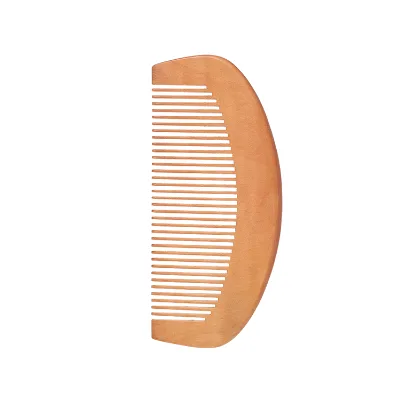
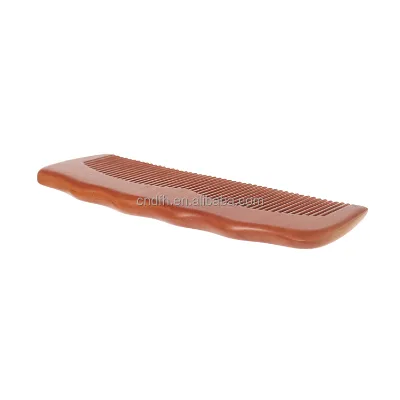
OEM Wooden Brush Private Label Bamboo Beard Comb and Wooden Hair Comb Bamboo Handle Lice Comb
$0.515 - $0.6168
MOQ: 500 pieces
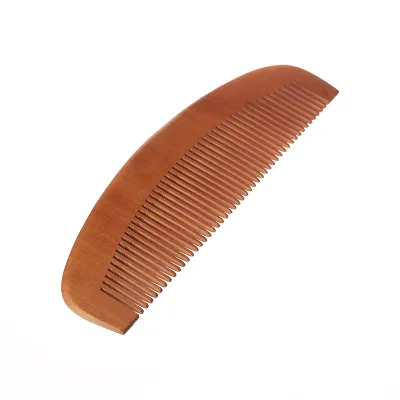
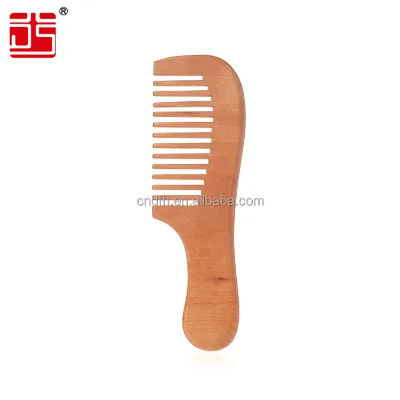
OEM Wooden Wood Brush Pocket Combs Set with Custom Logo Engraving or Print Disposable Hair Comb
$0.3278 - $0.3698
MOQ: 500 pieces
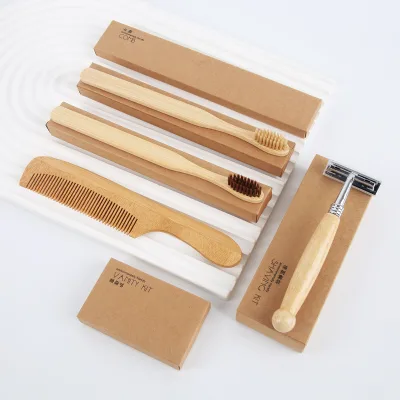

Shanghai David International Trade Co., Ltd.
- Verified by TUVRHEINLAND
- Combined
- China Shanghai
- Lead time15 days
- Avg. response≤ 8h
Main productsPromotional Gifts, Gift Sets, Tshirts, Hats, Hot Packs, Hot Cold Packs, Ice Packs, Bags, Umbrellas, Water Bottles
Main marketsSouth America,Africa,Southeast Asia/ Mideast,East Asia(Japan/ South Korea),Domestic,Europe,Australia,North America

Wooden Bristle Comb Eco Hairbrush for Thin Natural Soft Fine Hair Brush Massage Comb
$2.40 - $3.50
MOQ: 1000 Pieces


Taixing JEYGO Import Export Co., Ltd.
- Verified by SGS
- Trading Company
- China Jiangsu
- Lead time30 days
- Avg. response≤ 6h
Main productsWooden Brush, Bath Product, Bath Brush, Pet Hair Comb, Bamboo and Wood Handicrafts, Brush Making Machinery, Bamboo and Wood Kitchenware
Main marketsDomestic
Handan Shengyuan Textile Co., Ltd.
- Verified by SGS Group
- Manufacturer, Trading Company
- Lead time5 days
- Avg. response≤ 2h
Main productsBarber Cape, Aprons, T Shirts, Towels, Kimono

Shanghai Sinogym Fitness Co., Ltd.
- Verified by BV
- Trading Company,Manufacturer/Factory
- China Shanghai
- Lead time23 days
- Avg. response≤ 16h
Main productsWeight Plate, Weight Lifting, Barbell Bar, Aerobic Stepper, Gymnastic Mat, Yoga & Pilates, Gymnastic Ball, Benches, Resistance Bands, Chin up Bar
Main marketsSouth America,Eastern Europe,Mid East,North America,Southeast Asia,Eastern Asia,Oceania,Western Europe,Africa

Eco-Friendly Wooden Comb Custom Logo Boar Bristle Hair Care Brush Bamboo Paddle Cushion Hair Brush
$0.80 - $1.99
MOQ: 1000 Pieces

Personalized Bamboo Wooden Hair Styling Comb Manual Flat Beard Comb Brush
$0.50 - $0.99
MOQ: 1000 Pieces

Yangzhou Top Daily Chemical Co., Ltd.
- Verified by SGS
- Trading Company
- China Jiangsu
- Lead time30 days
- Avg. response≤ 3h
Main marketsSoutheast Asia/ Mideast,East Asia(Japan/ South Korea),Domestic,Europe,Australia

Air Massage Comb Wooden Handle Anti-Static Bamboo Hair Comb for Hair Care
$0.79 - $0.99
MOQ: 1000 Pieces


Wuhu Zhuohui E-commerce Co., Ltd.
- Verified by SGS Group
- Trading Company
- Anhui, China
- Lead time30 days
- Avg. response≤ 2h
Main productsHairbrushes, Combs
Main marketsNorth America(40%), Western Europe(35%), Eastern Europe(15%)
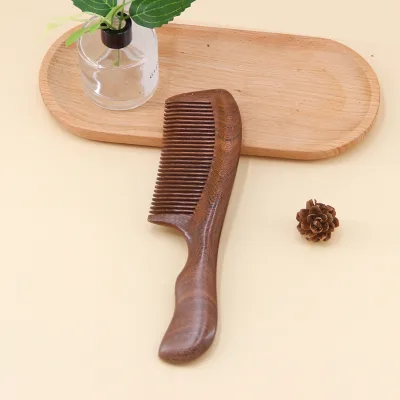
$2.4506 - $2.759
MOQ: 1000 pieces
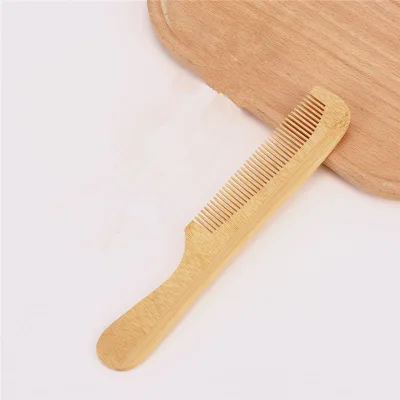
$0.6063 - $0.8114
MOQ: 100 pieces
Ningbo Chengmi Trading Co., Ltd.
- Verified by TüVRheinland
- Trading Company
- Lead time35 days
- Avg. response≤ 7h
Main productsPersonal Care Brush, Personal Care Comb, Shaving And Barber Tools, Konjac Sponge, Gifts & Promotions
Main marketsNorth America(33%), Western Europe(22%), Oceania(8%)
Yangzhou Ecoway Hotel Supply Co., Ltd.
- Manufacturer, Trading Company
- Lead time旺季: "1 - 5000":30,"> 5000":"To be negotiated", 淡季: "1 - 5000":30,"> 5000":"To be negotiated"
- Avg. response≤ 3h
Main productsAmenity Kits; Slipper, Toothbrush, Shampoo, Cosmetic Tube, Shower Gel

Jinjiang Jiaxing Supply Management Co., Ltd.
- Verified by TUVRHEINLAND
- Trading Company
- China Fujian
- Lead time30 days
- Avg. response≤ 1h
Main productsEVA Clogs, Flip Flop, Shoe Charms, Shopping Bags, Wristbands, Gifts, Promotional Gifts, Slipper, Sport Cap, Ball
Main marketsNorth America

Yangzhou Shitong Hotel Supply Co., Ltd.
- Combined
- China Jiangsu
- Lead time15 days
- Avg. response≤ 2h
Main productsHotel Amenity, Hotel Slipper, Hotel Shampoo
Main marketsSoutheast Asia/ Mideast,Domestic

Hair Comb Brushes Custom Laser Logotravel Hotel Use Bamboo Hair Comb for Home
$0.01 - $0.15
MOQ: 10000 Pieces


Guangzhou Wan Mei Beauty Products Co., Ltd.
- Verified by TüVRheinland
- Manufacturer, Trading Company
- Lead time7 days
- Avg. response≤ 2h
Main productsHair Comb, Hair Cape, Hair Clip, Hair Brush, Hair Curler
Main marketsNorth America(20%), South America(20%), Africa(10%)

NANCHANG ECO PACKAGING CO., LTD.
- Verified by SGS
- Trading Company,Manufacturer/Factory
- China Jiangxi
- Lead time23 days
- Avg. response≤ 3h
Main productsPerfume Atomizer, Perfume Bottle, Aluminum Jar, Aluminum Tube, Aerosol Can, Roll on Bottle, Aluminum Bottle, Hair Brush, Hair Comb
Main marketsSouth America,Eastern Europe,Mid East,North America,Southeast Asia,Eastern Asia,Oceania,Western Europe,Africa

Natural Wooden Hair Brush Wooden Natural Hair Comb Brush with Boar Bristle
$1.45 - $1.95
MOQ: 100 Pieces

Professional Custom Wooden Paddle Hair Brush with Boar Bristles Detangling
$1.45 - $1.95
MOQ: 100 Pieces
Shenzhen Nicebest International Import & Export Co., Limited
- Verified by TüVRheinland
- Trading Company
- Lead time2 days
- Avg. response≤ 5h
Main productsKitchen Tabletop, Bathroom Products, Home Decoraction
Main marketsNorth America(40%), South America(30%), Mid East(10%)

Yangzhou Eco Nature Hotel Supply Co., Ltd.
- Verified by TUVRHEINLAND
- Combined
- China Jiangsu
- Lead time23 days
- Avg. response≤ 15h
Main productsSlipper, Shampoo, Toothbrush, Soap, Razor, Comb, Sewing Kit, Vanity Kit, Shower Cap, Loofah
Main marketsSouth America,Southeast Asia/ Mideast,Europe,Australia,North America
- Verified by SGS Group
- Manufacturer, Trading Company
- Lead time15 days
- Avg. response≤ 10h
Main productsWooden Brush, Wooden Comb, Bath Brush, Massage Comb, Hair Brush
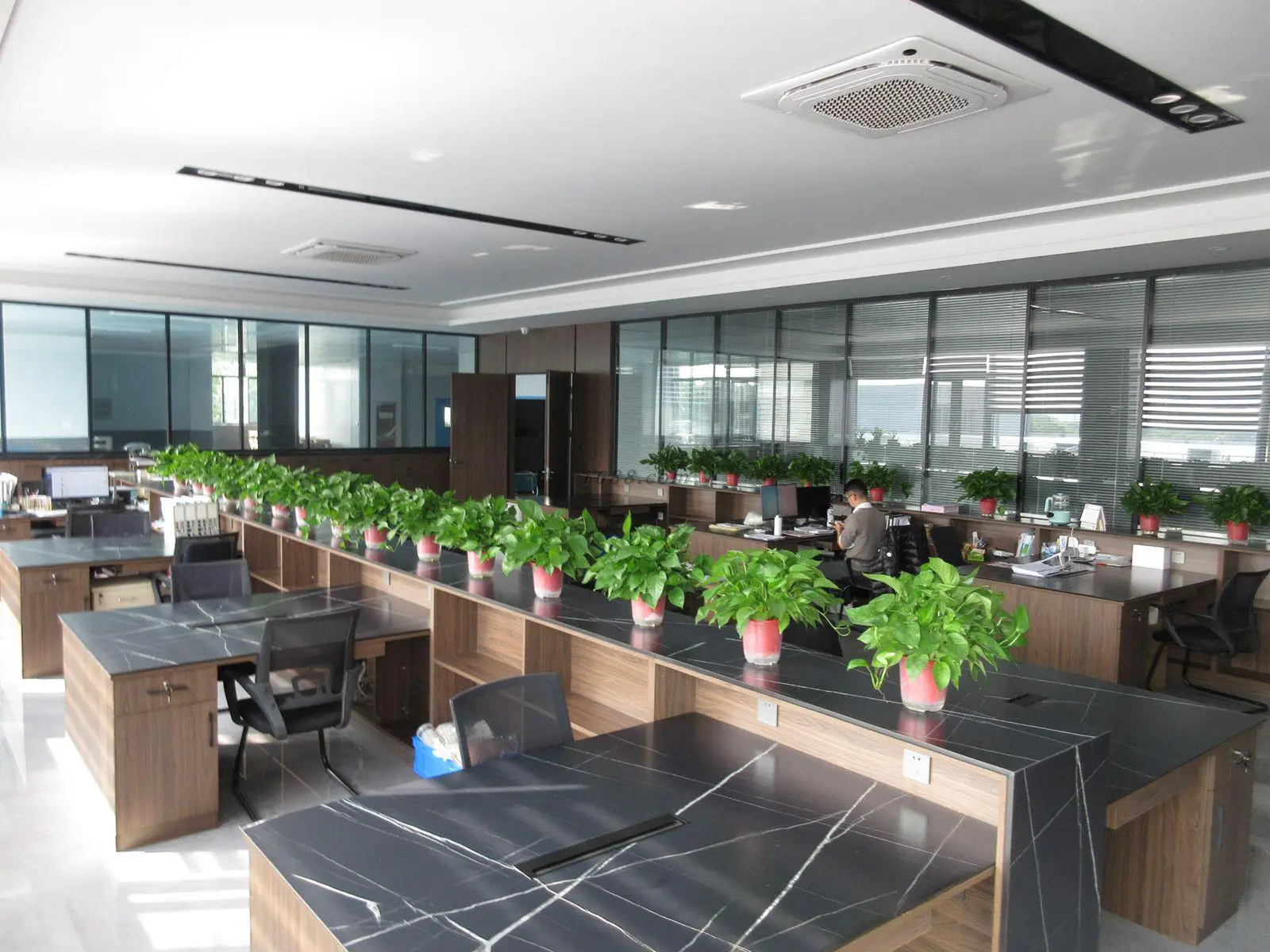
- Trading Company
- Zhejiang, China
- Lead time35 days
- Avg. response≤ 5h
Main productsNail File,Foot file,Manicure Set,Beauty Scissors,Eyebrow Trimmer
Main marketsDomestic Market(56.00%), North America(18.00%), Southeast Asia(8.00%), Africa(5.00%), Eastern Europe(5.00%), Oceania(3.00%), South America(2.00%), Mid East(1.00%), South Asia(1.00%), Eastern Asia(1.00%)

- Trading Company
- Jiangsu, China
- Lead time15 days
- Avg. response≤ 20h
Main productsGuest Amenities Set,Hotel Slippers,Soap Dispensers,Hotel Cosmetics,Daily Cosmetics
Main marketsWestern Europe(30.00%), North America(27.00%), Domestic Market(16.00%), Northern Europe(9.00%), Southeast Asia(6.00%), Mid East(5.00%), Southern Europe(4.00%), Oceania(3.00%)

Shuifu Huiyang Agricultural Technology Co., Ltd.
- Verified by SGS
- Trading Company
- China Yunnan
- Lead time23 days
- Avg. response≤ 3h
Main productsBamboo Products, Bamboo Crafts, Bamboo Chopsticks, Bamboo Skewers, Bamboo Weaving, Bamboo Tray, Bamboo Box, Bamboo Placemat, Bamboo Fruit Bowl, Lamp Shades
Main marketsDomestic

Yangzhou Aplus Amenities International Co., Ltd.
- Verified by TUVRHEINLAND
- Combined
- China Jiangsu
- Lead time30 days
- Avg. response≤ 3h
Main productsHotel Amenity, Hotel Linen, Hotel Slipper, Hotel Soap, Hotel Shampoo, Hotel Shower Gel, Hotel Leather Products, Hotel Resin Tray, Plastic Tube, Plastic Bottle
Main marketsSoutheast Asia/ Mideast,Domestic,North America
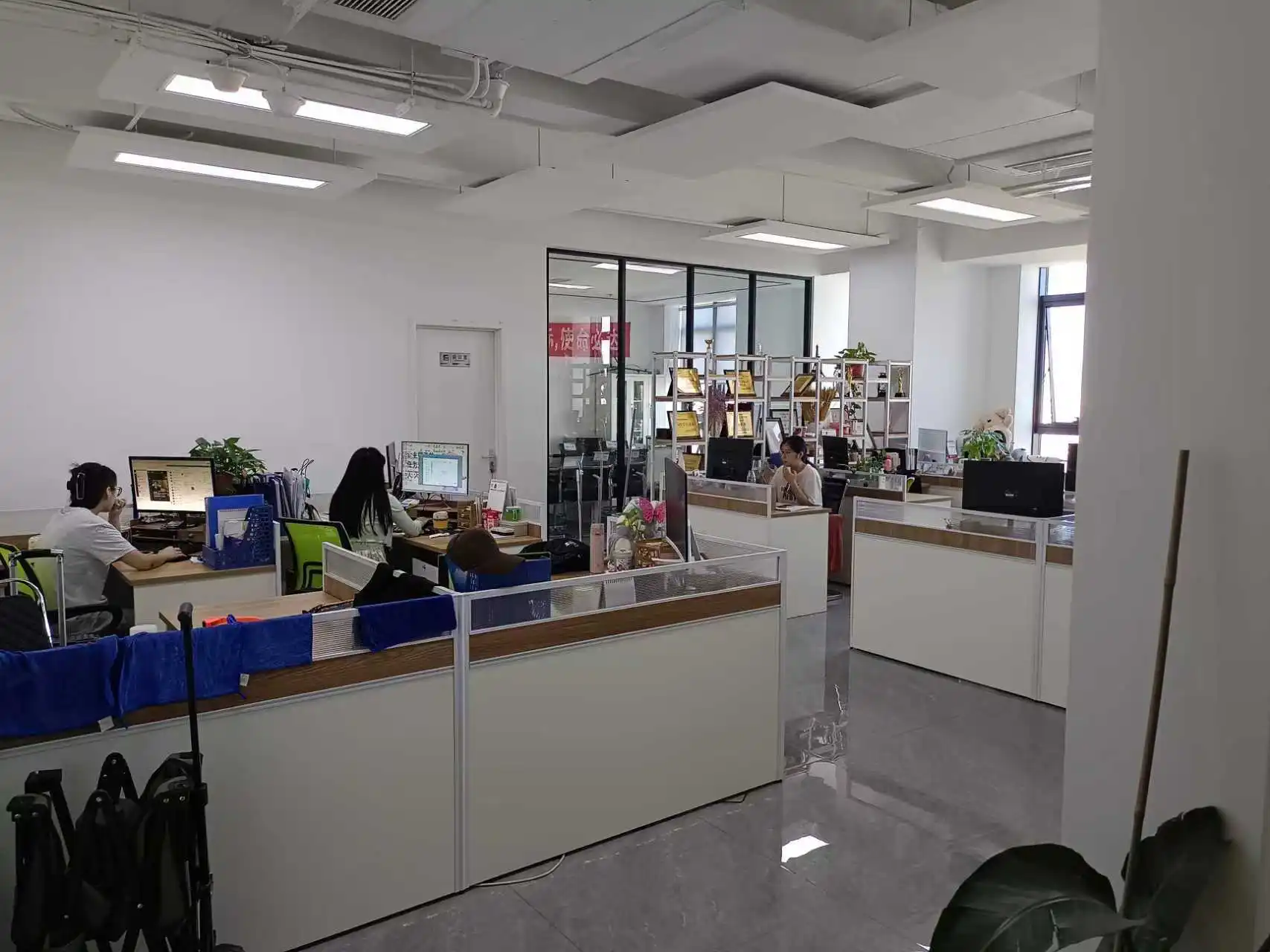
Caoxian Bestermy Wooden Co., Ltd.
- Manufacturer, Trading Company
- Shandong, China
- Lead time30 days
- Avg. response≤ 2h
Main productsWooden packaging box,Wooden Tray,Wooden toys,furniture,Receive box
Main marketsNorth America(40.00%), Western Europe(20.00%), Eastern Asia(15.00%), Northern Europe(10.00%), Southeast Asia(10.00%), South America(5.00%)

Anhui Jingxian Runfa Comb Industry Co., Ltd.
- Manufacturer, Trading Company
- Anhui, China
- Lead time10 days
- Avg. response≤ 17h
Main productsWooden Comb,Wooden Brush,Styling Tools,Wooden Mirrors,Bamboo Products
Main marketsNorth America(30.00%), Southeast Asia(20.00%), Western Europe(20.00%), Southern Europe(10.00%), Eastern Europe(10.00%), Mid East(10.00%)
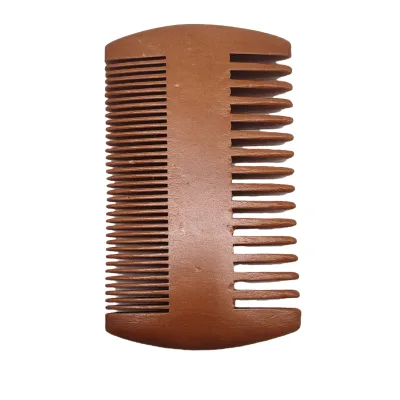
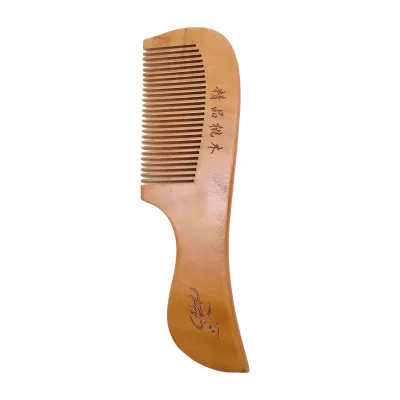
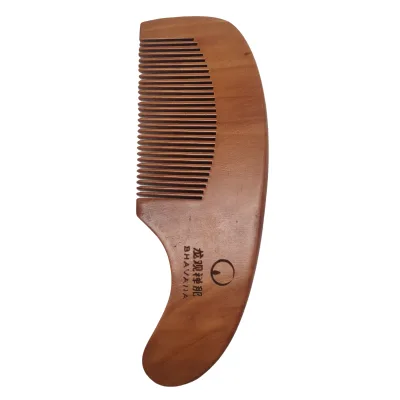
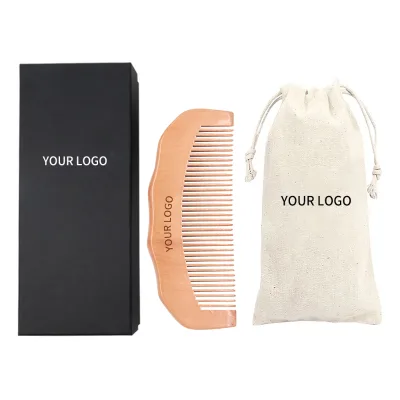


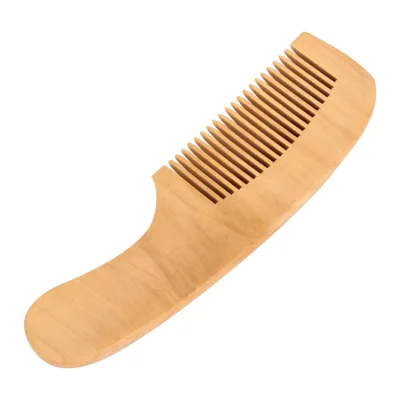


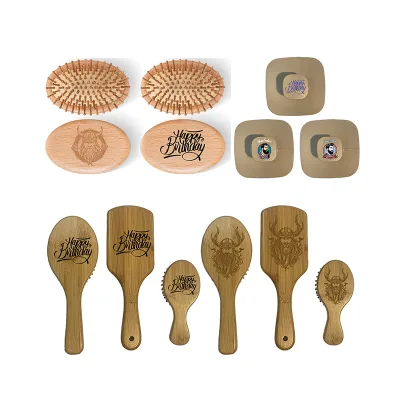
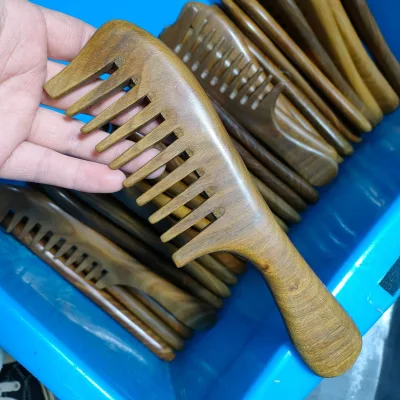
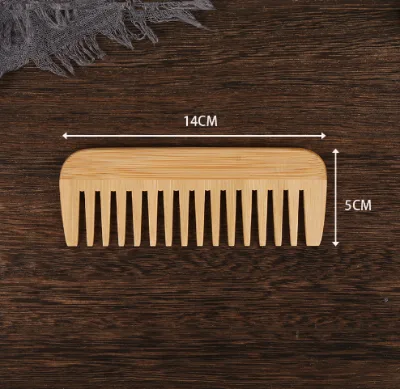


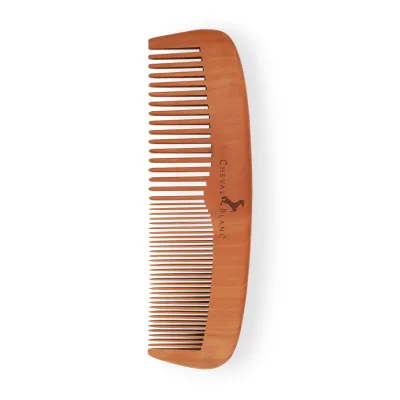
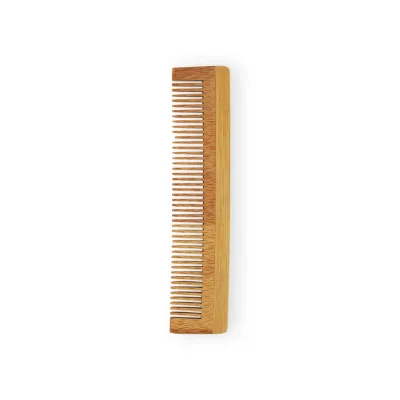


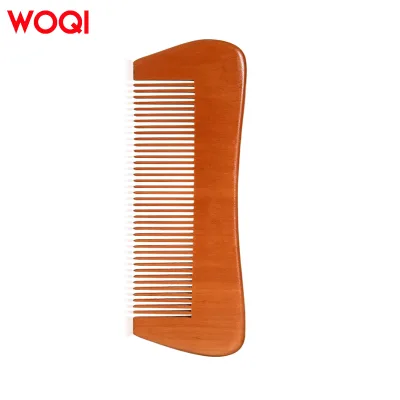
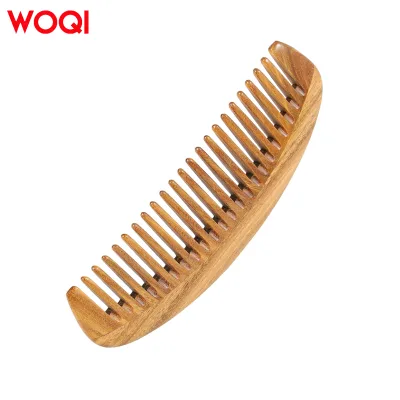
Comprehensive Sourcing Guide
Anti-Static Oval Bristle Wood Comb Supplier Concentration and Factory Types
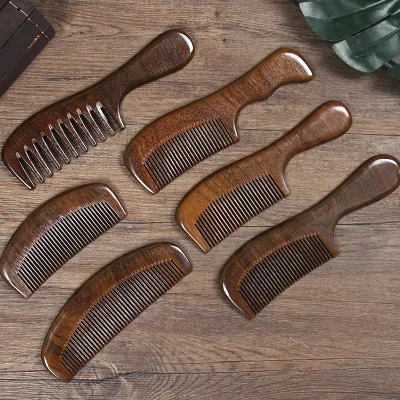
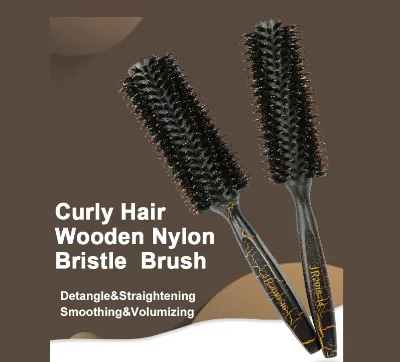
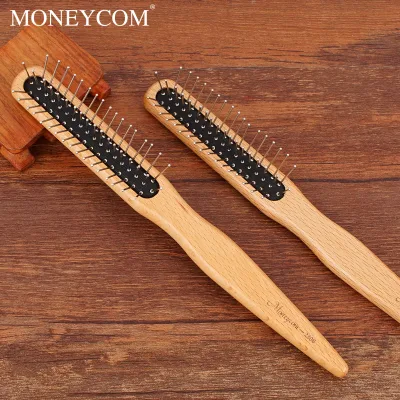
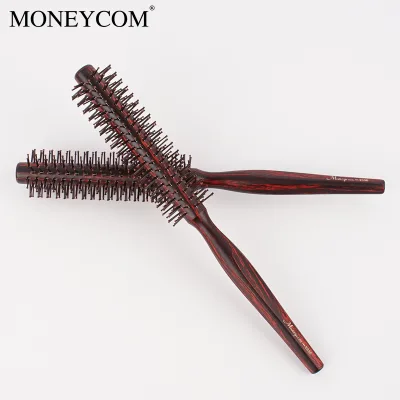
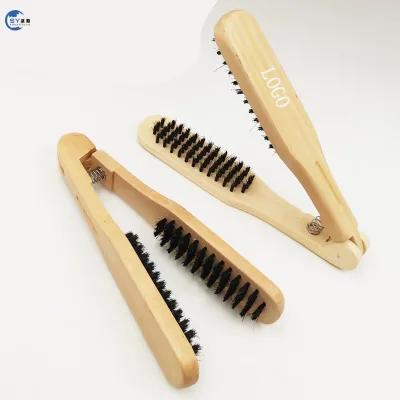
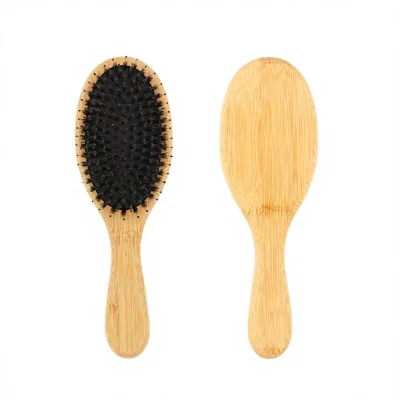
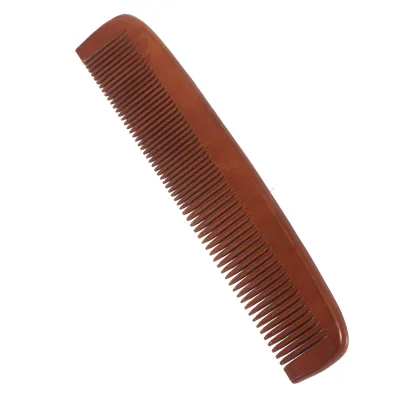
The current supplier landscape for anti-static oval bristle wood combs reveals a distinct geographic concentration in Zhejiang, China, where manufacturers specialize in plastic injection molding, CNC machining, and die casting alongside silicone parts. This industrial cluster suggests that many suppliers offering wooden combs may actually be leveraging broader manufacturing capabilities to produce hybrid products, such as those with plastic materials or custom-sized components, rather than focusing exclusively on solid wood craftsmanship. The presence of these specific main products indicates a supply chain that prioritizes versatility and rapid prototyping, allowing buyers to access items with customerized sizes and various material combinations, including plastic and wood handles. This environment supports the production of hair styling tools that blend traditional aesthetics with modern manufacturing efficiency, catering to both home use and professional salon requirements.
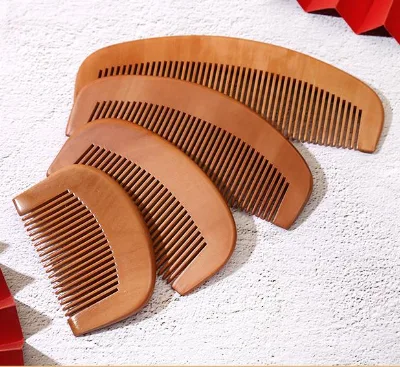
In contrast, suppliers located in Shandong, China, present a different operational profile, often identifying as both manufacturers and trading companies while focusing on hairbrushes, bath brushes, and wooden crafts. This dual company type implies a flexible sourcing model where some entities may act as intermediaries for smaller workshops, potentially offering lower minimum order quantities but with less direct control over the production process. The emphasis on OEM services and natural materials like peach wood and bamboo handles in this region highlights a niche market for eco-friendly and gift-oriented products. Buyers evaluating these suppliers should recognize that the trading company designation might affect lead times and communication channels, requiring careful verification of whether the entity is the actual producer or a reseller of goods from local artisans.
How to Verify Anti-Static Oval Bristle Wood Comb Suppliers
Verifying the authenticity and capability of suppliers requires a close examination of their declared company types and product evidence, particularly when distinguishing between pure manufacturers and those operating as trading companies. For suppliers in Zhejiang, the claim of being a manufacturer aligns with their listed main products like plastic injection molding and CNC machining, which suggests they have the technical infrastructure to produce complex components. However, buyers must confirm if these facilities also possess the specific woodworking capabilities required for anti-static oval bristle combs, as the product evidence shows a mix of materials including plastic and wood. This verification process involves checking if the supplier’s factory audits reflect actual production lines for wooden items or if they are primarily assembling imported parts, ensuring that the claimed manufacturing expertise matches the physical reality of the supply chain.
For suppliers in Shandong, the dual designation of manufacturer and trading company necessitates a deeper dive into their operational structure to understand who is actually producing the goods. Buyers should request detailed information about their supply chain, including whether they source raw wood from specific regions and how they manage quality control for anti-static properties. The presence of specific product attributes, such as custom logos and natural colors, indicates a level of customization capability, but buyers must verify if these services are handled in-house or outsourced. Additionally, checking the response time, which is recorded as three days for some Shandong suppliers, can provide insight into their operational efficiency and customer service readiness, helping buyers assess whether the supplier can handle urgent orders or complex customization requests without significant delays.
What to Compare Across Anti-Static Oval Bristle Wood Comb Suppliers
When comparing suppliers, lead time and response speed are critical metrics that directly impact inventory management and customer satisfaction. Suppliers in Zhejiang report a lead time of thirty days and a response time of eight days, which suggests a more structured but potentially slower production cycle, possibly due to the complexity of their manufacturing processes involving multiple material types. In contrast, Shandong-based suppliers offer a significantly shorter lead time of twenty days and a faster response time of three days, indicating a more agile operation that may be better suited for time-sensitive orders. Buyers should weigh these differences against their own supply chain needs, considering whether the faster response and shorter lead time in Shandong come at the cost of higher prices or lower minimum order quantities, which could affect overall profitability and stock levels.
Minimum order quantity and pricing structures also vary significantly across the supplier base, influencing the feasibility of small-batch testing versus large-scale production runs. Zhejiang suppliers typically require a minimum order of three thousand pieces for certain products, with prices around zero point five dollars per unit, reflecting the economies of scale associated with their manufacturing setup. Conversely, Shandong suppliers offer much lower minimums, such as one hundred pieces, with prices ranging from zero point seven nine to one point four six dollars, catering to buyers who need flexibility and lower upfront investment. This disparity allows buyers to choose between cost-effective bulk purchasing from Zhejiang manufacturers or more accessible entry points with Shandong suppliers, depending on their market demand and risk tolerance for inventory holding.
Common Anti-Static Oval Bristle Wood Comb Sourcing Risks
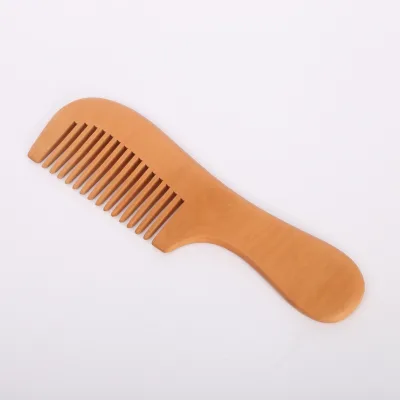
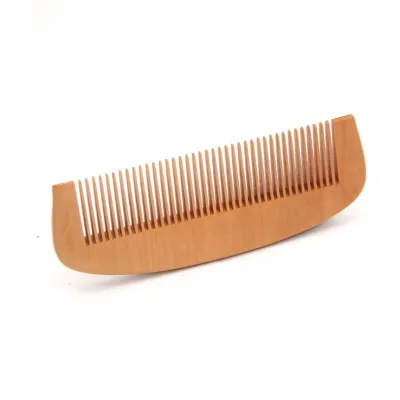
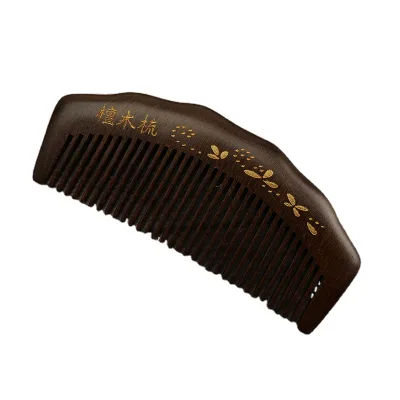
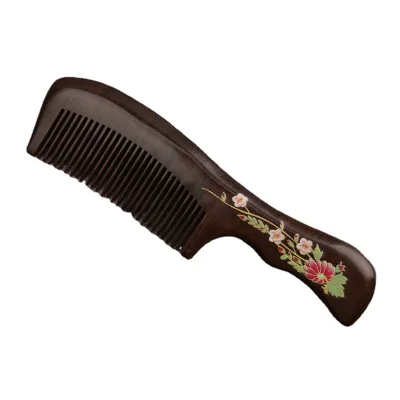
One significant risk in sourcing anti-static oval bristle wood combs is the potential mismatch between product descriptions and actual material composition, as evidenced by conflicting product attributes. Some listings describe combs with wooden teeth and handles but also list plastic material as a primary component, creating ambiguity about the final product’s quality and durability. This inconsistency can lead to customer dissatisfaction if the received items do not match the expected natural wood aesthetic or functional properties, such as anti-static performance. Buyers must carefully review product specifications to ensure that the material claims align with their quality standards, requesting physical samples to verify the actual composition and finish before committing to large orders, thereby mitigating the risk of receiving substandard or misleading products.
Another risk involves the variability in customization capabilities and branding support, which can affect market positioning and brand identity. While some suppliers offer customized logos and colors, the extent of these services may vary, with some providing only basic options while others offer more extensive personalization. This variation can complicate efforts to create a cohesive brand image, especially if buyers are sourcing from multiple suppliers with different customization standards. Additionally, the lack of standardized certifications or test results for anti-static properties means that buyers must independently verify the functional claims of the products, relying on supplier assurances rather than documented evidence. This uncertainty requires buyers to establish clear quality control protocols and communication channels to ensure that all customization and performance requirements are met consistently across orders.
Anti-Static Oval Bristle Wood Comb Regional Sourcing and Logistics
Sourcing from Zhejiang, China, offers logistical advantages due to its status as a major manufacturing hub with well-developed infrastructure for export. The concentration of manufacturers in this region facilitates easier coordination of production schedules and quality inspections, as buyers can potentially visit multiple factories in close proximity. However, the longer lead times associated with Zhejiang suppliers may require more advanced planning and inventory forecasting to avoid stockouts. Buyers should consider the impact of transportation costs and transit times when calculating the total landed cost of goods, as the efficiency of logistics networks in Zhejiang can help mitigate some of the delays inherent in the production process. This regional advantage is particularly beneficial for buyers who prioritize manufacturing capability and product variety over speed of delivery.
In contrast, sourcing from Shandong, China, provides a different logistical profile, with suppliers often located in areas known for wooden crafts and natural materials. The shorter lead times and faster response times in this region can enhance supply chain responsiveness, allowing buyers to react more quickly to market trends and customer demands. However, the dual nature of some suppliers as trading companies may introduce additional layers in the logistics chain, potentially affecting transparency and control over the shipping process. Buyers should evaluate the reliability of shipping partners and the consistency of export documentation when working with Shandong suppliers, ensuring that the logistical benefits of speed are not compromised by administrative inefficiencies. This regional choice ultimately depends on the buyer’s specific needs for speed, cost, and supply chain control.
Anti-Static Oval Bristle Wood Comb Commercial Terms and Order Planning
Commercial terms such as payment methods and escrow services play a crucial role in mitigating financial risk during the sourcing process. Buyers should prioritize suppliers who offer secure payment options, such as escrow, which protects funds until the goods are received and verified. This is particularly important when dealing with new suppliers or those with lower minimum order quantities, as it provides a safety net against non-delivery or quality issues. Additionally, understanding the specific terms of service, including return policies and warranty provisions, can help buyers manage potential disputes and ensure that their investment is protected. Buyers should negotiate clear commercial terms that align with their risk tolerance and financial capabilities, ensuring that all aspects of the transaction are documented and agreed upon before placing orders.
Order planning requires a strategic approach to balancing inventory levels, cash flow, and market demand. Buyers should consider the minimum order quantities and lead times of different suppliers when developing their procurement strategy, opting for a mix of suppliers to diversify risk and optimize costs. For instance, using Zhejiang suppliers for bulk orders of standard items and Shandong suppliers for smaller, customized batches can help maintain a flexible and responsive supply chain. Additionally, buyers should monitor market trends and customer feedback to adjust their order quantities and product specifications accordingly, ensuring that they meet demand without overstocking. By carefully planning orders and leveraging the strengths of different suppliers, buyers can achieve a balanced and efficient sourcing operation that supports long-term business growth.
FAQs
What is the typical lead time for orders?
Lead times vary by supplier and order volume. Some manufacturers in Zhejiang offer a 30-day production window, while others in Shandong can deliver within 20 days. Buyers should confirm specific timelines based on their order quantity and customization needs before placing an order.
What are the minimum order quantities for these combs?
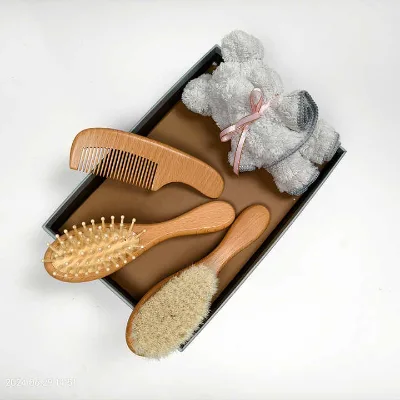
Minimum order quantities differ significantly across suppliers. Some listings require 3000 pieces for standard plastic or wood combs, while others accept orders as low as 100 pieces for specific wooden baby combs. Buyers must check individual product pages to verify the exact MOQ required for their purchase.
Where are these anti-static wood combs manufactured?
Manufacturing locations for these products are primarily in China. Specific factories are located in the Zhejiang province and the Shandong province. Both regions host manufacturers and trading companies specializing in wooden combs, hair care tools, and related personal care items for export markets.
What materials are used for the teeth and handles?
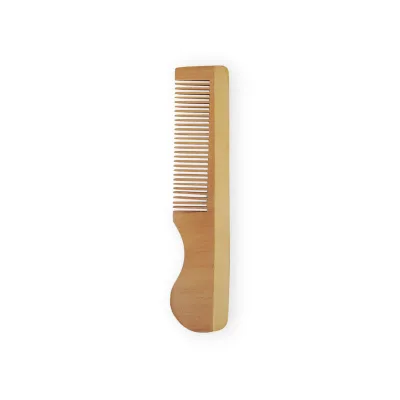
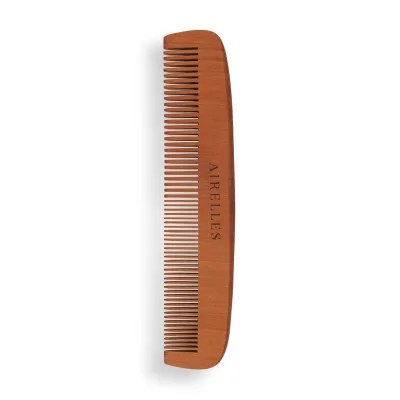
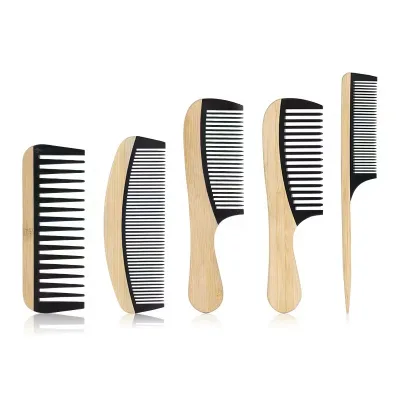
Products feature teeth made from wood, including peach wood and other natural varieties. Handles are often crafted from wood or bamboo, though some listings mention plastic materials for specific components. Buyers should review product attributes to confirm the exact material composition for their desired style.
How quickly do suppliers typically respond to inquiries?
Response times vary among the available suppliers. Some manufacturers in the search results indicate an 8-hour response window, while others in different regions respond within 3 hours. Buyers should expect varying reply speeds depending on the specific supplier selected and their current workload.
Are custom logos and colors available for these combs?
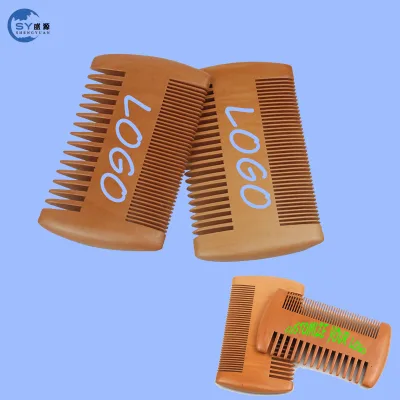
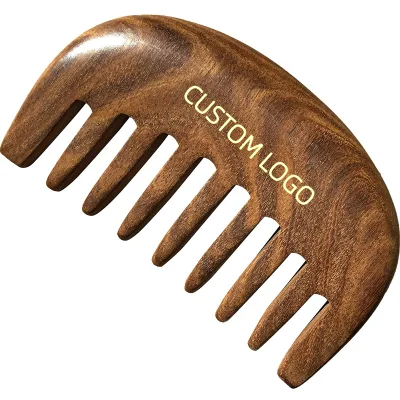
Yes, many suppliers support customization for logos and colors. Listings explicitly mention options for customized logos, customized colors, and even carved logos on wooden handles. Buyers can request specific branding details, though minimum order quantities may apply to these custom services.
What is the price range for these wooden combs?
Prices vary based on material and order volume. Some listings show prices around 0.30 to 0.50 per unit, while others range from 0.79 to 1.46 per unit. The final cost depends on the specific model, material quality, and the minimum order quantity selected by the buyer.