Waterproof Melamine Wooden Door Suppliers and Manufacturers
Source 26 verified suppliers for Waterproof Melamine Wooden Door products from Zhejiang, China. Compare key dimensions including MOQ, lead times, and ISO 9001 certifications. Contact suppliers directly to request quotes and samples; review the available evidence before requesting comparable quotations from suitable candidates.
Updated
Suppliers List
Yongkang Shoucheng Industry And Trade Co., Ltd.
- Manufacturer, Trading Company
- Zhejiang, China
- Lead time0 days
- Avg. response≤ 6h
Main productsWooden door,WPC door,Security door,cast aluminum door,bedroom door
Main marketsMid East(40.00%), Southeast Asia(20.00%), Northern Europe(15.00%), Africa(15.00%), South Asia(10.00%)
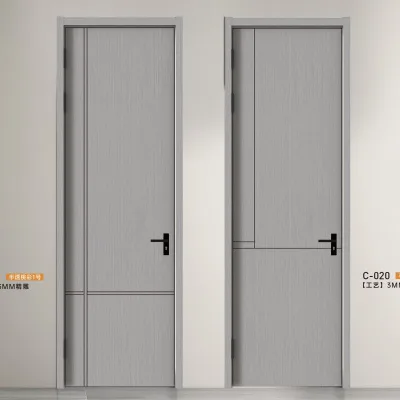
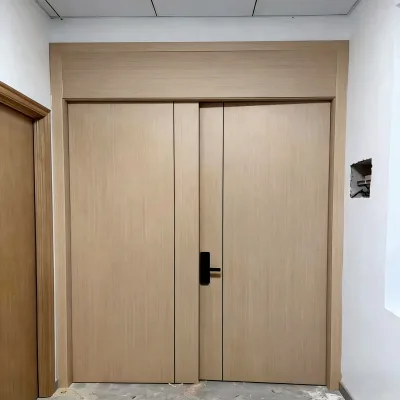
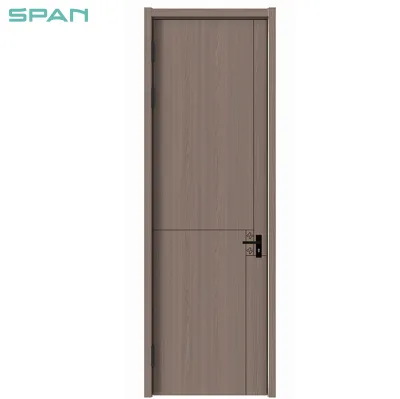
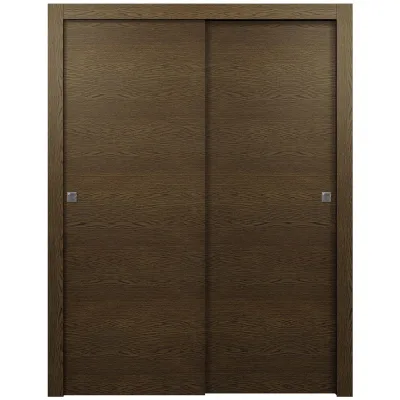
China Factory Customized Size Waterproof PVC Melamine Melamine Doors Internal Doors
$46.00 - $54.00
MOQ: 20 sets
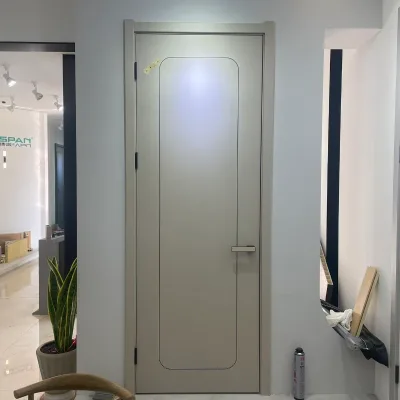
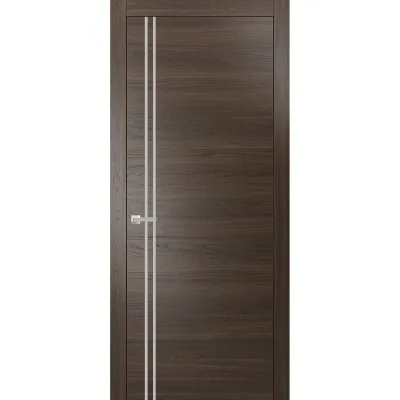
Melamine Wooden Door Modern Minimalist Style the Factory Accepts Custom Best Price
$71.434 - $79.5977
MOQ: 20 pieces
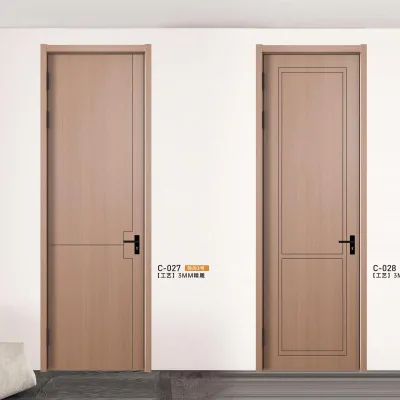
$44.7349 - $156.5953
MOQ: 10 Minimum
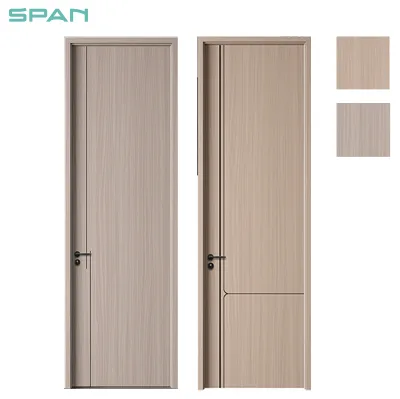
$42.85 - $150.00
MOQ: 10 Minimum
Jinhua Huacheng Group Co., Ltd.
- Verified by Intertek
- Manufacturer, Trading Company
- Lead time15 days
- Avg. response≤ 1h
Main productsWooden Door, Security Steel Door, WPC Door, Aluminum Door, Pivot Door
Main marketsNorth America(40%), South America(30%), Mid East(20%)
Jiangmen Huajian Industry Inc.
- Verified by Intertek
- Trading Company
- Lead time25 days
- Avg. response≤ 7h
Main productsWood Door, WPC Door, Steel Door, Cabinet, Aluminum & UPVC Window
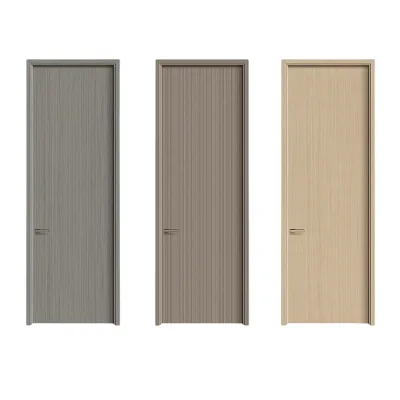
Hot Sell Waterproof Soundproof Indoor Wooden Door Home Office Decoration Doors Melamine Wooden Door
$43.00 - $68.00
MOQ: 2 sets
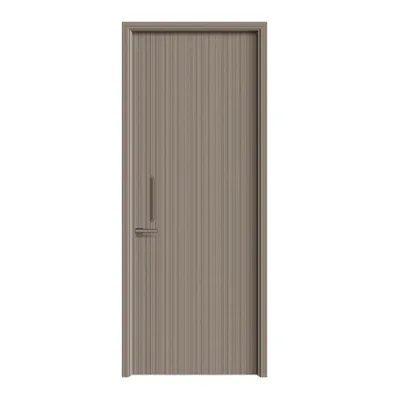
High Quality Soundproof Indoor Wood Door Waterproof Melamine Door for Bathroom Bedroom Decoration
$43.00 - $68.00
MOQ: 2 sets

Shenzhen Prima Housing Co., Ltd.
- Manufacturer/Factory
- China Guangdong
- Lead time0 days
- Avg. response≤ 5h
Main productsStaircase and Railing, Cabinets, Aluminum Windows and Doors, Wood Doors, Furniture

Wuxi Artisanaura Joinery Co., Ltd.
- Verified by SGS
- Trading Company
- China Jiangsu
- Lead time15 days
- Avg. response≤ 4h
Main productsInterior Doors, Composite Door, Wooden Door, Entrance Doors, Wall Panel, Door Frame, WPC Door, MDF/HDF Door, PVC Door, Pivot Door
Main marketsSoutheast Asia/ Mideast,Australia


Waterproof Melamine Wooden Interior Door Solid Wooden Doors House Door for Modern Home
$18.50 - $48.50
MOQ: 10 Pieces


Paint Free Interior Wooden Door Modern Style Melamine Door From China Factory
$18.50 - $48.50
MOQ: 10 Pieces
Yongkang Homely Import And Export Co., Ltd.
- Verified by TüVRheinland
- Manufacturer, Trading Company
- Lead time35 days
- Avg. response≤ 5h
Main productsWood Door, Steel Door, Fire Door, Cabinet, Flooring
Main marketsDomestic Market(68%), South America(15%), Africa(12%)

Chongqing Guhao Wood Industry Co., Ltd.
- Verified by CTI
- Manufacturer
- China Chongqing
- Lead time60 days
- Avg. response≤ 4h
Main productsWooden Door, PVC Door, WPC Door, Melamine Door


Custom Luxury Manufacturer OEM Interior Wood Melamine Wooden Door for House
$49.00 - $59.00
MOQ: 1 Sets

Modern Custom Manufacturer OEM Wood Melamine Interior Wooden Door for House
$49.00 - $59.00
MOQ: 1 Sets
Guangdong Daji Doors Industry Co., Ltd.
- Verified by SGS Group
- Manufacturer, Trading Company
- Lead time35 days
- Avg. response≤ 1h
Main productsWooden Door, Steel Door, Stainless Steel Door, Fire Wood Door, Fire Steel Door
Main marketsDomestic Market(43%), Africa(10%), Mid East(10%)
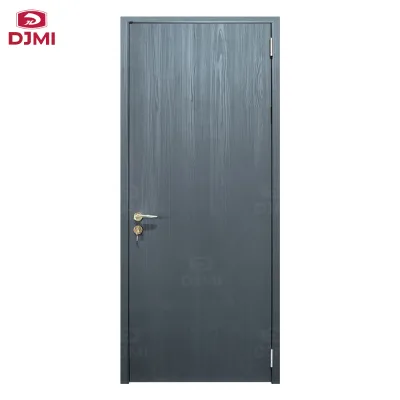
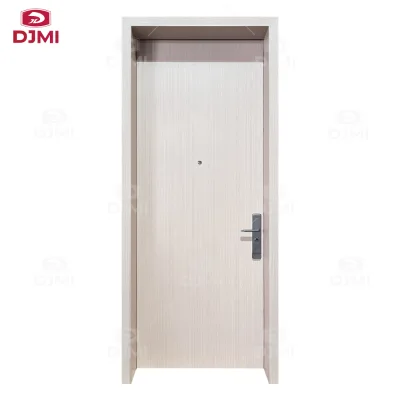
Modern Melamine Environmentally Friendly Wear-resistant Interior Wooden Door
$74.5412 - $84.895
MOQ: 20 square
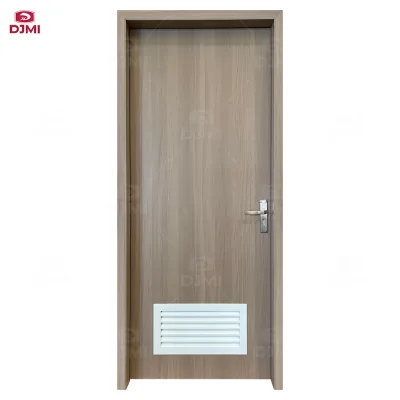
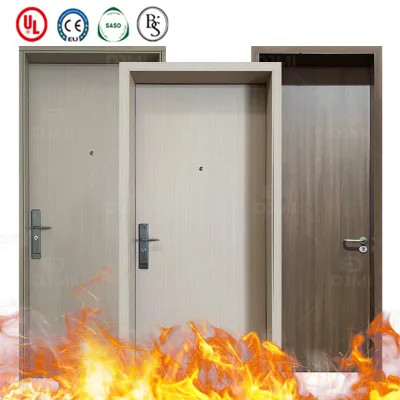
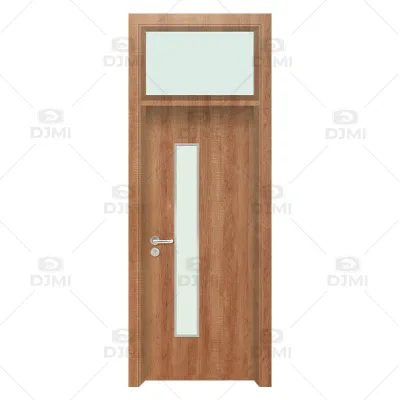
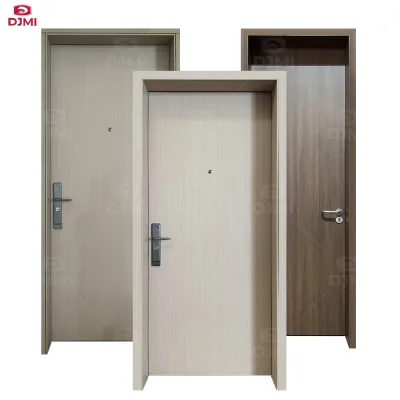
Customized Natural Wood Grain Fireproof Paint-free Indoor Room Wooden Door
$73.7752 - $84.0228
MOQ: 20 square
Yongkang Jiahua Electronic & Mechanical Co., Ltd.
- Verified by SGS Group
- Manufacturer, Trading Company
- Lead time10 days
- Avg. response≤ 3h
Main productsWooden Door, Pivot Doors, WPC Doors, American Steel Doors, Security Doors
Main marketsNorth America(20%), South America(20%), Central America(15%)
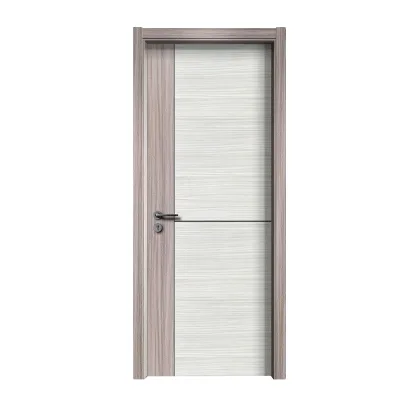
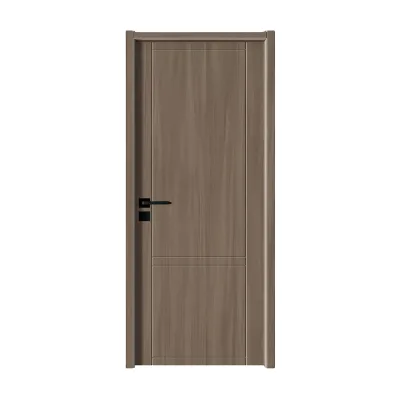
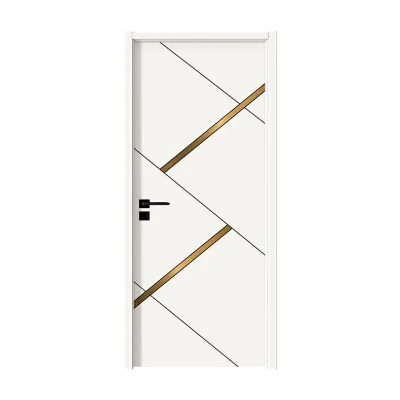
$72.1715 - $90.7294
MOQ: 10 pieces
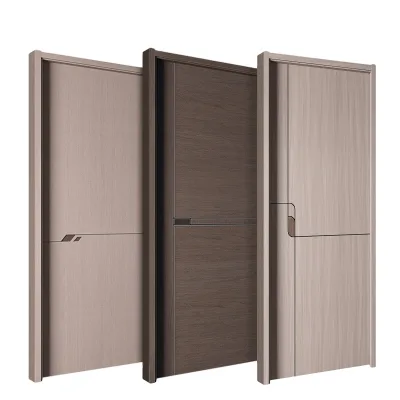
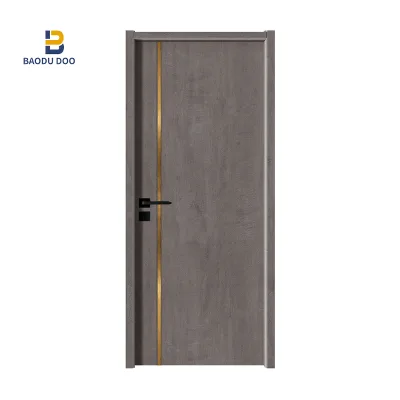

Henan Linrun Door Industry Co., Ltd.
- Trading Company
- Henan, China
- Lead time10 days
- Avg. response≤ 1h
Main productsInterior Wooden Doors,HDF MDF Door Skin,Molded Door Frame and Casing,Melamine HDF MDF Board,Door Production Raw Materials
Main marketsAfrica(30.00%), Mid East(20.00%), Eastern Asia(15.00%), South Asia(15.00%), Southeast Asia(15.00%), North America(5.00%)

Shenzhen Ace Architectural Products Co., Limited
- Trading Company,Manufacturer/Factory
- China Guangdong
- Lead time23 days
- Avg. response≤ 9h
Main productsStaircase, Railing, Balustrade, Stainless Steel Balustrade, Stainless Steel Wire Balustrade, Stainless Steel Glass Balustrade, Glass Balustrade, Aluminum U Base Channel Glass Balustrade, Aluminum Balustrade, Aluminium Glass Balustrade
Main marketsSouth America,Eastern Europe,Mid East,North America,Southeast Asia,Eastern Asia,Oceania,Western Europe,Africa

MINQING FULITONG INDUSTRIAL AND TRADING CO., LTD.
- Trading Company,Manufacturer/Factory
- China Fujian
- Lead time23 days
- Avg. response≤ 15h
Main productsSteel Door, Security Door, Aluminum Door, Glass Door, Melamine Door, Fireproof Door, Stainless Door, Copper Door, America Steel Panel Door
Main marketsSouth America,Mid East,North America,Africa

Shenzhen Prima Industry Co., Ltd.
- Manufacturer/Factory
- China Guangdong
- Lead time45 days
- Avg. response≤ 11h
Main productsStaircase, Railing, Kitchen, Wardrobe, Building Glass, Movable Partition, Shower, Window&Door, Tiles&Flooring, Bathroom Accessories
Main marketsSouth America,Eastern Europe,Mid East,North America,Southeast Asia,Eastern Asia,Oceania,Western Europe,Africa

Modern Simple Wooden Door MDF Melamine Door PVC Doorimitation Wood Door
$129.00 - $159.00
MOQ: 1 Pieces

Modern Simple Wooden Door MDF Melamine Door PVC Doorimitation Wood Door
$129.00 - $159.00
MOQ: 1 Pieces

Prima Customized Composite Wood Door Melamine Finish Durable Wood Door
$129.00 - $159.00
MOQ: 1 Pieces

Chongqing Yixinmao Industry and Trade Co., LTD
- Verified by SGS
- Trading Company
- China Chongqing
- Lead time30 days
- Avg. response≤ 5h
Main productsWooden Veneer Door, Interior Door, Wooden Lacquered Door, Wardrobe Closet, Kitchen Cabinet, Closet, Aluminum Widow, Wall Panel
Main marketsDomestic


Modern Melamine PVC Interior Door MDF Waterproof Internal Wooden Room Door
$68.00 - $119.00
MOQ: 1 Sets
Foshan Lihong Dexin Door Industry Co., Ltd.
- Manufacturer, Trading Company, Distributor/Wholesaler
- Guangdong, China
- Lead time15 days
- Avg. response≤ 1h
Main productsInterior doors,Fireproof Door,Folding Door,Entry Door,Aluminum Alloy Window
Main marketsNorth America(35.00%), Mid East(15.00%), South America(15.00%), Southeast Asia(10.00%)

Nanjing Silaiwei Home Co., Ltd.
- Verified by TUVRHEINLAND
- Combined
- China Jiangsu
- Lead time30 days
- Avg. response≤ 12h
Main productsKitchen Cabinet, Wardrobe, Interior Door, Wainscot Board, Kitchen Island Table, Wallboard, Wine Cabinet, Bathroom Vanity
Main marketsDomestic,Europe
Shouguang Bailing Wood Co., Ltd.
- Verified by Intertek
- Manufacturer, Trading Company
- Lead time20 days
- Avg. response≤ 1h
Main productsPlywood, Medium Density Fiberboard, Particle Board, Block Board, Door
Main marketsSoutheast Asia(30%), Africa(30%), Mid East(30%)
$18.3948 - $20.4384
MOQ: 10 Minimum
Dalian Jinqiao Wood Industry Co., Ltd.
- Verified by SGS Group
- Manufacturer, Trading Company
- Lead time30 days
- Avg. response≤ 1h
Main productsInterior Door, Wardrobe, Kitchen Cabinet, Bath Cabinet, Wallboard
Main marketsDomestic Market(80%), North America(9%), Oceania(4%)
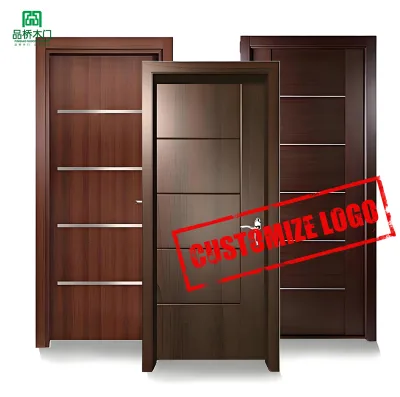
High Quality Modern Design Melamine Painted Free Wooden Interior Door for House and Office
$98.1496 - $106.415
MOQ: 2 sets
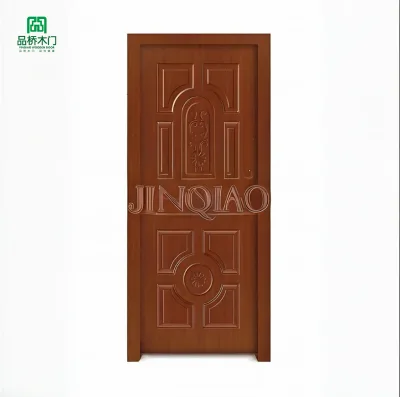
$105.00 - $113.00
MOQ: 2 dozens
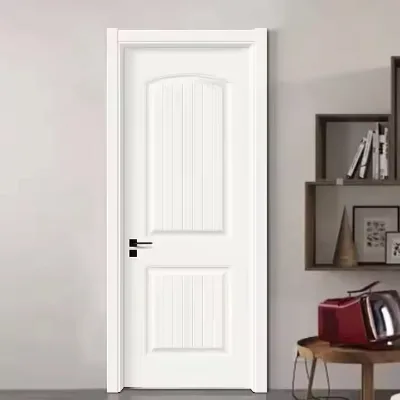
High Quality Wholesale Moulded Door White Primer Interior Modern Door Melamine Plank Door
$110.00 - $129.00
MOQ: 2 dozens
Shenzhen Ace Architectural Products Co., Ltd.
- Verified by TüVRheinland
- Manufacturer, Trading Company
- Lead time35 days
- Avg. response≤ 2h
Main productsStairs, Railing, Window, Door
Main marketsNorth America(60%), Oceania(10%), Central America(10%)
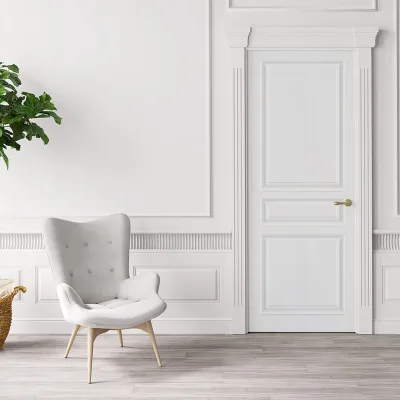
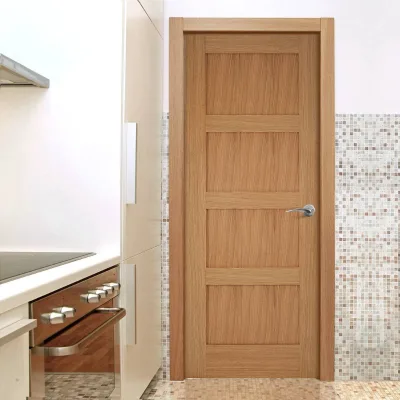
Prefabricated Solid Wood Door Wooden Interior Doors for House and Villa Apartment
$78.00 - $168.00
MOQ: 10
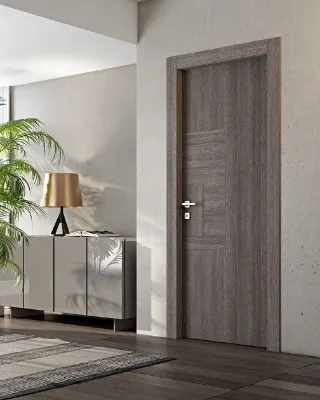
Teak Wooden Main Doors Entrance Solid Wood Doors Interior Room Doors for House
$68.00 - $180.00
MOQ: 10
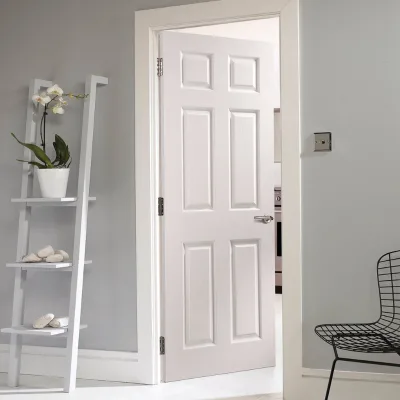

Foshan Kudas Household Products Co., Ltd.
- Verified by SGS
- Trading Company
- China Guangdong
- Lead time30 days
- Avg. response≤ 3h
Main productsWood Door, Steel Door, Aluminum Door, Iron Door, Metal Door, Aluminum Window, Staircase, Hardware, Interior Door, Exterior Door
Main marketsAustralia,North America


Exterior Fireproof Melamine Fire Prevention Security Fire-Rated Solid Wood Timber Doors
$99.90 - $129.90
MOQ: 1 Sets
Deqing Deke Wood Industry Co., Ltd.
- Verified by TüVRheinland
- Trading Company
- Lead time35 days
- Avg. response≤ 2h
Main productsShaker Door, Moulded Door, Glass Door, Bifold Door
Main marketsSoutheast Asia(45%), North America(20%), Oceania(15%)

- Verified by BV
- Combined
- China Zhejiang
- Lead time30 days
- Avg. response≤ 10h
Main productsInterior Door, PVC Door, Wooden Door, MDF Door, WPC Door, Panel Door, Glasses Door
Main marketsSouth America,Africa,Domestic,Europe,North America


Interior Modern Plywood Door Wood Front Solid Wood Anti-Scratch Melamine Door
$35.00 - $85.00
MOQ: 20 Sets


Yongkang Liheshengzhan Foreign Trade Co., Ltd.
- Trading Company
- Zhejiang, China
- Lead time0 days
- Avg. response≤ 3h
Main productsDoor Skin,Door Panel,Door
Main marketsAfrica(25.00%), North America(20.00%), Domestic Market(13.00%), South Asia(10.00%), South America(10.00%), Southeast Asia(10.00%), Mid East(10.00%), Central America(2.00%)
Factory Directly Sale House Doors European Side Opening Interior Doors for Bedroom
$39.50 - $40.00
MOQ: 50

Shandong Jinyuan Door Industry Co., Ltd.
- Verified by SGS
- Combined
- China Shandong
- Lead time15 days
- Avg. response≤ 1h
Main productsBedroom Door, Wood Door, Entrance Door
Main marketsAustralia


Custom Wooden Doors Featuring High Stability and Moisture-Resistant Properties
$55.00 - $65.00
MOQ: 1 Sets


Sophisticated High Stability Wooden Doors with Moisture-Resistant Treatment
$55.00 - $65.00
MOQ: 1 Sets

Chongqing Kangtelan Industry And Trade Co., Ltd.
- Manufacturer, Trading Company
- Chongqing, China
- Lead time0 days
- Avg. response≤ 8h
Main productscopper door,copper handrail,Metal door,Copper handle,Other ciopper fittings
Main marketsDomestic Market(20.00%), North America(20.00%), Southeast Asia(10.00%), Mid East(10.00%), Northern Europe(9.00%), Eastern Asia(8.00%), South America(5.00%), Eastern Europe(5.00%), Southern Europe(3.00%), Oceania(2.00%), South Asia(2.00%), Western Europe(2.00%), Africa(2.00%), Central America(2.00%)

- Verified by CTI
- Trading Company,Manufacturer/Factory
- China Shanghai
- Lead time45 days
- Avg. response≤ 7h
Main productsVinyl/Lvt/Looselay/Dry Back/WPC Vinyl Floor, Engineered Wood/Hardwood Flooring/Wooden Floor, Spc Flooring/ABA Rigid Spc/ Wood Spc Flooring, WPC Decking/Wall Panel/Wall Cladding, Interior Door/Exterior Door/Fire Rated Door, Bamboo Floor/Laminate Floor/Parquet Floor, HDF Moulded Door/Wooden Door/Kitchen Cabinet, Cordless Drill, Angle Grinder, Electric Mixer
Main marketsSouth America,Eastern Europe,Mid East,North America,Southeast Asia,Eastern Asia,Oceania,Western Europe,Africa








Comprehensive Sourcing Guide
Waterproof Melamine Wooden Door Supplier Concentration and Factory Types
The current supplier landscape for waterproof melamine wooden doors reveals a distinct concentration of manufacturing and trading entities within Zhejiang, China. This geographic clustering suggests a mature industrial ecosystem where raw material sourcing, such as MDF boards and solid wood veneers, is readily accessible to producers. Buyers evaluating this region should note that the primary product offerings extend beyond simple melamine slabs to include complex assemblies like WPC doors, security doors, and cast aluminum options. This diversity indicates that many facilities possess the machinery and expertise to handle various door types, potentially allowing for consolidated orders if a buyer requires multiple door styles for a single project. The presence of both manufacturers and trading companies in these results provides flexibility in engagement models, though it necessitates careful distinction between direct factory pricing and intermediary markups.
Within this concentrated cluster, the operational profiles vary significantly, ranging from large-scale producers with extensive customization capabilities to smaller workshops focusing on specific finishes. Evidence shows that companies in this region often highlight their ability to perform light customization, sample processing, and graphic design services, which are critical for buyers seeking unique aesthetic solutions. The main products listed frequently include bedroom doors, interior flush doors, and commercial-grade options, suggesting that the local supply chain is well-equipped to handle both residential and high-traffic commercial applications. Buyers should recognize that while the location is a strong indicator of supply density, the actual capability to deliver waterproof melamine doors depends on the specific factory’s equipment and quality control processes. It is advisable to verify whether a supplier’s primary focus aligns with your specific volume and design requirements, as generalist factories may lack the specialized attention needed for high-end waterproof finishes.
How to Verify Waterproof Melamine Wooden Door Suppliers
Verifying the legitimacy and capability of suppliers requires a multi-layered approach that goes beyond basic profile reviews. First, buyers should prioritize suppliers who display third-party verification badges, such as Intertek, which indicates that an independent agency has inspected the company’s operations. This verification is a crucial first step in establishing trust, as it confirms that the business exists and operates as claimed. Additionally, checking for system certifications is essential for ensuring that the manufacturing processes meet international standards. The presence of certifications like ISO 9001 for quality management, FSC for sustainable forestry practices, and CARB for formaldehyde emissions provides concrete evidence of a supplier’s commitment to regulatory compliance and environmental responsibility. These credentials are particularly important for waterproof melamine doors, as they often involve chemical treatments and composite materials that must adhere to strict safety and environmental regulations in target markets.
Beyond certifications, buyers must assess the supplier’s responsiveness and technical support capabilities to gauge their reliability. A rapid response time, such as one day, is a strong indicator of an organized sales team that can address inquiries and provide necessary documentation efficiently. Furthermore, the availability of online technical support for after-sales service suggests that the supplier is prepared to handle potential issues related to installation or product performance. Buyers should also examine the supplier’s project solution capabilities, such as the ability to provide 3D model designs or total project solutions, which can be invaluable for complex architectural projects. It is also prudent to verify the specific materials used in the doors, such as the type of melamine board, solid wood core, or carbon crystal composite, to ensure they match the advertised waterproof and durability claims. Requesting detailed product specifications and material certificates can help confirm that the supplier’s claims are substantiated by tangible evidence.
What to Compare Across Waterproof Melamine Wooden Door Suppliers
When evaluating multiple suppliers, buyers must systematically compare key operational metrics to identify the most suitable partner for their needs. One of the most critical factors is the Minimum Order Quantity (MOQ), which can vary significantly across different suppliers. For instance, some suppliers may require a minimum of five sets, while others might demand twenty sets or more. This variation can impact the feasibility of small-scale orders or trial purchases, so buyers should align their order volume with the supplier’s MOQ requirements to avoid unnecessary costs or rejected orders. Additionally, the price range for melamine wooden doors can differ based on the materials used, such as MDF board with solid wood veneer versus carbon crystal melamine. Buyers should compare the price per unit against the specified features, such as sound insulation, fire rating, and surface finishing, to ensure they are receiving fair value for the quality provided.
Another essential aspect of comparison is the lead time and production capacity, which directly affect project timelines. Suppliers with a lead time of fifteen days offer a predictable schedule for production and shipping, which is crucial for maintaining construction or renovation deadlines. Buyers should also consider the supplier’s customization capabilities, such as the ability to provide customized sizes, colors, and designs. The availability of OEM services and graphic design support can be a significant advantage for buyers seeking unique products that stand out in the market. Furthermore, comparing the warranty terms, such as a five-year warranty, can provide insight into the supplier’s confidence in their product’s durability. Buyers should also evaluate the single package size and gross weight, as these factors influence shipping costs and logistics planning. By carefully analyzing these dimensions, buyers can make informed decisions that balance cost, quality, and delivery speed.
Common Waterproof Melamine Wooden Door Sourcing Risks
Sourcing waterproof melamine wooden doors from international suppliers introduces several risks that buyers must proactively manage to ensure a successful procurement process. One significant risk is the potential discrepancy between the advertised product specifications and the actual delivered goods. For example, while suppliers may claim their doors are waterproof, the actual performance can vary based on the quality of the melamine finish and the core material. Buyers should be cautious of suppliers who do not provide detailed material certificates or test results to substantiate their claims. Additionally, the risk of color mismatch is prevalent in melamine doors, as different production batches may result in slight variations in shade. To mitigate this risk, buyers should request physical samples before placing large orders and clearly specify the color codes and finish requirements in the contract.
Another common risk is the variability in after-sales service and support. While some suppliers offer online technical support, the effectiveness of this support can vary depending on the supplier’s resources and commitment. Buyers should be aware that resolving issues related to damaged goods or installation problems may require significant effort and communication. Furthermore, the risk of delayed shipments is a concern, especially if the supplier’s lead time estimates are not strictly adhered to. Buyers should establish clear communication channels and regular update schedules to monitor production progress. It is also important to verify the supplier’s ability to handle custom orders, as mistakes in sizing or design can lead to costly rework. By understanding these risks and implementing robust quality control measures, buyers can minimize potential disruptions and ensure a smoother sourcing experience.
Waterproof Melamine Wooden Door Regional Sourcing and Logistics
Sourcing from the Zhejiang region in China offers logistical advantages due to its well-developed infrastructure and proximity to major shipping ports. This geographic location facilitates efficient transportation of heavy items like wooden doors, reducing transit times and costs for international buyers. The concentration of suppliers in this area also allows for easier coordination of consolidated shipments, which can be particularly beneficial for buyers ordering multiple door types or sizes. Buyers should consider the single package dimensions and gross weight when planning logistics, as these factors directly impact shipping volume and freight charges. For instance, doors packaged in large boxes may require specialized handling and may incur higher shipping fees compared to more compact packaging. Understanding these logistical details is crucial for accurate cost estimation and delivery planning.
In addition to transportation, buyers must navigate the complexities of international trade regulations and customs clearance. The Zhejiang region’s suppliers are often experienced in exporting, which can simplify the documentation process. However, buyers should still verify that the supplier can provide all necessary export documents, such as commercial invoices, packing lists, and certificates of origin. The presence of certifications like CPR and ASTM D6007 can also aid in customs clearance, as they demonstrate compliance with international standards. Buyers should also consider the impact of seasonal demand on logistics, as peak seasons may lead to container shortages and increased freight rates. Planning shipments well in advance and maintaining open communication with the supplier can help mitigate these logistical challenges. By leveraging the regional advantages of Zhejiang, buyers can optimize their supply chain and ensure timely delivery of their waterproof melamine wooden doors.
Waterproof Melamine Wooden Door Commercial Terms and Order Planning
Effective order planning for waterproof melamine wooden doors requires a clear understanding of commercial terms and payment structures. Buyers should negotiate payment terms that balance risk and cash flow, such as using escrow services to protect their funds until the goods are received and inspected. This is particularly important when dealing with new suppliers or large orders. Additionally, buyers should clarify the Incoterms, such as FOB or CIF, to determine who is responsible for shipping and insurance costs. Understanding these terms is crucial for accurate budgeting and avoiding unexpected expenses. Buyers should also discuss the warranty terms in detail, ensuring that the supplier’s commitment to quality is legally binding. A five-year warranty, for example, provides long-term protection against defects, but the specific conditions and coverage should be clearly defined in the contract.
Furthermore, buyers should plan for potential variations in order volume and customization requirements. Suppliers may offer different pricing tiers based on the quantity ordered, so buyers should evaluate the cost benefits of larger orders against their storage and cash flow constraints. It is also important to establish a clear process for handling changes or amendments to the order, such as modifications to size or color. Buyers should ensure that the supplier has the flexibility to accommodate these changes without incurring excessive fees or delays. Regular communication and detailed documentation are essential for managing these commercial aspects effectively. By carefully planning the commercial terms and order logistics, buyers can build a sustainable and efficient sourcing relationship with their suppliers, ensuring the successful delivery of high-quality waterproof melamine wooden doors.
FAQs
What is the price range for melamine wooden doors?
Prices typically range from $42.85 to $156.60 per set. The final cost depends on the specific material composition, such as solid wood or carbon crystal melamine, and the chosen surface treatment. Custom sizes and finishes may affect the unit price, so buyers should request quotes for their exact specifications.
What is the minimum order quantity for these doors?
The minimum order quantity varies by product model, generally starting at 5 sets for some items and up to 20 sets for others. Buyers should check the specific product listing for the exact MOQ requirement. Meeting the minimum threshold is necessary to secure the quoted unit price and initiate production.
Where are these manufacturers located?
Manufacturers are located in Zhejiang, China. This region is a known hub for door production, offering efficient supply chains for raw materials like MDF and solid wood. Buyers can verify the specific factory address during the inquiry process to assess logistics costs and shipping times to their destination port.
How long does production take?
Lead times can be around 15 days for standard orders. However, production schedules depend on order volume and customization requirements. Buyers should confirm the exact delivery timeline with the supplier before placing an order to ensure it aligns with their project deadlines and installation schedule.
What certifications do these doors have?
Suppliers hold various certifications including ISO 9001, Firetest, ASTM D6007, CPR, CARB, SABER, WH, and FSC. These credentials verify quality management, fire safety, and environmental standards. Buyers should request valid certificates to ensure compliance with local building codes and import regulations in their target market.
What materials are used in these doors?
Common materials include MDF board, solid wood, veneer, and melamine board. Some models use carbon crystal melamine or solid wood PVC melamine for enhanced durability. The core filling often consists of honeycomb paper or solid wood composite. Buyers should specify their preferred material for the desired balance of cost and strength.
What is the response time for suppliers?
Response times are typically fast, with some suppliers responding within 1 day. Others may take up to 6 hours to reply to inquiries. Quick communication helps buyers clarify technical details and negotiate terms efficiently. Buyers should prioritize suppliers with faster response rates for smoother project management.