Stainless Steel Sliding Gate Rollers Suppliers and Manufacturers
Source 20 verified Stainless Steel Sliding Gate Rollers from Zhejiang, China. Compare dimensions like MOQ, lead times, and certifications such as ISO 9001 and RoHS. Request quotes directly from manufacturers and trading companies for custom OEM services; review the available evidence before requesting comparable quotations from suitable candidates.
Updated
Suppliers List
Zhejiang Luxin Door Operation Equipment Co., Ltd.
- Verified by TüVRheinland
- Manufacturer, Trading Company
- Lead time0 days
- Avg. response≤ 4h
Main productsCantilever Gate Wheel, Gear Rack, Sliding Gate Wheel, Sliding Track
Main marketsEastern Europe(25%), Southern Europe(23%), Western Europe(15%)

Jiangxi Jin Bai Cheng Hardware Products Co., Ltd.
- Verified by SGS
- Trading Company,Manufacturer/Factory
- China Jiangxi
- Lead time23 days
- Avg. response≤ 1h
Main productsDoor Roller, Window Roller, Wardrobe Wheel, Door Hinge, Door Handle, Garage Door Wheel, Shower Room Roller, Friction Stay, Door Stopper, Furniture Ball Bearing
Main marketsSouth America,Eastern Europe,Mid East,North America,Southeast Asia,Eastern Asia,Oceania,Western Europe
Chongqing Honghao Technology Co., Ltd.
- Verified by SGS Group
- Trading Company
- Lead time15 days
- Avg. response≤ 1h
Main productsStainless Steel Wire Rope, Wire Rope Sling, Industrial Chain, Trimmer Line, Rigging Hardware
Main marketsNorth America(35%), South America(20%), Eastern Europe(15%)
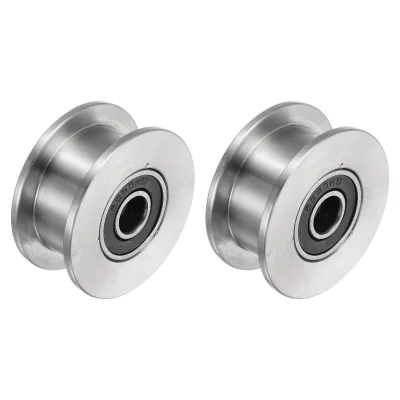
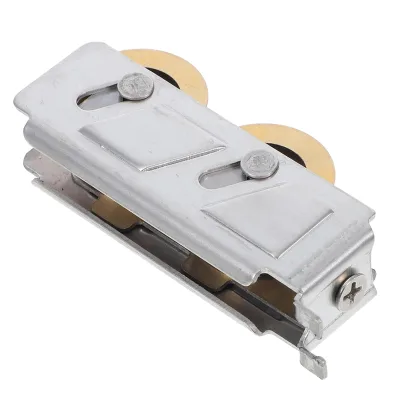
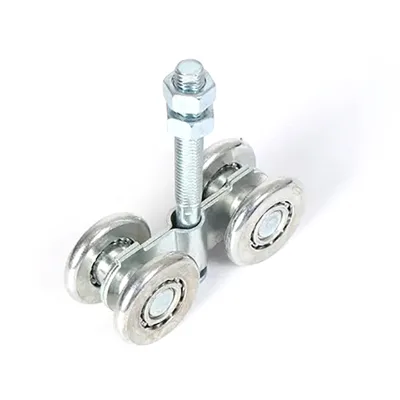
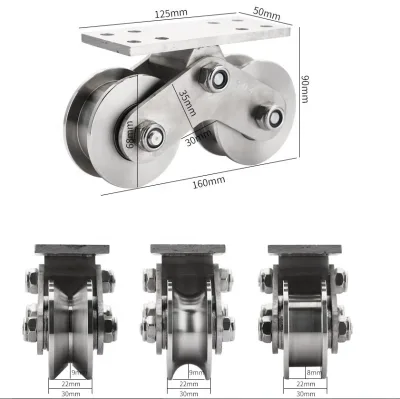
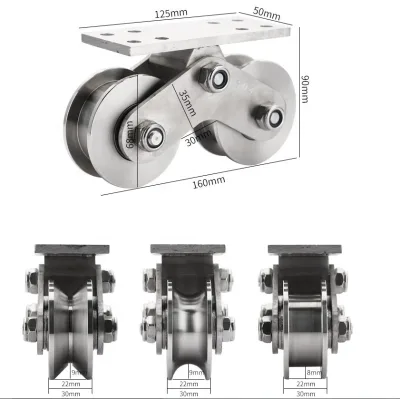
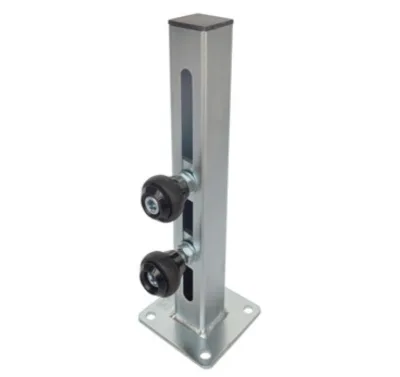
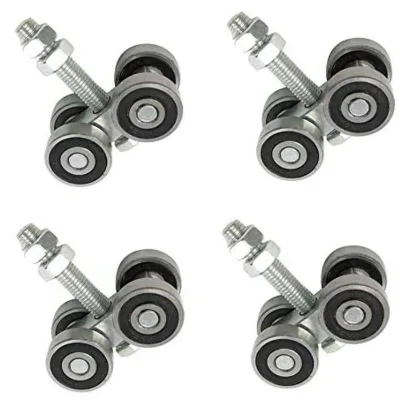
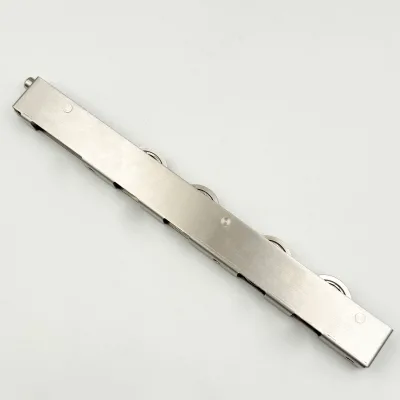
Stainless Steel Sliding Gate Double Bearing Rollers for Inverted Track
$3.0997 - $9.0927
MOQ: 200 pieces
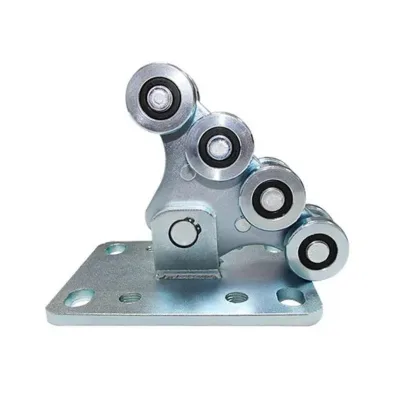
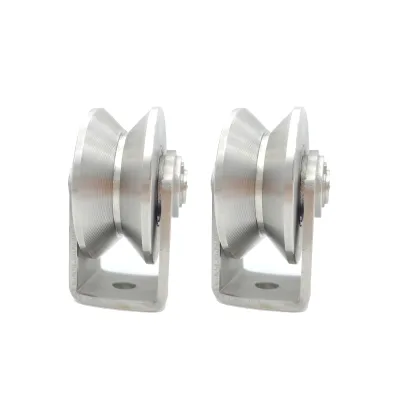
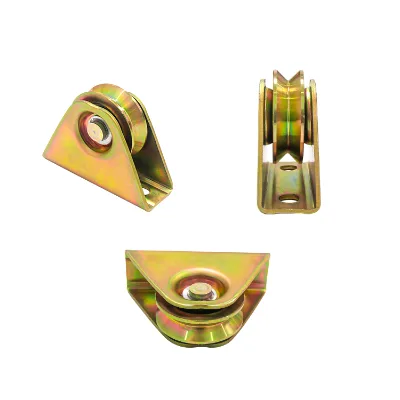
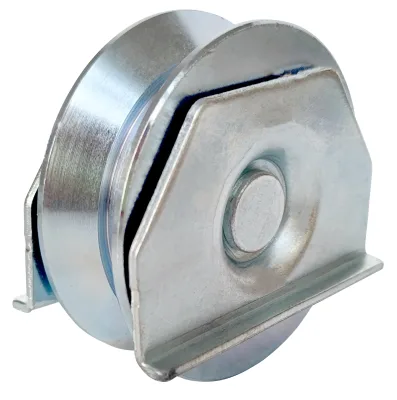
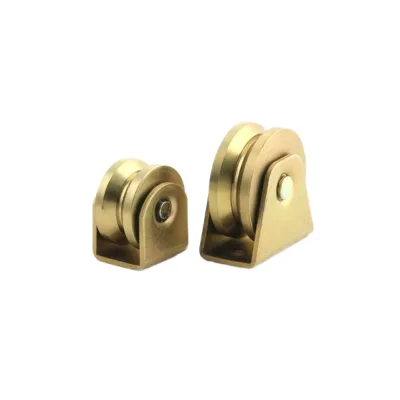
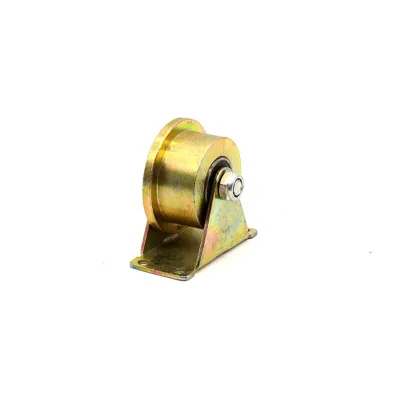
V-shaped Grooved Wheel Rail Wheel Sliding Door Roller with Bracket for Sliding Doors
$1.0278 - $2.054
MOQ: 200 pieces
Jiaxing Jinnaike Hardware Products Co., Ltd.
- Manufacturer, Trading Company
- Lead time旺季: "1 - 100":30,"101 - 500":35,"501 - 1000":40,"> 1000":"To be negotiated", 淡季: "1 - 100":30,"101 - 500":35,"501 - 1000":40,"> 1000":"To be negotiated"
- Avg. response≤ 5h
Main productsSliding gate hardware , Cantilever gate hardware, Hanging roller, Gear rack, Sliding gate opener

Jiaxing Jinnaike Hardware Products Co., Ltd.
- Verified by TUVRHEINLAND
- Combined
- China Zhejiang
- Lead time30 days
- Avg. response≤ 21h
Main productsGate Hinge, Gate Wheel
Main marketsEurope

Zhaoqing kessy hardware co., ltd
- Combined
- China Guangdong
- Lead time30 days
- Avg. response≤ 4h
Main productsFriction Stay, Lock Cylinder, Door Handle, Lock Body, Window Handle, Hinge
Main marketsDomestic

Jiaxing Gates Hardware Products Co., Ltd.
- Trading Company
- China Zhejiang
- Lead time30 days
- Avg. response≤ 5h
Main productsSliding Gate Wheel, Cantilever Gate Wheel, Nylon Roller, Gate Hinge, Welding Hinge, Track, Latch, Post Cap, Nylon & Steel Gear Rack, Gate Stopper
Main marketsSouth America,Africa,Europe,Australia,North America

Foshan Hooke Aluminium Products Co., Ltd.
- Verified by SGS
- Trading Company
- China Guangdong
- Lead time30 days
- Avg. response≤ 8h
Main productsWindow and Door Accessories, Aluminium Extrusion Profile
Main marketsDomestic

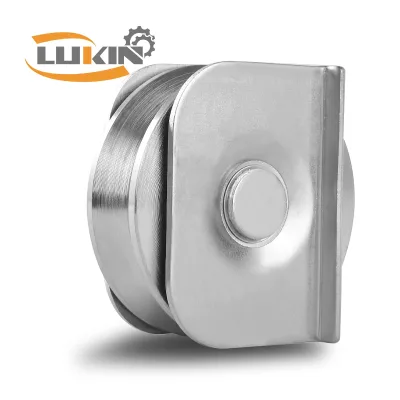
New Style Heavy Duty Sliding Door Rollers Stainless Steel Gate Door Roller
$0.80 - $0.90
MOQ: 1000 Pieces


Suntex Import & Export Trading Co., Ltd.
- Verified by SGS
- Manufacturer
- China Hebei
- Lead time15 days
- Avg. response≤ 5h
Main productsAir Valve, Irrigation Control Valve, Water Filter, Sliding Gate Accessories, Stainless Steel Cam Lock Coupling, Ductile Iron Casting, Stainless Steel Ball Valve, Stainless Steel Plumbing Fittings, Solenoid Valves, Water Valves
Main marketsAfrica,Southeast Asia/ Mideast,Europe

Zhejiang Open Electromechanical Technology Co., Ltd.
- Verified by BV
- Combined
- China Zhejiang
- Lead time30 days
- Avg. response≤ 5h
Main productsSliding Gate Wheel, Hanger Roller, Sliding Gate Track, Nylon Roller, Steel Dustpan
Main marketsAfrica,Southeast Asia/ Mideast,Europe,North America

Goldtech Hardware Corporation Limited
- Verified by TUVRHEINLAND
- Combined
- China Guangdong
- Lead time30 days
- Avg. response≤ 3h
Main productsHandle, Pull Handle, Hardware, Door Hardware, Glass Door Lock, Shower Hinge, Glass Hinge, Glass Canopy, Sliding Door Fitting, Patch Fitting
Main marketsAustralia,North America


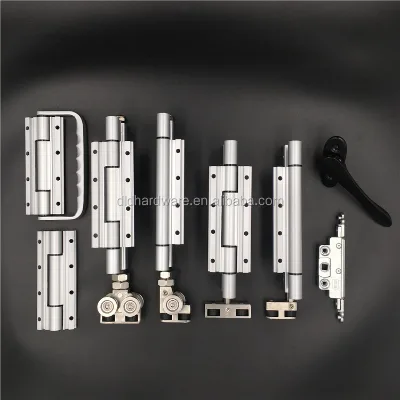
China Manufacturer Good Quality Stainless Steel 304 Sliding Door Roller System
$30.99 - $35.59
MOQ: 300 Sets
- Verified by Intertek
- Trading Company
- Lead time0 days
- Avg. response≤ 3h
Main productsSteel Wire Rope, Rigging Hardware, Industrial Chain
Main marketsNorth America(22%), Southeast Asia(12%), Mid East(10%)
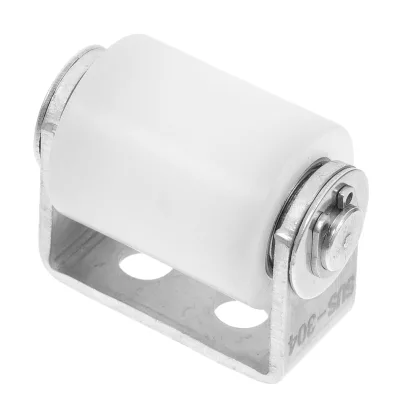
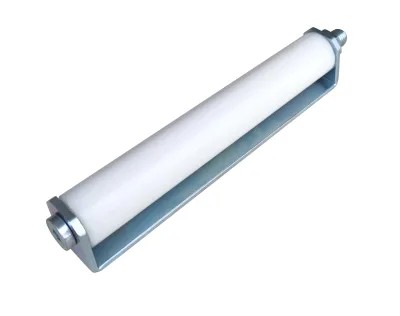
Sliding Door Wheel 304 Steel Roller Gate Roller Guide Wall Mount Silent Nylon Wheel
$1.80 - $2.00
MOQ: 500 pieces
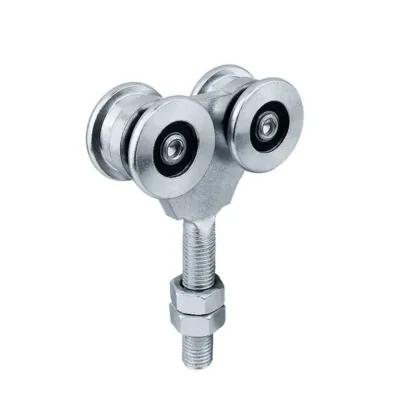
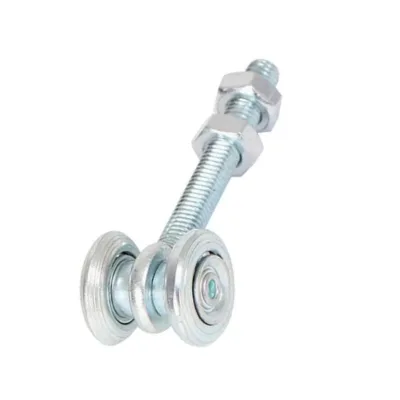
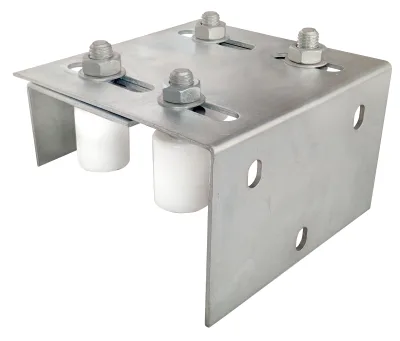
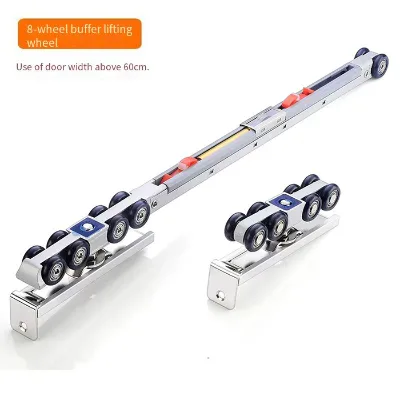
Custom Suspension Top Wheel Door Roller Sliding Door Hanging Gate Lifting Wheel
$1.00 - $1.50
MOQ: 1000 pieces
Quzhou Ouyi Import And Export Co., Ltd.
- Manufacturer, Trading Company
- Zhejiang, China
- Lead time20 days
- Avg. response≤ 2h
Main productsSliding Gate Roller, Sliding Door Track, Door Handle, Door Hinge, Door Bottom Seal Strip
Main marketsNorth America(20.00%), Oceania(10.00%), Eastern Europe(10.00%), South America(10.00%), Domestic Market(5.00%), South Asia(5.00%), Southern Europe(5.00%), Northern Europe(5.00%), Central America(5.00%), Western Europe(5.00%), Eastern Asia(5.00%), Mid East(5.00%), Southeast Asia(5.00%), Africa(5.00%)
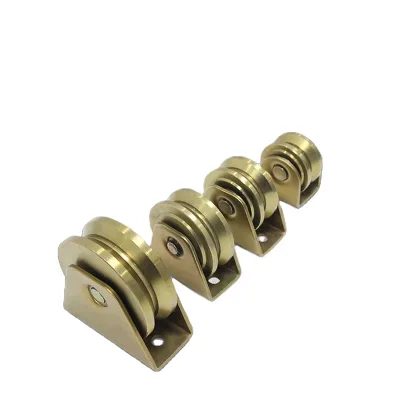
High Quality Fence Gate Sliding Door Rollers for Sliding Gate and windows Accessories
$0.50 - $3.50
MOQ: 100 Minimum
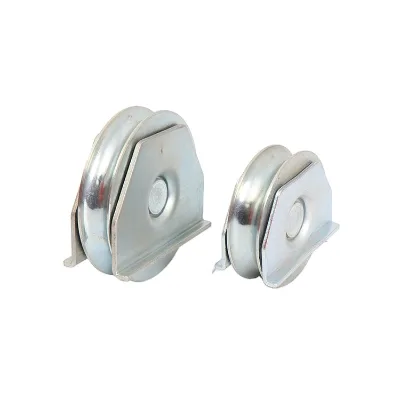
Sliding Gate Roller for Y groove Wheel Factory Price Nylon Steel Y groove Wheel
$0.50 - $3.50
MOQ: 100 Minimum
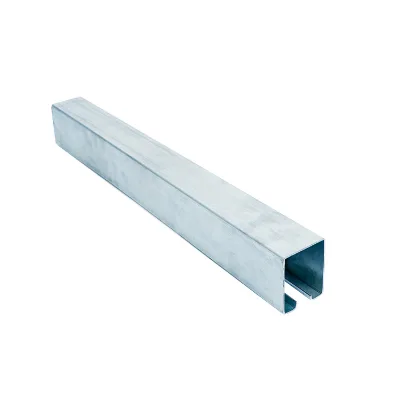
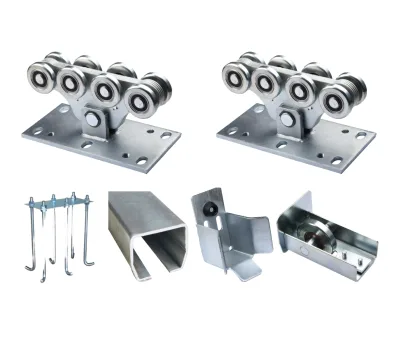
Steel Sliding Door Track with Hanger Rollers, Suitable for Sliding Doors.
$2.1557 - $5.1313
MOQ: 100 Minimum
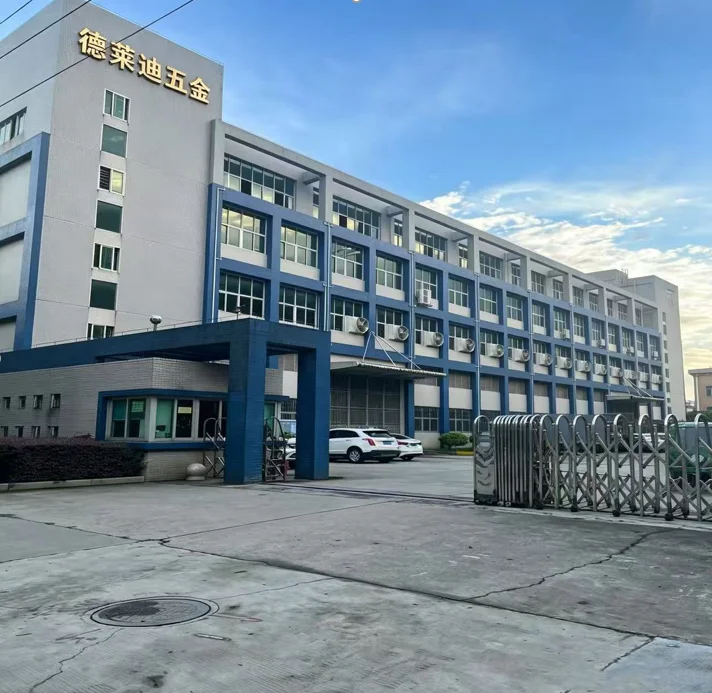
Sichuan Dongfushi Trade Co., Ltd.
- Trading Company
- Sichuan, China
- Lead time30 days
- Avg. response≤ 1h
Main productssliding door roller,handle,lock
Main marketsNorth America(30.00%), Eastern Europe(20.00%), Southern Europe(15.00%), Southeast Asia(15.00%), Mid East(10.00%), Northern Europe(10.00%)
Foshan Delaidi Hardware Co., Ltd.
- Manufacturer
- Guangdong, China
- Lead time25 days
- Avg. response≤ 4h
Main productswindows and doors accessories,plastic parts,tools development
Main marketsDomestic Market(30.00%), Oceania(10.00%), North America(10.00%), Southeast Asia(10.00%), Western Europe(10.00%), Eastern Asia(10.00%), Eastern Europe(5.00%), South Asia(5.00%), Northern Europe(5.00%), Africa(1.00%), South America(1.00%), Southern Europe(1.00%), Mid East(1.00%), Central America(1.00%)
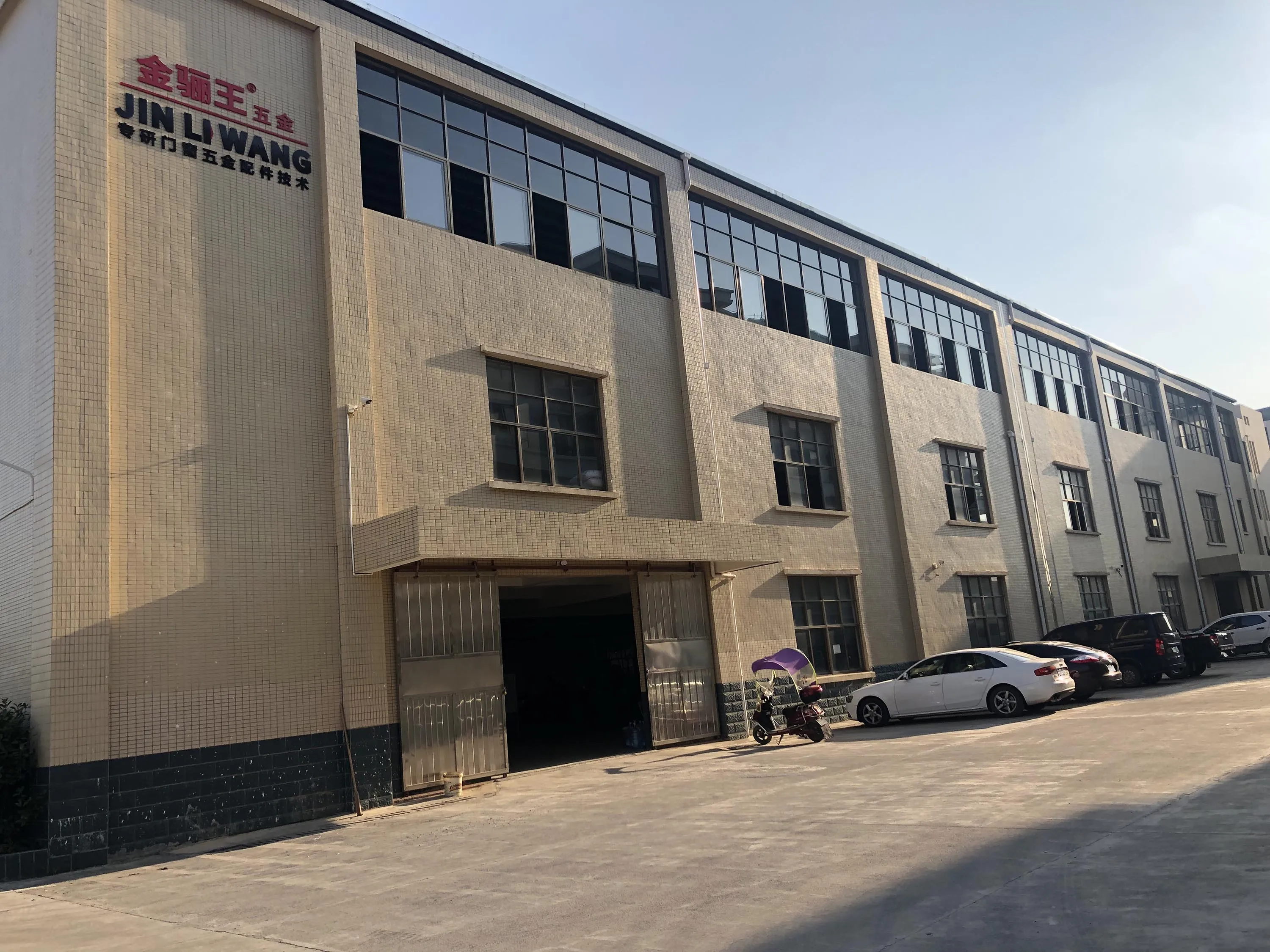
Jiangxi Jin Bai Cheng Hardware Products Co., Ltd.
- Manufacturer, Trading Company
- Jiangxi, China
- Lead time10 days
- Avg. response≤ 4h
Main productsWindow Rollers and Door Rollers, Furniture Rollers, Window Hinges and Door Hinges, Matel Stamping Parts, Funiture Hardwares
Main marketsDomestic Market(52.00%), North America(20.00%), South America(10.00%), Eastern Europe(10.00%), Western Europe(5.00%), Southeast Asia(3.00%)
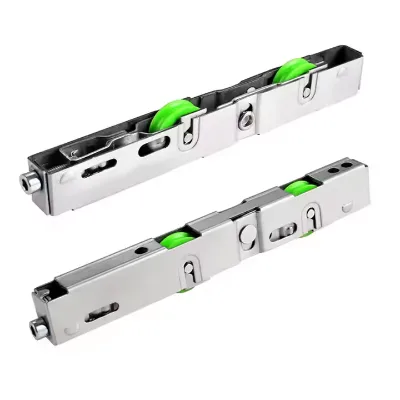
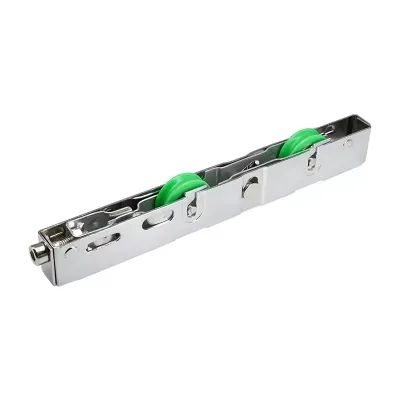
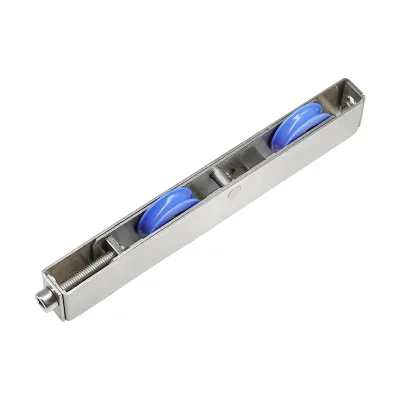
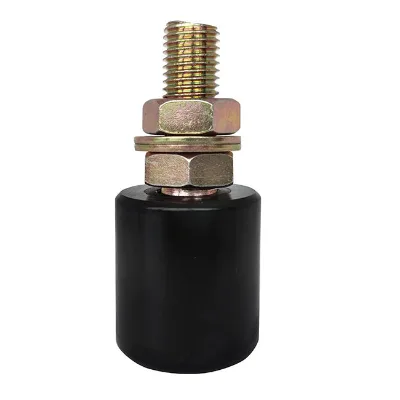
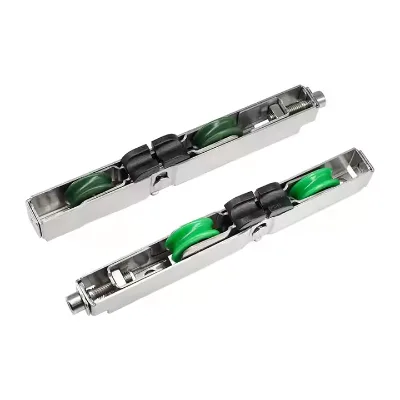
$0.7555 - $1.1848
MOQ: 1000 Minimum
Foshan Shunde Kangdian Metal Products Co., Ltd.
- Verified by SGS Group
- Manufacturer, Trading Company
- Lead time28 days
- Avg. response≤ 2h
Main productsWindow and Door Roller, Friction Stay, Window and Door Handle, Window Lock, Silicon Sealant
Main marketsSoutheast Asia(29%), Western Europe(15%), Africa(10%)
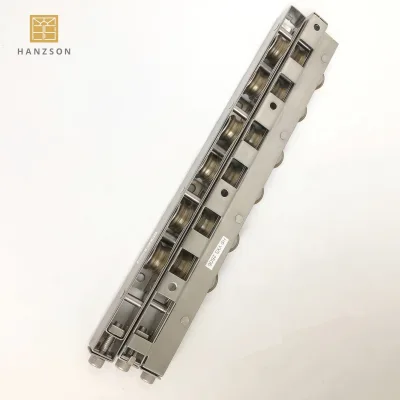
Modern Design Stainless Steel Side Sliding Door Roller for Home and Hotel Applications
$5.50 - $6.00
MOQ: 3000
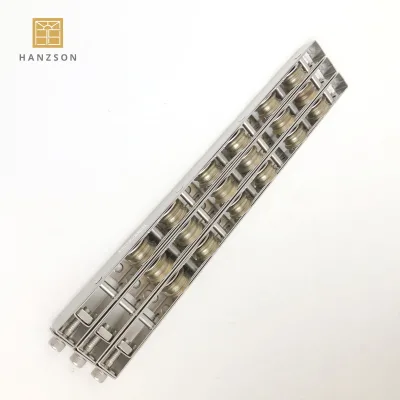
Durable Heavy Duty Sliding Door Roller with Screw Installation for Door Systems
$5.50 - $6.00
MOQ: 3000
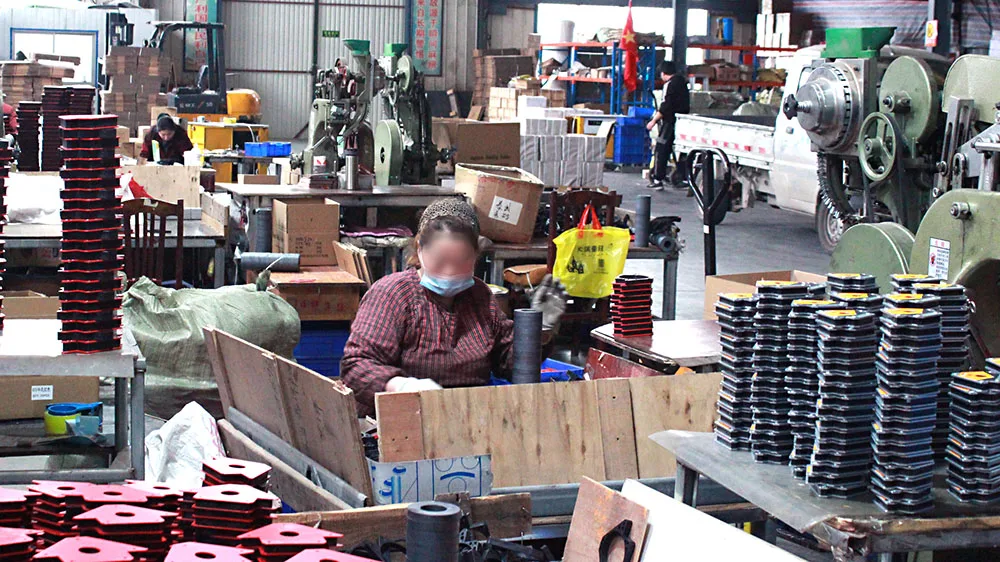
Linyi Jinwei Magnetoelectric Co., Ltd.
- Manufacturer, Trading Company
- Shandong, China
- Lead time15 days
- Avg. response≤ 1h
Main productsMagnetic welding holder,Magnetic scavenger,Magnetic Tray,Magnetic Hook,pulley guide rail
Main marketsSoutheast Asia(15.00%), Eastern Europe(10.00%), South America(10.00%), South Asia(8.00%), Southern Europe(8.00%), Domestic Market(8.00%), Northern Europe(8.00%), Oceania(6.00%), North America(6.00%), Western Europe(5.00%), Eastern Asia(5.00%), Central America(5.00%), Mid East(4.00%), Africa(2.00%)
Zhaoqing Xin Xi Tong Metal Products Co., Ltd.
- Verified by SGS Group
- Trading Company
- Lead time25 days
- Avg. response≤ 2h
Main productsCabinet Sliding Door Roller, Long Sliding Door Roller, Sliding Hanging Roller, Aluminium Window Roller
Main marketsNorth America(30%), Southeast Asia(30%), Eastern Europe(20%)
Zhejiang Open Electromechanical Technology Co., Ltd.
- Verified by SGS Group
- Manufacturer, Trading Company
- Lead time30 days
- Avg. response≤ 4h
Main productsSliding Door Track, Sliding Gate Wheel, Sliding Gate Hardware, Nylon Roller, Cantilever Gate System
Main marketsSoutheast Asia(20%), Africa(20%), Mid East(20%)
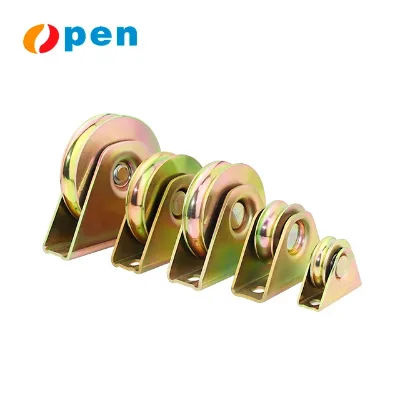
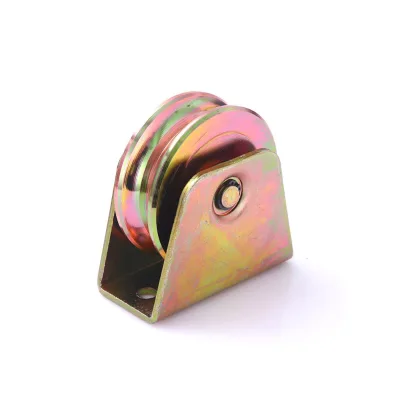
Sliding Gate Wheels Hardware Kit,U-groove/V-groove/Ygroove Sliding Roller Gate Wheels/Door Pulley
$0.62 - $0.80
MOQ: 1 pieces
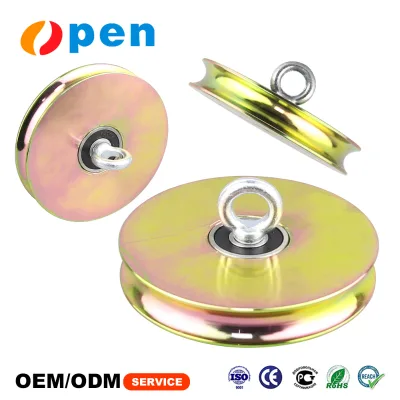
$2.5626 - $3.5874
MOQ: 1 pieces
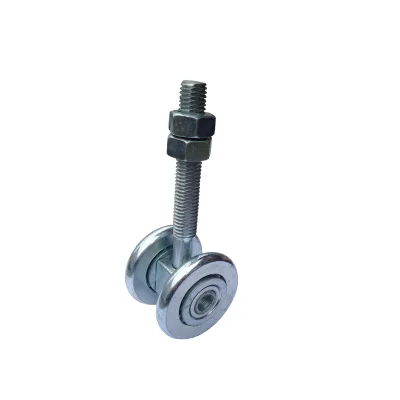




Comprehensive Sourcing Guide
Stainless Steel Sliding Gate Rollers Supplier Concentration and Factory Types
The current supplier landscape for Stainless Steel Sliding Gate Rollers reveals a mix of manufacturing entities and trading companies, offering buyers diverse procurement pathways. Evidence indicates that the primary production hubs are located in Zhejiang, China, where specific product listings cite this region as the place of origin. This geographic concentration suggests a localized industrial cluster capable of supporting the high-volume production of door and window rollers. Buyers seeking direct factory engagement should prioritize suppliers identified as manufacturers or factories, as these entities typically control the production process from raw material sourcing to final assembly. The presence of trading companies alongside manufacturers provides an alternative for buyers who prefer a single point of contact for multiple hardware components, such as door hinges, handles, and furniture ball bearings, which some suppliers list as part of their main product portfolio.
Understanding the distinction between these company types is crucial for effective supplier evaluation. Manufacturers often possess specific production capabilities, such as sample processing, graphic processing, and customized on-demand services, which are essential for projects requiring tailored solutions. Some suppliers explicitly offer OEM and ODM services, allowing buyers to customize product specifications, including material thickness and surface treatments like zinc galvanizing. In contrast, trading companies may aggregate products from various sources, potentially offering a broader range of accessories like screw drivers and installation tools. Buyers should verify the actual nature of the supplier through verification badges, such as those from TüV Rheinland or SGS, to ensure that the claimed manufacturing capacity aligns with the operational reality. This verification process helps mitigate the risk of dealing with intermediaries who may not have direct oversight of quality control measures.
How to Verify Stainless Steel Sliding Gate Rollers Suppliers
Verification is a critical step in ensuring the reliability and legitimacy of suppliers offering Stainless Steel Sliding Gate Rollers. Buyers should look for suppliers that have undergone third-party verification processes, as indicated by badges from recognized organizations like TüV Rheinland and SGS. These verifications provide a layer of confidence regarding the supplier’s business legitimacy and operational capabilities. Additionally, system certifications such as EN 10204, RoHS, and ISO 9001 are key indicators of a supplier’s commitment to quality management and environmental standards. The presence of these certifications suggests that the supplier adheres to established international standards for material quality and manufacturing processes. Buyers should request copies of these certificates to verify their validity and ensure they cover the specific products being sourced.
Beyond certifications, buyers should assess the supplier’s response time and after-sales service capabilities. A rapid response time, such as under one hour, indicates a supplier’s readiness to engage and address inquiries promptly, which is vital for resolving issues during the sourcing process. After-sales service options, including online technical support, are also important for ensuring long-term product performance and customer satisfaction. Buyers should inquire about the specific nature of these services to understand the level of support available post-purchase. Furthermore, examining the supplier’s project solution capabilities, such as 3D model design and total solution provision, can reveal their ability to handle complex procurement needs. These factors collectively contribute to a comprehensive verification strategy, helping buyers identify suppliers who are not only compliant with standards but also responsive and supportive throughout the procurement lifecycle.
What to Compare Across Stainless Steel Sliding Gate Rollers Suppliers
When evaluating multiple suppliers, buyers should compare key operational metrics such as lead times, minimum order quantities (MOQs), and pricing structures. Lead times vary significantly among suppliers, with some indicating a lead time of zero days, while others may require up to 23 days for production and delivery. Understanding these variations is essential for planning inventory and managing project timelines effectively. MOQs also differ, with some suppliers requiring a minimum order of 100 units, which may be suitable for larger projects but less ideal for smaller purchases. Buyers should align their order volumes with supplier MOQs to avoid unnecessary costs or stockouts. Pricing is another critical factor, with costs ranging from approximately $1.00 to $31.00 per unit, depending on material specifications, such as stainless steel 304 or C45 steel, and surface treatments like zinc galvanizing.
In addition to operational metrics, buyers should compare product specifications and customization options. Suppliers offer various product features, including double plates, single or double bearings, and different groove types such as U, Y, V, O, V, and H grooves. These specifications impact the roller’s load-bearing capacity and suitability for specific applications, such as heavy-loading gates or standard sliding doors. Buyers should also consider the availability of OEM and ODM services, which allow for customized branding and product modifications. The quality of materials, such as the use of stainless steel 304 for durability and corrosion resistance, is another important comparison point. By systematically comparing these attributes, buyers can identify suppliers that best match their technical requirements and budget constraints, ensuring a successful sourcing outcome.
Common Stainless Steel Sliding Gate Rollers Sourcing Risks
Sourcing Stainless Steel Sliding Gate Rollers involves several potential risks that buyers must proactively manage to ensure product quality and supply chain stability. One significant risk is the variability in material quality, as suppliers may use different grades of steel, such as C45 or stainless steel 304, without clear differentiation in product descriptions. Buyers must verify the actual material composition to ensure it meets their durability and corrosion resistance requirements. Another risk is the inconsistency in manufacturing standards, which can lead to defects in product dimensions, such as thickness variations or improper groove formations. This inconsistency can affect the roller’s performance and longevity, particularly in high-traffic or heavy-load applications. Buyers should request detailed product specifications and, if possible, samples to verify quality before committing to large orders.
Supply chain disruptions and communication barriers also pose risks, especially when sourcing from international suppliers. Differences in time zones and language can hinder effective communication, leading to misunderstandings regarding order details, delivery schedules, and after-sales support. Additionally, reliance on a single supplier for critical components can create vulnerability if that supplier experiences production delays or quality issues. Buyers should diversify their supplier base to mitigate this risk and maintain supply continuity. Furthermore, the lack of standardized testing procedures for product performance, such as load-bearing capacity and wear resistance, can make it difficult to assess product reliability. Buyers should inquire about the supplier’s quality control processes and request test reports or certifications to validate product performance claims.
Stainless Steel Sliding Gate Rollers Regional Sourcing and Logistics
Regional sourcing plays a pivotal role in determining logistics costs and delivery efficiency for Stainless Steel Sliding Gate Rollers. The primary production region identified is Zhejiang, China, which serves as a central hub for manufacturing these components. Sourcing from this region can offer advantages in terms of supply chain integration and cost efficiency, given the concentration of manufacturers and suppliers in the area. However, buyers must consider the logistical implications of shipping from this location, including transit times and customs procedures. For buyers located in different regions, such as Jiangxi, China, or international markets, understanding the specific logistics requirements is essential for planning effective distribution strategies. Buyers should work with suppliers who have experience in international shipping to ensure smooth customs clearance and timely delivery.
Logistics planning also involves selecting appropriate packaging and transportation methods to protect the rollers during transit. Suppliers typically use carton packaging, which provides basic protection, but buyers may need to request additional packaging solutions for fragile or high-value items. The weight and dimensions of the products, such as a single gross weight of 1.0 kg to 2.0 kg and package sizes of 10x10x10 cm, influence shipping costs and container utilization. Buyers should optimize their order quantities to maximize container space and reduce per-unit shipping costs. Additionally, considering the environmental impact of transportation, buyers may prefer suppliers who offer eco-friendly packaging options or carbon-neutral shipping methods. By carefully planning regional sourcing and logistics, buyers can minimize costs and ensure the reliable delivery of Stainless Steel Sliding Gate Rollers to their intended destinations.
Stainless Steel Sliding Gate Rollers Commercial Terms and Order Planning
Commercial terms and order planning are critical components of a successful sourcing strategy for Stainless Steel Sliding Gate Rollers. Buyers should negotiate clear payment terms, such as escrow services, to protect their financial interests and ensure transaction security. Escrow services provide a secure mechanism for holding funds until the buyer confirms receipt and quality of the goods, reducing the risk of fraud or non-delivery. Additionally, buyers should establish clear delivery schedules and penalties for delays to maintain supply chain reliability. Understanding the supplier’s lead times, which can range from zero to 23 days, is essential for accurate order planning and inventory management. Buyers should align their order placement with production schedules to avoid stockouts or excess inventory.
Order planning also involves determining the optimal order quantity based on MOQs and storage capacity. Buyers should balance the need for bulk discounts with the costs associated with holding inventory, such as warehousing and insurance. For projects requiring customized products, buyers should allow additional time for design approval and sample production, which can extend the overall lead time. Communication with suppliers regarding order status and potential changes is vital for maintaining transparency and addressing issues promptly. Buyers should also consider the after-sales service provisions, such as warranty periods and technical support, to ensure long-term product performance. By carefully planning commercial terms and order logistics, buyers can optimize their sourcing process and achieve cost-effective, reliable procurement of Stainless Steel Sliding Gate Rollers.
FAQs
What materials are used for Stainless Steel Sliding Gate Rollers?
Suppliers offer rollers made from stainless steel 304 and steel with zinc galvanizing. Some products use C45 material for specific durability needs. The choice depends on whether you require corrosion resistance or heavy-load capacity for your sliding gate application.
What is the minimum order quantity for these rollers?
The minimum order quantity is typically 100 units for standard sliding gate wheels. Buyers should verify specific MOQs with suppliers as requirements may vary based on customization needs, material selection, and whether the supplier is a manufacturer or trading company.
What certifications do these sliding gate rollers have?
Products often carry RoHS and ISO 9001 certifications. Some suppliers also provide EN 10204 documentation. These certifications ensure the materials meet specific quality and safety standards for construction and real estate applications involving door hardware and window accessories.
How long does production take for custom orders?
Lead times vary significantly among suppliers. Some manufacturers report a lead time of 23 days, while others may have different schedules. Buyers should confirm exact production timelines directly with the supplier, especially when requesting OEM or ODM customized services.
What is the price range for sliding gate wheels?
Prices range from approximately $1.00 to $31.02 per unit depending on the product specifications. Basic rollers may cost around $1.00 to $4.50, while more complex double rollers or heavy-duty options can reach higher price points based on material and features.
Are sample processing services available for these rollers?
Yes, sample processing is available for many sliding gate wheel products. Suppliers offer customized on-demand services and graphic processing capabilities. Buyers can request samples to verify quality before placing larger orders for their specific sliding gate or door hardware projects.