Adjustable Hinge Suppliers and Manufacturers in China
Compare 30 verified suppliers offering 180 degree adjustable hinges with zinc alloy construction and door weight capacities up to 80kg. Review response times, lead times, and MOQs to select a factory for your door hardware needs; review the available evidence before requesting comparable quotations from suitable candidates.
Updated
Suppliers List

Dongguan Shengang Precision Metal & Electronic Co., Ltd.
- Verified by SGS
- Combined
- China Guangdong
- Lead time15 days
- Avg. response≤ 8h
Main productsDoor Hinge, Door Lock, Door Handle, Sliding Door Hardware
Main marketsSoutheast Asia/ Mideast,East Asia(Japan/ South Korea),Europe,Australia,North America

- Verified by BV
- Trading Company
- China Guangdong
- Lead time30 days
- Avg. response≤ 4h
Main productsAluminum Pergola, Hardware(Hinge Handle Lock Frame), Aluminum Sunroom, Aluminum Decking, Aluminum Wardrobe System, Outdoor Kitchen
Main marketsEurope
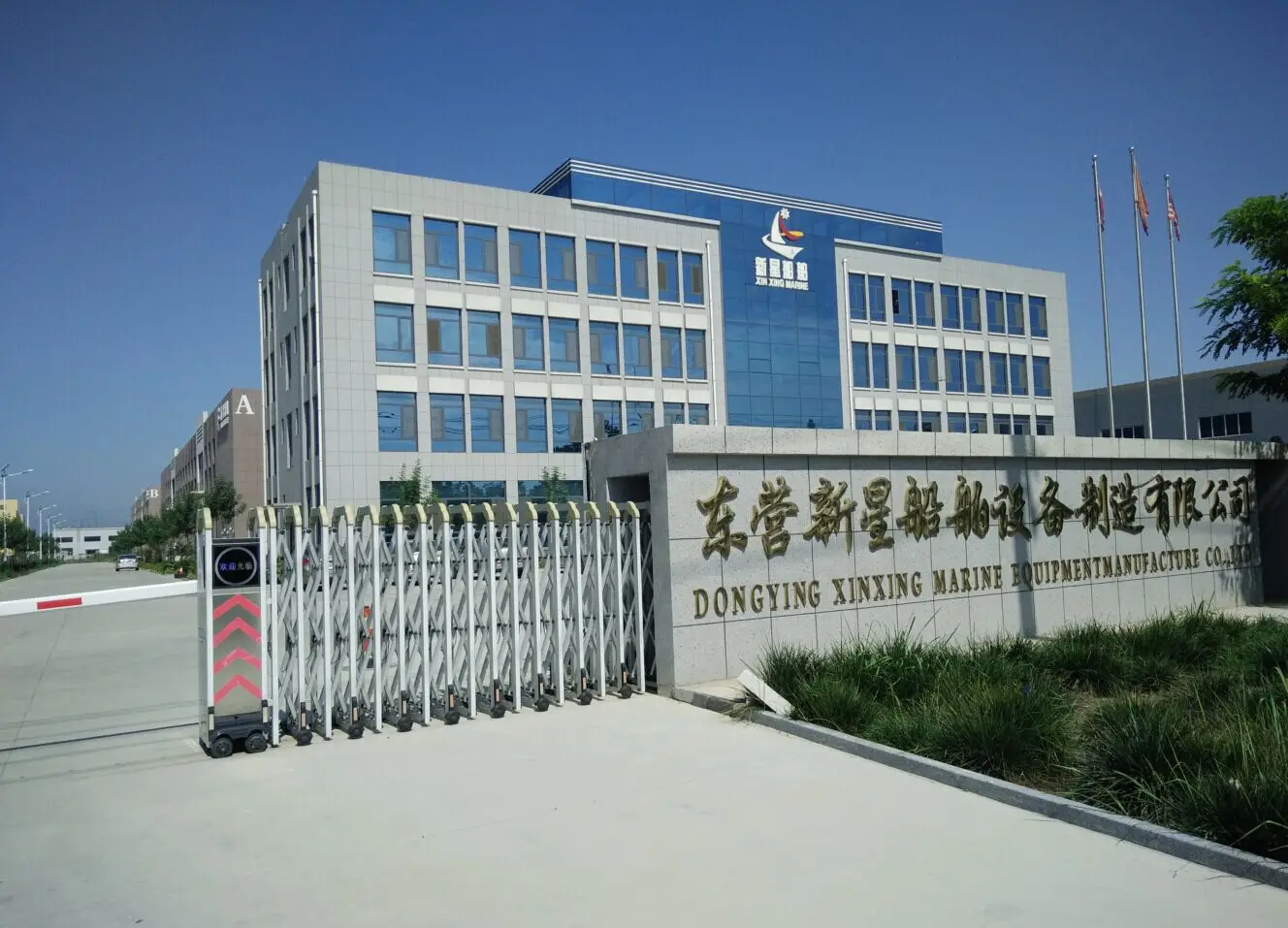
Dongying Xinxing Marine Equipment Manufacture Co.,ltd
- Manufacturer, Trading Company
- Shandong, China
- Lead time30 days
- Avg. response≤ 3h
Main productsBoat Bollard; Marine Cleat; Boat Anchor; Fishing Rod Holder; Boat Latch
Main marketsDomestic Market(30.00%), North America(25.00%), Mid East(16.00%), Western Europe(10.00%), Oceania(5.00%), Eastern Europe(5.00%), Northern Europe(2.00%), South Asia(1.00%), Africa(1.00%), Southern Europe(1.00%), Eastern Asia(1.00%), Central America(1.00%), South America(1.00%), Southeast Asia(1.00%)
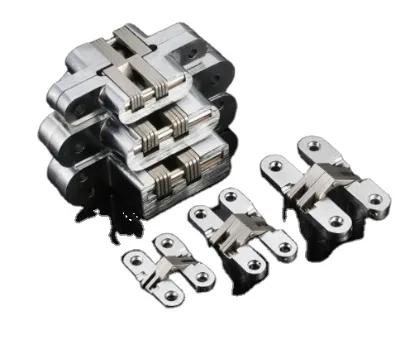
heavy duty adjustable conseal hinges door concealed hinge 90 degree hinge
$5.1911 - $10.3822
MOQ: 1 pieces
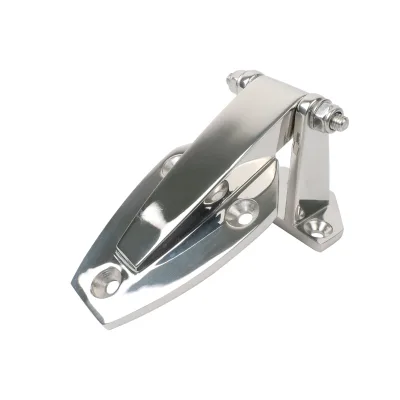
$10.2162 - $11.0315
MOQ: 1 pieces

Shanghai Yung King Hardware Co., Ltd.
- Trading Company,Manufacturer/Factory
- China Shanghai
- Lead time60 days
- Avg. response≤ 14h
Main productsDraw Latch, Lift off Hinge, Cylinder Lock, Military Case Handle, Forging, Machining, Access Panel and Roof Hatch, Paddle Latch, Tie Down Ring
Main marketsSouth America,Eastern Europe,Mid East,North America,Southeast Asia,Eastern Asia,Oceania,Western Europe,Africa

Zhenjiang Trumy Industrial Co., Ltd.
- Trading Company,Manufacturer/Factory
- China Jiangsu
- Lead time30 days
- Avg. response≤ 22h
Main productsFurniture Hardware, Door Hardware, Fastener, Building Material, Bathroom Accessory, Kitchen Accessory, BBQ Grills&Outdoor Cooking, Fire Pit&Fire Place, Outdoor Furniture, Toilet Partitions Accessories
Main marketsSouth America,Eastern Europe,Mid East,North America,Southeast Asia,Eastern Asia,Oceania,Western Europe,Africa
NANTONG WELLSING TRADE CO., LTD.
- Trading Company
- China Jiangsu
- Lead time45 days
- Avg. response≤ 25h
Main productsHardware, Handtool, Lock, Screwdriver, Hinges, Bolt, Drawer Lock, Plier, Padlock, Scraper
Main marketsSouth America,Southeast Asia/ Mideast,North America
Jiangmen Yako Hardware Manufacturer Co., Ltd.
- Verified by SGS Group
- Manufacturer, Trading Company
- Lead time30 days
- Avg. response≤ 1h
Main productsDoor Handle; Door Hinge; Door Lock; Door Accessories, Bathroom Accessories
Main marketsWestern Europe(40%), North America(20%), South America(10%)
Guangdong Shangkun Industrial Technology Co., Ltd.
- Verified by Intertek
- Manufacturer, Trading Company
- Lead time20 days
- Avg. response≤ 2h
Main productsLock, Hinge, Handle, Draw Latch, Leveling Feet
Main marketsDomestic Market(80%), North America(5%), Oceania(4%)
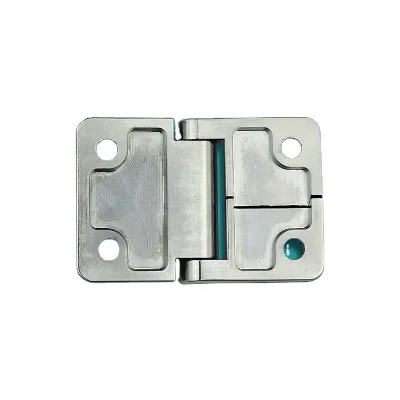
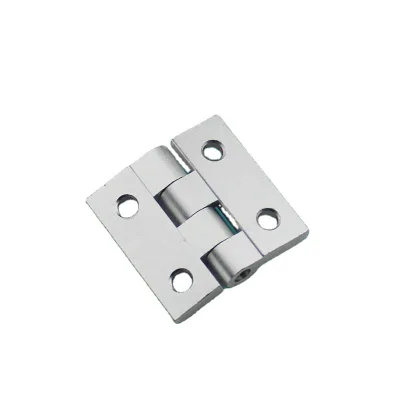
SK2-019AL Small Door Hinges Black and Silver Folding Butt Hinges With Screws
$0.4653 - $0.5161
MOQ: 10 pieces

Guangdong Weihua Hengsen Industrial Ltd.
- Verified by SGS
- Combined
- China Guangdong
- Lead time23 days
- Avg. response≤ 10h
Main productsSwivel Plate, Table Slide, Hinge, Drawer Runner, Socket, Cabinet Slide, Ball Bearing Slide, Swivel Chair Parts, Furinture Hinge, Barstool
Main marketsSoutheast Asia/ Mideast,Europe

Metins Machinery Trading Co., Ltd.
- Verified by TUVRHEINLAND
- Trading Company,Manufacturer/Factory
- China Tianjin
- Lead time23 days
- Avg. response≤ 4h
Main productsStamping Parts, Fabrication & Laser Cutting Parts, CNC Parts, Plastic Injection Parts, Casting Parts, Metal Wire Forming Part, Custom-Made Fastener, Assemble Welded Structural Parts
Main marketsEastern Europe,North America,Western Europe

Shenzhen Alisi Electronic Technology Co., Ltd.
- Trading Company, Distributor/Wholesaler
- Guangdong, China
- Lead time3 days
- Avg. response≤ 2h
Main productselectron component,temperature controller,Auto parts,sensor,Wireless Controller
Main marketsSouth America(20.00%), Eastern Europe(20.00%), North America(15.00%), Western Europe(5.00%), Domestic Market(5.00%), South Asia(5.00%), Southern Europe(5.00%), Northern Europe(5.00%), Central America(5.00%), Eastern Asia(3.00%), Mid East(3.00%), Oceania(3.00%), Africa(3.00%), Southeast Asia(3.00%)
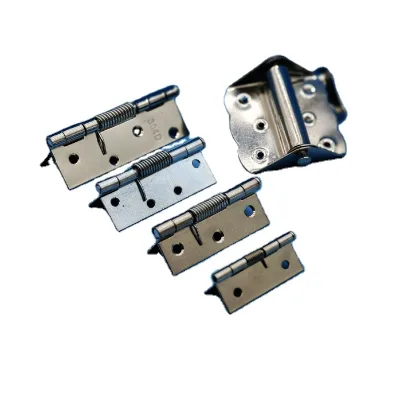
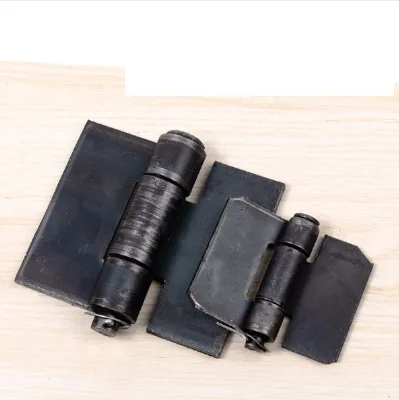
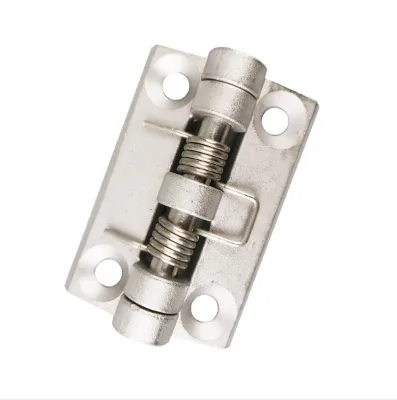
Stainless steel spring hinge, automatic door closing spring hinge, reset rebound door hinge
$0.27 - $0.48
MOQ: 2 Minimum
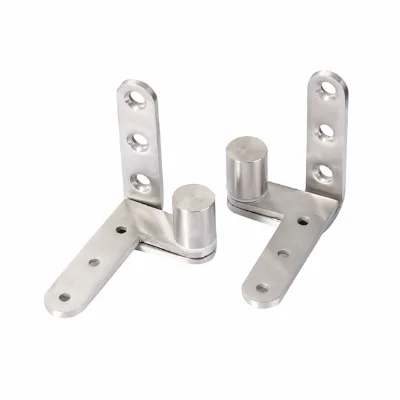
$2.992 - $4.3175
MOQ: 4 Minimum
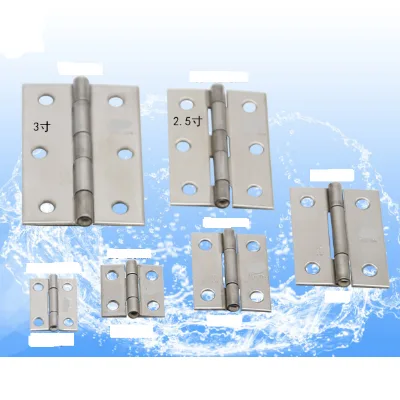
Flat open cabinet door hinge 304 stainless steel hinge folding silent bearing 3 inch hinge
$0.25 - $1.31
MOQ: 6 Minimum
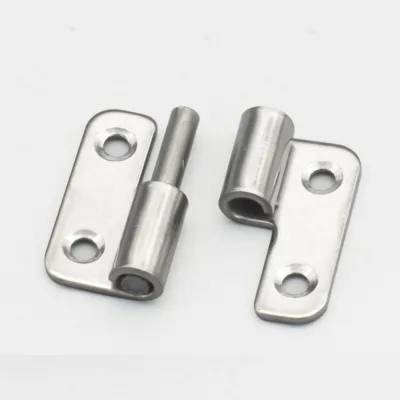
$0.26 - $0.65
MOQ: 30 Minimum

- Verified by TUVRHEINLAND
- Combined
- China Guangdong
- Lead time30 days
- Avg. response≤ 5h
Main productsCabinet Handle, Door Handle, Door Lock, Furniture Knob, Cabinet Hinge, Drawer Slide, Door Hinge, Mortise Lock, Cylinder Lock, Door Stopper
Main marketsSouth America,Southeast Asia/ Mideast,Europe

Guangzhou Wisdom Hardware Limited
- Verified by BV
- Manufacturer/Factory
- China Guangdong
- Lead time38 days
- Avg. response≤ 10h
Main productsWindow&Door Handle, Friction Stay, Window&Door Roller, Door Hinge, Corner Joint, Folding Door System, Tilt and Turn Window System, Sliding Door System
Main marketsSouth America,Eastern Europe,Mid East,North America,Southeast Asia,Eastern Asia,Oceania,Western Europe,Africa

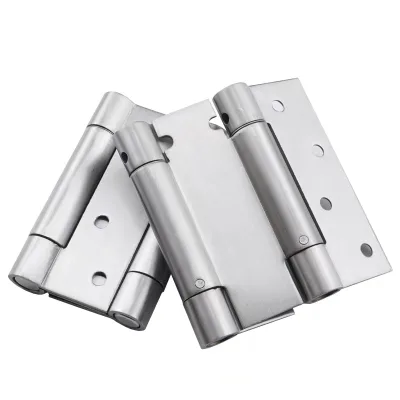
Adjustable Double Action Spring Hinge Spring Door Hinge Spring Loaded Hinges
$1.00 - $3.00
MOQ: 1000 Pieces

- Manufacturer, Trading Company
- Taiwan, China
- Lead time30 days
- Avg. response≤ 10h
Main productstoggle latch,panel lock,handle lock,cabinet handle,cabinet hinge
Main marketsDomestic Market(7.14%), South Asia(7.14%), Southern Europe(7.14%), Northern Europe(7.14%), Central America(7.14%), Western Europe(7.14%), Eastern Asia(7.14%), Mid East(7.14%), Oceania(7.14%), Africa(7.14%), Southeast Asia(7.14%), Eastern Europe(7.14%), South America(7.14%), North America(7.14%)
$0.80 - $2.40
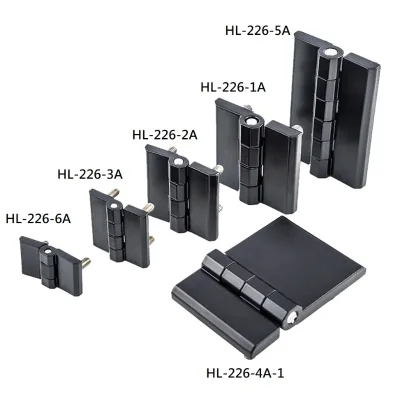
$4.80 - $12.60
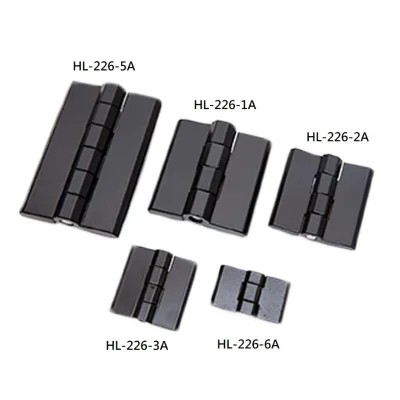
$4.80 - $12.60
$2.40 - $5.25
- Trading Company
- Zhejiang, China
- Lead time0 days
- Avg. response≤ 9h
Main productsSpring Fitting,Cable Drum,Lift Drum,Screw,Bolt
Main marketsNorthern Europe(20.00%), Central America(20.00%), Mid East(20.00%), Southern Europe(20.00%), South Asia(10.00%), South America(10.00%)
Jiangmen Degol Hardware Co., Ltd.
- Verified by SGS Group
- Manufacturer, Trading Company
- Lead time35 days
- Avg. response≤ 3h
Main productsHandles, Hinges, Door Closers, Locks
Main marketsNorth America(20%), South America(20%), Mid East(12%)

Zhongshan Blue Whale Hardware Products Co., Ltd
- Verified by SGS
- Trading Company
- China Guangdong
- Lead time30 days
- Avg. response≤ 3h
Main productsSmart Door Lock, Hotel Lock, Mechanical Lock, Hinges, Keypad Lock, Triple Lever Lock, Large Handle Lock, Door Handle
Main marketsSoutheast Asia/ Mideast,North America
Guangdong Top Strong Living Innovation & Integration Co., Ltd.
- Manufacturer
- Guangdong, China
- Lead time30 days
- Avg. response≤ 3h
Main productsSafety Door Lock,Sliding Door Wheel,Smart Clothes Drying Rack,Smart Lock,Other Hardware
Main marketsDomestic Market(80.00%), North America(10.00%), Western Europe(5.00%), Southeast Asia(3.00%), South Asia(2.00%)
Jiangmen S.R.I Hardware Co., Ltd.
- Manufacturer
- Guangdong, China
- Lead time30 days
- Avg. response≤ 4h
Main productsDoors and Windows Accessories - Door Handle,Door Stopper,Door Bolt,Door Hinge and Door Viewer
Main marketsEastern Europe(14.30%), North America(12.20%), Oceania(10.20%), South Asia(8.20%), Southern Europe(8.20%), Central America(8.20%), Western Europe(6.10%), Northern Europe(6.10%), Domestic Market(6.10%), Mid East(6.10%), Africa(4.10%), Southeast Asia(4.10%), Eastern Asia(4.10%), South America(2.00%)

Guangdong Blossom Hardware Co., Ltd
- Verified by SGS
- Trading Company
- China Guangdong
- Lead time30 days
- Avg. response≤ 5h
Main productsHardware, Furniture Hardware, Undermount Slide, Hinge, Handle, Drawer Slide, Soft Close Slide, Furniture Fittings, Metal Box
Main marketsSouth America,Europe,North America

Foshan Tonghuashun Stainless Steel Products Co., Ltd.
- Verified by SGS
- Manufacturer/Factory
- China Guangdong
- Lead time0 days
- Avg. response≤ 7h
Main productsMechanical Door Lock, Door Catch, Draw Latch, Handle, Hinge, Torque Hinge, Whale Tail Lock, Friction Hinge, Industrial Hinge, Industrial Handle
Main marketsSouth America,Eastern Europe,Mid East,North America,Southeast Asia,Eastern Asia,Oceania,Western Europe,Africa
Jieyang Dezhen Hardware Industry Co., Ltd.
- Manufacturer
- Guangdong, China
- Lead time0 days
- Avg. response≤ 2h
Main productsHinge
Main marketsWestern Europe(30.00%), South America(15.00%), North America(10.00%), South Asia(10.00%), Eastern Europe(10.00%), Domestic Market(5.00%), Africa(5.00%), Southeast Asia(5.00%), Mid East(5.00%), Oceania(5.00%)

Zhaoqing kessy hardware co., ltd
- Combined
- China Guangdong
- Lead time30 days
- Avg. response≤ 4h
Main productsFriction Stay, Lock Cylinder, Door Handle, Lock Body, Window Handle, Hinge
Main marketsDomestic

Donglin Furniture Accessories Co., Ltd.
- Verified by SGS
- Trading Company,Manufacturer/Factory
- China Guangdong
- Lead time30 days
- Avg. response≤ 6h
Main productsFurniture Hardware, Hinge, Slides, Guide Rails
Main marketsSouth America,Eastern Europe,Mid East,North America,Southeast Asia,Eastern Asia,Oceania,Western Europe,Africa

Low Maintenance Frictionless Adjustable Fixed Mount Standard Hinge with Claw
$0.20 - $0.50
MOQ: 1000 Pieces

High Cycle-Count Straightforward Reliable Clip-on Damping Straight Hinge
$0.20 - $0.50
MOQ: 1000 Pieces

Jiangmen Tianhao Hardware And Electric Appliance Co.,Ltd
- Verified by TUVRHEINLAND
- Manufacturer/Factory
- China Guangdong
- Lead time30 days
- Avg. response≤ 14h
Main productsDrawer Slides, Cabinet Hinges, Door Hinges, Kitchen Accessories, Wardrobe Accessories, Kitchen Drawer Basket, Ball Bearing Slides, Furniture Hardware, Furniture Fittings, Cabinet Handles
Main marketsSouth America,Eastern Europe,North America,Oceania,Western Europe

Ningbo Huazhu Precision Machinery Co., Ltd.
- Manufacturer
- China Zhejiang
- Lead time23 days
- Avg. response≤ 2h
Main productsBathroom Accessories, Bath Enclosure Hardware, Shower Hinge, Faucet Handle, Shower Handle, Windows Fittings, Door & Windows Handle, Fingerprint Lock Accessory, Door Handles, Towel Bar Towel Shelf
Main marketsSouth America,Europe,North America
Guangdong DIMETAL Industrial Co., Ltd
- Manufacturer, Trading Company
- Guangdong, China
- Lead time15 days
- Avg. response≤ 3h
Main productsFurniture hinges,Drawer Slides,Furniture Handle,Shelf support,Furniture casters
Main marketsNorth America(30.00%), Western Europe(10.00%), Eastern Asia(10.00%), Oceania(10.00%), Africa(10.00%), Southeast Asia(10.00%), Eastern Europe(10.00%), South America(10.00%)

JM Aluminum Profile Accessories Co., Limited
- Trading Company
- China Guangdong
- Lead time15 days
- Avg. response≤ 4h
Main productsIndustrial Aluminum Profile Aluminum Profiles, Aluminum Profiles / Extrusions, Aluminum Profile Modular Assembly, Aluminum Profile Accessories, Caster/Footmaster Caster/Adjustable Feet, Feet, T Nuts/Hammer Head Nut/T Bolt, Brackets Elements/Joint/Degree Bracket, End Cap/ Nylon Hinge/Handles, Spring Block/Aluminum Profile
Main marketsSouth America,Africa,Southeast Asia/ Mideast,East Asia(Japan/ South Korea),Domestic,Europe,Australia,North America
Huizhou Laiduo Crafts Co., Ltd.
- Trading Company
- Guangdong, China
- Lead time0 days
- Avg. response≤ 8h
Main productselectronic product,Hardware accessories,Clothing and leather bags,Hardware Tools,Daily necessities
Main marketsNorthern Europe(90.00%), Central America(90.00%), Domestic Market(90.00%), Mid East(90.00%), Oceania(90.00%), Africa(90.00%), Southeast Asia(90.00%), Eastern Europe(90.00%), South America(90.00%), North America(90.00%), South Asia(80.00%), Eastern Asia(80.00%), Southern Europe(60.00%)

Jinhua Hengyang Cross-Border Trade Limited Liability Company
- Verified by SGS
- Trading Company
- China Zhejiang
- Lead time15 days
- Avg. response≤ 9h
Main productsCoffee Maker Air Fryer Storage Box Knife Set, Silicone Baking Mold Robot Vacuum Cleaning Table, Shower Head Non-Slip Shower Curtain Vacuum Stora, Collapsible Laundry Basket Bohemian Wall Tapestr, Fringe Pillow Cover Bedding Set Memory Foam Pill, Bamboo Tissue Biodegradable Trash Bags LED Fair, Smart Plug Fairy Lights Pet Food Bowl, Household Daily Necessities Kitchen Cleaning, Bathroom Storage and Care Fabric Home Decor, Bedding Daily Chemical Paper Products
Main marketsEurope






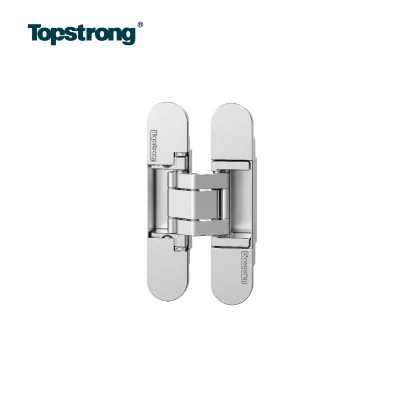
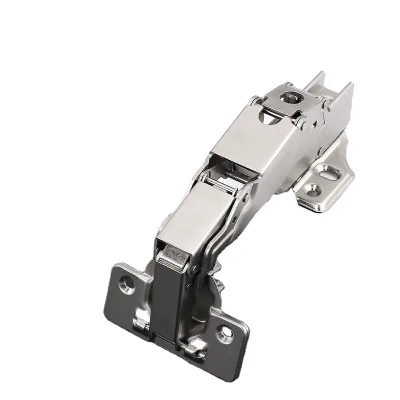
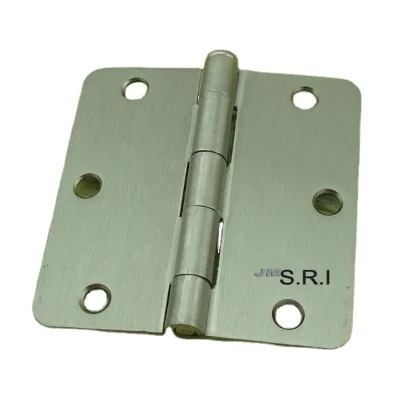
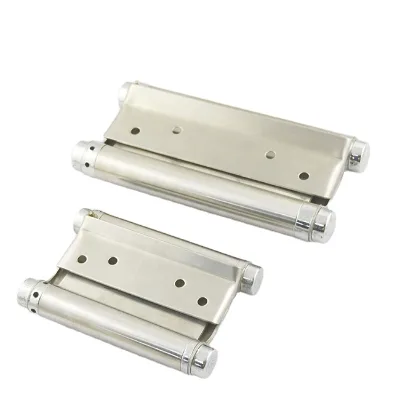




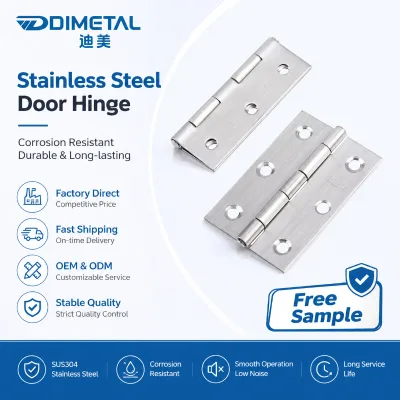


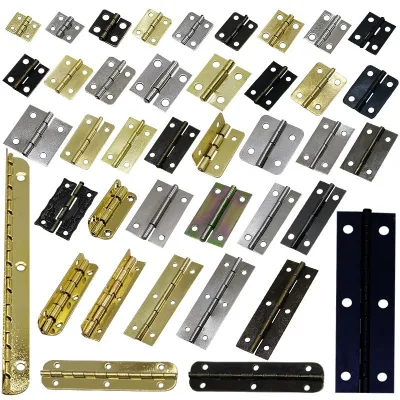
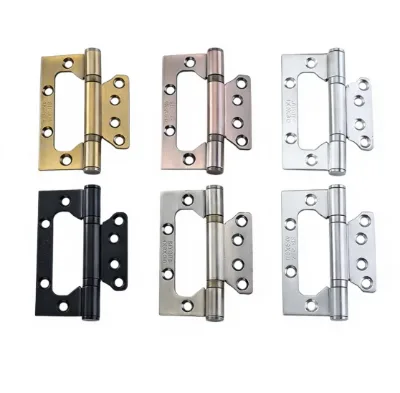


Comprehensive Sourcing Guide
Adjustable Hinge Supplier Concentration and Factory Types
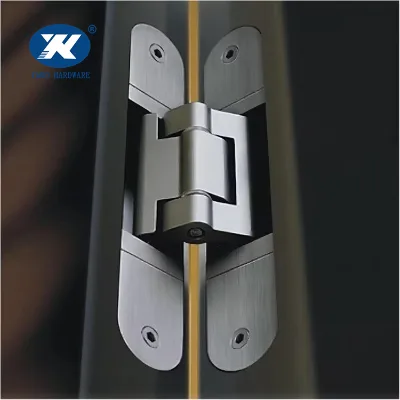
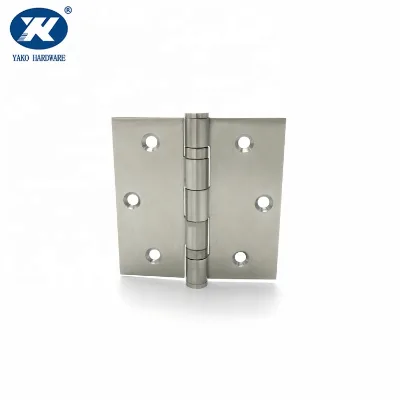
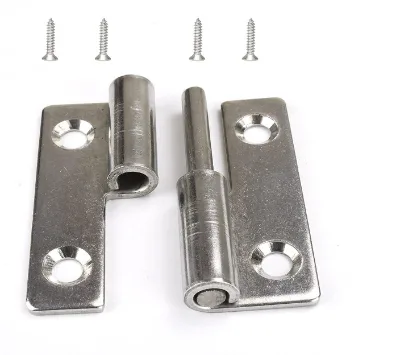
Current data indicates a concentration of Adjustable Hinge manufacturers within China Guangdong, a region known for its extensive hardware manufacturing ecosystem. This location hosts a mix of combined entities and trading companies, offering buyers a diverse range of sourcing options. Some suppliers in this cluster specialize in door hardware, including hinges, locks, and handles, while others focus on broader aluminum systems like pergolas and sunrooms. The presence of combined company types suggests that some factories may handle both direct manufacturing and trading operations, potentially streamlining the supply chain for specific product lines. However, the absence of specific establishment years in the provided facts means buyers cannot rely on historical longevity as a primary filter for these Guangdong-based entities.
When evaluating factory types, it is crucial to distinguish between pure manufacturers and trading companies, as this distinction impacts pricing and customization capabilities. The observed data shows suppliers offering ODM, OEM, and own brand services, which indicates a capacity for tailored production rather than just off-the-shelf sales. Buyers should verify if the supplier's main products align with their specific needs, such as concealed hinges for wooden doors or heavy-duty hinges for gates. Since the data does not confirm the exact number of active factories in this cluster, buyers must independently verify the physical presence of production facilities. Relying solely on the "Combined" or "Trading Company" label without on-site verification can lead to misunderstandings regarding production capacity and quality control standards.
How to Verify Adjustable Hinge Suppliers
Verification of Adjustable Hinge suppliers requires a multi-layered approach, starting with the confirmation of third-party audit results. The available data highlights that some suppliers hold SGS verification status, while others may have BV verification. These certifications serve as a baseline for assessing the supplier's operational integrity and adherence to safety standards. Buyers should treat these verification badges as initial indicators rather than absolute guarantees of quality. It is essential to request the full audit report to understand the scope of the inspection, including factory conditions, labor practices, and product testing protocols. Without a specific establishment year provided in the current facts, the duration of the supplier's operation remains an unknown variable that must be clarified during direct communication.
Beyond verification badges, buyers must scrutinize the specific product evidence provided to ensure it matches their technical requirements. The data lists detailed attributes for various hinge models, such as material composition (Zinc Alloy, Aluminum Alloy), load capacities (up to 80kg per pair), and dimensional specifications. Buyers should cross-reference these product attributes with their own engineering drawings to confirm compatibility. For instance, a hinge rated for a 40mm door thickness may not suit a 36mm application, even if the opening angle is identical. Additionally, the availability of samples is noted for certain products, which allows buyers to physically test the finish, movement, and durability before committing to a large order. This hands-on verification step is critical for mitigating the risk of receiving non-compliant hardware.
What to Compare Across Adjustable Hinge Suppliers
Comparing suppliers requires a systematic analysis of key operational metrics, including lead times, minimum order quantities, and response speeds. The observed data reveals significant variation in these areas; for example, lead times range from 15 days to 30 days, while minimum order quantities vary from 200 units to 1000 units. Response times also differ, with some suppliers showing a response time of 3.93 hours and others at 7.46 hours. These differences can significantly impact project timelines and inventory management strategies. Buyers should prioritize suppliers whose lead times align with their production schedules and whose MOQs fit their budget constraints. A supplier with a lower MOQ might be preferable for a trial order, even if their response time is slightly slower, provided the product quality meets expectations.
In addition to operational metrics, buyers must compare the specific product specifications and customization options offered by each supplier. The data indicates that customization is generally available across the listed products, but the extent of this customization varies. Some hinges offer chrome plating and specific dimensions, while others provide different material combinations like zinc alloy and aluminum alloy. Buyers should evaluate the range of finishes, such as silver or chrome, and the specific load-bearing capacities to ensure the selected hinge meets the structural requirements of their application. Furthermore, the payment terms, including options like T/T, Credit Card, and Escrow, should be compared to determine the most secure and flexible arrangement for the transaction. This comprehensive comparison ensures that the selected supplier offers the best balance of cost, speed, and technical capability.
Common Adjustable Hinge Sourcing Risks
One of the primary risks in sourcing adjustable hinges is the potential mismatch between product specifications and actual performance under load. The data lists maximum door weights, such as 80kg per pair, but these figures may vary based on the specific model and material quality. Buyers face the risk of receiving hinges that fail prematurely if the actual material composition differs from the stated Zinc Alloy or Aluminum Alloy. Without a standardized certification system explicitly listed for all suppliers, there is a risk that some products may not meet international safety or durability standards. This discrepancy can lead to costly replacements and project delays, particularly in applications where safety is paramount, such as heavy-duty gates or commercial doors.
Another significant risk involves the reliability of the supply chain and the consistency of product quality over time. The variation in lead times, ranging from 15 to 30 days, suggests that production schedules may fluctuate, potentially causing delays in order fulfillment. Additionally, the lack of specific establishment years for the suppliers makes it difficult to assess their long-term stability and track record. Buyers may encounter issues with after-sales support or warranty claims if the supplier ceases operations or changes management. The absence of detailed information on escrow usage for all transactions also introduces financial risk, as buyers may not have the same level of protection against non-delivery or substandard goods. Mitigating these risks requires thorough due diligence and clear contractual agreements regarding quality assurance and delivery timelines.
Adjustable Hinge Regional Sourcing and Logistics
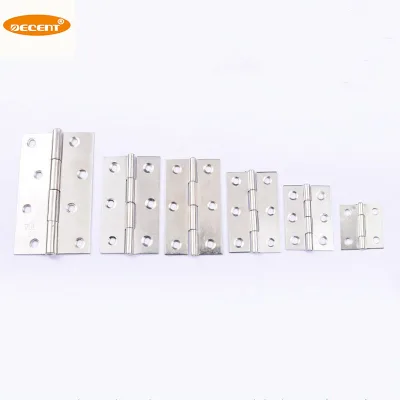
Sourcing adjustable hinges from China Guangdong offers logistical advantages due to the region's well-developed infrastructure and proximity to major shipping ports. The concentration of manufacturers in this area facilitates efficient transportation of goods, reducing transit times and shipping costs for international buyers. However, buyers must account for the specific packaging details provided, such as white inner boxes and yellow-brown outer cartons, to ensure that the products arrive without damage. The dimensions of the hinges, ranging from 110mm to 190mm in length, also influence packaging efficiency and freight costs. Understanding these logistical factors is essential for accurate cost estimation and inventory planning, especially when dealing with large order volumes that require multiple shipments.
Despite the logistical benefits, buyers should be aware of potential challenges related to customs clearance and import regulations in their destination countries. The product origin is listed as China, which may subject the goods to specific tariffs or trade restrictions depending on the buyer's location. Additionally, the varying lead times observed in the data suggest that production delays could extend the overall delivery timeline, impacting the buyer's ability to meet project deadlines. Buyers should plan for these variables by maintaining a buffer in their schedule and communicating clearly with the supplier regarding production milestones. By proactively addressing these logistical considerations, buyers can minimize disruptions and ensure a smooth flow of goods from the factory to their final destination.
Adjustable Hinge Commercial Terms and Order Planning
Commercial terms for adjustable hinges vary significantly among suppliers, with payment options including T/T, Credit Card, PayPal, Western Union, and Escrow. The availability of Escrow as a payment method provides an additional layer of security for buyers, ensuring that funds are only released upon satisfactory delivery. However, not all suppliers may offer this option, so buyers must verify the specific payment terms before finalizing an order. The price ranges observed in the data, from $1.00 to $50.00 per unit, indicate a wide spectrum of pricing based on product complexity and material quality. Buyers should negotiate terms that align with their budget while ensuring that the agreed-upon price reflects the quality and specifications of the hinges.
Order planning for adjustable hinges requires careful consideration of minimum order quantities and production lead times. The data shows MOQs ranging from 200 to 1000 units, which can impact the initial investment required for a project. Buyers should plan their orders to meet these MOQs efficiently, potentially consolidating orders with other hardware needs to maximize value. Additionally, the lead times of 15 to 30 days necessitate early planning to avoid delays in project execution. Buyers should also consider the availability of samples, which can be requested to validate product quality before placing a large order. By integrating these commercial terms and logistical factors into their order planning, buyers can optimize their procurement strategy and ensure a successful sourcing experience.
FAQs
What is the typical lead time for adjustable hinges?
Manufacturers in China Guangdong generally require 15 to 30 days for production. This timeframe depends on order volume and customization needs. Buyers should confirm specific schedules with suppliers before placing bulk orders to ensure timely delivery for construction or furniture projects.
What is the minimum order quantity for these hinges?
Minimum order quantities vary significantly by product type. Some concealed hinges require a minimum of 200 pieces, while others may need 500 or 1000 units. Buyers should check specific product listings to determine the exact MOQ required for their sourcing needs.
What materials are used for adjustable door hinges?
Most adjustable hinges are manufactured from zinc alloy or aluminum alloy. Some products also utilize stainless steel for enhanced durability. These materials provide strength for heavy doors while allowing for precise 3D adjustments. Buyers should verify material specifications for their specific application requirements.
What is the price range for adjustable hinges?
Prices typically range from $1.00 to $50.00 per unit. The cost depends on the hinge type, material quality, and customization options. Basic concealed hinges may start around $1.00, while specialized heavy-duty or cabinet hinges can cost up to $50.00.
What is the maximum door weight these hinges support?
Many adjustable hinges support a maximum door weight of 80kg per pair. Some cabinet hinges support up to 10kg per pair. Buyers must verify the loading capacity for their specific door type. Ensuring the hinge rating matches the door weight is critical for safety and longevity.
Are samples available for adjustable hinges?
Samples are often available for testing before bulk purchases. Some suppliers offer free samples for specific hinge models. Buyers should contact suppliers directly to request samples. This allows verification of quality, finish, and adjustment functionality before committing to a larger order volume.
What certifications do these suppliers hold?
Supplier verification statuses include SGS and BV certifications. System certifications may vary, with some listings showing no specific system certification. Buyers should request current certification documents directly from suppliers to ensure compliance with international standards and specific project requirements.