Auto Detailing Clay Mitt Suppliers and Manufacturers
Compare 18 verified Auto Detailing Clay Mitt suppliers on response times, lead times, certifications, and pricing. Review product attributes like material and origin before contacting factories for samples or bulk orders; review the available evidence before requesting comparable quotations from suitable candidates.
Updated
Suppliers List
Guangzhou Nabowan Fine Chemical Co., Ltd.
- Verified by TüVRheinland
- Manufacturer, Trading Company
- Lead time25 days
- Avg. response≤ 3h
Main productsCeramic Coating, Car Cleaning, Clay Bar, Car Polishing Compound, Car Wash Foam
Main marketsNorth America(25%), Africa(15%), Mid East(15%)
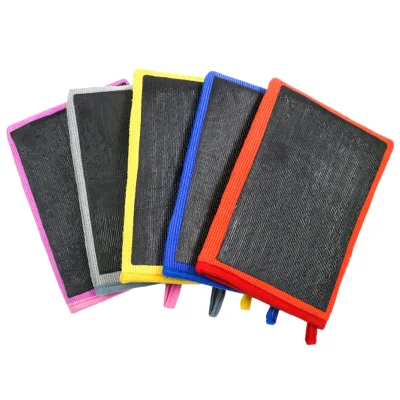
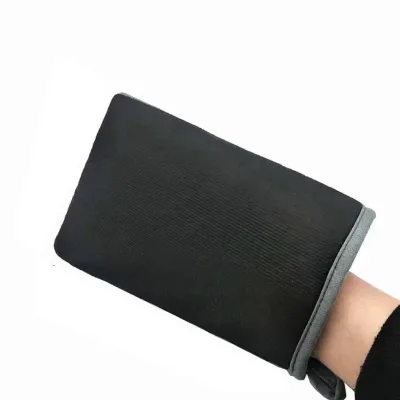
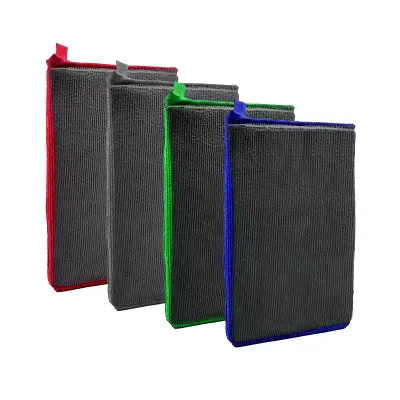
$1.6441 - $2.4654
MOQ: 10 pieces

Anhui Zhenda Brush Industry Co., Ltd.
- Verified by TUVRHEINLAND
- Combined
- China Anhui
- Lead time15 days
- Avg. response≤ 2h
Main productsSolar Panel Cleaning Brush, Car Wash Brush, Car Wash Kit, Sweeper Brushes, Industrial Brush, Cow Brushes, Solar Panel Cleaning Robot, Cleaning Brush, Drill Brushes, Brush Filament
Main marketsSouth America,Southeast Asia/ Mideast,East Asia(Japan/ South Korea),Europe,Australia,North America
Dongguan Ifoam Tech Industrial Limited
- Manufacturer, Trading Company
- Guangdong, China
- Lead time20 days
- Avg. response≤ 13h
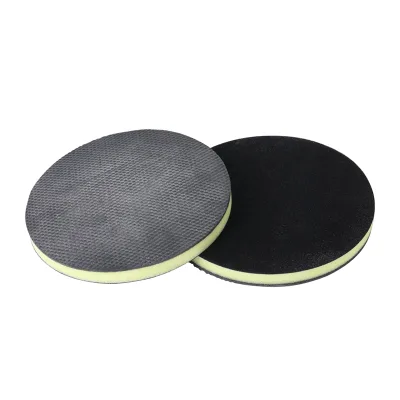
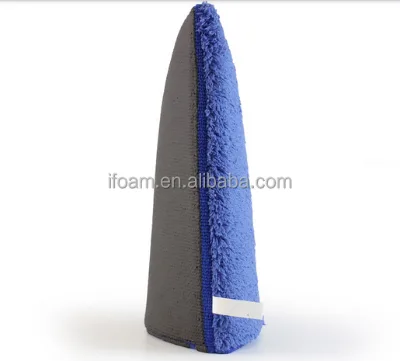
Main productsfoam buffing pad,foam polishing pad,backing plate pad,foam clay pad,Foam waxing applicator
Main marketsNorth America(20.00%), South America(15.00%), Domestic Market(10.00%), Central America(10.00%), Northern Europe(9.00%), Southeast Asia(8.00%), Eastern Asia(8.00%), South Asia(6.00%), Western Europe(5.00%), Mid East(3.00%), Southern Europe(3.00%), Africa(1.00%), Oceania(1.00%), Eastern Europe(1.00%)
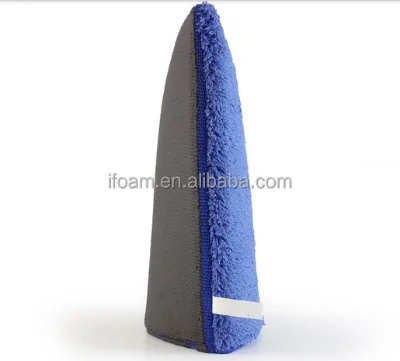
Clay Mitt Car Detailing Crystal Microfiber Wash Mitt North Wolf Car Care Products Clay Mitt
$1.7802 - $2.0944
MOQ: 500 pieces
SEQ Industrial (Changzhou ) Co., Ltd.
- Manufacturer, Trading Company
- Jiangsu, China
- Lead time0 days
- Avg. response≤ 11h
Main productsmicrofiber cloth,wash mitt,cleaning sponge,household towel,kitchen towel
Main marketsNorth America(20.00%), Western Europe(10.00%), Domestic Market(10.00%), Mid East(10.00%), Southern Europe(10.00%), Eastern Europe(10.00%), South America(10.00%), Eastern Asia(5.00%), Oceania(5.00%), Northern Europe(5.00%), Central America(5.00%)
Shijiazhuang Meienbang Import & Export Trade Co., Ltd.
- Verified by SGS Group
- Trading Company
- Lead time15 days
- Avg. response≤ 2h
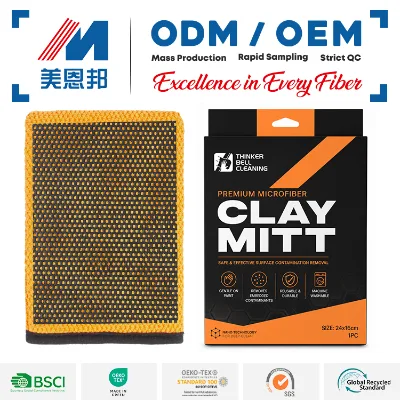
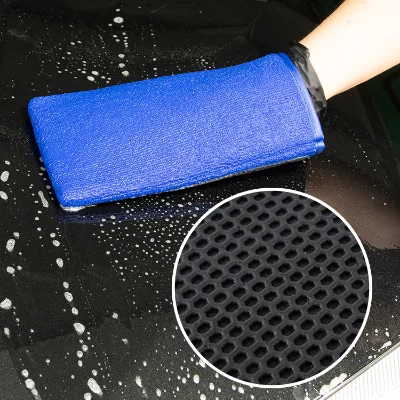
Main productsTowel, Sports Towel, Beach Towel, Microfiber Towel, Makeup Remover Pads
Main marketsNorth America(30%), Southeast Asia(15%), Oceania(15%)
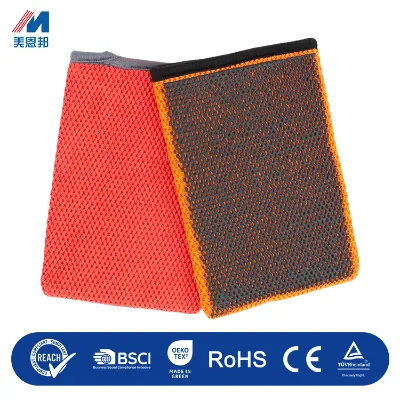
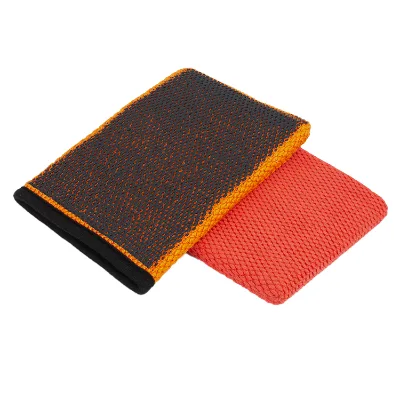
$3.4797 - $3.6846
MOQ: 500 pieces
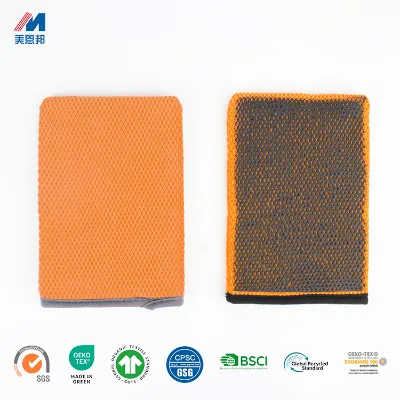
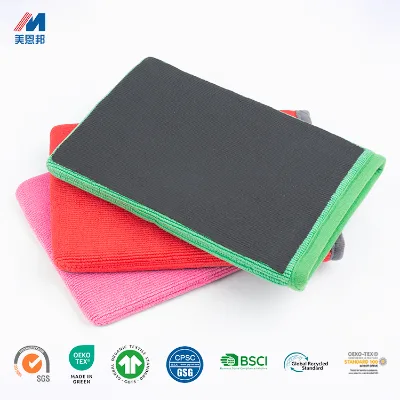

Anhui Shineopen Auto Products Co., Ltd
- Verified by BV
- Manufacturer/Factory
- China Anhui
- Lead time23 days
- Avg. response≤ 10h
Main productsCar Care Products, Car Detailing Products, Car Wash Microfiber Towel, Car Drying Products, Foam Cannon, Car Polisher, Foam Polishing Pad, Wool Buffing Pad, Car Wash Mitt, Wheel Brush
Main marketsSouth America,Eastern Europe,Mid East,North America,Southeast Asia,Eastern Asia,Oceania,Western Europe,Africa

$3.50 - $5.85
MOQ: 100 pieces


Foshan Sumeite Grinding Technology Co., Ltd.
- Verified by Intertek
- Manufacturer, Trading Company
- Lead time15 days
- Avg. response≤ 2h
Main productsFoam Polishing Pad, Wool Polishing Pad, Backing Plate, Car Washing Mud, Magic Clay Pad
Main marketsDomestic Market(39%), Southeast Asia(16%), North America(10%)
Anhui Zhenda Brush Industry Co., Ltd.
- Verified by SGS Group
- Manufacturer, Trading Company
- Lead time30 days
- Avg. response≤ 1h
Main productsSweeper Brush, Cow Brush, Car Cleaning Brush, Solar Panel Cleaning Brush, Industrial Brush
Main marketsMid East(16%), North America(15%), South America(13%)
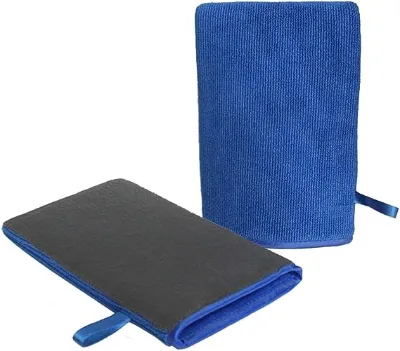
Scratch-Free and Paint Safe for Cleaning Polishing Detailing Cars Clay Mitt
$1.3928 - $1.7638
MOQ: 100 sets
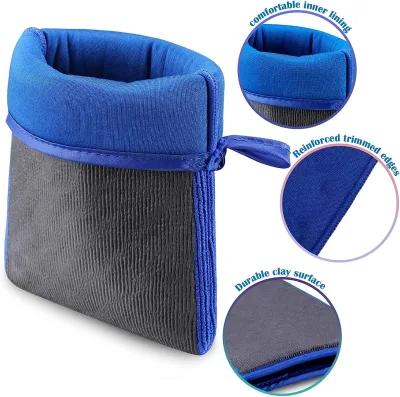
Factory Direct Sale Auto Detailing Clay Eraser for Car Paint Glass Wheels Clay Mitt
$1.35 - $1.71
MOQ: 100
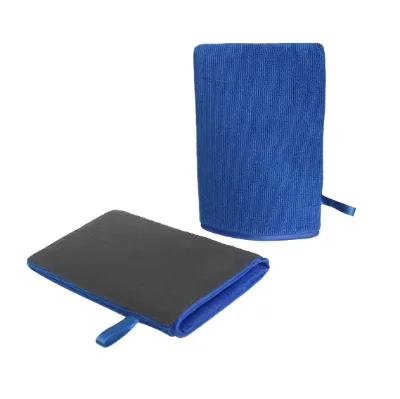
Ma'anshan Tengxin Import And Export Trading Co., Ltd.
- Trading Company
- Anhui, China
- Lead time0 days
- Avg. response≤ 3h
Main productsAutomotive supplies,Cleaning supplies
Main marketsNorth America(70.00%), Northern Europe(4.00%), Western Europe(4.00%), Mid East(4.00%), Oceania(4.00%), Southeast Asia(4.00%), Eastern Europe(4.00%), South America(4.00%), Southern Europe(2.00%)
Guangzhou Yupeng Auto Parts Co., Ltd.
- Manufacturer, Trading Company
- Guangdong, China
- Lead time7 days
- Avg. response≤ 13h
Main productsPolishing Sponge, DA Polishing Machine, Car Wash Supplies, Nano Magic Mud, Car Polishing Wax
Main marketsNorth America(25.00%), Eastern Europe(15.00%), Eastern Asia(10.00%), Western Europe(10.00%), Mid East(10.00%), South America(7.00%), Oceania(5.00%), Northern Europe(5.00%), Southeast Asia(5.00%), South Asia(2.00%), Southern Europe(2.00%), Central America(2.00%), Africa(1.00%), Domestic Market(1.00%)
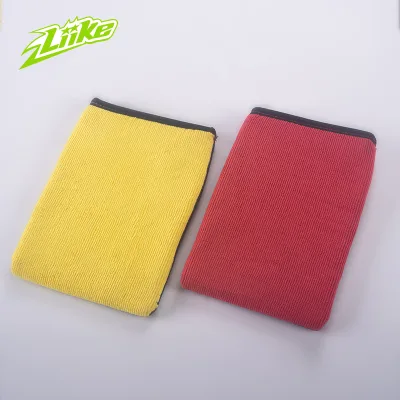
$0.9006 - $4.0886
MOQ: 100 pieces
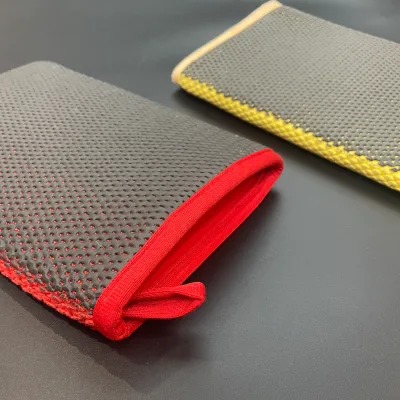
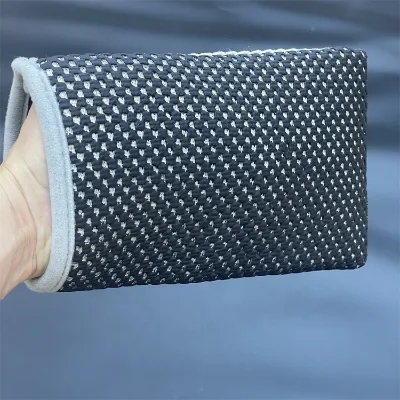
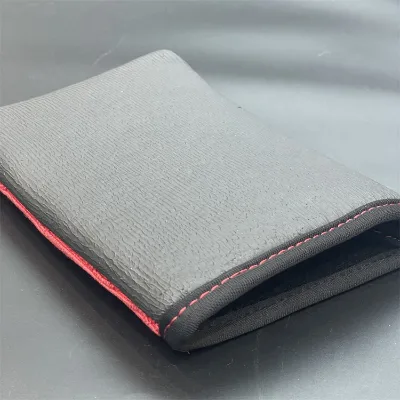
Guangzhou Chejiabao Auto Products Co., Ltd.
- Manufacturer, Trading Company, Buying Office
- Guangdong, China
- Lead time15 days
- Avg. response≤ 2h
Main productscar wax,Nano ceramic coating,Cleaning agent,Curing agent,Abrasive coating
Main marketsNorth America(30.00%), South Asia(20.00%), Southeast Asia(20.00%), Central America(20.00%), Mid East(5.00%), South America(5.00%)
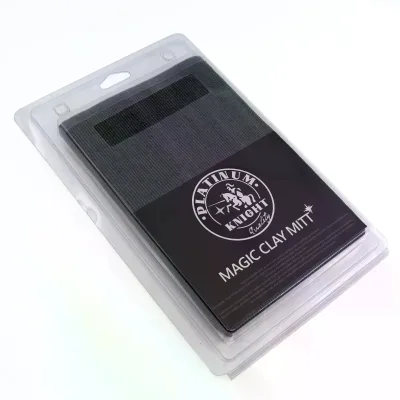
$3.5051 - $5.3901
MOQ: 120 pieces
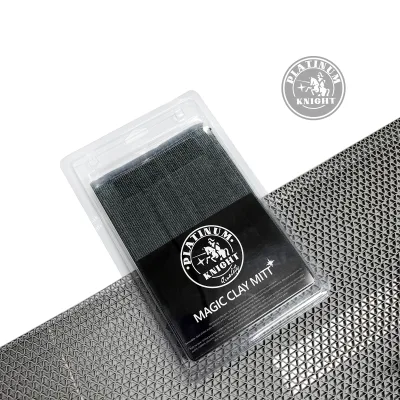
Magic Auto Detailing Clay Bar Mitt Premium Clay Mesh and Microfiber Remove Dirts Mud Grime
$3.4902 - $5.3691
MOQ: 40 bags

Zhejiang E-Sun environmental Technology Co., Ltd.
- Verified by BV
- Trading Company
- China Zhejiang
- Lead time30 days
- Avg. response≤ 8h
Main productsCleaning Cloth, Cleaning Mop, Cleaning Sponge, Disposable Mop, Disposable Cleaning Cloth, Microfiber Towel
Main marketsSouth America,Southeast Asia/ Mideast,East Asia(Japan/ South Korea),Europe,Australia,North America


Esun Scratch Free Reusable Car Wash Glove Mitt for Car Detailing and Polishing
$1.80 - $1.85
MOQ: 3000 Pieces

Sino Star Automotive Equipment Co., Ltd.
- Verified by BV
- Trading Company
- China Jiangsu
- Lead time23 days
- Avg. response≤ 5h
Main productsCar Wash Machine, Car Lift, Tire Changer, Wheel Balancer, 3D Wheel Alignment, Blue-Point Tools, Car Wash Shampoo, Hydraulic Jacks, Car LED Light
Main marketsSouth America,Southeast Asia/ Mideast,Domestic,Europe,Australia

Car Interior Cleaning Gloves Microfiber Car Detailing Glove Auto Interior Wash Mitt
$0.99 - $1.30
MOQ: 50 Pieces

$1.99 - $2.49
MOQ: 10 Pieces

Shijiazhuang Tangju Trading Co., Ltd.
- Verified by SGS
- Combined
- China Hebei
- Lead time23 days
- Avg. response≤ 11h
Main productsMicrofiber Towel, Beach Towel, Suede Towel, Car Wash Towel, Soap
Main marketsSoutheast Asia/ Mideast,Europe,North America

Auto Detail Car Wash Mitt Chenille Noodle Glove Water Absorb Foam Cheap Mitt
$0.10 - $0.50
MOQ: 1000 pieces


- Trading Company
- Zhejiang, China
- Lead time45 days
- Avg. response≤ 7h
Main productsgarden tools spare parts,garden tools,car care clay products,power tools
Main marketsEastern Europe(50.00%), North America(30.00%), Oceania(20.00%)

Hebei Eastsun International Co., Ltd.
- Verified by TUVRHEINLAND
- Trading Company
- China Hebei
- Lead time15 days
- Avg. response≤ 5h
Main productsMicrofiber Towel, Kitchen Towel, Car Wash Towel, PVA Series, Bath Towel, Beach Towel, Sport Towel, Car Wash Set
Main marketsEurope,North America

Fluffy Washmitt Glove Microfiber Absorbent Car Wash Glove Double Face Wax Detailing Wash Mitt
$0.40 - $0.99
MOQ: 200 Pieces

Auto Car Beauty Mitt Pad Wax Detailing Wool Mitt Long Hair Fleece Super Absorbent Auto Mitt Pad
$0.40 - $0.99
MOQ: 200 Pieces

$0.40 - $0.99
MOQ: 200 Pieces

Low Price High Quality Practical Car Cleaning Chenille Mitt for Auto Washing
$0.40 - $0.99
MOQ: 200 Pieces

Wholesale High Quality Durable Microfiber Chenille Mitt for Car Detailing Cleaning
$0.60 - $1.20
MOQ: 200 Pieces

Wholesale Low Price High Quality Practical Car Cleaning Chenille Mitt for Auto
$0.40 - $0.99
MOQ: 200 Pieces
Qianyang Auto Accessories (guangzhou) Co., Ltd.
- Verified by Intertek
- Manufacturer, Trading Company
- Lead time0 days
- Avg. response≤ 3h
Main productsCar Polishing Pad, Car Polishers, Clay Bar, Clay Mitt, Car Cleaner
Main marketsMid East(20%), North America(15%), Africa(15%)

Shenzhen Ksd Industry Co., Ltd.
- Manufacturer, Trading Company, Distributor/Wholesaler
- Guangdong, China
- Lead time5 days
- Avg. response≤ 4h
Main productsFoam Guns and Water Spray Guns,Houseware Cleaning,Polisher/ Buffer accessories,Washing Tool Series,Equipment Series
Main marketsNorth America(30.00%), Western Europe(25.00%), Central America(20.00%), South America(5.00%), Northern Europe(5.00%), Oceania(5.00%), Eastern Europe(5.00%), Domestic Market(1.00%), South Asia(1.00%), Southern Europe(1.00%), Eastern Asia(1.00%), Southeast Asia(1.00%)


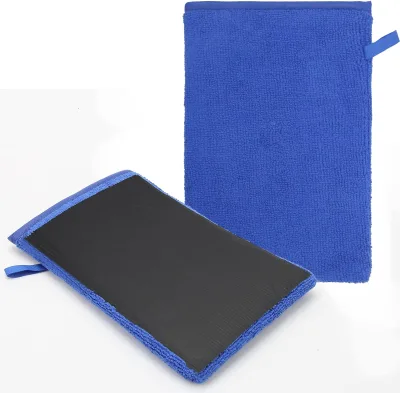
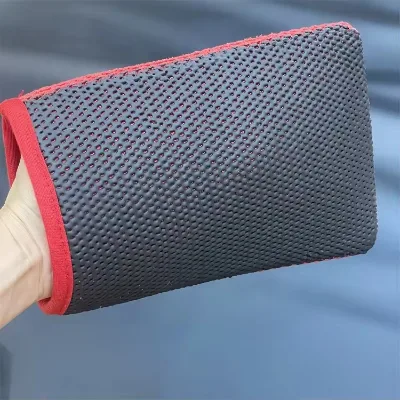
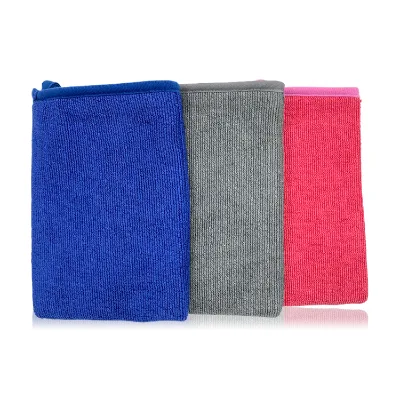
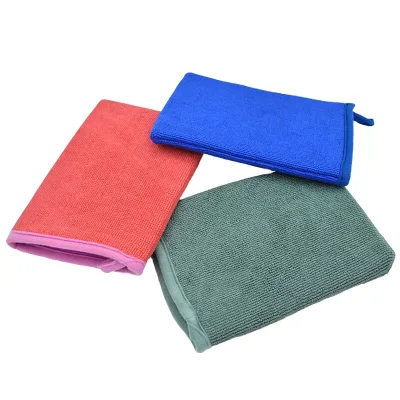
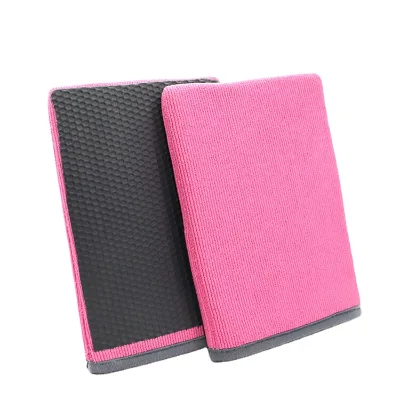
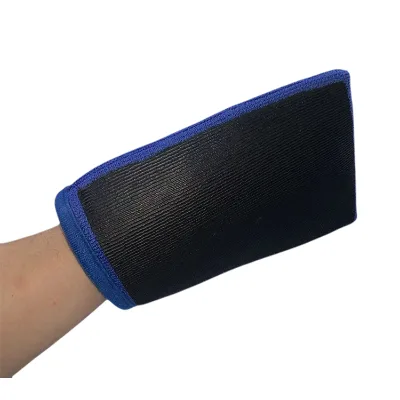
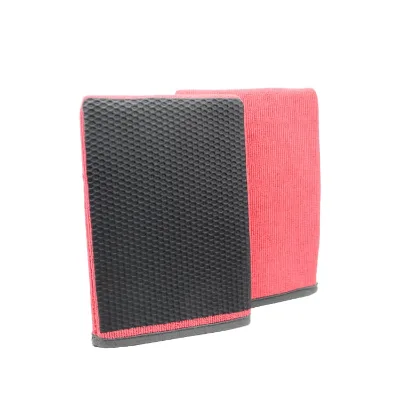
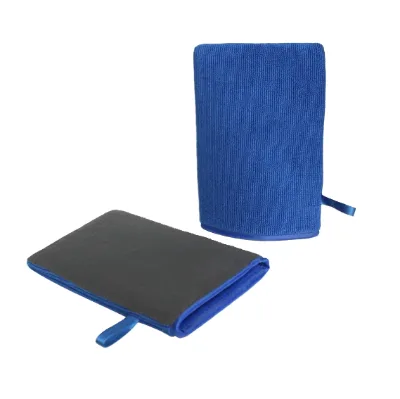
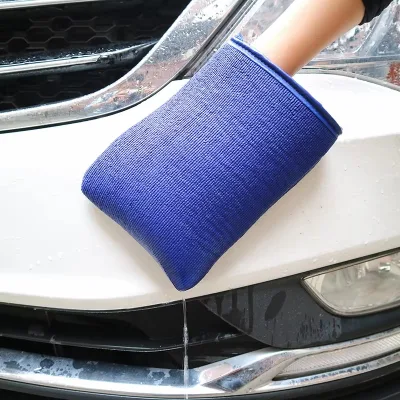

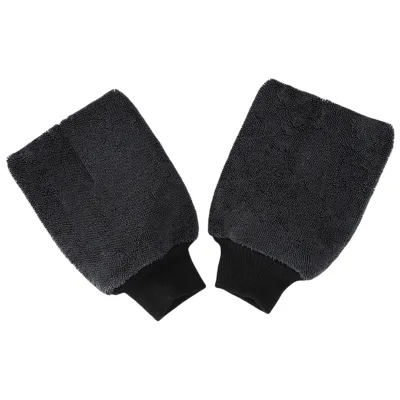
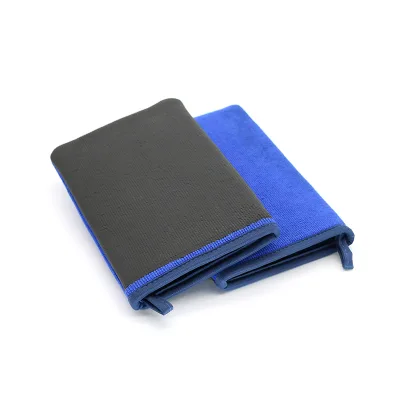
Comprehensive Sourcing Guide
Auto Detailing Clay Mitt Supplier Concentration and Factory Types
The current supplier landscape for auto detailing clay mitts reveals a diverse mix of manufacturing capabilities and business models, primarily centered in specific industrial regions of China. Data indicates that suppliers are categorized as Manufacturers, Trading Companies, or Combined entities, offering buyers a range of engagement options depending on their volume needs and customization requirements. Geographic concentration is a key factor in this sector, with verified results pointing to Guangdong and Anhui as significant production hubs. Guangdong-based suppliers often highlight their capacity for sample processing, graphic processing, and customized on-demand production, suggesting a mature ecosystem for rapid prototyping and flexible manufacturing. This region is known for its extensive supply chain for vehicle accessories and electronics, which supports the production of microfiber and clay-based detailing tools. Meanwhile, suppliers located in Anhui, China, also present themselves as viable sources, with some explicitly listing their origin in product attributes. This geographic distribution allows buyers to assess suppliers based on regional industrial strengths, whether that involves high-volume standard production or specialized OEM services. Understanding these clusters helps in identifying suppliers who may have logistical advantages or specialized expertise in brush and mitt manufacturing.
Supplier types vary significantly in their operational focus, which directly impacts the buyer’s sourcing strategy. Manufacturers typically offer direct control over production quality and can provide OEM branding, as seen in listings that specify "Private Label Manufacturer" or "OEM" brand names. These entities often possess specific certifications, such as ISO9001:2015 and ISO14001:2015, which signal adherence to international quality and environmental management standards. Trading companies, on the other hand, may aggregate products from multiple factories, offering a broader catalog that might include complementary items like car wash brushes or cleaning kits. Some suppliers are listed as "Combined" types, indicating they may handle both manufacturing and trading functions, which can simplify communication for buyers seeking a single point of contact. The presence of TüVRheinland verification on several supplier profiles adds a layer of trust regarding their business legitimacy and operational stability. Buyers should carefully distinguish between pure manufacturers and trading entities to align with their specific needs for cost efficiency, customization depth, or supply chain transparency. This distinction is crucial for negotiating terms and ensuring that the supplier has the direct authority to manage production timelines and quality control measures effectively.
How to Verify Auto Detailing Clay Mitt Suppliers
Verifying the authenticity and capability of Auto Detailing Clay Mitt suppliers requires a multi-layered approach that goes beyond surface-level profile reviews. One of the most critical steps is to check for third-party verification badges, such as those from TüVRheinland, which indicate that the supplier’s business license and operational capabilities have been independently audited. This verification process helps mitigate the risk of engaging with fraudulent entities or shell companies that may not have the actual manufacturing infrastructure they claim. Additionally, buyers should scrutinize the system certifications displayed by suppliers, such as MSDS, ISO9001:2015, and ISO14001:2015. These certifications are not merely decorative; they reflect the supplier’s commitment to standardized quality management and environmental responsibility, which are particularly important for chemical-adjacent products like clay mitts that may involve specific material compositions. Buyers should request copies of these certificates and verify their validity through the issuing bodies to ensure they are current and applicable to the specific products being sourced. This due diligence is essential for establishing a baseline of trust and ensuring that the supplier operates within recognized industry standards.
Beyond certifications, buyers must assess the supplier’s responsiveness and communication efficiency, as these factors often correlate with their overall operational health. Response time metrics, such as those indicating a response within 1.25 to 3 hours, provide insight into the supplier’s customer service infrastructure. A faster response time often suggests a more agile organization that can address queries, negotiate terms, and resolve issues promptly. Buyers should also examine the supplier’s main product listings to ensure they align with their specific needs. For instance, some suppliers specialize in microfiber gloves, while others focus on clay bar mitts or combined detailing kits. Checking the product attributes, such as material composition (e.g., Clay Mitt, Microfiber) and model numbers, helps verify that the supplier has genuine expertise in the category. Furthermore, buyers should look for evidence of customization capabilities, such as the ability to provide OEM branding or customized sizes. Suppliers that explicitly state "Customization: Available" or offer "Private Label" options demonstrate a higher level of flexibility and readiness to support branded procurement. This verification process ensures that the selected supplier is not only legitimate but also capable of meeting the buyer’s specific operational and branding requirements.
What to Compare Across Auto Detailing Clay Mitt Suppliers
When evaluating multiple suppliers for auto detailing clay mitts, buyers must systematically compare key operational metrics to identify the most suitable partner for their business. One of the primary dimensions for comparison is the minimum order quantity (MOQ), which varies significantly across the supplier base. Some suppliers offer low MOQs, such as 10 pieces, which are ideal for small businesses or initial trial orders, while others require higher volumes, such as 50 or 100 pieces, which may be more cost-effective for larger procurement cycles. Understanding these MOQ thresholds is crucial for inventory management and cash flow planning. Additionally, buyers should compare the lead times provided by different suppliers, as these directly impact supply chain reliability. Lead times can range from 15 to 25 days, depending on the supplier’s production capacity and current order backlog. Suppliers with shorter lead times, such as 15 days, may offer a competitive advantage for buyers who need to respond quickly to market demand or replenish stock rapidly. Comparing these metrics allows buyers to balance cost, volume, and speed according to their specific business priorities.
Price and customization options are also critical factors in the comparison process. Unit prices for clay mitts can vary, with ranges observed from approximately $1.52 to $2.50 per piece, depending on the material, size, and order volume. Buyers should analyze these price points in conjunction with the MOQ to determine the true cost efficiency of each supplier. Furthermore, the availability of customization services, such as OEM branding or custom packaging, can add significant value for buyers looking to establish a unique brand identity. Suppliers that offer "Private Label" services or allow for customized colors and sizes provide greater flexibility in product differentiation. Buyers should also compare the specific product attributes, such as material type (e.g., Microfiber vs. Clay Mitt), size dimensions, and functional features (e.g., "Remove stubborn contaminants effectively"). These details help ensure that the product meets the technical requirements of the end-user. By systematically comparing MOQ, lead time, price, and customization capabilities, buyers can make informed decisions that align with their strategic goals and operational constraints.
Common Auto Detailing Clay Mitt Sourcing Risks
Sourcing auto detailing clay mitts from international suppliers introduces several potential risks that buyers must proactively manage to ensure a smooth procurement process. One significant risk is the variability in product quality, particularly regarding the material composition and durability of the mitts. While suppliers may list materials such as "Clay Mitt" or "Microfiber," the actual quality can vary based on the manufacturing standards and raw material sources. Buyers may encounter issues such as premature wear, ineffective contaminant removal, or inconsistent sizing if they do not thoroughly vet the supplier’s quality control processes. This risk is exacerbated when dealing with trading companies that may source from multiple factories with varying standards. To mitigate this, buyers should request physical samples before committing to large orders, allowing them to test the product’s performance and durability firsthand. Additionally, verifying the supplier’s certifications, such as ISO9001, can provide some assurance of their quality management systems, but it does not guarantee product consistency for every batch.
Another common risk is the discrepancy between stated and actual lead times, which can disrupt supply chain planning and customer satisfaction. Suppliers may quote attractive lead times, such as 15 days, but fail to meet these deadlines due to production bottlenecks or logistical delays. This risk is particularly relevant for buyers who rely on just-in-time inventory strategies or have strict delivery commitments to their customers. Furthermore, communication barriers and language differences can lead to misunderstandings regarding product specifications, packaging requirements, or shipping instructions. Buyers may receive products that do not match their expectations in terms of color, size, or branding. To address these risks, buyers should establish clear communication channels and confirm all details in writing before placing orders. Using escrow services or other secure payment methods can also provide financial protection in case of non-delivery or significant product discrepancies. By anticipating these risks and implementing robust verification and communication strategies, buyers can minimize disruptions and ensure a more reliable sourcing experience.
Auto Detailing Clay Mitt Regional Sourcing and Logistics
The geographic location of suppliers plays a pivotal role in determining logistics costs, transit times, and overall supply chain efficiency for auto detailing clay mitts. Current data indicates that a significant portion of suppliers are located in Guangdong and Anhui provinces in China, both of which are major manufacturing hubs with well-developed infrastructure. Guangdong, in particular, is known for its extensive network of factories and export-oriented businesses, which often results in competitive shipping rates and faster processing times for international orders. Suppliers in this region may have established relationships with freight forwarders and logistics providers, enabling them to offer streamlined shipping solutions. Buyers sourcing from Guangdong-based suppliers may benefit from shorter transit times to major global ports, reducing the overall lead time from order placement to delivery. Additionally, the concentration of suppliers in this region fosters a competitive environment that can drive down costs and improve service levels.
In contrast, suppliers located in Anhui, China, may offer different logistical advantages, particularly for buyers targeting specific regional markets or seeking alternative sourcing options. While Anhui is also a significant industrial region, its logistics infrastructure may differ from that of Guangdong, potentially affecting shipping costs and transit times. Buyers should carefully evaluate the logistics capabilities of suppliers in both regions, considering factors such as proximity to major ports, availability of direct shipping routes, and the supplier’s experience with international customs clearance. Furthermore, buyers should assess the supplier’s packaging practices, as proper packaging is essential to prevent damage during transit. Some suppliers specify packaging details, such as "Carton" packing, which helps ensure that products arrive in good condition. By understanding the logistical implications of sourcing from different regions, buyers can optimize their supply chain for cost, speed, and reliability. This regional analysis should be integrated into the broader supplier evaluation process to ensure that logistical factors do not undermine the overall value proposition of the sourcing decision.
Auto Detailing Clay Mitt Commercial Terms and Order Planning
Effective commercial terms and strategic order planning are essential for maximizing the value of Auto Detailing Clay Mitt sourcing initiatives. Buyers must carefully negotiate payment terms, delivery schedules, and quality assurance clauses to protect their interests and ensure a mutually beneficial partnership. One key aspect of commercial terms is the pricing structure, which may vary based on order volume, customization requirements, and material specifications. Buyers should seek to secure favorable pricing by leveraging their order volume or by consolidating orders with other products to achieve economies of scale. Additionally, buyers should clarify any additional costs, such as tooling fees for custom molds or packaging design charges, to avoid unexpected expenses. Establishing clear payment terms, such as partial upfront payments and balance upon shipment, can help manage cash flow and reduce financial risk. Buyers should also consider using secure payment methods, such as escrow services, to ensure that funds are only released upon satisfactory delivery of the goods.
Order planning involves aligning procurement activities with market demand and inventory management strategies. Buyers should analyze historical sales data and forecast future demand to determine optimal order quantities
FAQs
What is the price range for auto detailing clay mitts?
Auto detailing clay mitts typically range from $1.52 to $2.50 per unit. Prices vary based on material quality, customization options, and order volume. Buyers should verify specific pricing tiers with suppliers to ensure accurate budgeting for their procurement needs.
What is the minimum order quantity for clay mitts?
Minimum order quantities generally start at 10 pieces for some suppliers, while others require 50 or 100 pieces. Buyers must check individual supplier listings to confirm the exact MOQ applicable to their specific product selection and customization requirements.
How long does production take for clay mitts?
Production lead times typically range from 15 to 25 days depending on the supplier and order complexity. Buyers should confirm specific timelines with manufacturers to align production schedules with their inventory planning and delivery expectations effectively.
Are clay mitts customizable for private labeling?
Yes, many manufacturers offer OEM services and private labeling options for clay mitts. Buyers can request custom branding, packaging, and specific colors like blue or green to match their brand identity and market positioning requirements.
What certifications do clay mitt suppliers hold?
Suppliers may hold certifications such as ISO9001:2015, ISO14001:2015, and MSDS. Some suppliers also undergo TüV Rheinland verification. Buyers should request valid certificates to ensure compliance with quality and safety standards for their specific market regulations.
Where are clay mitt manufacturers located?
Manufacturers are primarily located in Guangdong and Anhui, China. Buyers can filter suppliers by these regions to assess logistics costs, shipping times, and regional manufacturing capabilities when selecting a partner for their clay mitt procurement needs.