Reusable Silicone Facial Sleeping Mask Suppliers and Manufacturers
Explore 17 verified options for Reusable Silicone Facial Sleeping Mask from Zhejiang and Fujian factories. Compare response times, lead times, certifications, and MOQs to find the right partner. Contact suppliers directly to request samples and confirm customization availability; review the available evidence before requesting comparable quotations from suitable candidates.
Suppliers List

Ningbo Yuxin Medical Equipment Co.,Ltd.
- Verified by CTI
- Combined
- China Zhejiang
- Lead time15 days
- Avg. response≤ 6h
Main productsLaryngeal Mask, Endobronchial Tube, Endotracheal Tube, Hmef, Bacteria Filter, Breathing Circuit, Oxygen, Nebulizer, Catheter Mount, Closed Suction Tube
Main marketsDomestic

Xiamen Comfortlife Electronics Co., Ltd.
- Verified by SGS
- Manufacturer
- China Fujian
- Lead time30 days
- Avg. response≤ 8h
Main productsAnti Snore Device, Foot Massage, Personal Care Products
Main marketsSouth America,Australia,North America

Ningbo Hanyue Medical Technology Co.,Ltd
- Verified by SGS
- Combined
- China Zhejiang
- Lead time15 days
- Avg. response≤ 3h
Main productsanesthesia, respiratory, and emergency care products
Main marketsSoutheast Asia/ Mideast


CPAP Nasal Mask, CPAP Masks Silicone Nasal Masks for Homecare Sleep Apnea Snoring Pillow
$7.80 - $12.00
MOQ: 200 Pieces

Medical Breathing Universal Silicone Sleep Breathing Anti Snoring CPAP Mask
$7.61 - $12.00
MOQ: 200 Pieces


Sleep Apnea Nasal Pillow Mask Better Fit Sleep Snoring Mask Travel CPAP Mask
$7.80 - $12.00
MOQ: 200 Pieces
- Verified by TUVRHEINLAND
- Trading Company
- China Zhejiang
- Lead time15 days
- Avg. response≤ 16h
Main productsPet Goods, Broom, Storage Box, Laundry, Houseware, Personal Care
Main marketsSouth America

Shanghai Touch Industrial Development Co., Ltd.
- Verified by TUVRHEINLAND
- Combined
- China Shanghai
- Lead time15 days
- Avg. response≤ 5h
Main productsInstant Hot Pack, Hot Cold Pack, Gel Eye Mask, Gel Ice Pack, Gel Bottle Cooler, Instant Ice Pack, Hand Warmer, Heat Pack, Cooling Scarf, Gel Beads
Main marketsSouth America,Others(foreignTradeCapacity.exportBusinessCapacityMarketOther),Southeast Asia/ Mideast,East Asia(Japan/ South Korea),Domestic,Europe,Australia,North America

- Manufacturer/Factory
- China Jiangsu
- Lead time23 days
- Avg. response≤ 14h
Main productsElectric Golf Cart, LED Dancing Floor, Shooting Red DOT, Door Opener, Headset Bluetooth, Inflatable Bouncer, China Hair Dryer, Red DOT Scope, School Supply, LED Dance Floor Factory
Main marketsSouth America,Eastern Europe,Mid East,North America,Southeast Asia,Eastern Asia,Oceania,Western Europe,Africa

Shanghai David International Trade Co., Ltd.
- Verified by TUVRHEINLAND
- Combined
- China Shanghai
- Lead time15 days
- Avg. response≤ 7h
Main productsPromotional Gifts, Gift Sets, Tshirts, Hats, Hot Packs, Hot Cold Packs, Ice Packs, Bags, Umbrellas, Water Bottles
Main marketsSouth America,Africa,Southeast Asia/ Mideast,East Asia(Japan/ South Korea),Domestic,Europe,Australia,North America
Xiamen Vida Healthcare Products Co., Ltd.
- Trading Company,Manufacturer/Factory,Group Corporation
- China Fujian
- Lead time38 days
- Avg. response≤ 3h
Main productsMedical Injection Mould, Disposable Infusion Sets, Disposable Syringe Pre-Filled Flush Syringe, I. V. Catheter I. V. Cannula, Disposable Blood Collection Tube & Needles, Angiography Syringes CT Syringes MRI Syringes, Anesthesia Needles Spinal and Epidural Kit, Silicone Nasal Cannula Oxygen Tubing & Mask, Anesthesia Mask CPAP Mask CPR Mask, Silicone Nasal Prongs
Main marketsSouth America,Eastern Europe,Mid East,North America,Southeast Asia,Eastern Asia,Oceania,Western Europe,Africa


$11.50 - $13.00
MOQ: 500 Pieces

Yangzhou Muhe Trading Co., Ltd.
- Trading Company
- China Jiangsu
- Lead time15 days
- Avg. response≤ 2h
Main productsHeadband, Bamboo Fiber Scrunchie, Bamboo Cotton Make up Removers Pads, Silk Scrunchie, Hair Claw Clip, Bow Hair Clip, Cellulose Acetate Hair Claw Clip, Fashion Hair Accessories, Flannel Wristband & Headband
Main marketsSoutheast Asia/ Mideast,Europe

Xiamen Top Green Bags Co., Ltd.
- Verified by SGS
- Trading Company,Manufacturer/Factory
- China Fujian
- Lead time45 days
- Avg. response≤ 4h
Main productsCooler Bags, Sports Bags, Apron, Promotional Bag, Waist Bag, Shoulder Bag, Travel Bags, Cosmetic Bag, Laptop Bag, Pencil Bag
Main marketsSouth America,Eastern Europe,North America,Southeast Asia,Eastern Asia,Oceania,Western Europe,Africa

Wujiang First Textile Co., Ltd.
- Verified by CTI
- Combined
- China Jiangsu
- Lead time23 days
- Avg. response≤ 6h
Main productsSilk Pillow Silk Pillowcase Silk Bonnet, Silk Garment Silk Pajama Silk Dress, Silk Eye Mask Silk Mask Silk Sleeping Cap, Silk Scarf Silk Hair Band, Silk Fabric Silk Jacquard Fabric, Silk Knitted Silk Jersey Fabric, Viscose Rayon Fabric, Loycell Acetate Curpro Fabric, Polyester Fabric Recycled Fabric, Velvet Fabric Burnout Velour Fabric
Main marketsSouth America,Africa,Southeast Asia/ Mideast,Domestic,Europe,Australia,North America


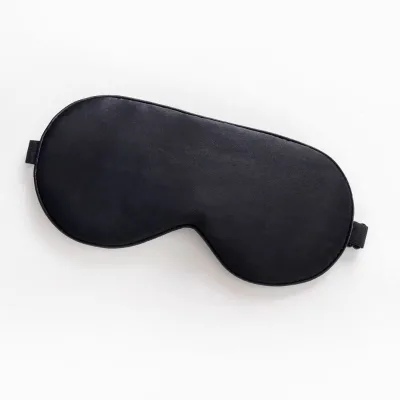
Superior Quality Simple Silk Eye Mask Silk Eye Sleepmask Soft Silk Sleepmask with Box
$2.90 - $3.60
MOQ: 50 pieces


- Verified by SGS
- Manufacturer/Factory
- China Fujian
- Lead time45 days
- Avg. response≤ 4h
Main productsSilicone Bracelet, PVC Keychain, PVC Mats, Silicone Mold, Mouth Guard, Nasal Dilator, Ear Plugs, Lanyards, Toys, Keychains
Main marketsSouth America,Eastern Europe,Mid East,North America,Southeast Asia,Eastern Asia,Oceania,Western Europe,Africa

Sleep Mask Elastic Strap Comfortable Soft Polyester Eye Mask Sleeping Silk Eyemask Cover
$0.06 - $0.20
MOQ: 100 Pieces


Hangzhou Zhigeng Silk Co., Ltd.
- Verified by BV
- Trading Company,Manufacturer/Factory
- China Zhejiang
- Lead time45 days
- Avg. response≤ 13h
Main productsSilk Scarf, Silk Tie, Wool Scarf, Silk Sleepmask, Silk Pillowcase, Silk Scrunchies, Silk Sleepwear, Cotton Linen Tote Bag
Main marketsSouth America,Eastern Europe,North America,Western Europe
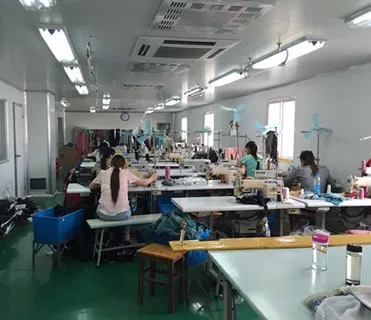
- Trading Company
- Jiangsu, China
- Lead time7 days
- Avg. response≤ 3h
Main productsSilk Scarf,Silk fabric,Silk Pillowcase,Silk eye mask,Silk Scrunchies
Main marketsNorthern Europe(15.00%), Western Europe(15.00%), Southern Europe(15.00%), North America(15.00%), Eastern Asia(10.00%), Southeast Asia(5.00%), Central America(5.00%), Eastern Europe(5.00%), South Asia(5.00%), South America(5.00%), Mid East(3.00%), Africa(2.00%)

Jiangxi Westar Lighting Technology Co., Ltd
- Verified by TUVRHEINLAND
- Manufacturer/Factory
- China Jiangxi
- Lead time15 days
- Avg. response≤ 5h
Main productsAuto LED Lights, LED Strip, LED Warning Light, Car USB Chargers Sockets, Connectors, LED Rock Light, Electronic Products, Car LED Bulbs, Auto LED Headlight, Working LED Light
Main marketsSouth America,Eastern Europe,Mid East,North America,Southeast Asia,Eastern Asia,Oceania,Western Europe,Africa


Smooth and Soft Real or Faux Silk Sleeping Mask Silk Eye Mask with Adjustable Strap
$1.79 - $2.48
MOQ: 100 Pieces
Hangzhou Yiying Trade Co., Ltd.
- Verified by CTI
- Trading Company,Manufacturer/Factory
- China Zhejiang
- Lead time23 days
- Avg. response≤ 20h
Main productsComforter, Bed Lines, Pillow, Mattress Topper, Mattress Protector, Blankets, Raw Material of Polyester Down Feather, Pet Bed, Down Products, Fabric
Main marketsSouth America,Eastern Europe,Mid East,North America,Southeast Asia,Eastern Asia,Oceania,Western Europe,Africa
Hangzhou Sangcai Technology Co., Ltd.
- Trading Company
- China Zhejiang
- Lead time23 days
- Avg. response≤ 15h
Main productsSilk Sleepwear, Silk Eye Mask, Silk Pillowcase, Silk Robe, Silk Pajamas Set, Silk Scarves, Silk Tie
Main marketsSouth America,Eastern Europe,North America,Oceania,Western Europe




Comprehensive Sourcing Guide
Reusable Silicone Facial Sleeping Mask Supplier Concentration and Factory Types
Listings for a Reusable Silicone Facial Sleeping Mask typically come from several distinct supplier types, and buyers should recognize the difference before shortlisting. One visible cluster is medical consumables manufacturers based in China's Zhejiang province, whose main products include laryngeal masks, endotracheal tubes, breathing circuits and reusable silicone anesthesia face masks. These factories already work with medical-grade silicone, autoclave-compatible molding and class II instrument classifications, so a facial sleeping mask is often an adjacent product rather than a core one. A second cluster in Fujian province concentrates on personal care and sleep products, including memory foam eye masks, anti-snore devices and reusable silicone anti-wrinkle face pads, where comfort textiles and beauty-tool experience matter more than clinical device work.
A third group lists CPAP, nasal and respiratory masks from suppliers focused on anesthesia, respiratory and emergency care, combining medical silicone know-how with sleep-apnea applications. Buyers will also encounter pure trading companies whose main products span pet goods, brooms, storage boxes and personal care; these can consolidate orders but add a layer between buyer and factory. Because search results mix manufacturers, combined-type companies and traders, the buyer should identify clusters by reading main-product lists, company type labels and product origins — such as the Ningbo origin shown on some silicone mask listings — rather than assuming any single province covers this category, and should ask each supplier which factory actually produces the mask.
How to Verify Reusable Silicone Facial Sleeping Mask Suppliers
Verification should start with the platform evidence attached to each listing. Some suppliers carry third-party verification labels such as CTI or SGS, which indicate an inspection body has audited the company, but the label alone does not certify the product. Check the company type field to separate manufacturers from combined-type operations and trading companies, and confirm that the main-product list overlaps with silicone or sleep products rather than unrelated categories. Product-level attributes also help: listings that state a specific origin, a certification claim, a material, and customization availability give you concrete claims to confirm later in writing, while sparse listings with no origin or material data deserve extra caution.
After the desk check, request documents that match the claims on the page. If a listing advertises a certified reusable silicone mask, ask for the actual certificate number and issuing body, sample reports, and confirmation of material composition, since silicone grades vary widely between medical, cosmetic and general-purpose uses. Ask the supplier to confirm the manufacturing site and whether production is in-house or subcontracted, especially for traders listing masks among many household goods. Verified status, response history and product origin should be cross-checked against a signed quotation and a proforma invoice. Finally, order samples from at least two shortlisted suppliers and compare elasticity, odor, sealing comfort and cleaning durability before committing, because reusable silicone products fail quietly through material fatigue that photos cannot reveal.
What to Compare Across Reusable Silicone Facial Sleeping Mask Suppliers
Build a comparison table using the attributes displayed on listings, while remembering that not every supplier shows every field. Useful dimensions include lead time — one Zhejiang medical consumables supplier shows a 15-day lead time while a Fujian personal-care manufacturer shows 30 days — plus minimum order quantity, price range, response speed, verification label, company type and main products. MOQ gaps are striking in this category: a silicone anesthesia mask listing shows a 5,000-piece MOQ at roughly $1.50–$2.20, a memory foam sleep mask shows 50 pieces at $0.35–$0.50, and a reusable silicone face pad shows 200 pieces near $2.00, so a buyer's pilot-order budget will strongly shape the shortlist.
Response time is another comparable field: observed values range from about 2.5 hours among respiratory-product suppliers to around 5.9 and 7.5 hours for others, which signals how quickly quotation questions and sample issues will be handled. Compare research and development capability labels too — some suppliers advertise ODM and OEM, others add their own brand — because customization of mold shape, cushion firmness and packaging depends on it. Price ranges must be read against product scope: a CPAP-grade silicone mask listed between roughly $0.60 and $12 reflects different models, not one product. Also weigh location against your logistics plan, and check whether a supplier's main products suggest depth in silicone molding or only incidental listing of a mask.
Common Reusable Silicone Facial Sleeping Mask Sourcing Risks
The most frequent risk is category confusion between cosmetic, wellness and medical products. Silicone anesthesia masks, CPAP masks, memory foam sleep masks and reusable anti-wrinkle silicone pads all appear under related searches, and a buyer seeking a beauty-oriented sleeping mask may receive quotations for class II medical devices with far higher tooling and compliance costs — or the reverse, receiving a non-silicone foam mask when medical-grade material was expected. Confirm the exact product name, model number and material specification in the contract, using the model codes shown on listings such as HY-003 or HY-008 as reference anchors.
A second risk is unverifiable certification claims. Some product listings carry certification labels in their attributes while the supplier's system certification field shows "Others" or nil, so a certificate claimed at product level must be independently validated with the issuing body. Reusability claims create a third risk: masks marketed as washable and reusable can degrade, lose transparency or tear at the seal after limited cycles, so require cycle-testing evidence or conduct your own accelerated aging on samples. Customization promises — commonly marked "Available" on listings — may extend only to packaging rather than molding. Trading-company intermediaries can obscure the true factory, causing inconsistent material between repeat orders. Finally, low MOQs shown on soft-goods listings rarely transfer to molded silicone items, so confirm the MOQ for your exact specification before building a launch plan around it.
Reusable Silicone Facial Sleeping Mask Regional Sourcing and Logistics
Two Chinese provinces dominate the visible listings for this category, and they serve different sourcing strategies. Zhejiang suppliers, including manufacturers in the Ningbo area, anchor the medical and respiratory side: silicone anesthesia masks, breathing circuits and CPAP masks, supported by ODM and OEM capacity and comparatively short stated lead times of around 15 days. Fujian suppliers anchor the comfort and personal-care side: memory foam eye masks, anti-snore devices and reusable silicone face pads, often with very low trial-order MOQs but longer stated lead times near 30 days. Choosing between them depends on whether your product is a molded silicone facial mask or a textile-and-foam hybrid with silicone components.
Logistics planning should start from the lead-time spread. A 15-day production window still leaves room for mold preparation on customized orders, so confirm whether the quoted lead time assumes an existing mold or includes tooling; custom silicone molds commonly add weeks not reflected in standard listings. Port proximity matters for container consolidation — Ningbo's position as a major export port simplifies shipments from Zhejiang factories, while Fujian suppliers may route through different ports depending on the city. Buyers combining beauty masks with eye masks or packaging from multiple suppliers should ask each about consolidation options and whether the trading companies in the results can merge orders. Always verify incoterms, carton dimensions — some listings publish packing standards like 52×32×23 cm — and gross weights before calculating freight.
Reusable Silicone Facial Sleeping Mask Commercial Terms and Order Planning
Commercial terms should be negotiated against the benchmark ranges visible in listings, then locked in a proforma invoice. Observed prices span roughly $0.35–$0.50 for foam sleep masks, $1.50–$2.20 for reusable silicone anesthesia masks at a 5,000-piece MOQ, and $0.60–$1.90 for a medical-grade silicone face mask at 1,000 pieces, with some CPAP models reaching $7.60–$12.00. Use these as reference points, not as guaranteed prices, and require written confirmation of unit price at your quantity, mold fees, sample costs and packaging. Check whether payment protection such as escrow or trade assurance is offered through the sourcing platform, since that channel matters more here than in commodity categories.
Order planning should sequence a low-risk trial before scale. Start with the smallest viable quantity — where a supplier's structure permits it, samples plus a few hundred units — then validate cleaning durability, seal comfort and packaging before committing to molded production volumes. Align payment milestones with tooling: a deposit covering mold cost protects the supplier's upfront investment, while holding a balance until pre-shipment inspection protects material quality. Confirm reorder lead times separately from first-order times, because repeat orders should skip tooling. Finally, plan annual volume commitments if you want OEM customization of shape or cushion design, and document the agreed model number, material grade, packing format and origin in every purchase order to prevent quiet specification drift.
jeczjectives
FAQs
What is the price range for reusable silicone anesthesia masks?
Prices for reusable silicone anesthesia masks typically range from $0.60 to $12.00 per unit depending on specifications. Basic models start around $0.60, while specialized CPAP or full-face variants cost up to $12.00. Buyers should verify exact pricing based on order volume and customization needs.
What is the minimum order quantity for these masks?
Minimum order quantities vary significantly by product type. Sleep masks may require as few as 50 units, while medical-grade anesthesia masks often require 1,000 to 5,000 units. Buyers must check specific product listings to confirm the MOQ applicable to their desired model and customization level.
How long does production take for these items?
Production lead times generally range from 15 to 30 days. Suppliers in Zhejiang may offer faster turnaround times around 15 days, while those in Fujian might require up to 30 days. Buyers should confirm current lead times with suppliers before placing bulk orders to ensure timely delivery.
Are these masks certified for medical use?
Many reusable silicone anesthesia masks carry ISO CE certifications and are classified as Class II medical instruments. Some products also meet ISO 13485 standards. Buyers should verify specific certification documents provided by suppliers to ensure compliance with local regulatory requirements for medical device procurement.
Can these masks be customized for branding?
Customization is available for many reusable silicone masks, including OEM and ODM services. Suppliers offer options for custom packaging, branding, and specific model configurations. Buyers should discuss customization requirements directly with suppliers to confirm feasibility, additional costs, and minimum order thresholds for personalized products.
Where are these masks manufactured?
These masks are primarily manufactured in China, with key production hubs in Zhejiang and Fujian provinces. Zhejiang suppliers often focus on medical devices, while Fujian suppliers may offer broader personal care items. Buyers can filter suppliers by location to align with logistical preferences or regional sourcing strategies.
How quickly do suppliers respond to inquiries?
Supplier response times vary, with some responding within 2.55 hours and others taking up to 7.51 hours. Faster response times are often associated with larger trading companies or established manufacturers. Buyers should prioritize suppliers with quicker response rates to ensure efficient communication during the sourcing process.