Automatic Rotary Lab Sample Divider Suppliers and Manufacturers
Explore 18 verified sources for Automatic Rotary Lab Sample Divider units with varying lead times, response speeds, and certifications. Compare specifications like voltage, material, and customization options to select the right factory. Contact suppliers directly to request quotes and verify production capacity.
Updated
Suppliers List

XIAMEN TOB NEW ENERGY TECHNOLOGY CO., LTD.
- Verified by TUVRHEINLAND
- Trading Company
- China Fujian
- Lead time23 days
- Avg. response≤ 9h
Main productsBattery Production Line Solution, Battery Making Machine, Battery Materials, Battery R&D Equipment, Battery Tester
Main marketsEurope,North America

Qingdao Yosion Intelligent Technology Co., Ltd.
- Manufacturer/Factory
- China Shandong
- Lead time38 days
- Avg. response≤ 11h
Main productsPulveriser, Crucible, Container Laboratory, Bottle Roller, Crusher, Dust Collector, Rotary Sample Divier, Fusion Furnace, Drying Oven, Cupellation Furnace
Main marketsSouth America,Eastern Europe,Mid East,North America,Southeast Asia,Eastern Asia,Oceania,Western Europe,Africa

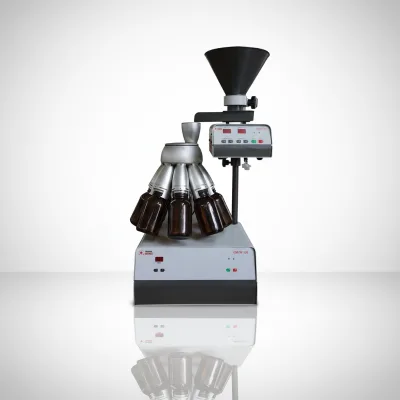
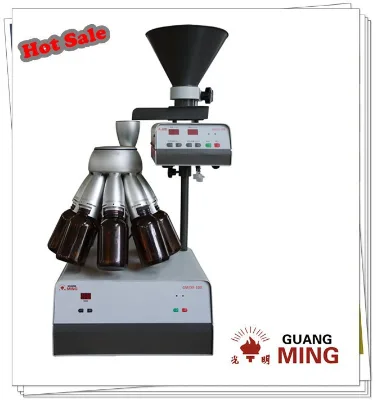
Laboratory Automatic Rotary Sample Divider for Representative Sample
$3170.00 - $11900.00
MOQ: 1 Pieces


Hunan Gonoava Instrument Co Ltd
- Verified by TUVRHEINLAND
- Trading Company
- China Hunan
- Lead time15 days
- Avg. response≤ 5h
Main productsThermal Gravimetric Analyzer, Differential Scanning Calorimeter, Helium Mass Spectrometer, Xrf Portable Analyzer, Fluorescence Spectrometer, RoHS Environmental Analyzer, Contact Angle Testers, Universal Tensile Compression Testing Machine, Climatic Test Chambers, Plastic Testing Machine
Main marketsSoutheast Asia/ Mideast,East Asia(Japan/ South Korea),North America

$1000.00 - $3000.00
MOQ: 1 Pieces

$1000.00 - $3000.00
MOQ: 1 Pieces

$1000.00 - $3000.00
MOQ: 1 Pieces

$1000.00 - $3000.00
MOQ: 1 Pieces

Jiangxi Victor International Mining Equipment Co., Ltd.
- Combined
- China Jiangxi
- Lead time30 days
- Avg. response≤ 5h
Main productsShaking Table, Spiral Concentrator, Centrifugal Gold Concentrator, Mineral Jig Machine, Trommel Screen, Crushing Equipment, Magnetic Separator, Lab Crushing Equipment, Small Mineral Testing Equipment, Laboratory Grinding Mill Machine
Main marketsSouth America,Africa,Southeast Asia/ Mideast


$1980.00 - $2080.00
MOQ: 1 Pieces


$3520.00 - $3680.00
MOQ: 1 Pieces

Jiangxi Province County Mining Machinery Factory
- Verified by SGS Group
- Manufacturer, Trading Company
- Lead time15 days
- Avg. response≤ 2h
Main productsMineral Separator, Vibrating Screen, Mine Mill, Sand Washer, Crusher
Main marketsDomestic Market(20%), Africa(16%), Southeast Asia(15%)
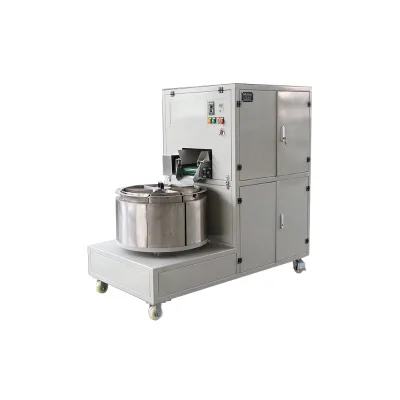
Horizontal Mineral Ore Coal Separation Laboratory Rotary Sample Divider for Sale
$4500.00 - $5000.00
MOQ: 1 sets
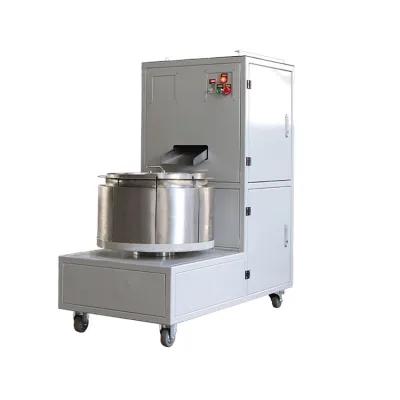
Jiangxi Guangming Intelligent Technology Co., Ltd.
- Manufacturer, Trading Company
- Jiangxi, China
- Lead time15 days
- Avg. response≤ 6h
Main productslab jaw crusher,lab grinder,roll crusher,sample divider,lab pulverizer
Main marketsEastern Europe(15.00%), Mid East(15.00%), Western Europe(15.00%), Southern Europe(12.00%), Oceania(10.00%), Northern Europe(10.00%), Africa(9.00%), South America(5.00%), Southeast Asia(2.00%), Central America(2.00%), South Asia(2.00%), North America(2.00%), Eastern Asia(1.00%)
Xianxian Rushi Technology Co., Ltd.
- Trading Company
- Hebei,, China
- Lead time5 days
- Avg. response≤ 2h
Main productsNon-destructive testing instruments,Compression-testing machine,Universal testing machine,Concrete testing instrument,Mortar testing instrument
Main marketsDomestic Market(70.00%), Eastern Europe(7.00%), South Asia(4.00%), North America(3.00%), Central America(3.00%), Africa(2.00%), South America(2.00%), Western Europe(2.00%), Eastern Asia(2.00%), Mid East(2.00%), Northern Europe(1.00%), Southeast Asia(1.00%), Southern Europe(1.00%)

Qingdao Tokays Machinery Co., Ltd.
- Trading Company,Manufacturer/Factory
- China Shandong
- Lead time30 days
- Avg. response≤ 3h
Main productsPillow Filling Machine, Fiber Opening Machine, Plush Toy Filling Machine, Build a Bear Machine, Ball Fiber Machine, Textile Fabric Waste Recycling Machine, Pillow Packing Machine, Down Filling Machine, Kapok Filling Machine, Polystyrene Beads Filling Machine
Main marketsSouth America,Eastern Europe,Mid East,North America,Southeast Asia,Eastern Asia,Oceania,Western Europe,Africa

Lab Dividing Machine Rotary Powder Ore Sample Divider Mineral Separator Laboratory for Separating
$2000.00 - $10000.00
MOQ: 1 Pieces

Lab Dividing Machine Rotary Ore Powder Divider Mineral Separator Laboratory for Sample Preparation
$2000.00 - $10000.00
MOQ: 1 Pieces

Laboratory Mineral Dividing Rotary Powder Sample Divider Separator Separating Machine
$2000.00 - $10000.00
MOQ: 1 Pieces

$2000.00 - $10000.00
MOQ: 1 Pieces

Laboratory Dividing Machine Rotary Powder Sample Divider Mineral Separator in Lab
$2000.00 - $10000.00
MOQ: 1 Pieces
Hebei Zhongke Beigong Testing Instrument Co., Ltd.
- Verified by TüVRheinland
- Manufacturer, Trading Company
- Lead time7 days
- Avg. response≤ 1h
Main productsSoil Direct Shear Apparatus, Mechanical Testing Machine, Asphalt Penetration Tester, Drilling Fluid Viscosity Meter, Wear Tester
Main marketsDomestic Market(60%), South America(15%), North America(10%)
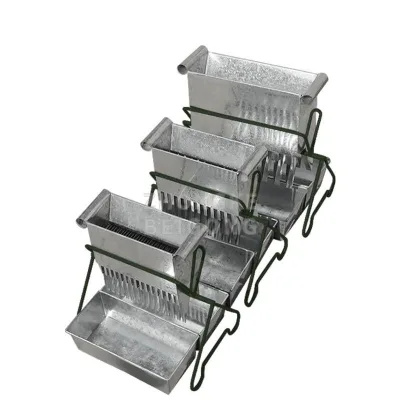
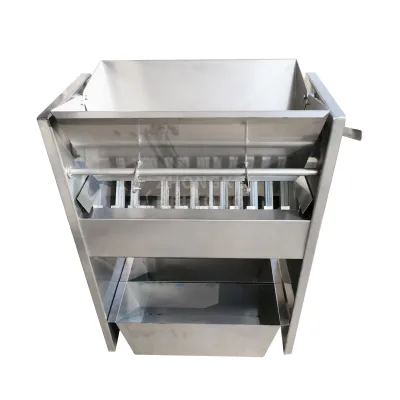
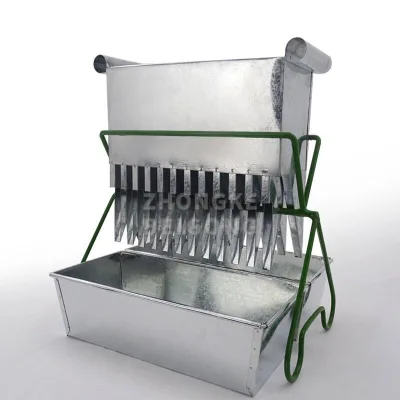
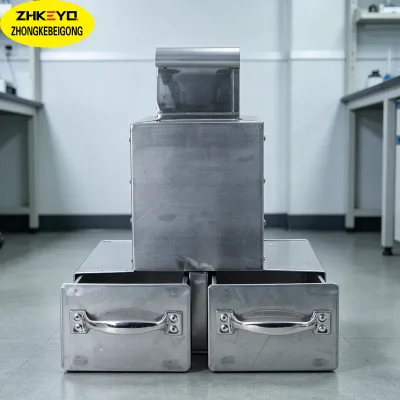
Large-capacity Sample Separator Universal Sampler Frequency Divider
$490.00 - $800.00
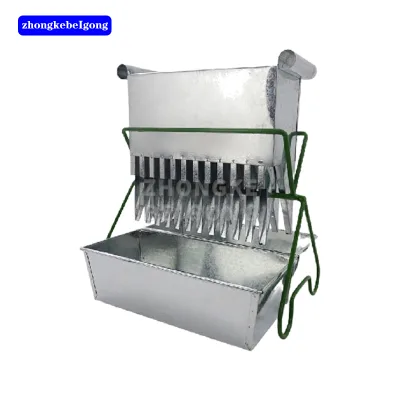
Stainless Steel Powders Splitter Soil Splitter Sample Splitter
$165.00 - $170.00
Cangzhou Eternal Test Equipment Co., Ltd.
- Trading Company
- Hebei, China
- Lead time8 days
- Avg. response≤ 1h
Main productsSoil testing equipment,Concrete testing equipment,Asphalt & Bitumen testing equipment,Aggregates Rock testing equipment,Non-destructive testing equipments
Main marketsSoutheast Asia(50.00%), North America(20.00%), South America(10.00%), Eastern Europe(10.00%), Africa(10.00%)
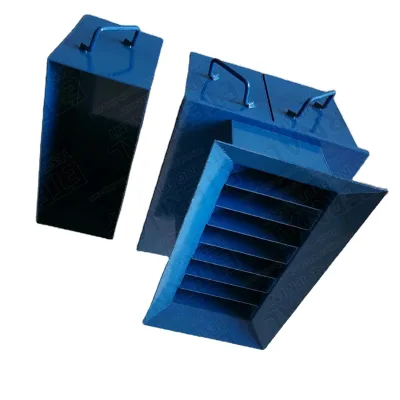
$119.00 - $199.00
MOQ: 1 acres
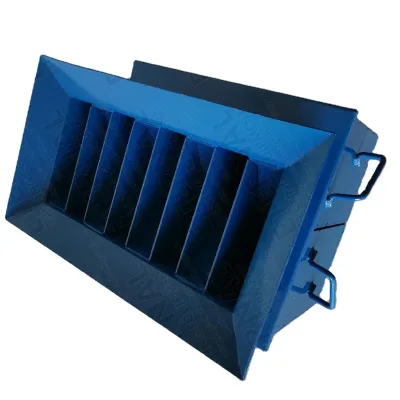
Model Sample Grading Large Capacity Sample Splitter Riffle Boxes (Sample Dividers)
$119.00 - $199.00
MOQ: 1 acres

Dongguan Lonroy Equipment Co., Ltd
- Verified by SGS
- Trading Company
- China Guangdong
- Lead time15 days
- Avg. response≤ 5h
Main productsMfi Tester, Izod Impact Tester, Charpy Impact Tester, Universal Testing Machine, Temperature Humidity Chamber, UV Weather Tester, Tensile Testing Machine, Taber Abrasion Tester, Hardness Tester, Projector
Main marketsAfrica

$2000.00 - $4000.00
MOQ: 1 Pieces

$1000.00 - $3000.00
MOQ: 1 Pieces

Shicheng Oasis Mineral Equipment Manufacturing Co., Ltd.
- Verified by SGS
- Combined
- China Jiangxi
- Lead time30 days
- Avg. response≤ 2h
Main productsShaking Table, Crushers, Ball Mill, Magnetic Separator, Vibrating Screen, Flotation Cell, Drum Washing Machine
Main marketsAfrica,Southeast Asia/ Mideast,Europe

Ex Factory Price Laboratory Wet Rotary Sample Divider for Laboratory Testings
$1500.00 - $1800.00
MOQ: 1 Pieces

Sample Divider Electric Centrifugal Laboratory Sample Spliter/Soil Riffle Sampler Wet Slurry Divider
$1300.00 - $1800.00
MOQ: 1 Sets

Factory Direct Sale Mining Machinery Laboratory Sample Divider Separator
$1200.00 - $2000.00
MOQ: 1 Pieces


High Efficient Stainless Steel Sample Divider for Shrinking Coal Samples
$1000.00 - $1500.00
MOQ: 1 Pieces
Zhejiang Top Cloud-Agri Technology Co., Ltd.
- Verified by Intertek
- Manufacturer, Trading Company
- Lead time5 days
- Avg. response≤ 5h
Main productsAgriculture Testing Instrument, Laboratory Equipment, Smart Fertilizer Machine, Water Quality And Environmental Monitoring Equipment, Genetic And Biotechnology Equipment
Main marketsDomestic Market(80%), Southeast Asia(16%), Eastern Europe(1%)
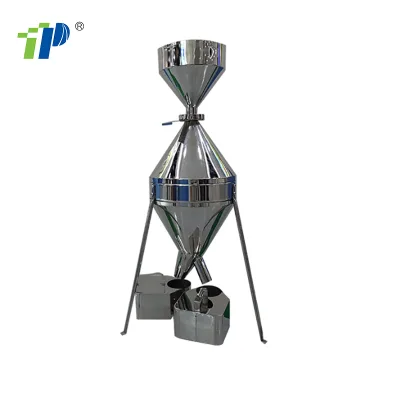
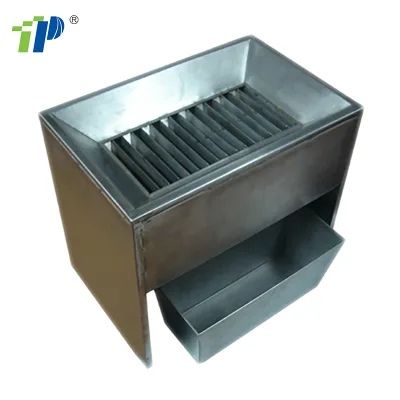
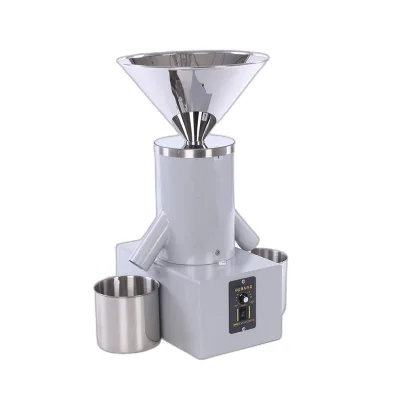
Stainless Steel Gravity Spiral Sample Separators Seed Divider
$500.00 - $620.00

Wuhan Bailong Star Machinery Co., Ltd.
- Trading Company
- Hubei, China
- Lead time20 days
- Avg. response≤ 2h
Main productsFood Processing Machinery,Poultry Equipment,Agricultural Machinery,Rice Milling Machinery,Industry Machine
Main marketsSouth Asia(31.00%), Southeast Asia(20.00%), Domestic Market(11.00%), Africa(10.00%), South America(8.00%), Eastern Asia(7.00%), Central America(4.00%), Northern Europe(2.00%), Mid East(2.00%), North America(2.00%), Eastern Europe(1.00%), Western Europe(1.00%), Southern Europe(1.00%)
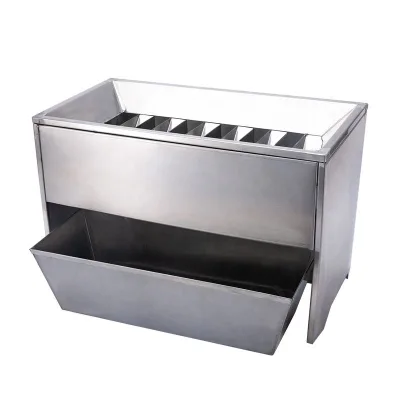
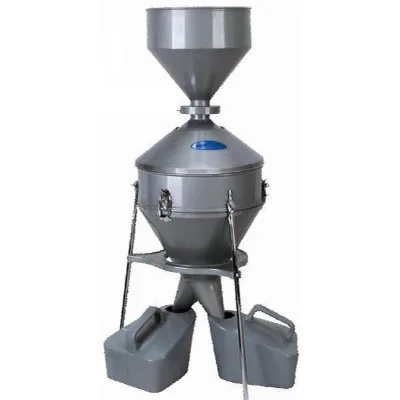
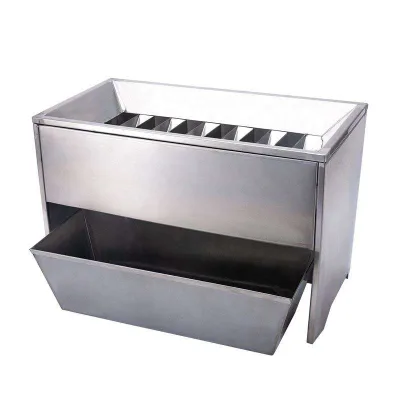
$306.5781 - $511.6462
MOQ: 1 Minimum
Hangzhou Civit Instrument Equipment Co., Ltd.
- Verified by SGS Group
- Trading Company
- Lead time7 days
- Avg. response≤ 6h
Main productsUniversal Testing Machine, Compression Testing Machine, Soil CBR Tester, Asphalt Marshall Stability Tester, Lab Testing Sieve
Main marketsSoutheast Asia(40%), Eastern Europe(30%), Africa(20%)

Zhuozhou Tianpeng Imp. And Exp. Trade Co., Ltd.
- Manufacturer/Factory,Group Corporation
- China Hebei
- Lead time23 days
- Avg. response≤ 4h
Main productsSoil Test Equipment, Asphalt Test Equipment, Concrete Test Equipment, Cement Test Equipment, Rock and Aggregate Test Equipment, Skid Resistance and Friction Tester, Test Mould, Dynamic Probing Rig, Los Angeles Abrasion Machine, Asphalt/Soil Non Nuclear Electric Density Gauge
Main marketsSouth America,Eastern Europe,Mid East,North America,Southeast Asia,Eastern Asia,Oceania,Western Europe,Africa

Nanjing T-Bota Scietech Instruments & Equipment Co., Ltd.
- Verified by TUVRHEINLAND
- Trading Company,Manufacturer/Factory
- China Jiangsu
- Lead time15 days
- Avg. response≤ 5h
Main productsUniversal Testing Machine, Compression Testing Machine, Soil Testing Instruments, Petrolium Testing Machine, Geo-Technical Testing Machine, Surveying Testing Machine, Non-Destructive Testing Machine, Asphalt&Pavement Testing Machine, Concrete&Cement Testing Machine, Lab Equipment
Main marketsSouth America,Eastern Europe,Mid East,North America,Southeast Asia,Eastern Asia,Oceania,Western Europe,Africa

Shijiazhuang Sanli Grain Sorting Machinery Co., Ltd.
- Verified by SGS
- Manufacturer
- China Hebei
- Lead time15 days
- Avg. response≤ 6h
Main productsSeed Processing Equipment, Seed Cleaning Machine, Seed Gravity Separator, Seed Coating Machine, Bucket Elevator, Destoner, Grains Polishing Machine, Seed Grading Machine, Seed Combined Cleaner, Agricultural Testing Instruments
Main marketsAfrica,Others(foreignTradeCapacity.exportBusinessCapacityMarketOther),Southeast Asia/ Mideast


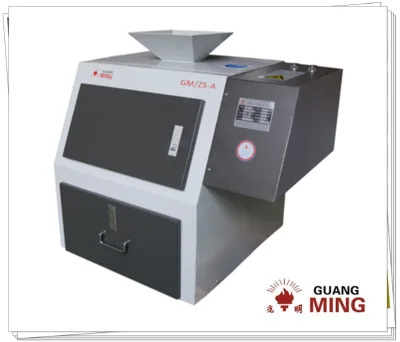
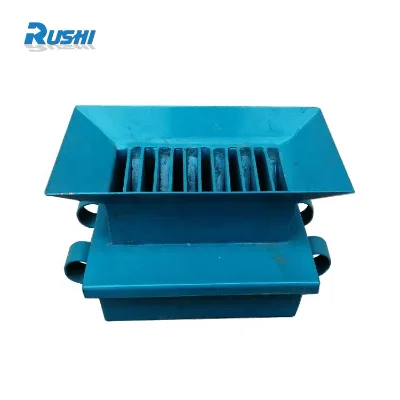
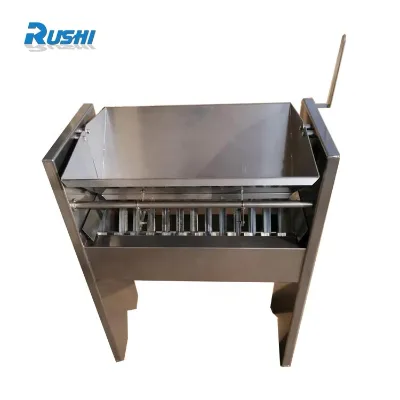
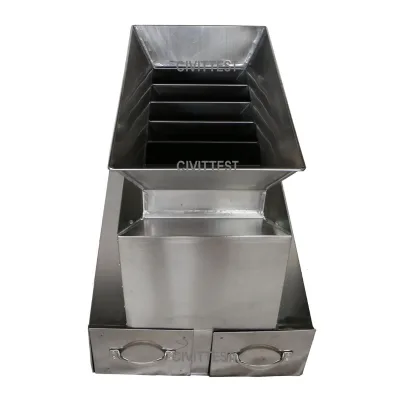


Comprehensive Sourcing Guide
Automatic Rotary Lab Sample Divider Supplier Concentration and Factory Types
Buyers searching for an Automatic Rotary Lab Sample Divider will encounter a mix of supplier types on B2B platforms, and the supplier records in this category illustrate that split clearly. Some listings come from trading companies that offer broad battery-production and lab-equipment portfolios alongside sample dividers, while others are factory-based manufacturers whose main product lines center on laboratory preparation equipment such as pulverisers, crushers, rotary sample dividers, drying ovens and fusion furnaces. A third group consists of testing-instrument specialists whose catalogs include thermal analyzers, spectrometers and sample-reduction machines. Understanding which type you are dealing with matters because it affects technical depth, customization ability and after-sales support.
Geographically, the supplier results show activity in Fujian, Shandong and Hunan, each with a different character. The Shandong supplier identifies as a manufacturer with its own brand and OEM/ODM capability, which is typical of lab-equipment factory clusters. The Fujian company is a trading company verified by a third-party inspection body, positioning itself as a one-stop source for battery lab solutions. The Hunan supplier specializes in testing instruments with comparatively fast response times. Because supplier lists change, do not assume any region dominates permanently. Instead, screen each search result by company type, product focus and verification status first, then shortlist suppliers whose core products align with sample preparation rather than treating every listing as a specialized factory.
How to Verify Automatic Rotary Lab Sample Divider Suppliers
Verification starts with the platform signals that are actually displayed. In this category, some suppliers carry third-party verification such as a TÜV Rheinland check, while others show a system certification such as ISO 9001. These are not equivalent: one confirms an inspection body has audited company identity and premises, the other signals a certified quality-management system. When a listing shows neither, that absence is not disqualifying, but it shifts the burden onto you to request business licenses, factory photos, machine test videos and reference customers before committing funds.
Beyond certificates, verify functional fit against your sample. One listed divider handles loose material up to 12mm with a 5L maximum single sample volume and 6, 8 or 10 output samples; another family offers models from roughly 85kg to 560kg in stainless steel with 220V or 380V options and a one-year warranty. Use these published parameters as a checklist and ask each supplier to confirm which specification applies to the exact model quoted. Request a video of a live splitting run with your material type if possible, since representativeness of splits is the core performance claim. Also confirm customization scope, which several suppliers state is available. Finally, check response behavior: listed response times in this category range from under five hours to nearly eleven, and slow pre-sale replies usually predict slow after-sales service. Keep a simple verification sheet per supplier so comparisons stay objective.
What to Compare Across Automatic Rotary Lab Sample Divider Suppliers
Build a comparison table using the attributes suppliers actually disclose. Lead time is a good starting point: published values in these results range from about 15 days to 38 days, which materially affects project scheduling if your lab has a fixed commissioning date. Response time varies from roughly five to eleven hours, so weight it when your procurement window is tight. Company type matters as well: a factory may support OEM/ODM and spare-part availability, while a trading company may bundle dividers with other battery lab equipment, simplifying multi-item orders.
Compare technical and commercial dimensions side by side. Model families differ widely: one supplier lists units from desktop 2L mini splitters to larger rotary dividers with standard barrels of 6, 8 or 10, priced from roughly $3,170 to $11,900 and up to around $15,550 for a lab rotating sample divider. MOQ is commonly one unit in this category, but confirm it in writing. Warranty terms appear as one year on some models; do not assume it applies universally. Also weigh scope of main products: a supplier whose catalog is entirely sample-preparation equipment is more likely to provide informed troubleshooting than one listing dividers among dozens of unrelated machines. Note that not every supplier displays every attribute; where a field is blank, treat it as an open question to ask rather than inferring a value, and record each answer in your comparison sheet.
Common Automatic Rotary Lab Sample Divider Sourcing Risks
The most common risk is specification ambiguity. Product titles in this category use overlapping names — rotary sample splitter, rotating sample divider, electric riffle splitter, automatic tube sample divider — and published attributes sometimes mix fields, such as a certification row containing a weight value. If you order by title alone, you may receive a desktop unit when you needed a floor-standing machine. Always tie the purchase order to a model number and a written specification sheet covering barrel count, sample volume, particle size range, voltage and material.
Pricing spread is a second risk signal. Within the same product family, listed prices range from roughly $3,170 to $15,550, reflecting differences in capacity, construction and configuration. A quote far below the family range warrants scrutiny of motor quality, stainless-steel grade and control system. Third risk: trading companies may resell factory equipment with a markup and limited technical access, so confirm who performs installation guidance and warranty repairs. Fourth, lead times quoted at order confirmation can slip when customization is involved; several suppliers advertise customization as available but do not state its schedule impact, so ask for a customized-order timeline separately. Finally, avoid paying large deposits outside platform-protected channels. Keep correspondence on the platform, retain the listing record as evidence of advertised specifications, and never rely on verbal assurances about accuracy or representativeness that are not documented in the contract.
Automatic Rotary Lab Sample Divider Regional Sourcing and Logistics
The supplier results place active listings in Fujian, Shandong and Hunan, and each region carries different logistics implications. Shandong's manufacturer-type suppliers ship heavier machines — published weights span roughly 85kg to 560kg — typically packed in wooden boxes, which points toward sea or land freight for full units and careful crate handling. Fujian's battery-lab trading company quotes a lead time around 23 days, while the Hunan instrument specialist quotes about 15 days; these figures suggest different production and dispatch rhythms you should reconcile with your own installation schedule.
Because a rotary sample divider is a precision laboratory instrument with rotating parts, packaging and orientation during transit matter. Confirm whether the wooden crate includes internal bracing, moisture protection and shock indicators, and request unboxing instructions before the shipment departs. Electrical compatibility is a regional detail that must be verified per unit: listed machines run on 220V or 380V, so match the motor and control configuration to your laboratory supply and confirm plug type and frequency. Customs classification should be checked with your broker, since sample-preparation machinery may fall under different headings depending on configuration. If you order from multiple regions to consolidate a lab, align the longest lead time rather than the shortest, and ask each supplier to quote freight separately so you can compare landed cost, not ex-works price. Do not assume a closer province always means faster delivery; carrier schedules and port choice often dominate.
Automatic Rotary Lab Sample Divider Commercial Terms and Order Planning
Commercial terms in this category are relatively simple because MOQs are low — at least one supplier lists a minimum order of a single unit — but the price spread means negotiation room exists. Treat listed prices, which range from about $1,000 for a basic tube sample divider to roughly $15,550 for a lab rotating unit, as anchors rather than final figures. Ask what the quote includes: spare parts, barrel sets, tooling, English manuals, control software and freight. If customization is offered, request the price delta and schedule impact in writing before signing.
Plan the order around verification milestones. A sensible sequence is: confirm model and specification, request a live or recorded splitting test, agree on incoterms and packing, place a deposit through a protected channel, approve pre-shipment photos or video, then pay the balance. Where escrow or platform trade protection is available, use it; where it is not, a letter of credit or staged payments reduce exposure. Record the one-year warranty terms that some models carry, including who pays return freight for defective parts. For lead-time planning, use published figures as baselines — roughly 15 to 38 days among current listings — then add buffer for customization and shipping. Finally, plan acceptance testing on arrival: verify barrel count, splitting uniformity across repeated runs, and noise and vibration levels before the warranty window tightens, and file all documentation for audit purposes.
FAQs
What is the price range for automatic rotary lab sample dividers?
Prices for automatic rotary lab sample dividers vary significantly based on specifications and capacity. Available models range from approximately $1,000 to over $15,000. Basic units with standard features start near $1,000, while advanced systems with computer control and higher accuracy can exceed $15,000. Buyers should check specific model listings for exact pricing details.
What is the typical lead time for manufacturing these machines?
Manufacturing lead times for automatic rotary lab sample dividers typically range from 15 to 38 days. Suppliers with faster production capabilities may deliver within two weeks, while more complex orders or specific customization requests can extend the timeline to over a month. Confirming the exact lead time with the supplier before placing an order is recommended.
What is the minimum order quantity for these sample dividers?
The minimum order quantity for automatic rotary lab sample dividers is often just one unit. Many suppliers allow single-unit purchases, making it easy for laboratories to acquire equipment without bulk commitments. This low MOQ supports testing specific models or replacing existing units without requiring large initial investments or inventory storage.
What voltage standards do these machines typically support?
Automatic rotary lab sample dividers commonly support standard voltage inputs such as 220V or 380V. Some models are designed for 220V/50Hz operation, while industrial versions may require 380V power sources. Buyers should verify the voltage requirements of specific models to ensure compatibility with their local electrical infrastructure and facility power supply.
Are these machines customizable for specific laboratory needs?
Yes, many automatic rotary lab sample dividers offer customization options. Suppliers provide features like adjustable sample numbers, specific voltage configurations, and tailored material constructions such as stainless steel. Customization allows laboratories to match equipment precisely to their sample types, volume requirements, and operational workflows, ensuring optimal performance and representative sample splitting.
What certifications do these suppliers typically hold?
Suppliers of automatic rotary lab sample dividers often hold ISO 9001 certification, indicating adherence to quality management standards. Some products may also carry specific certification dates or verification marks from testing organizations. Buyers should verify the current validity of certifications and check for any additional industry-specific standards required for their particular application or regulatory environment.