Automatic Scoring Dart Board Suppliers and Manufacturers
Explore 17 verified options for Automatic Scoring Dart Board products from Guangdong, China. Compare response times, lead times, certifications, and pricing ranges to identify suitable factories. Contact suppliers directly to request samples or custom specifications; review the available evidence before requesting comparable quotations from suitable candidates.
Suppliers List
VJ Electronics Limited Company
- Verified by Intertek
- Manufacturer, Trading Company
- Lead time45 days
- Avg. response≤ 3h
Main productsElectronic Dartboard , Children's Ride On, Handheld LCD Game, Health Care
Main marketsNorth America(60%), Western Europe(16%), Eastern Europe(12%)
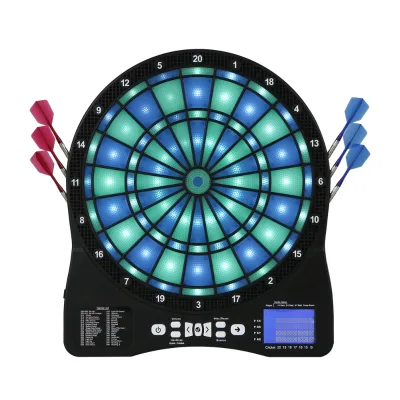
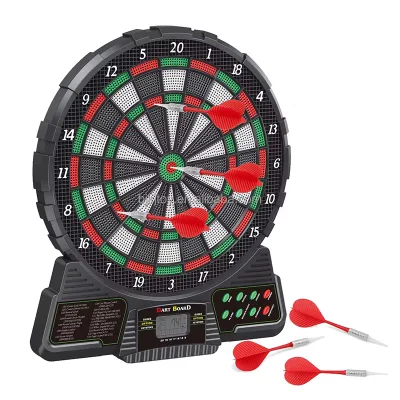
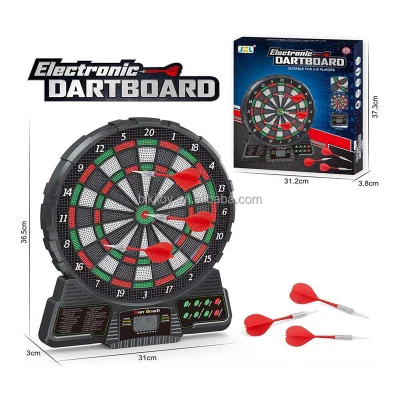
Hot Sale Electronic Dartboar Built-in Virtual Players Automatic Scoring Dart Board Manufacturer
$27.20 - $31.30
MOQ: 500 pieces
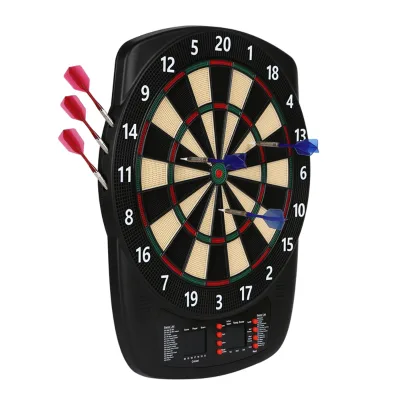
Best Selling Club Competition Professional Dart Boards with Led Display
$27.67 - $32.04
MOQ: 500 pieces
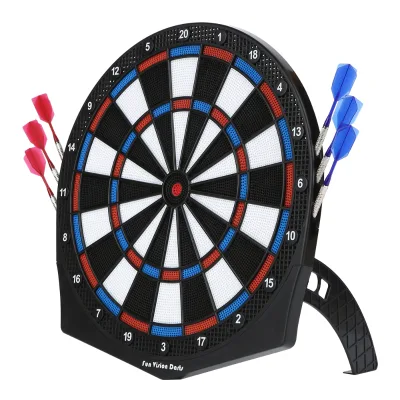
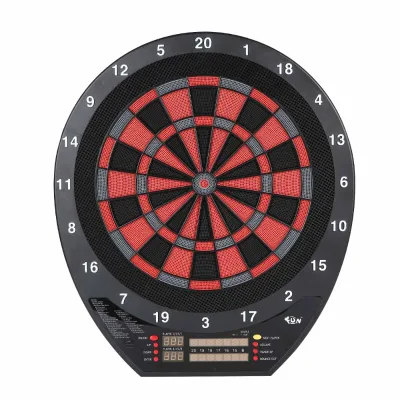
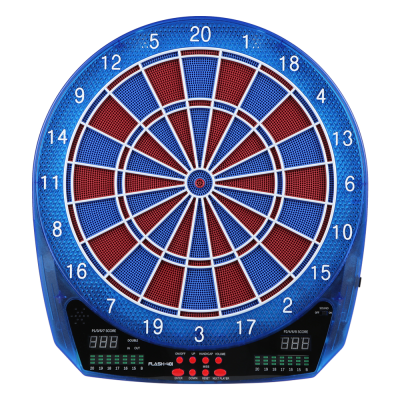
Safety Darts Custom Dart Board for Sale
$24.00 - $27.60
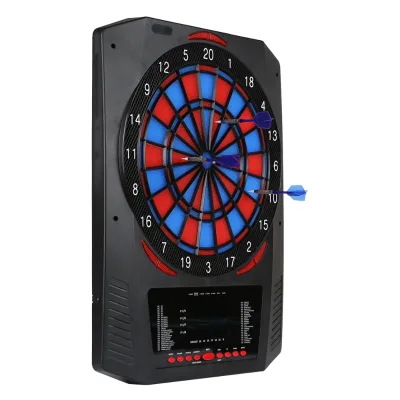
Electronic Dartboard Machine Smartness for Sale
$48.00 - $55.20
Shantou Beijia Technology Co., Ltd.
- Trading Company
- Guangdong, China
- Lead time30 days
- Avg. response≤ 7h
Main productsEducational Toy,rc car,block toy,toy accessories,car model
Main marketsCentral America(15.00%), South Asia(15.00%), Africa(15.00%), Southeast Asia(15.00%), South America(15.00%), North America(15.00%), Eastern Asia(10.00%)
Guangzhou Dingji Sporting Goods Co., Ltd.
- Verified by TüVRheinland
- Trading Company
- Lead time45 days
- Avg. response≤ 3h
Main productsDarts, Dartboard, Dartboard Surrond, Darts Flight, Darts Shaft
Main marketsWestern Europe(40%), North America(30%), Oceania(10%)
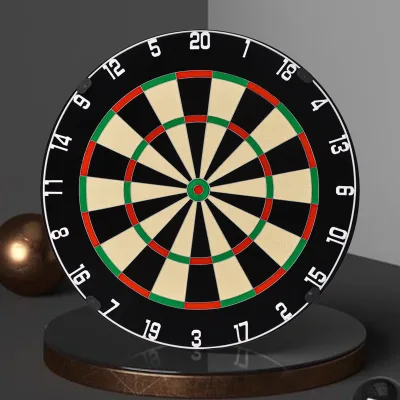
$22.00 - $30.00
MOQ: 1 pieces
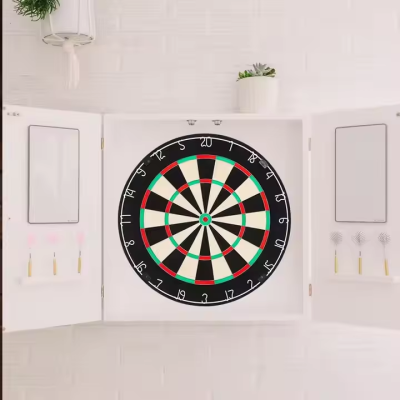
$25.69 - $26.72
MOQ: 500 pieces
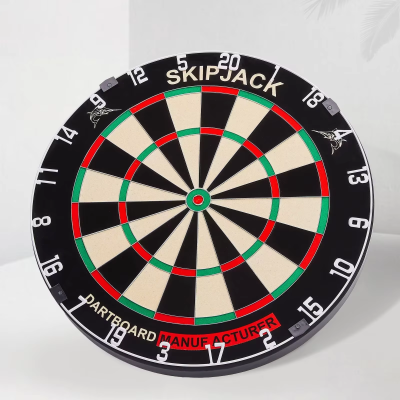
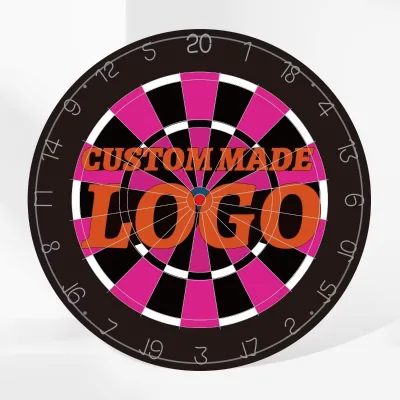
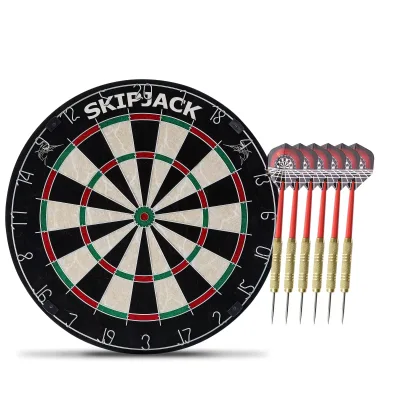
$12.00 - $12.71
MOQ: 100 sets
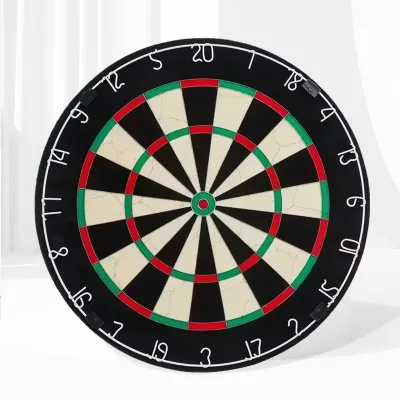

Huizhou Double-Star Sports Goods Co., Ltd.
- Combined
- China Guangdong
- Lead time45 days
- Avg. response≤ 10h
Main productsSnooker Table, Air Hockey Table, Pool Table, Soccer Table
Main marketsEurope,Australia,North America

Guangzhou EPARK Electronic Technology Co., Ltd.
- Verified by SGS
- Combined
- China Guangdong
- Lead time15 days
- Avg. response≤ 3h
Main products9d Vr, Racing Game Machines, Boxing Machine, Kids Game Machine, Claw Machine, Arcade Game Machine, Vr Simulator Series, Kiddie Ride, Basketball Game Machine, Amusement Game Machine
Main marketsSouth America,Africa,Southeast Asia/ Mideast


Mini Dart Electronic Dartboard with 6 Darts Portable Darts Flight Machine
$400.00 - $800.00
MOQ: 1 set

- Manufacturer, Trading Company
- Taiwan, China
- Lead time50 days
- Avg. response≤ 4h
Main productselectronic dartboard,dartboard,dart,plastic injection,small appliance
Main marketsEastern Europe(45.00%), North America(45.00%), Mid East(10.00%)
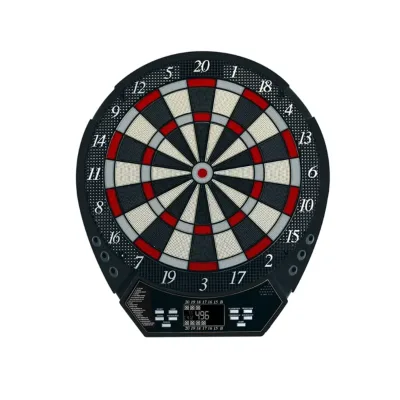
Hot New Modern Design Automatic Dart Board Optional Adapter for Indoor Entertainment
$25.66
MOQ: 500 Minimum
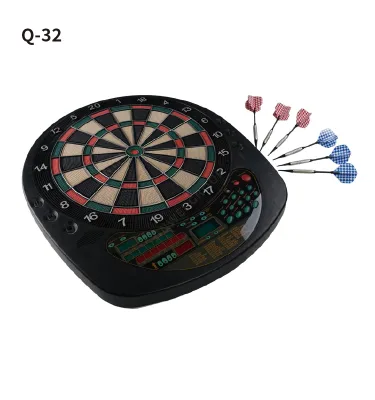
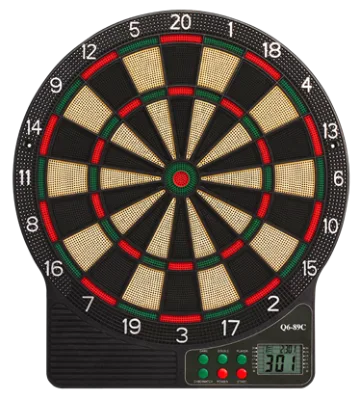
Wholesale Smartness Hanging House Dartboard Standard Scoreboard Darts for Export
$12.00
MOQ: 1000 pieces
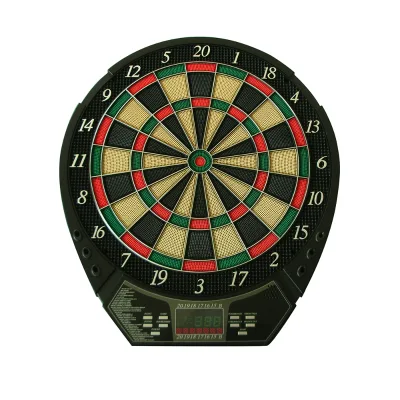
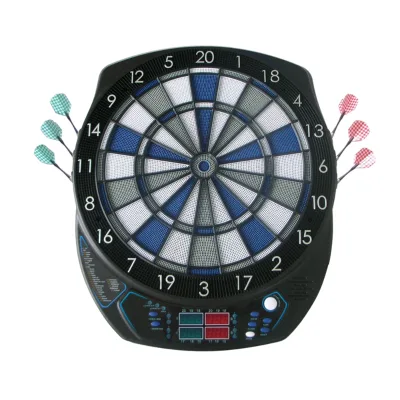
Best Sale Score Board Standard Electronic Modern Design Dartboard From Taiwan Supplier
$31.81
MOQ: 500 Minimum
Yiwu Huidong Industrial & Trade Co., Ltd.
- Trading Company
- Zhejiang, China
- Lead time20 days
- Avg. response≤ 2h
Main productsSoccer Ball,Basketball,Volleyball,Yoga Products,Badminton
Main marketsNorth America(25.00%), Western Europe(20.00%), South America(20.00%), Mid East(10.00%), Oceania(10.00%), Southeast Asia(10.00%), Eastern Europe(5.00%)
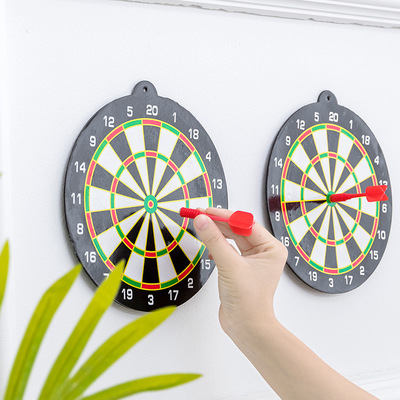
2026 Hot Portable Paper Dartboard Hot Sale Paper Dart Boards Intelligent Board Games
$1.26 - $2.86
MOQ: 1000
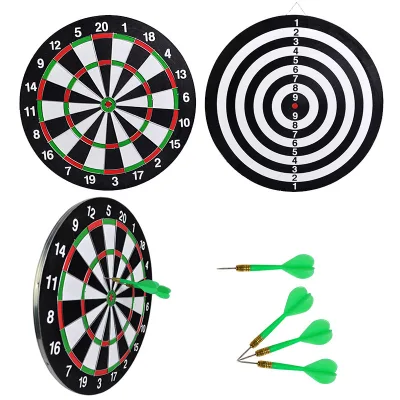
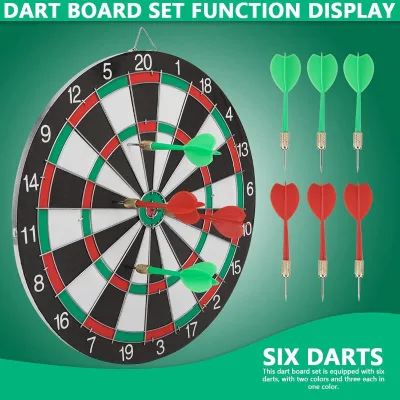
2025 High Quality and Wholesale Design 6 Darts Dartboard for Entertainment and Daily Use
$1.68 - $1.92
MOQ: 120 pieces

Liangjia Sports Technology (Guangzhou) Co., Ltd.
- Verified by SGS
- Combined
- China Guangdong
- Lead time15 days
- Avg. response≤ 3h
Main productsAr Sports Equipment, Sport Simulator
Main marketsDomestic


Indoor Party New Arrival Electronic Entertainment Scoring Darts Equipment
$4000.00 - $4500.00
MOQ: 1 units

New Arrival Electronic Scoring Interactive Darts Indoor Party Entertainment Darts Arcade Machine
$4000.00 - $4500.00
MOQ: 1 units
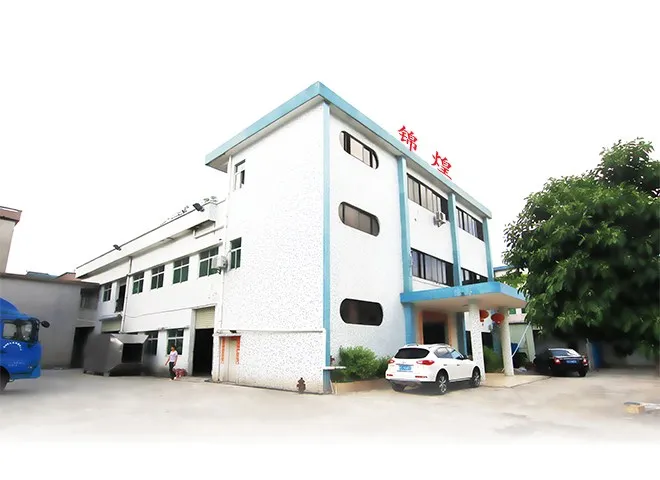
Dongguan Jin Huang Sporting Goods Co., Ltd.
- Manufacturer, Trading Company
- Guangdong, China
- Lead time30 days
- Avg. response≤ 5h
Main productsDart,Billiard,Yoga Products
Main marketsWestern Europe(21.00%), Eastern Asia(20.00%), North America(15.00%), Southeast Asia(10.00%), South America(5.00%), Eastern Europe(5.00%), Northern Europe(5.00%), Oceania(5.00%), Southern Europe(5.00%), Domestic Market(3.00%), Central America(3.00%), Mid East(1.00%), South Asia(1.00%), Africa(1.00%)
Yiwu Huidong Industrial & Trade Co., Ltd.
- Trading Company
- Lead time旺季: "1 - 480":25,"> 480":"To be negotiated", 淡季: "1 - 480":25,"> 480":"To be negotiated"
- Avg. response≤ 5h
Main productsFootball,Basketball,Volleyball,Badminton,Table tennis
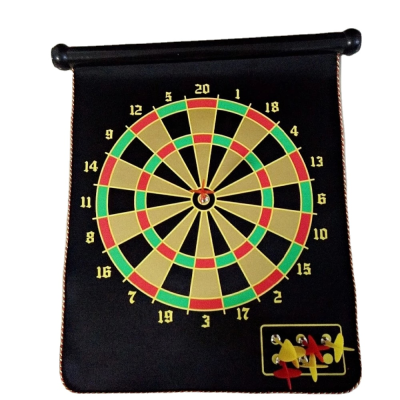
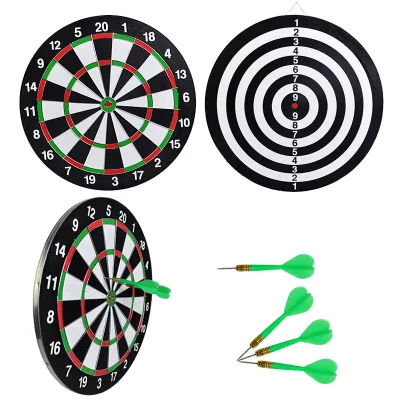
Good Price Quality Dart Score Board Dartboards with 4 Darts Customized Print Dartboard
$1.24 - $1.52
MOQ: 100 sets
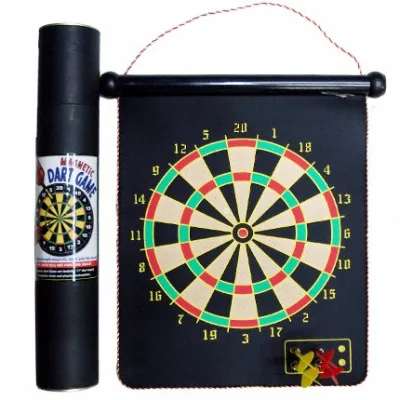
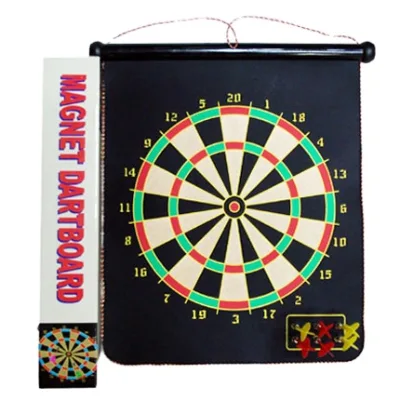
Professional Dartboard Design Your Own logo Wholesale Price Good Quality Custom Magnetic Dartboard
$2.33 - $2.82
MOQ: 120 pieces
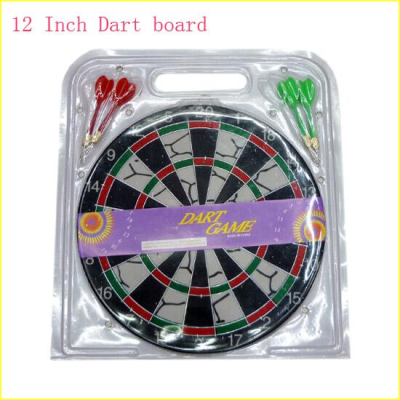
Good Quality 12Inch 6 Dart and Dartboard Durable Magnet Dartboard for Entertainment
$1.29 - $1.33
MOQ: 500 sets
Ningbo Yisou Gift & Crafts Co., Ltd.
- Verified by SGS Group
- Trading Company
- Lead time20 days
- Avg. response≤ 6h
Main productsIce Bucket, Cocktail Shake, Beer Tower, Tap Handle, Glasses
Main marketsNorth America(35%), Western Europe(30%), Southeast Asia(20%)
Huizhou Creative Sporting Goods Co., Ltd.
- Manufacturer, Trading Company
- Guangdong, China
- Lead time30 days
- Avg. response≤ 6h
Main productsDartboard/ Paper Dartboard/ Darts/ Dartboard Cabinet/ Dartboard Surround
Main marketsNorth America(40.00%), Western Europe(15.00%), Domestic Market(10.00%), Oceania(5.00%), South America(5.00%), Eastern Asia(5.00%), Southern Europe(4.00%), Central America(3.00%), Eastern Europe(3.00%), Southeast Asia(3.00%), Mid East(2.00%), Africa(2.00%), Northern Europe(2.00%), South Asia(1.00%)
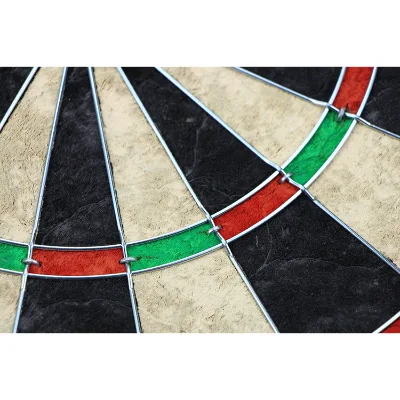
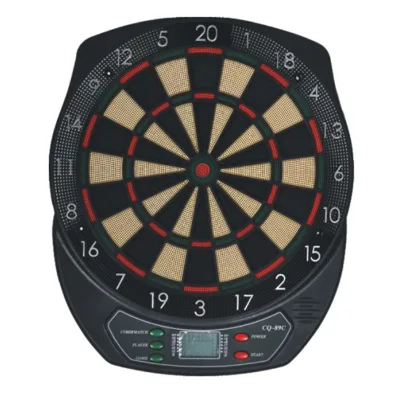
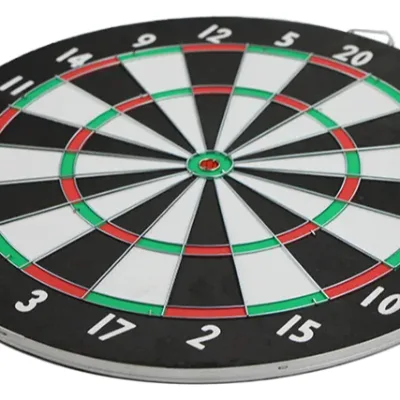
2025 New Design Factory Direct Paper Dart Board with 6 Steel Darts Premium Darts Product
$2.30 - $2.50
MOQ: 1000 pieces

Eastony Industries (Ningbo) Co., Ltd.
- Manufacturer, Trading Company
- Zhejiang, China
- Lead time35 days
- Avg. response≤ 12h
Main productsSports,Fitness,Games,Garden & Pets Supply,Gifts
Main marketsWestern Europe(11.11%), Eastern Asia(11.11%), Mid East(11.11%), Oceania(11.11%), Africa(11.11%), Southeast Asia(11.11%), Eastern Europe(11.11%), South America(11.11%), North America(11.11%)

Yiwu Huidong Industrial & Trade Co., Ltd.
- Verified by TUVRHEINLAND
- Trading Company
- China Zhejiang
- Lead time15 days
- Avg. response≤ 4h
Main productsSoccer Ball, Basketball, Volleyball, Badminton, Teble Tennis, Tennis, Whistle, Skipping Rope, Flag, Beach Bat
Main marketsSouth America,North America

Yiwu Factory Direct Sale High Quality Dart Board with Darts Indoor Equipment
$2.11 - $2.82
MOQ: 96 Pieces


High Quality Dartboard Each Pack with Dart and Dartboards Use Strong Magnet
$2.00 - $2.71
MOQ: 96 Pieces

NINGBO ZHONGRUI IMPORT & EXPORT CO., LTD.
- Verified by CTI
- Manufacturer/Factory
- China Zhejiang
- Lead time0 days
- Avg. response≤ 16h
Main productsOffice Tools, School Items, Garden Tools, Gym Sports, Music Instructments
Main marketsSouth America,Eastern Europe,Mid East,North America,Southeast Asia,Western Europe,Africa

HEFEI MERRYBODY SPORTS CO., LTD.
- Verified by TUVRHEINLAND
- Trading Company
- China Anhui
- Lead time30 days
- Avg. response≤ 6h
Main productsDumbbell, Gym Ball, Exercise Mat, Boules Set, Bench, Foam Roller, Barbell, Pilate Ring, Pilate Products
Main marketsSouth America,Southeast Asia/ Mideast,East Asia(Japan/ South Korea),Europe,Australia,North America

Dartboard Full-Color Printing Finished with Aluminum Frame Darts Set Dart Board
$3.00 - $6.00
MOQ: 200 Pieces

$3.55 - $6.25
MOQ: 300 Pieces
Ningbo General Union Co., Ltd.
- Trading Company
- Lead time旺季: "1 - 2000":8,"> 2000":"To be negotiated", 淡季: "1 - 2000":8,"> 2000":"To be negotiated"
- Avg. response≤ 9h
Main productsBoard Games, Indoor Toys, Drinking Games, Outdoor Toys, Novelty Toys




Comprehensive Sourcing Guide
Automatic Scoring Dart Board Supplier Concentration and Factory Types
When the keyword "Automatic Scoring Dart Board" is searched, the supplier pool skews heavily toward one recognizable concentration: Guangdong, China. Multiple listed products in this category declare Guangdong as the place of origin, and the suppliers behind them describe themselves as either manufacturers, trading companies, or hybrid organizations that do both. For a buyer, this is useful shorthand: an electronics-driven sporting goods product with LCD scoring, built-in game software, and plastic-steel assemblies is naturally clustered where electronic toy and game manufacturing infrastructure already exists. Guangdong suppliers in this category often carry broader catalogs — electronic dartboards alongside children's ride-on products, handheld LCD games, and health care items — which signals a shared electronics assembly base rather than a dedicated darts-only factory.
Understanding the factory-type mix matters as much as geography. A manufacturer-type listing suggests in-house tooling, sample processing, graphic processing, and customized on-demand development, which suits buyers who need private-label boards with custom graphics, branding, or packaging. A trading-company listing may aggregate several factories, which can widen model choice — from compact 12-inch electronic targets to full-size tournament-style boards with LED displays — but can add a layer between you and the production line. Neither type is inherently better; the practical step is to ask each supplier directly whether the automatic scoring electronics are produced in their own facility or sourced, since that answer determines who controls firmware, spare parts, and after-sales responsibility.
How to Verify Automatic Scoring Dart Board Suppliers
Verification for this category should begin with the platform-visible credentials, then move to evidence the supplier must supply directly. Among currently listed Automatic Scoring Dart Board suppliers, one is verified through Intertek, a third-party inspection organization, and holds system certifications including ISO 13485, ISO 9001, RoHS, and CE. Another trading company lists CE and CPC. Treat these labels as a starting point, not proof: certification scope can cover a factory's quality management system without covering every product model on offer. Ask the supplier for the specific certificate numbers, the issuing body, the scope of products covered, and validity dates, then confirm them against the certifying body's public database where possible.
Because electronic dartboards combine electronics, plastics, and small accessories, product-level compliance matters as much as system-level certificates. Request test reports for the exact model number you intend to order — for example, an automatic scoring board with LCD display — rather than reports for a similar-looking predecessor. For shipments to regulated markets, confirm which declarations the supplier can issue for the electronics and which must be arranged by the buyer. Practical verification steps include requesting a live video walkthrough of the assembly line, asking whether sample processing happens in-house, and ordering a pre-production sample before committing. Finally, check response behavior: one listed supplier reports a three-day average response time and another seven days. A supplier's actual reply speed during verification negotiations is a reliable preview of how it will handle problems after your deposit is paid.
What to Compare Across Automatic Scoring Dart Board Suppliers
Build a comparison sheet from the attributes suppliers actually display, and mark gaps as "to verify" rather than assuming a value. Useful dimensions include: company type (manufacturer versus trading company), location, verification status, system certifications, main products, average response time, quoted lead time, MOQ, and price range. In the current results, lead times of 30 and 45 days appear on different listings, and response times of 3 and 7 days are reported — these figures differ enough to affect your launch calendar, so capture them per supplier rather than as a category average. MOQ varies dramatically here too: one 13.5-inch non-electronic dartboard set lists an MOQ of 2 pieces at roughly 11–12 USD, while an electronic automatic scoring model lists an MOQ of 500 pieces at roughly 27–31 USD.
Compare products on specification depth, not just headline price. The listed electronic boards range from a 12-inch multifunction scoring target, to a 13.5-inch hanging set, to models with 40 built-in games and 427 options, LCD displays, 35 games with over 580 options, dual LED score displays, support for up to 8 players, and a 15.5-inch tournament-size target area. Materials cited include steel, aluminum, and PE plastic, with package sizes and gross weights from about 1.0 kg to 3.8 kg. Also note whether customization is offered — several listings state custom colors, OEM branding accepted, and customized-on-demand development — since that capability determines whether you can differentiate the product or must compete on identical catalog models.
Common Automatic Scoring Dart Board Sourcing Risks
The first risk cluster is specification drift between sample and production. Automatic scoring boards depend on sensors, firmware, and display modules; a supplier may show you a sample with a crisp LCD layout and 40 built-in games, then ship production units with a different display source, fewer game options, or softer sensor response. Mitigate this by writing the agreed specification — model number, game count, display type, target area size, materials, weight, and packaging dimensions — into the purchase contract, and by retaining a signed sample as the arbitration reference. Second is certification risk: CE or RoHS labels on a listing do not automatically apply to the exact model you order, and regulators assess the shipped product, not the storefront.
A third risk is mixed-catalog confusion. Several suppliers in this category list electronic dartboards alongside ride-on toys, educational toys, handheld LCD games, and health care items. Breadth is not a defect, but it means dartboards may be a minor line with limited engineering attention, so ask what share of production capacity the dartboard line represents. Fourth is soft-tip and accessory quality: boards ship with darts, spare tips, and mounting hardware, and cheap tips crack quickly, generating customer returns that far exceed the small unit cost saved. Fifth is logistics damage — boards with plastic housings and display windows can crack in transit if packaging is under-specified; the listed package sizes around 45×50×5 cm suggest flat cartons that need adequate protection. Finally, watch quotation validity: displayed prices move with component costs, so lock pricing and validity periods in writing before paying.
Automatic Scoring Dart Board Regional Sourcing and Logistics
The supplied evidence places this category's visible supply base in Guangdong, China, and that concentration shapes logistics planning in concrete ways. Guangdong's port infrastructure supports both full-container and consolidated less-than-container shipments, which matters because dartboards are compact but not trivially light — listed gross weights run from about 1.0 kg for a small non-electronic set to 3.8 kg for a full-size automatic scoring model, and electronic models at 500-piece MOQs quickly accumulate to pallet-scale freight. Ask suppliers to quote FOB terms so you can compare freight forwarder options against the supplier's own shipping quotes. Also confirm whether the quoted lead time of 30 or 45 days runs from deposit, from artwork approval, or from sample confirmation, because custom graphics and packaging add approval cycles before the clock starts.
For buyers without a confirmed cluster, the general method is to identify clusters through product evidence rather than assumption: filter search results by declared place of origin, note which province appears repeatedly across multiple independent listings, and weight your shortlist toward that region to reduce sampling visits, consolidation costs, and communication time-zone friction. Within the confirmed Guangdong base, plan around peak production seasons that compress capacity — the months before major Western holidays — and book vessel space early. Finally, verify inland logistics: some suppliers ship from factories distant from the port, and trucking time should be added to the stated lead time when you promise delivery dates downstream.
Automatic Scoring Dart Board Commercial Terms and Order Planning
Structure commercial terms to match the risk profile of an electronics product. On pricing, the current listings give useful anchors: an electronic automatic scoring board quoted at roughly 27–31 USD with a 500-piece MOQ, a professional club-competition model with LED display at roughly 28–32 USD, an advanced 8-player model with dual LED score displays at roughly 37–42 USD, and a larger machine-style board at roughly 48–55 USD. Treat these as indicative, not fixed: request a written quotation with a validity period, tiered pricing at higher volumes, and clarity on whether packaging, darts, and spare tips are included. On payment, avoid full prepayment on a first order; a deposit-and-balance structure tied to pre-shipment inspection is standard practice for this kind of goods.
Order planning should sequence: sample confirmation, specification sign-off, deposit, production, inspection, balance payment, and shipment. With lead times of 30 to 45 days visible among listed suppliers, plus sample and approval time, plan a realistic runway of two to three months before a first container ships. For a first order, consider starting at the stated MOQ — 500 pieces for an electronic model — to test market response before scaling. Clarify warranty handling, spare-part availability for scoring electronics, and who bears return freight for defective units. Finally, confirm the trade assurance or escrow-style protections the platform offers on your specific order, since payment protection terms vary by listing and are not uniform across the 17 suppliers returned by this search.
FAQs
How does an Automatic Scoring Dart Board register dart hits?
Most automatic scoring dart boards use segmented electronic sensors behind the playing surface that detect where the dart lands and calculate the score instantly. Many models include LCD displays, cricket scoring displays, and multiple game options such as 40 built-in games. Soft-tip darts are required, and some units add bounce-out detection to eliminate invalid scores.
What is the typical MOQ when ordering an Automatic Scoring Dart Board?
MOQs vary by model, so confirm with each supplier before ordering. Electronic models in the supplied listings show a minimum order of 500 units, while a non-electronic dartboard set is listed with an MOQ of 2. Verify the MOQ for your chosen model, as it often depends on customization level and packaging requirements.
What price range should buyers expect for these dart boards?
Listed unit prices span roughly from about $11 for a 13.5-inch non-electronic hanging dartboard set to around $55 for a larger electronic dartboard machine. Mid-range automatic scoring models with LED displays fall between approximately $27 and $42. Final pricing depends on order quantity, customization, and negotiation, so request quotations before committing.
Can I order a customized Automatic Scoring Dart Board with my own branding?
Yes, customization is offered on listed models, with OEM branding accepted and customized colors available. Suppliers list sample processing, graphic processing, and customized on-demand capabilities among their R&D services. Confirm artwork requirements, branding placement, and any added cost per unit with the supplier before placing your order.
What lead time should I plan for when sourcing dart boards?
Lead times in the supplied supplier results range from 30 to 45 days, so plan production and shipping schedules accordingly. Add extra time for custom branding, packaging approval, and quality inspection before dispatch. Confirm the exact lead time in writing for your specific model and order quantity, as it may differ from these figures.
How quickly do these suppliers typically respond to buyer inquiries?
Listed average response times are 3 hours for one manufacturer-type supplier and 7 hours for a trading company. Response speed can vary by time zone, inquiry complexity, and season, so allow for some variation. Send detailed inquiries covering models, quantities, and customization to receive faster and more accurate quotations.
What certifications do these dart board suppliers hold?
Supplied results show system certifications including ISO 13485, ISO 9001, RoHS, and CE for one manufacturer, while another holds CE and CPC certifications. One supplier is also verified by Intertek. Certification scope varies by product and supplier, so request valid, current certificates matching your destination market before confirming an order.
Where are these dart board suppliers located?
The listed products indicate a place of origin in Guangdong, China, which is a major manufacturing region for sports and entertainment goods. Guangdong's supply chain supports the steel, aluminum, and PE plastic materials used in listed models. Confirm the supplier's exact address and factory visit options directly before arranging inspections or audits.