Barber Cleaning Brush for Hairdressing Suppliers And Manufacturers
Source 27 verified suppliers for Barber Cleaning Brush for Hairdressing. Compare Guangdong-based manufacturers on lead times, MOQs, and response speeds. Review product specs and pricing to identify suitable partners for your business needs; review the available evidence before requesting comparable quotations from suitable candidates.
Suppliers List
Shenzhen Longhua Jiedi Nail & Hairdressing Tools Firm
- Manufacturer
- Guangdong, China
- Lead time0 days
- Avg. response≤ 4h
Main productsHAIR SCISSORS,COMBS,HAIR CAPE,NAIL POLISH,LED UV
Canway (Qingyuan) Technology Co., Ltd.
- Manufacturer, Trading Company, Distributor/Wholesaler
- Guangdong, China
- Lead time40 days
- Avg. response≤ 8h
Main productsHairdressing Tools (Spray Bottle/Diffuser/Comb/Clip/Bowl/ Brush/Apron/Corset)
Main marketsNorth America(25.00%), South America(15.00%), Eastern Asia(10.00%), Eastern Europe(10.00%), Central America(6.00%), Western Europe(6.00%), Northern Europe(6.00%), Mid East(5.00%), Oceania(5.00%), Southeast Asia(5.00%), Southern Europe(3.00%), South Asia(3.00%), Africa(1.00%)

- Verified by SGS
- Trading Company
- China Guangdong
- Lead time15 days
- Avg. response≤ 12h
Main productsRespirator
Main marketsSouth America,Southeast Asia/ Mideast,Domestic,Europe,North America


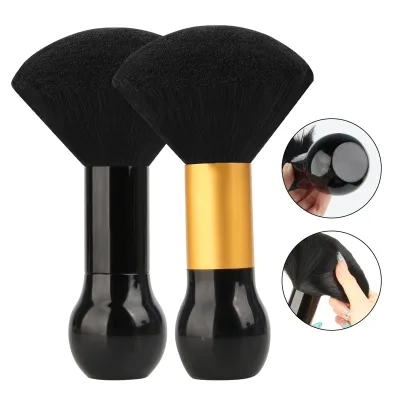
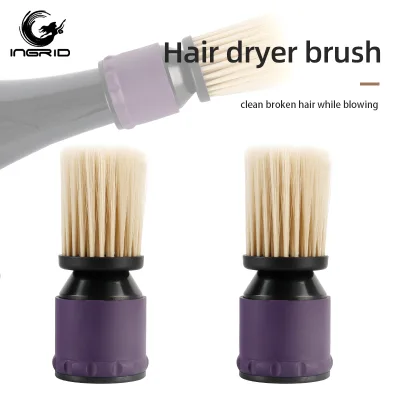
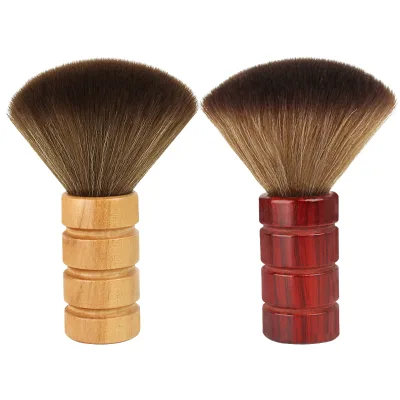
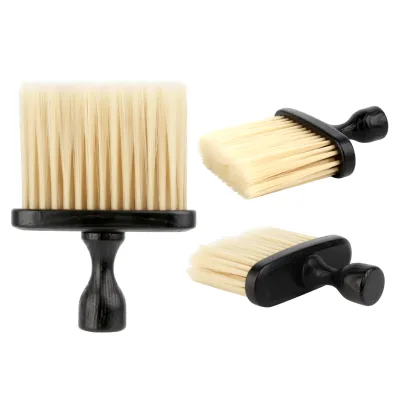
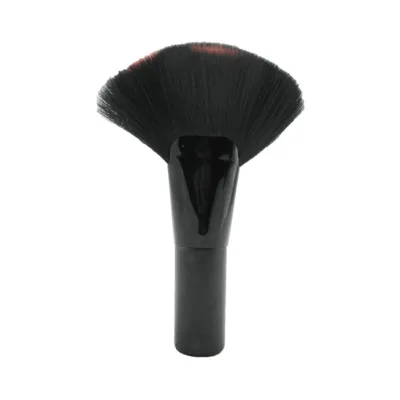
Salon Tool Barber Brush Neck Duster for Hair Cutting Face Cleaning Hair Sweep Brushes
$1.50 - $1.80
MOQ: 200 Pieces


$1.50 - $2.00
MOQ: 200 Pieces
Ningbo Chengmi Trading Co., Ltd.
- Verified by TüVRheinland
- Trading Company
- Lead time35 days
- Avg. response≤ 6h
Main productsPersonal Care Brush, Personal Care Comb, Shaving And Barber Tools, Konjac Sponge, Gifts & Promotions
Main marketsNorth America(33%), Western Europe(22%), Oceania(8%)
Anhui Bliss International Trade Co.,Ltd
- Trading Company
- Anhui, China
- Lead time20 days
- Avg. response≤ 3h
Main productsComb,Hair Brush,Hair Comb,Hair Accessories,Salon Tools
Main marketsNorth America(40.00%), Western Europe(25.00%), Southeast Asia(15.00%), Mid East(10.00%), Oceania(7.00%), Eastern Europe(3.00%)
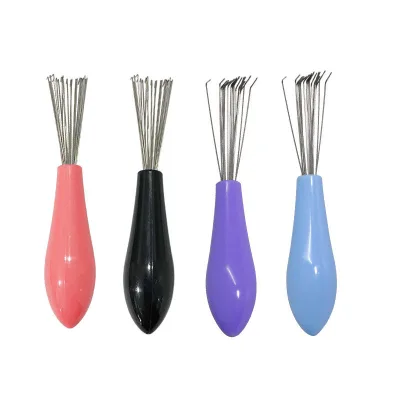
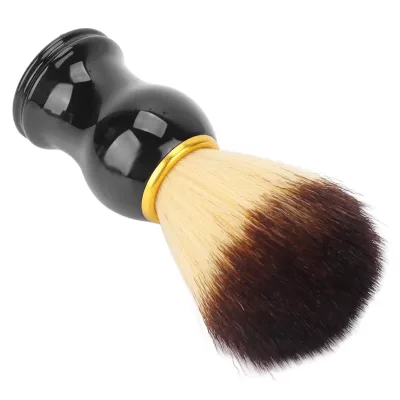
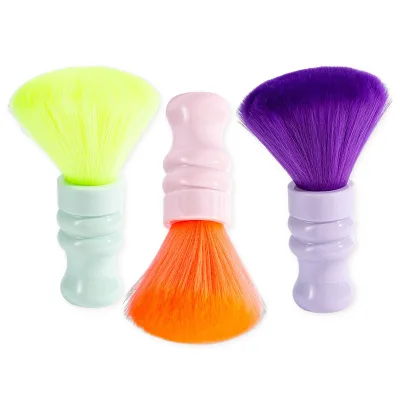
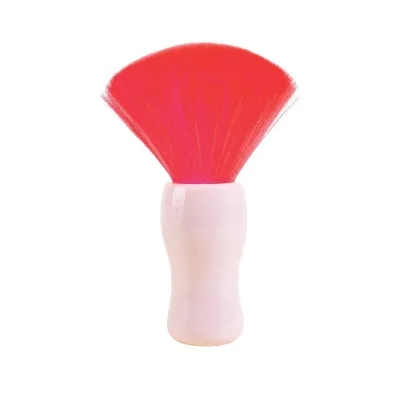
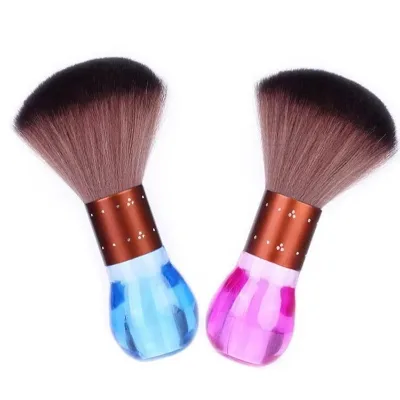
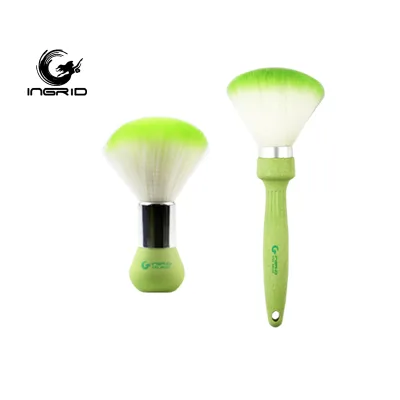
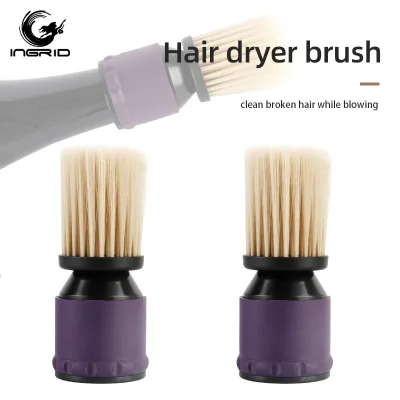
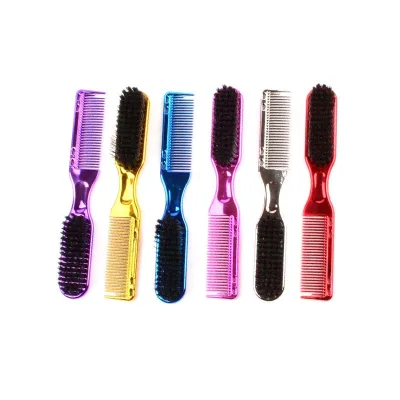
New Hairdressing Brush Colorful Hairdressing Brush Cleans the Broken Hair on the Beard
$1.82 - $2.10
MOQ: 120 pieces
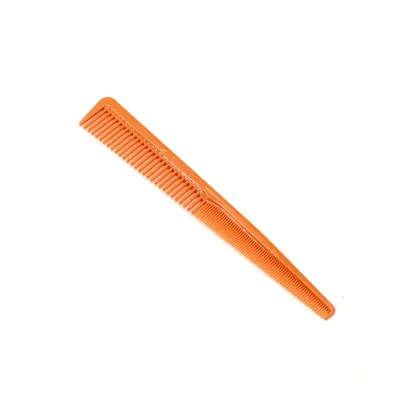
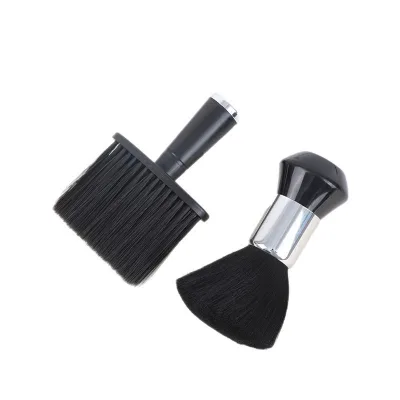
$2.39 - $2.79
MOQ: 100 pieces
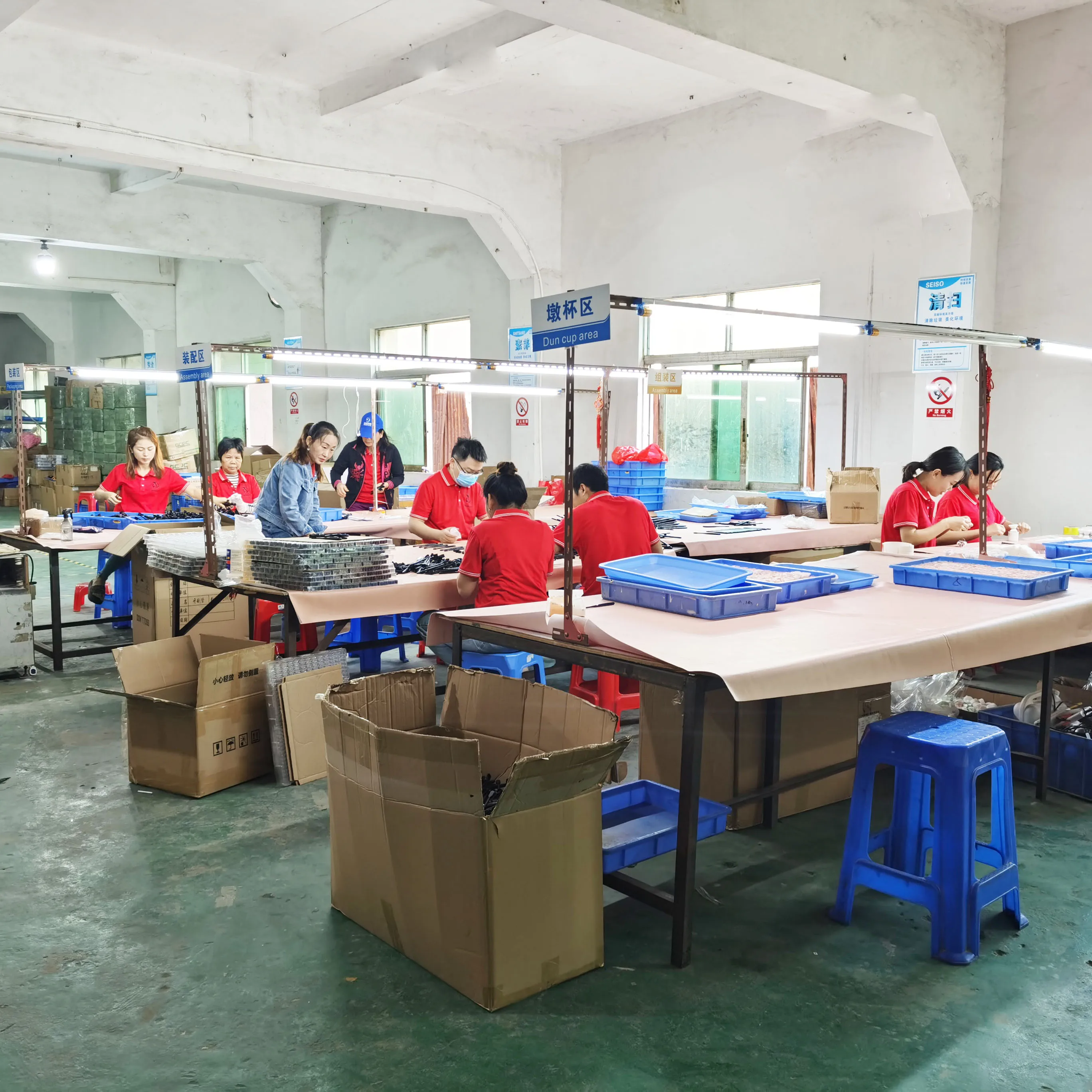
Echolly Cosmetics (Shenzhen) Co., Ltd.
- Trading Company
- Guangdong, China
- Lead time15 days
- Avg. response≤ 5h
Main productsTOOTHBRUSH,KIDS TOOTHBRUSH,NANO TOOTHBRUSH,MAKEUP BRUSH,HAIR BRUSH
Main marketsNorth America(30.00%), South America(10.00%), Western Europe(10.00%), South Asia(5.00%), Southern Europe(5.00%), Eastern Europe(5.00%), Northern Europe(5.00%), Central America(5.00%), Eastern Asia(5.00%), Mid East(5.00%), Oceania(5.00%), Africa(5.00%), Southeast Asia(5.00%)

Guangzhou Mackay Hair Tools Products Co., Ltd.
- Verified by SGS
- Manufacturer/Factory
- China Guangdong
- Lead time0 days
- Avg. response≤ 6h
Main productsHair Brush, Hair Combs, Hair Scissors, Hair Cape & Apron, Salon Jacket, Hair Color Brush with Bowl, Acetate Comb, Hair Clip, Hair Ring & Hair Band, Hair Salon Tools Accessories
Main marketsSouth America,Eastern Europe,Mid East,North America,Southeast Asia,Eastern Asia,Oceania,Western Europe,Africa


$0.61 - $0.75
MOQ: 600 Pieces


NINGBO FTZ WINLY TRADING SERVICE CO., LTD.
- Verified by BV
- Trading Company
- China Zhejiang
- Lead time30 days
- Avg. response≤ 3h
Main productsHair Brushes, Personal Care Items, Beauty Cosmetic Items, Wet Wipes, Car Wheel Brushes, Disposable Protective Products, Compact Mirrors, Cotton Buds/Pads, Cleaning Brushes, Hair Beauty Tools
Main marketsSoutheast Asia/ Mideast,Europe


Professional Barber Hairdressing Styling Small Aluminium Roll Hair Brush
$0.60 - $0.65
MOQ: 3000 Pieces


Ruian Oubaoni Hairdressing Apparatus Factory
- Manufacturer, Trading Company
- Zhejiang, China
- Lead time15 days
- Avg. response≤ 3h
Main productsProfessional hair comb,Alligator Clip,Shark clip,Hair Straightene,Curling Iron
Main marketsSoutheast Asia(30.00%), North America(25.00%)

- Verified by TUVRHEINLAND
- Trading Company
- China Guangdong
- Lead time15 days
- Avg. response≤ 2h
Main productsBeauty Tools, Tweezer, Eyelash Curler, Manicure Set, Cosmetic Mirror, Implement, Pedicure, Make up
Main marketsEurope

Hairdressing Barber Combs Plastic Handle Hairbrush Salon Afro Styling Haircutting Hair Brush Comb
$0.20 - $0.50
MOQ: 50 Pieces

Vintage Color Plastic Barber Hair Brush Salon Hairdressing Wholesale Haircutting Comb with Clips Set
$0.40 - $1.89
MOQ: 100 Sets
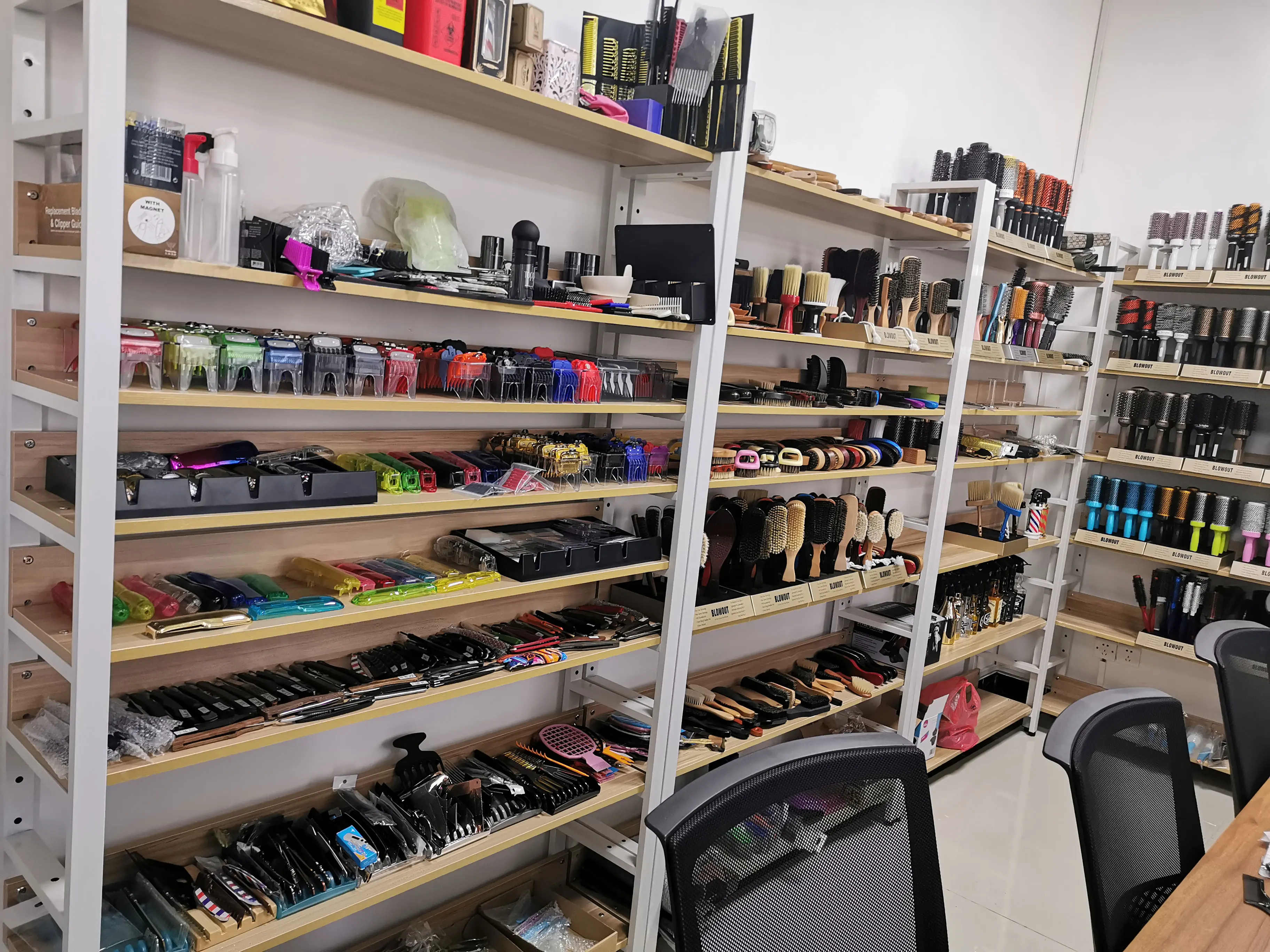
Guangzhou Hongda Beauty And Hairdressing Technology Co., Ltd.
- Verified by Intertek
- Manufacturer, Trading Company
- Lead time30 days
- Avg. response≤ 3h
Main productsHairdressing Combs, Hair Dyeing Tool, Hair Brush, Salon Hairdressing Tool, Hair Styling Tool
Main marketsNorth America(25%), Eastern Europe(20%), Southeast Asia(20%)
Guangzhou Dream Hair Products Co., Ltd.
- Manufacturer
- Guangdong, China
- Lead time30 days
- Avg. response≤ 5h
Main productsHair trimmer,Clipper blade&comb&cover,Salon capes,Hair Straighter,Hair brush
Main marketsNorth America(45.00%), Central America(15.00%), Eastern Europe(10.00%), Oceania(6.40%), Western Europe(5.00%), South America(5.00%), Southern Europe(5.00%), Northern Europe(3.00%), Domestic Market(2.00%), Southeast Asia(1.20%), Africa(1.00%), South Asia(1.00%), Mid East(0.20%), Eastern Asia(0.20%)
Guangdong Yinghua Plastic Products Co., Ltd.
- Manufacturer, Trading Company
- Guangdong, China
- Lead time30 days
- Avg. response≤ 5h
Main productsTint brush,Gliter,Tint bowl,kit,comb
Main marketsNorthern Europe(50.00%), North America(20.00%), Southeast Asia(10.00%), South Asia(5.00%), South America(5.00%), Central America(5.00%), Eastern Asia(5.00%), Mid East(5.00%)

Xuchang Leyide Import And Export Trading Co., Ltd.
- Trading Company,Manufacturer/Factory
- China Henan
- Lead time23 days
- Avg. response≤ 4h
Main productsHair Products, Wig Making Tools, Remy Human Hair, Mannequin, Stand Tripod, Synthetic Hair Extensions, Wigs, Virgin Human Hair, Satin Wig Bonnet, Lace Glue
Main marketsSouth America,Eastern Europe,Mid East,North America,Southeast Asia,Eastern Asia,Oceania,Western Europe,Africa

New Haircut Sweeping Brush Hairdressing Brush Barber Shop Haircut Cleaning Tool Neck Brush
$1.40 - $1.70
MOQ: 10 Pieces

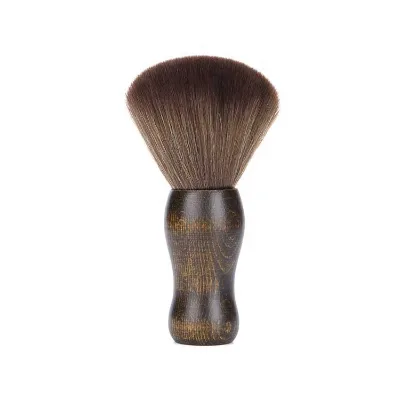
Bamboo Handle Barber Cleaner Sweep Hair Cutting Brush Shaving Beard Hairbrush
$1.40 - $1.70
MOQ: 10 Pieces

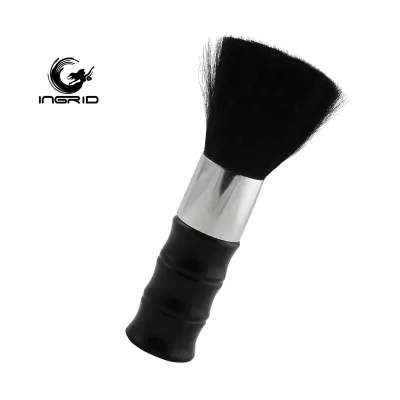
Professional Barber Neck Duster Brush Bamboo Handle Salon Hair Cutting Cleaning Hairbrush
$1.40 - $1.70
MOQ: 10 Pieces

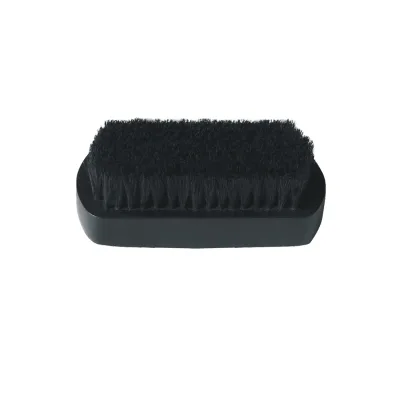
Men Salon Barber Beard Brush Plastic Handle Black Neck Duster Shaving Brush
$0.70 - $0.85
MOQ: 10 Pieces
Foshan Yuli Cosmetic Supplies Co., Ltd.
- Manufacturer, Trading Company
- Lead time旺季: "1 - 1000":20,"> 1000":"To be negotiated", 淡季: "1 - 1000":20,"> 1000":"To be negotiated"
- Avg. response≤ 2h
Main productsNail File, Nail Buffer, Pedicure Set, Foot File, Manicure Set

Guangzhou Yuntesi Hairdressing Products Co., Ltd.
- Verified by SGS
- Manufacturer/Factory
- China Guangdong
- Lead time45 days
- Avg. response≤ 8h
Main productsHair Brush, Hairdressing Cape & Apron, Hair Comb, Hair Color Tools, Hair Color Brush & Bowl, Hair Clip, Hair Salon Tools, Beard Brush & Razor, Spray Bottle, Hair Ring & Hair Band
Main marketsSouth America,Eastern Europe,Mid East,North America,Southeast Asia,Oceania,Western Europe


Hairdressing Accessories Tools Scalp Massage Beauty Salon Equipment Hair Care Wave Brush Hair
$0.69 - $0.84
MOQ: 600 Pieces


Guangzhou Happy Barber Technology Co., Ltd.
- Manufacturer, Trading Company, Distributor/Wholesaler, Other
- Guangdong, China
- Lead time25 days
- Avg. response≤ 3h
Main productsBarber tools,hairdressing products,Hair Comb,Hair Brush,Hair Cape
Main marketsCentral America(12.00%), Domestic Market(12.00%), North America(10.00%), South Asia(10.00%), Western Europe(8.00%), Mid East(8.00%), Southeast Asia(8.00%), Eastern Europe(8.00%), Northern Europe(6.00%), Eastern Asia(5.00%), South America(5.00%), Southern Europe(4.00%), Oceania(2.00%), Africa(2.00%)
Guangzhou Jianyuan Biotechnology Co., Ltd.
- Verified by Intertek
- Manufacturer, Trading Company
- Lead time0 days
- Avg. response≤ 5h
Main productsHair Wax, Hair Styling Products, Hair Care Products, Shampoo, Volume Powder
Main marketsNorth America(25%), South America(12%), Mid East(10%)
Guangzhou Jianyuan Biotechnology Co., Ltd.
- Manufacturer, Trading Company
- Lead time旺季: "1 - 50":7,"51 - 100":15,"101 - 500":25,"> 500":"To be negotiated", 淡季: "1 - 50":7,"51 - 100":15,"101 - 500":25,"> 500":"To be negotiated"
- Avg. response≤ 5h
Main productsHair Styling, Hair Care, Beard Care, Hair Growth, Hair Fiber
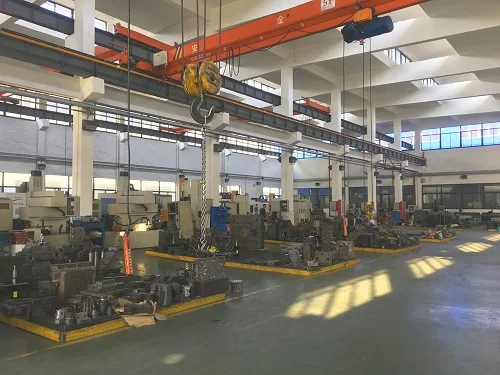
Ningbo Damu Plastic Product & Mold Co., Ltd.
- Manufacturer
- Zhejiang, China
- Lead time30 days
- Avg. response≤ 9h
Main productsplastic injection molding,plastic part,CNC machining,Die castng die,silicone part
Main marketsNorth America(60.00%), South Asia(30.00%), Mid East(10.00%)
Yiwu Barber Beauty & Hair Products Co., Ltd.
- Trading Company
- Yiwu, China
- Lead time15 days
- Avg. response≤ 2h
Main productsBarber equipment,Barber series,Beard series,Beauty series,Foot bath series
Main marketsSouth America(20.00%), North America(20.00%), Domestic Market(5.00%), South Asia(5.00%), Southern Europe(5.00%), Northern Europe(5.00%), Central America(5.00%), Western Europe(5.00%), Eastern Asia(5.00%), Mid East(5.00%), Oceania(5.00%), Africa(5.00%), Southeast Asia(5.00%), Eastern Europe(5.00%)
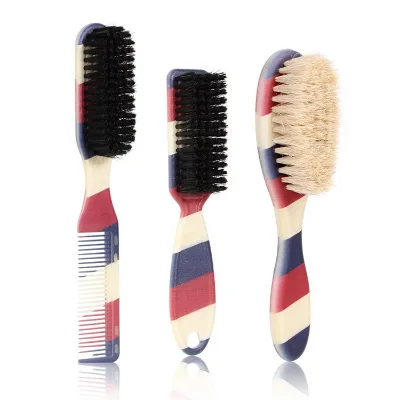
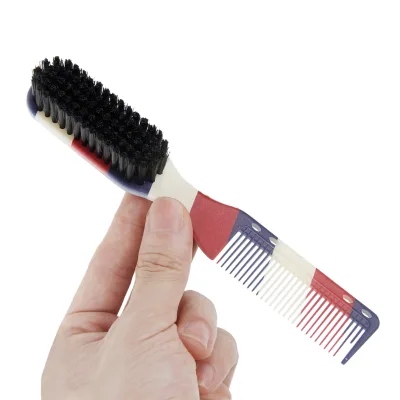
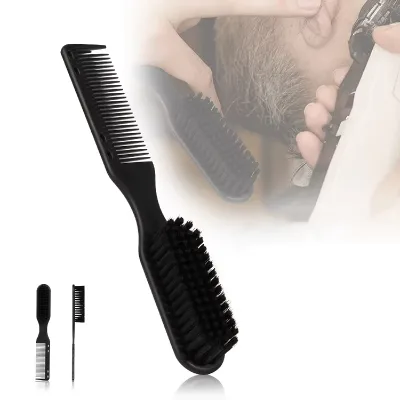
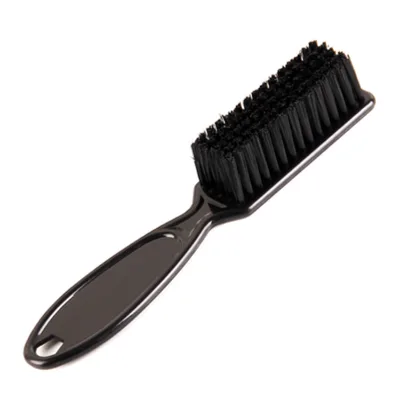
Professional Hair Cut Sweep Brush Striped Retro Cleaning Brush Comb Men's Beard Care Brush
$0.55 - $1.32
MOQ: 3 Minimum

Guangzhou Cinderella Daily Necessities Co., Ltd.
- Manufacturer
- Guangdong Province, China
- Lead time0 days
- Avg. response≤ 4h
Main productshairdressing clip,hair brush,hair spray bottle,hair comb,Hair Tools
Main marketsNorth America(30.00%), Domestic Market(20.00%), South America(10.00%), Southeast Asia(10.00%), Africa(10.00%), South Asia(10.00%), Mid East(5.00%), Eastern Asia(5.00%)
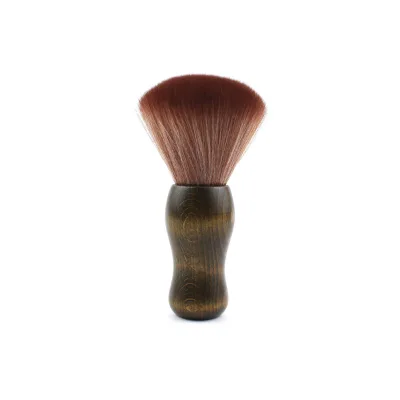
$1.39 - $1.57
MOQ: 200 pieces
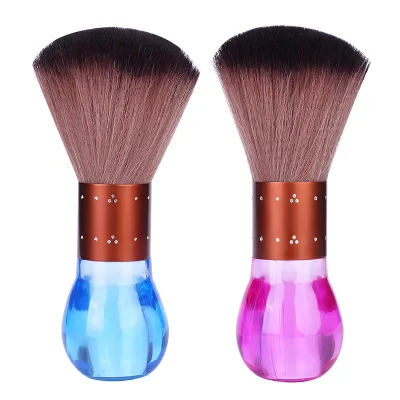
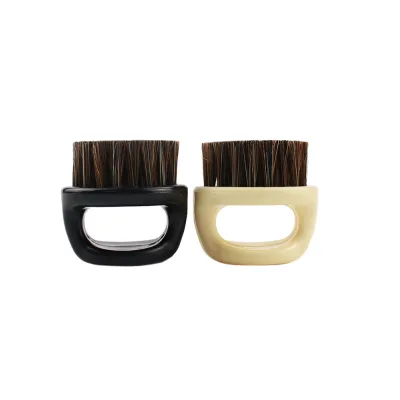
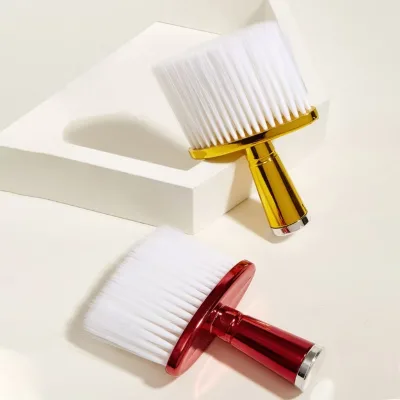
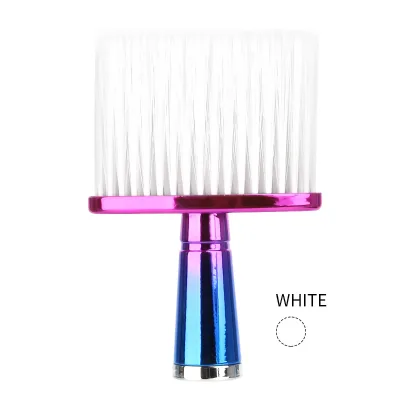
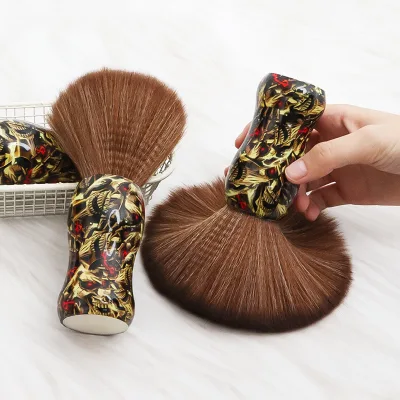
Guangzhou Tianba Beauty & Cosmetic Co., Ltd.
- Manufacturer, Trading Company
- Lead time旺季: "1 - 2000":10,"2001 - 3000":15,"> 3000":"To be negotiated", 淡季: "1 - 2000":10,"2001 - 3000":15,"> 3000":"To be negotiated"
- Avg. response≤ 6h
Main productsPerm Appliance Series, Hair Clip Series, Comb Series, Brush Series, Clothes Series
Zhengzhou Letiao Beauty Trading Co., Ltd.
- Trading Company
- Henan, China
- Lead time5 days
- Avg. response≤ 3h
Main productsSynthetic Hair,Human Hair,False Eyelashes,Beauty Products,Personal Articles
Main marketsNorth America(30.00%), Eastern Europe(20.00%), South America(20.00%), Northern Europe(5.00%), Western Europe(5.00%)
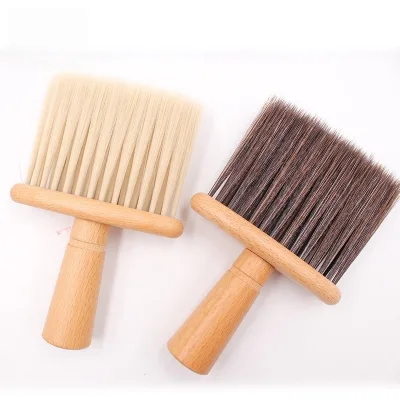
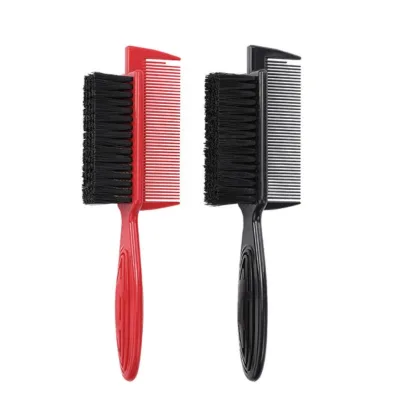
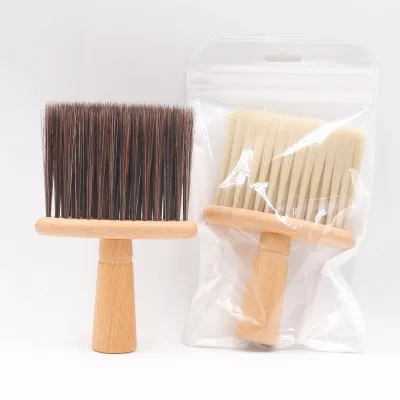
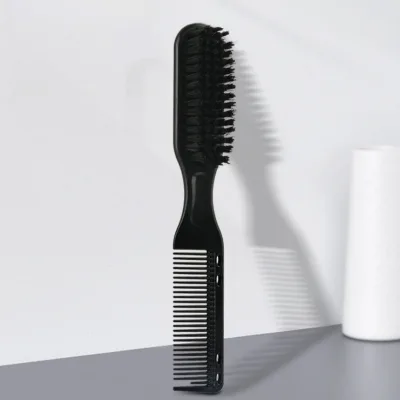
$0.90 - $1.20
MOQ: 30 pieces

DONGGUAN HUI TAI TONG TECHNOLOGY CO., LIMITED
- Manufacturer/Factory
- China Guangdong
- Lead time23 days
- Avg. response≤ 4h
Main productsPlastic Toy, Children Toy, Educational Toy, Action Figure, PVC Figure, Promotional Gift, Sport Figure
Main marketsNorth America,Eastern Asia,Western Europe

- Trading Company
- China Zhejiang
- Lead time0 days
- Avg. response≤ 12h
Main productsHousehold, Personal Care, Kitchenware, Fitness, Car Items, Tools, Health Care, Paint Brush, Magic Mesh, Beauty
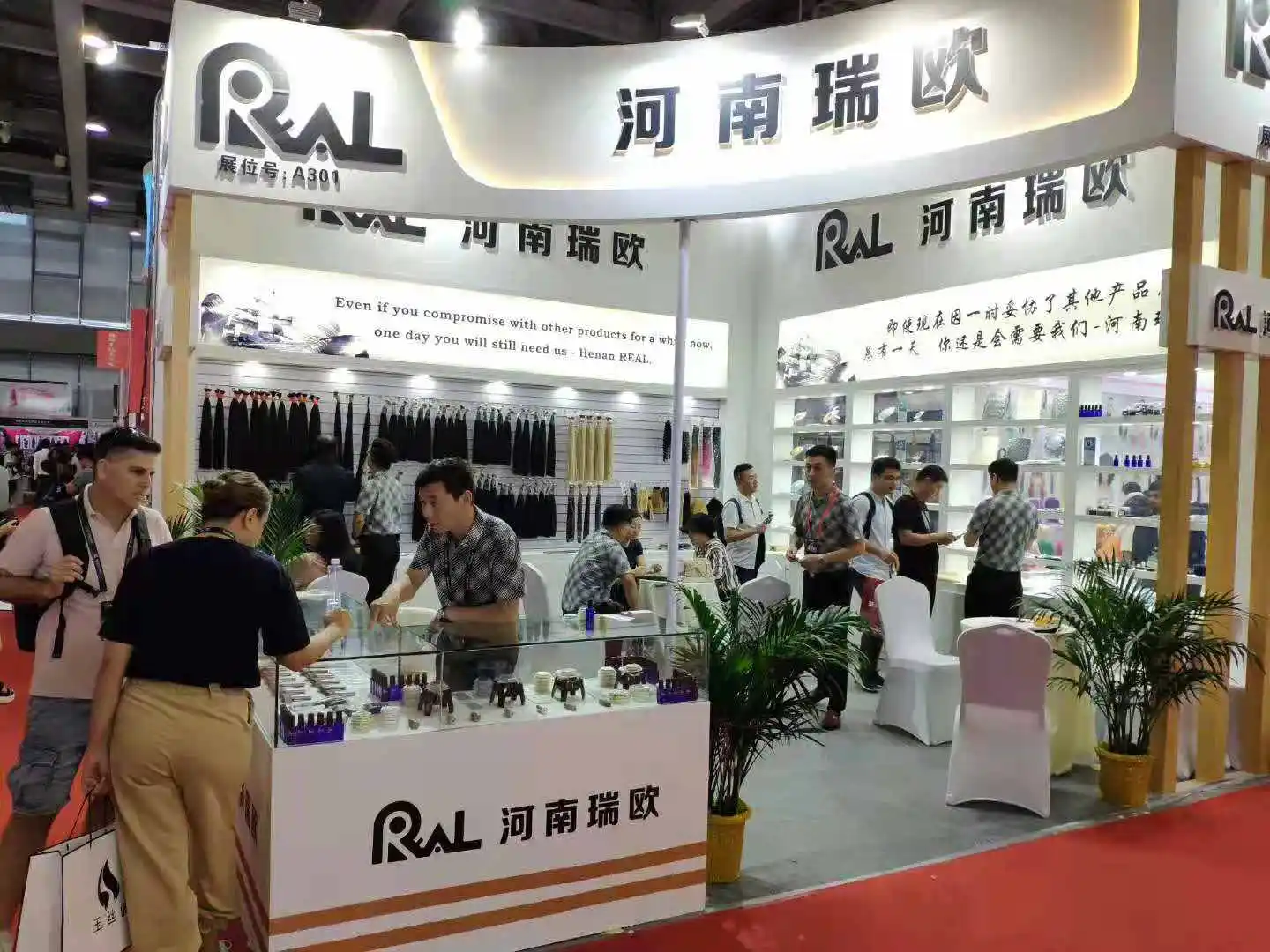
Henan Real Hair Products Co., Ltd.
- Trading Company
- Henan, China
- Lead time5 days
- Avg. response≤ 5h
Main productsHair Produsts,Hair Extension Machine,Tape Products,Salon Products,Factory Products
Main marketsNorthern Europe(25.00%), North America(25.00%), Southern Europe(20.00%), Domestic Market(10.00%), Mid East(10.00%), Africa(10.00%)
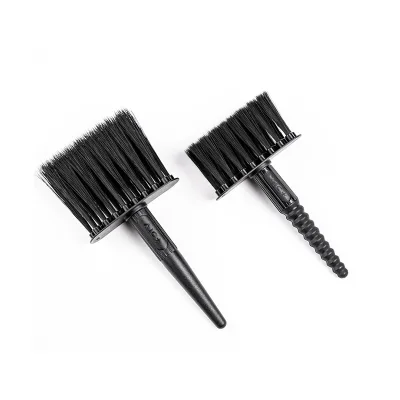
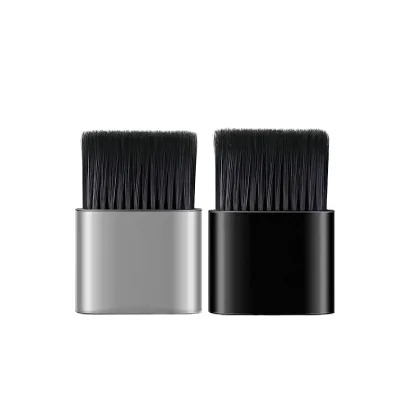
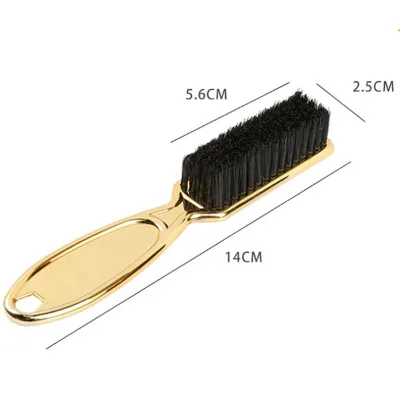
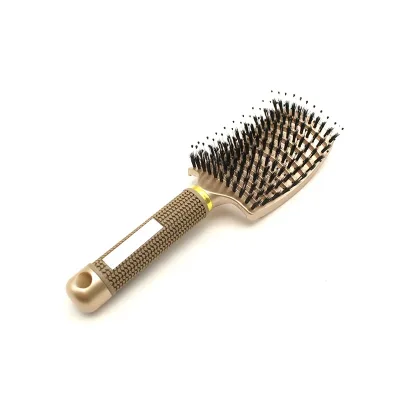
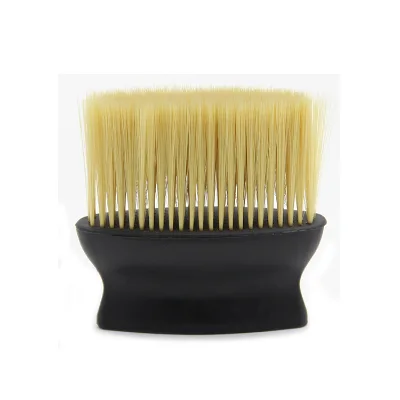
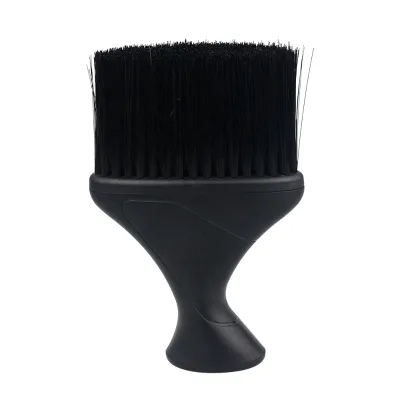
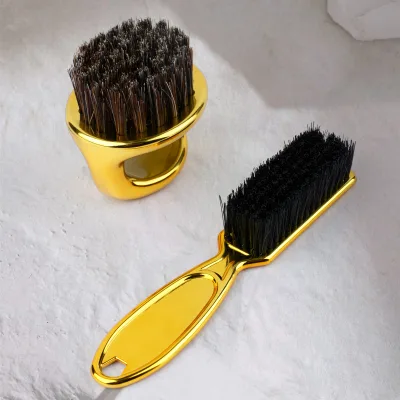
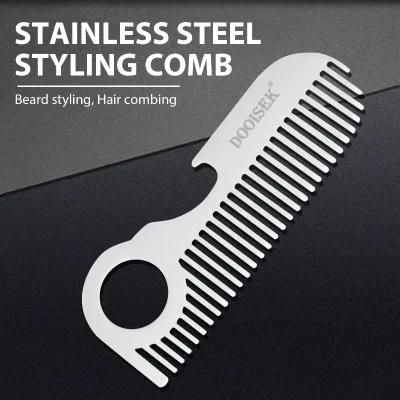



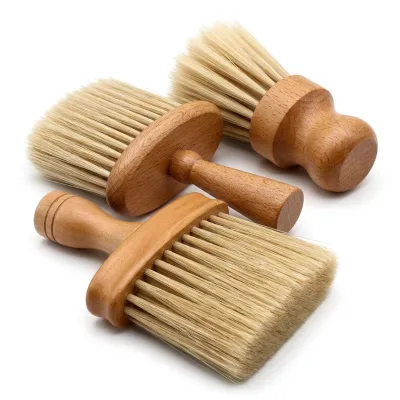
Comprehensive Sourcing Guide
Barber Cleaning Brush for Hairdressing Supplier Concentration and Factory Types
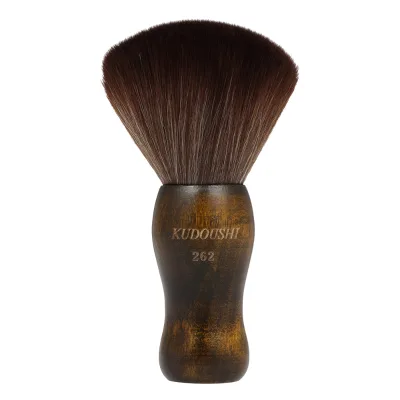
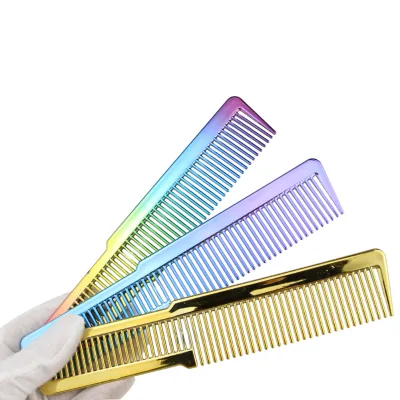
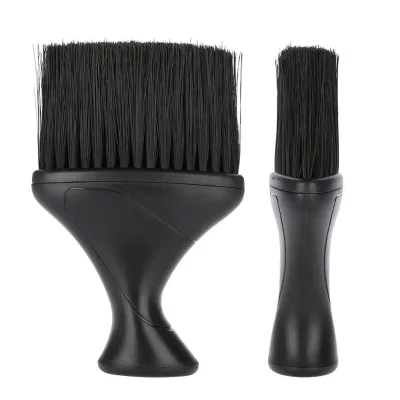
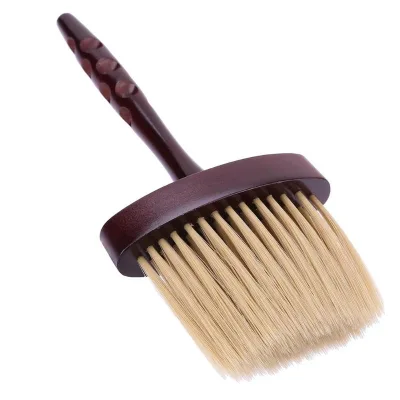
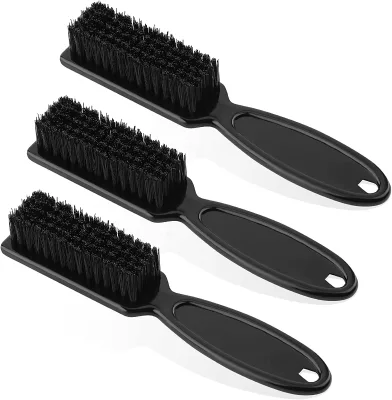
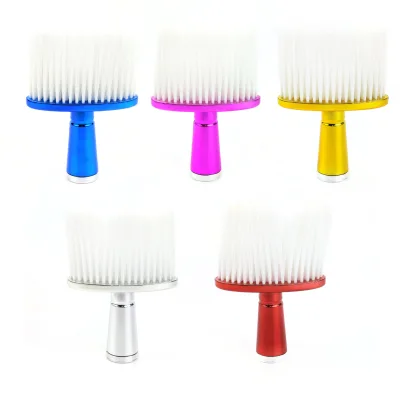
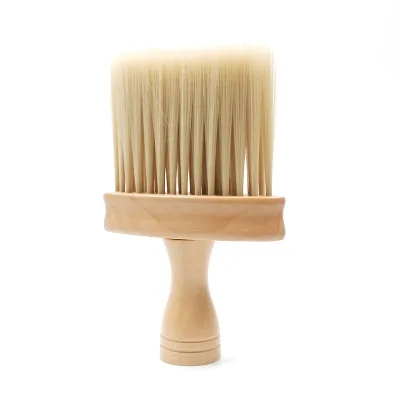
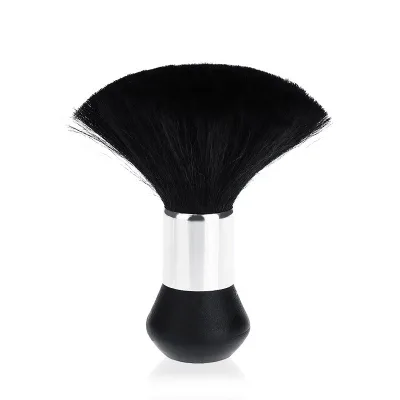
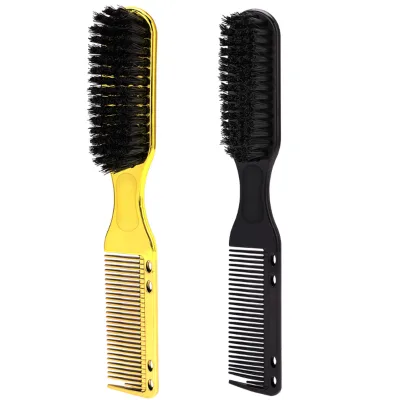
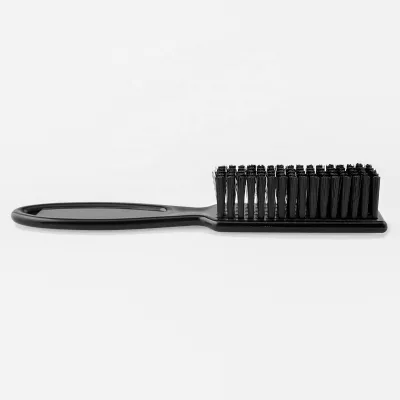
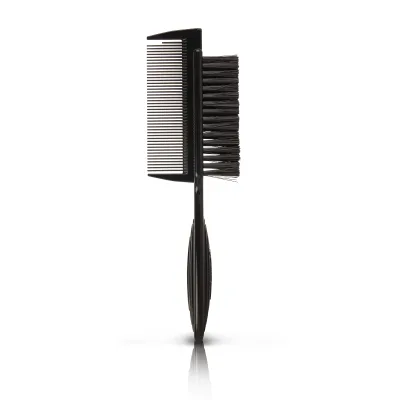
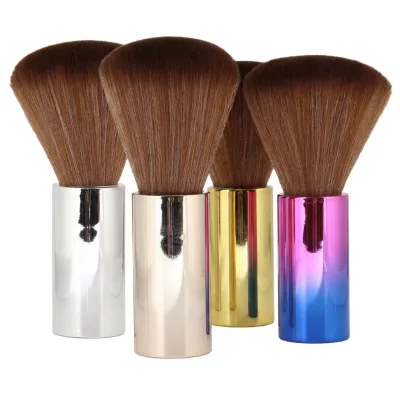
The available data indicates a significant concentration of manufacturing activity in Guangdong, China, for barber cleaning brushes and related hairdressing accessories. This region serves as a primary hub for producing items such as neck brushes, combs, and styling tools, often utilizing materials like fiber, wood, ABS, and TPU. Buyers should recognize that suppliers in this area typically offer a mix of product lines, ranging from simple cleaning brushes to comprehensive hairdressing tool sets including spray bottles and diffusers. The presence of multiple product categories under a single supplier profile suggests these facilities are equipped to handle diverse manufacturing requirements within the personal care and grooming sector.
When evaluating the types of entities in this market, the results show a mix of manufacturers, trading companies, and distributors. While some suppliers are explicitly identified as manufacturers capable of handling OEM and ODM requests, others operate as trading companies or wholesalers. This distinction is critical because a manufacturer may offer more direct control over production timelines and material sourcing, whereas a trading company might provide a broader catalog of finished goods. Buyers must verify the specific company type listed in the supplier profile to understand the supply chain structure, as this influences communication speed, customization capabilities, and the ability to scale production volumes for large orders.
How to Verify Barber Cleaning Brush for Hairdressing Suppliers
Verification begins with scrutinizing the specific product attributes and origin details provided in the supplier listings. For instance, product evidence confirms that items like the "Neck Brush" and "Haircut Hairdresser Comb" originate from Guangdong, China, with specific model numbers such as JD-2 or JD-58. Buyers should cross-reference these model numbers and material specifications, such as fiber, wood, or ABS plastic, against the supplier's claimed capabilities. If a supplier lists a brand name like "JD" or "VIC+" on their product details, it is essential to confirm whether they are the brand owner or an authorized distributor, as this affects warranty and authenticity claims.
Response time and sample availability are also key verification metrics found in the data. Some suppliers indicate a response time of four hours, while others may take up to eight hours, which can impact the speed of negotiation and order placement. Additionally, the presence of sample availability, explicitly noted for certain products, allows buyers to physically inspect quality before committing to bulk orders. Buyers should request samples to verify the brush material, handle durability, and overall finish. If a supplier claims to offer samples but does not list this in their product attributes, it is a red flag that requires direct inquiry to confirm their willingness to provide pre-production units for quality assessment.
What to Compare Across Barber Cleaning Brush for Hairdressing Suppliers
Comparing suppliers requires a detailed analysis of minimum order quantities (MOQ) and pricing structures, which vary significantly across the market. Data shows that some products have an MOQ of just one unit, while others require a substantial commitment of 3,000 pieces. Pricing also fluctuates, with some neck brushes listed around $1.10 to $1.50, while combs may range from $0.40 to $0.77. Buyers must align these MOQs with their inventory needs; a low MOQ is ideal for testing the market, whereas a high MOQ might be necessary to achieve a lower unit cost for established retailers. Ignoring these thresholds can lead to unexpected costs or an inability to fulfill order requirements.
Lead times and supply capabilities are another critical comparison point. While some listings indicate a lead time of zero or very short delivery windows, others specify a lead time of 40 days or a supply ability of 300,000 pieces per month. These figures dictate how quickly a buyer can restock or fulfill a new order. A supplier with a 40-day lead time may not be suitable for urgent restocking needs, whereas a high supply ability suggests the capacity to handle large-scale contracts. Buyers should also compare the specific delivery terms, such as "2-25 Days," to ensure they align with their logistical planning and customer delivery expectations.
Common Barber Cleaning Brush for Hairdressing Sourcing Risks
One significant risk involves the discrepancy between claimed lead times and actual production capacity. While some suppliers list a lead time of zero, others indicate a 40-day window, creating uncertainty about when goods will actually ship. If a buyer places an order based on a short lead time without verifying the current production schedule, they may face delays that disrupt their business operations. It is crucial to confirm the current status of the supply chain and whether the supplier can meet the requested delivery date, especially when dealing with high-volume orders that require significant manufacturing time.
Another risk relates to the consistency of product specifications and branding. The data shows various brand names like "JD" and "VIC+" associated with similar product types, which can lead to confusion regarding quality standards and intellectual property. If a buyer intends to private label products, they must ensure the supplier explicitly accepts customized labels and understands the specific branding requirements. Without clear confirmation of OEM/ODM capabilities, there is a risk of receiving products that do not match the intended brand identity or quality expectations. Buyers should verify the supplier's willingness to customize packaging and labeling to avoid receiving generic items that do not meet their market positioning.
Barber Cleaning Brush for Hairdressing Regional Sourcing and Logistics
The concentration of suppliers in Guangdong, China, offers logistical advantages but also requires careful planning for international shipping. Products such as neck brushes and combs are often packaged in PVC boxes or OPP bags, with specific single package sizes and weights provided in the listings. For example, a single neck brush might weigh 0.129 kg with dimensions of 19x10x6 cm, while larger orders could involve bulk packaging like 96 pieces per carton. Buyers need to calculate the total volume and weight of their order to estimate shipping costs accurately, as these factors directly impact the final landed cost of the goods.
Logistics planning must also account for the port of dispatch, which is listed as Guangzhou for some suppliers. This location is a major shipping hub, but buyers should confirm the specific port and shipping terms to ensure smooth transit. The delivery terms, such as "2-25 Days," suggest a range of shipping durations that can vary based on the chosen freight method. Buyers should clarify whether the quoted delivery time includes customs clearance and inland transportation to their destination. Understanding these logistics details is essential for managing inventory levels and ensuring that products arrive on time to meet customer demand without incurring unexpected storage or expedited shipping fees.
Barber Cleaning Brush for Hairdressing Commercial Terms and Order Planning
Commercial terms regarding payment and order planning are vital for managing cash flow and risk. The data indicates that some suppliers offer sample availability, which is a low-risk way to validate product quality before placing a large order. However, the MOQ for bulk orders can be as high as 3,000 pieces, requiring significant capital investment. Buyers should plan their order quantities carefully to balance the cost per unit with their storage capacity and sales velocity. Understanding the pricing tiers and how they relate to order volume is essential for negotiating favorable terms and ensuring profitability.
Additionally, the availability of OEM and ODM services allows for customization, but this requires clear communication of specifications. Suppliers listed with "Acceptable Customized Label" or "OEM/ODM: Welcome" indicate flexibility, but buyers must provide detailed design files and material requirements. The response time of the supplier, ranging from four to eight hours, can influence the speed of resolving these customization details. Buyers should establish a clear timeline for design approval and production to avoid delays. By aligning commercial terms with realistic production schedules and customization needs, buyers can mitigate risks and ensure a smooth procurement process for their barber cleaning brush inventory.
FAQs
What is the typical MOQ for barber neck cleaning brushes?
Minimum order quantities on this page vary widely, from as low as 1 to 3 pieces for some listings up to 3,000 pieces for wholesale barber neck brush models. Low MOQs suit sample testing and small salons, while larger MOQs usually bring lower unit pricing. Confirm the MOQ for your chosen model before requesting a quote.
How much do barber cleaning brushes cost per unit?
Listed unit prices on this page range from roughly $0.41 to $4.72 depending on the model, with neck dusters commonly between about $1.10 and $1.23. Prices depend on materials such as wood, nylon fiber, ABS, or TPU handles. Request a current quotation because prices can change with quantity, packaging, and customization.
Where are these barber cleaning brushes manufactured?
The products shown on this page are made in Guangdong, China, a major hub for hairdressing tools and salon accessories. Sourcing from Guangdong gives buyers access to manufacturers producing combs, neck dusters, spray bottles, clips, and related barber supplies. Verify the exact factory location and export experience with each supplier directly.
What materials are used in barber neck duster brushes?
Listed brushes use bristles of fiber or nylon with handles made from wood, plastic, or TPU plus PP, and some wholesale models combine PBT bristles with aluminum. Softer fibers sweep broken hair comfortably from the neck and face. Choose material based on softness, durability, and whether you need washable or low-cost disposable-style brushes.
Do suppliers offer samples before bulk orders?
Yes, some listings on this page explicitly state that samples are available or provided, which lets you check bristle softness and handle quality before committing. Sample costs and shipping fees vary by supplier and are typically adjustable against bulk orders. Ask about sample lead time and whether sample fees are refundable at order placement.
How quickly do these suppliers respond and ship?
Reported average response times on this page range from about 4 hours to 8 hours, so buyers can generally expect replies within a business day. Delivery terms for one wholesale listing span roughly 2 to 25 days, while another supplier lists a 40-day lead time. Confirm current production schedules before placing time-sensitive orders.