Organic Moisturizing After Shave Balm Suppliers and Manufacturers
Source 31 verified suppliers for Organic Moisturizing After Shave Balm. Compare Guangdong-based factories offering OEM/ODM services, GMP certifications, and lead times of 7-21 days. Review MOQs starting at 500 units and request samples to verify quality; review the available evidence before requesting comparable quotations from suitable candidates.
Suppliers List

Guangzhou Chingo Cosmetic Co., Ltd.
- Verified by TUVRHEINLAND
- Combined
- China Guangdong
- Lead time15 days
- Avg. response≤ 8h
Main productsHair Regrowth Oil, Hair Regrowth Shampoo, Hair Regrowth Spray, Hair Regrowth Powder, Face Mask, Face Cream, Face Serum, Hand Lotion, Body Lotion, Face Cleanser
Main marketsDomestic,North America


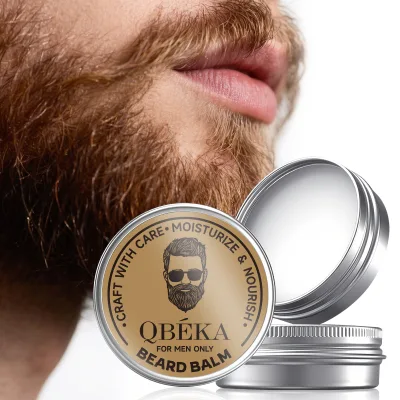
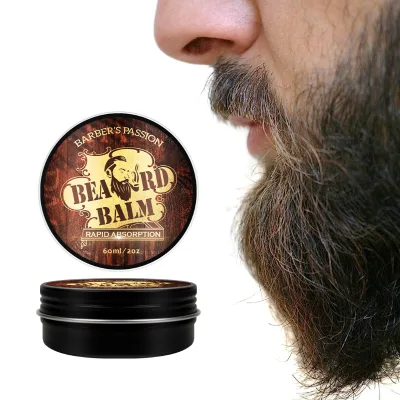
Men Beard Care Products Natural Organic Smoothing Nourishing Moisturizing Beard Balm
$1.85 - $2.23
Moq: 500


Guangzhou Mebamy Cosmetics Co., Ltd.
- Verified by TUVRHEINLAND
- Manufacturer/Factory
- China Guangdong
- Lead time15 days
- Avg. response≤ 5h
Main productsFace Serum, Soap, Face Cream, Sunscreen, Eyelash Growth Serum, Teeth Whitening, Face Mask, Facial Cleanser, Essential Oil, Hair Care Series
Main marketsNorth America,Western Europe
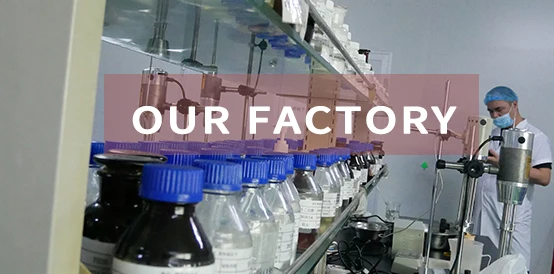
Guangzhou Boss Biological Technique Ltd.
- Manufacturer, Trading Company
- Guangdong, China
- Lead time10 days
- Avg. response≤ 2h
Main productsEyelash Growth Serum,Anti Aging Anti Wrinkle Cream,Eye Cream,Slimming Cream,Face Cream
Main marketsOceania(10.0%), Southern Europe(10.0%), Northern Europe(10.0%), Eastern Europe(10.0%), Western Europe(10.0%), North America(10.0%), Central America(8.0%), Mid East(8.0%), South Asia(5.0%), Africa(5.0%), Southeast Asia(5.0%), South America(5.0%), Domestic Market(4.0%)
Guangzhou Missy Biological Technology Co., Ltd.
- Manufacturer, Trading Company
- Lead time旺季: "1 - 10000":15,"> 10000":"To be negotiated", 淡季: "1 - 10000":15,"> 10000":"To be negotiated"
- Avg. response≤ 7h
Main productsBeard Set, Tanning Product, Serum, Body Care, Hair Care
Guangzhou Dolai Cosmetics Co., Ltd.
- Verified by SGS Group
- Trading Company
- Lead time15 days
Main productsSkin Care, Body Care, Hand and Foot Care, Facial Mask, Cosmetics
Main marketsNorth America(30%), Western Europe(20%), Southeast Asia(11%)

Meiji Cosmetic Company Limited
- Verified by BV
- Combined
- China Guangdong
- Lead time15 days
- Avg. response≤ 8h
Main productsCosmetic Production, Lotion, Facial Mask, Cream, Serum
Main marketsDomestic,Europe


Removal Armpit Legs Hair Body Care Shaving Permanent Natural Hair Removal Cream
$0.35 - $1.32
Moq: 100

Guangzhou Bofan Biotech Co., Ltd.
- Manufacturer, Trading Company
- Guangdong, China
- Lead time15 days
- Avg. response≤ 5h
Main productsHair Styling/Skin Care/Makeup/Hair Care
Main marketsNorth America(50.0%), Oceania(25.0%), Southeast Asia(20.0%), Eastern Europe(5.0%)
Jiangxi Global Natural Spice Co., Ltd.
- Verified by TüVRheinland
- Manufacturer, Trading Company
- Lead time15 days
Main productsEssential Oil, Carrier Oil, Skin Toner, Shampoo
Main marketsWestern Europe(35%), North America(30%), Oceania(10%)
Shengnan (Guangzhou) Cosmetics Co., Ltd.
- Verified by Intertek
- Trading Company
- Lead time15 days
- Avg. response≤ 2h
Main productsFace Cream, Face Serum, Face Toner, Face Wash
Main marketsNorth America(25%), South America(25%), Eastern Europe(25%)
Guangzhou Heng Fang Biotechnology Co., Ltd.
- Verified by SGS Group
- Manufacturer, Trading Company
- Lead time20 days
- Avg. response≤ 7h
Main productsSkin Care, Essential Oil, Soap, Hair Care, Cosmetics
Main marketsNorth America(30%), Western Europe(27%), Eastern Europe(7%)

Guangzhou Sevich Biology Technology Co., Ltd.
- Verified by SGS
- Trading Company
- China Guangdong
- Lead time15 days
- Avg. response≤ 5h
Main productsHair Building Fibers, Hair Fiberes, Keratin Hair Fibers, Keratin Fiber Powder, Hair Fibers Building, Hair Loss Treatment, Hair Loss Concealer, Hair Loss Men, Hair Loss Women
Main marketsSouth America,Southeast Asia/ Mideast,East Asia(Japan/ South Korea),Europe,Australia,North America

Suzhou Darpool Import and Export Co., Ltd.
- Verified by BV
- Trading Company
- China Jiangsu
- Lead time15 days
- Avg. response≤ 2h
Main productsShampoo, Body Lotion
Main marketsSoutheast Asia/ Mideast


Gentle Roll on Deodorant Is Alcohol Free and Perfect for Post Shave Underarm Application
$0.60 - $1.00
Moq: 5000
Guangzhou Beslo Cosmetics Co., Ltd.
- Verified by TüVRheinland
- Trading Company
- Lead time45 days
Main productsShampoo, Hair Conditioner, Pomade, Hair Mask, Hair Dye
Main marketsNorth America(20%), Western Europe(20%), South America(15%)
Guangzhou Meixi Biotechnology Co., Ltd.
- Verified by Intertek
- Manufacturer, Trading Company
- Lead time20 days
Main productsFacial Mask, Face Cream, Shampoo
Main marketsDomestic Market(80%), North America(10%), Eastern Europe(3%)
- Manufacturer, Trading Company
- Hong Kong S.A.R.
- Lead time15 days
- Avg. response≤ 3h
Main productsFace Care, Body Care, Hair Care, Hand Care, Make Up
Main marketsNorth America(39.0%), Domestic Market(25.0%), Western Europe(18.0%), Oceania(8.0%), South Asia(1.0%), Eastern Asia(1.0%), South America(1.0%), Southern Europe(1.0%), Central America(1.0%), Northern Europe(1.0%), Africa(1.0%), Eastern Europe(1.0%), Mid East(1.0%), Southeast Asia(1.0%)
Guangzhou Diar Bio-Technique Co., Ltd.
- Trading Company
- Guangdong, China
- Lead time10 days
- Avg. response≤ 4h
Main productsHair Care,Beard Grooming,Skin Care,Baby care,Hair styling
Main marketsNorth America(40.0%), Eastern Europe(20.0%), Oceania(15.0%), Western Europe(9.0%), Northern Europe(5.0%), Central America(5.0%), Southern Europe(5.0%), Eastern Asia(1.0%)
Guangzhou Miyan Biotechnology Co., Ltd.
- Verified by TüVRheinland
- Manufacturer, Trading Company
- Lead time40 days
- Avg. response≤ 4h
Main productsFace Cream, Face Serum, Facial Mask, Beard Kit, Body Lotion
Main marketsNorth America(40%), Southeast Asia(15%), South America(5%)

Yixing Allwin Products Co., Ltd.
- Verified by CTI
- Trading Company,Manufacturer/Factory,Group Corporation
- China Jiangsu
- Lead time23 days
- Avg. response≤ 2h
Main productsFace Cream, Lip Care, Bath Care, Perfume/ Body Mist, Personal Care, Luxury Cosmetic, Laundry Detergent, Soap Flowers, Package
Main marketsSouth America,Eastern Europe,Mid East,North America,Southeast Asia,Eastern Asia,Oceania,Western Europe,Africa
Guangzhou Cantik Cosmetic Co., Ltd.
- Trading Company
- Lead time旺季: "1 - 10000":31,"> 10000":"To be negotiated", 淡季: "1 - 10000":31,"> 10000":"To be negotiated"
- Avg. response≤ 3h
Main productsHair Care, Hair Styling, Beard Care, Body Care, Baby Care

Guangzhou Beaver Cosmetic Co., Ltd.
- Verified by BV
- Combined
- China Guangdong
- Lead time30 days
- Avg. response≤ 4h
Main productsHair Care, Hair Styling, Hair Building Fiber, Hair Smoothing Treatment, Body Care, Hand Care, Pet Care
Main marketsAfrica,Others(foreignTradeCapacity.exportBusinessCapacityMarketOther),Southeast Asia/ Mideast,East Asia(Japan/ South Korea),Europe,Australia,North America

Guangzhou Jimei Biology Technology Co., Ltd.
- Trading Company
- Guangdong, China
- Lead time0 days
- Avg. response≤ 1h
Main productsAnti-spot serum/Eyelash Growth Serum,whitening/Bleaching cream,Hair Growth Oil/shampoo,Slimming Cream,Body lotion
Main marketsNorth America(30.0%), South America(20.0%), Africa(13.0%), Domestic Market(7.000000000000001%), Eastern Europe(5.5%), Western Europe(5.0%), Southern Europe(5.0%), Oceania(5.0%), Northern Europe(3.0%), Southeast Asia(2.0%), Eastern Asia(2.0%), South Asia(1.0%), Mid East(1.0%), Central America(0.5%)
Aopline Health Industry Technology (guangzhou) Co., Ltd.
- Verified by TüVRheinland
- Manufacturer, Trading Company
- Lead time0 days
Main productsSunscreen, Skin Care, Face & Body Makeup, Hair Care, Tanning
Main marketsNorth America(27%), South America(10%), Southeast Asia(10%)
HENSO MEDICAL (HANGZHOU) CO., LTD.
- Verified by TüVRheinland
- Trading Company
- Lead time30 days
- Avg. response≤ 6h
Main productsAdvanced Wound Dressing, Acne Patch, Laboratory Consumables, Rapid Test Kits
Main marketsNorth America(30%), South America(15%), Southeast Asia(15%)
Yangzhou Nano Aviation Technology Co., Ltd.
- Verified by SGS
- Combined
- China Jiangsu
- Lead time15 days
- Avg. response≤ 2h
Main marketsSoutheast Asia/ Mideast,Domestic
Guangzhou Jianyuan Biotechnology Co., Ltd.
- Manufacturer, Trading Company
- Lead time旺季: "1 - 5000":20,"5001 - 10000":25,"10001 - 50000":30,"> 50000":"To be negotiated", 淡季: "1 - 5000":20,"5001 - 10000":25,"10001 - 50000":30,"> 50000":"To be negotiated"
Main productsHair Styling, Hair Care, Beard Care, Hair Growth, Hair Fiber
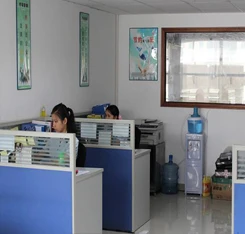
Guangzhou Yongbang Biological Technology Co., Ltd.
- Trading Company
- Guangdong, China
- Lead time7 days
- Avg. response≤ 4h
Main productsHair Styling, Hair Care Products
Main marketsNorth America(72.0%), Western Europe(14.000000000000002%), Southeast Asia(5.0%), South America(3.0%), Oceania(3.0%), Eastern Europe(3.0%)

Blue Sea Aerosol & Daily Care Co., Ltd
- Verified by SGS
- Combined
- China Hebei
- Lead time30 days
- Avg. response≤ 15h
Main productsHair Spray, Shave Cream, Air Freshener, Antiperspirant Spray, Oven Cleaner, Furniture Polish, Dry Shampoo, Body Spray, Dashboard Polish, Foot Spray
Main marketsSouth America,Africa,East Asia(Japan/ South Korea),Domestic,Europe,North America
Guangzhou Haishi Biological Technology Co., Ltd.
- Manufacturer, Trading Company
- Lead time旺季: "1 - 1000":20,"> 1000":"To be negotiated", 淡季: "1 - 1000":20,"> 1000":"To be negotiated"
- Avg. response≤ 3h
Main productsFace Cream, Face Serum, Mouthwash, Hair Care Products, Deodorant

Xiamen Jane Jonson Trade Co., Ltd.
- Trading Company
- Fujian, China
- Lead time40 days
- Avg. response≤ 3h
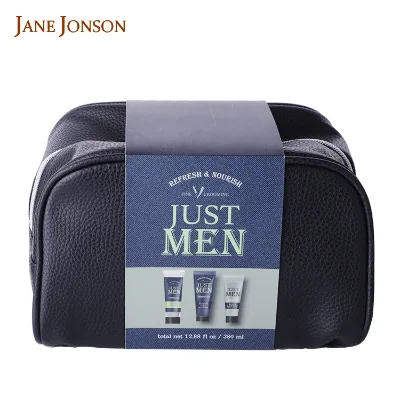
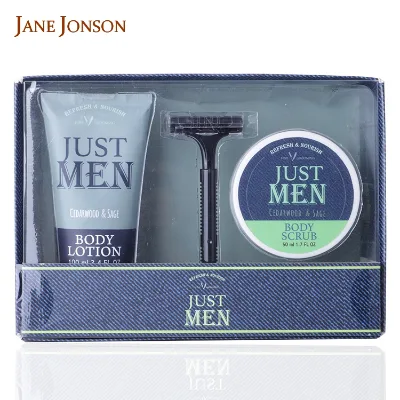
Main productsBath Gift Set, Single Item(Shower Gel, Body Lotion, etc), PET Shampoo, Face Mask Sheet, Hand Sanitizer
Main marketsNorth America(55.00000000000001%), Eastern Europe(30.0%), Southeast Asia(10.0%), Oceania(5.0%)

Guangzhou Dephin Cosmetics Co., Ltd
- Verified by CTI
- Trading Company,Manufacturer/Factory
- China Guangdong
- Lead time23 days
- Avg. response≤ 3h
Main productsSkin Care Products, Hair Care, Body Care, Gel Products, Cream & Lotions, Body Deodorant, Face Serum, Hand & Foot Care, Nail Care, Makeup
Main marketsSouth America,Eastern Europe,Mid East,North America,Southeast Asia,Eastern Asia,Oceania,Western Europe,Africa

Hubei Marine Fine Chemical Co., Ltd.
- Verified by TUVRHEINLAND
- Manufacturer/Factory
- China Hubei
- Lead time23 days
- Avg. response≤ 11h
Main productsAir Freshener, Personal Care Product, Hand Sanitizer, Disinfectant Spray, Spray Paint, Household Cleaning Product, Car Care Products, Insecticide Spray, Mosquitco Coil
Main marketsSouth America,Eastern Europe,Mid East,North America,Southeast Asia,Africa

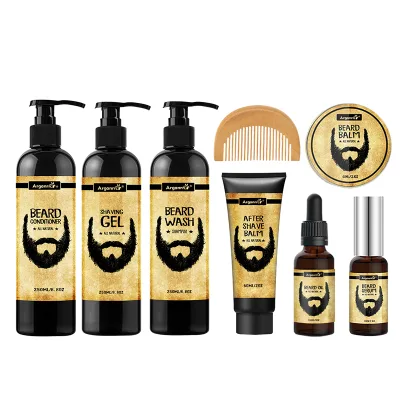
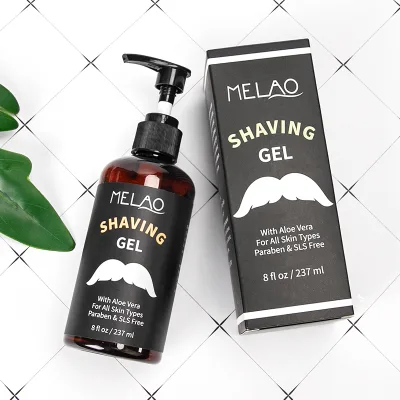
Custom Shaving Foam Shampoo Beard Wash Care Cleanser Moisturizing Cream Shaving Gel Mousse
$0.45 - $0.55
Moq: 30000


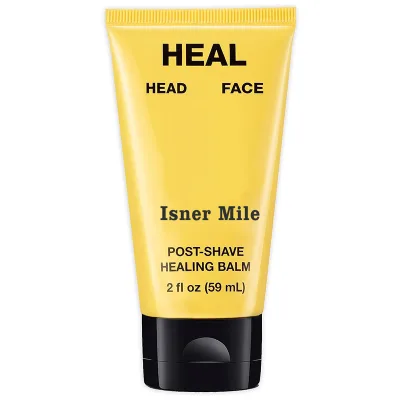
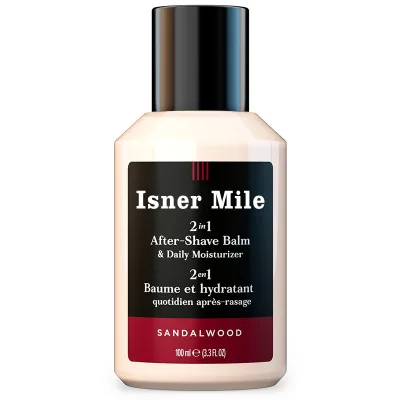
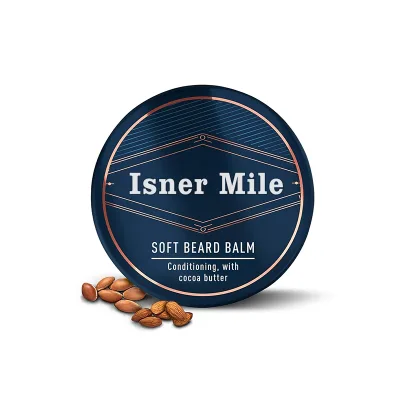
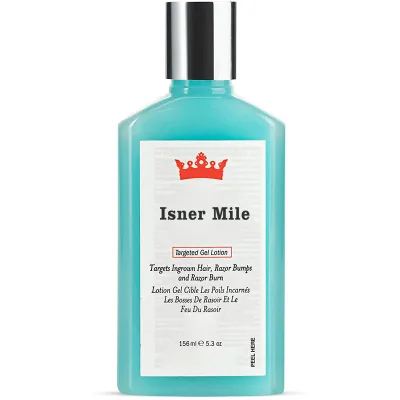
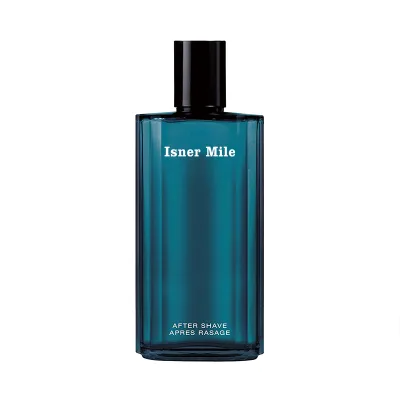
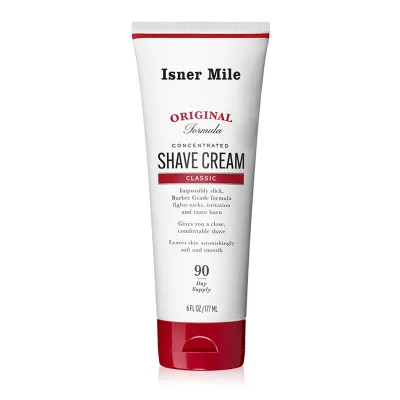
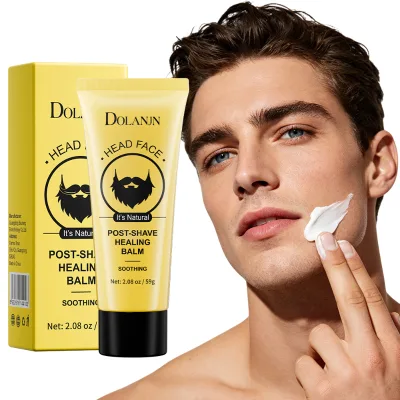
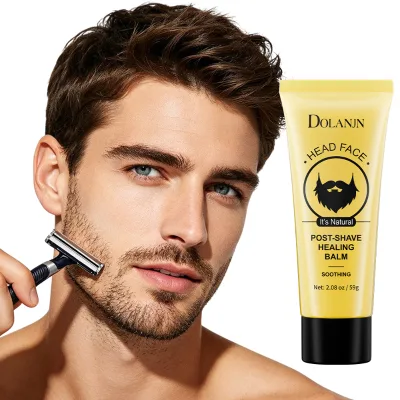
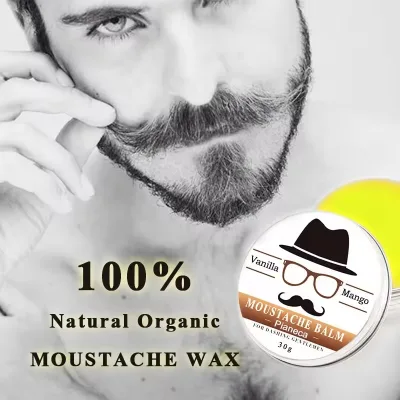
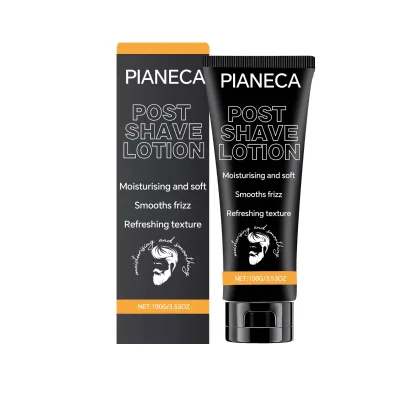
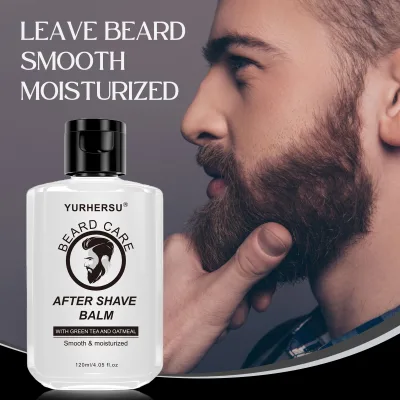
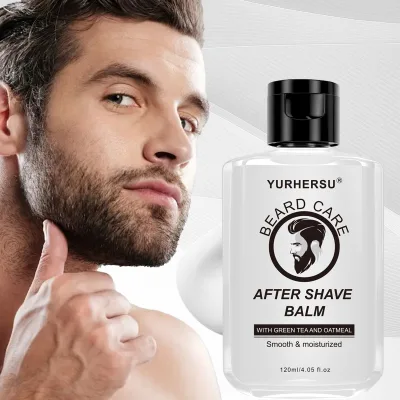
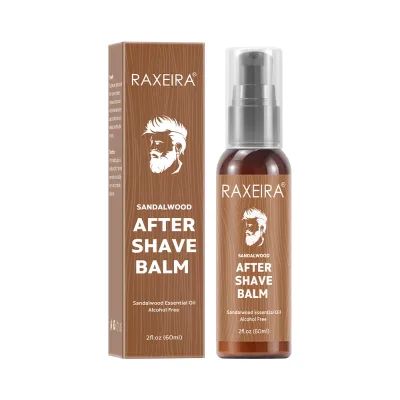
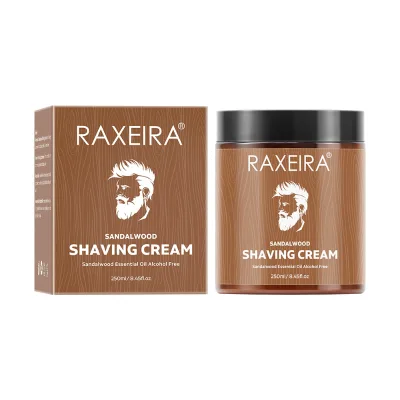
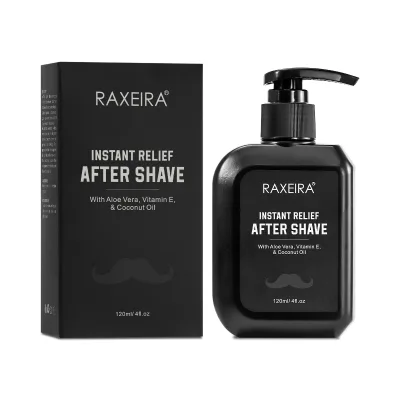


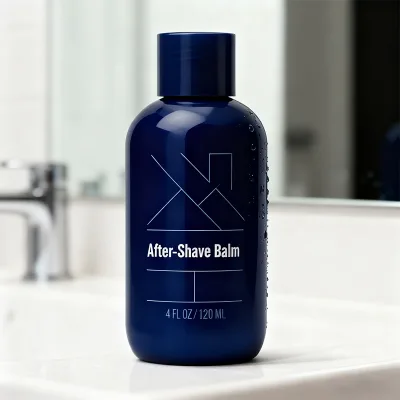
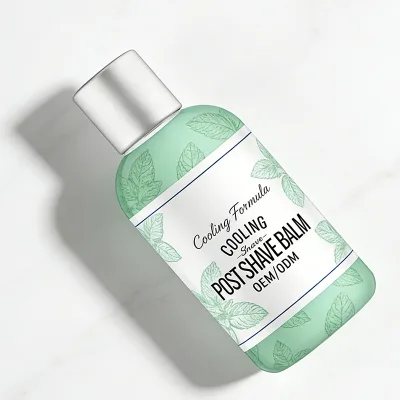





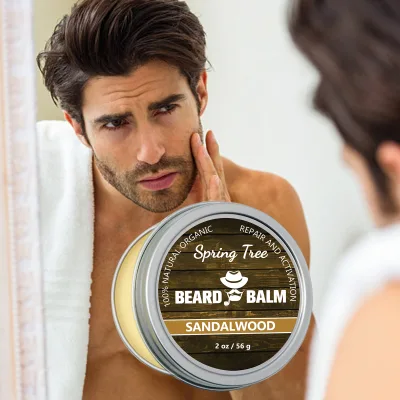
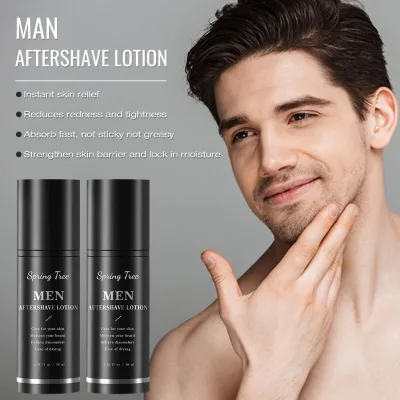
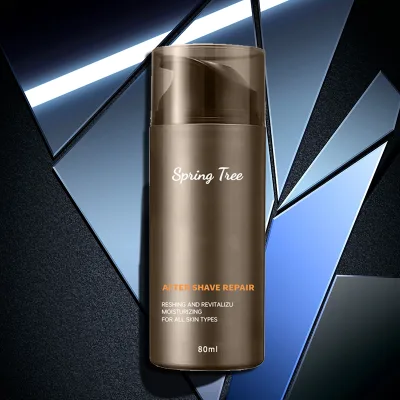
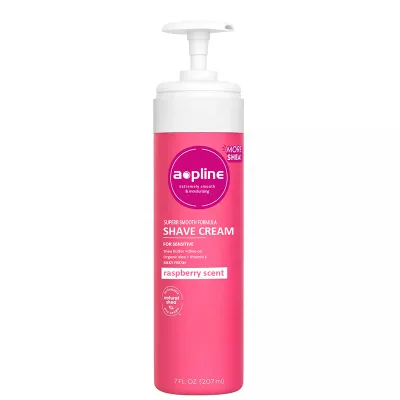
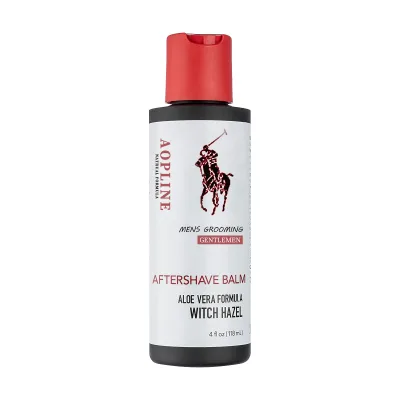
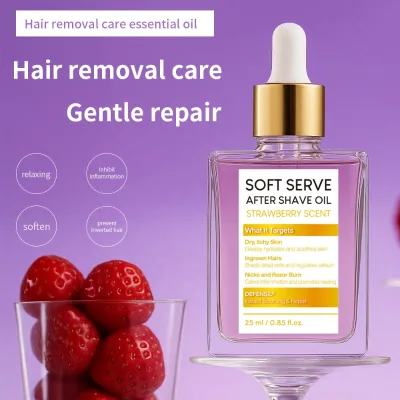
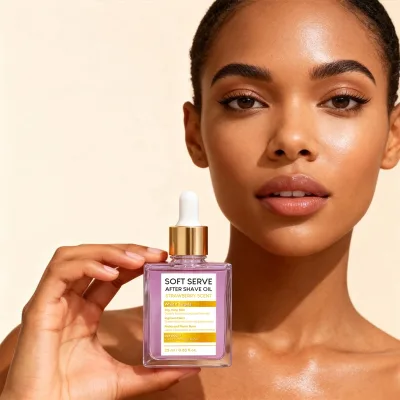


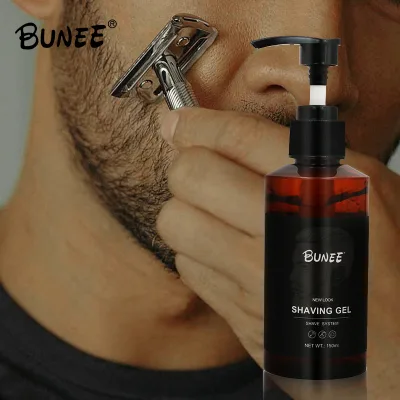




Comprehensive Sourcing Guide
Organic Moisturizing After Shave Balm Supplier Concentration and Factory Types
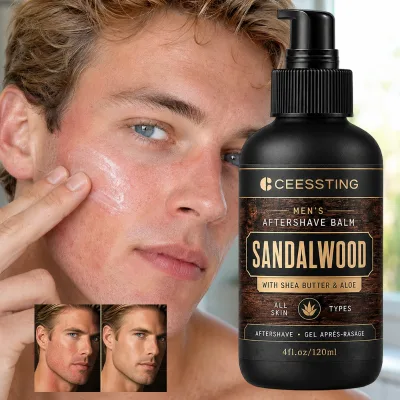
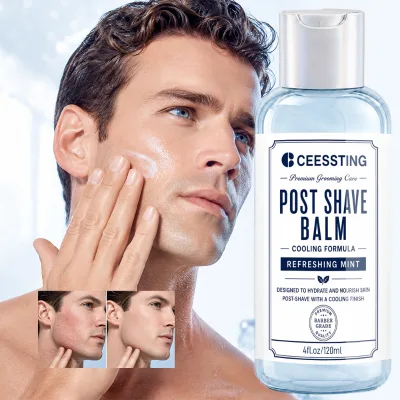
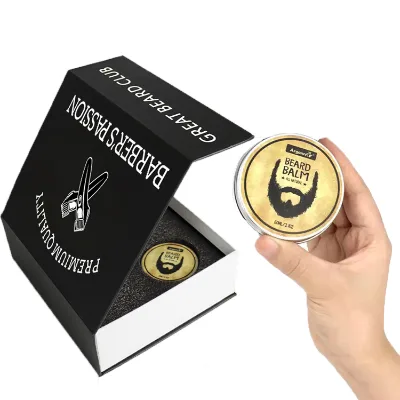
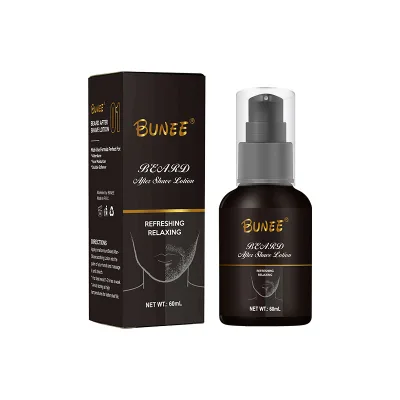
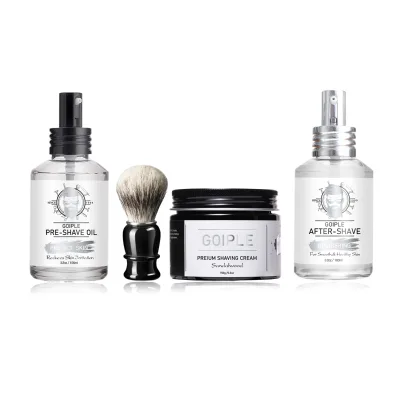
Current data indicates a significant concentration of manufacturing capabilities within China Guangdong, where suppliers offer diverse product lines including hair regrowth solutions and various facial care items. This region hosts both combined entities and dedicated manufacturers capable of handling Original Design Manufacturing and Original Equipment Manufacturing requests. The presence of these facilities suggests a mature ecosystem for producing personal care goods, specifically targeting men's grooming needs with items like beard balms and aftershave products. Buyers should prioritize verifying the specific factory type, as some suppliers operate as combined entities while others function strictly as manufacturers or factories. This distinction impacts the level of control a buyer might have over the production process and the flexibility available for custom formulations.
When assessing the supplier landscape, it is crucial to note that not all entities in this region possess identical capabilities or certifications. While some suppliers display verification from recognized bodies like TUVRHEINLAND, others may show system certifications such as GMP, which is particularly relevant for cosmetic and personal care production. The absence of a specific certification on a profile does not necessarily indicate a lack of quality, but it does require the buyer to request proof of compliance directly. Buyers must investigate whether the supplier's main products align with their specific needs, as some focus heavily on hair regrowth while others specialize in face serums or moisturizing balms. Understanding these product specializations helps in narrowing down the pool to those most likely to deliver the desired organic moisturizing aftershave balm with the required quality standards.
How to Verify Organic Moisturizing After Shave Balm Suppliers
Verification begins with examining the explicit verification status provided in supplier profiles, such as the TUVRHEINLAND designation observed in current results. This third-party validation offers a baseline of trust regarding the supplier's business legitimacy and operational stability. However, buyers should not rely solely on this single metric. It is essential to cross-reference this with system certifications like GMP, which are critical for cosmetic manufacturing to ensure hygiene and safety standards are met. If a supplier profile lists GMP certification, it indicates adherence to Good Manufacturing Practices, which is a significant advantage for products applied directly to the skin. Buyers must request copies of these certificates to confirm their validity and ensure they cover the specific product lines being sourced.
Beyond certifications, the response time of a supplier serves as a practical indicator of their operational efficiency and customer service quality. Data shows response times varying from approximately 4.48 to 7.02 hours, suggesting that some suppliers are more responsive than others. A faster response time often correlates with better communication channels and a more agile supply chain, which is vital when managing custom orders or addressing urgent production issues. Buyers should test this responsiveness by initiating inquiries and noting the speed and quality of the reply. Additionally, checking the supplier's main product list ensures they have experience with similar items like beard care or aftershave balms, rather than just general personal care. This targeted experience reduces the risk of production errors and ensures the supplier understands the specific nuances of organic moisturizing formulations.
What to Compare Across Organic Moisturizing After Shave Balm Suppliers
When evaluating potential partners, buyers must compare key operational metrics such as lead times and minimum order quantities to ensure alignment with their business requirements. Current data reveals lead times ranging from 7 to 10 days for some products, while others extend to 14-21 days, indicating variability in production capacity and scheduling. Similarly, minimum order quantities (MOQ) differ significantly, with some suppliers requiring orders as low as 500 units, while others set thresholds at 1000 or even 10,000 units. These differences directly impact inventory planning and cash flow, making it essential to select a supplier whose MOQ fits the buyer's market entry strategy or current demand volume. Buyers should not assume all suppliers offer the same flexibility and must explicitly confirm these figures before proceeding.
Price structures and customization capabilities also require careful comparison across the supplier base. Product evidence shows price ranges varying from approximately $1.20 to $2.88 per unit, depending on the specific formulation, packaging, and volume. Some suppliers offer private labeling and custom formula services, which are critical for brands seeking unique market positioning. However, the availability of these services often comes with higher MOQs or longer lead times. Buyers should analyze the trade-off between cost and customization, ensuring that the chosen supplier can deliver the specific product attributes required, such as organic ingredients or specific packaging standards. It is also important to verify payment terms, as options like T/T, West Union, and Money Gram vary in security and convenience. A comprehensive comparison of these factors ensures the selected supplier offers the best value proposition for the specific project needs.
Common Organic Moisturizing After Shave Balm Sourcing Risks
One significant risk in sourcing organic moisturizing aftershave balms involves the potential mismatch between claimed certifications and actual production standards. While some suppliers display certifications like CE, EEC, FDA, GMP, and MSDS, others may list them without providing verifiable documentation. Buyers must be cautious of profiles that claim extensive certifications but lack the supporting evidence or have a history of non-compliance. The absence of a specific certification on a profile does not automatically disqualify a supplier, but it necessitates a rigorous due diligence process to confirm that the products meet the necessary safety and regulatory requirements for the target market. Relying on unverified claims can lead to product recalls, legal issues, and damage to brand reputation.
Another critical risk is the inconsistency in lead times and production capacity, which can disrupt supply chain planning. Data indicates that lead times can vary from 7 days to over three weeks, depending on the product type and order volume. Suppliers with longer lead times may struggle to meet urgent demand or may face delays due to raw material shortages or production bottlenecks. Additionally, the minimum order quantity requirements can pose a financial risk if the buyer overestimates demand or underestimates market acceptance. High MOQs can tie up capital in inventory that may not sell as quickly as anticipated. Buyers should mitigate these risks by establishing clear communication channels, setting realistic expectations, and potentially starting with smaller trial orders to validate the supplier's reliability before committing to larger volumes.
Organic Moisturizing After Shave Balm Regional Sourcing and Logistics
The primary sourcing hub identified in current data is China Guangdong, a region known for its robust manufacturing infrastructure and access to raw materials. This location offers logistical advantages due to its proximity to major ports and established supply chains, which can facilitate efficient shipping and reduce transit times. However, buyers should not assume that all suppliers are located in this specific region, as the search results may include entities from other areas. It is crucial to verify the actual origin of the products, as this impacts shipping costs, import duties, and delivery timelines. Buyers should request detailed shipping information and confirm the port of origin to accurately calculate the total landed cost of the products.
Logistics planning must also account for the specific packaging and handling requirements of organic moisturizing balms. Some products are packaged in boxes, while others may require specialized containers to maintain product integrity during transit. The standard packaging formats observed include various sizes like 88ml, 90ml, 100ml, and 118ml, each with different volume and weight implications for shipping. Buyers should ensure that the supplier's packaging standards align with their distribution requirements to prevent damage or leakage. Additionally, the use of custom packaging by clients, as noted in some product attributes, may require additional coordination and lead time. Understanding these logistical nuances helps in planning a smooth supply chain and avoiding unexpected delays or costs associated with product handling and transportation.
Organic Moisturizing After Shave Balm Commercial Terms and Order Planning
Commercial terms and payment structures play a pivotal role in the success of any sourcing agreement. Current data indicates that suppliers offer various payment methods, including T/T, West Union, and Money Gram, each with different implications for security and transaction speed. Buyers should carefully evaluate these options to ensure they align with their financial policies and risk tolerance. It is also important to clarify the payment schedule, such as whether a deposit is required upfront or if payments are made upon shipment. Understanding these terms helps in managing cash flow and minimizing financial exposure during the procurement process. Buyers should negotiate terms that provide flexibility while ensuring the supplier is compensated fairly for their services.
Order planning must consider the interplay between lead times, MOQs, and production capacity to ensure a steady supply of products. With lead times ranging from 7 to 21 days and MOQs varying from 500 to 10,000 units, buyers need to develop a robust forecasting model to avoid stockouts or overstocking. The ability to customize formulas and packaging, as offered by many suppliers, adds another layer of complexity to order planning. Buyers should factor in the time required for sample approval and production adjustments when setting their order timelines. Additionally, the warranty periods, such as the three-year warranty observed in some product listings, should be considered in the overall risk management strategy. A well-planned order schedule ensures that the supply chain remains resilient and responsive to market demands.
FAQs
What is the typical lead time for custom orders?
Manufacturers generally require 7 to 21 days to produce custom orders. Specific timelines depend on the complexity of the formula and packaging design. Some suppliers offer faster turnaround times of 7 to 10 days for standard formulations, while others may need up to 21 days for more intricate private label requirements.
What are the minimum order quantities for private labeling?
Minimum order quantities vary significantly by supplier and product type. Some manufacturers require a minimum of 500 units for basic customization, while others set the threshold at 1000 units. Larger production runs may start at 3000 units. Buyers should verify the specific MOQ with each supplier before placing an order.
Which certifications are available for these products?
Products often carry CE, EEC, FDA, GMP, and MSDS certifications. These credentials ensure compliance with international safety and quality standards. Buyers should request specific certification documents to verify that the manufacturing processes meet the regulatory requirements of their target market before finalizing any procurement agreements.
Where are these manufacturers located?
Most suppliers are located in Guangdong, China. This region is a major hub for cosmetics and personal care manufacturing. Buyers can expect efficient logistics and supply chain integration from these locations. It is advisable to confirm the exact factory address to assess shipping costs and delivery feasibility.
What customization services are offered?
Suppliers typically provide OEM and ODM services, including custom formulas, design, and packaging. Private labeling is widely available. Some manufacturers also offer shooting services for marketing materials. Buyers should discuss their specific branding needs to ensure the supplier can meet their unique product requirements.
What is the price range for bulk orders?
Prices generally range from $1.20 to $2.88 per unit. The final cost depends on the product size, ingredients, and order volume. Lower prices often apply to larger quantities, while specialized formulations may cost more. Buyers should request detailed quotes based on their specific quantity and customization needs.