Bamboo Lid Acrylic Apothecary Jar Suppliers and Manufacturers
Source Bamboo Lid Acrylic Apothecary Jar suppliers with SourcingX and compare 26 manufacturers and trading companies by location, lead time, response time, MOQ, customization options and certifications. Request quotes and verify each supplier before committing to an order; review the available evidence before requesting comparable quotations from suitable candidates.
Suppliers List

NINGBO JINJUN HOUSEHOLD PRODUCTS CO.,LTD.
- Trading Company
- Zhejiang, China
- Lead time30 days
- Avg. response≤ 4h
Main productsKitchen Organizer,Cosmetic Storage,Pantries Organizer,Office supplies,Shoe and Cloth storage
Main marketsOceania(30.00%), North America(30.00%), Northern Europe(10.00%), Western Europe(10.00%), Eastern Asia(10.00%), Southeast Asia(10.00%)

Xiamen Ebei Import & Export Co., Ltd.
- Verified by CTI
- Trading Company,Manufacturer/Factory
- China Fujian
- Lead time45 days
- Avg. response≤ 2h
Main productsEco-Friendly Products, Bamboo Tableware, Bamboo Furniture, Bamboo Kitchenware, Bamboo Office Supply, Bamboo Fibre Products, Biodegradable Products, Bamboo Towel, Solar Energy Products, Bamboo Garden Products
Main marketsSouth America,Eastern Europe,Mid East,North America,Southeast Asia,Eastern Asia,Oceania,Western Europe,Africa


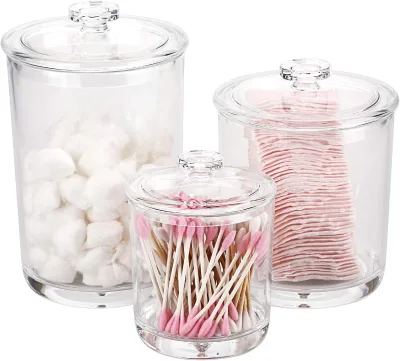
Small 3 Tier Level Stackable Round Glass Storage Apothecary Jar Set with Lid
$4.00 - $4.20
MOQ: 500 Pieces


Xuzhou Huajing Glass Products Co., Ltd.
- Verified by BV
- Combined
- China Jiangsu
- Lead time23 days
- Avg. response≤ 10h
Main productsGlass Bottle, Glass Jar, Water Bottle, Perfume Bottle, Mason Jars, Candle Jar, Plastic Bottles, Lids Bottle Caps Closures, Wine Bottle, Juice Bottle
Main marketsSouth America,Africa,Southeast Asia/ Mideast,East Asia(Japan/ South Korea),Domestic,Europe,Australia,North America

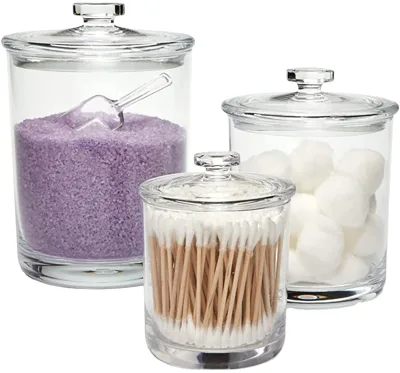
Manufacturer Empty Storage Thick Glass Apothecary Jar with Childproof Lid
$0.15 - $0.22
MOQ: 10000 Sets


Xuzhou Boklan Import & Export Trade Co., Ltd.
- Verified by TUVRHEINLAND
- Trading Company,Manufacturer/Factory
- China Jiangsu
- Lead time38 days
- Avg. response≤ 8h
Main productsGlass Jar, Glass Bottle, Liquor Glass Bottle, Lids Caps Corks, Cosmetic Jar, Essential Oil Bottle, Glass Tube, Sauce Bottle, Mason Jar, Plastic Bottle
Main marketsSouth America,Eastern Europe,Mid East,North America,Southeast Asia,Eastern Asia,Oceania,Western Europe,Africa


Bathroom Vanity Countertop Apothecary Canister Glass Jar 300ml for Qtip Cotton
$0.85 - $0.97
MOQ: 2000 Pieces


Zhongshan Yicai Bamboo Products Co., Ltd.
- Manufacturer/Factory
- China Guangdong
- Lead time15 days
- Avg. response≤ 4h
Main productsBamboo and Wood Makeup Packaging, Bamboo and Wood Perfume Cap, Bamboo and Wood Skin Care Packaging, Bamboo and Wood Accessories, Bamboo and Wood Display, PLA Makeup Packaging, Ceramic Makup Packaging, PCR Makeup Packaging, Perfume Bottle, Skincare Packaging
Main marketsSouth America,Eastern Europe,Mid East,North America,Southeast Asia,Eastern Asia,Oceania,Western Europe,Africa
Xuzhou Huanfei Import And Export Trading Co., Ltd.
- Trading Company
- Jiangsu Province, China
- Lead time30 days
- Avg. response≤ 7h
Main productsPerfume Bottle,Water Cup,Aromatherapy Bottle,Lotion Bottle,Candle Holder
Main marketsNorth America(30.00%), Southeast Asia(20.00%), Eastern Europe(10.00%), South America(10.00%), Southern Europe(5.00%), Northern Europe(5.00%), Central America(5.00%), Western Europe(5.00%), Oceania(5.00%), Africa(5.00%)

Xuzhou Xulang Glass Manufacturing Company., Ltd
- Verified by BV
- Trading Company,Manufacturer/Factory
- China Jiangsu
- Lead time30 days
- Avg. response≤ 3h
Main productsGlass Bottle, Glass Jar, Spice Grinder, Cup, Milk Bottle
Main marketsSouth America,Eastern Europe,Mid East,North America,Southeast Asia,Eastern Asia,Oceania,Western Europe,Africa

Mini Round Cylinder Apothecary Canning Small Pickle Glass Jar with Locking Lid Clamp Closure
$1.00 - $1.80
MOQ: 2000 Pieces

Wholesale Cheap Airtight Glass Apothecary Round and Square Jars with Lid
$1.50 - $2.20
MOQ: 2000 Pieces

Empty Large Clear Amber Wide Mouth Bud Vase Apothecary Glass Reagent Bottle and Jar with Glass Lid
$0.14 - $0.22
MOQ: 2000 Pieces

Tianjin Jiaming Technology Co., Ltd.
- Verified by SGS
- Trading Company
- China Tianjin
- Lead time15 days
- Avg. response≤ 9h
Main productsGlass Jar, Glass Cup, Kitchen Utensils, Teapot, Glass Pitcher
Main marketsOthers(foreignTradeCapacity.exportBusinessCapacityMarketOther)


650ml 750ml Borosilicate Glass Sealed Glass Storage Jars with Wooden Sealed Lids and Wooden Spoons
$2.68 - $3.77
MOQ: 500 Pieces

CANGZHOU BEWIN PIPELINE CO., LTD.
- Manufacturer/Factory,Group Corporation
- China Hebei
- Lead time45 days
- Avg. response≤ 8h
Main productsStainless Steel Fitting, Stainless Steel Ball Valve, Seamless Pipe, Post Anchor, Wire Mesh, Barbed Wire Machine, Spiral Pipe, Grating, Ground Screw, Flange Ball Valve
Main marketsSouth America,Eastern Europe,Mid East,North America,Southeast Asia,Eastern Asia,Oceania,Western Europe,Africa

Xuzhou Honghua Glass Technology Co., Ltd.
- Verified by CTI
- Combined
- China Jiangsu
- Lead time15 days
- Avg. response≤ 3h
Main productsGlass Bottle, Glass Jar, Candle Jar, Lunch Box, Glassware, Class Cup
Main marketsSouth America,Africa,Others(foreignTradeCapacity.exportBusinessCapacityMarketOther),Southeast Asia/ Mideast,East Asia(Japan/ South Korea),Domestic,Europe,Australia,North America

Amber Glass Apothecary Jar with Multiple Color Cap Options for Pharmacy Use
$0.10 - $0.12
MOQ: 1000 Pieces

$0.15 - $0.25
MOQ: 1000 Pieces

Wholesale Wide Mouth Amber Clear Glass Apothecary Candle Jar Household Candle Jar
$0.35 - $0.45
MOQ: 1000 Pieces


Xuzhou Selead Packaging Material Co., Ltd.
- Verified by SGS
- Trading Company
- China Jiangsu
- Lead time15 days
- Avg. response≤ 6h
Main productsGlass Bottle, Plastic Bottle, Water Bottle, Glass Jar, Mason Jar, Wine Bottle, Cosmetic Bottle, Beverage Bottle, Glass, Candle Holder
Main marketsAfrica,Southeast Asia/ Mideast,Europe,North America

ANHUI IDEA TECHNOLOGY CO., LTD
- Verified by TUVRHEINLAND
- Trading Company
- China Anhui
- Lead time23 days
- Avg. response≤ 4h
Main productsGlass Jar, Glass Bottle, Pet Preform, Aluminum Cans, Glass Cup, Bottle Caps Jar Lids, Candle Jars, Perfume Bottle, Cosmetic Bottle
Main marketsSouth America,Africa,Southeast Asia/ Mideast,East Asia(Japan/ South Korea),Europe,Australia,North America

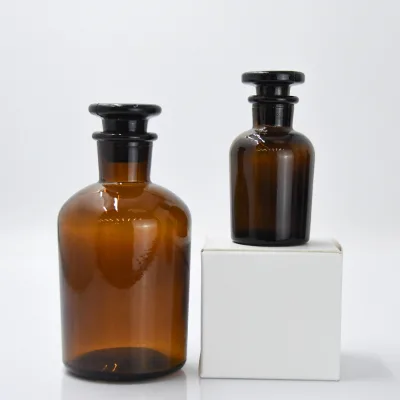
250ml Clear Amber Wide Mouth Lab Apothecary Glass Reagent Bottle and Jar with Cork Lid
$0.32 - $0.36
MOQ: 2000 Pieces

Factory High Borosilicate Glass Jar Glass Canister with Bamboo Lid/Wooden Lid/Acacia Lid
$0.70 - $1.20
MOQ: 1000 Pieces


Anhui Creative Packaging Technology Co., Ltd.
- Verified by BV
- Trading Company,Manufacturer/Factory
- China Anhui
- Lead time23 days
- Avg. response≤ 5h
Main productsGlass Jars, Glass Bottles, Glass Liquor/Beer/Oil Bottles, Glass Cosmetic/Perfume Bottles, Glass Cup, Candle Jar, Preform, Lids/Cap, Aluminum Cans, Wine Glass
Main marketsSouth America,Eastern Europe,Mid East,North America,Southeast Asia,Eastern Asia,Oceania,Western Europe,Africa

Empty Clear Amber Wide Mouth Glass Apothecary Jar with Glass Lid in Laboratory
$0.20 - $0.30
MOQ: 10000 Pieces


Hot Sale Amber Apothecary Jars Chemical Laboratory Glassware Glass Reagent Medical Bottles with Lid
$0.25 - $0.38
MOQ: 1000 Pieces


Lab Clear Wide Mouth Amber Bottle Glass Apothecary Jar with Glass Stopper
$0.20 - $0.30
MOQ: 10000 Pieces


Shenzhen Bright Glassware Co., Ltd.
- Verified by SGS
- Trading Company
- China Guangdong
- Lead time30 days
- Avg. response≤ 8h
Main productsGlassware, Candle Jar, Glass Candle Holder, Reed Diffuser Bottle, Glass Perfume Bottle, Drinkware, Food Storage Jar, Candle Lid, Packaging Gift Box

Colorful Clear Amber Black Frosted Empty Glass Candle Jar with Bamboo Lid Box
$0.20 - $0.80
MOQ: 2000 Pieces


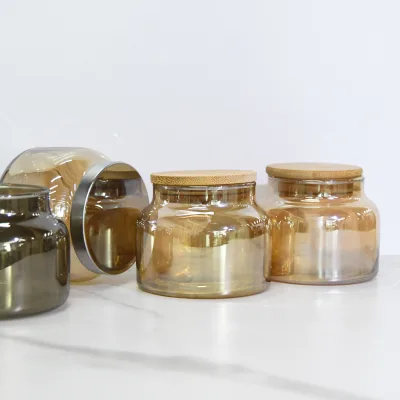
Hot Sale Household 300ml 500ml Storage Glass Jars with Bamboo Airtight Lids
$0.50 - $1.50
MOQ: 3000 Pieces

The High-Quality Bamboo Lids Suitable for Glass 125ml 150ml Candle Jars
$0.30 - $0.48
MOQ: 1000 Pieces

Amber Glass Candle Jar Wholesale Round Bottom Amber Glass Jar with Wooden Lids
$0.50 - $2.00
MOQ: 3000 Pieces


Xuzhou Crystal Glass Products Co., Ltd.
- Verified by SGS
- Trading Company
- China Jiangsu
- Lead time30 days
- Avg. response≤ 5h
Main productsGlass Bottle, Beverage Bottle, Wine Bottle, Mason Jar, Food Storage Jar, Spice Bottle, Spice Grinder, Table Glassware, Cosmetic Bottle, Cup
Main marketsOthers(foreignTradeCapacity.exportBusinessCapacityMarketOther),Europe

34oz 17oz 4oz Vintage Botany Apothecary Jars Scientific Lab Reagent Decorative Bottles
$0.10 - $1.00
MOQ: 5000 Pieces

Top Sale 125ml 250ml Clear Amber Vintage Style Apothecary Jar with Hand Ground Glass Stopper
$0.19 - $0.59
MOQ: 500 Pieces

34oz 17oz 4oz Vintage Botany Apothecary Jars Scientific Lab Reagent Decorative Glass Bottles/Vase
$0.10 - $0.60
MOQ: 5000 Pieces
Shenzhen Bright Glassware Co., Ltd.
- Verified by TüVRheinland
- Manufacturer, Trading Company
- Lead time30 days
- Avg. response≤ 3h
Main productsCandle Jar, Storage Jar, Diffuser Bottle, Candle Accessories, Paper Box
Main marketsNorth America(37%), Western Europe(14%), Northern Europe(13%)
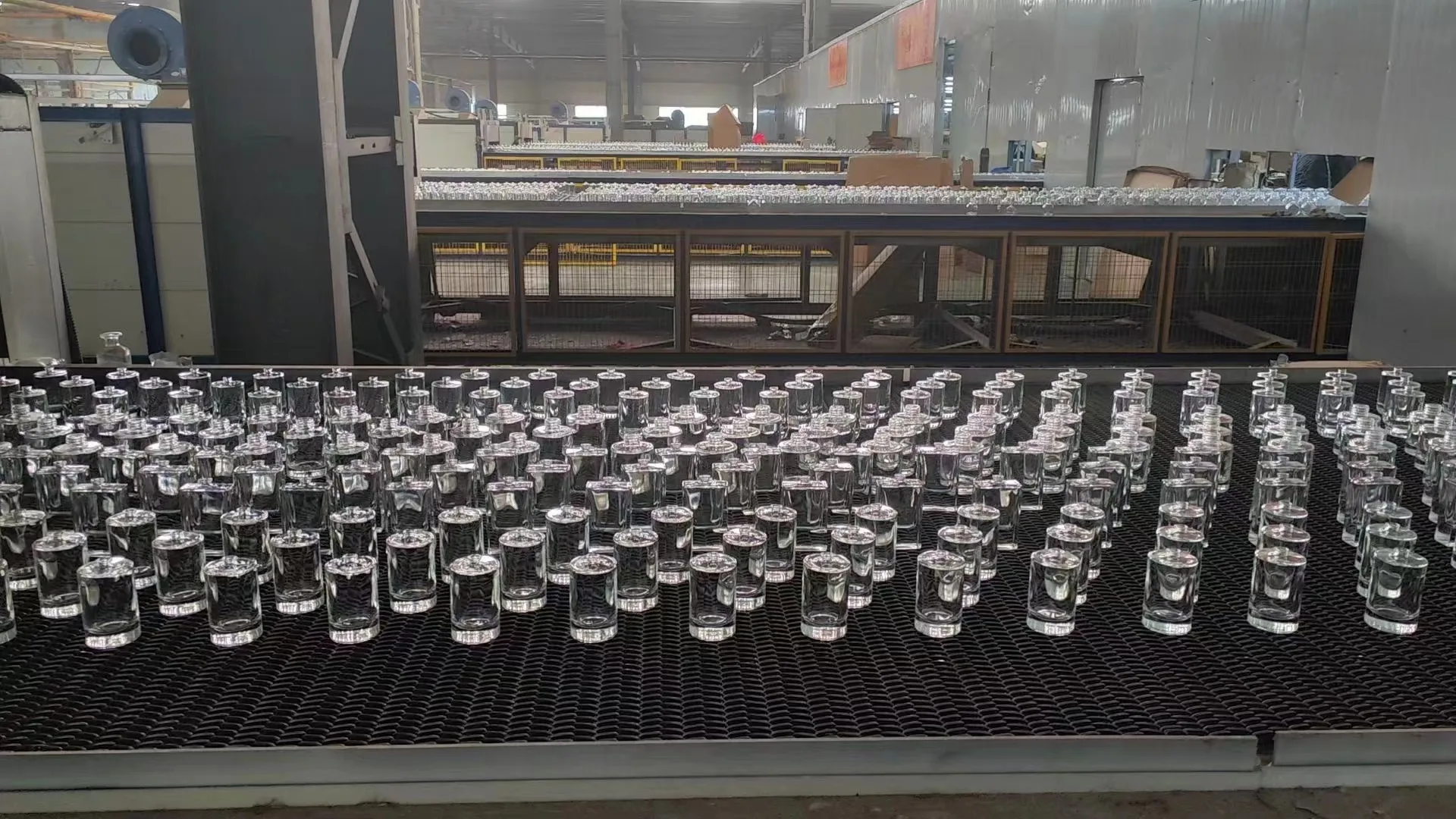
Xuzhou Huiju Glass Products Co., Ltd.
- Manufacturer, Trading Company
- Jiangsu, China
- Lead time20 days
- Avg. response≤ 3h
Main productsSupplement Bottle,Unishell Cap,Oud Oil Bottles,Candle Jars,Amber Jars
Main marketsNorth America(40.00%), Mid East(20.00%), Oceania(10.00%), Southeast Asia(7.00%), South America(5.00%), Southern Europe(3.00%), Northern Europe(3.00%), Western Europe(3.00%), South Asia(2.00%), Africa(2.00%), Central America(2.00%), Eastern Europe(2.00%), Eastern Asia(1.00%)
Xuzhou Menbank Packaging Material Co., Ltd.
- Verified by TüVRheinland
- Trading Company
- Lead time15 days
- Avg. response≤ 2h
Main productsGlass Bottles, Candle Jars, Cream Jars, Glass Jars, Child Proof Glass Jars
Main marketsNorth America(60%), Western Europe(30%), Mid East(2%)
JINAN FLAME GLASSWARE COMPANY LIMITED
- Verified by SGS
- Trading Company
- China Shandong
- Lead time23 days
- Avg. response≤ 19h
Main marketsDomestic

Hot Sale Amber Apothecary Jars Chemical Laboratory Glassware Glass Reagent Medical Bottles with Lid
$0.20 - $5.00
MOQ: 100 Pieces

$0.20 - $5.00
MOQ: 100 Pieces


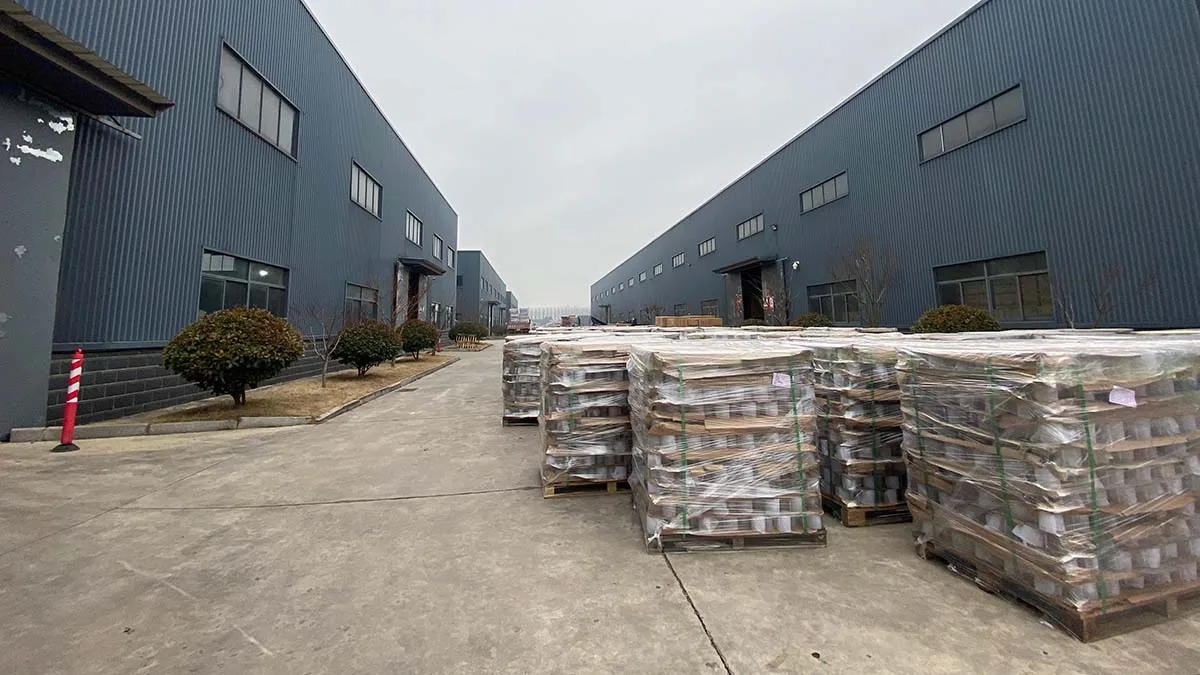
Hebei Luzhou Import & Export Trading Co., Ltd.
- Trading Company
- Hebei, China
- Lead time0 days
- Avg. response≤ 4h
Main productscandle jars,diffuser bottles,metal tins,cement jars,candle box
Main marketsOceania(40.00%), North America(40.00%), Eastern Europe(20.00%)
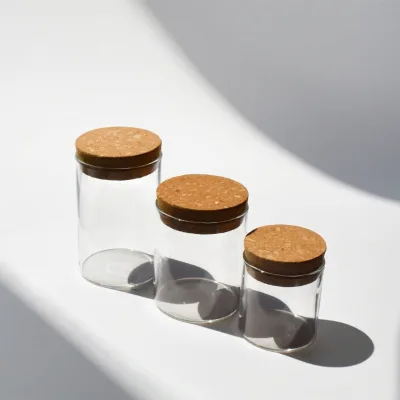
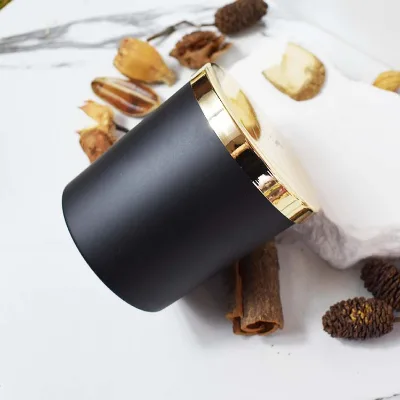
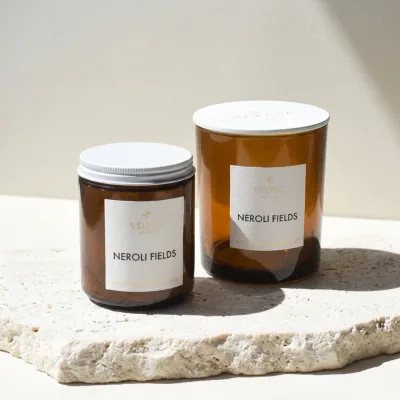
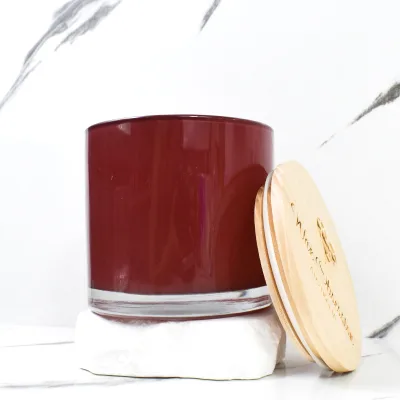
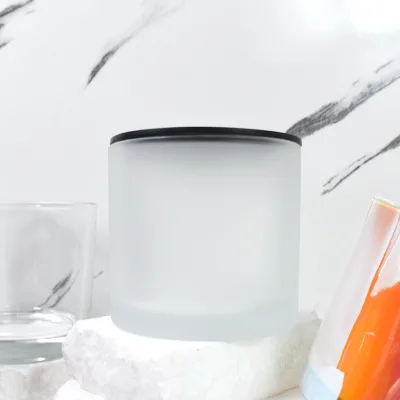
Apothecary Dubai Luxury Custom Colors logo Lids Geo Cut Glass Candle Sample Jars with Lid
Contact supplier
MOQ: 500 Minimum
Hefei Ownswing Houseware Co., Ltd.
- Verified by SGS Group
- Manufacturer, Trading Company
- Lead time30 days
- Avg. response≤ 4h
Main productsPlastic Food Storage Container, Kitchen Organizer, Fridge Organizer, Cereal Container Set, Drawer Organizer
Main marketsNorth America(50%), Mid East(15%), Western Europe(10%)
Zibo Comm-Mountain Glassware Co., Ltd.
- Manufacturer, Trading Company
- Shandong, China
- Lead time45 days
- Avg. response≤ 8h
Main productsGlassware and Accessories
Main marketsWestern Europe(45.00%), North America(20.00%), Domestic Market(16.00%), Southern Europe(7.00%), Eastern Europe(5.00%), Northern Europe(5.00%), Eastern Asia(2.00%)

Zibo Melory Import & Export Trade Co., Ltd.
- Trading Company,Manufacturer/Factory
- China Shandong
- Lead time45 days
- Avg. response≤ 19h
Main productsGlass Candle Holder, Glass Jar, Glass Votive, Glass Diffuser, Glass Bottle, Glass Vase, Matches, Ceramic Candle Holder, Ceramic Holder for Incense, Glass Candle Jar
Main marketsSouth America,Eastern Europe,North America,Western Europe
Xiamen Horae Glassware Co., Ltd.
- Manufacturer, Trading Company, Distributor/Wholesaler
- Fujian, China
- Lead time0 days
- Avg. response≤ 4h
Main productsglassware,glass products,glasses,packing,gift and crafts
Main marketsEastern Europe(20.00%), North America(20.00%), Western Europe(15.00%), Southeast Asia(10.00%), Southern Europe(5.00%), Northern Europe(5.00%), Central America(5.00%), South America(5.00%), Eastern Asia(5.00%), Mid East(5.00%), Oceania(5.00%)

Guangzhou Garbo International Trading Co., Ltd.
- Verified by TUVRHEINLAND
- Trading Company,Manufacturer/Factory
- China Guangdong
- Lead time45 days
- Avg. response≤ 6h
Main productsGlassware, Glass Cup, Glass Mug, Glass Bowl, Glass Candy Jar, Glass Pitcher, Glass Ice Cream Cup and Ice Bucket, Opal Glassware, Stainless Steel Cutlery, Ceramic Dinnerware
Main marketsSouth America,Eastern Europe,Mid East,North America,Southeast Asia,Eastern Asia,Oceania,Western Europe,Africa

High Borosilicate Glass Jar for Storage High-Quality Glass Jar with Line Embossed and Bamboo Lid
$1.20 - $1.32
MOQ: 3000 Pieces

Qingdao Newauto Import&Export Co., Ltd.
- Verified by CTI
- Trading Company
- China Shandong
- Lead time30 days
- Avg. response≤ 6h
Main productsHookah, Decanter, Candlesticks, Tea Cup, Tea Pot, Smoking Pipe, Glass Smoking Pipe, Wine Bottle, Wine Cup, Gift Item
Main marketsEurope




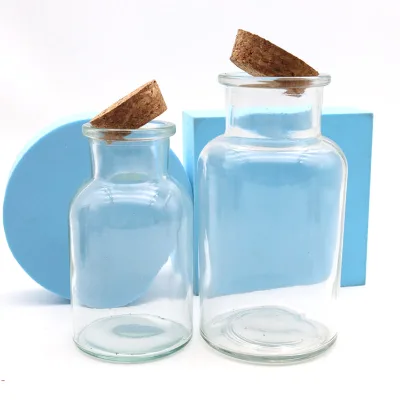
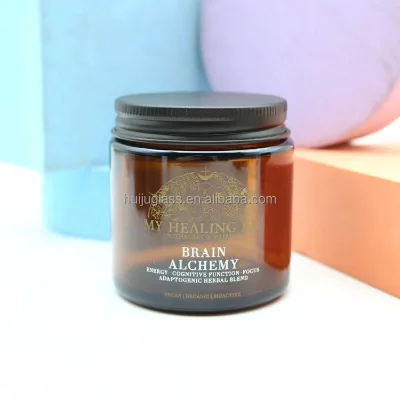
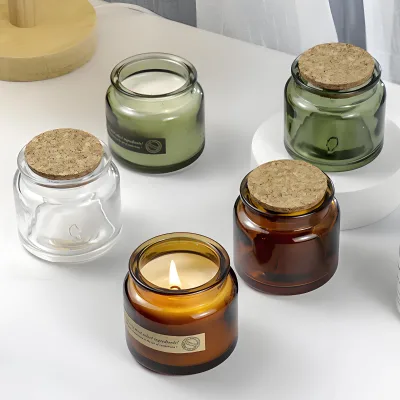
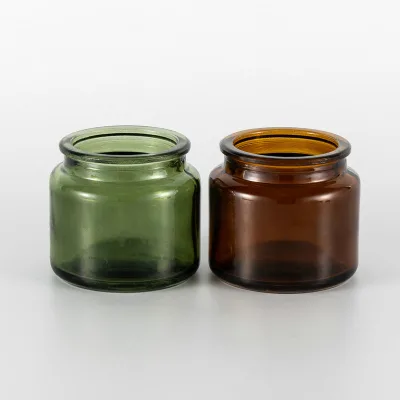




Comprehensive Sourcing Guide
Bamboo Lid Acrylic Apothecary Jar Supplier Concentration and Factory Types
Suppliers listed under this keyword fall into two broad camps: acrylic storage specialists and eco-friendly bamboo product makers. One profile is a trading company based in Zhejiang whose main products cover kitchen organizers, cosmetic storage, pantry organization, office supplies, and shoe and cloth storage, with a flagship listing for high transparent acrylic apothecary jars with lids sold as candy jars. Another profile combines trading company and manufacturer/factory roles in Fujian, centered on eco-friendly products, bamboo tableware, bamboo kitchenware, bamboo office supply, and biodegradable products, offering an engraved natural bamboo cylindrical storage jar with lid. This mix matters because the keyword itself spans two material categories, and a supplier strong in acrylic may source lids from elsewhere, while a bamboo factory may not mold acrylic bodies in-house.
Beyond these two documented profiles, you should treat cluster identification as a verification task rather than an assumption. Filter candidate suppliers by their declared location, company type, and main product lines, then check whether the specific jar construction you need appears in their own listings. Ask each candidate directly whether the acrylic body, the bamboo or acrylic lid, and any assembly step are produced at their own facility or by a partner. The answer changes your audit scope, your defect liability, and your ability to enforce tolerances, so confirm it in writing before sampling rather than inferring capability from a product photo or category listing.
How to Verify Bamboo Lid Acrylic Apothecary Jar Suppliers
Start with the verification signals that are actually displayed. One Fujian-based profile in these results carries a system certification of BSCI and is verified by CTI, which gives you a third-party audit trail for social compliance and an independent identity check. The acrylic jar profile from Zhejiang does not display a certification in the current data, so treat certification as an open question and request documentation such as material compliance statements for the acrylic/PMMA resin and any food-contact claims, since the jar listing declares a food storage function. Never assume an unlisted certification exists, and never accept a certificate image without checking the issuing body.
Verification should also cover the mismatch between company type and capability. A trading company can legitimately coordinate a factory network, but you need to know which entity will control quality inspections and who signs the purchase contract. For the bamboo supplier, OEM capacity is declared, so ask for evidence of past customization projects and confirm whether their laser logo service applies to your jar design. For the acrylic supplier, request the model number documentation, in this case the listing shows model JJL-AJ003S and a PS+Acrylic variant, and ask which variant applies to your order. Finally, verify response behavior against the declared figures: response times of 4 hours and roughly 1.7 hours are shown for the two profiles, so test each supplier with a technical question and compare actual reply speed and quality to the claim.
What to Compare Across Bamboo Lid Acrylic Apothecary Jar Suppliers
Build a comparison sheet from the dimensions the supplier data actually exposes. On lead time, the acrylic listing shows 30 days while the bamboo profile shows 45 days, and its product detail specifies 45 to 60 days after order confirmation, so normalize whether you are comparing headline figures or contractual delivery windows. On MOQ, the acrylic jar listing is 500 pieces and the bamboo jar is 1000 pieces, a meaningful difference if you are testing a new retail line. Response time varies from about 1.7 hours to 4 hours across these profiles, which is a useful proxy for account management quality during a live negotiation. Location matters for freight planning: Zhejiang and Fujian sit in different coastal provinces with different port access. Main products reveal specialization breadth, so favor suppliers whose core lines genuinely include storage jars rather than generalists.
Also compare customization and supply signals. The acrylic listing declares OEM availability above 1000 pieces, in-stock samples, and a supply ability of 10000 pieces per month, while the bamboo profile declares customization available, laser-engraved logos, and a sample time of 10 to 15 days. Compare specification depth too: the acrylic jars come in 15OZ, 30OZ, and 60OZ sizes as a three-piece set with a declared ≤5kg load and airtight function, whereas the bamboo jar is a 9.8 by 9.8 by 10.7 cm cylindrical piece weighing 0.2kg. Price ranges, where shown, must be compared at equivalent MOQ and specification levels.
Common Bamboo Lid Acrylic Apothecary Jar Sourcing Risks
The most common risk in this hybrid category is material substitution. The acrylic listing itself shows two material variants, one described as Acrylic/PMMA and a second as PS+Acrylic, which means the same visual product may be offered in different resins with different clarity, impact strength, and food-contact behavior. If your order is quoted at a lower price than the listing range, check which material was assumed. A second risk is airtightness claims: the listing declares an airtight functional design, but seal performance between an acrylic body and a bamboo lid depends on gasket design, and bamboo swells with humidity. Require a seal test on production samples, not just pre-production samples.
A third risk is tolerance drift. The acrylic listing declares dimensional tolerance under ±5mm inclusive and weight tolerance under ±5 percent, so put those figures into your specification sheet and inspect against them. Bamboo products carry their own risks around moisture content, cracking, and finishing, and the bamboo listing's claim of 100 percent exporter standard quality is a supplier statement, not an independent test result. Fourth, watch lead-time slippage: the bamboo profile states delivery 45 to 60 days after order confirmation, and any delay in confirming artwork or logo files typically extends that window. Finally, beware of capacity claims during peak season; a declared supply ability is a snapshot, so ask what monthly volume is realistically reserved for your account.
Bamboo Lid Acrylic Apothecary Jar Regional Sourcing and Logistics
The documented locations in these results are Zhejiang and Fujian, both coastal Chinese provinces with established export infrastructure, but you should still confirm which port each supplier actually ships from, since inland factories in either province may truck goods to a distant terminal. Packaging declarations give you a starting point for freight math: the acrylic jar listing specifies a single package size of 30 by 25 by 15 cm with a single gross weight of 2.0 kg and packaging described as clear bag plus master carton, while the bamboo jar is a small cylindrical item packed in a brown box and the glass-and-bamboo set listing allows carton or box packing. Ask each supplier for a master carton dimension and quantity so you can calculate containers per pallet.
Lead-time logistics differ by material. The acrylic profile declares a 30-day lead time, and its glass jar set listing states delivery 7 to 30 days after order confirmation, giving some flexibility for smaller orders. The bamboo profile is slower at 45 days, or 45 to 60 days after confirmation per its product detail, so build buffer time into seasonal retail calendars. Sample logistics matter too: the acrylic listing says samples are in stock, while the bamboo supplier needs 10 to 15 days for samples, so plan evaluation stages accordingly. For mixed-material orders spanning both suppliers, align delivery dates so consolidated shipping is possible.
Bamboo Lid Acrylic Apothecary Jar Commercial Terms and Order Planning
Commercial terms should be anchored to the figures suppliers actually declare. The acrylic apothecary jar listing sets a 500-piece MOQ with OEM service starting above 1000 pieces, which creates a natural two-stage plan: a first order at 500 pieces to validate the market, then a branded order once volumes justify customization. The bamboo cylindrical jar is quoted at 1000 pieces MOQ with a unit price of 2.70, and the stackable glass jar set with bamboo components shows a price range of 4.00 to 4.20, so request quotations that state unit price, MOQ, and validity period together. Note that the 2.70 figure is a listing price for a specific configuration; your specification changes will move it.
Order planning should reflect sample and production sequencing. With in-stock acrylic samples you can evaluate quickly, but the bamboo supplier's 10 to 15 day sample time means you should start sampling first for any mixed program. Confirm who pays sample and courier costs, and whether sample fees are credited against the first bulk order. Payment structure, escrow arrangements, and trade assurance coverage are not declared for every supplier in the current data, so ask each one explicitly what secure payment options they support rather than assuming a platform default. Finally, put the declared lead time, tolerance, material variant, and packaging spec into the contract, and tie the deposit release to inspection against those documented terms rather than to shipment alone.
Word count check: sections run approximately 226, 228, 230, 227, 228, and 230 words, totaling roughly 1369 words, within the 1350–1450 range.
FAQs
What is a typical MOQ for bamboo lid acrylic apothecary jars?
Typical minimum order quantities for these jars start around 500 pieces per design. Some bamboo storage jar listings set the bar at 1,000 pieces, especially when laser-engraved logos or other customization are requested. If you need OEM branding, ask suppliers whether custom work raises the MOQ above their standard stock-item requirement before you request samples.
How long does production and delivery usually take?
Lead times generally range from about 30 days to 45 days after order confirmation, depending on the supplier and order size. Some bamboo product listings quote 45 to 60 days for customized orders, while simpler items may ship in 7 to 30 days. Confirm the exact schedule in writing, including sample time, before confirming your purchase order.
Which materials are used for the jar body and lid?
The jar body is usually clear acrylic, also called PMMA, chosen for high transparency and food-storage use. Some 3-pack sets combine acrylic with PS material, and matching canisters may use bamboo for the body with a fitted lid. Ask each supplier to specify the exact material grades, load capacity, and whether the lid seals airtight for food.
What sizes and capacities are commonly available?
Common apothecary jar sets come in 15 oz, 30 oz, and 60 oz sizes, often sold as a three-piece set. Acrylic versions list capacities of 1 to 3 liters with a load rating up to 5 kg, while smaller cylindrical jars measure roughly 9.8 by 9.8 by 10.7 cm. Verify dimensional tolerance and unit weight before ordering.
Can suppliers add my logo or customize the jars?
Yes, customization is widely offered. Bamboo canister suppliers typically support laser-engraved logos and silkscreen printing, while acrylic jar suppliers accept OEM orders above 1,000 pieces. Sample production may take 10 to 15 days. Request a pre-production sample with your exact logo placement, color, and packaging to confirm quality before mass production begins.
Where are these jars mainly produced in China?
Listings for acrylic apothecary jars point to Zhejiang province, while bamboo storage jars are commonly sourced from Fujian. Both regions have trading companies and manufacturer factories serving export buyers. Location affects freight cost, factory visits, and material availability, so compare suppliers from both provinces when evaluating price, lead time, and product fit for your market.
How quickly do suppliers usually respond to inquiries?
Response times vary by supplier. Reported averages in these results range from under 2 hours to about 4 hours during working hours. Fast response matters when coordinating samples, artwork files, and production updates. Test responsiveness with a detailed first inquiry covering quantities, customization, and delivery terms, and weigh slow replies as a project risk.
What quality checks and certifications should I look for?
Some bamboo product suppliers hold a BSCI system certification and third-party verification, and certain listings reference SGS standards with full in-house QC checks on every product. Ask each supplier for current certificates, food-contact compliance for acrylic, and inspection reports. Consider arranging a third-party inspection before shipment to verify quality against your agreed specification.