Bamboo Tripod Floor Lamp Suppliers and Manufacturers
Explore 29 verified options for Bamboo Tripod Floor Lamp suppliers and manufacturers in Guangdong, China. Compare response times, lead times, certifications, and pricing to find the right partner. Contact suppliers directly to request samples and confirm customization details; review the available evidence before requesting comparable quotations from suitable candidates.
Suppliers List

Jiangmen Magellan Technology Co., Ltd.
- Manufacturer/Factory
- China Guangdong
- Lead time120 days
- Avg. response≤ 5h
Main productsLED String Light, Christmas Light, Christmas Decoration, LED Decoration Light, Festoon Light, Solar Lantern, Candle Light, Patio Light, Solar String Light, LED Candle
Main marketsSouth America,Eastern Europe,Mid East,North America,Southeast Asia,Eastern Asia,Oceania,Western Europe,Africa
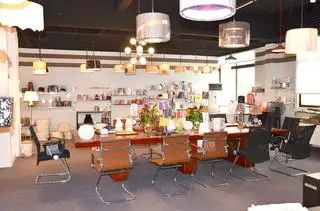
Dongguan All-Lampshade Lighting Co., Ltd.
- Manufacturer, Trading Company
- Guangdong, China
- Lead time40 days
- Avg. response≤ 4h
Main productsPendant Lamp,Floor Lamp,Table Lamp,LED Lamp,Lampshade
Main marketsDomestic Market(30.00%), Western Europe(30.00%), North America(20.00%), Northern Europe(10.00%), Eastern Asia(5.00%), Oceania(5.00%)
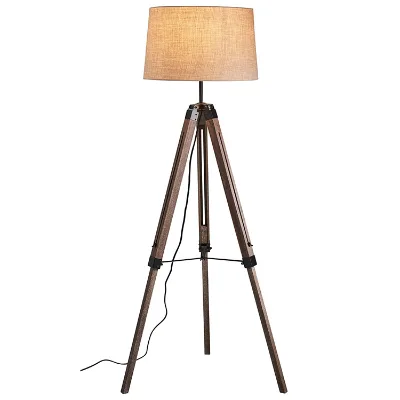
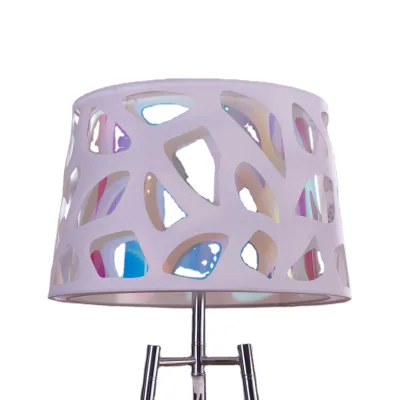
$20.00 - $25.00
MOQ: 100 Minimum
- Manufacturer, Trading Company
- Guangdong, China
- Lead time15 days
- Avg. response≤ 3h
Main productsPendant Light,Chandelier,Wall Lamp,Table Lamp,Floor Lamp
Main marketsNorth America(18.00%), Western Europe(15.00%), Mid East(14.00%), Southeast Asia(11.00%), Oceania(10.00%), Northern Europe(10.00%), South America(5.00%), Southern Europe(5.00%), Eastern Asia(3.00%), Central America(3.00%), Eastern Europe(3.00%), Domestic Market(1.00%), Africa(1.00%), South Asia(1.00%)

Zhongshan DLSS Lighting CO., LTD.
- Verified by TUVRHEINLAND
- Combined
- China Guangdong
- Lead time15 days
- Avg. response≤ 4h
Main productsModern Lighting, Modern Pendant Lamp, Modern Pendant Light, Decoration Lighting, Replica Lighting, Modern Ceiling Lamp, Modern Chandelier, Modern Table Lamp, Modern Lamp, Hotel Lighting
Main marketsDomestic

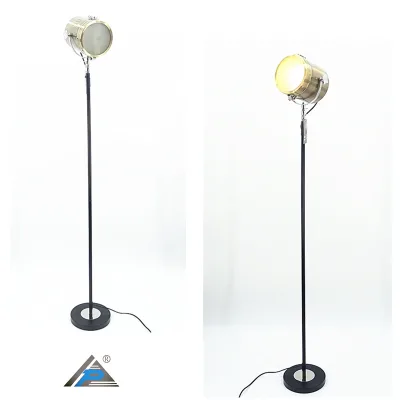
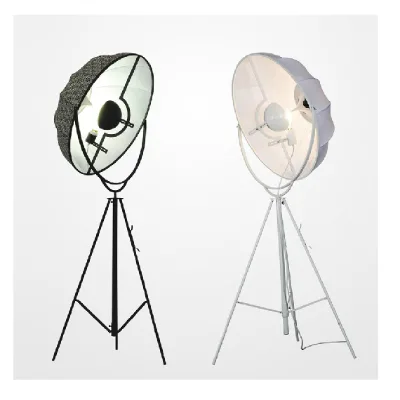
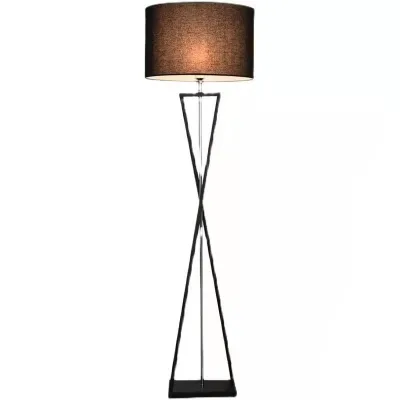
Modern Lamp Metal Photography Tripod Floor Lamps
MOQ: 5 Pieces

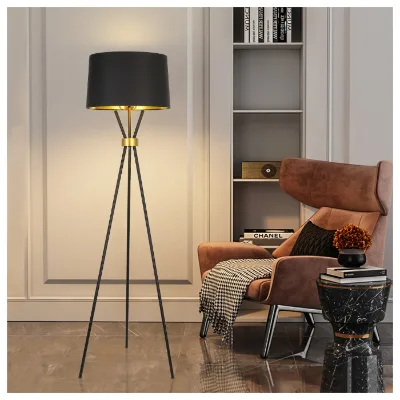
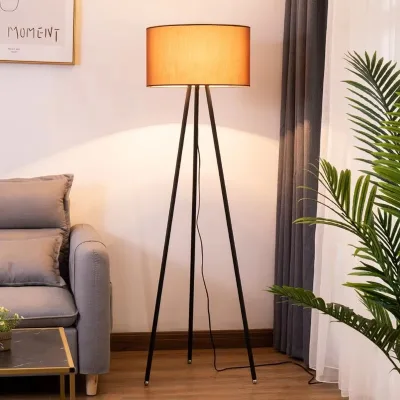
Wholesale Black Tripod Fabric Floor Lamp Lighting
MOQ: 3 Pieces
Hangzhou Delta Art Light Co., Ltd.
- Verified by SGS Group
- Manufacturer, Trading Company
- Lead time60 days
- Avg. response≤ 3h
Main productsTable Lamp, Floor Lamp, Lampshade, Pendant Lamp, Ceiling Lamp
Main marketsMid East(30%), Eastern Asia(25%), Western Europe(20%)
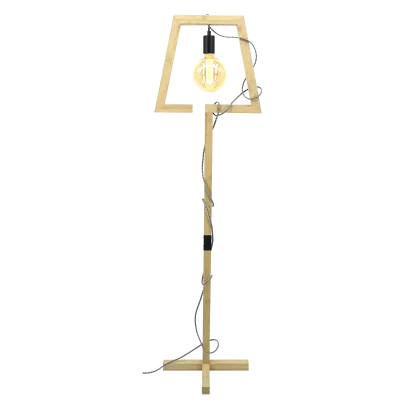
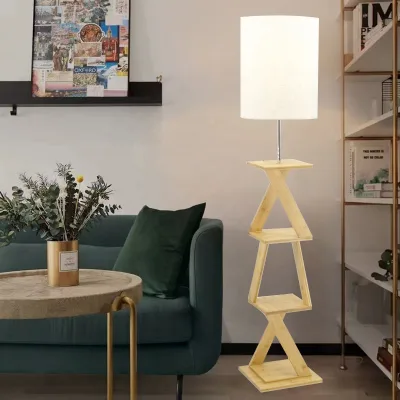
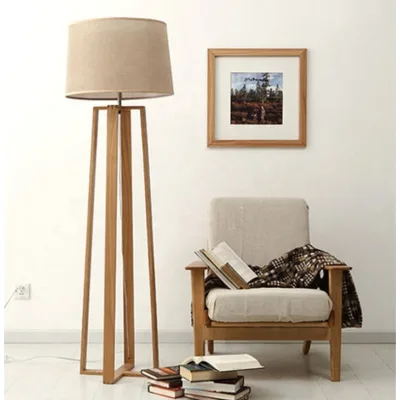
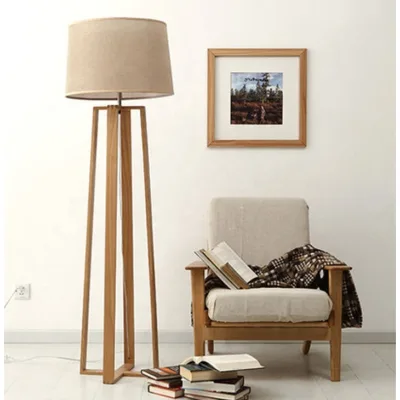
Wooden Bamboo Tripod Floor Lamp with Bamboo Shelf Industrial Design for Living Room and Small Spaces
$17.84 - $35.67
MOQ: 10 pieces
$21.77 - $26.06
MOQ: 200 pieces
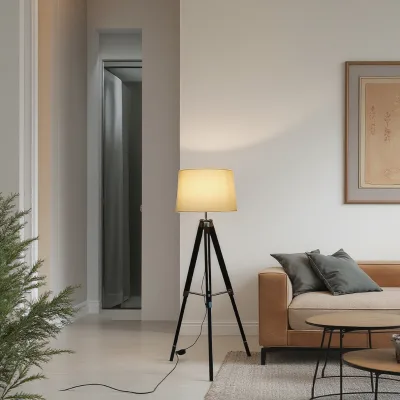
$10.00 - $20.00
MOQ: 10 pieces

Dongguan Ruisen lighting technology Ltd
- Trading Company
- China Guangdong
- Lead time0 days
- Avg. response≤ 5h
Main productsTable Lamp, Floor Lamp, Wall Lamp

$17.50 - $20.50
MOQ: 100 Pieces


Danyang E-Shuo International Trading Co., Ltd.
- Trading Company
- Jiangsu, China
- Lead time10 days
- Avg. response≤ 6h
Main productsFloor Lamp,Ceiling Light,Chandelier,Home Decoration,Decoration Light
Main marketsSouthern Europe(20.00%), Oceania(20.00%), South America(20.00%), North America(20.00%), Western Europe(10.00%), Central America(10.00%)
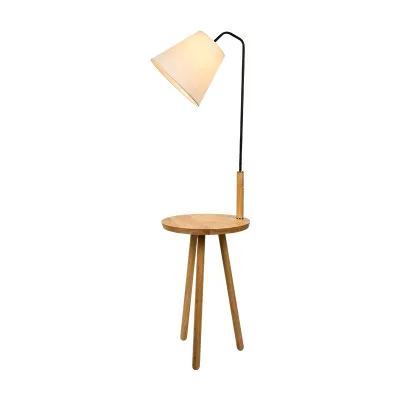
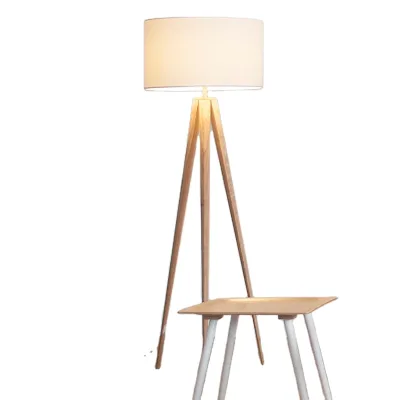
Modern LED Wood Tripod Floor Lamp With Wood Tray Reading Room Floor Lamp
$22.68 - $35.99
MOQ: 1 pieces
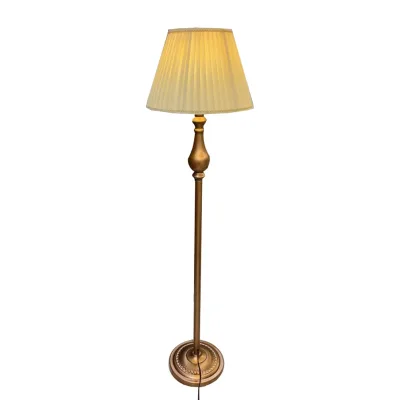
Classic Modern Elegant Pleated Fabric Shade Brass Floor Lamp with Dimmable Light
$32.35 - $41.65
MOQ: 1
Bo Bai Haosen Handicrafts Co., Ltd.
- Manufacturer, Trading Company
- Guangxi, China
- Lead time5 days
- Avg. response≤ 2h
Main productsPicnic Basket,Christmas Tree Decorations Base Stand Skirt,Bread Proofing Basket,Fruit Tray,Lampshades
Main marketsDomestic Market(33.00%), North America(33.00%), Oceania(20.00%), Mid East(14.00%)
Guangzhou Beacon Peace Home Decor Co., Limited
- Trading Company
- Lead time旺季: "1 - 50":15,"51 - 100":30,"101 - 500":45,"> 500":"To be negotiated", 淡季: "1 - 50":15,"51 - 100":30,"101 - 500":45,"> 500":"To be negotiated"
- Avg. response≤ 3h
Main productsChandelier, Table Lamps, Floor Lamps, Wall Lamps, Ceiling Lamps
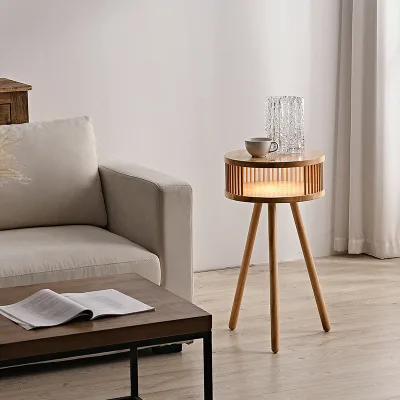
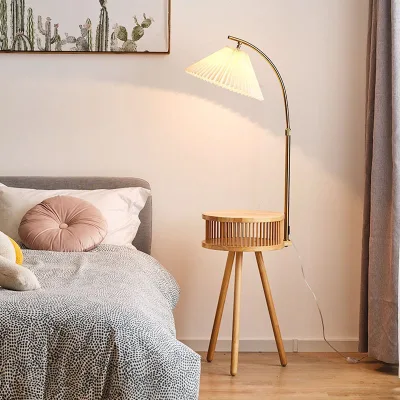
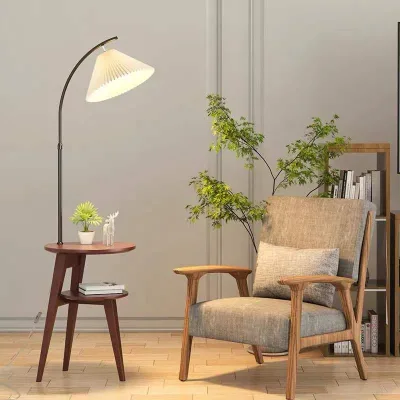
Wabi Sabi Vintage Wooden Floor Lamp Sofa Bedroom Living Room Modern Hotel Tripod Standing Floor Lamp
$46.67 - $50.95
MOQ: 2 pieces
Dongguan ILI Lighting Furniture Co., Ltd.
- Trading Company
- Guangdong, China
- Lead time10 days
- Avg. response≤ 3h
Main productsLED furniture,illuminated furniture,Bar furniture,LED decorative light,LED light
Main marketsDomestic Market(20.00%), North America(18.00%), Mid East(18.00%), Western Europe(15.00%), Eastern Europe(8.00%), Northern Europe(5.00%), Oceania(5.00%), Southeast Asia(5.00%), Central America(2.00%), Eastern Asia(1.00%)

Zhongshan Kamable Lighting Co., Ltd.
- Verified by SGS
- Trading Company
- China Guangdong
- Lead time30 days
- Avg. response≤ 9h
Main productsChandelier, Custom Made Lighting, LED Lighting Fixtures, Pendant Lamp, Table Lamp, Wall Lamp, Floor Lamp, Decorative Lighting, Light, Crystal Chandelier
Main marketsSoutheast Asia/ Mideast

Shenzhen Well House Lighting Co.,Ltd
- Verified by SGS
- Manufacturer
- China Guangdong
- Lead time15 days
- Avg. response≤ 5h
Main productsChandelier Lighting, Ceiling Lights, Pendant Lights, LED Wall Lamp, Table Lamp, Floor Lamp, Ceiling Fan, Crystal Chandelier, Mirror Lamp, LED Lamp

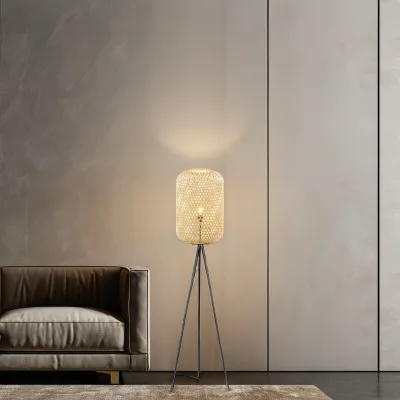
Natural Bamboo Standing Floor Lamp Cottage Wood Bamboo Shade Fabric Shade Floor Lamp (WH-WFL-04)
$1.00 - $1000.00
MOQ: 5 Pieces

$1.00 - $1000.00
MOQ: 5 Pieces

$1.00 - $1000.00
MOQ: 5 Pieces

Zhongshan Jinshidun Lighting Electric Appliance Co., Ltd.
- Verified by TUVRHEINLAND
- Combined
- China Guangdong
- Lead time30 days
- Avg. response≤ 15h
Main productsTable Lamp, Rechargeable Table Lamp, Floor Lamp, Wall Lamp, Pendant Light, Step Light, Under Cabinet Light, Ceiling Lamp, Custom-Designed Fixture
Main marketsDomestic
Jiangsu Hemei Home Furnishing Co., Ltd.
- Manufacturer
- Jiangsu, China
- Lead time15 days
- Avg. response≤ 7h
Main productstatami mat,folding tatami mat,chair,wooden lamp,shoji screen
Main marketsDomestic Market(70.00%), Northern Europe(10.00%), Eastern Europe(10.00%), North America(5.00%), Western Europe(5.00%)
Zhongshan Sanliang Lighting Co., Ltd.
- Verified by SGS Group
- Manufacturer, Trading Company
- Lead time35 days
- Avg. response≤ 2h
Main productsPendant Light, Ceiling Lamp, Table Lamp, Floor Lamp, Wall Lamp
Main marketsNorth America(50%), South America(10%), Eastern Europe(5%)
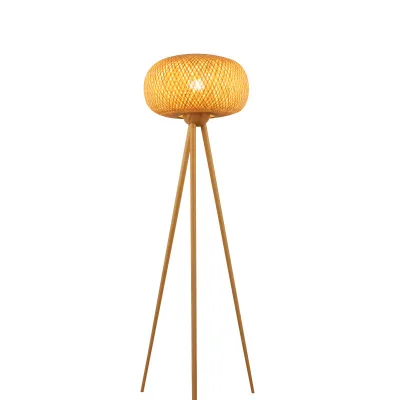
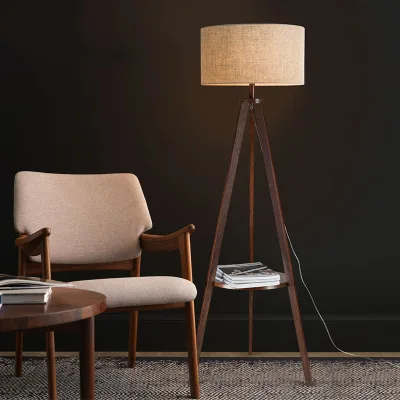
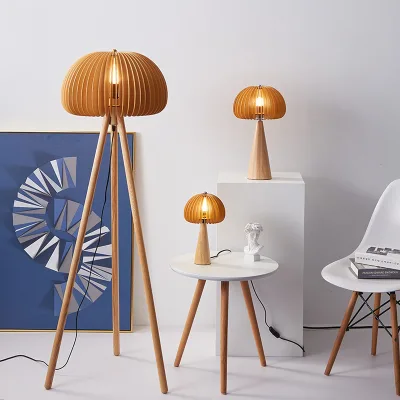
Handmade Natural Materials Bamboo Wooden Stand Enhances Tripod Floor Lamp for Living Room Decor
$117.10 - $215.05
MOQ: 3 cartons
Jiangmen Art-Dynasty Furnishings Co., Ltd.
- Manufacturer, Trading Company
- Guangdong, China
- Lead time20 days
- Avg. response≤ 19h
Main productsLighting,Home Furnishings,Decorations
Main marketsDomestic Market(25.00%), Southeast Asia(15.00%), Mid East(15.00%), North America(10.00%), Eastern Europe(10.00%), South America(5.00%), Western Europe(4.00%), Northern Europe(4.00%), Africa(3.00%), South Asia(3.00%), Southern Europe(2.00%), Oceania(2.00%), Central America(1.00%), Eastern Asia(1.00%)

Factory Direct Home Decor Standing Overhanging Light Bamboo Floor Lamp for Livingroom
$365.00 - $487.00
MOQ: 1
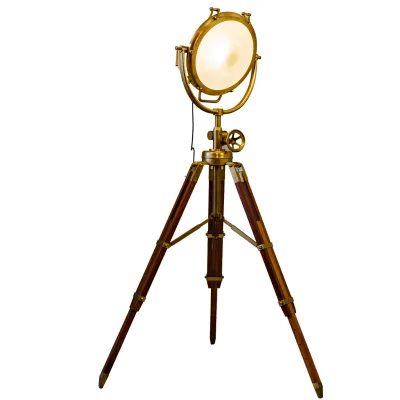
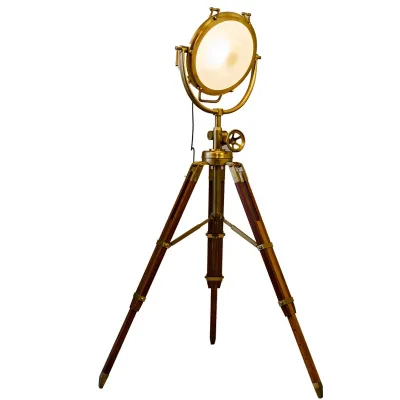
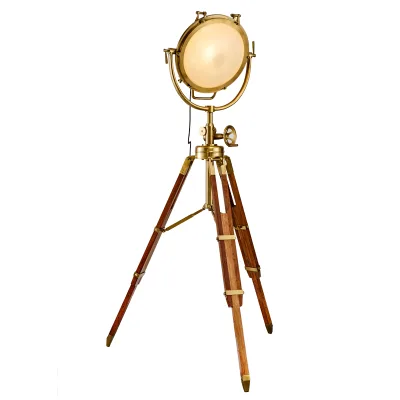
Luxury Design Floor Lamp Natural Wood Tripod Floor Lamp Stand with Antique Brass Look Adjustable
$1200.00 - $1600.00
MOQ: 1
$1200.00 - $1600.00
MOQ: 1 pieces
- Trading Company
- China Guangdong
- Lead time120 days
- Avg. response≤ 10h
Main productsScent Machine, Humidifier, Aroma Diffuser Machine, Fragrance, Essential Oil
Main marketsSouth America,Eastern Europe,Mid East,North America,Southeast Asia,Eastern Asia,Oceania,Western Europe

SHANGLI LIGHTING CRAFTS CO.,LTD
- Verified by BV
- Manufacturer/Factory
- China Guangdong
- Lead time30 days
- Avg. response≤ 8h
Main productsPortable Table and Floor Lamp, LED Lamp, Hotel Lamp, Chandelier Lamp, Pendant Lamp, Ceiling Lamp, Wall Lamp, Lampshade, Accessory, Mirror
Main marketsSouth America,Eastern Europe,Mid East,North America,Southeast Asia,Eastern Asia,Oceania,Western Europe,Africa

$15.00 - $50.00
MOQ: 1 Pieces

Home Decoration Standing Lamp European Contemporary Chrome Tripod Floor Lamp for Hotel Table Lamp
$15.00 - $30.00
MOQ: 1 Pieces

Wholesale Contemporary Fabric Shade Wooden Tripod Frame Floor Lamp for Home Hotel Decoration
$18.00 - $30.00
MOQ: 1 Pieces


$18.00 - $30.00
MOQ: 1 Pieces


Zhongshan Biggest Lighting Technology Co., Ltd.
- Verified by BV
- Combined
- China Guangdong
- Lead time30 days
- Avg. response≤ 2h
Main productsChandelier, Table Lamp, Floor Lamp, Wall Lamp, Ceiling Light
Main marketsSoutheast Asia/ Mideast,Europe,North America


Modern Standing Corner Light Classic Creative Decorative Standing Tripod Floor Lamp for Living Room
$5.00 - $13.40
MOQ: 1 Pieces

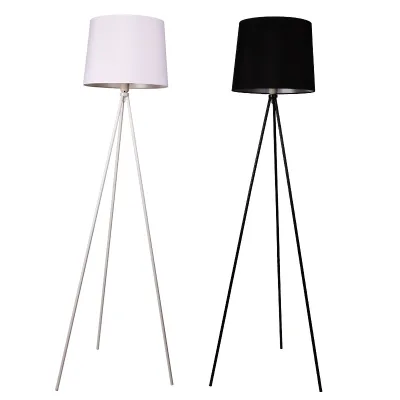
Steel Tripod Floor Lamp in Gold Fabric Drum Shade E27 Living Room Lighting
$16.10 - $29.90
MOQ: 1 Pieces

Hainan Mingren Photoelectric Technology Co., Ltd.
- Manufacturer
- Hainan, China
- Lead time20 days
- Avg. response≤ 2h
Main productsStreet Lights,Flood Light,Chandeliers & Pendant Lights,Garden Light,Ceiling Lights
Main marketsMid East(60.00%), Domestic Market(20.00%), Eastern Europe(6.00%), Africa(5.00%), Eastern Asia(3.00%), South America(3.00%), North America(3.00%)
$10.12 - $50.61
MOQ: 100 Minimum
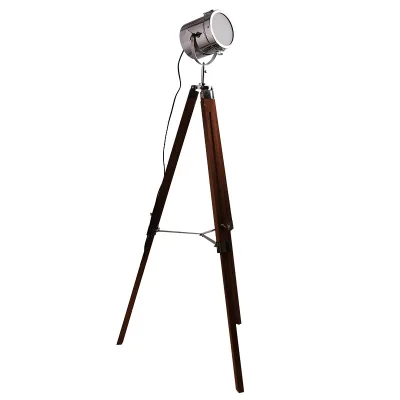
$10.21 - $51.06
MOQ: 100 Minimum

Xiamen Ebei Import & Export Co., Ltd.
- Verified by CTI
- Trading Company,Manufacturer/Factory
- China Fujian
- Lead time45 days
- Avg. response≤ 2h
Main productsEco-Friendly Products, Bamboo Tableware, Bamboo Furniture, Bamboo Kitchenware, Bamboo Office Supply, Bamboo Fibre Products, Biodegradable Products, Bamboo Towel, Solar Energy Products, Bamboo Garden Products
Main marketsSouth America,Eastern Europe,Mid East,North America,Southeast Asia,Eastern Asia,Oceania,Western Europe,Africa

MOQ: 1000 Pieces

Bamboo Ceiling Light Bamboo Pendant Lamp
MOQ: 1000 Pieces

Bamboo Table Lamp / Decorative Desk Reading Light
MOQ: 1000 Pieces

MOQ: 1000 Pieces

Zhongshan Homie Lighting Company
- Manufacturer, Trading Company
- Guangdong, China
- Lead time0 days
- Avg. response≤ 3h
Zhongshan Junjue Lighting Co., Ltd.
- Trading Company
- Guangdong, China
- Lead time20 days
- Avg. response≤ 5h
Main productsModern Chandeliers/Table Lamps/Wall Lamps/Floor Lamps,Ceiling light,table lamp,Luxury chandelier,floor lamp
Main marketsDomestic Market(30.00%), Western Europe(30.00%), Mid East(10.00%), North America(10.00%), Southeast Asia(10.00%), South America(5.00%), Oceania(5.00%)
Shenzhen CSX Electric Technology Co., Ltd.
- Manufacturer, Trading Company
- Guangdong, China
- Lead time25 days
- Avg. response≤ 4h
Main productsLED Desk Lamp,Foldable LED Desk Lamp,Metal Table Lamp,Bar Table Lamp,Rechargeable Table Lamp
Main marketsEastern Europe(40.00%), Mid East(15.00%), Oceania(15.00%), Eastern Asia(10.00%), South America(10.00%), Southern Europe(5.00%), Africa(5.00%)

Huizhou Homelighting Technology Co., Ltd.
- Verified by BV
- Trading Company,Manufacturer/Factory
- China Guangdong
- Lead time0 days
- Avg. response≤ 8h
Main productsTable Lamp, Wall Lamp, Floor Lamp, Hotel Lamp, Tiffany Lamp, Lampshade, Chandelier Lamp
Main marketsSouth America,Eastern Europe,Mid East,North America,Southeast Asia,Eastern Asia,Oceania,Western Europe,Africa

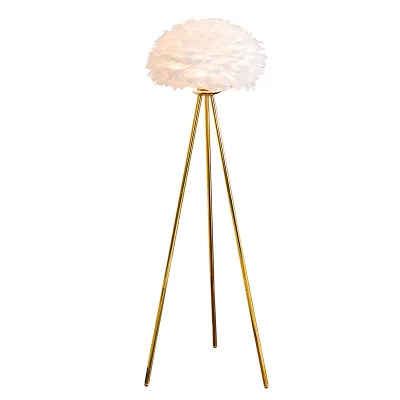
Modern Gold Brass Feather Tripod Floor Standing Lamp for Living Room Home Decor Large Floor Lamps
$68.00 - $88.00
MOQ: 100 Pieces

Simple Brushed Nickel Drum Shade Floor Lamp Floor Lamps Bulk Customize Any Types of Hotel Floor Lamp
$18.00 - $25.00
MOQ: 100 Pieces

Trinity Arc 3-Light Floor Lamp with Linen Shade Traditional Floor Lamps
$55.00 - $70.00
MOQ: 100 Pieces

Traditional Floor Lamps 3-Light Uplight Floor Standing Lamp for Home Living Room
$9.90 - $12.90
MOQ: 300 Pieces

Wholesale Custom Outdoor Vintage Floor Lamp Wedding Mood Lighting for Wedding
$9.90 - $11.00
MOQ: 100 Pieces


Fuzhou Huikaihua Arts & Crafts Co., Ltd.
- Verified by TUVRHEINLAND
- Trading Company,Manufacturer/Factory
- China Fujian
- Lead time45 days
- Avg. response≤ 11h
Main productsPaper Lantern Lampshade, Holiday Gift, Decoration Craft, Furniture, Lighting, Handmade Craft, Arts&Crafts, Paper Crafts, Home Decoratiom, Promotion Gift
Main marketsSouth America,Eastern Europe,Mid East,North America,Southeast Asia,Eastern Asia,Oceania,Western Europe,Africa

Bamboo Floor Lamp Hotel Decoration LED Reading Paper Lighting Living Room
$9.46 - $9.65
MOQ: 500 Pieces

Hot Sale New Design Modern Bamboo Frame White Paper Standing Floor Lamp for Home Decor
$8.99 - $9.45
MOQ: 500 Pieces

$13.35 - $14.89
MOQ: 500 Pieces

Regular Best Sell 220V Living Room Decorative Collspsible Standing Paper Lamp Night Lighting
$6.58 - $6.85
MOQ: 500 Pieces
Zhongshan Guzhen Yide Lighting Factory
- Manufacturer, Trading Company
- Guangdong, China
- Lead time0 days
- Avg. response≤ 8h
Main productstable lamp,pendant light & chandelier,wooden lighting,LED light,floor lamp
Main marketsSouth America(30.00%), Western Europe(30.00%), South Asia(20.00%), North America(20.00%)

Zhongshan Ocean Smart Lighting Co., Ltd
- Verified by BV
- Combined
- China Guangdong
- Lead time15 days
- Avg. response≤ 5h
Main productsChandelier, Crystal Chandelier, Pendant Light, Table Light, Floor Lamp, Ceiling Light, Wall Light, Lighting, Hotel Lighting, Energy-Saving Lamp
Main marketsSouth America,Africa,Others(foreignTradeCapacity.exportBusinessCapacityMarketOther),Southeast Asia/ Mideast,Europe,Australia,North America


Threshold Black Downbridge Floor Lamp Simple Brushed Nickel Matte Black Floor Lamps
$369.90
MOQ: 30 Pieces
Zhongshan Kaijie Lighting Co., Ltd.
- Verified by SGS Group
- Manufacturer, Trading Company
- Lead time7 days
- Avg. response≤ 2h
Main productsChandeliers, Pendant Lamps, Ceiling Lamps, Wall Lamps, Aisle Lamps
Main marketsSouth America(35%), Eastern Europe(25%), Africa(11%)



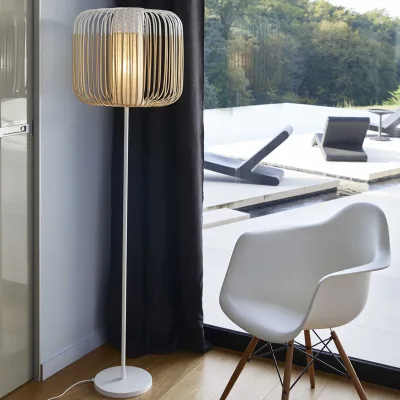
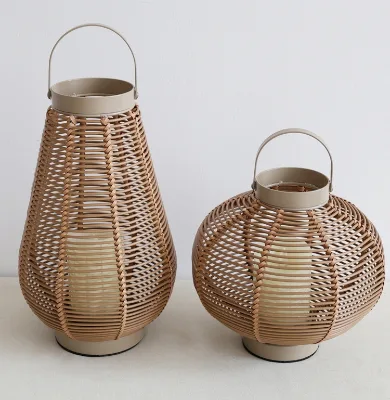


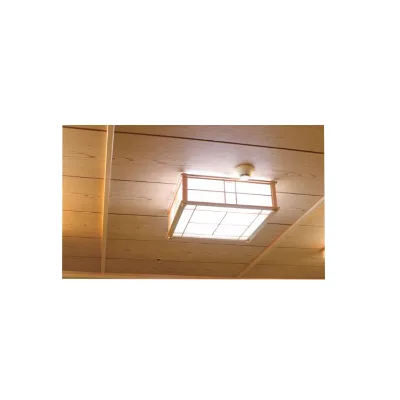
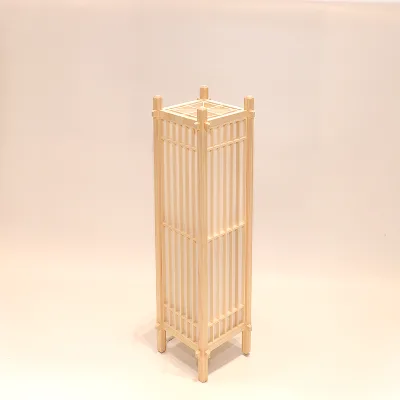


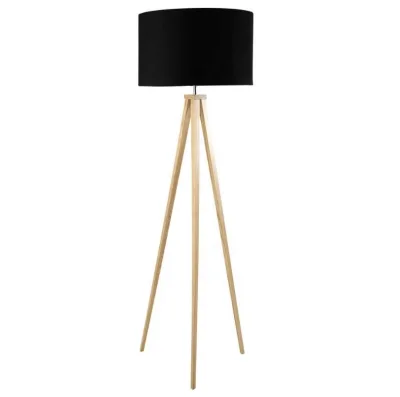
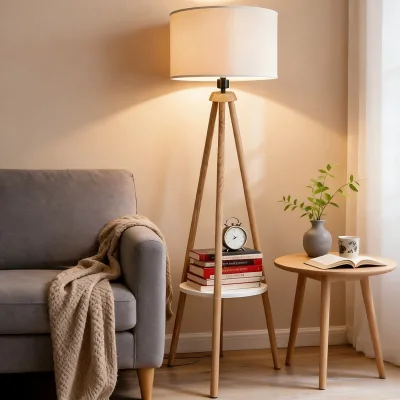
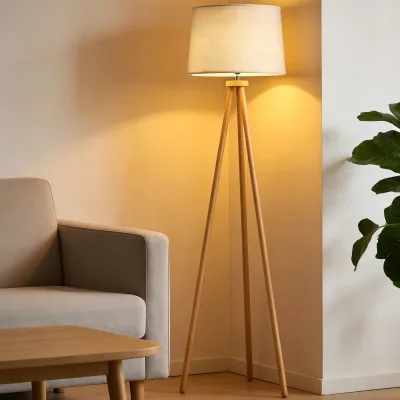
Comprehensive Sourcing Guide
Bamboo Tripod Floor Lamp Supplier Concentration and Factory Types
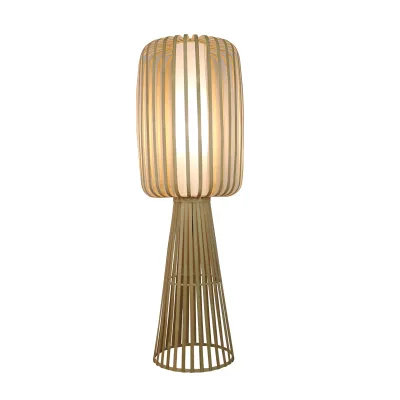
The available data indicates that suppliers for bamboo tripod floor lamps are concentrated in the Guangdong province of China, a region known for its extensive lighting manufacturing ecosystem. This location is confirmed by multiple product origins listed as Guangdong, China, suggesting a dense cluster of production facilities capable of handling the specific material requirements of bamboo and wood. Buyers should prioritize engaging with entities located in this specific region to ensure proximity to raw material sources and established supply chains for rattan, wicker, and solid wood components. The concentration in Guangdong allows for efficient logistics and potentially faster communication, which is critical when managing custom orders for lighting fixtures.
Regarding company types, the observed supplier base includes a mix of Manufacturers, Factories, and Trading Companies. Some entities are identified strictly as Manufacturers or Factories, while others operate as a hybrid of Manufacturer and Trading Company. This distinction is vital for buyers because a pure manufacturer may offer more direct control over the production process and customization options, whereas a trading company might provide a broader range of products or consolidated shipping services. When evaluating potential partners, buyers must verify the specific company type to understand the depth of their involvement in the actual fabrication of the Bamboo Tripod Floor Lamp. This verification ensures that the buyer is dealing with the appropriate level of the supply chain for their specific needs regarding quality control and production capacity.
How to Verify Bamboo Tripod Floor Lamp Suppliers
Verification begins with confirming the supplier's location and operational history, as the data points to Guangdong, China, as the primary hub for these products. Buyers should request proof of the physical factory address and cross-reference it with the stated location to ensure the entity is not merely a broker. Additionally, checking the response time is a practical method to gauge operational efficiency; observed response times in this sector average around 4 to 4.25 hours, indicating a generally responsive market. A supplier who consistently meets or exceeds this responsiveness benchmark is likely to be more reliable during the negotiation and production phases. Buyers should also look for established years of operation, though specific dates are not provided in the current data, and should ask for this information directly to assess stability.
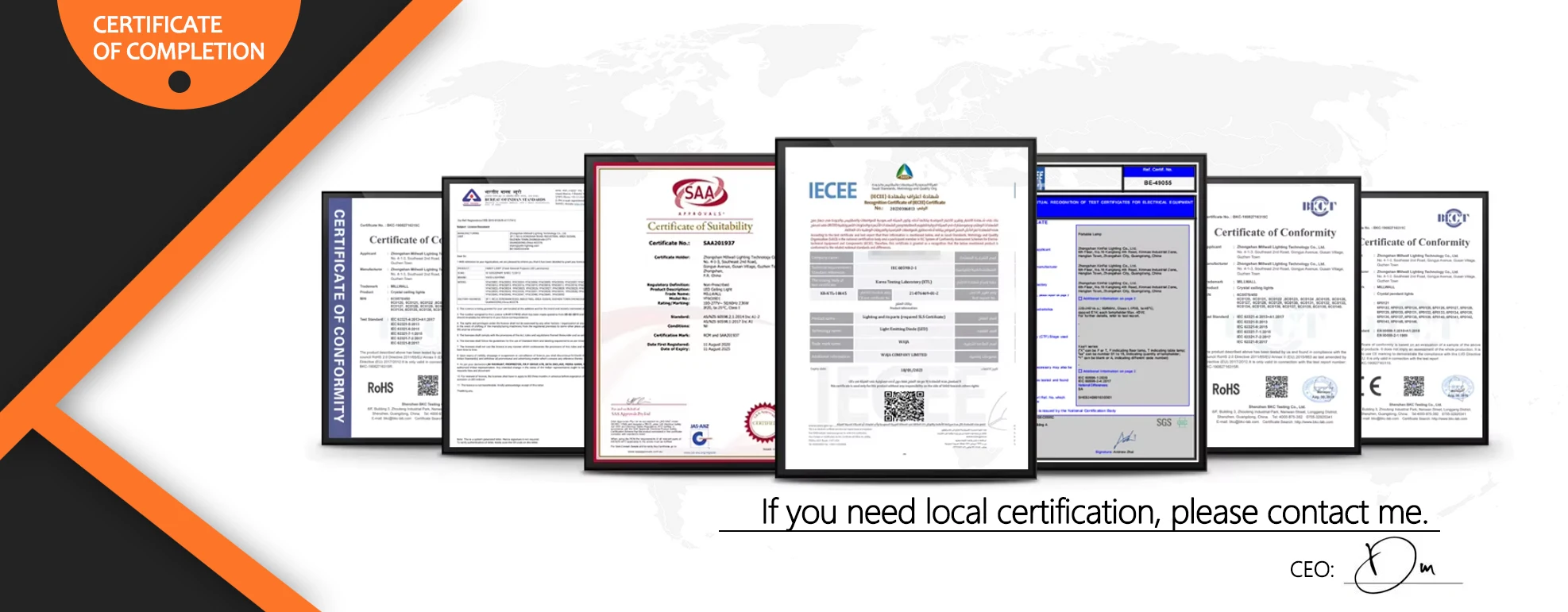
Certifications serve as another critical verification layer for ensuring product safety and compliance. The product evidence lists several relevant certifications including CE, RoHS, EMC, LVD, FCC, and VDE, which are essential for international markets. Buyers must request valid certificates for these standards to confirm that the bamboo tripod floor lamps meet the electrical safety requirements of their target destination. Furthermore, system certifications like BSCI, ISO 9000, ISO 9001, and ISO 14000 indicate a commitment to quality management and environmental standards. It is imperative to verify that these certifications are current and applicable to the specific Bamboo Tripod Floor Lamp models being sourced, rather than assuming they cover all product lines offered by the supplier.
What to Compare Across Bamboo Tripod Floor Lamp Suppliers
When comparing suppliers, lead time is a primary differentiator that affects inventory planning and market responsiveness. The observed data shows a wide variance in production lead times, with some suppliers indicating a 120-day window while others offer a significantly faster 40-day turnaround. This discrepancy highlights the importance of aligning supplier capabilities with project timelines; a buyer with urgent needs should prioritize those with the shorter lead times, while those with flexible schedules might consider the longer options if other factors are favorable. Buyers must explicitly ask for the current lead time for their specific order volume, as these figures can fluctuate based on raw material availability and factory workload.
Minimum Order Quantity (MOQ) and pricing structures are equally critical comparison points that define the financial viability of the partnership. Product evidence reveals MOQs ranging from 50 pieces to 100 pieces, with unit prices varying between approximately $12 and $30 depending on the specific model and customization level. A supplier with a lower MOQ might be more accessible for small businesses or testing new designs, whereas a higher MOQ could indicate a focus on bulk efficiency. Buyers should compare the price ranges against the specified material quality, such as the use of solid wood versus paper or fabric shades, to ensure they are receiving fair value. It is also necessary to clarify whether the quoted price includes packaging and shipping costs, as these can significantly impact the total landed cost.
Common Bamboo Tripod Floor Lamp Sourcing Risks
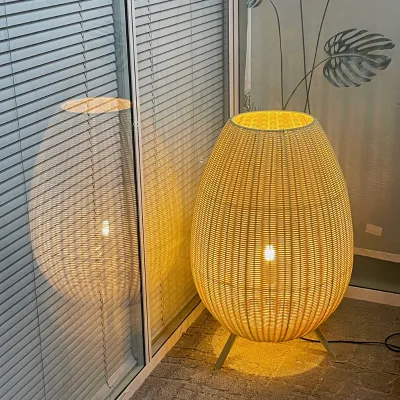
One significant risk involves the variability in material quality and construction standards, particularly regarding the bamboo and wood components. The product attributes list materials such as rattan, wicker, solid wood, and even paper for lampshades, which presents a challenge in maintaining consistent durability and aesthetic appeal. Buyers must be vigilant about verifying the specific grade of bamboo and the treatment processes used to prevent cracking or warping, especially since the usage scenarios range from home decoration to commercial and landscaping applications. Without clear specifications on material treatment, there is a risk of receiving products that do not withstand the intended environmental conditions, leading to customer dissatisfaction and potential returns.
Another risk pertains to the accuracy of product specifications and the potential for miscommunication regarding customization options. While some product data indicates that customization is available, others specify fixed attributes like a 36V voltage or specific emitting colors like yellow or warm white. If a buyer requests a custom design that deviates from these standard attributes, there is a risk of the supplier delivering a product that does not match the agreed-upon specifications. This is particularly relevant for electrical components where voltage and certification standards must align with local regulations. Buyers should insist on detailed technical drawings and sample approvals before mass production to mitigate the risk of receiving non-compliant or incorrect products.
Bamboo Tripod Floor Lamp Regional Sourcing and Logistics
Sourcing from the Guangdong region offers logistical advantages due to the established infrastructure for exporting lighting products. The concentration of manufacturers in this area facilitates efficient coordination of raw materials, such as bamboo and wood, with the final assembly of the tripod floor lamps. Buyers should leverage this regional concentration to negotiate better shipping rates and consolidate orders from multiple suppliers if necessary. However, the specific lead times observed, ranging from 40 to 120 days, suggest that logistics planning must account for potential delays in production before the goods even leave the factory. Understanding the specific shipping routes from Guangdong to the buyer's destination is essential for accurate delivery forecasting.
Logistics also involve careful attention to packaging standards to prevent damage during transit, especially for fragile components like glass or intricate bamboo weaves. The product evidence mentions standard export packing and cardboard boxes, but buyers should verify if additional protective measures are required for international shipping. For products with specific dimensions, such as a 25cm diameter or a height of 156cm, the packaging must be optimized to maximize container space while ensuring safety. Buyers should discuss Incoterms with suppliers to clarify who is responsible for freight costs and insurance, as these terms can vary significantly between different trading companies and manufacturers. Proper logistics planning ensures that the bamboo tripod floor lamps arrive in perfect condition and on schedule.
Bamboo Tripod Floor Lamp Commercial Terms and Order Planning
Commercial terms regarding payment and escrow are fundamental to securing a safe transaction when sourcing bamboo tripod floor lamps. While specific escrow details are not provided in the current data, buyers should insist on using secure payment methods that protect their funds until the goods are verified. The observed price ranges and MOQs suggest that order planning should be tailored to the financial capacity of the buyer, balancing the cost per unit with the required volume. For instance, an order of 50 units at a lower price point might be suitable for a pilot run, while a larger order of 100 units could secure a better unit price but requires more capital upfront. Buyers must clearly define the payment schedule, including any deposits and balance payments, to avoid cash flow disruptions.
Order planning must also account for the warranty and after-sales support provided by the supplier. Product attributes indicate a 1-year warranty for some models, which is a crucial factor in long-term commercial planning. Buyers should verify the scope of this warranty, including what constitutes a defect and the process for claiming replacements or repairs. Additionally, the availability of spare parts, such as lampshades or electrical components, should be confirmed to ensure long-term maintenance is feasible. By integrating these commercial terms into the initial order plan, buyers can establish a sustainable relationship with the supplier that supports both immediate sales and future business growth.
FAQs
What certifications do bamboo floor lamps typically have?
Many bamboo floor lamps carry CE, RoHS, EMC, LVD, FCC, and VDE certifications. These ensure safety and compliance for international markets. Some products also meet ISO 9000 and ISO 14000 standards. Always verify specific certification documents before placing large orders to confirm product safety.
What is the typical lead time for bamboo floor lamps?
Lead times vary by supplier but can range from 40 to 120 days. Some manufacturers offer faster production schedules around 40 days. Others may require up to 120 days depending on order volume and customization needs. Confirm the exact timeline with your chosen supplier before finalizing the purchase.
What is the minimum order quantity for bamboo floor lamps?
Minimum order quantities usually start at 50 pieces for some models. Other suppliers may require a minimum of 100 pieces per order. Custom designs often have higher MOQs. Check the specific product listing to confirm the exact minimum quantity required for your order size.
Where are bamboo floor lamps typically manufactured?
Most bamboo floor lamps are manufactured in Guangdong, China. This region is a major hub for lighting production. Suppliers in this area often have established supply chains for bamboo and rattan materials. Verify the specific factory location to ensure it matches your sourcing requirements.
What materials are used for bamboo floor lamp shades?
Shades are commonly made from bamboo, rattan, wicker, or fabric. Some models use paper or solid wood bases. Materials vary by style, ranging from European to modern designs. Check product specifications to confirm the exact material composition for the specific lamp model you are considering.
What is the price range for bamboo floor lamps?
Prices typically range from 12 to 30 dollars per unit depending on design. Basic models may cost around 12 dollars while premium versions reach 30 dollars. Customization and material quality affect the final price. Request a detailed quote to get the exact cost for your specific requirements.
Do suppliers offer customization for bamboo floor lamps?
Many suppliers offer customization options for size, color, and design. OEM and ODM services are available for bulk orders. Some models allow custom shade shapes or base materials. Confirm customization details with the supplier to ensure your specific design needs can be met within the production timeline.
How quickly do suppliers respond to inquiries?
Response times vary but average around 4 to 4.25 hours. Some suppliers may respond faster depending on their workload. Quick responses help clarify product details and negotiate terms efficiently. Contact multiple suppliers to compare response speeds and ensure timely communication throughout the sourcing process.