Electric Chain Design Pizza Oven Suppliers and Manufacturers
Explore 27 verified options for Electric Chain Design Pizza Oven from factories in China Jiangsu and Henan. Compare response times, lead times, certifications, and pricing to find the right partner. Contact suppliers directly to request quotes; review the available evidence before requesting comparable quotations from suitable candidates.
Suppliers List

Junnuo Electromechanical Technology (Kunshan) Co., Ltd.
- Manufacturer/Factory
- China Jiangsu
- Lead time15 days
- Avg. response≤ 4h
Main productsOpen Fryer, Pressure Fryer, Dough Mixer, Baking Equipment, Proofer, Chip Warmer
Main marketsSouth America,Eastern Europe,Mid East,North America,Southeast Asia,Eastern Asia,Oceania,Western Europe,Africa


Chain-Type Pizza Oven Gas/Conveyor Pizza Oven Electric/Chain Tunnel Oven for Pizza
$3506.00 - $4516.00
Moq: 1


Zhengzhou Auris Machinery Co., Ltd.
- Verified by TUVRHEINLAND
- Trading Company
- China Henan
- Lead time30 days
- Avg. response≤ 4h
Main productsNut Process Machinery, Fruit &Vegetable Machinery, Meat Process Machinery, Snacks Process Machinery, Printing Machinery, Quilting Machinery, Chocolate Machine, Packing Machine, Paper Pencil Making Machine, Bubble Tea Shop Machine
Main marketsSouth America,Southeast Asia/ Mideast,East Asia(Japan/ South Korea),Europe,Australia,North America

- Verified by BV
- Trading Company,Manufacturer/Factory
- China Henan
- Lead time15 days
- Avg. response≤ 4h
Main productsOil Expeller, Oil Press Machine, Oil Refinery, Pellet Machine, Food Processing Machine, Animal Feed Machine, Packing Machine, Filling Machine, Briquette Machine, Brick Machine
Main marketsSouth America,Eastern Europe,Mid East,North America,Southeast Asia,Eastern Asia,Oceania,Western Europe,Africa

Guangzhou Bakestar Machinery Co.,Ltd
- Combined
- China Guangdong
- Lead time15 days
- Avg. response≤ 25h
Main productsBaking Ovens, Bakery Equipments, Bakery Machines, Rotary Ovens, Moulders, Bread Machine, Pizza Oven, Pita Bread Machine, Tunnel Ovens, Baking Oven
Main marketsDomestic

Guangzhou Nantian Sources Co., Ltd.
- Manufacturer/Factory
- China Guangdong
- Lead time15 days
- Avg. response≤ 6h
Main productsKitchen Equipment, Kitchenware, Food Machine, Kitchen Appliance, Glassware, Food Machinery, Bakery Equipment, Dinnerware, Kitchen Utensils, Food Processor
Main marketsSouth America,Mid East,Southeast Asia,Eastern Asia,Oceania,Africa

Qingdao Vestar International Industry Co., Ltd.
- Verified by BV
- Trading Company
- China Shandong
- Lead time30 days
- Avg. response≤ 3h
Main productsRefrigerator, Air Conditioner, Range Hood, Gas Hobs, Oven, Washing Machine, Microwave, Dishwasher, Showcase, Chest Freezer
Main marketsSouth America,Africa,Southeast Asia/ Mideast,Domestic,Europe,Australia,North America

Guangzhou Youbake Kitchen Equipment Co., Ltd.
- Verified by BV
- Trading Company,Manufacturer/Factory
- China Guangdong
- Lead time23 days
- Avg. response≤ 5h
Main productsBaking Oven, Rotary Oven, Dough Mixer, Proofer, Toast Moulder, Baguette Moulder, Semi-Automatic Dough Rounder, Full-Automatic Dough Rounder, Electric Dough Divider, Deck Oven
Main marketsSouth America,Eastern Europe,Mid East,North America,Southeast Asia,Eastern Asia,Oceania,Western Europe,Africa


12 Inch Hot Air Adjustable Speed Electric&Gas Conveyor Convection Pizza Oven
$1399.00 - $1599.00
Moq: 1

Four-Layer Pizza Commercial Baking Oven, Four-Tray Electric Baking Hot Air Oven
$790.00 - $990.00
Moq: 1

Zhengzhou Shuogui Machinery Co., Ltd
- Verified by SGS
- Trading Company
- China Henan
- Lead time15 days
- Avg. response≤ 3h
Main productsFresh Noodle Machine, Ice Cream Machine, Ice Maker, Food Dryer, Fryer, Tortilla Maker, Pizza Oven, Meat Processing Machine
Main marketsSouth America,Southeast Asia/ Mideast,North America

Hot Sale Bakery Equipment Commercial Electric Gas Heating Chain-Type Pizza Oven
$1680.00 - $1780.00
Moq: 1


Factory Directly Supply Baking Equipment Multi-Functonal High Quality Pizza Oven
$506.00 - $556.00
Moq: 1

GONGYI HONGDA FURNACE CHARGE CO., LTD.
- Combined
- China Henan
- Lead time23 days
- Avg. response≤ 4h
Main productsRefractory, Ramming Mass, Refractory Castable, Thermal Insulation Material, Refractory Brick, Plastic Refractory
Main marketsSoutheast Asia/ Mideast,Domestic,North America

HANGZHOU SAIZHOU TECHNOLOGY CO., LTD.
- Manufacturer/Factory
- China Zhejiang
- Lead time23 days
- Avg. response≤ 7h
Main productsVegetable and Fruit Processing Equipment, Meat Processing Equipment, Packaging and Filling Equipment, Nut and Grain Equipment, Bakery Equipment
Main marketsSouth America,Eastern Europe,North America,Southeast Asia,Eastern Asia,Oceania,Africa


Commercial Multi-Functional Efficient Pizza Oven with Electric / Gas Power
$2000.00 - $10000.00
Moq: 1
Yichu (Qingdao) Kitchen Equipment Co., Ltd
- Verified by SGS
- Trading Company
- China Shandong
- Lead time30 days
- Avg. response≤ 4h
Main productsShowcase, Commercial Refrigerator, Neutral Stainless Steel, Gn Pan, Gas Range, Ice Maker, Meat Ager, Working Table, Wine Cooler, Bottle Cooler
Main marketsSoutheast Asia/ Mideast,Europe,Australia,North America


Electric Pizza Oven by Chinese Supplier Fast Heating Customizable & Energy - Efficient
$421.00 - $727.00
Moq: 1

Guangzhou Junjian Kitchen Appliances & Refrigeration Equipment Co., Ltd.
- Verified by BV
- Combined
- China Guangdong
- Lead time15 days
- Avg. response≤ 5h
Main productsKitchen Refrigerator, Commercial Freezer, Cake Showcase, Ice Maker, Ice Cream Machine, Salad Bar, Beverage Cooler, Working Table, Juice Dispenser, Stainless Steel Kitchen Equipment
Main marketsOthers(foreignTradeCapacity.exportBusinessCapacityMarketOther)
Wuxi SWF Intelligent Technology Co., Ltd.
- Verified by TUVRHEINLAND
- Trading Company
- China Jiangsu
- Lead time30 days
- Avg. response≤ 3h
Main productsCoffee Machine, Coffee Grinder, Coffee Vending Machine, Coffee Roaster, Coffee Maker, Espresso Machine, Formula Dispenser Machine, Dumpling Machine, Pizza Dough Roller Machine
Main marketsSoutheast Asia/ Mideast,Australia,North America

Commercial Chain Type Baking Oven Gas Heating Pizza Oven with Electric Conveyor
$700.00 - $720.00
Moq: 1

12/18/32 Inch Commercial Automatic Chain Type Gas Electric Conveyor Pizza Oven
$700.00 - $720.00
Moq: 1

Gas Portable Commercial 12/18/32 Inch Commercial Automatic Type Electric Conveyor Pizza Oven
$210.00 - $211.00
Moq: 1

Golden Chef Machinery Co., Ltd.
- Verified by TUVRHEINLAND
- Trading Company
- China Guangdong
- Lead time30 days
- Avg. response≤ 9h
Main productsBakery Equipment, Oven, Baking Oven, Meat Mincer, Refrigerator, Dough Sheeter, Dough Moulder, Proofer
Main marketsNorth America
Guangzhou Hongyi Catering Equipment Co., Ltd
- Verified by TUVRHEINLAND
- Combined
- China Guangdong
- Lead time15 days
- Avg. response≤ 7h
Main productsDeep Fryer, Marinating Machine, Grill, Oven, Ice Cream Machine, Commercial Cooking Machine
Main marketsDomestic

Newest Commercial Electric Gas Italian Pizza Cone Oven/Pizza Oven Pizza Machine
$117.00 - $126.00
Moq: 1


BestBake Machinery Technology (Zhaoqing) Co.,Ltd
- Verified by BV
- Combined
- China Guangdong
- Lead time30 days
- Avg. response≤ 5h
Main productsBakery Equipment, Dough Mixer, Baking Oven, Pizza Oven, Bread Oven, Baking Machine, Bakery Machine, Donuts Machine, Bread Machine, Rotary Oven
Main marketsSouth America,Africa,Southeast Asia/ Mideast,East Asia(Japan/ South Korea),Europe,North America

- Verified by BV
- Combined
- China Guangdong
- Lead time15 days
- Avg. response≤ 2h
Main productsHood Type Dishwasher, Conveyor Type Dishwasher, Ultrasonic Dishwasher, Undercounter Dishwasher, Bakery Equipment, Food Processor
Main marketsSouth America,Africa,Others(foreignTradeCapacity.exportBusinessCapacityMarketOther),North America

Durable Electric Conveyor Pizza Oven for Professional Bakery Efficiency (Electric 32 inches)
$3355.00 - $3405.00
Moq: 5


Jiangmen SHT Metal Products Co., Ltd.
- Manufacturer
- China Guangdong
- Lead time30 days
- Avg. response≤ 3h
Main productsPizza Oven, BBQ Grill, Outdoor Kitchen, Gas Grill, Kitchen Cabinet, Barbecue Grill, Charcoal Grill, BBQ Gas Grill, Outdoor Grill, Gas Pizza Oven
Main marketsEurope,Australia,North America
Zhengzhou Caleb Machinery Co., Ltd.
- Verified by SGS Group
- Trading Company
- Lead time10 days
- Avg. response≤ 2h
Main productsAgricultural Machinery, Harvesting Machine, TMR Mixer, Silage Machine, Food Machinery
Main marketsSoutheast Asia(25%), North America(20%), Western Europe(15%)
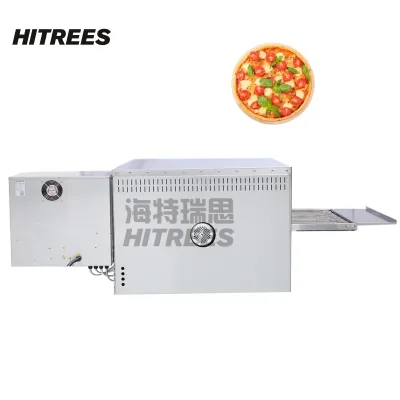
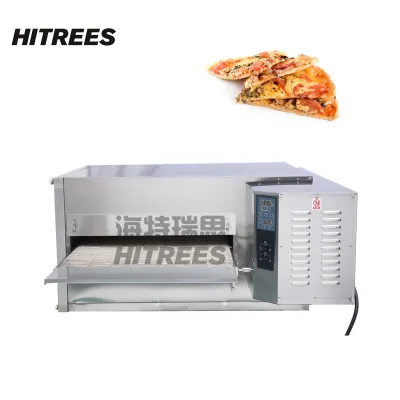
Hitrees (hainan) Industries Co., Ltd.
- Verified by SGS Group
- Manufacturer, Trading Company
- Lead time0 days
- Avg. response≤ 4h
Main productsVegetable Processing Equipment, Meat Processing Equipment, Quick Freezing Equipment, Bakery Equipment, Other Food Machinery
Main marketsNorth America(30%), Southeast Asia(20%), Western Europe(15%)
Tsingtao Haiyou Electrical Appliances Co., Ltd.
- Verified by SGS
- Trading Company
- China Shandong
- Lead time30 days
- Avg. response≤ 11h
Main productsCommercial Refrigerator, Neutral Stainless Steel, Cooking Equipment, Bakery Equipment, Forrd Processing Machine, Pet Equipment, Pet Veterinary Equipment, Gn Pan, Gas Range, Beverage Cooler
Main marketsEurope


Two Deck Electric Commercial Pizza Oven with Adjustable Temperature and Timer Control
$1055.00 - $1085.00
Moq: 1

Zhengzhou Maosu Machinery Equipment Co., Ltd
- Trading Company
- China Henan
- Lead time15 days
- Avg. response≤ 4h
Main productsPet Food Extruder, Soybean Extruder, Snack Food Extruder, Pet Food Production Line, Sanck Food Production Line, Aniaml Feed Pellet Mill, Dough Mixer, Steaming Cabinet, Bake Oven, Meat Slicer
Main marketsSouth America,Africa,Others(foreignTradeCapacity.exportBusinessCapacityMarketOther),Southeast Asia/ Mideast,East Asia(Japan/ South Korea),Europe,North America
Guangzhou Bossda Mechanical Equipment Co., Ltd.
- Manufacturer
- Guangdong, China
- Lead time30 days
- Avg. response≤ 24h
Main productsTunnel Oven,Bread Moulder,Rotary Oven,Dough Rounder,Dough Sheeter
Main marketsDomestic Market(25.0%), Africa(20.0%), North America(20.0%), Southeast Asia(20.0%), Northern Europe(10.0%), Mid East(5.0%)
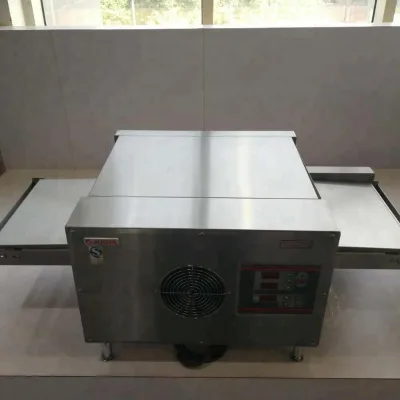
18"electric pizza baking oven for sale
$4979.80 - $5519.80
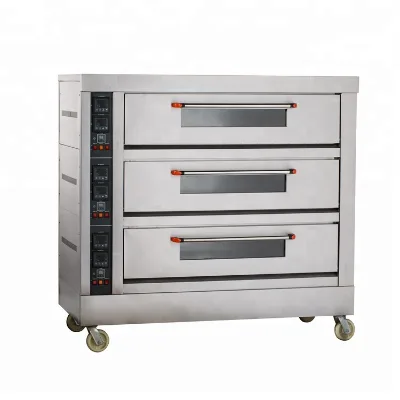

Foshan Nanhai Flamemax Catering Equipment Co., Ltd.
- Verified by SGS
- Combined
- China Guangdong
- Lead time30 days
- Avg. response≤ 3h
Main productsConvection Oven, Pizza Oven, Rotisserie, Gas Stove, Shawarma Machine, Fryer, Hot Air Oven, Bakery Oven, Bakery Equipment, Kitchen Equipment
Main marketsSouth America,Africa,Southeast Asia/ Mideast

Guangzhou Foodsense Catering Equipment Co., Ltd.
- Trading Company,Manufacturer/Factory
- China Guangdong
- Lead time23 days
- Avg. response≤ 5h
Main productsWestern Kitchen Equipment, Food Processing Machine, Bakery Equipment, Refrigeration Equipment, Bar Beverage Equipment, Stainless Steel Series
Main marketsSouth America,Eastern Europe,Mid East,North America,Southeast Asia,Eastern Asia,Oceania,Western Europe,Africa

Guangzhou Astar Kitchen Equipment Co., Ltd.
- Verified by BV
- Combined
- China Guangdong
- Lead time15 days
- Avg. response≤ 14h
Main productsBakery Equipment, Oven, Kitchen Equipment, Mixer, Baking Oven, Convection Oven, Rotary Oven, Pizza Oven, Refrigerator, Cake Showcase
Main marketsAfrica,Domestic,Europe


Two Decks Commercial Electric Pizza Oven Bakery Equipment Commercial Pizza Oven
Contact supplier
Moq: 1


Guangzhou Sunrry Kitchen Equipment Co., Ltd.
- Verified by CTI
- Trading Company,Manufacturer/Factory
- China Guangdong
- Lead time30 days
- Avg. response≤ 3h
Main productsCommercial Kitchen Solutions, Turnkey Kitchen Solutions, Catering Equipment, Restaurant Equipment, Commercial Refrigeration Equipment, Commercial Bakery Equipment, Commercial Cooking Equipment, Stainless Steel Equipment, Commercial Food Prep Equipment, Commercial Kitchen Equipment
Main marketsSouth America,Eastern Europe,Mid East,North America,Southeast Asia,Eastern Asia,Oceania,Western Europe,Africa




Comprehensive Sourcing Guide
Electric Chain Design Pizza Oven Supplier Concentration and Factory Types
Current data indicates a concentration of manufacturers and factories located in Jiangsu, China, specializing in open fryers, pressure fryers, and baking equipment including electric chain design pizza ovens. These entities often possess their own brands and offer OEM and ODM capabilities, suggesting a mature industrial cluster capable of handling custom specifications. The presence of specific product models like the JH-5000 and various conveyor types within this region highlights a focused supply chain for commercial bakery machinery. Buyers should prioritize engaging with these factory-type suppliers when seeking direct manufacturing control and customization options for their specific production needs.
In contrast, other suppliers operating in the market are identified as trading companies based in regions like Henan, China, which may source from various factories rather than manufacturing in-house. These trading entities often list diverse main products ranging from nut processing machinery to chocolate machines, indicating a broader but potentially less specialized inventory. While they may offer verified status through third-party agencies like TÜV Rheinland or BV, their primary role is facilitating trade rather than direct production. Buyers must distinguish between these factory types and trading companies to align their sourcing strategy with their need for technical support, customization depth, and supply chain transparency.
How to Verify Electric Chain Design Pizza Oven Suppliers
Verification of supplier credibility relies heavily on checking specific third-party audit results and system certifications rather than assuming general market standing. Some suppliers in the current results display verification from recognized bodies such as TÜV Rheinland or BV, which provides a baseline of operational legitimacy. Additionally, the presence of system certifications like ISO 9001 for certain manufacturers indicates adherence to standardized quality management processes. Buyers should explicitly request these documents to confirm that the supplier's quality control systems are active and valid, ensuring that the electric chain design pizza ovens produced meet international safety and performance benchmarks.
Beyond certifications, buyers must assess the responsiveness and operational stability of the supplier through their reported response times and lead times. Data shows response times varying between 3.42 and 3.96, which serves as a proxy for communication efficiency and customer service readiness. A supplier with a longer lead time, such as 30 days compared to 15 days, may indicate different production capacities or logistical constraints. Buyers should verify these metrics directly with the supplier to ensure they align with project timelines. Confirming the authenticity of these operational data points is crucial before committing to any order, as inflated claims can lead to significant delays in receiving critical commercial kitchen equipment.
What to Compare Across Electric Chain Design Pizza Oven Suppliers
When evaluating potential partners, buyers should compare key operational dimensions such as minimum order quantities, lead times, and voltage specifications to ensure compatibility with their business requirements. Current product evidence reveals a wide range of voltage options, including 220V, 380V, and dual-rated 220/380V configurations, which directly impacts the electrical infrastructure needed at the installation site. Comparing these technical specifications across different suppliers prevents costly retrofitting issues and ensures the Electric Chain Design Pizza Oven integrates seamlessly into existing commercial kitchens. Additionally, checking the minimum order quantity, which can be as low as one set, helps smaller businesses access industrial-grade equipment without excessive inventory pressure.
Lead times and pricing structures also require careful comparison to optimize procurement costs and delivery schedules. Suppliers in the current dataset show lead times ranging from 15 to 30 days, with prices varying significantly based on features like power source, material quality, and automation levels. Some units are priced between $1,000 and $1,600, while others with advanced features like chain-type conveyors or specific certifications may range from $3,000 to $4,500. Buyers must analyze these price points against the stated attributes, such as the use of 304 stainless steel or the inclusion of timing devices, to determine the true value proposition. This comparative analysis ensures that the selected supplier offers the best balance of cost, quality, and delivery speed for the specific application.
Common Electric Chain Design Pizza Oven Sourcing Risks
One significant risk in sourcing electric chain design pizza ovens involves the discrepancy between advertised capabilities and actual manufacturing capacity, particularly when dealing with trading companies. While some suppliers claim OEM and ODM services, others may simply resell products from different factories, potentially leading to inconsistencies in quality control and after-sales support. Buyers must verify the actual origin of the machinery, as some products list origins like Shanghai or China generally, which may obscure the specific manufacturing location. This lack of transparency can complicate warranty claims and spare parts procurement if the equipment fails during operation, making it essential to confirm the direct relationship between the seller and the factory.
Another critical risk is the variation in certification standards and safety compliance across different suppliers. Although some products list certifications like CE, SGS, or ISO, others may show "NIL" for system certification, raising concerns about regulatory compliance in the buyer's target market. The absence of verified safety standards can lead to legal liabilities and operational hazards in commercial environments. Furthermore, differences in power sources, such as electric versus gas or dual-energy options, require precise verification to ensure the equipment matches the available utility infrastructure. Buyers should demand detailed certification documents and technical datasheets to mitigate these risks and ensure the purchased ovens meet all necessary local and international safety regulations.
Electric Chain Design Pizza Oven Regional Sourcing and Logistics
Sourcing from Jiangsu, China, offers access to a dense cluster of manufacturers specializing in baking equipment, which can streamline logistics for large orders. The proximity of these factories to major shipping ports often facilitates efficient export processes, though buyers must confirm specific packing standards like plywood cases or wooden boxes to prevent damage during transit. The standard dimensions and weight of these ovens, such as the 15201000450mm specifications, influence freight costs and container loading efficiency. Buyers should calculate shipping expenses based on these physical attributes and verify if the supplier includes export packing in their quoted price to avoid unexpected logistical charges.
In contrast, sourcing from other regions like Henan may involve different logistical considerations due to the nature of trading companies and their supply chains. These entities might aggregate products from multiple factories, potentially increasing the complexity of shipping and consolidation. Buyers need to clarify whether the supplier handles all export documentation and freight arrangements or if they require the buyer to manage these aspects. The lead time differences, such as 15 days versus 30 days, also impact the overall supply chain timeline, affecting inventory planning and market readiness. Understanding these regional logistics nuances is vital for maintaining a smooth procurement process and ensuring timely delivery of the electric chain design pizza ovens to the final destination.
Electric Chain Design Pizza Oven Commercial Terms and Order Planning
Commercial terms for electric chain design pizza ovens often include specific payment structures such as T/T or Western Union, which buyers must align with their financial policies. Some suppliers offer flexible payment terms, while others may require full payment upfront or upon shipment, impacting cash flow management. Buyers should negotiate clear terms regarding deposit percentages and balance payments to protect their interests and ensure the supplier remains committed to the order. Additionally, understanding the delivery timeframes, which can range from 7 to 15 working days for some items or up to 30 days for others, is essential for accurate order planning and inventory management.
Order planning must also account for customization requirements and the availability of spare parts, as these factors influence long-term operational continuity. Suppliers offering customized voltage, power sources, or branding capabilities provide greater flexibility but may extend lead times. Buyers should confirm the availability of technical support and spare parts, such as heating elements or conveyor chains, to minimize downtime. The inclusion of timing devices and automatic grades in the product specifications further necessitates detailed planning for installation and training. By carefully reviewing these commercial terms and planning for potential customization needs, buyers can secure a reliable supply of electric chain design pizza ovens that meet their specific business requirements.
FAQs
What is the typical lead time for electric chain pizza ovens?
Lead times vary by supplier, with observed ranges from 15 to 30 days. Some manufacturers offer faster delivery within 7 to 15 working days. Buyers should confirm specific timelines based on order volume and customization needs before finalizing purchases.
What is the minimum order quantity for these ovens?
Many suppliers accept a minimum order quantity of just one set or unit. This allows small businesses to test equipment without large initial investments. Always verify the specific MOQ listed for the model you select to ensure it meets your requirements.
Are these ovens available with gas or electric power sources?
Yes, models are available with electric, gas, or dual power sources. Some units operate on 220V or 380V electricity. Others utilize gas or hot air circulation. Check the product specifications to confirm the energy source compatible with your facility.
Do suppliers offer customization options for these ovens?
Customization is widely available for voltage, dimensions, and branding. Suppliers can produce OEM or ODM units tailored to specific needs. Buyers should request detailed customization forms to ensure the final product matches their operational standards and kitchen layout.
What certifications do these pizza ovens typically hold?
Common certifications include CE, ISO 9001, and SGS. Some products also list ISOSAMET compliance. Verify the specific certification documents provided by the supplier to ensure the equipment meets safety and quality standards required in your target market.
Where are the manufacturers of these ovens located?
Manufacturers are primarily located in China, specifically in Jiangsu and Henan provinces. Some products list Shanghai as the origin point. Knowing the location helps estimate shipping costs and delivery times for international buyers sourcing this equipment.
What is the price range for commercial electric chain pizza ovens?
Prices typically range from 1000 to 4516 USD depending on capacity and features. Basic models start around 1200 USD, while industrial units can exceed 3500 USD. The final cost depends on the specific model, voltage, and customization options selected.