Bathroom Slippers Suppliers and Manufacturers in China
Compare 28 verified suppliers of Bathroom Slippers by location, lead time, and response time. Review product specifications like material and pricing to source reliable partners for your business needs today; review the available evidence before requesting comparable quotations from suitable candidates.
Suppliers List
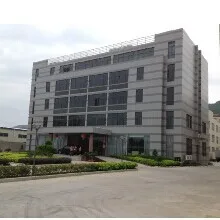
Fuzhou Botteli Trading Co., Ltd.
- Trading Company
- Fujian, China
- Lead time30 days
- Avg. response≤ 5h
Main productsflip flops,slipper,bags,clogs,shoes
Main marketsSoutheast Asia(20.00%), North America(15.00%), Northern Europe(10.00%), Eastern Europe(10.00%), Southern Europe(5.00%), South America(5.00%), Central America(5.00%), Western Europe(5.00%), Eastern Asia(5.00%), Mid East(5.00%), Oceania(5.00%), Domestic Market(5.00%), South Asia(3.00%), Africa(2.00%)
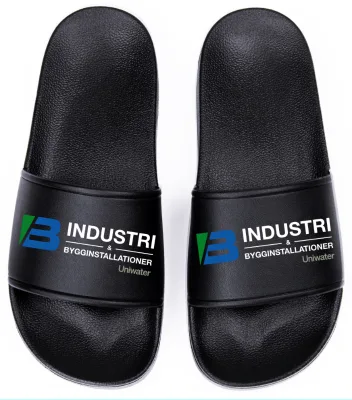
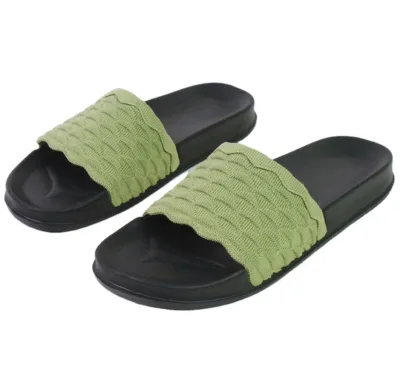
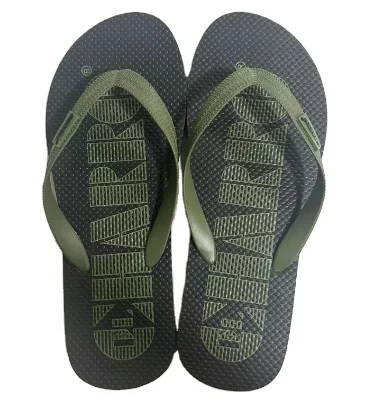
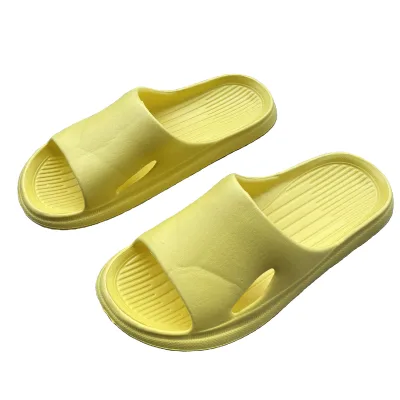
slippers Pe Flip Flops Couple Bathroom slippers
$0.80 - $1.30
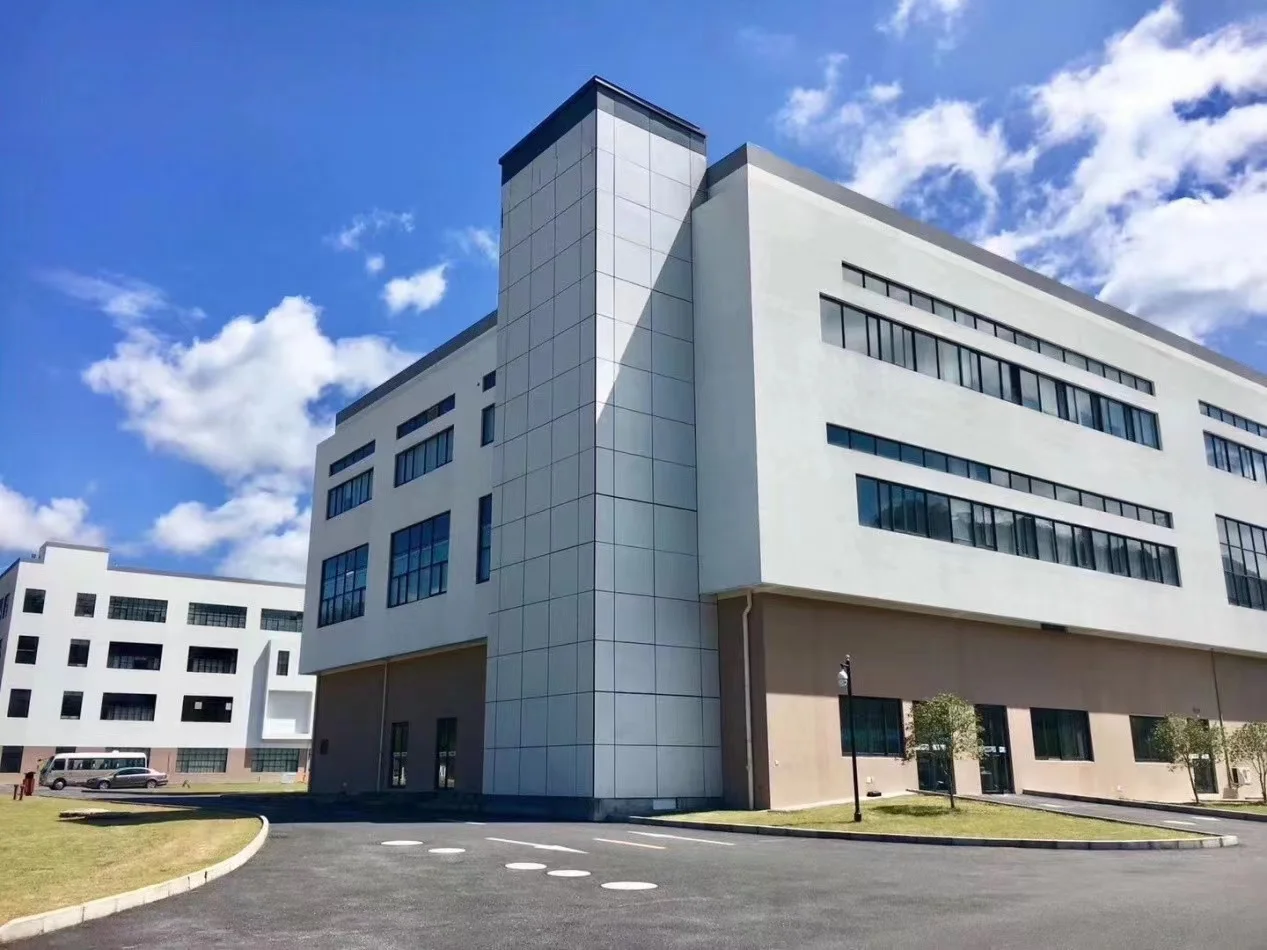
Hefei Chunshiji Houseware Co., Ltd.
- Trading Company
- Anhui, China
- Lead time25 days
- Avg. response≤ 2h
Main productsfashion flat sandals,Custom flip-flops,Stock flip-flops shoes,Casual sports shoes,Hotel supplies manufacturer
Main marketsAfrica(50.00%), North America(30.00%), Southern Europe(20.00%)

Hangzhou Hengxin Imp. & Exp. Co., Ltd.
- Trading Company,Manufacturer/Factory
- China Zhejiang
- Lead time30 days
- Avg. response≤ 7h
Main productsSlippers, Women Slippers, Men Slippers, Kids Slippers, Indoor Slippers, Autumn Winter Slippers
Main marketsSouth America,Eastern Europe,Mid East,North America,Southeast Asia,Eastern Asia,Oceania,Western Europe,Africa

Yangzhou Haisheng Slipper Co., Ltd.
- Combined
- China Jiangsu
- Lead time23 days
- Avg. response≤ 5h
Main productsHotel Slipper, Disposable Slipper, Hotel Amenities, Slipper, Hotel Supply
Main marketsSoutheast Asia/ Mideast,East Asia(Japan/ South Korea),Domestic,Europe,North America

Quanzhou Yuchuang Shoes Co., Ltd.
- Verified by TUVRHEINLAND
- Combined
- China Fujian
- Lead time15 days
- Avg. response≤ 6h
Main productsSlippers, Flip Flops, Clogs
Main marketsSouth America,Europe

Bathroom EVA Couple Summer Indoor Bath Slippers Casual Breathable Slides Slippers
$2.98 - $3.50
MOQ: 2 Pairs


Home Slippers Women's Summer Indoor Non-Slip Silent Household Bathroom Bath Slippers
$1.29 - $1.91
MOQ: 2 Pairs


Summer New Indoor Home Thick Bottom Bathroom Bath Anti-Slip Anti-Outdoor Slippers
$4.09 - $4.69
MOQ: 2 Pairs
Jieyang City Rongcheng District Mudina Shoe Factory
- Verified by TüVRheinland
- Trading Company
- Lead time18 days
- Avg. response≤ 2h
Main productsSlippers
Main marketsDomestic Market(100%)

- Verified by CTI
- Trading Company
- China Jiangsu
- Lead time23 days
- Avg. response≤ 8h
Main productsDesert Boots, Hunting Boots, Safety Boots&Shoes, Hiking Shoes, Casual Shoes, Snow Boots, Slippers, Clothing
Main marketsSoutheast Asia/ Mideast,Europe
Nanning Youkeshu Electronic Commerce Co., Ltd.
- Trading Company
- Guangxi, China
- Lead time3 days
- Avg. response≤ 8h
Main productsPersonal home appliances,Household appliances,Personal home appliances,Beauty&Make up,Care products
Main marketsCentral America(20.00%), North America(20.00%), Southern Europe(10.00%), Northern Europe(10.00%), South America(10.00%), Western Europe(10.00%), Eastern Europe(10.00%), South Asia(5.00%), Eastern Asia(5.00%), Mid East(5.00%), Africa(5.00%), Southeast Asia(5.00%)
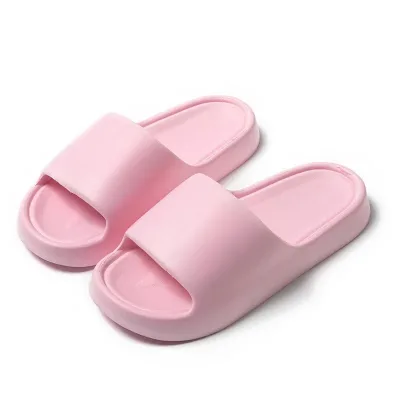
Home Anti slip Indoor Bathroom EVA slippers for Men and Women's Shower Sandals
$0.84 - $1.05
MOQ: 50 Minimum

Guangdong Guangfusan Footware Co., Ltd.
- Manufacturer, Trading Company
- Guangdong, China
- Lead time15 days
- Avg. response≤ 6h
Main productsslippers,Sandals,Flip Flops,Shoes,Plastic Shoes
Main marketsSoutheast Asia(60.00%), Africa(30.00%), Mid East(5.00%), South Asia(1.00%), Central America(1.00%), Eastern Asia(1.00%), North America(1.00%), South America(1.00%)
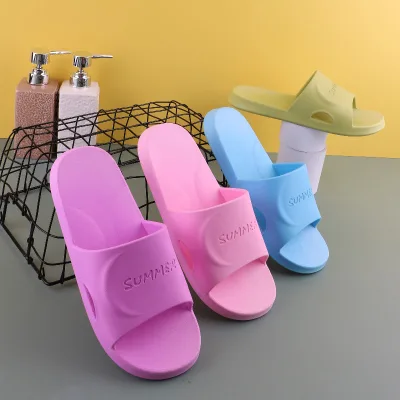
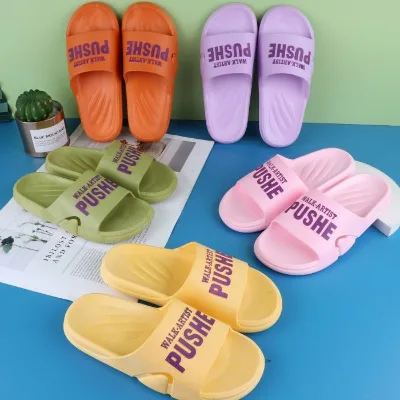
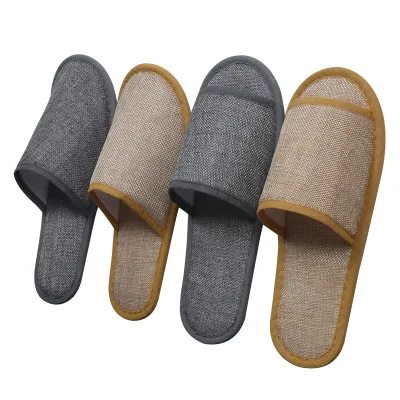
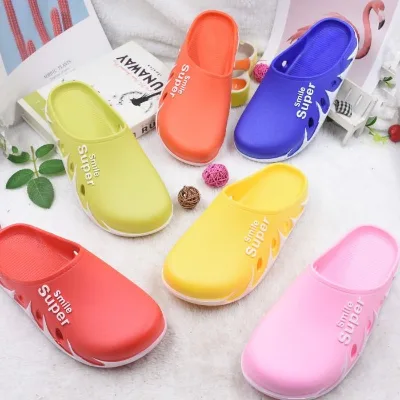
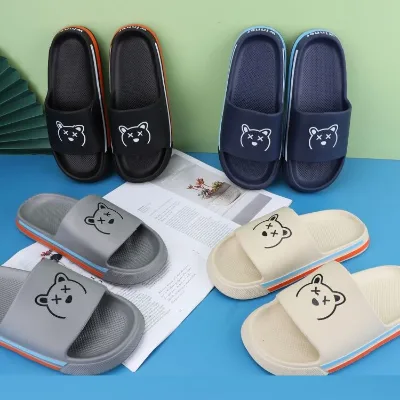
Hot Selling Custom logo Bathroom Anti slip Sleepers Comfortable slippers for Women
$1.04 - $1.08
MOQ: 2000

- Verified by TUVRHEINLAND
- Trading Company
- China Zhejiang
- Lead time15 days
- Avg. response≤ 9h
Main productsSport Wear, Yoga Pants, Sports Bra, Sports Cap, Waist Bag, Sports Sock, Sports Towel, Quick Dry Clothes, Yiwu Buying Agent, Sourcing Agent
Main marketsSouth America,Europe,North America
- Manufacturer, Trading Company
- Fujian, China
- Lead time0 days
- Avg. response≤ 3h
Main productsEVA slipper,EVA Sandals,flip-flops slippers,EVA Cotton slippers,EVA Clogs
Main marketsSouth America(30.00%), North America(30.00%), Eastern Europe(20.00%), Southern Europe(10.00%), Western Europe(10.00%)

Nanjing New Climate Sport Ware Co., Ltd.
- Verified by CTI
- Trading Company
- China Jiangsu
- Lead time15 days
- Avg. response≤ 21h
Main productsCap, Hat, Scarf, Glove, Sock, Bag, Blacket, T-Shirt, Bandana, Beanie
Main marketsSoutheast Asia/ Mideast,East Asia(Japan/ South Korea),Europe,Australia,North America
Quanzhou Xinpu Trading Co., Ltd.
- Verified by SGS
- Trading Company
- China Fujian
- Lead time15 days
- Avg. response≤ 6h
Main marketsNorth America


$1.50 - $3.00
MOQ: 50 Pairs
Jiangxi Shuangxing Shoes Co., Ltd.
- Manufacturer, Trading Company
- Jiangxi, China
- Lead time0 days
- Avg. response≤ 1h
Main productsslippers,shoes,slides,flip flops,slides slippers
Main marketsNorth America(50.00%), South America(20.00%), Africa(10.00%), Southeast Asia(10.00%), Eastern Europe(10.00%)
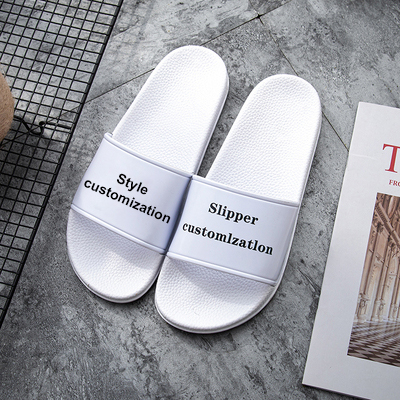
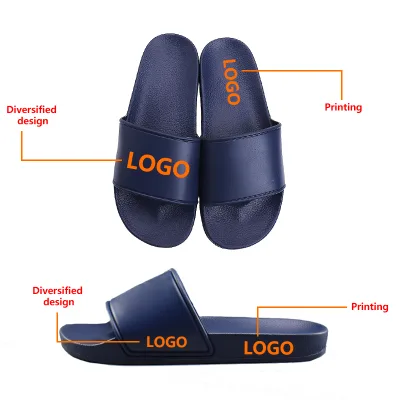
OEM Supplier slippers Customize House slippers Bathroom Non-slip Women Custom slippers
$2.85 - $5.30
MOQ: 1 pairs
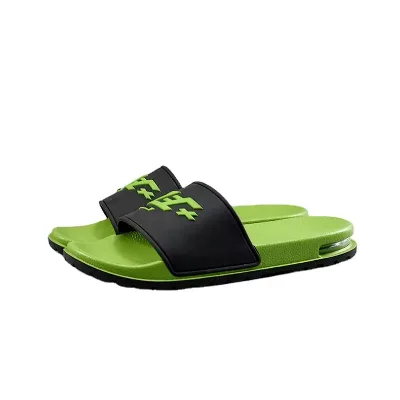
Custom slippers with logo Unisex Bath Shower Antiskid PVC Rubber Indoor slippers Men Custom
$2.79 - $5.19
MOQ: 1 pairs
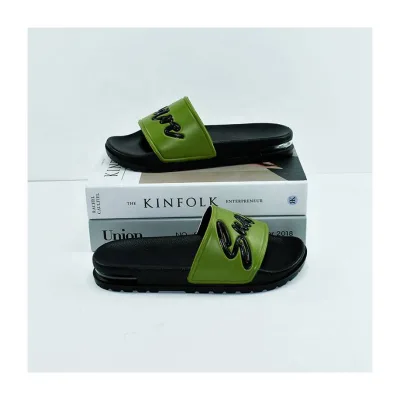
Popular Home Indoor Men's and Women's Bathroom Non-slip Summer Soft Custom slippers
$2.79 - $5.19
MOQ: 1 pairs

Ningbo Youkiunite Imp &Exp Co., Ltd
- Verified by CTI
- Trading Company
- China Zhejiang
- Lead time15 days
- Avg. response≤ 6h
Main productsSocks, Hat/Cap, Slippers, Shoelaces, Scarf, Gloves, Pet Products, Shoes Accessories, Garment Accessories, Shoes
Main marketsSouth America,Europe,North America
Wuchuan Zhongtai Shoes Co., Ltd.
- Verified by TüVRheinland
- Manufacturer, Trading Company
- Lead time20 days
- Avg. response≤ 5h
Main productsSlippers
Main marketsAfrica(60%), Southeast Asia(10%), North America(5%)

YANCHENG HAPPYNESS IMP. AND EXP. CO. LTD
- Verified by SGS
- Trading Company
- China Jiangsu
- Lead time15 days
- Avg. response≤ 4h
Main productsCustom Slides Slippers, Custom Indoor Slippers, Custom Socks, Custom Caps, Custom Clothing, Custom Rainboots, Custom Winter Boots, Custom Shoes, Custom Slippers, Custom Flipflops
Main marketsSouth America,Africa,Southeast Asia/ Mideast,East Asia(Japan/ South Korea),Domestic,Europe,Australia,North America

- Verified by BV
- Trading Company
- China Fujian
- Lead time30 days
- Avg. response≤ 5h
Main productsSlippers, Flip Flops, Clogs, EVA Beach Slippers, Gift Slippers, Injection Slippers, Canvas Shoes, Sandals
Main marketsSouth America,Africa,Southeast Asia/ Mideast,Europe,North America

Children Shower Slippers Comfortable Open Toe Slippers House Shoes New Design Slides Sandals
$1.00 - $3.00
MOQ: 1000 Pairs

$1.50 - $3.50
MOQ: 3000 Pairs
Ningbo Aggpo Import And Export Co., Ltd.
- Verified by SGS Group
- Trading Company
- Lead time5 days
- Avg. response≤ 5h
Main productsHousehold daily goods, Consumer goods, Pet goods, Sports goods, Hardware goods
Main marketsNorth America(30%), South America(30%), Western Europe(25%)

Yangzhou Mingchi Hotel Products Co., Ltd
- Verified by SGS
- Combined
- China Jiangsu
- Lead time30 days
- Avg. response≤ 2h
Main productsHotel Slipper, Hotel Laundry Bag, Hotel Amenities
Main marketsSoutheast Asia/ Mideast,Europe,North America

Cheap Price Luxury Eco-Friendly Indoor Washable Bathroom Room Coral Hotel Slippers
$0.42 - $0.45
MOQ: 2000 Pairs


Yancheng Happyness Imp.&Exp. Co., Ltd.
- Verified by Intertek
- Trading Company
- Lead time30 days
- Avg. response≤ 2h
Main productsShoes
Main marketsNorth America(20%), Western Europe(18%), South America(10%)

Yangzhou Lucky Bear Craft & Gifts Co., Ltd.
- Verified by TUVRHEINLAND
- Trading Company
- China Jiangsu
- Lead time30 days
- Avg. response≤ 2h
Main productsTeddy Bear, Plush Toy, Stuffed Animal, Toy Shoes, Baby Toy, Rocking Horse, Unstuffed Animal Skin, Indoor Slippers, Snow Boots, Promotional Toys
Main marketsEurope,North America


Comfortable Cotton Upper Memory Foam House Shoes Flat Closed Toe Indoor Slippers for Women and Men
$0.95 - $2.98
MOQ: 500 Pieces
Jinjiang Keytop Shoes Co., Ltd.
- Verified by SGS Group
- Trading Company
- Fujian, China
- Lead time7 days
- Avg. response≤ 2h
Main productsBarefoot Shoes, Barefoot Sneakers, Barefoot Sandels, Barefoot Boots, Barefoot Outdoor Shoes
Main marketsNorth America(30%), South America(30%), Northern Europe(20%)

Yangzhou Top Daily Chemical Co., Ltd.
- Verified by SGS
- Trading Company
- China Jiangsu
- Lead time30 days
- Avg. response≤ 3h
Main marketsSoutheast Asia/ Mideast,East Asia(Japan/ South Korea),Domestic,Europe,Australia

Hot Selling Custom Disposable SPA Hotel Comfortable Four Season Bathroom Soft Slippers
$0.22 - $0.23
MOQ: 5000 Pairs

Fuzhou Harvest Land Industry Co., Ltd.
- Verified by SGS Group
- Trading Company
- Lead time45 days
- Avg. response≤ 2h
Main productsCasual Shoes, Safety Shoes, Boots, Sandals, Slippers
Main marketsDomestic Market(43%), Western Europe(27%), North America(15%)
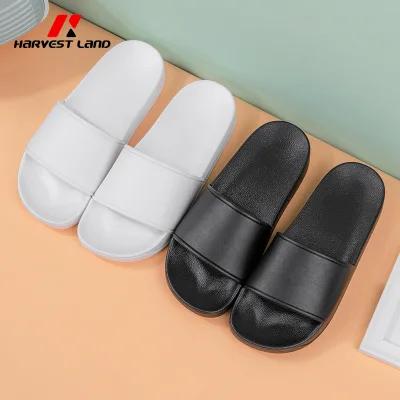
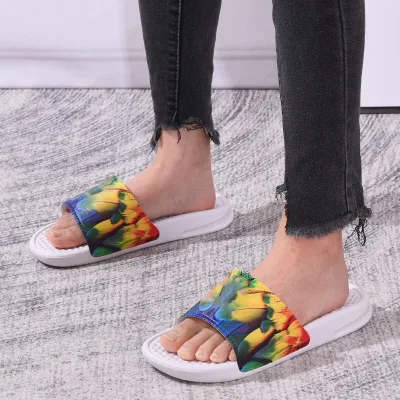
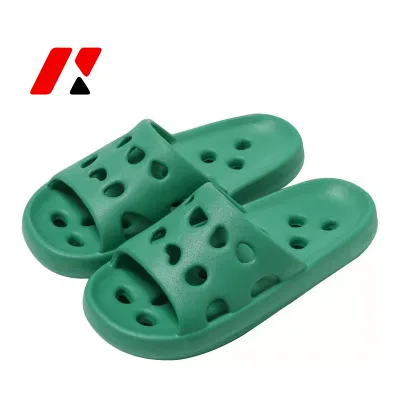
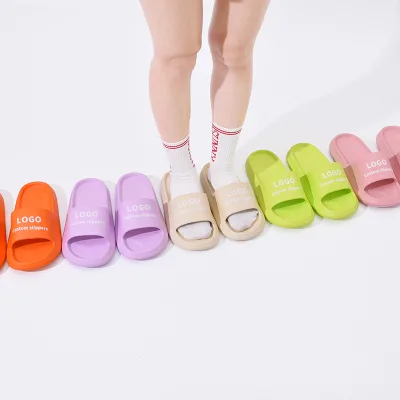
Factory Customized LOGO One Slipper Bathroom Hotel Online Red OEM for Hotel
$1.79 - $2.62
MOQ: 100 pairs
Fuzhou Bosirui International Trading Co., Ltd.
- Verified by SGS Group
- Trading Company
- Lead time25 days
- Avg. response≤ 1h
Main productsFlip Flops, Sandals, Slides Slippers, Aqua Shoes, Fur Slides
Main marketsNorth America(30%), Africa(30%), Eastern Asia(20%)
Guangzhou JY Trading Co., Ltd.
- Trading Company
- Guangdong, China
- Lead time3 days
- Avg. response≤ 3h
Main productsShoe, Fashion Shoes, Men Shoes, Cotton Slippers, Slippers
Main marketsNorth America(20.00%), Africa(20.00%), Eastern Europe(20.00%), Western Europe(15.00%), Eastern Asia(10.00%), Oceania(5.00%), Mid East(5.00%), Southeast Asia(5.00%)

Junten Keep-Warm Products (Kunshan) Co., Ltd.
- Manufacturer/Factory
- China Jiangsu
- Lead time90 days
Main productsHeat Pack, Hand Warmer, Body Warmer, Toe Warmer, Foot Warmer, Hot Pad, Heat Pad, Hot Pack, Adhesive Body Warmer, No-Adhesive Body Warmer
Main marketsSouth America,Eastern Europe,Mid East,North America,Southeast Asia,Eastern Asia,Oceania,Western Europe,Africa








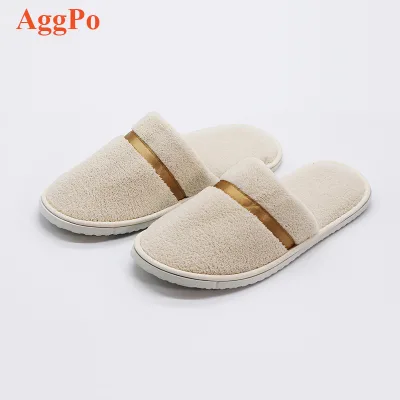
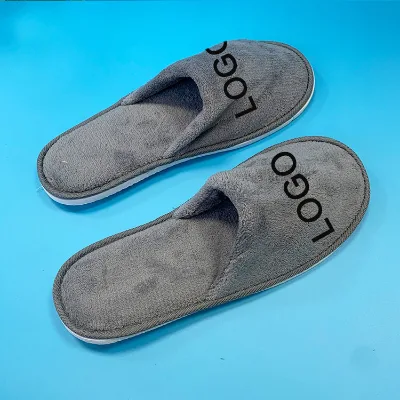
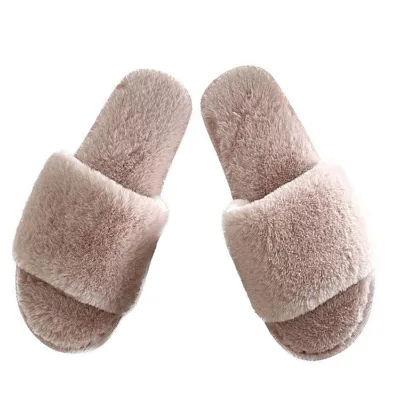
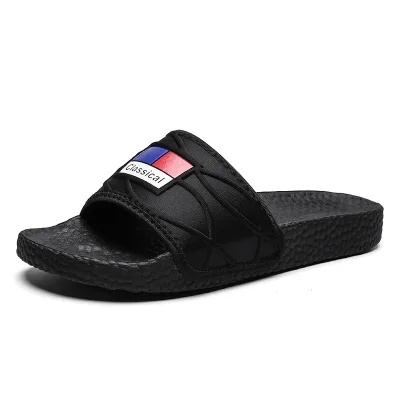


Comprehensive Sourcing Guide
Bathroom Slippers Supplier Concentration and Factory Types
Current search results indicate a concentration of suppliers located in Fujian, China, and Anhui, China, which are the only verified locations for this specific product category in the provided data. These regions host a mix of trading companies and manufacturers specializing in footwear, with main product lines often including flip flops, slippers, bags, clogs, and shoes. The presence of trading companies suggests that buyers may encounter intermediaries who aggregate products from various factories rather than dealing directly with the production floor. This structure can influence pricing and communication flows, requiring buyers to distinguish between direct factory capabilities and trading company services.
When evaluating the factory types, it is essential to note that the data confirms the existence of trading companies within the results, but does not explicitly label all entities as direct manufacturers. Buyers should verify whether a supplier is a factory or a trading company by requesting proof of production capacity or factory audits. The product evidence shows diverse materials like PVC and EVA, indicating that different facilities may specialize in specific material types. Understanding the distinction between a trading company and a manufacturer is critical for negotiating better prices and ensuring quality control, as direct factories often have more flexibility in customization and production scheduling.
How to Verify Bathroom Slippers Suppliers
Verification begins with confirming the physical location of the supplier, as the data explicitly lists Fujian and Anhui as the origins for the observed products. Buyers should request a business license and factory address to ensure the supplier operates from the claimed region, as this impacts logistics and potential tariffs. Additionally, checking the response time is a practical verification step; the observed data shows response times of 5 and 2 hours, which can indicate the efficiency of the supplier's communication team. A faster response time often correlates with better customer service and more active management of inquiries, though it does not guarantee product quality on its own.
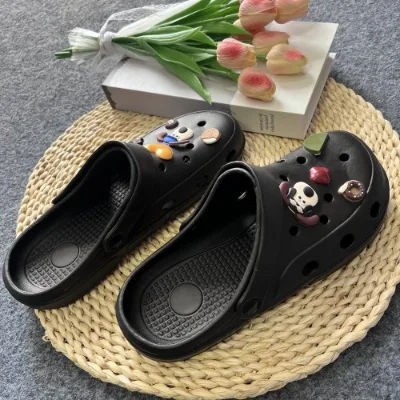
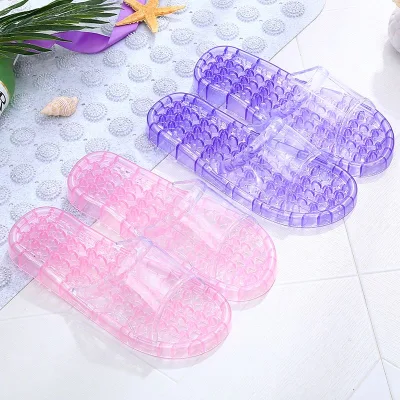
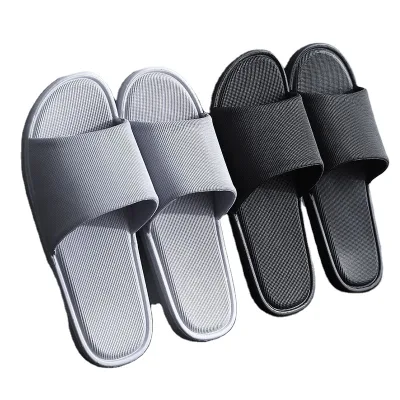
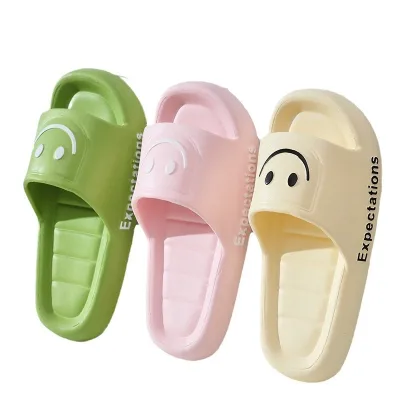
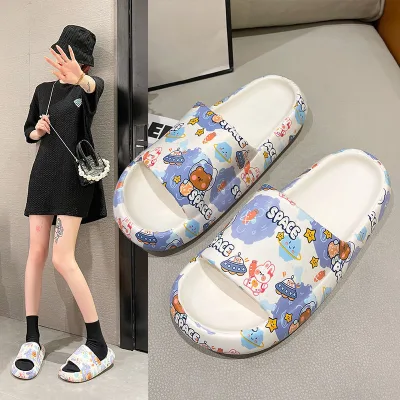
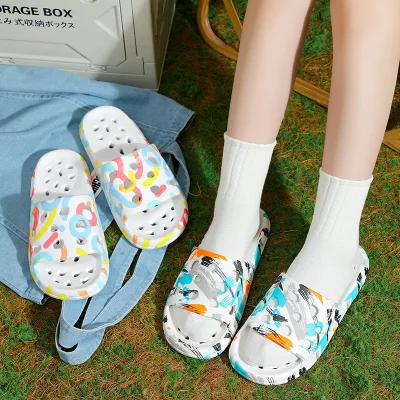
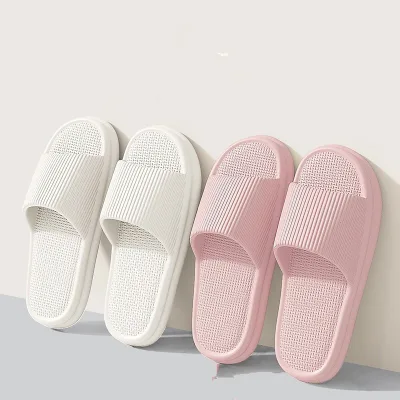
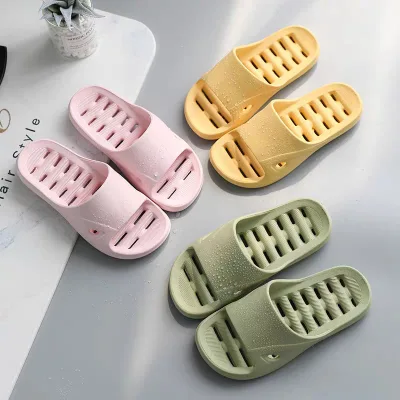
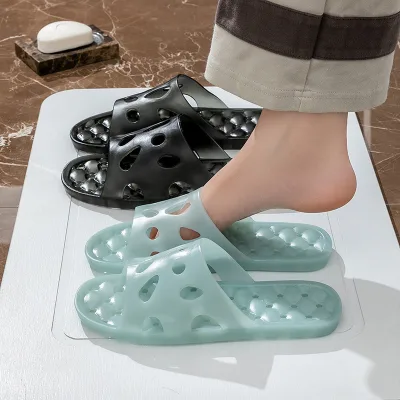
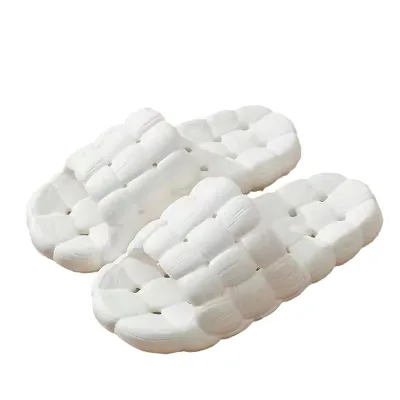
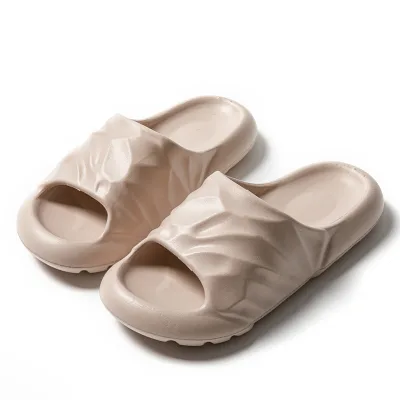
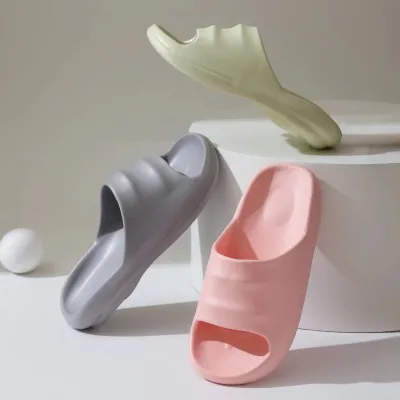
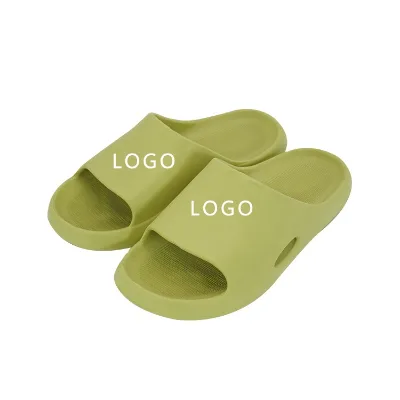
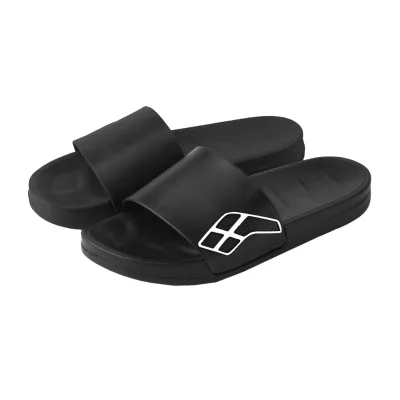
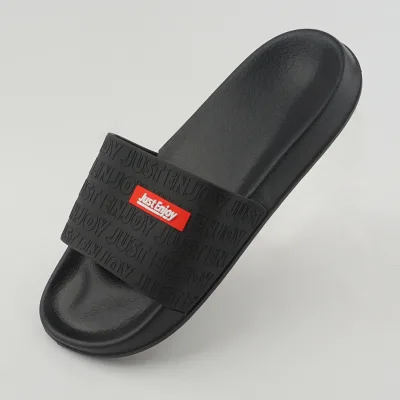
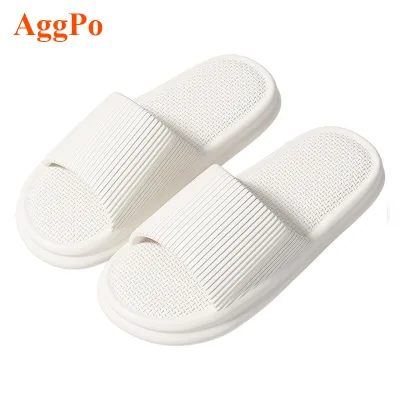
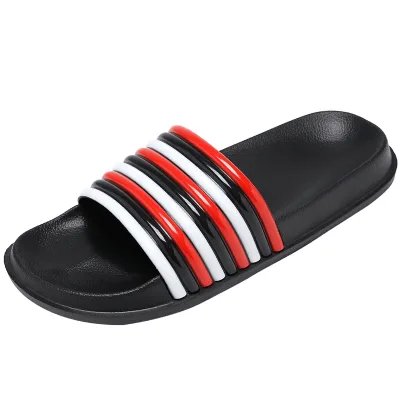
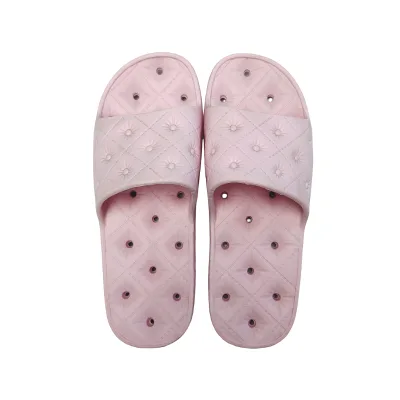
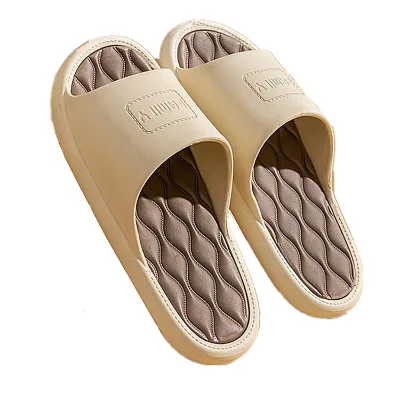
Beyond location and speed, buyers must verify product specifications against the provided evidence to ensure the supplier can meet specific material requirements. The data highlights products with PVC and EVA materials, featuring attributes like anti-slippery, quick-drying, and breathable properties. Buyers should ask for physical samples that match these specific attributes, such as the "Bathroom Anti slip slippers" or "Home Bathroom Slippers" listed, to confirm the actual quality of the lining, upper, and outsole materials. It is also crucial to verify the model numbers and brand names, as some products are marked as "Customized" or "OEM," indicating the supplier's ability to handle private labeling.
What to Compare Across Bathroom Slippers Suppliers
Comparing suppliers requires a detailed analysis of lead times, minimum order quantities, and pricing structures found in the search results. The data reveals lead times ranging from 25 to 30 days, which is a significant factor for inventory planning and delivery schedules. Buyers should compare these timelines against their own demand cycles to avoid stockouts or overstocking. Additionally, the minimum order quantities vary widely, with some products requiring as few as 2 units while others demand 1200 units. This disparity means buyers must align their order volume with the supplier's capacity to avoid being locked into unmanageable inventory levels.
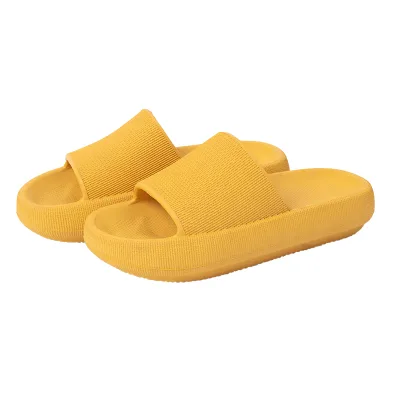
Pricing and material composition are also critical comparison points, as the data shows price ranges from $0.80 to $35.00 depending on the product type and specifications. Suppliers offering products with EVA materials, such as the "Colorful Eva Thick Sole Indoor Bath slippers," may have different cost structures compared to those using PVC. Buyers should compare the unit price against the material quality and features like "Anti-Slippery" or "Hard-Wearing" to determine the true value proposition. Furthermore, comparing the response times of 2 hours versus 5 hours can help identify which suppliers are more responsive to urgent inquiries, potentially affecting the overall efficiency of the sourcing process.
Common Bathroom Slippers Sourcing Risks
One significant risk involves the variability in minimum order quantities, which can trap buyers in high-volume commitments if not carefully managed. The data indicates that some products have an MOQ of 1200 units, while others allow for orders as low as 2 units. This inconsistency can lead to financial strain if a buyer commits to a high MOQ without sufficient market demand. Buyers must carefully review the MOQ for each specific product model before placing an order to ensure it aligns with their sales projections and storage capabilities. Ignoring these thresholds can result in excess inventory that ties up capital and increases the risk of obsolescence.
Another risk is the potential mismatch between advertised features and actual product performance, particularly regarding material durability and safety. The product evidence lists features like "Anti-Slippery" and "Quick-Drying," but these claims must be validated through physical testing. Suppliers may claim a product is suitable for "Summer, Spring, Autumn, Winter," but the actual performance in wet conditions can vary based on the outsole material, such as PVC or Rubber. Buyers should request third-party test reports or conduct their own safety checks to ensure the slippers meet the necessary standards for slip resistance and material safety, especially for bathroom environments where water exposure is constant.
Bathroom Slippers Regional Sourcing and Logistics
The regional sourcing landscape is defined by the specific locations of Fujian and Anhui, China, which serve as the primary hubs for the observed Bathroom Slippers. These regions offer distinct logistical advantages, with Fujian being a major coastal province known for its export infrastructure and Anhui providing inland manufacturing capabilities. Buyers should consider the proximity of these locations to major ports when calculating shipping costs and transit times. The data confirms that products originate from these specific provinces, allowing buyers to estimate freight costs more accurately based on the known shipping routes from these regions to their destination markets.
Logistics planning must also account for the packaging dimensions and weight provided in the product evidence, such as a single package size of 32x22x5 cm and a gross weight of 0.450 kg. These specifications are vital for calculating container loading efficiency and determining the total shipping volume. Buyers should use these exact figures to optimize their freight arrangements, ensuring that they maximize space utilization within shipping containers to reduce per-unit shipping costs. Additionally, understanding the lead times of 25 to 30 days is essential for coordinating the arrival of goods with the logistics schedule, preventing delays that could disrupt the supply chain and affect customer satisfaction.
Bathroom Slippers Commercial Terms and Order Planning
Commercial terms for Bathroom Slippers vary significantly based on the supplier's location and product type, with lead times ranging from 25 to 30 days. Buyers must incorporate these timelines into their order planning to ensure timely delivery, especially when dealing with seasonal demand. The data shows that some suppliers have a response time of 2 hours, while others take 5 hours, which can impact the speed of negotiation and order confirmation. Planning for these response windows is crucial to maintain a smooth procurement process and avoid delays in finalizing orders or resolving any issues that arise during the transaction.
Order planning should also consider the diverse pricing structures and MOQs observed in the results, which range from $0.80 to $35.00 per unit. Buyers need to balance the cost per unit with the minimum order requirements to optimize their budget and inventory levels. For instance, a supplier with a low MOQ of 2 units might have a higher unit price compared to one requiring 1200 units. Strategic order planning involves selecting the right mix of products to meet demand while adhering to the supplier's commercial terms. Additionally, buyers should verify if escrow services are available to protect their payments, ensuring that funds are only released once the goods meet the agreed-upon specifications and quality standards.
FAQs
What is the price range for Bathroom Slippers?
Bathroom Slippers typically range from $0.80 to $35.00 per pair depending on material and customization. Basic EVA models start around $0.85, while premium PVC options can reach $31.11. Prices vary based on order volume, with lower MOQs often carrying higher unit costs for small batches.
What materials are used for Bathroom Slippers?
Common materials include PVC and EVA for uppers, linings, and outsoles. Some models feature rubber midsoles for added durability. These materials provide anti-slippery, quick-drying, and breathable properties suitable for indoor and outdoor bathroom use across all seasons.
What is the minimum order quantity for slippers?
MOQs vary significantly by product type. Some items require as few as 2 pairs, while others demand 1,200 pairs. Standard EVA Bathroom Slippers often have an MOQ of 50 pairs. Buyers should check specific product listings for exact quantity requirements.
Where are Bathroom Slippers manufactured?
Manufacturing locations include Fujian and Anhui provinces in China. Suppliers in these regions specialize in flip-flops, slippers, and casual shoes. Origin details are listed in product attributes, ensuring transparency regarding the production source for quality and logistics planning.
How long does production take?
Lead times generally range from 25 to 30 days. Response times for supplier inquiries are typically 2 to 5 days. Buyers should confirm specific delivery schedules with suppliers, as production capacity and order volume can influence the final turnaround time.
What features do Bathroom Slippers offer?
Key features include anti-slippery soles, quick-drying surfaces, and breathability. Many models are lightweight, hard-wearing, and recyclable. Options also include massage soles, height-increasing designs, and anti-odor properties, catering to comfort and hygiene needs in bathroom environments.