Eco-Friendly Outdoor Slippers Suppliers and Manufacturers
Source 28 verified suppliers for Eco-Friendly Outdoor Slippers. Compare Guangdong-based manufacturers offering PVC and EVA materials with response times under 6 hours and lead times around 15 days. Review MOQs starting from 2 units and request quotes for custom designs.
Suppliers List

Guangdong Guangfusan Footware Co., Ltd.
- Manufacturer, Trading Company
- Guangdong, China
- Lead time15 days
- Avg. response≤ 6h
Main productsslippers,Sandals,Flip Flops,Shoes,Plastic Shoes
Main marketsSoutheast Asia(60.00%), Africa(30.00%), Mid East(5.00%), South Asia(1.00%), Central America(1.00%), Eastern Asia(1.00%), North America(1.00%), South America(1.00%)
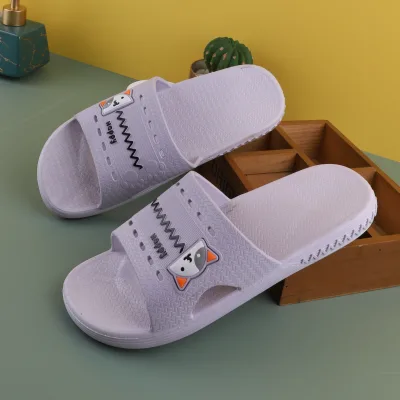
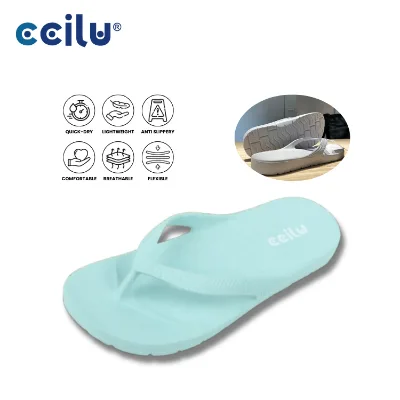
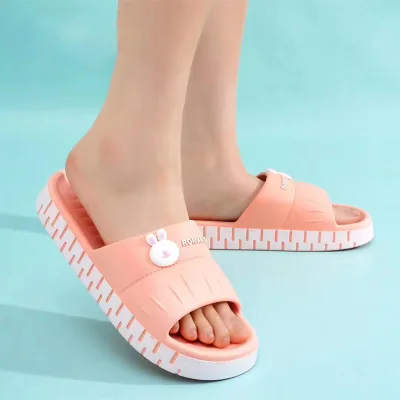
100% Eco-friendly Outdoor Bedroom Anti-slip PVC Outdoor and Indoor slippers
$1.02 - $1.06
MOQ: 2 pairs

Yangzhou Mingchi Hotel Products Co., Ltd
- Verified by SGS
- Combined
- China Jiangsu
- Lead time30 days
- Avg. response≤ 1h
Main productsHotel Slipper, Hotel Laundry Bag, Hotel Amenities
Main marketsSoutheast Asia/ Mideast,Europe,North America


Eco-Friendly Hotel Slippers Natural Plant Fiber, Soft, and Good Guest Experience
$0.68 - $0.70
MOQ: 2000 Pairs

Hangzhou Hengxin Imp. & Exp. Co., Ltd.
- Trading Company,Manufacturer/Factory
- China Zhejiang
- Lead time30 days
- Avg. response≤ 7h
Main productsSlippers, Women Slippers, Men Slippers, Kids Slippers, Indoor Slippers, Autumn Winter Slippers
Main marketsSouth America,Eastern Europe,Mid East,North America,Southeast Asia,Eastern Asia,Oceania,Western Europe,Africa

Quanzhou Yuchuang Shoes Co., Ltd.
- Verified by TUVRHEINLAND
- Combined
- China Fujian
- Lead time15 days
- Avg. response≤ 6h
Main productsSlippers, Flip Flops, Clogs
Main marketsSouth America,Europe


3D Custom Logo Flat Outdoor Slippers Open Toe Design Anti-Slip Slides Slippers
$2.98 - $5.85
MOQ: 2 Pairs

Pillow Slides Fashion Casual Double-Buckle Breathable Anti-Slip EVA Slippers
$2.20 - $3.50
MOQ: 2 Pairs
Guangzhou Jingyi Trading Co., Ltd.
- Trading Company, Distributor/Wholesaler
- Guangdong, China
- Lead time7 days
- Avg. response≤ 1h
Main productsLadies handbags,Girls cross bags,Women shoulder bags,women wallets,Men bags
Main marketsNorth America(60.00%), Southern Europe(10.00%), Eastern Europe(10.00%), South America(10.00%), Domestic Market(5.00%), Western Europe(5.00%)

Fuzhou Botteli Trading Co., Ltd.
- Trading Company
- Fujian, China
- Lead time30 days
- Avg. response≤ 5h
Main productsflip flops,slipper,bags,clogs,shoes
Main marketsSoutheast Asia(20.00%), North America(15.00%), Northern Europe(10.00%), Eastern Europe(10.00%), Southern Europe(5.00%), South America(5.00%), Central America(5.00%), Western Europe(5.00%), Eastern Asia(5.00%), Mid East(5.00%), Oceania(5.00%), Domestic Market(5.00%), South Asia(3.00%), Africa(2.00%)
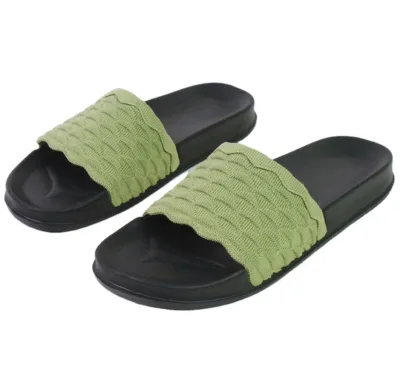
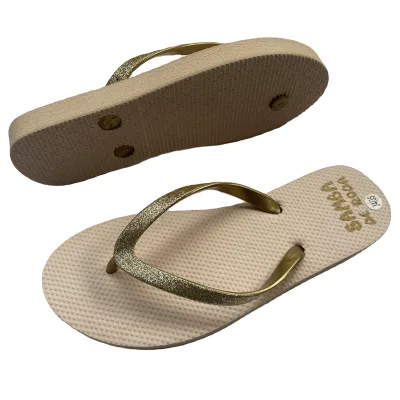
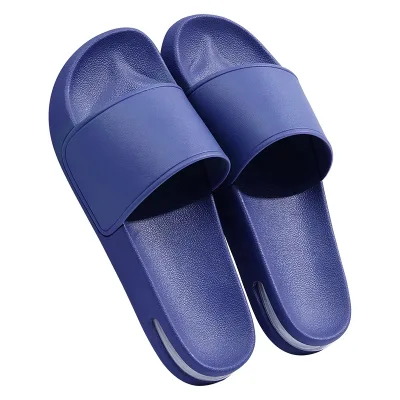
$3.00 - $5.00
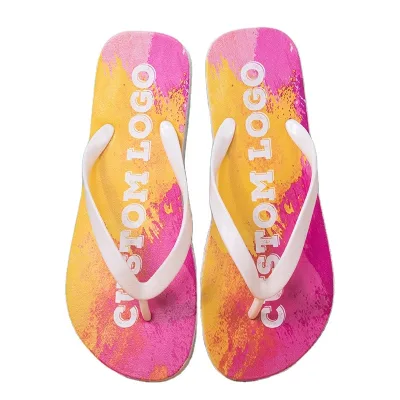
pink Wedding Flip-flops slippers
$3.30 - $20.00
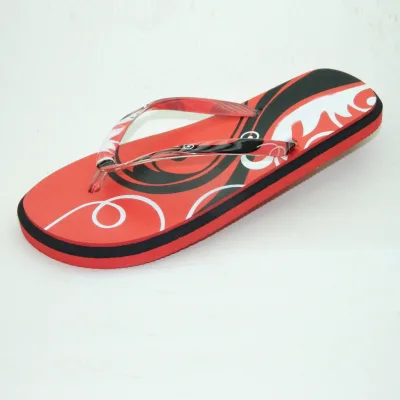
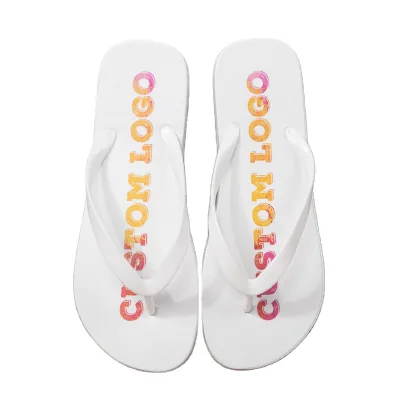
$3.30 - $20.00

Yangzhou Haisheng Slipper Co., Ltd.
- Combined
- China Jiangsu
- Lead time23 days
- Avg. response≤ 5h
Main productsHotel Slipper, Disposable Slipper, Hotel Amenities, Slipper, Hotel Supply
Main marketsSoutheast Asia/ Mideast,East Asia(Japan/ South Korea),Domestic,Europe,North America

Flip Flops Style Print Logo Environmentally Friendly Disposable Eco Hotel Slippers
$0.40 - $0.80
MOQ: 500 Pieces


Ningbo Youkiunite Imp &Exp Co., Ltd
- Verified by CTI
- Trading Company
- China Zhejiang
- Lead time15 days
- Avg. response≤ 6h
Main productsSocks, Hat/Cap, Slippers, Shoelaces, Scarf, Gloves, Pet Products, Shoes Accessories, Garment Accessories, Shoes
Main marketsSouth America,Europe,North America


Pleated Solid Color Home Slippers Liqht Soft Bottom Non Slip Home Slipper
$0.79 - $0.85
MOQ: 300 pairs


- Manufacturer, Trading Company
- Taiwan, China
- Lead time0 days
- Avg. response≤ 1h
Main productsFootwear, Sports Equipment, Compound Material
Main marketsEastern Asia(41.00%), North America(33.00%), Domestic Market(11.00%), Africa(10.00%), Southeast Asia(5.00%)
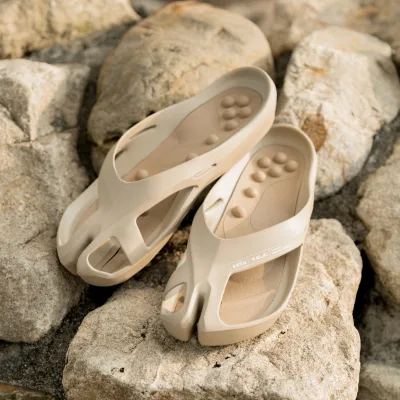
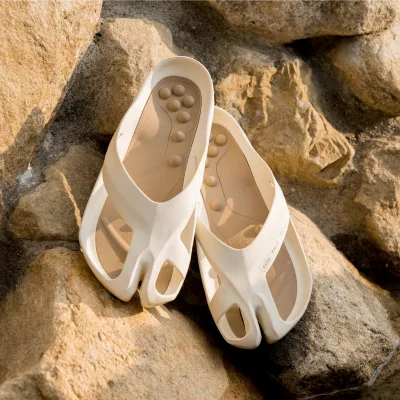
Open toe flexible outdoor mens eva slippers
$14.50 - $15.30
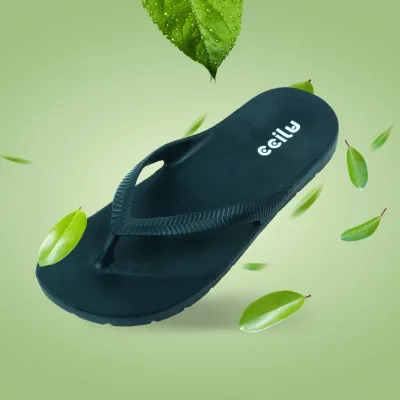
Shock absorbent outdoor slippers for women in box
$14.50 - $15.30
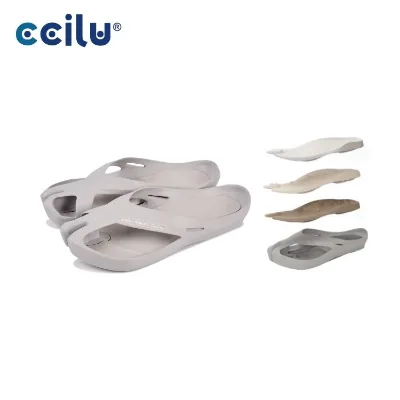
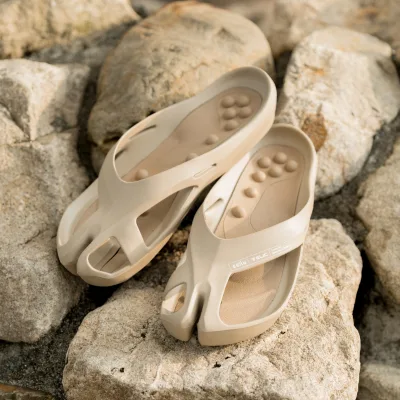
Arch support eva summer beach slippers
$14.50 - $15.30
- Manufacturer, Trading Company
- Lead time旺季: "1 - 500":5,"501 - 3000":7,"3001 - 5000":10,"> 5000":"To be negotiated", 淡季: "1 - 500":5,"501 - 3000":7,"3001 - 5000":10,"> 5000":"To be negotiated"
- Avg. response≤ 3h
Main productsCustom Flags And Banners, Promotion Gifts, Promotion Apparel And Accessories, Advertising Display, Fashion Accessories

Yangzhou Top Daily Chemical Co., Ltd.
- Verified by SGS
- Trading Company
- China Jiangsu
- Lead time30 days
- Avg. response≤ 3h
Main marketsSoutheast Asia/ Mideast,East Asia(Japan/ South Korea),Domestic,Europe,Australia
Chaozhou Daxin Shoes Co., Ltd.
- Verified by Intertek
- Manufacturer, Trading Company
- Lead time25 days
- Avg. response≤ 5h
Main productsSlippers, Sandals
Main marketsAfrica(60%), South America(15%), Mid East(15%)
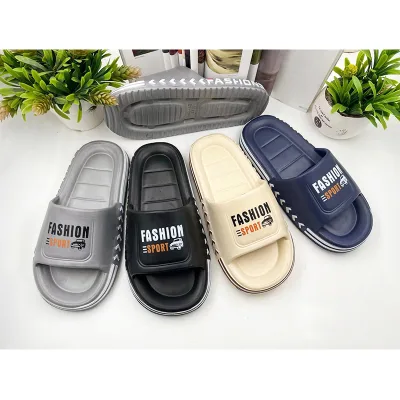
New Design slippers for Men 2024 EVA Men slippers Casual Indoor Outdoor Summer slippers
$1.15 - $1.25
MOQ: 1 pairs
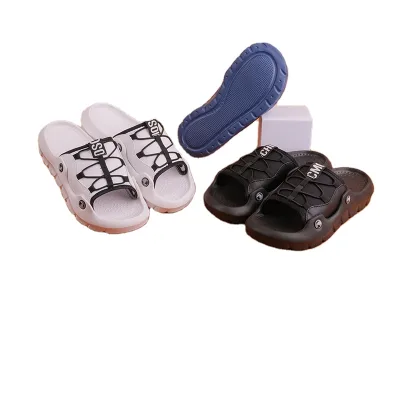
Thick Bottoming New Eva slippers comfort Custom Eva slippers Outdoor Men Fancy Eva slippers
$2.33 - $2.43
MOQ: 1 pairs
- Trading Company
- Guangdong, China
- Lead time0 days
- Avg. response≤ 4h
Main productsChildren's Toys,Anime action,Garden port,Plush toys,S925 Silver Jewelry
Main marketsWestern Europe(20.00%), South America(20.00%), North America(20.00%), Southeast Asia(10.00%), South Asia(5.00%), Northern Europe(5.00%), Eastern Europe(5.00%), Eastern Asia(5.00%), Mid East(5.00%), Africa(5.00%)

Nanjing New Climate Sport Ware Co., Ltd.
- Verified by CTI
- Trading Company
- China Jiangsu
- Lead time15 days
- Avg. response≤ 21h
Main productsCap, Hat, Scarf, Glove, Sock, Bag, Blacket, T-Shirt, Bandana, Beanie
Main marketsSoutheast Asia/ Mideast,East Asia(Japan/ South Korea),Europe,Australia,North America

QUANZHOU JINJIANG NEW BLT SHOES CO.,LTD
- Verified by BV
- Trading Company,Manufacturer/Factory
- China Fujian
- Lead time0 days
- Avg. response≤ 20h
Main productsSport Shoes, Casual Shoes, Hiking Shoes, School Shoes, Canvas Shoes, Water Shoes, Outdoor Shoes, Skateboard Shoes, PVC Injection Shoes, Running Shoes

Quanzhou Meisner Import and Export Trading Co., Ltd
- Verified by CTI
- Trading Company
- China Fujian
- Lead time60 days
- Avg. response≤ 3h
Main productsSandals, Women Sandals, Beach Sandals, Slippers, Lady Sandals, Outdoor Shoes, Men Slippers, School Shoes, Men Sandals, Women Slippers
Main marketsSoutheast Asia/ Mideast


Versatile Indoor Outdoor Slippers - Stylish and Breathable Couple Sandal
$7.50 - $8.57
MOQ: 2000 Pairs

Hefei Evertop International Co., Ltd.
- Trading Company
- Anhui, China
- Lead time30 days
- Avg. response≤ 2h
Main productsFLIP FLOPS,AFRICAN SLIPPERS,EVA SANDALS,EVA SLIPPERS,CORK SANDALS
Main marketsWestern Europe(30.00%), Eastern Europe(20.00%), North America(10.00%), Southern Europe(10.00%), Northern Europe(10.00%), South America(10.00%), Mid East(5.00%), Southeast Asia(5.00%)
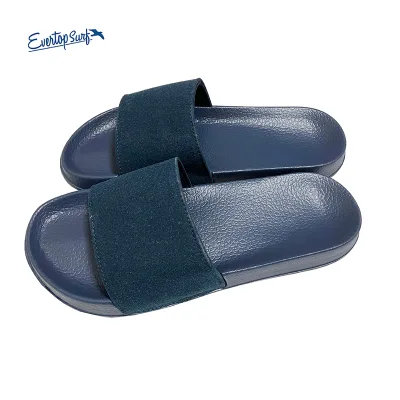
Hot Promotional Men Summer slippers Comfortable Soft slippers Men Waterproof Slipper
$2.33 - $2.65
MOQ: 500 pairs
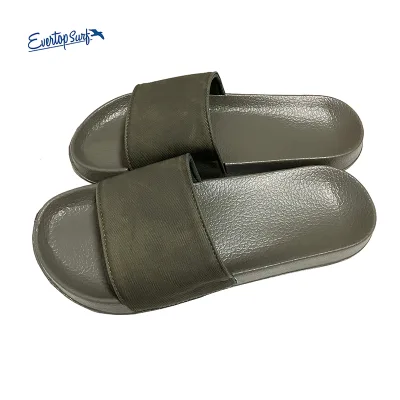
Custom Printing logo Summer Beach slippers Casual Fashion Home Indoor slippers
$2.32 - $2.65
MOQ: 500 pairs
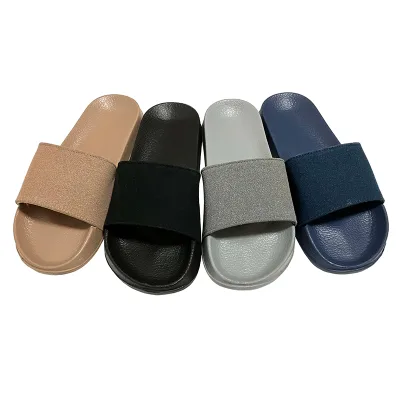

Quanzhou Xinpu Trading Co., Ltd.
- Verified by SGS
- Trading Company
- China Fujian
- Lead time15 days
- Avg. response≤ 6h
Main marketsNorth America

Fuzhou Xinhongfan International Trade Co., Limited
- Trading Company
- Fujian, China
- Lead time60 days
- Avg. response≤ 4h
Main productsFlip-Flops Slippers, Home Slippers, Fashion Sandals, EVA Slides, Sports Shoes
Main marketsNorth America(45.00%), Western Europe(30.00%), Southeast Asia(25.00%)

Fuzhou Champion Shoes Co., Ltd.
- Manufacturer, Trading Company
- Fujian, China
- Lead time18 days
- Avg. response≤ 4h
Main productsFlip Flops,Clogs,Slides,Sandals,Aqua Shoes
Main marketsWestern Europe(20.00%), Southern Europe(20.00%), Oceania(12.00%), Eastern Europe(12.00%), Northern Europe(8.00%), South America(6.00%), North America(6.00%), Central America(6.00%), South Asia(5.00%), Domestic Market(1.00%), Eastern Asia(1.00%), Mid East(1.00%), Africa(1.00%), Southeast Asia(1.00%)

Quanzhou Hantuo Shoes Co., Ltd.
- Verified by SGS
- Combined
- China Fujian
- Lead time23 days
- Avg. response≤ 3h
Main productsCustom Sneakers, Custom Slippers, Sandals, Shoes Charms
Main marketsAfrica,East Asia(Japan/ South Korea),Europe,Australia,North America


Organic Cotton Upper Quick-Dry EVA Foam Wide Fit Personalized Indoor Slippers
$1.30 - $7.00
MOQ: 2 pairs
Guangdong Renrenhe Shoe Industry Co., Ltd.
- Verified by Intertek
- Trading Company
- Lead time15 days
- Avg. response≤ 4h
Main productsSlippers, Plastic Shoes, Flip Flops, Sandals, Clogs

YANCHENG HAPPYNESS IMP. AND EXP. CO. LTD
- Verified by SGS
- Trading Company
- China Jiangsu
- Lead time15 days
- Avg. response≤ 4h
Main productsCustom Slides Slippers, Custom Indoor Slippers, Custom Socks, Custom Caps, Custom Clothing, Custom Rainboots, Custom Winter Boots, Custom Shoes, Custom Slippers, Custom Flipflops
Main marketsSouth America,Africa,Southeast Asia/ Mideast,East Asia(Japan/ South Korea),Domestic,Europe,Australia,North America


Wholesale Summer Custom Waterproof Bathroom Men Women Outdoor Soft EVA Slippers
$2.95 - $4.95
MOQ: 2 Pairs

Guangzhou Hotmarzz Trading Co., Ltd.
- Manufacturer, Trading Company
- Guangdong, China
- Lead time0 days
- Avg. response≤ 6h
Main productsflip flops,slide slippers,sandals,home slippers,beach supplies
Main marketsNorth America(30.00%), Eastern Europe(20.00%), Southeast Asia(20.00%), South America(15.00%), Domestic Market(10.00%)
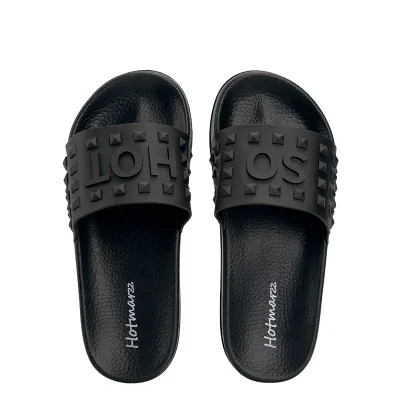
Hot Selling Custom logo Men slippers Quick Drying Pvc Essentials Outdoor Slipper for Man
$2.19 - $2.46
MOQ: 3000 pairs
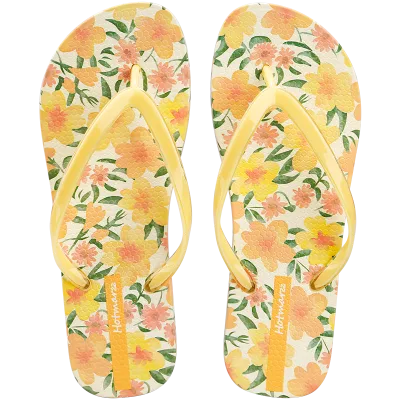
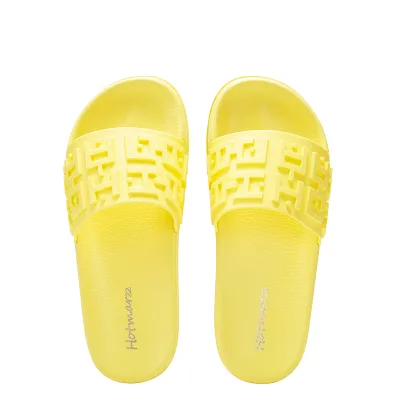
Glamoroux International Co., Ltd.
- Trading Company
- Taiwan, China
- Lead time30 days
- Avg. response≤ 6h
Main productsGarment & Footwear,Sports & Outdoor,Household & Lifestyle,Pets Products,Healthcare
Main marketsWestern Europe(70.00%), North America(30.00%)
Ningbo Hooya Imp. & Exp. Group Co., Ltd.
- Trading Company
- Zhejiang, China
- Lead time30 days
- Avg. response≤ 12h
Main productsGeneral Merchandise (Including Household Items,Kitchen Supplies,Cleaning Stuff,Baby Supplies,Hardware Tools
Main marketsSouth America(25.00%), North America(20.00%), Mid East(10.00%), Northern Europe(7.00%), Eastern Asia(6.00%), Southern Europe(6.00%), Central America(5.00%), Southeast Asia(5.00%), Eastern Europe(5.00%), Africa(5.00%), Western Europe(4.00%), South Asia(1.00%), Oceania(1.00%)
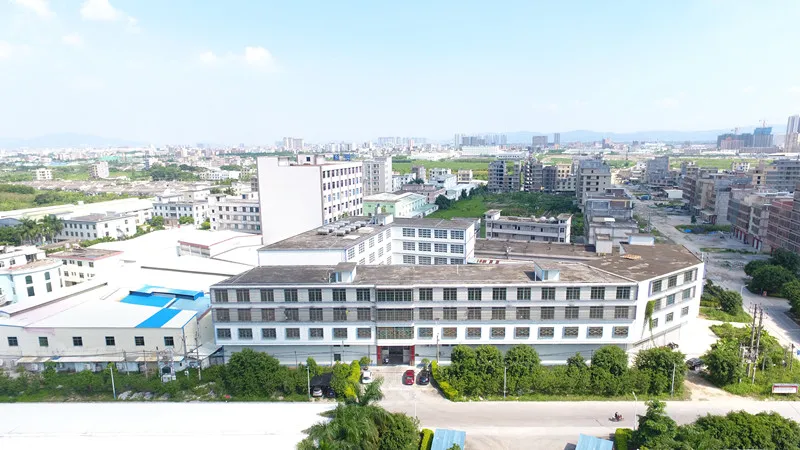
Jieyang Airport Zone Yuhu Guzu Shoes Factory
- Manufacturer, Trading Company
- Guangdong, China
- Lead time7 days
- Avg. response≤ 6h
Main productsRain Boots,Slippers,Sandals
Main marketsMid East(30.00%), Southeast Asia(30.00%), Domestic Market(10.00%), Africa(10.00%), South Asia(5.00%), Northern Europe(5.00%), South America(5.00%), North America(5.00%)

Xiamen Newtop Footwear Co., Ltd.
- Verified by SGS
- Trading Company
- China Fujian
- Lead time60 days
- Avg. response≤ 3h
Main marketsSoutheast Asia/ Mideast,Europe,North America


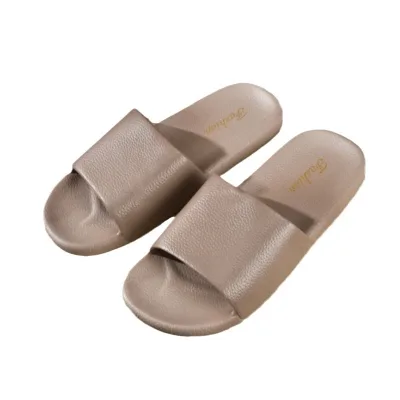
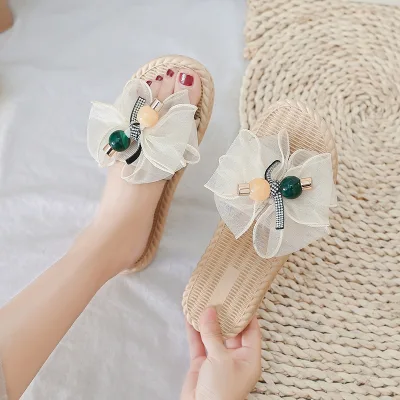
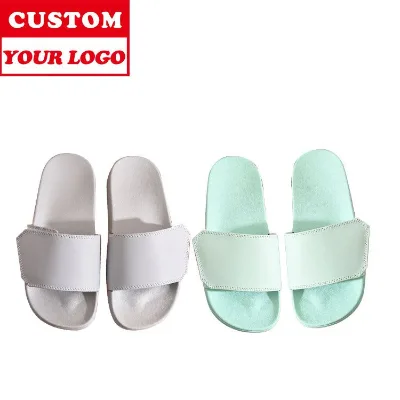
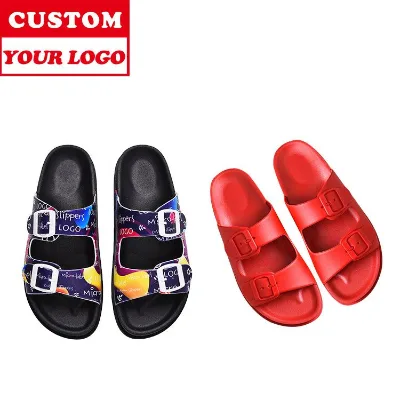


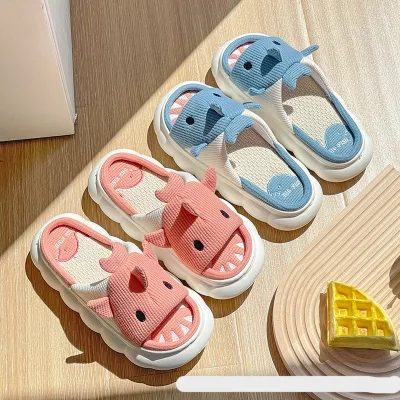
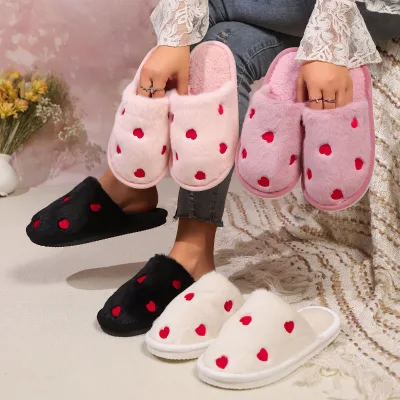


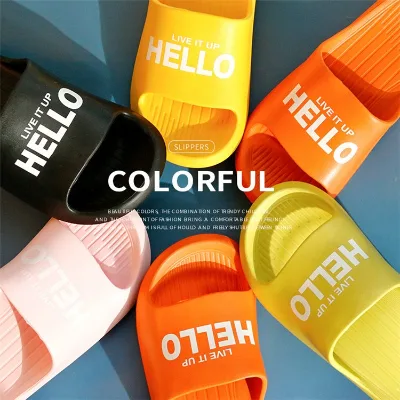
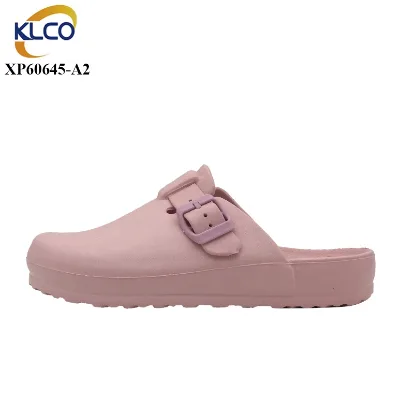
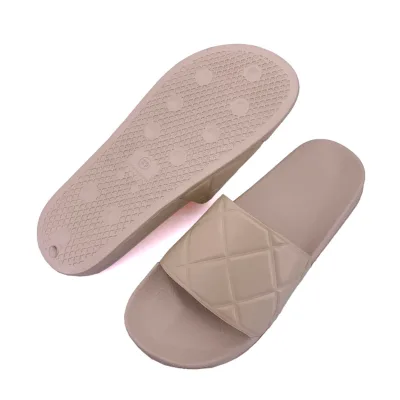
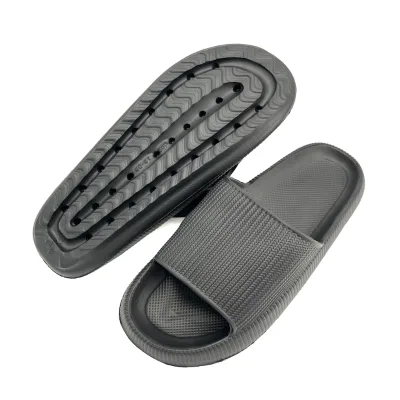
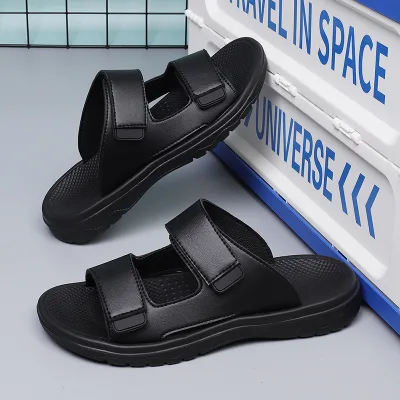


Comprehensive Sourcing Guide
Eco-Friendly Outdoor Slippers Supplier Concentration and Factory Types
The available data indicates a significant concentration of manufacturers and trading companies operating within Guangdong, China, specifically for eco-friendly outdoor slippers. This region appears to host suppliers offering products with specific material compositions, such as PVC and EVA, which are common in the outdoor and indoor slipper categories. Buyers observing these results should note that the primary product listings often include items described as anti-slip, lightweight, and suitable for summer, spring, and autumn seasons. The presence of both manufacturer and trading company types suggests a diverse supply chain where some entities handle direct production while others manage distribution and logistics.
When evaluating the factory types, it is crucial to distinguish between entities that produce the goods and those that facilitate trade. The observed supplier profiles include companies listing main products like slippers, sandals, and flip-flops, alongside specific eco-friendly attributes. Some suppliers indicate capabilities for OEM and ODM services, allowing for customized designs and logos. However, not all suppliers in this category may offer the same level of customization or have the same production capacity. Buyers must verify the specific company type for each potential partner to ensure alignment with their sourcing strategy, whether they require direct factory pricing or the flexibility of a trading company's broader inventory.
How to Verify Eco-Friendly Outdoor Slippers Suppliers
Verification of suppliers requires a careful examination of their response times and verification status, as these metrics provide immediate insight into their operational reliability. The data shows response times varying significantly, with some suppliers responding within 0.58 hours while others may take up to 6 hours. A faster response time often correlates with a more active sales team and better communication channels, which is vital for resolving issues during the sourcing process. Additionally, some suppliers display verification badges from third-party agencies like SGS, which serves as a preliminary indicator of their business legitimacy. Buyers should prioritize suppliers with clear verification status to mitigate the risk of engaging with unverified entities.
Beyond response speed and verification badges, buyers must scrutinize the product evidence provided to ensure it matches their specific requirements for eco-friendly materials. The observed product listings include detailed attributes such as lining materials, upper materials, and outsole compositions, which are critical for confirming the eco-friendly nature of the slippers. For instance, some products specify EVA or PVC materials, while others highlight cotton or plant fibers for hotel and indoor use. Buyers should cross-reference these material claims with their own sustainability standards and request additional documentation if the provided evidence is insufficient. It is essential to confirm that the supplier can consistently deliver products that meet the defined eco-friendly criteria before proceeding with any order.
What to Compare Across Eco-Friendly Outdoor Slippers Suppliers
Comparing suppliers involves analyzing key operational metrics such as lead times, minimum order quantities (MOQ), and pricing structures to determine the best fit for the buyer's needs. The data reveals a wide range in lead times, with some suppliers offering a 15-day turnaround while others require up to 30 days. Similarly, MOQs vary significantly, with some suppliers accepting orders as low as two pairs, while others mandate a minimum of 2000 pairs. These differences can drastically impact the buyer's inventory planning and cash flow, making it necessary to align supplier capabilities with the buyer's order volume and timeline requirements. Buyers should create a comparison matrix to visualize these variations and identify suppliers that offer the most favorable terms for their specific situation.
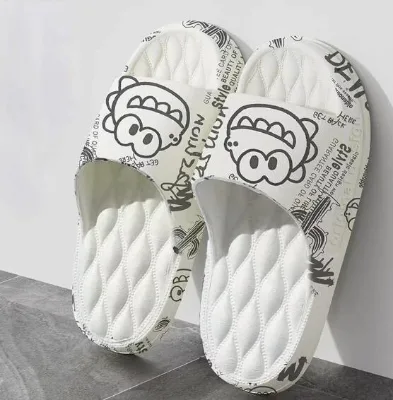
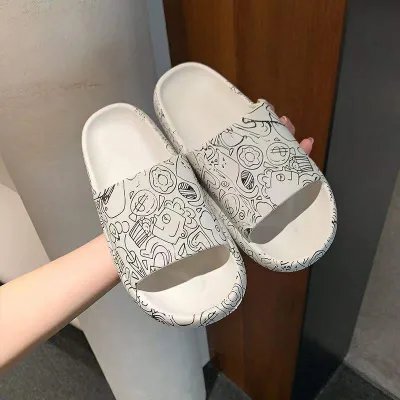
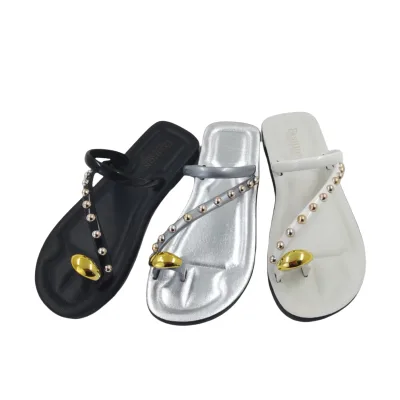
In addition to lead times and MOQs, buyers should compare the specific product attributes and customization options offered by each supplier. The observed product listings include diverse features such as anti-slip properties, massage capabilities, and various color options like white and black. Some suppliers explicitly state that they accept customized designs and logos, which is a valuable feature for brands looking to differentiate their products. However, not all suppliers may offer the same level of customization or have the same range of product styles. Buyers should carefully review the product specifications and attribute lists to ensure that the supplier can meet their design and functional requirements. This detailed comparison will help in selecting a supplier that offers the best balance of cost, quality, and flexibility.
Common Eco-Friendly Outdoor Slippers Sourcing Risks
One of the primary risks in sourcing eco-friendly outdoor slippers is the potential discrepancy between the claimed eco-friendly attributes and the actual product composition. The data shows that some products are labeled as eco-friendly while being made from materials like PVC, which may not align with all sustainability definitions. Buyers must be vigilant in verifying the material claims and ensuring that the products meet their specific environmental standards. Relying solely on product keywords or marketing descriptions without requesting detailed material certifications or test reports can lead to receiving products that do not meet the buyer's expectations or regulatory requirements. This risk underscores the importance of thorough due diligence before finalizing any supplier agreement.
Another significant risk involves the variability in production capacity and quality control across different suppliers. The observed data indicates that some suppliers have a high capacity for OEM and ODM services, while others may have limited production capabilities. This inconsistency can lead to delays in order fulfillment or inconsistencies in product quality, especially when dealing with large order volumes. Buyers should assess the supplier's production capacity and quality control processes to ensure they can consistently deliver high-quality products on time. Additionally, the lack of standardized certifications for some suppliers, as indicated by the "NIL" status in some records, adds another layer of risk. Buyers must verify the supplier's ability to maintain consistent quality and meet their specific compliance needs.
Eco-Friendly Outdoor Slippers Regional Sourcing and Logistics
The regional sourcing landscape for eco-friendly outdoor slippers is heavily influenced by the location of the manufacturing hubs, with Guangdong, China, emerging as a key area for production. Suppliers in this region often benefit from established supply chains and logistics networks, which can facilitate faster shipping and lower transportation costs. However, buyers should also consider the logistics implications of sourcing from other regions, such as Jiangsu, China, where some suppliers are located. The distance from the manufacturing site to the port of export can impact lead times and shipping costs, making it essential to factor these variables into the overall sourcing strategy. Buyers should evaluate the logistical advantages of each region to determine the most efficient sourcing path for their specific needs.
Logistics planning also involves understanding the packaging and shipping requirements for eco-friendly outdoor slippers. The observed product listings include details on single package sizes and weights, which are critical for calculating shipping costs and determining the optimal shipping method. For instance, some products have a single gross weight of 1.000 kg and a package size of 25x25x55 cm, while others may have different specifications. Buyers should use this information to estimate the total shipping volume and cost for their orders. Additionally, the choice of shipping method, whether by sea or air, will depend on the urgency of the order and the budget constraints. Buyers should work closely with their logistics partners to ensure that the products are shipped efficiently and arrive in good condition.
Eco-Friendly Outdoor Slippers Commercial Terms and Order Planning
Commercial terms for eco-friendly outdoor slippers vary significantly based on the supplier's policies and the buyer's negotiation leverage. The data shows that some suppliers offer flexible pricing with a minimum price of around 0.68 and a maximum of 0.70, while others have different pricing structures. Buyers should carefully review the pricing terms, including any volume discounts or additional fees for customization, to ensure they are getting the best value. Additionally, the payment terms and conditions, such as the use of escrow services, can impact the financial security of the transaction. Buyers should negotiate terms that protect their interests while maintaining a positive relationship with the supplier.
Order planning for eco-friendly outdoor slippers requires a strategic approach to manage lead times and inventory levels effectively. The observed lead times range from 15 to 30 days, which can affect the buyer's ability to meet market demand. Buyers should plan their orders well in advance to account for these lead times and any potential delays. Furthermore, the MOQ requirements, which can range from as low as two pairs to as high as 2000 pairs, must be considered when determining the order quantity. Buyers should balance the need for inventory with the financial implications of holding stock, ensuring that they have enough product to meet demand without overstocking. Effective order planning is essential for maintaining a smooth supply chain and meeting customer expectations.
FAQs
What materials are used for eco-friendly outdoor slippers?
Eco-friendly outdoor slippers often use PVC and EVA materials for durability and comfort. Some options feature cotton or plant fibers for biodegradability. These materials ensure the slippers are lightweight, anti-slip, and suitable for various seasons like summer and spring.
What is the minimum order quantity for these slippers?
Minimum order quantities vary by product type. Some listings require as few as two pairs, while others demand 2000 pairs for bulk orders. Buyers should check specific product details to confirm the exact MOQ before placing an order for their needs.
How long does it take to receive the slippers?
Lead times for these slippers typically range from 15 to 30 days depending on the supplier and order volume. Some manufacturers in Guangdong offer faster turnaround, while others may require a month for production and shipping. Always verify the specific timeline with the seller.
Are these slippers suitable for hotel and spa use?
Yes, many eco-friendly slippers are designed specifically for hotel and spa environments. They often feature anti-slip soles, soft cotton uppers, and comfortable designs. These products are ideal for guest rooms, pools, and beach areas, offering a premium experience for visitors.
Can I customize the design and logo on the slippers?
Customization is widely available for these slippers. Suppliers often accept OEM and ODM requests, allowing for custom logos, colors, and designs. Buyers can request specific sizes and patterns to match their brand identity or specific event requirements without compromising on eco-friendly standards.
What is the price range for eco-friendly outdoor slippers?
Prices for these slippers generally range from $0.68 to $1.06 per pair depending on material and order size. Lower prices often apply to bulk orders of 2000 pairs, while smaller quantities may cost slightly more. Buyers should compare listings to find the best value.
Where are these slippers manufactured?
Most eco-friendly outdoor slippers are manufactured in Guangdong, China, with some production also occurring in Jiangsu. These regions are known for their footwear industry capabilities. Buyers should verify the specific place of origin listed on each product page to ensure it meets their sourcing preferences.