BBQ Pot Silicone Brush Suppliers and Manufacturers
Compare 30 verified suppliers of BBQ Pot Silicone Brush based on location, response time, and certifications. Review product specifications like material and MOQ before contacting factories in China Anhui and Guangdong; review the available evidence before requesting comparable quotations from suitable candidates.
Suppliers List

- Verified by TUVRHEINLAND
- Trading Company
- China Anhui
- Lead time15 days
- Avg. response≤ 6h
Main productsIndustrial Brush, Roller Brush Sweeper Brush, Polishing Brush, Electric Scrubber Brush, Cleaning Brush, Strip Brush, Tube Brush, Paint Brush, Steel Brush, Wheel Brush
Main marketsSouth America,Africa,Southeast Asia/ Mideast,East Asia(Japan/ South Korea),Europe,Australia,North America

Zhongshan Mingxin Silicone Manufactory
- Verified by SGS
- Combined
- China Guangdong
- Lead time15 days
- Avg. response≤ 5h
Main productsSilicone Kitchenware, Silicone Keypaid, Silicone Bracelet, Silicone Wristband, Silicone Ashtray, Silicone Tube, Silicone Watch, Silicone Rubber, Silicone Sex Doll, Silicone Mold
Main marketsEurope,North America


Silicone Oil Bottle Brush Barbecue Oil Brush Kitchen Tools Barbecue Seasoning Brush
$0.60 - $0.70
Moq: 100


Zhongshan Xinyuan Silicone Rubber Co. Ltd
- Verified by TUVRHEINLAND
- Combined
- China Guangdong
- Lead time15 days
- Avg. response≤ 2h
Main productsSilicone Mold, Silicone Ice Cube Tray, Silicone Wristband, Silicone Tea Infuser, Silicone Bakeware, Silicone Keychain, Silicone Cup Coaster, Silicone Bag
Main marketsSouth America,Southeast Asia/ Mideast,Domestic,Europe,North America
Taixing Fleet Hi-Tech Material Co., Ltd.
- Verified by SGS Group
- Manufacturer, Trading Company
- Lead time5 days
- Avg. response≤ 3h
Main productsPTFE BBQ Grill Mat, Silicone Pastry Mat, Silicone Baking Mat, Silicone Induction Mat
Main marketsNorth America(50%), Domestic Market(20%), Southeast Asia(10%)
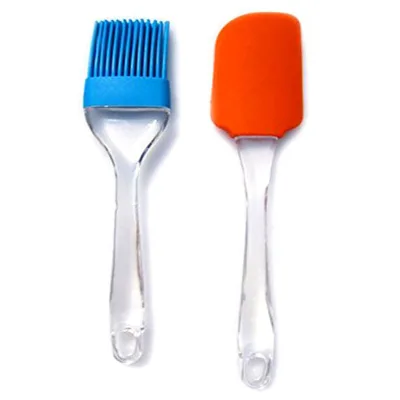
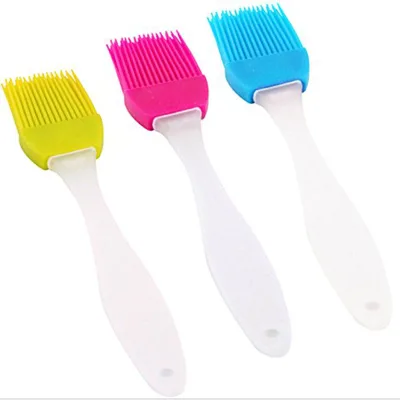
Durable and Attractive Food Grade Silicone Brush for Pastry BBQ Roast Preparation
Contact supplier
Moq: 300

Yangjiang C&B Consumer Product Limited
- Verified by CTI
- Trading Company
- China Guangdong
- Lead time15 days
- Avg. response≤ 5h
Main productsBarbecue Tongs, Grilling Brushes, Outdoor Shovel, Grilling Tools, Kitchen Ware, Outdoor Products, Pizza Tools, Knife Set
Main marketsSouth America,Africa,Southeast Asia/ Mideast,Europe,Australia,North America


Multi-Purpose Silicone BBQ Oil Brush Heat-Resistant Household Baking Kitchenware
$0.35 - $0.52
Moq: 1000


Yangjiang Echoes Industrial Co., Ltd.
- Trading Company
- Guangdong, China
- Lead time25 days
- Avg. response≤ 3h
Main productsKitchen Utensils,Nylon Kitchen utensils,Silicone Kitchen Utensils,Silicone Kitchen Gadgets,Nylon Kitchen Gadgets
Main marketsNorth America(30.0%), Northern Europe(12.0%), Southern Europe(9.0%), Southeast Asia(9.0%), Western Europe(8.0%), Africa(8.0%), Oceania(6.0%), Eastern Europe(6.0%), Mid East(5.0%), South America(3.0%), Eastern Asia(2.0%), South Asia(1.0%), Central America(1.0%)

TAIZHOU HARSOUL IMP. & EXP. CO., LTD.
- Trading Company
- China Zhejiang
- Lead time30 days
- Avg. response≤ 13h
Main productsPromotion Gifts, Promotional Bag, Promotional Jewelry, Promotional Toys, Promotional Stationery, Promotional Plastic Goods
Main marketsOthers(foreignTradeCapacity.exportBusinessCapacityMarketOther),Europe,North America
Yangjiang Yardfun Household Products Co., Ltd.
- Manufacturer, Trading Company
- Guangdong, China
- Lead time30 days
- Avg. response≤ 4h
Main productsbarbecue tools,BBQ skewers,kitchen tools,BBQ Roast Pan,Silicone Glove
Main marketsNorth America(45.0%), Western Europe(10.0%), South America(10.0%), Northern Europe(5.0%), Eastern Europe(5.0%), Eastern Asia(5.0%), Mid East(5.0%), Oceania(5.0%), Africa(5.0%), Southeast Asia(5.0%)

- Trading Company
- China Zhejiang
- Lead time0 days
- Avg. response≤ 13h
Main productsHousehold, Personal Care, Kitchenware, Fitness, Car Items, Tools, Health Care, Paint Brush, Magic Mesh, Beauty

Chongqing Bweiser Industry Company Limited
- Verified by CTI
- Trading Company,Manufacturer/Factory,Group Corporation
- China Chongqing
- Lead time45 days
- Avg. response≤ 3h
Main productsGarden Tools, Pizza Tools, Roadway Safety, BBQ, Raincoat, Handcrafts, Bait, Grillware, Cleaning Brush, Bar Shaker
Main marketsSouth America,Eastern Europe,Mid East,North America,Southeast Asia,Eastern Asia,Oceania,Western Europe,Africa
Shenzhen Hejia Industry Co., Ltd.
- Verified by SGS Group
- Trading Company
- Lead time0 days
- Avg. response≤ 8h
Main productsAluminium Tin, Pill Box , Vials Box, LED Stick
- Verified by SGS
- Trading Company
- China Zhejiang
- Lead time15 days
- Avg. response≤ 13h
Main productsTents, BBQ Grill, Folding Table and Chair, Cooler Bag, Outdoor Lamp, Beach Mat, Picnic Blanket, Sleeping Bag, Water Bottle, Hammock
Main marketsEurope,Australia

Kitchen Cooking Grill Barbecue Baking Heat Resistant Nylon Silicone Basting Brushes
$0.02 - $0.19
Moq: 5000

Pizza Oven BBQ Grilling Marinating Cooking Fruit Color Silicone Basting Brushes
$0.07 - $0.09
Moq: 11111

Oil Heat Resistant Silicone Upgrade Silicone Cooking Baking Grilling Basting Brushes
$0.06 - $0.08
Moq: 12500


2PCS Silicone Anti-Slip 11.8" Silicone Kitchen Cooking Long BBQ Grilling Tongs
$0.30 - $0.40
Moq: 2500


Xiamen Flying Silicone Rubber Co., Ltd.
- Verified by TUVRHEINLAND
- Trading Company,Manufacturer/Factory
- China Fujian
- Lead time23 days
- Avg. response≤ 11h
Main productsSilicone Rubber Auto Parts, Silicone Rubber Keypad, Silicone Rubber Gasket, Silicone Rubber O-Ring, Silicone Rubber Valve, Silicone Rubber Kitchenware, Plastic Injection Parts, Silicone Rubber Gifts, Silicone Medical Accessories, LSR Baby Care
Main marketsSouth America,Eastern Europe,North America,Southeast Asia,Western Europe


High Temperature Resistant Barbecue Tools with Soft and Elastic Silicone Oil Brushes
$0.19 - $0.33
Moq: 500

Guangdong Fulihua Company Limited
- Verified by Intertek
- Manufacturer, Trading Company
- Lead time30 days
Main productsBBQ Tools, BBQ Accessories, BBQ Grill
Main marketsWestern Europe(40%), North America(30%), South America(30%)
Yangjiang Cookmama Hardware Co., Limited.
- Manufacturer, Trading Company
- Guangdong, China
- Lead time40 days
- Avg. response≤ 6h
Main productsBBQ Tools,Knives,grill basket,kitchen tools,garden tools
Main marketsSouth America(40.0%), North America(20.0%), Southern Europe(10.0%), Northern Europe(10.0%), Western Europe(10.0%), Eastern Europe(10.0%)

PEIDA MACHINERY GROUP CO., LTD.
- Verified by BV
- Manufacturer/Factory
- China Anhui
- Lead time90 days
- Avg. response≤ 10h
Main productsBarge, Tugboat, Oil Tanker Ship, Cargo Ship, Tug Boat, Floating Crane Barge, Passenger Ship, Passenger Boat, Deck Barge, Oil Barge
Main marketsSouth America,North America,Southeast Asia,Western Europe,Africa
Guangzhou AOQUN New Materials Co., Ltd.
- Manufacturer, Trading Company
- Lead time旺季: "1 - 500":45,"501 - 1000":35,"1001 - 5000":31,"> 5000":"To be negotiated", 淡季: "1 - 500":45,"501 - 1000":35,"1001 - 5000":31,"> 5000":"To be negotiated"
- Avg. response≤ 2h
Main productsMedical Brush, Coffee Brush, Dental Brush, Cleaning Brush, Tube Brush
Ningbo Partner Leisure Products Co., Ltd.
- Trading Company
- Zhejiang, China
- Lead time0 days
- Avg. response≤ 8h
Main productspet supplies,cooker,kitchen accessories,egg incubator,storage box
Main marketsNorth America(80.0%), South America(15.0%), Eastern Europe(5.0%)
- Manufacturer, Trading Company
- Guangdong, China
- Lead time30 days
- Avg. response≤ 1h
Main productspocket Knife,camping tools,kitchen knife,kitchen tools,BBQ tools
Main marketsNorth America(45.0%), Eastern Europe(30.0%), Western Europe(10.0%), Oceania(5.0%), South America(5.0%), South Asia(1.0%), Southern Europe(1.0%), Northern Europe(1.0%), Central America(1.0%), Southeast Asia(1.0%)
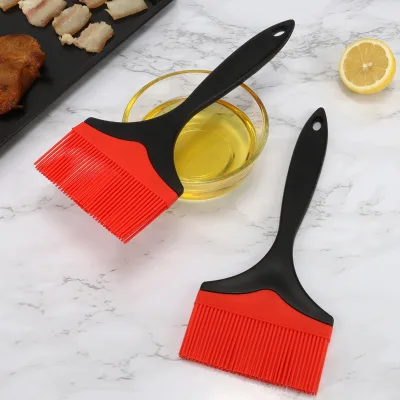
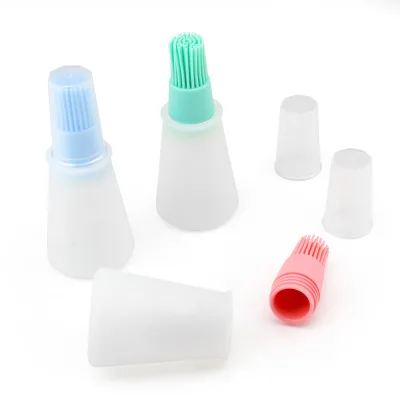
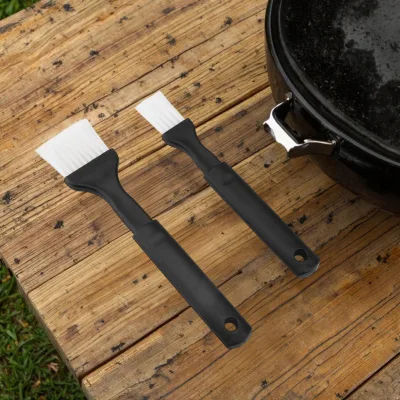
BK-7139 Barbecue Cooking Brush Silicone Oil Bottle Liquid Oil Bottle Brush For Cooking
$0.81 - $1.04
Moq: 3000
Guangzhou Anson Commercial Economic Developing Co., Ltd.
- Manufacturer, Buying Office, Agent
- Guangdong, China
- Lead time30 days
- Avg. response≤ 2h
Main productsbaseball cap,sport cap,trucker hat,dad hat,straw hat
Main marketsEastern Europe(27.0%), North America(20.0%), South America(20.0%), Northern Europe(10.0%), Western Europe(5.0%), Southern Europe(5.0%), Domestic Market(3.0%), Mid East(2.0%), Oceania(2.0%), Southeast Asia(2.0%), Central America(1.0%), South Asia(1.0%), Africa(1.0%), Eastern Asia(1.0%)
FOSHAN NANHAI KEYO BBQ INDUSTRY CO.,LTD
- Verified by SGS Group
- Manufacturer, Trading Company
- Guangdong, China
- Lead time5 days
- Avg. response≤ 4h
Main productsBBQ Grills/Fire Pit/Pizza Oven/BBQ Accessories/BBQ Tools
Main marketsNorthern Europe(17%), Southern Europe(17%), North America(9%)
Henan Superfit Technology Co., Ltd.
- Verified by SGS Group
- Trading Company
- Henan, China
- Lead time旺季: "1 - 500":15,"> 500":"To be negotiated", 淡季: "1 - 500":15,"> 500":"To be negotiated"
- Avg. response≤ 7h
Main productsBakeware,Kitchen Gadget,Coffee Tools,Household appliances,Silicone Items
Main marketsNorth America(30%), Western Europe(15%), Eastern Europe(10%)
Hefei Amixn E-Commerce Co., Ltd.
- Trading Company
- Anhui, China
- Lead time25 days
- Avg. response≤ 2h
Main productsParty Decor,Garden,Metal Raised Garden Beds,Hydroponic Planters,Macrame Planters
Main marketsNorth America(60.0%), Eastern Europe(30.0%), South America(5.0%)

Ningbo Newlite International Trade Co., Ltd.
- Trading Company
- China Zhejiang
- Lead time60 days
- Avg. response≤ 20h
Main productsOven Parts, Oven Components, Gas Cooker Part, Spark Igniter, Oven Switch, Gas Stove Part, Oven Timer, Gas Valve, Barbeque Grill Parts, Gas Water Heater Parts
Main marketsSoutheast Asia/ Mideast,Europe,North America


Stainless Steel BBQ Basket/BBQ Grill/Barbeque Tool
Contact supplier

NanChang Sunflower Silicone Rubber Co. Ltd
- Verified by TUVRHEINLAND
- Trading Company
- China Jiangxi
- Lead time15 days
- Avg. response≤ 4h
Main productsSex Toy, Watch, Phone Case, Kitchenware, Gift
Main marketsOthers(foreignTradeCapacity.exportBusinessCapacityMarketOther)
Nanjing Gussdo Electronic Technology Co., Ltd.
- Verified by SGS
- Combined
- China Jiangsu
- Lead time30 days
- Avg. response≤ 5h
Main productsCar Vacuum Cleaner, Car Air Pump, Electric Cleaning Brush
Main marketsSoutheast Asia/ Mideast,East Asia(Japan/ South Korea),Europe,North America
- Manufacturer, Trading Company
- Guangdong, China
- Lead time35 days
- Avg. response≤ 2h
Main productsKitchen Knives,Kitchen Utensils,Kitchen Gadgets,Scissors,Bakeware
Main marketsNorth America(30.0%), Western Europe(18.0%), South America(10.0%), Eastern Europe(10.0%), Oceania(9.0%), Southern Europe(4.0%), Eastern Asia(4.0%), Northern Europe(4.0%), Southeast Asia(4.0%), South Asia(3.0%), Africa(2.0%), Mid East(2.0%)
- Verified by TüVRheinland
- Manufacturer, Trading Company
- Lead time30 days
- Avg. response≤ 1h
Main productsPolishing Brush, Strip Brush, Stenter Brush, Twisted Wire Brush, Cleaning Brush
Main marketsEastern Europe(30%), Western Europe(30%), North America(24%)
Guangzhou AOQUN New Materials Co., Ltd.
- Verified by TüVRheinland
- Manufacturer, Trading Company
- Lead time7 days
- Avg. response≤ 2h
Main productsDisc Brush, Roller Brush, Solar Panel Cleaning Brush, Vacuum Cleaner Brush, Industrial Brush
Main marketsDomestic Market(67%), North America(5%), Western Europe(5%)
Suzhou Sunrise Technologies Ltd.
- Trading Company
- Jiangsu, China
- Lead time15 days
- Avg. response≤ 3h
Main productsTumblers, Bartender Kits, Lunch Box, Pizza Peel, BBQ Tools
Main marketsNorth America(50.0%), Western Europe(15.0%), South America(10.0%), Southern Europe(5.0%), Northern Europe(5.0%), Eastern Europe(5.0%), Southeast Asia(5.0%), Oceania(3.0%), Eastern Asia(2.0%)




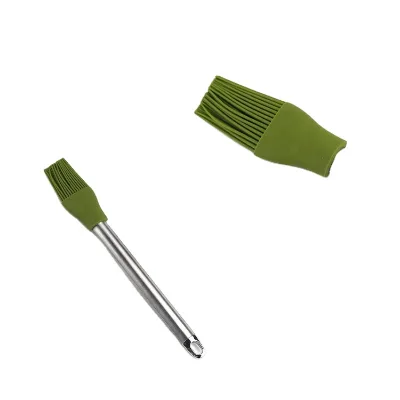


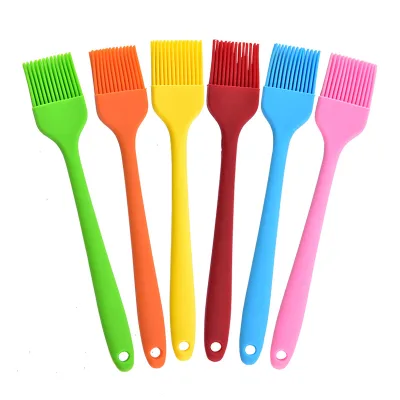
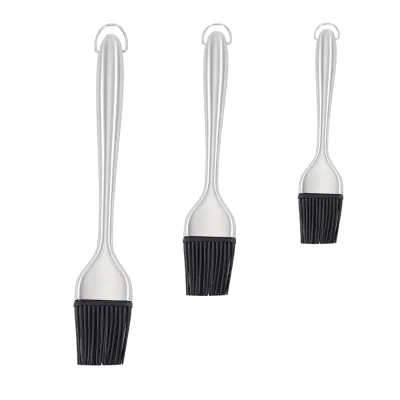





Comprehensive Sourcing Guide
BBQ Pot Silicone Brush Supplier Concentration and Factory Types
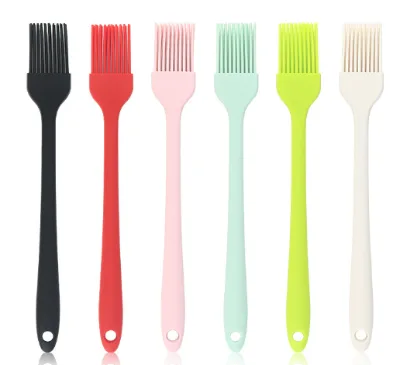
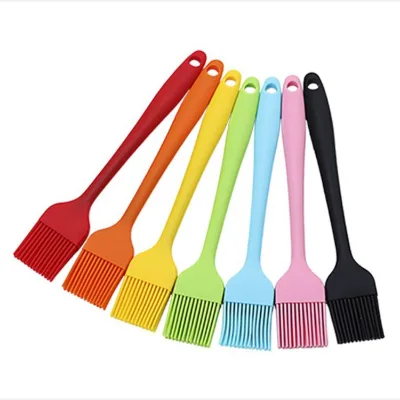
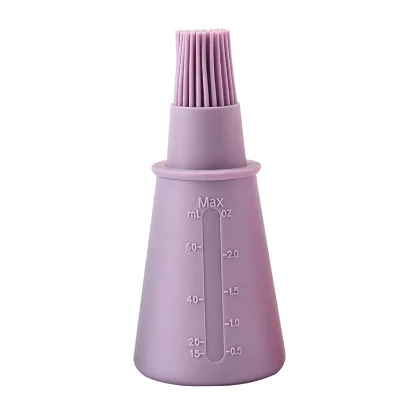
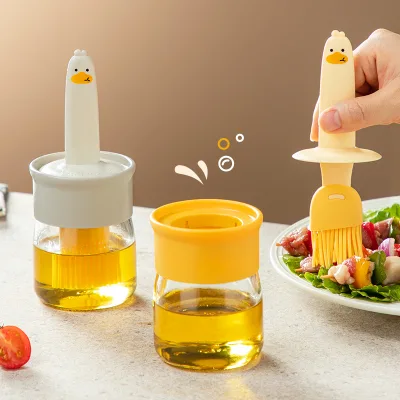
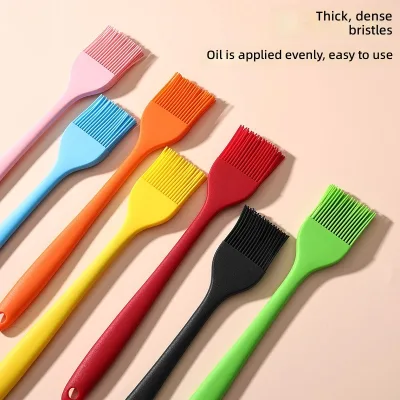
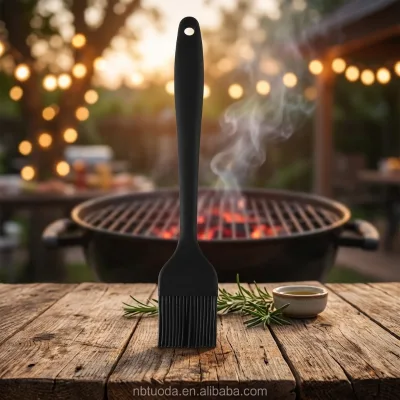
Listings for silicone basting and barbecue brushes on major B2B platforms cluster around a small number of Chinese provinces, and the results on this page reflect that pattern. One group of listings originates in Anhui, where a trading company offers a classic silicone basting brush in a 3.5*21cm format priced between 0.35 and 0.40 per unit at a 2000-piece minimum, packed 500 pieces per carton. A second group comes from Guangdong, where a combined manufacturer-trader supplies silicone kitchenware broadly — molds, wristbands, tubes and brushes — and lists brushes at 0.36 to 0.42 with a 1000-piece minimum. A third listing set, also silicone-focused, advertises food-grade heat-resistant brushes with FDA certification claims and a very low minimum of 100 pieces.
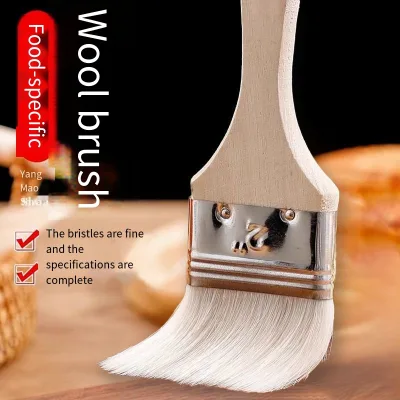
Understanding the difference between factory types matters here. Trading companies may not own molding equipment but often consolidate brush variants and handle smaller mixed orders; combined and manufacturer-type suppliers typically support ODM, OEM and own-brand work, which matters if you need custom handles, colors or packaging. Note that one Anhui supplier also lists industrial brushes — roller, strip, tube and wheel brushes — among its main products, so silicone kitchen brushes may be a secondary line rather than a core competency. When a supplier's main-product list stretches far beyond kitchenware, probe how much of its revenue actually comes from barbecue brush production.
How to Verify BBQ Pot Silicone Brush Suppliers
Verification on the platform level is the first screen. In the current results, one Anhui supplier carries TÜV Rheinland verification, a Guangdong supplier is SGS-verified, and another holds an ISO9001:2015 system certificate. These are meaningful but different signals: platform verification confirms business identity and audits, while an ISO9001 certificate relates to quality-management systems, not product safety. Treat each as a starting point and request the underlying certificates directly, checking scope, validity dates and whether the certificate belongs to the legal entity you would contract with.
Product-level claims deserve equal scrutiny. Several listings state a production standard of SGS on individual brushes, and one claims FDA certification with a stated temperature range of -40°C to 200°C. For food-contact silicone, ask which specific regulation the material complies with in your destination market, and request recent third-party test reports for the exact material compound rather than accepting a listing attribute. Also confirm whether the supplier is the brush manufacturer or reselling from a molding factory — the Guangdong combined supplier advertises ODM, OEM and own-brand capability, which suggests in-house or deep factory relationships, while a pure trading company should disclose its upstream source. Response speed is a soft but useful verification signal in these results: one silicone-specialized supplier shows an average response time around 1.36 hours, while others sit near 5 hours. Slow responders during quoting often stay slow during production problems, so test responsiveness with a technical question before committing.
What to Compare Across BBQ Pot Silicone Brush Suppliers
Build a comparison table from the attributes actually displayed, because suppliers differ in what they publish. Price floors in the current results run from roughly 0.35 to 0.70 per piece depending on model, and minimums range dramatically — from 100 pieces on one food-grade listing to 1000 and 2000 on others. If you are testing a new brand, a low-MOQ supplier shortens your trial cycle; if you are committing to volume, weigh whether the low-MOQ supplier's unit price justifies the gap once quantities rise. Lead time is another visible dimension: one Anhui listing shows a 15-day lead time, but do not assume every supplier publishes or honors the same figure — request confirmation per order quantity.
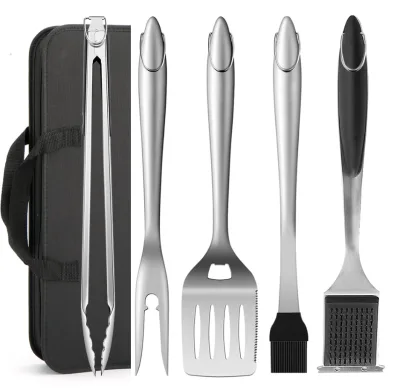
Beyond price and MOQ, compare product specifications side by side. Sizes vary from a compact 1255cm oil bottle brush to standard 213.5cm and 21.34.3cm formats, with weights from 35g to 43g, and packaging options include OPP bags, cartons and customer-specified packing at 500PCS/CTN. One supplier offers a spatula-and-brush set, which matters if you sell kitchen bundles. Customization availability, color options (Pantone-matched in at least one listing), logo printing and eco-friendly or heat-resistant feature claims all appear in the data — capture which supplier supports which. Also compare location, response time, and whether the supplier's main-product line is silicone kitchenware or something broader. Never assume a displayed attribute applies to every model a supplier sells; confirm each attribute for the exact SKU you intend to order.
Common BBQ Pot Silicone Brush Sourcing Risks
The most common risk in this category is material substitution. Silicone quality varies widely between food-grade and industrial-grade compounds, and a listing that says "silicone" tells you little about filler content or migration safety. One supplier claims a -40°C to 200°C working range and FDA certification, but claims in a listing attribute field are not proof — request the test report for the compound actually used in your production batch, and consider independent testing on golden samples. Brush head construction is a second risk: some cheap brushes use glued heads that detach at grill temperatures, so ask how the head is bonded to the handle and request a pull test.
Volume and model confusion create a third risk cluster. Packing is quoted at 500PCS/CTN on one listing, but carton dimensions, mixed-color packing and inner-box requirements are often negotiated later; leaving them undefined invites disputes. Model numbers matter — these suppliers list multiple similar brushes (TOP-BBQB, GP-E0030, GP-E0036, MY150, MY154) with different sizes, weights and prices, and quoting against the wrong model is a frequent error. A fourth risk is supplier-type mismatch: a trading company whose main products span industrial brushes may broker your order to an unknown factory, adding a margin layer and a communication hop. Finally, low response speed relative to peers (hours rather than a fraction of an hour) correlates with slower issue resolution. Mitigate by defining the model, material grade, packing and customization scope in writing before any deposit.
BBQ Pot Silicone Brush Regional Sourcing and Logistics
The listings on this page come from two provinces, Anhui and Guangdong, and each carries practical logistics implications. Guangdong is a mature export province with dense access to ports and freight forwarders, which generally simplifies consolidated shipping for a lightweight, non-fragile item like a silicone brush. Anhui-based suppliers may sit further from major seaports, which can add inland freight cost and a day or two of transit to port — worth factoring into your landed-cost model rather than the unit price alone. Because product origins are stated in the listings (Anqing for one Anhui product; Zhongshan and Guangdong generally for others), confirm the actual shipping origin when comparing quotations from different suppliers.
Silicone brushes ship well: they are light (35–43g each), flexible and unbreakable, so sea freight in full cartons of 500 pieces is usually the economical choice for replenishment orders, while air freight suits urgent samples or launch stock. One listing cites a 15-day lead time, which is plausible for stock or semi-custom silicone items, but confirm whether that clock starts at deposit, artwork approval or sample sign-off. If you combine brushes with other kitchenware from the same province, ask about mixed-container loading and whether the supplier can consolidate. Finally, note that customization — Pantone colors, logos, custom packaging — typically adds tooling or setup time not reflected in standard lead times; ask for a production calendar that shows each gate from sample approval to shipment.
BBQ Pot Silicone Brush Commercial Terms and Order Planning
Commercial terms in the current results span a useful range for planning. Unit prices run from about 0.35 to 0.70, and MOQs range from 100 to 2000 pieces, so your order economics change materially depending on which supplier profile you target. A sensible plan is a two-stage approach: place a small first order with the low-MOQ, food-grade-focused supplier to validate quality and market response, then shift volume to whichever supplier offers the best combination of price, capacity and terms at your real quantities. When negotiating, ask whether MOQ flexes per color — multi-color orders at 500PCS/CTN packing can create awkward minimums per SKU.
Payment and risk terms deserve explicit attention. The results do not show escrow or payment terms for these suppliers, so you must verify which trade assurances, escrow options or secure payment mechanisms each one supports before wiring a deposit; never rely on assumptions carried over from another supplier. One listing indicates customization is available across the range, and one supplier advertises ODM, OEM and own-brand capacity — customization usually means tooling costs, so ask who owns the mold and whether repeat orders carry a lower price. Agree in writing on the exact model number, size (213.5cm or 21.34.3cm as applicable), weight, material grade, packing format and lead-time definition. Plan reorders around the 15-day lead time where quoted, but hold buffer stock for customization runs and peak barbecue season, when capacity across the category tightens.
FAQs
What is the price range for silicone BBQ brushes?
Prices typically range from $0.35 to $0.70 per unit depending on specifications. Suppliers in China offer competitive rates with minimum order quantities starting at 100 pieces. Higher customization or specific packaging requirements may increase the final cost per item.
What certifications are available for food-grade silicone brushes?
Many suppliers provide FDA and SGS certifications to ensure food safety standards. Some manufacturers also hold ISO9001:2015 certificates for quality management. Buyers should verify specific test reports to confirm compliance with international food contact regulations before placing large orders.
What is the typical lead time for production?
Standard production lead times are approximately 15 days for most orders. This duration may vary based on order volume and customization needs. Buyers should confirm exact delivery schedules with suppliers to ensure timely arrival for their specific business requirements.
What is the minimum order quantity for these products?
Minimum order quantities generally range from 100 to 2000 pieces. Lower MOQs are often available for standard stock items, while higher volumes may be required for custom branding or specific packaging. Buyers should check individual supplier listings for precise MOQ details.
Where are these silicone brush suppliers located?
Suppliers are primarily located in China, specifically in provinces like Guangdong and Anhui. Guangdong manufacturers often offer diverse product lines including kitchenware, while Anhui suppliers may focus on industrial or specialized brush types. Location affects shipping costs and logistics planning.
What is the response time for supplier inquiries?
Supplier response times vary, with some responding within 1.36 hours and others taking up to 5.61 hours. Faster response times often indicate active sales teams and efficient communication channels. Buyers should prioritize suppliers with quicker response rates for smoother negotiation processes.
Can I customize the silicone BBQ brushes?
Customization is widely available, including logo printing, color selection, and packaging adjustments. Suppliers offer OEM and ODM services to meet specific brand requirements. Buyers should discuss customization options and associated costs directly with suppliers to ensure alignment with their product vision.