Battery Making Glassy Carbon Electrodes Suppliers and Manufacturers
Source 14 verified suppliers for Battery Making Glassy Carbon Electrodes. Compare ISO certifications, lead times, and pricing to find the right partner. Review product specs and request quotes today; review the available evidence before requesting comparable quotations from suitable candidates.
Suppliers List

Hebei Xingshi New Material Technology Co., Ltd
- Verified by TUVRHEINLAND
- Group Corporation
- China Hebei
- Lead time23 days
- Avg. response≤ 6h
Main productsCathode Carbon Block, Natural Graphite, Natural Flake Graphite, Graphite Powder, Anti-Acid Graphite Bricks, Flexible Graphite, Silicon Carbide, Graphitized Petroleum Coke, Graphite Emulsion, Flexible Graphite Sheet
Main marketsSouth America,Eastern Europe,Mid East,North America,Southeast Asia,Eastern Asia,Oceania,Western Europe,Africa

Big Size Graphite Electrode for Silicon Metal Making Carbon Electrodes
$1500.00 - $3000.00
MOQ: 1 Tons


Carbon Electrode for Silicon Production Graphite Electrodes for Silicon Metal Smelting From Quartz
$2500.00 - $4700.00
MOQ: 1 Tons


Shijiazhuang Nalai Biotechnology Co., Ltd.
- Verified by SGS
- Trading Company
- China Hebei
- Lead time45 days
- Avg. response≤ 2h
Main productsGraphite Electrode, Graphite Rod, Graphite Block, Graphite Crucible, Graphite Tube, Electrode Paste, Carburizing Agent, Cellulose Acetate Tow, Petroleum Coke, Bolt Seal
Main marketsSouth America,Eastern Europe,Mid East,North America,Southeast Asia,Eastern Asia,Oceania,Western Europe,Africa

Graphite Electrode Glassy Carbon Electrode Good Excellent Thermal Conductivity Graphite Electrodes
$268.00 - $368.00
MOQ: 1 Pieces

Xiamen Aot Electronics Technology Co., Ltd.
- Verified by SGS Group
- Trading Company
- Lead time15 days
- Avg. response≤ 1h
Main productsFurnace, Planetary Mixer, Battery Coating Machine, Battery Sealing Machine, Glove Box
Main marketsNorth America(32%), Western Europe(20%), Northern Europe(10%)
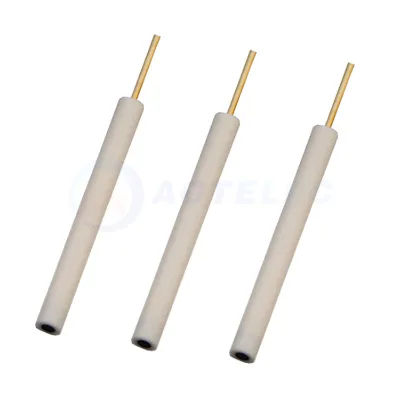
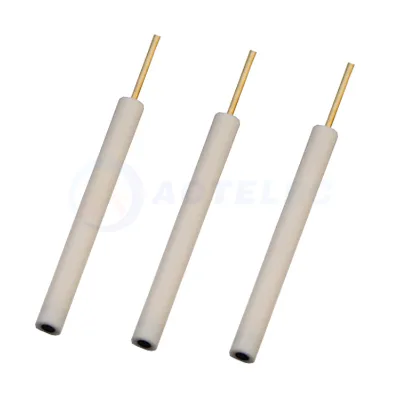
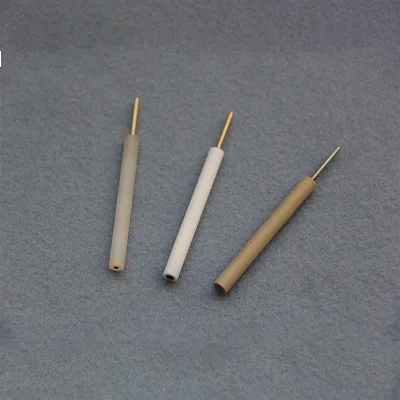
ElectrodesElectronic Conductive MaterialsLaboratoryHigh Quality Glassy Carbon Electrodes
$79.00 - $99.00
MOQ: 5 sets
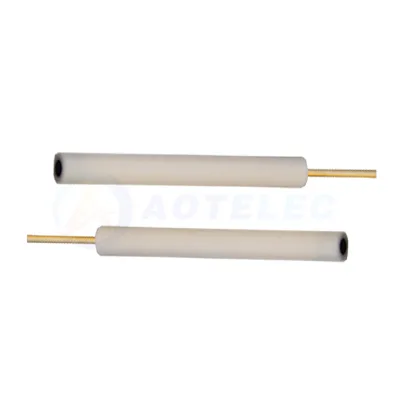
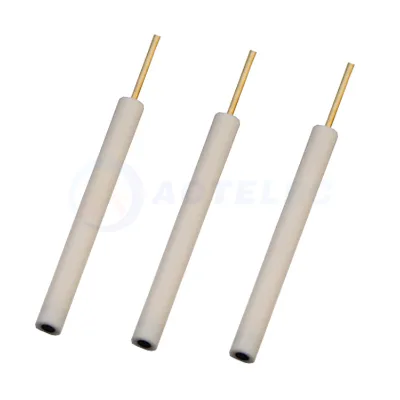
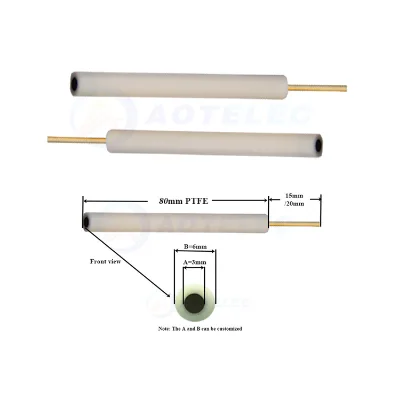
AOT High Quality Battery Material GCE Glass Carbon Electrode for Laboratory Battery Research
$20.44 - $39.86
MOQ: 10 pieces

Handan Jilin Carbon Materials Co., Ltd
- Verified by BV
- Combined
- China Hebei
- Lead time23 days
- Avg. response≤ 6h
Main productsCalcined Petroleum Coke, Graphite Electrode
Main marketsSoutheast Asia/ Mideast,Domestic


Oxidation Resistance Graphite Electrodes for Arc Furnaces of Steel Making
$2300.00 - $2500.00
MOQ: 20 Tons


XIAMEN AOT ELECTRONICS TECHNOLOGY CO., LTD.
- Verified by SGS
- Trading Company
- China Fujian
- Lead time15 days
- Avg. response≤ 3h
Main productsPouch Cell Battery Equipment, Coin Cell Battery Equipment, Cylindrical Battery Making Equipment, Lithium Ion Battery Pack Equipment, Lithium Ion Battery Material, Sodium Battery Material, Coin Cell Crimper, Coin Cell Disc Cutter, Lab Furnaces, Battery Production Line
Main marketsEast Asia(Japan/ South Korea),Europe,North America

Glassy Carbon Electrodes 2mm 3mm 4mm 5mm for Laboratory Research Battery Equipment
$32.00 - $39.00
MOQ: 5 Pieces

High-Quality Battery Equipment High-Quality Glassy Carbon Electrodes for Lab Battery Experiment
$32.00 - $39.00
MOQ: 5 Pieces

High Quality Glassy Carbon Electrode 2mm 3mm 4mm 5mm for Laboratory Research
$32.00 - $39.00
MOQ: 5 Pieces

High Precision Glassy Carbon Electrode 2mm 3mm 4mm 5mm for Laboratory Battery Experiments
$32.00 - $39.00
MOQ: 5 Pieces

Linyi Yanjun Carbon Material Co., Ltd.
- Trading Company,Manufacturer/Factory
- China Shandong
- Lead time15 days
- Avg. response≤ 4h
Main productsGraphite Electrode, Graphite Powder, Carbon Additive, Carbon Raiser, Carburant, GPC, Graphite Petroleum Coke, CPC, Needle Coke, Graphite Fines
Main marketsSouth America,Eastern Europe,Mid East,Southeast Asia,Eastern Asia

Henan Ji Steel Industry Co., Ltd.
- Verified by TUVRHEINLAND
- Trading Company
- China Henan
- Lead time30 days
- Avg. response≤ 4h
Main productsCopper Mould Tube, Mould Assembly, Graphite Electrode, High Alumina Bricks, Tundish Nozzle, Magnesia Bricks
Main marketsOthers(foreignTradeCapacity.exportBusinessCapacityMarketOther)

Manufacturer Sale UHP/HP/RP Graphite Electrode Rod Glassy Carbon Graphite Electrode
$1950.00 - $2850.00
MOQ: 1 Tons


Excellent Thermal and Electrical Conductivity Graphite Electrode for Steelmaking
$2100.00 - $3500.00
MOQ: 1 Tons

- Verified by SGS
- Manufacturer/Factory
- China Guangdong
- Lead time38 days
- Avg. response≤ 7h
Main productsBattery Machine, Lithium Battery Materials, Lithium Battery Equipments, Lithium Battery Lab Equipments, Lithium Ion Battery Production Line
Main marketsSouth America,Eastern Europe,Mid East,North America,Southeast Asia,Eastern Asia,Oceania,Western Europe,Africa

Inner Mongolia Pusheng Iron &Steel Co., Ltd.
- Verified by SGS
- Trading Company,Manufacturer/Factory
- China InnerMongolia
- Lead time15 days
- Avg. response≤ 7h
Main productsFerromanganese, Ferrochrome, Ferrosilicon, Manganese Lump, Silicon Metal, Ferromolybdenum, Ferrotitanium, Ferrotungsten
Main marketsSouth America,Eastern Europe,Mid East,North America,Southeast Asia,Eastern Asia,Oceania,Western Europe,Africa

Tianjin Eastmate Carbon Co., Ltd.
- Verified by SGS
- Combined
- China Tianjin
- Lead time15 days
- Avg. response≤ 4h
Main productsGraphite Powder, Silicon Carbide, Recarburizer, Calcined Petroleum Coke, Graphite Petroleum Coke
Main marketsSouth America,East Asia(Japan/ South Korea),Domestic,Europe

- Trading Company
- China Shandong
- Lead time15 days
- Avg. response≤ 13h
Main productsLithium Battery Cathode&Anode Materials, Full Sets Equipments for Lithium Battery, Turn-Key Project and One-Stop Service for Lib, LiFePO4 Licoo2 Nca Limn2o4 Nmc, Mcmb Graphite Li4ti5o12 Separator Cu&Al Foil, Mixer Coater Roller Cutter Gove Box Tester, Pouch Forming Machine, Coin Cell Crimping Machine, Cylinder Cell 18650 26650 Lab Products, Pouch Cell Mobile Battery Lab Products
Main marketsEurope,North America

Gelon Dry Electrode Making Machine Battery Electrode Manufacturing Machine
$100000.00 - $120000.00
MOQ: 1 Pieces


- Trading Company,Manufacturer/Factory
- China Liaoning
- Lead time0 days
- Avg. response≤ 3h
Main productsGraphite Electrodes, Refractory Material, Copper Mould Tube, Mill Roll, Bearing, EDM Graphite, Equipment, Rock Bit, Kn 95 Protective Mask, Disposable Mask
Main marketsSouth America,Eastern Europe,Mid East,North America,Southeast Asia,Eastern Asia,Oceania,Western Europe,Africa

Carbon Electrodes Graphite Electrode Price for Steel Mills, Block, Powder, Mould
$2666.00
MOQ: 10 Tons


Graphite Electrode for Steel Making for Steel Mills, Block, Powder, Mould, Sheet
$2666.00
MOQ: 10 Tons
- Manufacturer, Trading Company
- Guangdong, China
- Lead time0 days
- Avg. response≤ 8h
Main productsPouch Battery,Battery Consumables,Pouch Battery Pilot Line,Coin Cell Preparation Line,Cylindrical Battery Pilot Line
Main marketsNorth America(45.00%), Northern Europe(10.00%), Mid East(10.00%), Oceania(10.00%), Western Europe(10.00%), Central America(3.00%), Eastern Europe(3.00%), Southeast Asia(2.00%), Domestic Market(1.00%), South Asia(1.00%), Southern Europe(1.00%), Africa(1.00%), Eastern Asia(1.00%), South America(1.00%)

Mikrouna (Shanghai) Ind. Int. Tech. Co., Ltd.
- Verified by SGS
- Manufacturer/Factory
- China Shanghai
- Lead time90 days
- Avg. response≤ 13h
Main productsBattery Eqiupment, Solid Battery Eqiupment, Battery Machine, Glovebox, Electrode Equipment, Lithuim Battery Eqiupment, Dry Electrolyte Film Equipment, Lithuim Metal Battery Production Line, Solid Electrolyte Film
Main marketsSouth America,Eastern Europe,Mid East,North America,Southeast Asia,Eastern Asia,Oceania,Western Europe,Africa

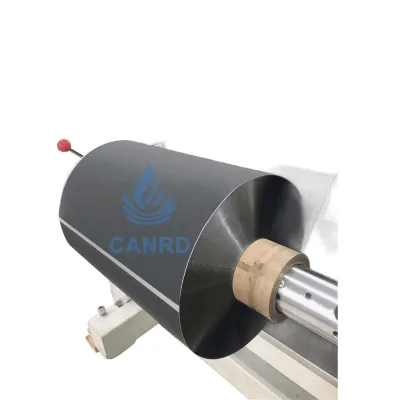
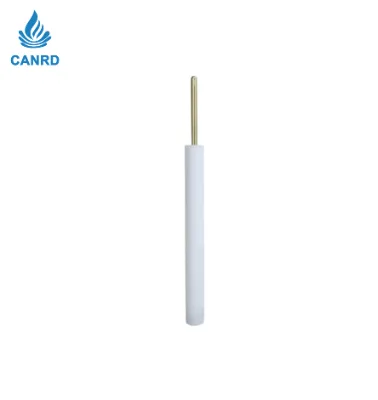
Lithium Anode Electrode Making Lithium Metal Battery Semi-Auto Experimental Line
$900000.00 - $2000000.00
MOQ: 1 Sets


Comprehensive Sourcing Guide
Battery Making Glassy Carbon Electrodes Supplier Concentration and Factory Types
The current supplier landscape for Battery Making Glassy Carbon Electrodes shows a concentration of manufacturers and trading entities primarily located in China, specifically within the Hebei province. This regional clustering suggests a specialized industrial ecosystem where raw material access, such as petroleum coke and needle coke, is readily available for processing. Buyers observing these results should note that the primary production hubs are situated in areas like Handan, which serves as a key origin point for graphite products. When evaluating potential partners, it is essential to distinguish between Group Corporations and Trading Companies, as the latter may not own the manufacturing facilities but rather facilitate the supply chain. The presence of diverse company types indicates that buyers must verify whether the entity is the actual producer or an intermediary to ensure direct communication regarding technical specifications.
Factory types vary significantly among the available suppliers, with some operating as Group Corporations capable of large-scale OEM production while others function as Trading Companies offering ODM and Own Brand services. The data indicates that some suppliers possess specific capabilities like OEM and ODM, which allows for customization of electrode dimensions and properties. However, not all suppliers list the same manufacturing depth; some focus on trading existing inventory while others emphasize their own brand capabilities. Buyers should investigate the specific manufacturing techniques listed, such as extruded graphite or grinding, to match their production needs. Understanding the distinction between a factory that produces the electrode and a trading company that sources it is critical for establishing a reliable supply chain for battery making applications.
How to Verify Battery Making Glassy Carbon Electrodes Suppliers
Verification of suppliers for Battery Making Glassy Carbon Electrodes requires a rigorous check of third-party certifications and platform verification status. The available data highlights that some suppliers hold ISO 9001 certification, while others possess a broader suite including ISO 14001 and ISO 14000, indicating a commitment to quality and environmental management. Buyers must confirm if a supplier has been verified by recognized bodies such as TÜV Rheinland or SGS, as these marks provide an external validation of the company's operational integrity. It is crucial to request current certificates directly from the supplier rather than relying solely on platform badges, as these documents can be expired or misapplied. The presence of a verification badge is a strong initial signal, but the specific scope of the certification must align with the buyer's requirements for battery-grade materials.
Beyond certifications, buyers should assess the supplier's response time and the depth of their product evidence to gauge reliability. Response times in the current results vary, with some suppliers showing a response time of 1.72 hours while others take significantly longer, such as 5.50 hours. A faster response time often correlates with a more active sales team and better communication channels, which is vital for resolving technical queries regarding electrode specifications. Additionally, the availability of detailed product attributes, such as carbon content, ash levels, and elastic modulus, serves as a proxy for the supplier's technical competence. Buyers should verify that the product evidence provided matches the specific needs of their battery manufacturing process, ensuring that the supplier can deliver the precise performance characteristics required for high-quality electrodes.
What to Compare Across Battery Making Glassy Carbon Electrodes Suppliers
When comparing suppliers, buyers must evaluate lead times and minimum order quantities (MOQ) to align with their production schedules and inventory strategies. The observed data reveals a wide range in lead times, with some suppliers offering a 23-day delivery window while others require up to 45 days. Similarly, MOQs vary significantly, ranging from a single unit to 25 or even 20 units depending on the specific product type and supplier policy. These variations can drastically impact the total cost of ownership and the flexibility of the supply chain. Buyers should prioritize suppliers whose lead times and MOQs match their operational capacity, ensuring that they can maintain a steady flow of materials without overstocking or facing production delays.
Price and product specifications are equally critical factors in the comparison process, as they directly influence the final cost and performance of the battery making process. The price range for graphite electrodes in the current results spans from approximately $200 to $4,700, reflecting differences in grade, size, and manufacturing complexity. Buyers must scrutinize the specific product attributes, such as the grade (UHP, HP, RP), carbon content, and forming way (extruded or ground), to ensure they are comparing equivalent products. A lower price may indicate a lower grade or different composition, which could compromise the electrode's performance in high-temperature applications. Therefore, a comprehensive comparison should weigh the price against the technical specifications and the supplier's ability to meet the exact requirements of the battery manufacturing line.
Common Battery Making Glassy Carbon Electrodes Sourcing Risks
One significant risk in sourcing Battery Making Glassy Carbon Electrodes is the potential mismatch between the supplier's claimed capabilities and their actual production capacity. While some suppliers list OEM and ODM services, others may lack the necessary infrastructure to handle custom orders or large-scale production runs. This discrepancy can lead to delays or quality inconsistencies if the supplier is unable to meet the specific demands of the buyer's project. Buyers should verify the supplier's capacity claims by requesting detailed information about their production lines and past performance in similar projects. It is also important to assess whether the supplier has the necessary equipment to produce electrodes with the required precision and consistency for battery applications.
Another critical risk involves the variability in product quality and adherence to industry standards. The data shows that while some suppliers provide detailed specifications like ash content and elastic modulus, others may offer less transparent information. This lack of clarity can result in the receipt of electrodes that do not meet the strict requirements of battery manufacturing, potentially leading to production failures or reduced battery life. Buyers must ensure that the supplier can provide test reports and quality assurance documentation for every batch of electrodes delivered. Additionally, the risk of supply chain disruptions due to geopolitical factors or raw material shortages should be considered, especially when sourcing from a single region. Diversifying the supplier base and maintaining a buffer stock can help mitigate these risks.
Battery Making Glassy Carbon Electrodes Regional Sourcing and Logistics
Regional sourcing for Battery Making Glassy Carbon Electrodes is heavily concentrated in China, with Hebei province emerging as a primary hub for production. This concentration offers logistical advantages in terms of proximity to raw material sources and established manufacturing infrastructure. However, buyers must be aware of the potential challenges associated with shipping from this region, including longer transit times and complex customs procedures. The origin of the products, such as Handan, China, indicates a specific supply chain route that buyers should factor into their logistics planning. Understanding the regional dynamics can help buyers anticipate potential delays and negotiate more favorable shipping terms with their suppliers.
Logistics planning also involves considering the packaging and handling requirements for graphite electrodes, which are often heavy and fragile. The current data indicates that suppliers use various packaging methods, including wooden cases, wooden pallets, and steel strips, to protect the products during transit. Buyers should verify that the packaging is robust enough to prevent damage during shipping and storage, especially for long-distance international shipments. Additionally, the choice of logistics provider and the incoterms agreed upon with the supplier will significantly impact the overall cost and risk profile of the procurement. Buyers should work closely with their logistics partners to ensure that the transportation of these specialized materials is handled with the necessary care and efficiency.
Battery Making Glassy Carbon Electrodes Commercial Terms and Order Planning
Commercial terms for Battery Making Glassy Carbon Electrodes often include specific requirements regarding payment, delivery, and customization. The data shows that some suppliers offer flexible payment terms and customization options, which can be beneficial for buyers with unique production needs. However, buyers must carefully review the terms of service to understand the implications of these options, such as additional costs for custom orders or longer lead times for specialized products. It is also important to clarify the delivery terms, including who is responsible for shipping costs and insurance, to avoid unexpected expenses. Clear communication regarding these commercial terms is essential to ensure a smooth transaction and a successful partnership.
Order planning for Battery Making Glassy Carbon Electrodes requires a strategic approach to manage inventory and production schedules effectively. Buyers should consider the lead times and MOQs of their chosen suppliers when planning their orders to ensure a continuous supply of materials. The variability in lead times, ranging from 23 to 45 days, necessitates careful forecasting and buffer stock management to prevent production interruptions. Additionally, buyers should plan for potential fluctuations in demand and supply chain disruptions by maintaining a diversified supplier base. By integrating these factors into their order planning, buyers can optimize their procurement processes and maintain a competitive edge in the battery manufacturing market.
FAQs
What is the price range for graphite electrodes?
Prices for graphite electrodes typically range from $200 to $4700 per unit depending on specifications. High-power and ultra-high-power grades generally command higher prices. Buyers should verify exact costs based on diameter, length, and order volume to ensure accurate budgeting for their specific production needs.
What are the minimum order quantities for these products?
Minimum order quantities vary significantly by product type. Some graphite electrodes require a minimum of one unit, while others may require twenty-five or twenty units. Buyers should check specific product listings to confirm the exact MOQ applicable to their desired specifications and supplier capabilities.
How long does delivery take for graphite electrodes?
Lead times for graphite electrodes generally range from 23 to 45 days. Some suppliers offer faster delivery windows of seven to ten days for specific grades. Buyers should confirm exact timelines with suppliers to align with their production schedules and avoid potential delays in manufacturing operations.
What certifications do these suppliers hold?
Suppliers typically hold ISO 9001, ISO 14001, and ISO 9000 certifications. Verification services include TÜV Rheinland and SGS. These certifications indicate adherence to quality management and environmental standards. Buyers should request current certificates to ensure compliance with their specific industry requirements and safety protocols.
Where are these graphite electrode manufacturers located?
Manufacturers are primarily located in China, specifically in Hebei province and Handan. This region is a major hub for graphite and carbon product manufacturing. Buyers should verify exact factory locations to assess logistics costs and shipping times for international orders effectively.
What customization options are available for electrodes?
Customization is widely available for graphite electrodes, including specific diameters, lengths, and grades. Suppliers offer OEM and ODM services to meet unique requirements. Buyers can request custom packing and specific product standards. Confirming these options early ensures the final product matches precise technical specifications.