Hi-Cut Racing Shoes Suppliers and Manufacturers
Source 23 verified suppliers for Hi-Cut Racing Shoes. Compare response times, lead times, MOQs, and certifications like SFI 3.3/5 standards. Review product attributes and pricing to identify suitable partners for your procurement needs; review the available evidence before requesting comparable quotations from suitable candidates.
Suppliers List
Foshan CRS Import & Export Co., Ltd.
- Verified by Intertek
- Trading Company
- Lead time45 days
- Avg. response≤ 8h
Main productsRod Ends, Hot Rod Parts, Universal Joints, Brake Booster, Disc Brake Conversion Kit
Main marketsNorth America(90%), Oceania(10%)
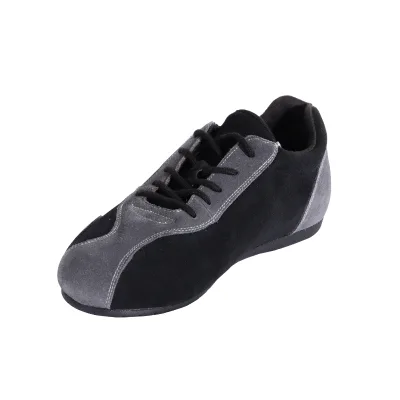
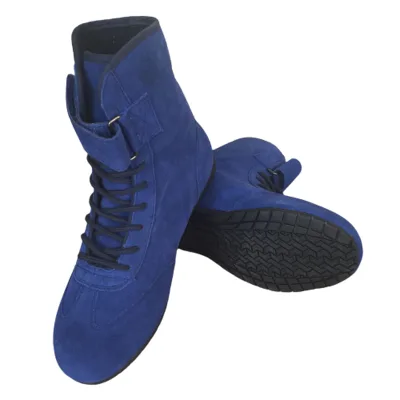
Blue Suede Leather Hi-Cut Customized Logo SFI 3.3 Racing Shoes Driver Safety Gears
$20.00 - $26.00
MOQ: 100
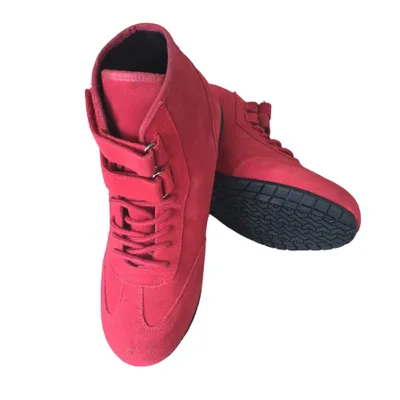
Customized SFI 3.3 Racing Shoes Resistant Material High-Cut Boots Safety Gear
$20.00 - $26.00
MOQ: 100

Quanzhou Bestway Import and Export Co., Ltd.
- Verified by CTI
- Trading Company,Manufacturer/Factory
- China Fujian
- Lead time45 days
- Avg. response≤ 11h
Main productsSports Shoe, Shoe, Casual Shoes, Soccer Shoes, Hiking Shoes, Moulds, Machinery, Leisure Shoes, Children Shoes, Sneaker
Main marketsSouth America,Eastern Europe,Mid East,North America,Southeast Asia,Western Europe,Africa

Quanzhou Ascending Sports Co., Ltd.
- Manufacturer/Factory
- China Fujian
- Lead time105 days
- Avg. response≤ 25h
Main productsSports Shoes, Shoes, Running Shoe, Sneaker, Soccer Shoes, Children Shoes, Custom Outsole Mould, Outsole, Footwear, Outsole Mold Custom
Main marketsSouth America,Eastern Europe,Mid East,North America,Southeast Asia,Eastern Asia,Oceania,Western Europe,Africa

GUANGZHOU ZUTA IMPORT AND EXPORT TRADING CO., LTD.
- Trading Company,Manufacturer/Factory
- China Guangdong
- Lead time23 days
- Avg. response≤ 13h
Main productsHiking Shoes, Sport Shoes, Leisure Shoes, Fashionshoes, Slippers, Vulcanized Shoes, Canvas Shoes, Kid's Shoes, Footwear, Casual Shoes
Main marketsSouth America,Eastern Europe,Mid East,North America,Southeast Asia,Eastern Asia,Oceania,Western Europe,Africa


Men Shoes Runningshoes China High Quality Wholesale Running Shoe Sports Shoe
$6.50 - $7.00
MOQ: 20 Pairs

Quanzhou Shengxiang Sporting Goods Co.,Ltd.
- Verified by TUVRHEINLAND
- Combined
- China Fujian
- Lead time60 days
- Avg. response≤ 7h
Main productsShoes
Main marketsDomestic

Ultra-Light Carbon Plate Shock Absorbing Racing Shoes Fresh Breathable Shoes
$7.50 - $9.50
MOQ: 1000 Pairs


Xiamen Mango Fashion Shoes Trade Co., Ltd
- Verified by BV
- Trading Company
- China Fujian
- Lead time45 days
- Avg. response≤ 12h
Main productsSneaker, Women Sneakers, Sport Shoes, Skateboards, Casual Shoes, Vulcanized, Boots, Sandals, Slippers
Main marketsSouth America,Southeast Asia/ Mideast,North America

Men Sport Running Shoes Shock Absorbing Shoes Casual Sport Shoes Lace up Trainers
$8.00 - $10.00
MOQ: 500 Pairs


Jinjiang Chidian Xuqi Trading Firm (Individual Business)
- Trading Company
- China Fujian
- Lead time0 days
- Avg. response≤ 3h
Jinan Hua Singh Economy&Trade Co., Ltd.
- Verified by SGS Group
- Trading Company
- Lead time35 days
- Avg. response≤ 7h
Main productsCombat Boots, Peas Shoes, Safety Shoes, Administrative Shoes, White ESD Shoes
Main marketsAfrica(25%), Mid East(15%), Northern Europe(15%)
Xiamen Newtop Footwear Co., Ltd.
- Verified by SGS
- Trading Company
- China Fujian
- Lead time60 days
- Avg. response≤ 3h
Main marketsSoutheast Asia/ Mideast,Europe,North America
Yang Donggui Food Businesstrading Company
- Trading Company
- China Fujian
- Lead time0 days
- Avg. response≤ 2h
Main productsClothing, Shoe, Jewelry, Watch, Bag, Belt, Down Jacket

Zhangzhou Xiangcheng Danxing Trading Co., Ltd
- Verified by SGS
- Trading Company
- China Fujian
- Lead time15 days
- Avg. response≤ 19h
Main productsDress Shoes, Sports Shoes, Heel Shoes, Kids Shoes, Outdoor Shoes, Basketball Shoes, Trainers, Casual Shoes, Clothes, Bags
Main marketsSouth America,Africa,Southeast Asia/ Mideast,East Asia(Japan/ South Korea),Europe,Australia,North America

Classic Men's New Breathable Mesh Racing Shoes, Anti Slip Outdoor Sports Shoes
$12.00 - $14.00
MOQ: 1 Pairs

New Breathable, Fashionable and Versatile Running Shoes, Outdoor Wear-Resistant Racing Shoes
$8.47 - $9.88
MOQ: 1 Pieces

Quanzhou Jiesensi Trading Co., Ltd.
- Verified by TUVRHEINLAND
- Trading Company,Manufacturer/Factory
- China Fujian
- Lead time0 days
- Avg. response≤ 4h
Main productsCasual Shoe, Running Shoe, Shoe, Bag, Apparel
Quanzhou Jianxi Technology Co., Ltd
- Verified by CTI
- Trading Company
- China Fujian
- Lead time30 days
- Avg. response≤ 10h
Main productsShoes, Designer Shoes, Walking Style Shoes, Sneakers, Running Shoes, Watch
Main marketsEurope,North America

Sport Running Shock Absorbing Shoes for Sprint Drills with Reinforced Toe
$40.00 - $50.00
MOQ: 1 Pairs


HK Nineup International Trading Limited
- Trading Company,Manufacturer/Factory
- China Fujian
- Lead time45 days
- Avg. response≤ 5h
Main productsRunning Shoes, Football Shoes, Outsole, Shoes Material, Ceramic Crafts, Shoe Machine, Golf Shoes
Main marketsSouth America,Eastern Europe,North America,Southeast Asia,Western Europe

Brand New Outdoor Shoes Hiking Shoes Best Running Shoes Trainers Race Shoes
$11.50 - $15.50
MOQ: 500 Pairs


QUANZHOU JINJIANG NEW BLT SHOES CO.,LTD
- Verified by BV
- Trading Company,Manufacturer/Factory
- China Fujian
- Lead time0 days
- Avg. response≤ 20h
Main productsSport Shoes, Casual Shoes, Hiking Shoes, School Shoes, Canvas Shoes, Water Shoes, Outdoor Shoes, Skateboard Shoes, PVC Injection Shoes, Running Shoes
- Trading Company
- Lead time旺季: "1 - 300":15,"> 300":"To be negotiated", 淡季: "1 - 300":15,"> 300":"To be negotiated"
- Avg. response≤ 7h
Main productsMotorcycle Helmets, Motorcycle Tail Boxes, Motorcycle Cover, Motorcycle Flags

- Verified by TUVRHEINLAND
- Manufacturer/Factory
- China Guangdong
- Lead time45 days
- Avg. response≤ 3h
Main productsSafety Shoes, Military Boots, Safety Boots, Army Boots, Casual Shoes
Main marketsSouth America,Eastern Europe,Mid East,North America,Southeast Asia,Eastern Asia,Oceania,Western Europe,Africa
Ningbo East Packaging Technology Co., Ltd.
- Verified by BV
- Trading Company
- China Zhejiang
- Lead time23 days
- Avg. response≤ 3h
Main productsDisposable Gloves, Nitrile Gloves, Vinyl Gloves, Latex Gloves, Food Packaging, Disposable Tableware, PPE Products, Packaging & Labels, Flashlights, General Consumer Products
Main marketsDomestic

Jinjiang Jiaxing Import and Export Co., Ltd.
- Verified by CTI
- Manufacturer/Factory
- China Fujian
- Lead time120 days
- Avg. response≤ 1h
Main productsShoes, Slipper, Clothes, Promotion Gifts, Silicone Products, Outdoor Sports Products, Bags, Fashion Accessories, Consumer Electronics
Main marketsSouth America,Eastern Europe,Mid East,North America,Southeast Asia,Eastern Asia,Oceania,Western Europe,Africa
Muzhimu (Xiamen) Trading Co., Ltd.
- Verified by TUVRHEINLAND
- Trading Company
- China Fujian
- Lead time30 days
- Avg. response≤ 5h
Main productsrunning shoe
Main marketsDomestic

Hengshui Yongxin Brake Materials Co., Ltd
- Verified by BV
- Combined
- China Hebei
- Lead time23 days
- Avg. response≤ 7h
Main productsBrake Pad, Brake Shoe
Main marketsDomestic

Guangzhou Lihua Brake Equipment Co., Ltd.
- Combined
- China Guangdong
- Lead time0 days
- Avg. response≤ 15h
Main productsBrake Shoes, Brake Pads, Brake Linings, BMK, Power-King, Auto Parts, Flat Sheet, Ceramic Brake Pad, Non-Asbestos Brake Shoe, Non-Asbestos Brake Lining

Suzhou Kamien Auto Parts Co., Ltd.
- Verified by TUVRHEINLAND
- Trading Company,Manufacturer/Factory
- China Jiangsu
- Lead time45 days
- Avg. response≤ 7h
Main productsBrake Pad, Brake Shoe, Brake Disc, Brake Repair Kits, Brake Caliper, Air Disc Brkae Pad, Brake Drum, Brake Lining, Brake Hardware Kit
Main marketsSouth America,Eastern Europe,Mid East,North America,Southeast Asia,Eastern Asia,Oceania,Western Europe,Africa






Comprehensive Sourcing Guide
Hi-Cut Racing Shoes Supplier Concentration and Factory Types
The current supplier landscape for Hi-Cut Racing Shoes reveals a mix of trading companies and manufacturers, with some entities holding dual designations as both factory and trading partners. This structural diversity impacts how buyers approach initial outreach, as trading companies often aggregate products from multiple sources while manufacturers may offer direct customization capabilities. Evidence indicates that some suppliers specialize in vehicle parts and accessories, suggesting a potential overlap in supply chains where automotive component makers also produce safety footwear. Buyers should note that main product lists vary significantly, ranging from specialized racing gear to general sports and casual footwear, which implies that not every supplier listing this category possesses deep technical expertise in high-performance racing standards.
When assessing factory types, the presence of specific certifications like BSCI and ISO 9001 often signals a more mature manufacturing operation capable of handling complex orders. However, the verification status varies, with some suppliers holding Intertek or CTI credentials while others may lack third-party validation. This variation requires buyers to look beyond the company type label and examine the specific capabilities listed, such as light customization, sample processing, or customized on-demand production. The distinction between a pure trading entity and a manufacturer with an own brand is critical, as it influences the ability to modify designs, adjust materials, and ensure consistent quality control throughout the production cycle.
How to Verify Hi-Cut Racing Shoes Suppliers
Verification of Hi-Cut Racing Shoes suppliers requires a rigorous check of third-party credentials and specific product evidence rather than relying solely on general company profiles. Buyers must confirm that the supplier holds valid certifications such as Intertek, CTI, BSCI, or ISO 9001, as these documents provide independent assurance of quality management systems and ethical labor practices. The presence of specific product attributes, such as SFI 3.3/5 ratings for racing shoes, serves as a tangible indicator of technical compliance. If a supplier claims to offer SFI-rated footwear, the buyer should request the specific test reports or certification numbers to validate that the product meets the required safety standards for motorsport applications.
Beyond certifications, the response time and verification status offer immediate insights into supplier reliability. A response time of eight hours or less suggests an active sales team capable of addressing urgent inquiries, while longer delays may indicate a less responsive operation. Buyers should also scrutinize the "is_verified" field to ensure the platform has conducted a physical or document-based audit of the facility. It is essential to cross-reference the claimed capabilities, such as OEM and ODM design services, with actual product listings that demonstrate customization options like logo acceptance and material selection. Without these concrete data points, the risk of engaging with a supplier who cannot fulfill specific technical requirements increases significantly.
What to Compare Across Hi-Cut Racing Shoes Suppliers
Comparing suppliers requires a systematic evaluation of key operational metrics including minimum order quantities, lead times, and pricing structures. The data shows a wide range in MOQs, from as low as 100 pairs for certain customized racing shoes to 1,800 pairs for general sports footwear. This variance directly impacts the feasibility of small-batch orders versus large-scale production runs. Buyers must align their order volume with the supplier's capacity, noting that some entities offer light customization while others require higher volumes to justify production setup. Additionally, lead times vary, with some suppliers indicating a 45-day window, which is critical for planning inventory and meeting market launch deadlines.
Pricing and supply ability are equally vital comparison points, with unit costs ranging from approximately $5.80 to $26.00 depending on the specific product features and material quality. Suppliers with a stated supply ability of 1,000 pairs per month may struggle to meet sudden spikes in demand, whereas those with higher capacity can scale more effectively. Buyers should also compare the design flexibility, noting which suppliers accept customized logos and offer OEM/ODM services. The geographic location, such as Fujian or other regions in China, influences logistics costs and shipping times. A comprehensive comparison must weigh these factors together to identify a partner that balances cost, speed, and customization needs without compromising on the safety standards required for racing footwear.
Common Hi-Cut Racing Shoes Sourcing Risks
One of the primary risks in sourcing Hi-Cut Racing Shoes is the potential mismatch between claimed safety standards and actual product performance. While some listings explicitly mention SFI 3.3/5 ratings, others may only imply compliance without providing verifiable test data. This discrepancy can lead to the procurement of footwear that fails to meet the rigorous safety requirements of motorsport events, potentially resulting in liability issues or product recalls. Buyers must be vigilant in requesting proof of certification for every batch, ensuring that the materials used, such as suede leather or resistant fabrics, are genuinely rated for high-speed racing environments rather than general athletic use.
Another significant risk involves the inconsistency in supply chain transparency and production capacity. Some suppliers list themselves as trading companies, which may obscure the actual manufacturing location and quality control processes. If a supplier cannot clearly articulate their production workflow or provide evidence of their own brand capabilities, the risk of receiving substandard goods increases. Furthermore, the variability in lead times and response speeds can disrupt project timelines. A supplier with a long lead time of 45 days may not be suitable for urgent orders, while a lack of clear communication channels can delay critical decisions regarding design changes or material substitutions. Mitigating these risks requires thorough due diligence and clear contractual terms regarding quality assurance and delivery schedules.
Hi-Cut Racing Shoes Regional Sourcing and Logistics
Regional sourcing for Hi-Cut Racing Shoes often centers on specific manufacturing hubs in China, such as Fujian, which appears in the location data for several suppliers. These regions typically offer established supply chains for footwear, providing access to raw materials like leather, rubber, and mesh fabrics. However, the exact location of the factory is not always explicitly stated for every supplier, requiring buyers to verify the origin of goods before finalizing orders. Understanding the regional concentration helps in estimating shipping times and costs, as products dispatched from ports like Guangzhou, Shenzhen, Foshan, or Dongguan may have different logistical advantages depending on the destination market.
Logistics planning must account for the specific packaging and weight details provided in product attributes, which affect freight calculations. For instance, single package sizes of 25x15x12 cm and gross weights of 3.5 kg per pair influence the number of units that can be shipped per container. Buyers should also consider the port of dispatch, as some suppliers offer multiple options, allowing for flexibility in routing. The use of carton boxes and plastic bags for packaging is standard, but the level of care taken during shipment, such as handling with extra care, can impact the condition of the goods upon arrival. Coordinating with the supplier to optimize packaging and select the most efficient port can reduce overall logistics costs and minimize the risk of damage during transit.
Hi-Cut Racing Shoes Commercial Terms and Order Planning
Commercial terms for Hi-Cut Racing Shoes involve careful negotiation of pricing, payment conditions, and order planning to ensure a smooth transaction. The price range observed, from $5.80 to $26.00, reflects differences in material quality, certification levels, and customization complexity. Buyers should clarify whether the quoted price includes all costs or if additional fees for tooling, sampling, or shipping apply. Understanding the MOQ requirements is essential for budgeting, as orders below the minimum threshold may incur higher per-unit costs or be rejected entirely. Planning the order timeline around the supplier's lead time of 45 days or more is crucial to avoid delays in receiving the final product.
Order planning also requires attention to customization details, such as logo placement, color options, and material specifications. Suppliers that accept customized logos and offer OEM/ODM services provide greater flexibility, but these requests must be clearly documented to avoid production errors. Buyers should establish a clear communication protocol for approving samples before mass production begins, ensuring that the final product matches the agreed-upon design and safety standards. Additionally, verifying the supplier's ability to handle the required volume, such as 1,000 pairs per month, ensures that the supply chain can meet demand without bottlenecks. By aligning commercial terms with realistic production capabilities, buyers can mitigate risks and secure a reliable supply of high-quality racing footwear.
FAQs
What is the minimum order quantity for SFI 3.3 racing shoes?
The minimum order quantity varies by product style. Some listings require 500 pairs, while others accept orders starting at 100 pairs. Buyers should check specific product attributes to confirm the exact MOQ before placing an order for customized racing footwear.
How long does it take to receive these racing shoes?
Lead times for these products typically range around 45 days. Response times from suppliers average approximately eight to eleven days. Buyers should confirm specific delivery schedules with the supplier to ensure the timeline meets their project requirements before finalizing the purchase.
Are these racing shoes available with custom branding options?
Yes, many suppliers offer customized branding services for these shoes. Options include accepting customized logos and providing OEM or ODM design services. Buyers can request specific brand names or designs, ensuring the final product matches their team or company identity requirements.
What certifications do these racing shoes meet?
Specific racing shoe listings mention SFI 3.3 or SFI 3.5 ratings as key style features. Supplier verification may include Intertek or CTI checks, while factory certifications often list BSCI or ISO 9001 standards. Buyers should verify the exact certification documents for each specific product listing.
Where are these racing shoes manufactured and shipped from?
Products originate from China, with specific locations including Fujian province. Shipping ports often include Guangzhou, Shenzhen, Foshan, or Dongguan. Buyers should verify the exact port of dispatch listed on the product page to calculate accurate shipping costs and delivery times for their destination.
What is the price range for these racing shoes?
Prices for these shoes generally range from five dollars to twenty-six dollars per pair depending on the model. Specific listings show minimum prices around five dollars and maximum prices up to twenty-six dollars. The final cost depends on the selected style, quantity, and customization options chosen.
Can I get samples before placing a large order?
Suppliers indicate capabilities for sample processing and customized on-demand production. Some listings allow for single item selling units, which may facilitate sample acquisition. Buyers should contact the supplier directly to confirm sample availability, costs, and the specific lead time required for sample delivery.