Home Appliance Halogen Oven Suppliers and Manufacturers
Source 17 verified suppliers for Home Appliance Halogen Oven products. Compare key dimensions including CE certification, OEM/ODM capabilities, lead times, and pricing. Review product specifications and request quotes directly from manufacturers in China; review the available evidence before requesting comparable quotations from suitable candidates.
Suppliers List

Dongguan Jinsen Craft Technology Co., Ltd.
- Verified by TUVRHEINLAND
- Trading Company,Manufacturer/Factory
- China Guangdong
- Lead time23 days
- Avg. response≤ 2h
Main productsKitchen Household Appliances, Kitchenware, Blender, Air Fryer, Meat Grinder, Stainless Steel Pot, Breakfast Machine, Electric Fan Solar Fans, Vacuum Cup, Vacuum Bottle
Main marketsSouth America,Eastern Europe,Mid East,North America,Southeast Asia,Eastern Asia,Oceania,Western Europe,Africa
Zhongshan Jiaye Electric Appliance Co., Ltd.
- Verified by SGS
- Combined
- China Guangdong
- Lead time23 days
- Avg. response≤ 8h
Main productsGas Hob, Gas Stove, Range Hood, Built-in Oven, Microwave Oven, Induction Cooker, Ceramic Hob
Main marketsSouth America,Africa,Southeast Asia/ Mideast,Europe


56 Liter Home Appliance Baking Multi-Purpose Electric Oven Electric Oven
$149.00 - $151.00
MOQ: 100 Boxes


Home Appliance 60cm Multi-Function with Digital Control Built in Electric Oven
$175.00 - $200.00
MOQ: 100 Pieces


Home Application Baking Machine Pizza Oven Baking Oven Kitchen Application
$149.00 - $152.00
MOQ: 200 Pieces

Guangzhou Astar Kitchen Equipment Co., Ltd.
- Verified by BV
- Combined
- China Guangdong
- Lead time15 days
- Avg. response≤ 14h
Main productsBakery Equipment, Oven, Kitchen Equipment, Mixer, Baking Oven, Convection Oven, Rotary Oven, Pizza Oven, Refrigerator, Cake Showcase
Main marketsAfrica,Domestic,Europe

Qingdao Vestar International Industry Co., Ltd.
- Verified by BV
- Trading Company
- China Shandong
- Lead time30 days
- Avg. response≤ 3h
Main productsRefrigerator, Air Conditioner, Range Hood, Gas Hobs, Oven, Washing Machine, Microwave, Dishwasher, Showcase, Chest Freezer
Main marketsSouth America,Africa,Southeast Asia/ Mideast,Domestic,Europe,Australia,North America

Sunbird Technology Development Co., Limited
- Manufacturer/Factory
- China Guangdong
- Lead time45 days
- Avg. response≤ 16h
Main productsBBQ Grill, Free Standing Oven, Coffee Maker, Rice Cookers, Induction Cookers, Gas Cookers, Electric Oven, Pizza Oven, Deep Fryer, Bread Maker
Main marketsSouth America,Eastern Europe,Mid East,North America,Southeast Asia,Eastern Asia,Oceania,Western Europe,Africa


2016 Newest Home Appliance Kitchen Mini Portable LED Display Convection Pizza Oven
$49.50
MOQ: 265 Pieces

Kitchen Appliance 70L Electirc Oven for Home Use with Stainless Steel Housing
$60.00 - $1000.00
MOQ: 430 Pieces


Zhejiang Baina Rubber and Plastic Equipment Co., Ltd.
- Verified by BV
- Combined
- China Zhejiang
- Lead time30 days
- Avg. response≤ 18h
Main productsRubber Extruder, Microwave Vulcanization, Saltbath Vulcanization, Rubber Seal, Rubber Hose Production Line, Hot Air, Water Cooling Machine, Cutter, Extruded Rubber Profiles
Main marketsSouth America,Africa,Southeast Asia/ Mideast,Domestic,Europe,North America


600mm Ultra High Temperature Oven
MOQ: 1 Pieces

Qingdao Smad Electric Appliances Co., Ltd.
- Verified by BV
- Manufacturer/Factory
- China Shandong
- Lead time60 days
- Avg. response≤ 9h
Main productsRefrigerator, Freezer, Washing Machine, Air Conditioner, Dish Washer, Display Cooler, Microwave Oven, Water Dispenser, Wine Cooler, Clothes Dryer
Main marketsSouth America,Eastern Europe,Mid East,North America,Southeast Asia,Eastern Asia,Oceania,Western Europe,Africa

Smad Kitchen Use 10L Stainless Steel Table Top Baking Oven for Home Appliance
$12.90 - $25.00
MOQ: 1 20GP


- Trading Company
- Anhui, China
- Lead time20 days
- Avg. response≤ 13h
Main productsmicrowave oven,dish washer,built in oven,ice cream maker,toaster oven
Main marketsWestern Europe(14.29%), Eastern Asia(14.29%), Mid East(14.29%), Southeast Asia(14.29%), Northern Europe(14.29%), South America(14.29%), Eastern Europe(13.00%)
Zhongshan Askoy Electrical Appliance Co., Ltd.
- Manufacturer, Trading Company
- Guangdong, China
- Lead time0 days
- Avg. response≤ 3h
Main productsflave ware oven turbo,sour maker,electrical lunch box,halogen oven,convection oven
Main marketsSouth Asia(9.09%), Southern Europe(9.09%), Northern Europe(9.09%), Central America(9.09%), Western Europe(9.09%), Eastern Asia(9.09%), Mid East(9.09%), Africa(9.09%), Southeast Asia(9.09%), Eastern Europe(9.09%), South America(9.09%)

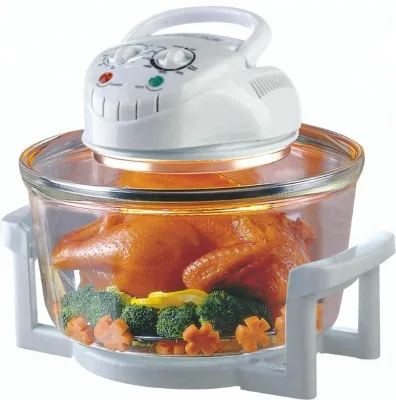
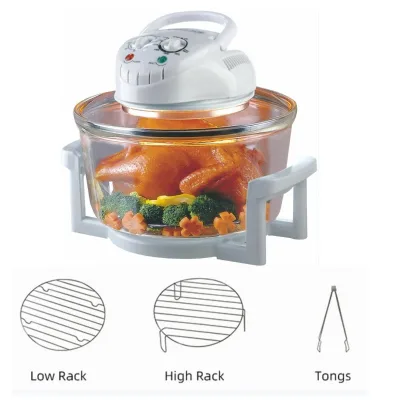
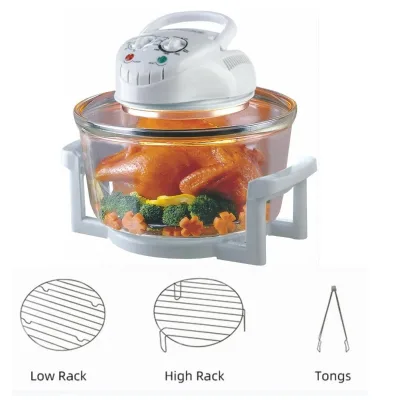
12L/17L Electric Household Halogen Convection Countertop Oven with Broil Rack & Toasting Rack
$10.04 - $14.35
MOQ: 10 pieces
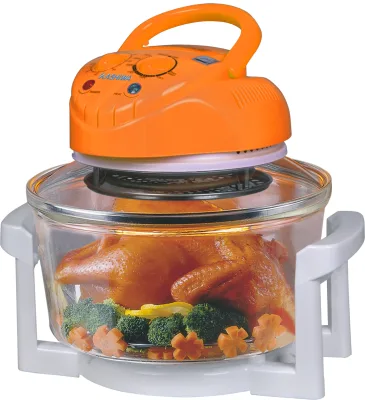
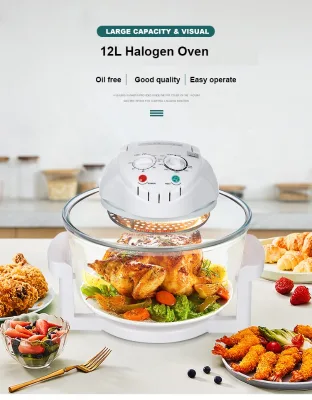
Newest Popular Halogen Convection Oven/ Flavor Wave Oven Turbo with Glass Bowl
$10.80 - $14.00
MOQ: 10

Shijiazhuang Haidier Machinery Export Co., Ltd.
- Trading Company
- Hebei, China
- Lead time15 days
- Avg. response≤ 8h
Main productsfood machine,bakery equipment,baking equipment,bread machine,bakery machine
Main marketsSouthern Europe(11.11%), Central America(11.11%), Eastern Asia(11.11%), Mid East(11.11%), Oceania(11.11%), Africa(11.11%), Southeast Asia(11.11%), South America(11.11%), North America(11.11%), South Asia(0.10%)
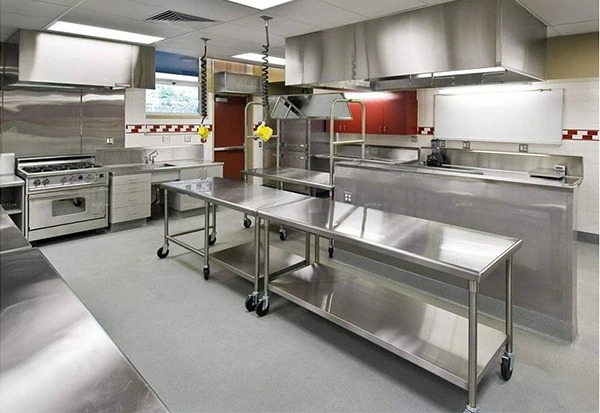
Zhengzhou Newslly Kitchen Equipment Co., Ltd.
- Trading Company
- Henan, China
- Lead time10 days
- Avg. response≤ 2h
Main productsBakery Equipment,Food Processing Machinery,Refrigeration Series,Snack Machinery,Western Kitchen Equipment
Main marketsAfrica(15.00%), Oceania(10.00%), Eastern Asia(10.00%), Mid East(10.00%), South Asia(10.00%), Western Europe(10.00%), North America(7.00%), Northern Europe(7.00%), Southeast Asia(5.00%), Eastern Europe(5.00%), South America(5.00%), Central America(3.00%), Southern Europe(3.00%)
Guangdong Gonron Industrial Co., Ltd.
- Verified by TüVRheinland
- Manufacturer, Trading Company
- Lead time45 days
Main productsToasters Oven, Air Fryer Oven, Buit-In Oven, Air Fryer
Main marketsNorth America(30%), Western Europe(30%), Southeast Asia(20%)

Zhengzhou Maosu Machinery Equipment Co., Ltd
- Trading Company
- China Henan
- Lead time15 days
- Avg. response≤ 4h
Main productsPet Food Extruder, Soybean Extruder, Snack Food Extruder, Pet Food Production Line, Sanck Food Production Line, Aniaml Feed Pellet Mill, Dough Mixer, Steaming Cabinet, Bake Oven, Meat Slicer
Main marketsSouth America,Africa,Others(foreignTradeCapacity.exportBusinessCapacityMarketOther),Southeast Asia/ Mideast,East Asia(Japan/ South Korea),Europe,North America

Foshan Zerra Appliance Co., Ltd.
- Verified by SGS
- Combined
- China Guangdong
- Lead time30 days
- Avg. response≤ 6h
Main productsGas Stove, Gas Hob, Gas & Electric Mixed Series, Water Heater, Range Hood, Built in Oven, Microwave Oven, Hardware, Home Appliance
Main marketsAfrica,Europe,North America

71L Big Built in Home Appliance Manufacturer Baking Cake 60cm Electric Single Wall Oven for Home
$109.00 - $112.00
MOQ: 50 Pieces

Home Appliance 72L Built in Oven Digital Control with Two Knobs Horno Empotrable Electrico
$129.00 - $138.00
MOQ: 100 Pieces

Precise Temperature Control Gas Built-in Convection Oven for Small Apartment
$110.00 - $115.00
MOQ: 50 Pieces
Cixi Jemell Electrical APPLIANCE Co., Ltd.
- Verified by BV
- Combined
- China Zhejiang
- Lead time30 days
- Avg. response≤ 6h
Main marketsEurope
Ningbo Zhite Import and Export Co., Ltd.
- Verified by SGS
- Trading Company
- China Zhejiang
- Lead time15 days
- Avg. response≤ 4h
Main productsTool Set, Hardware Tool, Hand Tool, Hand Tools, Tooling Kit, Hardware Tools, Socket Set, Small Home Appliances, Air Fryer, Meat Grinder
Main marketsEurope

Ningbo Jiali Gas Appliance & Science and Technology Co., Ltd.
- Verified by SGS
- Combined
- China Zhejiang
- Lead time23 days
- Avg. response≤ 25h
Main productsGas Thermocouple
Main marketsSouth America,Europe


Reliable Jiali Oven Temperature System: Home Use & 1-Year Warranty Support
$9.00 - $12.00
MOQ: 500 Pieces





Comprehensive Sourcing Guide
Home Appliance Halogen Oven Supplier Concentration and Factory Types
When sourcing a Home Appliance Halogen Oven, buyers will encounter a mix of manufacturer-factories and trading companies. Factory-type suppliers typically control their own tooling for glass bowls, halogen bulb assemblies, thermostats and plastic housings, which matters because halogen ovens combine a fragile borosilicate bowl with electrical components in one compact countertop unit. Trading companies, by contrast, aggregate multiple product lines and may list halogen ovens alongside air fryers, blenders and kitchenware. Neither structure is automatically better; factories suit buyers seeking custom bowls, branding or capacity changes, while trading companies can consolidate mixed kitchen-appliance orders into one shipment and handle documentation for smaller buyers.
Cluster identification should be treated as a verification task rather than an assumption. A supplier profile may show a registered location such as Guangdong, China, and a product listing may reference a production origin such as Dongguan, but these details should be confirmed directly before you plan a factory visit or third-party inspection. Use the supplier's location field, the product origin attributes on individual listings, and a video audit to confirm whether the factory physically assembles halogen ovens or subcontracts the electrical core. For this category, the practical clustering question is not the city name but whether the same supplier can support the visible-glass bowl variants, digital controls, and the 12L and larger capacity formats you intend to sell.
How to Verify Home Appliance Halogen Oven Suppliers
Verification for a Home Appliance Halogen Oven supplier starts with third-party verification status. Some suppliers display platform verification from bodies such as TÜV Rheinland or SGS, and system certifications such as BSCI, SEDEX or ISO 9001:2015 may appear on profiles. Confirm each credential by asking for the certificate number and checking the issuing body's database, because a label on a profile is not the same as a current, in-scope audit. For halogen ovens specifically, ask whether CE certification covers the finished oven, including the quartz halogen bulb and glass bowl assembly, not just components.
Next, verify operational reality. Request a live video walkthrough showing halogen oven assembly lines, glass bowl handling, and the aging or burn-in station where finished units are powered on. Ask the supplier to demonstrate a 12L visible-glass unit and a digital-control model so you can confirm the products in listings match production capability. Check whether the company describes itself as a trading company, manufacturer, combined operation, or both, and reconcile that with what you see on video. Finally, test responsiveness with a detailed technical question about bowl replacement, bulb life or controller options; a supplier who answers specific engineering questions quickly and precisely is far more reliable than one who only sends catalogs and greeting messages in reply.
What to Compare Across Home Appliance Halogen Oven Suppliers
Build a comparison sheet using attributes suppliers actually display, and record missing values as "unconfirmed" rather than assuming they are unfavorable. Useful dimensions include supplier location, company type, main products, response time, lead time, MOQ, OEM/ODM capability, verification status and system certifications. In this category, observed profiles vary widely: some suppliers list kitchen household appliances broadly alongside blenders, air fryers and stainless pots, while others focus on gas hobs, built-in ovens, range hoods and microwave ovens. A supplier whose main products center on ovens and hobs is more likely to have in-house electrical assembly competence for a Home Appliance Halogen Oven.
Compare the product-level evidence as carefully as the company-level labels. One listed halogen convection oven, for example, shows a price band around USD 11.50–11.99 with an MOQ of 12 units, CE certification, light-wave cooking mode, mechanical control, countertop installation and packaging of one box per unit with two boxes per carton. Other oven products from different suppliers show higher price points, MOQs of 10 or 100, and capacities from under 15L up to 48L or built-in formats. Record lead times separately — one supplier profile shows a 23-day lead time and another does not display one — and treat response time figures, such as roughly 1.5 hours versus 7.4 hours on observed profiles, as directional signals to test with real inquiries.
Common Home Appliance Halogen Oven Sourcing Risks
The highest-risk failure point for a Home Appliance Halogen Oven is the combination of glass bowl and electrical assembly. Borosilicate bowls crack during transit if packing is thin, and thermal shock during use causes returns if glass quality varies between batches. Observed listings indicate packing schemes such as 1PC/Box with 2 boxes/CTN for a 12L unit and gross weights near 13KGS per outer carton, so request the actual packing specification and drop-test evidence before approving production. Similarly, confirm which party is responsible for the halogen bulb life specification, since listings cite quartz halogen bulbs as the cooking source.
Compliance and labeling risks follow closely. Listings may carry CE certification, but certifications can be per-model or expired, and products described as "Silver Crest" style models raise trademark caution — that name is a retail brand association, and you must not ship goods bearing third-party marks without documented authorization. Other common risks include specification drift between the sample and mass production, particularly on control type (mechanical versus digital), capacity (12L/17L versus smaller or larger variants) and voltage for destination markets. A supplier listing both microwave-style functions and light-wave cooking modes in one attribute set should be asked to clarify exactly which functions the quoted model performs, because attribute panels on marketplaces can mix values across product variants.
Home Appliance Halogen Oven Regional Sourcing and Logistics
Regional planning for a Home Appliance Halogen Oven should be anchored in verified location data rather than assumptions. Observed supplier profiles point to Guangdong, China, and individual product listings reference Dongguan as the production origin, which suggests the established kitchen-appliance corridor in southern China is where this category concentrates. Still, confirm the actual factory address through an invoice, a business license and an inspector's report, because a Shenzhen sales office can sit far from the production floor. Once the location is confirmed, plan inspection logistics around a single-day visit that covers assembly, bulb installation, glass handling and final carton packing.
Logistics for halogen ovens are dominated by weight and fragility. With a 12L unit packed two boxes per carton and carton gross weights in the range of 13 kilograms as observed in listings, a full container is largely volume-driven but still heavy enough that freight class and handling matter. Ask suppliers to quote both FOB and CIF terms for your destination port so you can compare true landed cost. For mixed orders — halogen ovens combined with air fryers or other kitchen appliances from a trading-company supplier — confirm carton marking, palletization and whether glass bowls ship nested with protective foam. Insist on pre-shipment inspection with a random sample powered on, because halogen bulbs are the most common functional defect found at destination.
Home Appliance Halogen Oven Commercial Terms and Order Planning
Commercial terms for a Home Appliance Halogen Oven should be negotiated from the supplier's displayed baseline, not from assumptions. Observed listings show MOQs as low as 10 or 12 units for certain countertop halogen and electric oven models and up to 100 units for built-in format products, with price bands ranging from roughly USD 11.50–13.70 on smaller countertop units to USD 137–140 on built-in models. Use these figures only as conversation anchors: ask each supplier for the MOQ, unit price and sample cost for your exact configuration — capacity, control type and voltage — because displayed prices typically reflect one specific model, not your custom variant.
Order planning should account for the lead times and payment protections you can actually verify. One supplier profile displays a 23-day lead time; others do not display one, so request a written production schedule against your order quantity and build in time for pre-shipment inspection and carton drop-testing. For payments, prefer platform escrow or trade-assurance-style arrangements where offered, since profiles differ in what protections they advertise and none should be assumed. Agree in writing on the certification set (CE at minimum for EU-bound goods), the packing specification with carton dimensions and gross weight, warranty terms — some listings show a 2-year warranty — and OEM/ODM customization scope, since several profiles state customization is available. Confirm everything in a signed PI before the deposit moves.
FAQs
What is the price range for halogen ovens?
Halogen ovens are priced between $11.50 and $13.70 per unit. This range covers various models including 12L visible glass air fryers and multifunction electric baking ovens. Buyers should note that pricing depends on specific capacity and customization options selected for the order.
What is the minimum order quantity for these ovens?
The minimum order quantity varies by model. Some 12L halogen ovens require a minimum of 12 pieces, while multifunction baking ovens require 10 pieces. Larger commercial units may have different thresholds, so buyers must check specific product listings for exact MOQ requirements.
How long does delivery take for these appliances?
The standard lead time for these halogen ovens is 23 days. This timeframe applies to manufacturing and preparation before shipment. Buyers should confirm exact delivery schedules with suppliers, as production capacity and order volume can influence the final dispatch date for bulk purchases.
Are these ovens certified for safety and quality?
Yes, these ovens carry CE certification for product safety. Additionally, suppliers hold BSCI and SEDEX system certifications, ensuring ethical manufacturing standards. Some models also feature CB certification. Buyers should verify specific certificates for their target market compliance before finalizing procurement agreements.
Can I customize the design or branding of the oven?
Customization is available for both OEM and ODM requirements. Suppliers offer options for custom branding, packaging, and specific functional adjustments. Buyers can request tailored solutions for housing materials or control modes. Confirm customization details and any associated costs directly with the manufacturer during negotiation.
Where are these halogen ovens manufactured?
These appliances are manufactured in Guangdong, China, with specific origins noted in Dongguan. The region is known for its robust home appliance supply chain. Buyers sourcing from this location benefit from established manufacturing infrastructure and efficient logistics networks for international shipping and distribution.
What types of cooking functions do these ovens support?
These ovens support multiple cooking modes including grilling, steam cooking, and convection. Functions range from light wave heating to true microwave simulation. Models vary from simple mechanical controls to advanced sensor cooking. Buyers should select models based on their specific culinary requirements and desired feature sets.