Stainless Steel LPG Gas Stove Suppliers and Manufacturers
Source 18 Stainless Steel LPG Gas Stove suppliers from China Guangdong. Compare lead times, MOQs, certifications, and response rates to find the right factory. Contact verified manufacturers directly to request quotes and samples; review the available evidence before requesting comparable quotations from suitable candidates.
Suppliers List

Guangdong Zhongxi Electric Co., Ltd.
- Verified by BV
- Manufacturer/Factory
- China Guangdong
- Lead time23 days
- Avg. response≤ 9h
Main productsRange Hood, Gas Stove, Gas Water Heater, Induction Cooker, Infrared Cooker, Gas Hobs, Freestanding Stove
Main marketsSouth America,Eastern Europe,Mid East,North America,Southeast Asia,Eastern Asia,Oceania,Western Europe,Africa

ZHONG SHAN MEILONG ELECTRONIC CO.,LTD
- Verified by BV
- Combined
- China Guangdong
- Lead time30 days
- Avg. response≤ 3h
Main productsGas Stove, Range Hoods, Induction
Main marketsSouth America,Africa,Southeast Asia/ Mideast

Guangzhou Nantian Sources Co., Ltd.
- Manufacturer/Factory
- China Guangdong
- Lead time15 days
- Avg. response≤ 6h
Main productsKitchen Equipment, Kitchenware, Food Machine, Kitchen Appliance, Glassware, Food Machinery, Bakery Equipment, Dinnerware, Kitchen Utensils, Food Processor
Main marketsSouth America,Mid East,Southeast Asia,Eastern Asia,Oceania,Africa

Zhongshan Jiaye Electric Appliance Co., Ltd.
- Verified by SGS
- Combined
- China Guangdong
- Lead time23 days
- Avg. response≤ 8h
Main productsGas Hob, Gas Stove, Range Hood, Built-in Oven, Microwave Oven, Induction Cooker, Ceramic Hob
Main marketsSouth America,Africa,Southeast Asia/ Mideast,Europe

Zhongshan Qichen Electrical Appliances Co., Ltd.
- Verified by BV
- Manufacturer
- China Guangdong
- Lead time30 days
- Avg. response≤ 20h
Main productsGas Stove, Gas Water Heater, Gas Water Heater Parts
Shaanxi Ruitai Kitchen Industry Co., Ltd.
- Verified by SGS Group
- Manufacturer, Trading Company
- Lead time7 days
Main productsKitchen Equipment, Kitchenware, Wok Stove
Main marketsSoutheast Asia(40%), North America(30%), Africa(10%)
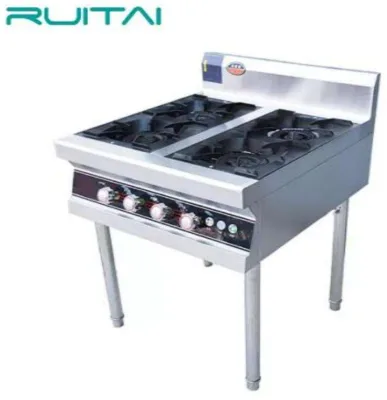
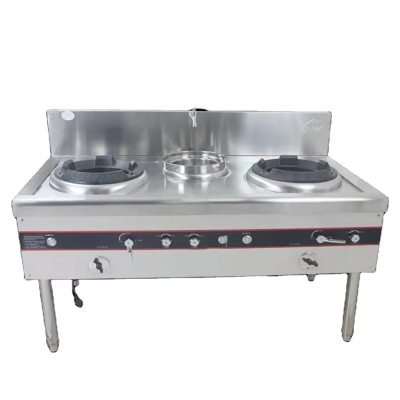
Cooking Stoves /Stainless Steel Kind Gas
$720.00 - $780.00
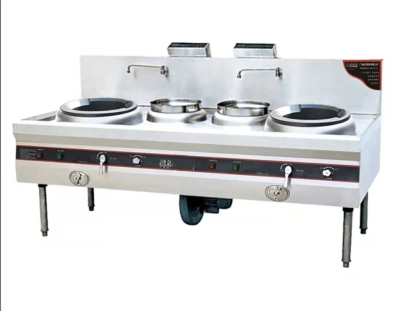
Multiple Burner Gas Stove with High Quality
$742.42 - $804.29

Hubei Daly LPG Cylinder Manufacturer Co., Ltd.
- Combined
- China Hubei
- Lead time30 days
- Avg. response≤ 7h
Main productsGas Cylinder, LPG Cylinder, Gas Bottle
Main marketsAfrica

- Verified by SGS
- Manufacturer/Factory
- China Guangdong
- Lead time90 days
- Avg. response≤ 3h
Main productsGas Stove, Gas Water Heater, Range Hood, Induction Cooker, Infrared Cooker, Gas Hob, Gas Cooker, Induction Cooktop, Ih PCBA, Induction Cooker PCBA
Main marketsSouth America,North America,Southeast Asia

Factory Made Stainless Steel Built in 5 Burner Natural LPG Gas Hob Gas Stove
$56.30 - $63.30
MOQ: 500 Units

Commercial Kitchen Gas Cooker Range Wok Ring Holder Built LPG Double Burner Gas Stove
$9.80 - $13.00
MOQ: 500 Units


Foshan City YIGOU Electrical Appliances Co., Ltd
- Verified by CTI
- Combined
- China Guangdong
- Lead time30 days
- Avg. response≤ 12h
Main productsGas Stove, Cooktop Gas Stove
Main marketsAfrica,Southeast Asia/ Mideast,Australia

Foshan Shunde Jiada Electrical Appliance Co., Ltd.
- Verified by SGS
- Combined
- China Guangdong
- Lead time15 days
- Avg. response≤ 7h
Main productsGas Stove, Gas Cooker
Main marketsOthers(foreignTradeCapacity.exportBusinessCapacityMarketOther)

High Quality LPG Ng Free Standing Build in Stainless Steel Cast Iron Single Gas Stove
$30.50 - $32.00
MOQ: 100 Pieces

ODM/OEM High Quality LPG Ng Free Standing Build in Stainless Steel Cast Iron Single Gas Stove
$30.00 - $32.00
MOQ: 100 Pieces

Kaesid Kitchen Equipment (Shenzhen) Co., Ltd.
- Verified by TUVRHEINLAND
- Manufacturer/Factory
- China Guangdong
- Lead time0 days
- Avg. response≤ 7h
Main productsKitchen Equipment, Catering Equipment, Kitchen Furniture, Ice Cream Maker, Refrigerator, Bakery Equipment, Ice Maker, Home Appliances, Electric Griddle, Electric Pressure Cooker


Cleanable Surface Stainless Steel Three Burner Indoor Cooking Gas Stove
$10.00 - $12.00
MOQ: 999 Pieces

Foshan Shunde Ridax Electrical Appliance Co.,Ltd.
- Verified by TUVRHEINLAND
- Combined
- China Guangdong
- Lead time30 days
- Avg. response≤ 14h
Main productsGas Stove, Gas Cooker, Table Top Gas Stove, Built in Gas Stove, Built in Gas Hob, Table Top Gas Cooker, Cooktop Gas Stove, Cooktop Gas Cooker, Built in Gas Cooker
Main marketsSoutheast Asia/ Mideast

Freestanding Gas Stove 3 Burner LPG Gas Stove with Stable Steel Rack Ideal for Large Scale Cooking
$15.50 - $17.35
MOQ: 500 Pieces


Foshan Nanhai Flamemax Catering Equipment Co., Ltd.
- Verified by SGS
- Combined
- China Guangdong
- Lead time30 days
- Avg. response≤ 3h
Main productsKitchen Equipment, Bakery Oven, Popcorn Machine, Cooking Range, Food Display Warmer, Fryer, Rotisserie, Gas Stove, Bakery Equipment, Convection Oven
Main marketsSouth America,Africa,Southeast Asia/ Mideast

Guangdong Jieguan Kitchen Equipment Manufacturing Co., Ltd.
- Combined
- China Guangdong
- Lead time30 days
- Avg. response≤ 6h
Main productsCombi Oven, Convection Oven, Fryer, Griddle, Induction Cooker, Coffee Maker, Chicken Rotisserie, Food Warmer, Bain Marie, Pasta Cooker and Cooking Range
Main marketsSouth America,Africa,Others(foreignTradeCapacity.exportBusinessCapacityMarketOther),Europe,Australia

Teng Zheng (Ningbo) Import and Export Co., Ltd.
- Trading Company,Manufacturer/Factory
- China Zhejiang
- Lead time23 days
- Avg. response≤ 14h
Main productsGas Cylinder, Tank Cylinder, Steel LPG Gas, Cylinder, Gas Cooker, Shower, Shower Head, Shattaf, Faucet, Valve
Main marketsWestern Europe,Africa

Kitchen Home Appliance Cooker Grill Portable LPG Gas Stove for BBQ Cylinder
$1.60 - $2.50
MOQ: 3000 Pieces

Customized Home Cookware Portable BBQ Gas Burner Grill Stove for LPG Cylinder
$1.60 - $2.50
MOQ: 3000 Pieces

- Verified by BV
- Combined
- China Guangdong
- Lead time15 days
- Avg. response≤ 2h
Main productsHood Type Dishwasher, Conveyor Type Dishwasher, Ultrasonic Dishwasher, Undercounter Dishwasher, Bakery Equipment, Food Processor
Main marketsSouth America,Africa,Others(foreignTradeCapacity.exportBusinessCapacityMarketOther),North America
Guangzhou Zengxing Commercial Equipment Manufacturing Co., Ltd.
- Verified by SGS
- Combined
- China Guangdong
- Lead time15 days
- Avg. response≤ 5h
Main productsElectric Fryer, Vacuum Tumbler, Toaster, Gas Fryer, Oil Filter Car, Griddle, Egg Cooker, Gas Ranges, Breading Table, Vacuum Packaging Machine
Main marketsOthers(foreignTradeCapacity.exportBusinessCapacityMarketOther)

Guangzhou Hengfu Hardware Technology Co., Ltd.
- Verified by SGS
- Manufacturer
- China Guangdong
- Lead time30 days
- Avg. response≤ 9h
Main productsBBQ Grill, Gas Grill, Charcoal Grill, Griddle, Pizza Oven, Kerosene Heater, Barbecue Grill, Steak Grill
Main marketsSoutheast Asia/ Mideast,Europe

Customized Commercial 2 Burners Stainless Steel BBQ Grills Outdoor Gas Tabletop
$52.80 - $54.00
MOQ: 100


Comprehensive Sourcing Guide
Stainless Steel LPG Gas Stove Supplier Concentration and Factory Types
The manufacturing landscape for Stainless Steel LPG Gas Stove units is heavily concentrated in specific industrial hubs, with Guangdong, China, emerging as a primary production base. Suppliers operating in this region often benefit from established supply chains for key components such as cast iron burners, tempered glass panels, and stainless steel bodies. This geographic clustering allows for efficient logistics and rapid prototyping, which is particularly valuable for buyers seeking customized designs or specific ignition modes like pulse-jet or piezoelectric ceramic ignition. The presence of major appliance manufacturing clusters in cities like Shunde and Foshan further enhances the availability of skilled labor and specialized tooling, enabling factories to produce a wide range of models from portable tabletop units to built-in cookers with multiple burners.
Factory types vary significantly, ranging from pure manufacturers to combined entities that handle both production and trading. Many suppliers identify as manufacturers or factories, offering direct control over quality assurance and production schedules. These entities often possess robust research and development capacities, supporting both OEM and ODM services for buyers who require branded products or unique specifications. In contrast, combined companies may offer a broader portfolio of main products, including range hoods, induction cookers, and gas water heaters, providing a one-stop solution for kitchen appliance procurement. Understanding the supplier type is crucial, as manufacturers typically provide more flexibility in customization and technical adjustments, while trading-focused entities might offer faster access to diverse inventory but less control over the manufacturing process.
How to Verify Stainless Steel LPG Gas Stove Suppliers
Verification is a critical step in ensuring the reliability and quality of Stainless Steel LPG Gas Stove suppliers. Buyers should prioritize suppliers who have undergone third-party verification processes, such as BV certification, which confirms the legitimacy of the business and its operational capabilities. This verification often includes on-site inspections of the factory floor, assessment of production lines, and review of quality control systems. Additionally, suppliers may hold various system certifications, including ISO 9001, ISO 14001, and OHSAS 18001, which indicate adherence to international standards for quality management, environmental protection, and occupational health and safety. These certifications are not merely decorative; they reflect a structured approach to manufacturing that can reduce the risk of defects and ensure consistent product performance.
Beyond certifications, buyers should examine the supplier’s response time and communication efficiency, as these factors often correlate with their overall operational maturity. A quick response time, such as under three hours, suggests a responsive customer service team that can address inquiries and resolve issues promptly. It is also important to verify the authenticity of product claims by requesting detailed specifications, including material composition, ignition modes, and safety features like flame failure devices. Buyers should ask for evidence of past exports or client references to gauge the supplier’s experience in international markets. Furthermore, checking for specific product certifications like CE, RoHS, or UL can provide assurance that the Stainless Steel LPG Gas Stove units meet the regulatory requirements of the target market, ensuring compliance and reducing the risk of customs delays or legal issues.
What to Compare Across Stainless Steel LPG Gas Stove Suppliers
When evaluating multiple suppliers, buyers must compare key operational metrics to determine the best fit for their procurement needs. Lead time is a significant factor, with some suppliers offering production cycles as short as twenty-three days, while others may require thirty days or more. This variation can impact inventory planning and market launch schedules, making it essential to align supplier capabilities with business timelines. Similarly, the minimum order quantity (MOQ) varies widely, ranging from two hundred units for certain models to five hundred or more for others. Buyers with smaller initial orders may need to seek suppliers with lower MOQs, while those planning large-scale deployments can leverage higher volumes for better pricing and production prioritization.
Price and customization options are also critical comparison points. The price range for Stainless Steel LPG Gas Stove units can differ based on features such as the number of burners, panel material, and ignition technology. For instance, basic two-burner models may be priced lower than complex five-burner built-in cookers with advanced safety features. Buyers should also assess the availability of customization services, including OEM and ODM capabilities, which allow for brand-specific designs and technical modifications. Additionally, comparing warranty terms, such as a standard twelve-month warranty, and after-sales support policies can provide insight into the supplier’s confidence in their product quality. By systematically comparing these dimensions, buyers can identify suppliers that offer the best balance of cost, quality, and service for their specific requirements.
Common Stainless Steel LPG Gas Stove Sourcing Risks
One of the primary risks in sourcing Stainless Steel LPG Gas Stove units is the potential discrepancy between advertised specifications and actual product quality. Buyers may encounter suppliers who claim high-grade stainless steel construction but use thinner or lower-quality materials to reduce costs. This can lead to durability issues, such as rusting or warping, especially in high-heat environments. Additionally, the ignition system is a critical component that can fail if not properly manufactured. Suppliers using inferior piezoelectric ceramic or pulse-jet ignition mechanisms may experience frequent failures, leading to customer complaints and returns. To mitigate this risk, buyers should request detailed material specifications and conduct rigorous quality checks upon receipt of goods.
Another significant risk is the variability in lead times and production capacity. Suppliers may overpromise on delivery dates to secure orders, only to face delays due to raw material shortages or production bottlenecks. This can disrupt supply chains and result in missed market opportunities. Furthermore, the lack of standardized packaging can lead to damage during transit, particularly for fragile components like tempered glass panels or electronic ignition modules. Buyers should ensure that suppliers use robust packaging methods, such as foam and carton combinations, to protect products during shipping. Additionally, verifying the supplier’s ability to handle large orders without compromising quality is essential, as capacity constraints can lead to rushed production and increased defect rates. Proactive communication and clear contractual terms can help manage these risks effectively.
Stainless Steel LPG Gas Stove Regional Sourcing and Logistics
Sourcing Stainless Steel LPG Gas Stove units from regional hubs like Guangdong offers logistical advantages due to the area’s well-developed infrastructure and proximity to major ports. This location facilitates efficient export processes, reducing transit times and shipping costs for international buyers. The concentration of suppliers in this region also allows for easier coordination of factory audits and quality inspections, as buyers can visit multiple facilities in a short period. Additionally, the local supply chain for components such as cast iron burners and stainless steel sheets is mature, ensuring consistent availability of raw materials and reducing the risk of production delays. Buyers should consider the benefits of regional sourcing when planning their procurement strategy, as it can enhance supply chain resilience and operational efficiency.
However, buyers must also account for the logistical complexities associated with international shipping, including customs clearance and import regulations. Different countries have varying standards for gas appliances, requiring specific certifications and documentation for clearance. Buyers should work with suppliers who are experienced in exporting to their target markets and can provide necessary documentation, such as certificates of origin and compliance certificates. Additionally, considering the weight and dimensions of the Stainless Steel LPG Gas Stove units is crucial for calculating shipping costs and selecting appropriate freight methods. Consolidating shipments or using container load optimization can help reduce logistics expenses. By understanding the regional logistics landscape, buyers can make informed decisions that balance cost, speed, and reliability in their supply chain.
Stainless Steel LPG Gas Stove Commercial Terms and Order Planning
Effective order planning for Stainless Steel LPG Gas Stove units requires careful consideration of commercial terms, including payment methods, warranty policies, and after-sales support. Buyers should negotiate clear payment terms that align with their cash flow needs, such as partial payments upfront and the balance upon shipment or inspection. It is also important to establish a comprehensive warranty policy that covers defects in materials and workmanship, typically for a period of twelve months. Suppliers who offer robust warranty terms demonstrate confidence in their product quality and provide buyers with peace of mind. Additionally, understanding the supplier’s approach to after-sales support, including spare parts availability and technical assistance, is crucial for maintaining customer satisfaction in the long term.
Customization and branding options are key commercial considerations for buyers seeking to differentiate their products in the market. Suppliers offering OEM and ODM services can help buyers create unique product lines that reflect their brand identity. Buyers should discuss design specifications, packaging requirements, and labeling options in detail to ensure the final product meets their expectations. Furthermore, considering the scalability of the supplier’s production capacity is essential for future order planning. Buyers should assess whether the supplier can handle increased order volumes without compromising quality or lead times. By establishing strong commercial relationships and clear terms, buyers can build a reliable supply chain that supports their business growth and market success.
FAQs
What is the price range for stainless steel LPG gas stoves?
Prices typically range from $7.50 to $55.30 per unit depending on specifications. Basic portable models start around $7.50, while built-in stainless steel cooktops with multiple burners cost between $31.00 and $55.30. Buyers should verify exact pricing based on customization needs and order volume.
What are the minimum order quantities for these stoves?
MOQs vary by model, generally ranging from 100 to 500 units. Some stainless steel gas cookers require a minimum of 100 pieces, while others may need 200 or 300 units. Buyers should confirm specific MOQs with suppliers before placing orders to ensure alignment with production capabilities.
How long does production take for these gas stoves?
Lead times typically range from 23 to 30 days after order confirmation. This duration depends on the complexity of the customization, such as OEM or ODM requirements. Buyers should plan their procurement schedule accordingly and confirm specific delivery timelines with the supplier before finalizing the purchase agreement.
What certifications do these manufacturers hold?
Manufacturers often hold ISO 9001, ISO 14001, and OHSAS 18001 certifications. Some products also carry CB, CE, RoHS, and UL certifications for international compliance. Buyers should request valid certification documents to ensure the suppliers meet quality and safety standards required for their specific target markets.
Where are these stainless steel gas stoves manufactured?
These appliances are primarily manufactured in Guangdong, China, with specific origins in Shunde, Foshan. This region is known for its robust home appliance supply chain. Buyers sourcing from this location can expect established manufacturing infrastructure and efficient logistics networks for exporting high-quality gas cooking equipment globally.
What ignition modes are available for these stoves?
Common ignition modes include electronic ignition, piezoelectric ceramic ignition, and pulse-jet ignition. Electronic ignition is standard for many models, while piezoelectric options are found in built-in cookers. Buyers should select the ignition type based on reliability preferences and specific usage requirements for their kitchen appliances.