Class A Built-in Oven Suppliers and Manufacturers
Explore 17 verified suppliers offering Class A Built-in Oven options with varying lead times, certifications, and response speeds. Compare dimensions, voltage, and warranty terms to select the right partner for your procurement needs today; review the available evidence before requesting comparable quotations from suitable candidates.
Suppliers List

Qingdao Vestar International Industry Co., Ltd.
- Verified by BV
- Trading Company
- China Shandong
- Lead time30 days
- Avg. response≤ 3h
Main productsRefrigerator, Air Conditioner, Range Hood, Gas Hobs, Oven, Washing Machine, Microwave, Dishwasher, Showcase, Chest Freezer
Main marketsSouth America,Africa,Southeast Asia/ Mideast,Domestic,Europe,Australia,North America
Eternal Kitchen Appliance Co., Ltd.
- Verified by SGS Group
- Trading Company
- Lead time35 days
- Avg. response≤ 4h
Main productsGas Hob, Gas Hob Accessories
Main marketsAfrica(35%), South America(25%), North America(20%)

Zhongshan Jiaye Electric Appliance Co., Ltd.
- Verified by SGS
- Combined
- China Guangdong
- Lead time23 days
- Avg. response≤ 8h
Main productsGas Hob, Gas Stove, Range Hood, Built-in Oven, Microwave Oven, Induction Cooker, Ceramic Hob
Main marketsSouth America,Africa,Southeast Asia/ Mideast,Europe

FOSHAN KITCHENSTAR ELECTRICAL APPLIANCES CO., LTD.
- Combined
- China Guangdong
- Lead time30 days
- Avg. response≤ 13h
Main productsInduction Hob
Main marketsSoutheast Asia/ Mideast,Europe,North America


60cm Large Capacity Built-in Mechanical Electric Control Oven with Digital Timer, CB/CE
$105.00 - $115.00
Moq: 50

75L Large Capacity Built-in Electric Mechanical Control Convection Oven with Knob Timer
$95.00 - $105.00
Moq: 50


Zhongshan Huanuo Electric Appliance Co., Ltd
- Combined
- China Guangdong
- Lead time60 days
- Avg. response≤ 14h
Main productsElectric Oven, Steam Oven, Range Hoods, Disinfection Cabinet, Dishwasher, Water Purifier, Integrated Stove
Main marketsDomestic,Europe


All-in-One Built-in Smart Steam Oven: Bake, Roast, Air Fry & Steam with Convection Power
$210.00 - $213.00
Moq: 200

Foshan Zerra Appliance Co., Ltd.
- Verified by SGS
- Combined
- China Guangdong
- Lead time30 days
- Avg. response≤ 7h
Main productsGas Stove, Gas Hob, Gas & Electric Mixed Series, Water Heater, Range Hood, Built in Oven, Microwave Oven, Hardware, Home Appliance
Main marketsAfrica,Europe,North America


Easy Clean High Temperature Resistance Compact Built-in Gas Oven for Outdoor
$110.00 - $115.00
Moq: 50


Guangzhou Bakestar Machinery Co.,Ltd
- Combined
- China Guangdong
- Lead time15 days
- Avg. response≤ 25h
Main productsBaking Ovens, Bakery Equipments, Bakery Machines, Rotary Ovens, Moulders, Bread Machine, Pizza Oven, Pita Bread Machine, Tunnel Ovens, Baking Oven
Main marketsDomestic
- Trading Company
- Anhui, China
- Lead time20 days
- Avg. response≤ 16h
Main productsmicrowave oven,dish washer,built in oven,ice cream maker,toaster oven
Main marketsWestern Europe(14.29%), Eastern Asia(14.29%), Mid East(14.29%), Southeast Asia(14.29%), Northern Europe(14.29%), South America(14.29%), Eastern Europe(13.0%)

Shandong Shenglang Kitchen Co., Ltd.
- Verified by TUVRHEINLAND
- Combined
- China Shandong
- Lead time15 days
- Avg. response≤ 4h
Main marketsSoutheast Asia/ Mideast

Guangzhou JIM-MATE Machinery Facilites Co., Ltd.
- Combined
- China Guangdong
- Lead time23 days
- Avg. response≤ 11h
Main productsBakery Equipment
Main marketsSouth America,Africa,Others(foreignTradeCapacity.exportBusinessCapacityMarketOther),Southeast Asia/ Mideast,East Asia(Japan/ South Korea),Domestic,Europe,North America

Chongqing Qiaoxing Machinery & Equipment Company
- Trading Company,Manufacturer/Factory
- China Chongqing
- Lead time23 days
- Avg. response≤ 8h
Main productsPellet Machine, Soap Making Machine, Food Machine, Wood Pellet Line, Feed Pellet Line, Wood Pellet Mill, Animal Feed Pellet Mill, Food Dryer, Hammer Mill, Animal Feed Pellet Plant
Main marketsSouth America,Eastern Europe,Mid East,North America,Southeast Asia,Eastern Asia,Oceania,Western Europe,Africa

Wuhan Kenxin Automation Technology Co., Ltd.
- Verified by BV
- Manufacturer/Factory
- China Hubei
- Lead time45 days
- Avg. response≤ 7h
Main productsBakery Production Line, Bread Production Line, Baguette Production Line, Pastel Production Line, Spiral Cooling Tower, Bakery Oven, Swing Proofer, Bakery Machine, Bakery Equipment, Depanner
Main marketsSouth America,Eastern Europe,Mid East,North America,Southeast Asia,Eastern Asia,Oceania,Western Europe,Africa

Sunbird Technology Development Co., Limited
- Manufacturer/Factory
- China Guangdong
- Lead time45 days
- Avg. response≤ 14h
Main productsBBQ Grill, Free Standing Oven, Coffee Maker, Rice Cookers, Induction Cookers, Gas Cookers, Electric Oven, Pizza Oven, Deep Fryer, Bread Maker
Main marketsSouth America,Eastern Europe,Mid East,North America,Southeast Asia,Eastern Asia,Oceania,Western Europe,Africa

- Verified by BV
- Combined
- China Guangdong
- Lead time15 days
- Avg. response≤ 2h
Main productsHood Type Dishwasher, Conveyor Type Dishwasher, Ultrasonic Dishwasher, Undercounter Dishwasher, Bakery Equipment, Food Processor
Main marketsSouth America,Africa,Others(foreignTradeCapacity.exportBusinessCapacityMarketOther),North America
Henan Xifa Network Technology Co., Ltd.
- Verified by Intertek
- Manufacturer, Trading Company
- Lead time7 days
- Avg. response≤ 2h
Main productsAnimal Cages, Tractors, Feed Processing Machinery, Excavators
Main marketsNorth America(20%), Domestic Market(20%), Africa(15%)

BestBake Machinery Technology (Zhaoqing) Co.,Ltd
- Verified by BV
- Combined
- China Guangdong
- Lead time30 days
- Avg. response≤ 5h
Main productsBakery Equipment, Dough Mixer, Baking Oven, Pizza Oven, Bread Oven, Baking Machine, Bakery Machine, Donuts Machine, Bread Machine, Rotary Oven
Main marketsSouth America,Africa,Southeast Asia/ Mideast,East Asia(Japan/ South Korea),Europe,North America

Henan Smile Technology Industrial Co., Ltd.
- Verified by SGS
- Trading Company,Manufacturer/Factory
- China Henan
- Lead time0 days
- Avg. response≤ 11h
Main productsBaking Oven, Industrial Mixer, Laboratory Equipment, Bakery Equipment, Bakery Processor, Kitchen Equipment, Refrigeration Series, Fast Food Equipment, Juicer Extractor Machine


Professional Commercial Electric Gas Deck Oven Bread Baking Oven
Contact supplier


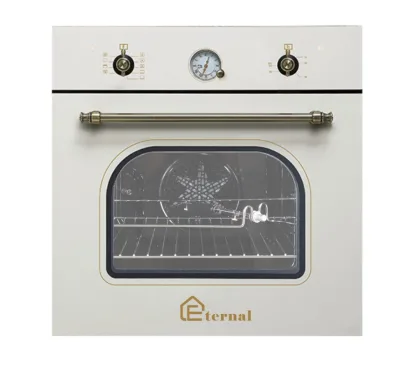
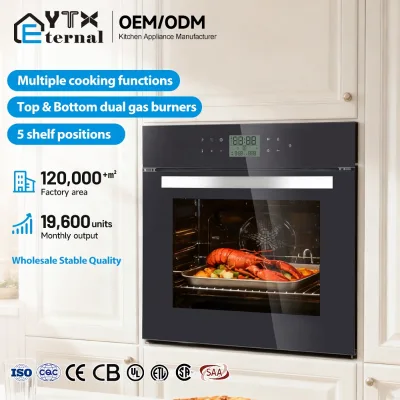
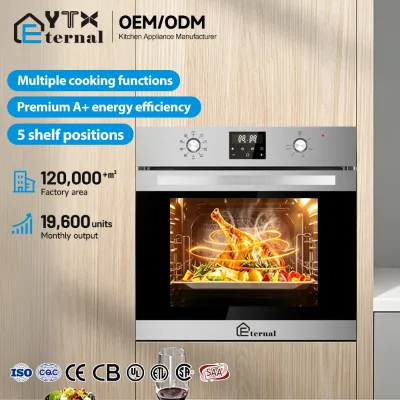


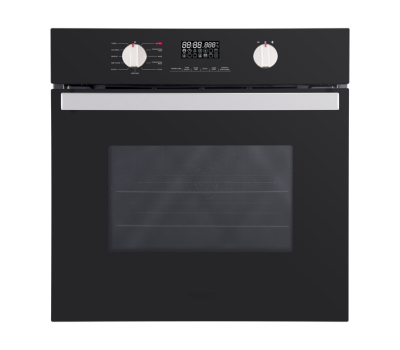




Comprehensive Sourcing Guide
Class A Built-in Oven Supplier Concentration and Factory Types
When sourcing a Class A Built-in Oven, understanding where suppliers cluster matters because built-in oven production depends on glass door suppliers, enamel cavity coaters, electronic control module makers, and sheet metal fabricators located close to final assembly. In the current results, supplier locations are concentrated in China, with results pointing to Shandong and Guangdong. These two provinces represent different sourcing propositions: one cluster may favor broader major-appliance portfolios, while the other is associated with kitchen appliance manufacturing where gas hobs and oven accessories are commonly produced alongside ovens. Rather than assuming either province is universally better, treat location as a signal of component availability, freight options, and regional inspection access.
Factory types in this category split into manufacturers with their own oven assembly lines and trading companies that consolidate output from several factories. One supplier in the results is labeled a trading company with a broad main-product list spanning refrigerators, air conditioners, washing machines, dishwashers, and ovens; another focuses narrowly on gas hobs and hob accessories, suggesting a more kitchen-appliance-centric operation. Neither type is inherently superior. Manufacturers may offer tighter process control on energy-efficiency claims, while traders can aggregate models across factories but may add a margin layer and distance from engineering decisions. Ask each candidate which party actually performs assembly, testing, and certification work, and confirm whether the Class A efficiency rating originates from the producing factory's own test lab or an external body.
How to Verify Class A Built-in Oven Suppliers
Verification should start with the attributes a platform displays and end with documents you request directly. In the results, one supplier carries BV verification and another carries SGS Group verification; these are third-party audit labels, not product certifications, so they tell you a company was assessed at some point, not that every listed oven meets a Class A claim. The observed system certifications include EN IEC 55014, EN 60335, IEC 60335, EN 30, and LVD, which relate to safety and electromagnetic compatibility for household appliances. Ask each supplier to show which specific certificate number covers the exact oven model you intend to buy, and check the certificate's scope, validity dates, and issuing body against the product's nameplate.
Beyond certificates, verify operational substance. Request a video call or live walkthrough showing the oven assembly line, the temperature-control calibration station, and finished-goods storage, since built-in ovens involve door hinge alignment, glass panel handling, and insulation installation that photographs rarely capture. Ask for the business license and cross-check the registered scope against the products offered; a gas hob specialist quoting built-in electric ovens deserves extra scrutiny about who manufactures them. Test responsiveness with technical questions about wattage, cavity volume, and timer control rather than generic price inquiries, because answers reveal whether you are speaking with engineering staff or a forwarding desk. Finally, confirm which entity would appear on the invoice, the export documents, and any warranty commitments, since verification labels attach to a specific legal name.
What to Compare Across Class A Built-in Oven Suppliers
Build a comparison table from attributes that suppliers actually disclose, and leave cells blank where evidence is missing instead of guessing. In the results, displayed dimensions include lead time, minimum order quantity, response time, verification label, location, company type, and main-product list. Lead times shown range from 30 to 35 days, response times from roughly 2.4 to 4 hours, and MOQs from 68 to 100 units for specific built-in oven models. One product listing shows a price band of roughly 150 to 200 USD per unit while another spans 80 to 168 USD, but those figures attach to particular listings with their own configurations, so never compare prices without matching capacity, fuel type, and control features.
Weight the dimensions according to your order profile. If you are launching a single model, MOQ and customization capability dominate; results show customization listed as available on one oven with voltage of 220V, electric power source, timing device, and wooden carton packing. If you are replenishing an existing range, lead time and response speed matter more, and a two-hour reply window versus a four-hour one compounds across a development cycle. Compare main products to judge whether ovens are a core line or a catalog filler: a supplier whose range is built around hobs and oven accessories may integrate better with a full kitchen suite than a general appliance trader. Also compare packaging, standard sizes such as 595mm-width formats, and warranty terms, which appear as one year on one listing and three years on another.
Common Class A Built-in Oven Sourcing Risks
The most frequent risk in this category is an energy-efficiency label that does not survive destination-market testing. A listing may state Class A energy efficiency, but the rating method behind that letter can differ between markets, and a cavity design optimized for one test standard can miss the grade under another. Mitigate this by requiring the exact test report behind the claim, including the standard version and lab identity, before deposit. A related risk is certification mismatch: one result lists CE/ETL certification on a gas model while system certificates reference IEC 60335 and LVD. Confirm that the mark covers your specific model and destination, not merely the supplier's product family.
Second is the gap between listing specifications and delivered goods. Listings in the results show overlapping but inconsistent details, such as capacity stated as 71L/66L on one model, 64L on another, and a 920/980mm standard on a different listing, alongside packing described as wooden carton versus corrugated box. These variations are normal across models but dangerous when assumptions substitute for written confirmation. Put cavity volume, door glass configuration, temperature range, voltage and plug type, and packing format into the purchase contract. A third risk is supplier-type opacity: trading companies in the results carry broad appliance catalogs, and the actual oven producer may change between orders without notice. Require disclosure of the manufacturing entity and advance notification of any production-site transfer. Finally, watch warranty logistics; overseas call-center support is listed, but clarify who bears freight and parts costs on a failed unit.
Class A Built-in Oven Regional Sourcing and Logistics
Regional logic for built-in ovens follows component geography and port access. The results place suppliers in Shandong and Guangdong, and each choice shapes logistics differently. Guangdong sits adjacent to major export ports and to a dense kitchen-appliance supply chain where gas valves, tempered glass, and control boards are locally sourced; the results show a Guangdong place of origin on one oven listing. Shandong-based suppliers often anchor broader major-appliance portfolios, which can matter if you plan consolidated shipments of ovens together with refrigerators or washing machines from one supplier's range, as one Shandong-listed supplier's main products suggest. Weigh these differences against your destination port and inland freight costs rather than against province reputation alone.
Built-in ovens are heavy, glass-fronted, and sensitive to shock, so logistics planning deserves more care than the price sheet implies. Listing data shows gross dimensions around 595x568x595mm for a single unit, with packing options ranging from corrugated box to wooden carton; a wooden case adds cost but can reduce glass breakage and may affect fumigation or heat-treatment requirements at destination. Confirm whether quoted prices include export packing suitable for your container mix, and calculate units per container using the supplier's actual carton dimensions, not catalog assumptions. Lead times of 30 to 35 days appear in the results, but that clock typically starts after deposit and pre-production sample approval, so build buffer into launch schedules. Also verify plug type and voltage, since listings show EU plugs and 220–240V ratings that must match your market's electrical standard.
Class A Built-in Oven Commercial Terms and Order Planning
Commercial terms should be negotiated around the attributes visible in supplier listings, then tightened in writing. Observed MOQs of 68 and 100 units for built-in oven models give a realistic starting bracket for negotiation, but confirm whether the MOQ applies per model, per color, or per order, since customization is offered on some listings and custom finishes usually raise minimums. Price bands of roughly 80–168 USD and 150–200 USD in the results show how widely quotes can spread across configurations; normalize every quote to the same specification sheet before comparing, including capacity, control type, glass door construction, and packing. Ask what the price includes: warranty duration differs between listings at one and three years, and after-sales terms materially affect landed cost.
Order planning should sequence deposit, pre-production sample, mass production, inspection, and shipment against the stated lead time of 30 to 35 days, and confirm in the contract that lead time runs from deposit receipt plus sample sign-off, not from inquiry. Use staged payments tied to milestones, and consider secure payment structures that release funds against verified shipment documents; note that escrow availability is a platform-level feature to verify per transaction, not a universal guarantee. For first orders, split quantities so a pilot batch validates energy-efficiency performance and door-glass durability before scaling. Finally, plan the replenishment cadence: with a 30-plus-day production window plus freight, seasonal ovens require order placement well ahead of peak retail, and reorders should lock specifications in writing to prevent silent substitutions.
word counts per section (heading included): I'll verify.
Section 1: heading 8 words. Para1: count. "When sourcing a Class A Built-in Oven, understanding where suppliers cluster matters because built-in oven production depends on glass door suppliers, enamel cavity coaters, electronic control module makers, and sheet metal fabricators located close to final assembly." = 38. "In the current results, supplier locations are concentrated in China, with results pointing to Shandong and Guangdong." =17. "These two provinces represent different sourcing propositions: one cluster may favor broader major-appliance portfolios, while the other is associated with kitchen appliance manufacturing where gas hobs and oven accessories are commonly produced alongside ovens."=34. "Rather than assuming either province is universally better, treat location as a signal of component availability, freight options, and regional inspection access."=22. Para1=111. Para2: "Factory types in this category split into manufacturers with their own oven assembly lines and trading companies that consolidate output from several factories."=23. "One supplier in the results is labeled a trading company with a broad main-product list spanning refrigerators, air conditioners, washing machines, dishwashers, and ovens; another focuses narrowly on gas hobs and hob accessories, suggesting a more kitchen-appliance-centric operation."=39. "Neither type is inherently superior."=5. "Manufacturers may offer tighter process control on energy-efficiency claims, while traders can aggregate models across factories but may add a margin layer and distance from engineering decisions."=27. "Ask each candidate which party actually performs assembly, testing, and certification work, and confirm whether the Class A efficiency rating originates from the producing factory's own test lab or an external body."=31. Para2=125. Section total=8+111+125=244. Too high. Need
FAQs
What is the price range for Class A built-in ovens?
Prices for Class A built-in ovens typically range from $80 to $200 per unit. This variance depends on specific features such as gas versus electric power sources, capacity size, and control modes. Buyers should verify exact pricing based on order volume and customization requirements.
What is the minimum order quantity for these ovens?
The minimum order quantity varies by supplier, with common thresholds set at 68 or 100 units. These figures represent the baseline for standard production runs. Buyers seeking smaller batches may need to negotiate directly or look for suppliers offering lower MOQs for sample orders.
How long does production take for built-in ovens?
Standard lead times for manufacturing Class A built-in ovens are approximately 30 to 35 days. This duration covers material sourcing, assembly, and quality testing. Expedited shipping options may reduce transit time, but production schedules remain the primary factor for delivery planning.
Are Class A built-in ovens available with customization?
Yes, customization is available for many Class A built-in oven models. Suppliers offer options for tailored designs, voltage specifications, and branding. Buyers can request specific dimensions or control interfaces to match their kitchen appliance lines or regional electrical standards.
What certifications do these ovens typically hold?
Class A built-in ovens often carry certifications such as CE, ETL, LVD, and IEC 60335. These standards ensure safety and energy efficiency compliance for international markets. Buyers should request valid certificates to verify that products meet the regulatory requirements of their destination country.
Where are Class A built-in ovens manufactured?
These ovens are primarily manufactured in China, with production hubs located in Shandong and Guangdong provinces. These regions are known for their robust appliance manufacturing infrastructure. Buyers can expect efficient supply chains and competitive pricing due to the concentration of specialized factories in these areas.