Black Star Anise Spice Suppliers and Manufacturers
Compare 22 verified suppliers offering Black Star Anise Spice from Guangxi and Hunan. Review response times, lead times, MOQs, and certifications to select a partner. Contact suppliers directly to request samples and confirm pricing; review the available evidence before requesting comparable quotations from suitable candidates.
Suppliers List
- Manufacturer, Trading Company
- Guangxi, China
- Lead time0 days
- Avg. response≤ 4h
Main productsstar anise,cinnamon,essential oil,Agarwood chip,Dried Fruit
Main marketsSoutheast Asia(60.00%), Mid East(35.00%), North America(5.00%)
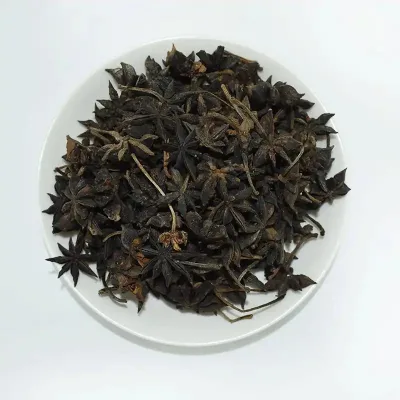
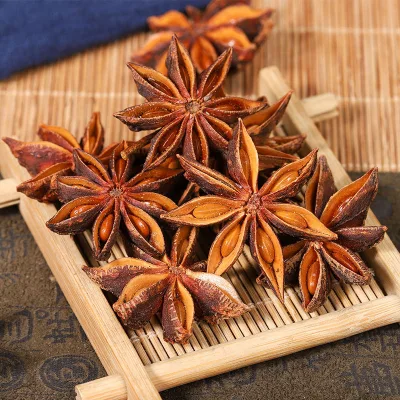
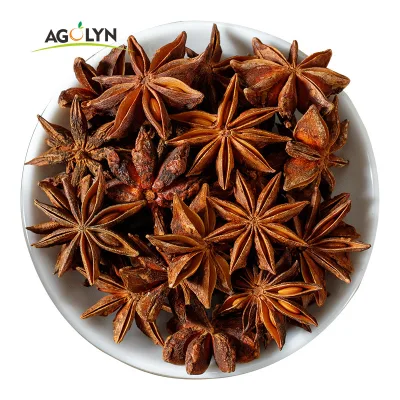
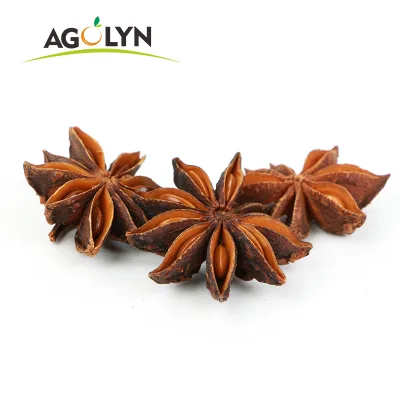
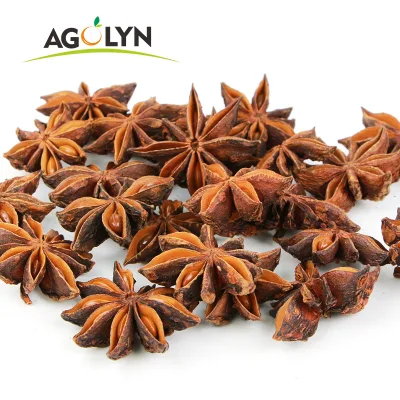
Factory Supply Black Star Anise Spice Edible Dry Aniseed for Cooking Soap Candle Decoration
$3.80 - $4.60
MOQ: 10 kilograms
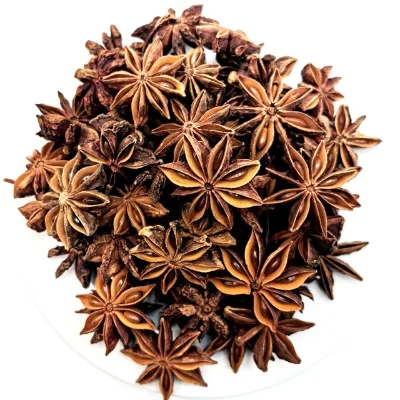
Factory Price Star Anise Hot Spices Single Herbs with Free Tax & Sample Available
$1.80 - $2.25
MOQ: 50 pieces
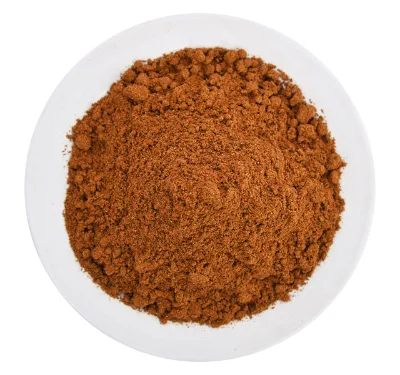
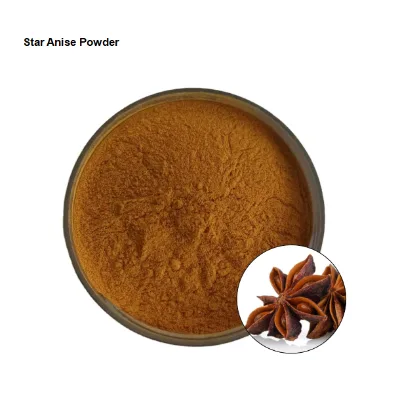
Concentrated Star Anise Extract Powder Pure Natural Fine Grinding Star Anise Powder
$4.80 - $5.90
MOQ: 100 kilograms
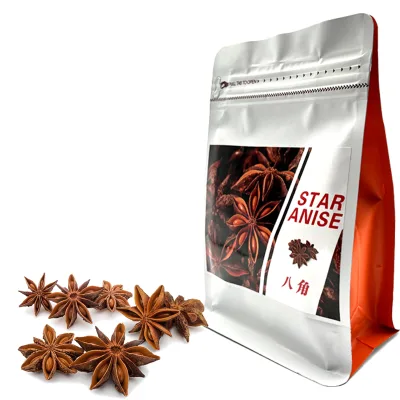
Fresh Natural Pure Star Anise From China for Condiments and Food Single Spices & Herbs
$1.80 - $2.25
MOQ: 50 pieces
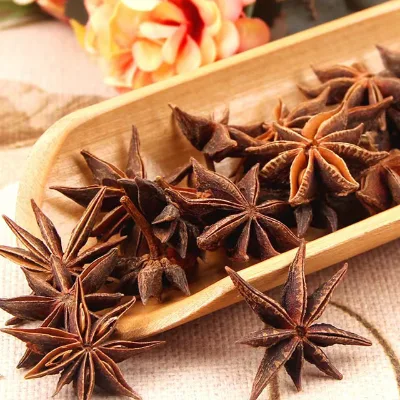
$3.80 - $4.70
MOQ: 10 kilograms
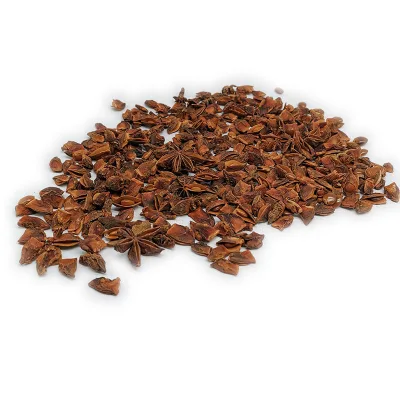
$5.30 - $5.90
MOQ: 10 kilograms

Hunan Shine Wing Tea Co., Ltd.
- Trading Company
- China Hunan
- Lead time23 days
- Avg. response≤ 6h
Main productsTea
Main marketsSoutheast Asia/ Mideast,Europe,North America
Bozhou Jiahe Import And Export Trading Co., Ltd.
- Trading Company
- Anhui, China
- Lead time7 days
- Avg. response≤ 5h
Main productsFlower Tea,Herb Tea,Flavor Tea,Tea Bag,Green Food
Main marketsSoutheast Asia(30.00%), North America(30.00%), Oceania(10.00%), Southern Europe(10.00%), Eastern Asia(10.00%), Africa(5.00%), South America(5.00%)

Laiwu Manhing Vegetables Fruits Corporation
- Verified by TUVRHEINLAND
- Combined
- China Shandong
- Lead time15 days
- Avg. response≤ 13h
Main productsGinger, Sushi Ginger
Main marketsSoutheast Asia/ Mideast

Jinan Farming Star Imp. & Exp. Co., Ltd.
- Verified by TUVRHEINLAND
- Trading Company
- China Shandong
- Lead time15 days
- Avg. response≤ 5h
Main productsChilli, Cumin Seeds, Paprika, Garlic, Coriander Seeds, Spices, Fennel Seeds, Ginger, Onion, Fruits
Main marketsSoutheast Asia/ Mideast


Spices Factory Supply Bulk Price Natural Flavor Seasoning Dry Star Anise Aniseed
$8300.00 - $11000.00
MOQ: 1 Tons


2025 New Crop Origin Chinese Premium Quality Spice Star Anise Without Sulfur
$8300.00 - $11000.00
MOQ: 1 Tons

Qingdao Tai Foong Foods Co., Ltd.
- Combined
- China Shandong
- Lead time23 days
- Avg. response≤ 7h
Main productsPaprika, Chili, Pepper, Chilli, Chilli Powder, Steam Sterilization, Seasoning, Red Chilli, Spices, Capsicum
Main marketsEast Asia(Japan/ South Korea),Europe,North America

Hangzhou Fuhongchun Biotechnology Co., LTD
- Verified by CTI
- Combined
- China Zhejiang
- Lead time15 days
- Avg. response≤ 1h
Main productsChicken Powder, Compound Seasoning, Chicken Cube, Cube Soup, Ketchup, Spices, Food Additives
Main marketsSoutheast Asia/ Mideast,Domestic


Wholesale Sulfur Free 100% Natural Star Anise Fruit Cooking Spice Seasoning Powder
$57.00
MOQ: 1000 Boxes


Xinshao Nanmo Biotechnology Co., Ltd.
- Verified by SGS
- Manufacturer/Factory
- China Hunan
- Lead time15 days
- Avg. response≤ 7h
Main productsPlant Extract, Dried Herbs, Herbal Tea, Spices, Fruit and Vegetable Powder, Herbal Extract, Sugar Substitute, Health Care Products
Main marketsSouth America,Eastern Europe,Mid East,North America,Southeast Asia,Eastern Asia,Oceania,Western Europe,Africa


Whole Star Anise Chinese Star Anise Popular for Cooking Aroma Strong Tasty Flavor
$6.70 - $7.30
MOQ: 50 kg
Shaanxi Bieyouth Biotech Co., Ltd.
- Verified by SGS Group
- Trading Company
- Lead time15 days
- Avg. response≤ 2h
Main productsFood Additives, Health Care Products Raw Materials, Cosmetic Raw Material
Main marketsMid East(25%), Eastern Europe(20%), Africa(10%)

Guangzhou Anbang Global Industrial Co., Ltd.
- Verified by SGS
- Individuals/Soho
- China Guangdong
- Lead time15 days
- Avg. response≤ 22h
Main productsSoy Sauce, Oyster Sauce, White Vinegar, Black Vinegar / Chen Cu (Aged Vinegar), Chili Sauce / Chili Paste, Dried Shiitake Mushrooms, Pickled Vegetables, Disposable Food Container, Takeout Container / Takeaway Box, Packaging Box / to-Go Box
Main marketsSouth America,Eastern Europe,Mid East,North America,Southeast Asia,Eastern Asia,Oceania,Western Europe,Africa


Organic Fresh Flavorful Various Spices: Star Anise, Cinnamon Bark, Sichuan Pepper
$3.00 - $11.00
MOQ: 10 kg

Superior Tasty Authentic Various Spices Star Anise, Cinnamon Bark, Sichuan Pepper
$3.00 - $11.00
MOQ: 10 kg

Find Similar Iconnatural Food Star Anise Fruit Spice Whole Seasoning Star Anise for Sale
$3.00 - $6.00
MOQ: 10 kg


Zhongshan Kwangna Import & Export Co., Ltd.
- Verified by TUVRHEINLAND
- Trading Company,Manufacturer/Factory
- China Guangdong
- Lead time23 days
- Avg. response≤ 5h
Main productsSmiki Soy Sauce, Smiki Seasoning, Noodle, Detergent, Washing Powder, Mushroom, Can, Msg, Rice Stick, Dry Food
Main marketsSouth America,Eastern Europe,Mid East,North America,Southeast Asia,Eastern Asia,Oceania,Western Europe,Africa

$3.60 - $4.40
MOQ: 1200 Pieces


China Mark Foods Trading Co., Ltd.
- Verified by SGS Group
- Trading Company
- Anhui, China
- Lead time0 days
- Avg. response≤ 7h
Main productsPanko, Sushi Ingredients, Dried Vegetables, Dried Spices, Condiments
Main marketsSouth America(70%), Northern Europe(15%), Southern Europe(15%)
Hangzhou Zhizhen Trade Company Limited
- Trading Company
- Zhejiang, China
- Lead time7 days
- Avg. response≤ 1h
Main productsDaily Mental Clarity 99.9% Pure Clean Formula Sugar Free Vegan Clean Ingredients Tiny Gummies,Health Supplements,Health Supplements,Women's Health Tea,Detox Tea
Main marketsNorth America(50.00%), Southeast Asia(20.00%), South America(10.00%), Northern Europe(10.00%), Eastern Europe(5.00%), Western Europe(5.00%)

Hangzhou Jia Rong He Food Co., Ltd.
- Combined
- China Zhejiang
- Lead time30 days
- Avg. response≤ 4h
Main productsComposite Seasoning, Seasoning Powder, Bouillon Cube, Snack Spice Powder, Chicken Powder, Chicken Cube, Marinade Powder, Food Additives
Main marketsAfrica


Chinese Supplier Wholesale Snack Powder BBQ/Spicy/Curry/Cheese Flavor Spices for Chips
$3.00 - $3.80
MOQ: 1000 kg


- Verified by TüVRheinland
- Trading Company
- Lead time0 days
- Avg. response≤ 1h
Main productsCandy, Herbs Products
Main marketsDomestic Market(35%), Mid East(30%), Southeast Asia(20%)
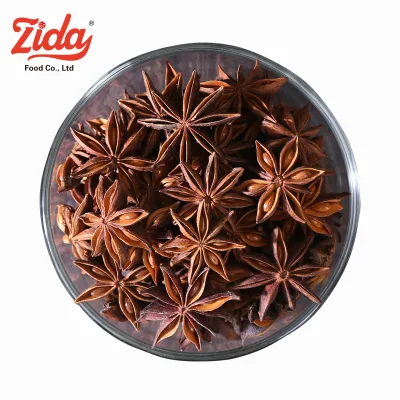
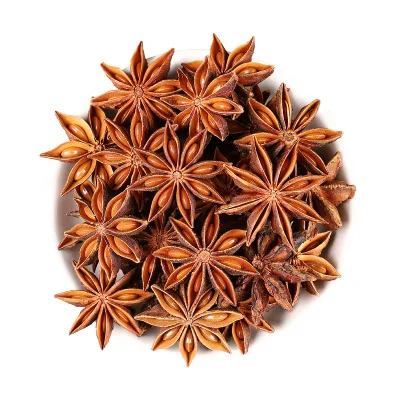
$4.90 - $5.20
MOQ: 150 kilograms
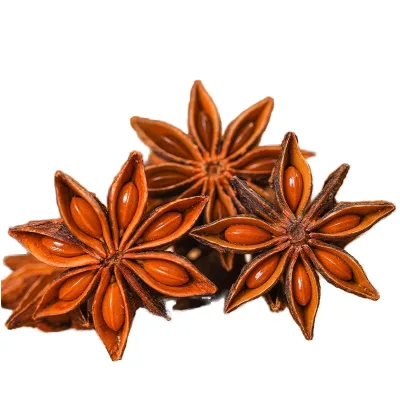
High Quality Dry Goods Big Red Star Anise Sulfur Free Wholesale Old Tree Star Anise
$5.40 - $5.50
MOQ: 500 kilograms
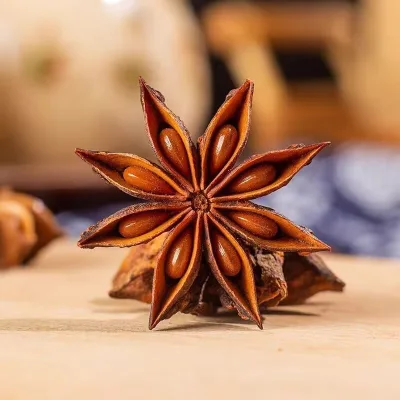
Guangxi Factory Bulk Wholesale Price Star Anise Best Quality Anise Star
$6.80 - $12.09
MOQ: 50 kilograms
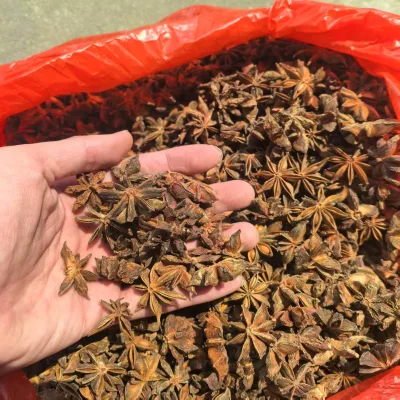
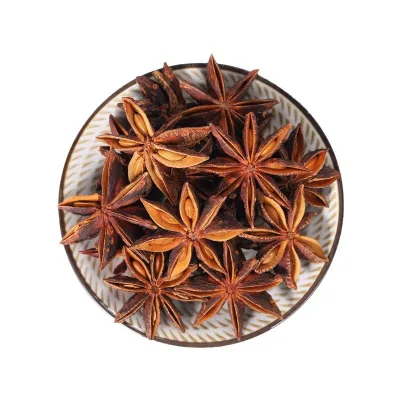
Xi'an Gawen Biotechnology Co., Ltd.
- Trading Company
- Lead time旺季: "1 - 10000":15,"> 10000":"To be negotiated", 淡季: "1 - 10000":15,"> 10000":"To be negotiated"
- Avg. response≤ 3h
Main productsCandy, Dried Fruit, Flavored Drinks, Nuts, Healthy Snack
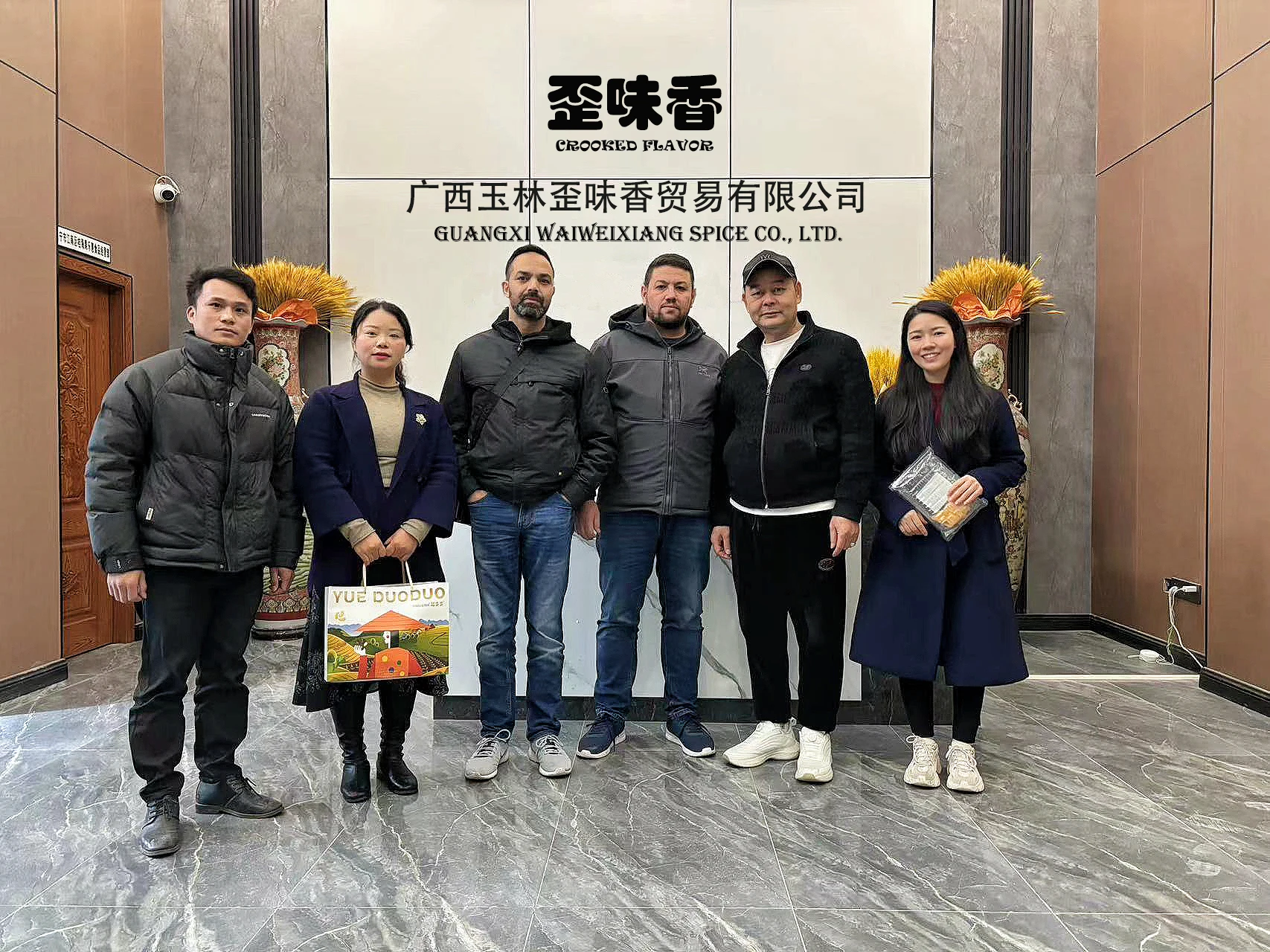
Guangxi Yulin Wai Wei Xiang Trading Co., Ltd.
- Manufacturer, Trading Company
- Guangxi, China
- Lead time15 days
- Avg. response≤ 1h
Main productsStar anise,Cinnamon stick,Clove,Hibiscus,Dried Mango
Main marketsDomestic Market(25.00%), Africa(25.00%), Mid East(20.00%), Southeast Asia(15.00%), Eastern Europe(10.00%), Central America(5.00%)
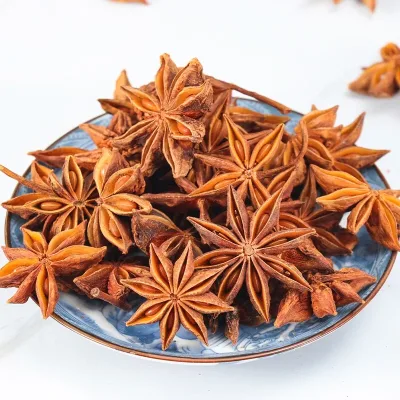
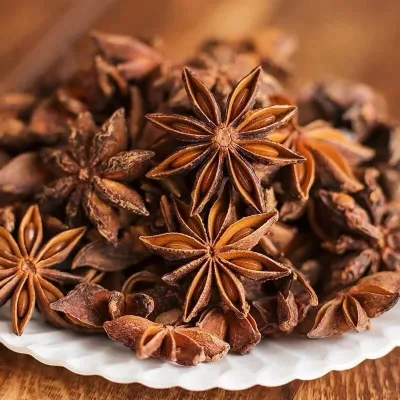
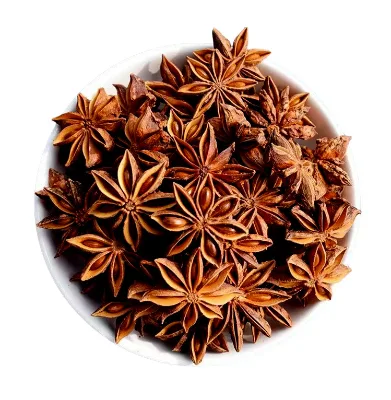
$2.00 - $2.50
MOQ: 500 kilograms
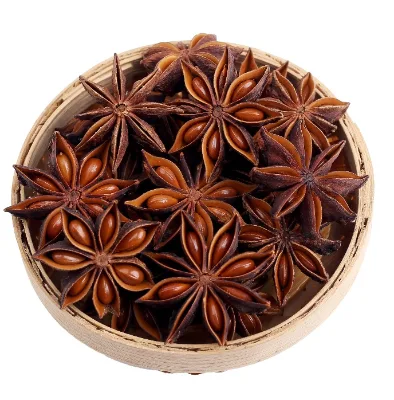
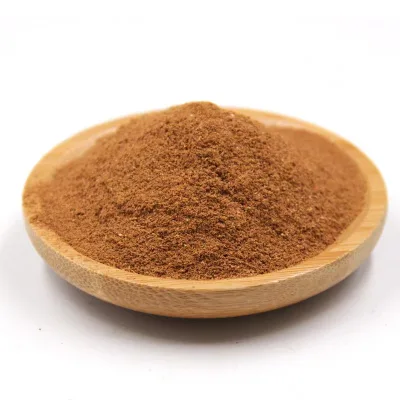
Guangxi Qingchun Food Co., Ltd.
- Verified by SGS Group
- Manufacturer, Trading Company
- Lead time15 days
- Avg. response≤ 6h
Main productsSeasoning Powder, Spice, Dried Flower Tea, Dried Fruit Tea, Agricultural Products
Main marketsSoutheast Asia(40%), Domestic Market(16%), Eastern Asia(10%)
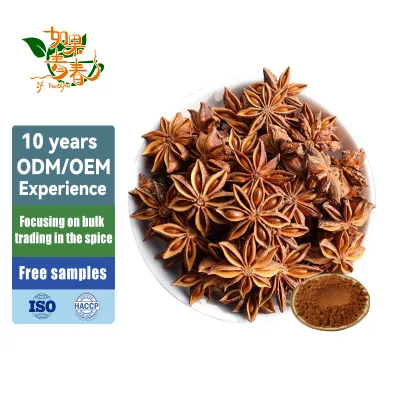
Qingchun Wholesale Star Anise Seeds New Crop Flavor Herb Single Spices Star Anise
$5.73 - $7.14
MOQ: 500 kilograms
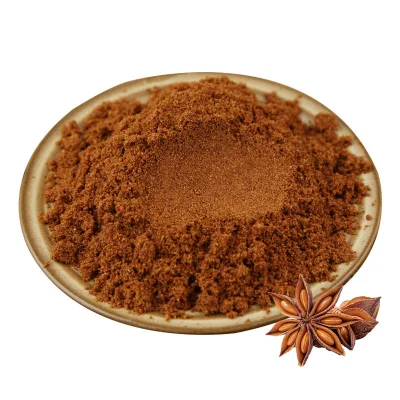
$5.15 - $6.00
MOQ: 100 kilograms

Jinan Gogo International Trade Co., Ltd.
- Verified by TUVRHEINLAND
- Trading Company
- China Shandong
- Lead time15 days
- Avg. response≤ 9h
Main productsGarlic, Ginger, Onion, Pear, Carrot, Peanut, Potato, Dehydrated and Frozen Vegetables, Fresh Apple, Pumpkin Seeds
Main marketsSouth America,Africa,Southeast Asia/ Mideast,East Asia(Japan/ South Korea),Europe,Australia
Hunan Dongquanqiwang Export And Import Co., Ltd.
- Manufacturer, Trading Company
- Hunan, China
- Lead time0 days
- Avg. response≤ 2h
Main productsBamboo Leaves,Lotus Leaves,Spices Products,Chinese Herbs,Soup Materials
Main marketsNorth America(70.00%), Southeast Asia(20.00%), Northern Europe(10.00%)

Shanghai Sinospices Sourcing Ltd.
- Manufacturer/Factory
- China Shanghai
- Lead time15 days
- Avg. response≤ 3h
Main productsGarlic Powder, Chilli Powder, Black Garlic, Ginger Powder, Onion Powder, Carrot Granules, Red Bell Pepper, Tomato Powder, Fd Sweet Corn, Fd Green Peas
Main marketsSouth America,Eastern Europe,North America,Southeast Asia,Western Europe

JINAN BRIGHT SUNSHINE IMP.& EXP. CO., LTD.
- Verified by TUVRHEINLAND
- Trading Company
- China Shandong
- Lead time15 days
- Avg. response≤ 17h
Main productsFresh Garlic, Fresh Ginger, Soy Asparagus, Fuzhu, Soy Sauce, Dehydrated Garlic Flake, Dehydrated Garlic Granules, Dehydrated Garlic Powder, Cinnamon, Chilli
Main marketsSouth America,Southeast Asia/ Mideast,Europe,North America




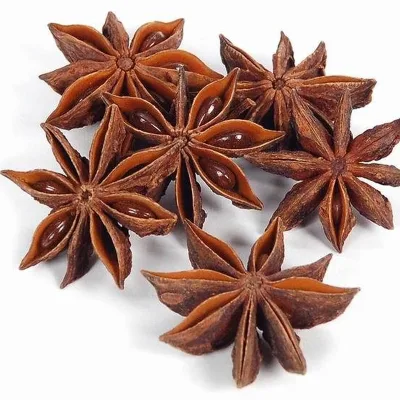
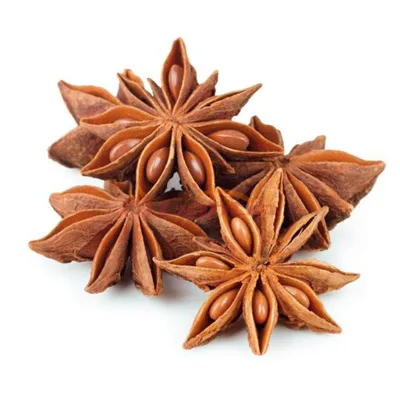
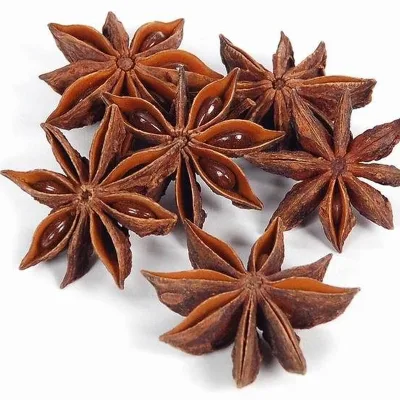
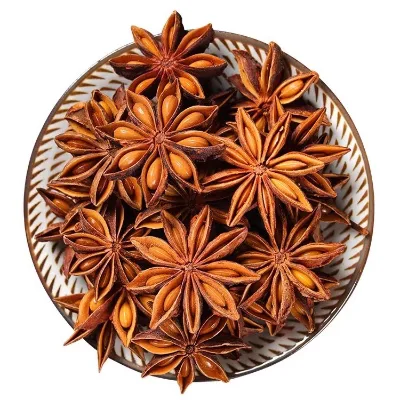




Comprehensive Sourcing Guide
Black Star Anise Spice Supplier Concentration and Factory Types
Black Star Anise Spice sourcing is strongly anchored in Guangxi, China, which appears consistently as the place of origin across supplier listings in this category. Guangxi is a recognized production region for star anise, and buyers will find both manufacturers and combined manufacturer-trading companies there, with main products spanning star anise, cinnamon, essential oils, agarwood chips, and dried fruit. This product mix signals an integrated spice cluster rather than isolated single-product vendors, which matters because co-located processors of cinnamon and essential oils often share drying, sorting, and packing capacity with anise suppliers.
Supplier types in this category typically fall into three groups: pure manufacturers who process dried spice directly, trading companies that consolidate from multiple farms, and hybrid companies operating under both labels. A separate listing traces to China Hunan as a trading company whose main product line is tea rather than spices, which is a useful reminder that not every supplier appearing in search results is a spice specialist. When you cannot confirm a cluster yourself, identify concentration by checking the place-of-origin attribute on individual product listings, counting how many suppliers cite the same province, and reviewing whether their broader product catalog sits within spices, herbs, and seasonings rather than adjacent food categories. A supplier whose catalog is dedicated to single spices and herbs is generally a stronger specialist signal than one whose core business lies elsewhere.
How to Verify Black Star Anise Spice Suppliers
Verification starts with the attributes suppliers actually publish. In this category, reliable listings disclose the place of origin (Guangxi, China), the variety labeled as ANISE, the manufacturer name behind the product, storage type such as cool and dry conditions, and a shelf life that ranges from twelve months to three years depending on the listing. Cross-check that the manufacturer named on the product attributes matches the company profile you are reviewing; some listings attribute products to one brand name while the account itself operates as a different registered entity. Any mismatch between the profile name and the manufacturer field deserves a direct question before you proceed.
Certification claims require equal care. One supplier in the current results displays an ISO9001:2015 system certificate, which relates to quality management processes rather than food-safety testing of the spice itself. Do not assume other suppliers hold this certificate; verify each profile individually and request the certificate document, not just the badge. For food items, ask what testing the supplier can provide for moisture content, foreign matter, and purity, since published attributes alone are not lab evidence. Practical verification steps include requesting samples of the exact grade quoted, confirming the processing type (some listings state raw), and asking how broken and whole star anise are classified and priced. Finally, check the supplier's declared company type against what their product evidence shows, because a trading company presenting itself as a manufacturer should be able to describe its processing facility in concrete detail.
What to Compare Across Black Star Anise Spice Suppliers
Build a comparison table using the dimensions that actually appear on supplier profiles and listings in this category. Price ranges differ meaningfully between product forms: whole black star anise listings in the current results quote roughly 3.80 to 4.60 per unit, another whole-anise listing 1.80 to 2.25, star anise powder 4.80 to 5.90, and broken star anise powder from about 5.30. MOQs also vary by form, from as low as 10 units on one whole-anise listing to 50 and 100 units on others. Comparing the same product form across suppliers is essential, because whole spice and powder prices are not directly comparable.
Beyond price and MOQ, use the supplier-label dimensions that are displayed where available: stated response time (one supplier shows a four-hour figure), lead time where declared, location, main products, and company type. Do not assume every supplier publishes every attribute; where lead time or establishment year is missing, ask the supplier directly and record the answer as supplier-stated rather than verified. Also compare specification detail: shelf life (twelve months, twenty-four months, two years, or three years across listings), storage requirements, packaging size (one listing specifies 100g bags in 45x38x28 cm cartons), and whether specification is fixed or offered on demand. Weight attributes also differ, with some listings quoting 0.1 kg per package and others 100 kg, so normalize everything to a per-kilogram landed cost before ranking suppliers. Consistency between the headline listing and the attribute table is itself a quality signal.
Common Black Star Anise Spice Sourcing Risks
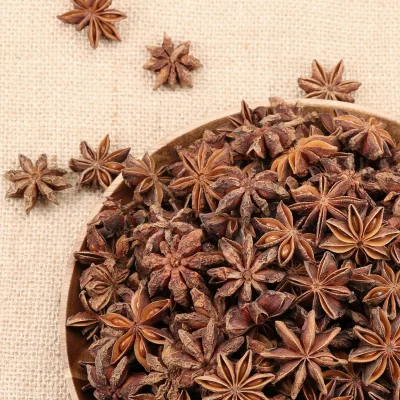
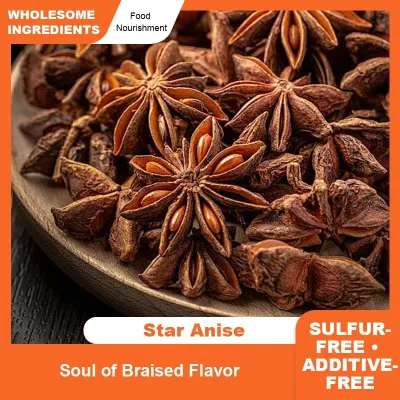
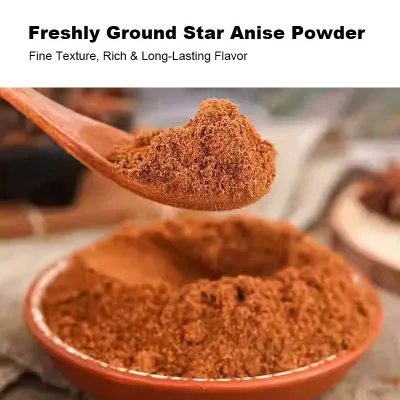
The most common risk in this category is form and grade confusion. Current listings include whole dried black star anise, broken star anise in powder form, and concentrated star anise extract powder with a stated moisture of 12.5 percent and fine grinding. A buyer ordering "star anise" without specifying whole pieces, broken grade, or extract powder can receive a materially different product at a very different price point. Broken and powder forms are typically processing byproducts or deliberately milled stock, so confirm what proportion of whole star anise versus broken pieces a "whole spice" shipment actually contains.
Grade and freshness risks follow closely. Shelf life claims in this category span twelve months to three years, and listings describe colors from brown to dark brown; aging affects aroma and oil content even when appearance is acceptable. Ask when the current crop was harvested and dried, and whether stock offered is from the most recent season. Listing consistency is another risk: some profiles name one manufacturer on the account and a different brand or manufacturer in product attributes, and one listing's storage instructions differ between "dry" and "cool and dry place" phrasing. Provenance risk also exists, as shown by the Hunan-based trading company whose main products are tea; spice expertise cannot be assumed from search placement. Finally, weight and packaging discrepancies (0.1 kg retail units versus 100 kg bulk entries) can distort unit economics. Mitigate all of these by demanding pre-shipment samples, written specifications, and photographic evidence of current stock before payment.
Black Star Anise Spice Regional Sourcing and Logistics
Guangxi, China is the confirmed origin region across current listings, and it functions as the practical anchor for regional sourcing in this category. Suppliers there list star anise alongside cinnamon, essential oil, agarwood chips, and dried fruit, indicating a southern-Chinese spice belt where drying and sorting infrastructure serves multiple spice crops seasonally. For logistics planning, this concentration works in the buyer's favor: multiple suppliers within one province allows consolidated shipments, easier sample comparison, and the option of combining star anise with cinnamon or essential oils from the same region in one container where suppliers and terms permit.
Storage and packaging conditions should shape your logistics specification. Listings in this category consistently require storage in cool and dry places, and packaging examples include 100g bags inside 45x38x28 cm cartons with single gross weights around 10.5 kg. Confirm carton dimensions and gross weights early, because these determine container utilization and freight cost per kilogram. Shelf life matters for shipping mode decisions: with claims ranging from twelve months to three years, longer shelf-life stock tolerates sea freight, while shorter-dated stock pushes buyers toward faster transit or smaller, more frequent orders. Where a supplier's lead time is not displayed, as is the case in the current results, ask for production-plus-handling timelines and separate drying time from packing and port readiness. Moisture content also affects transit stability, so agree on packaging that protects against humidity, especially for powder forms which are more vulnerable than whole pieces.
Black Star Anise Spice Commercial Terms and Order Planning
Commercial terms in this category reward staged ordering. Current listings show sample-friendly behavior on at least one whole-anise product, which advertises free tax and sample availability, and MOQs that scale with product form: 10 units for one whole-anise listing, 50 for another, and 100 for star anise powder. A sensible plan is to qualify two or three suppliers with small first orders at or near their stated MOQ, compare samples and documentation, then scale the best performer. Because powder commands higher per-unit prices than whole spice in the current results, justify the premium with end-use requirements rather than buying powder by default.
Payment and risk controls should be confirmed per supplier rather than assumed. Some B2B platforms offer escrow-style protection; verify whether the specific supplier and listing you select is covered, and never treat platform membership as a substitute for a written contract specifying grade, moisture, broken-piece tolerance, shelf life, and packaging. When comparing, log which attributes are missing: lead time is not displayed in the current results, and establishment year appears for some profiles only, so request these directly and record them as supplier-declared. Plan orders around shelf life and harvest cycles, matching order frequency to the twelve-month to three-year shelf-life claims of the stock you are buying. Finally, normalize every quote to a per-kilogram basis including packaging weight, since single gross weights around 10.5 kg per carton in this category materially change landed cost versus the nominal product weight.
FAQs
Where are Black Star Anise Spice suppliers located?
Suppliers for Black Star Anise Spice are primarily located in Guangxi, China. Some listings also indicate general China locations. Buyers should verify specific factory addresses to ensure the origin matches their sourcing requirements for this specific spice variety.
What is the minimum order quantity for star anise?
Minimum order quantities vary by product type and supplier. Listings show MOQs starting at 10 units for some dried spices, while others require 50 or 100 units. Buyers must check specific product pages to confirm the exact minimum order quantity before placing an order.
How long is the shelf life of dried star anise?
The shelf life for dried star anise ranges from 12 months to 3 years depending on the supplier and storage conditions. Most products specify storage in cool and dry places. Buyers should verify the specific shelf life listed for each product to ensure freshness.
What is the price range for Black Star Anise Spice?
Prices for Black Star Anise Spice vary based on form and quantity. Listings indicate ranges from approximately 1.80 to 5.90 per unit. The final price depends on the specific product specification, such as whole spice versus powder, and the agreed minimum order quantity.
What is the typical response time for these suppliers?
The typical response time for suppliers offering Black Star Anise Spice is around 4 hours. This metric helps buyers gauge communication speed. Buyers should confirm current response times directly with the supplier to ensure timely inquiries regarding orders or product specifications.
Are there ISO certifications available for star anise suppliers?
Some suppliers in the results hold ISO9001:2015 certification. This indicates adherence to quality management standards. Buyers should verify if this certification applies to the specific star anise products they intend to purchase before finalizing any sourcing agreements.
What forms of star anise are available for purchase?
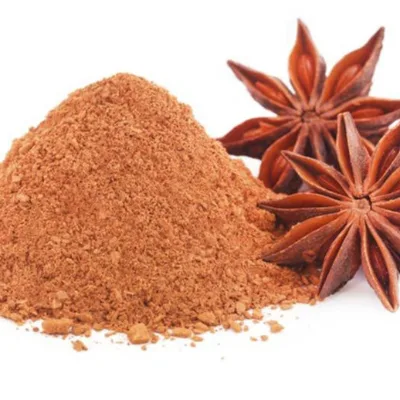
Available forms include dried whole pieces, broken pieces, and fine grinding powder. Some listings also mention concentrated extracts. Buyers should select the form that best suits their application, whether for cooking, soap making, or candle decoration.