Black Saxophone Bag Suppliers and Manufacturers in China
Compare 24 verified suppliers offering black saxophone bags with varying padding, materials, and certifications. Review response times, lead times, and MOQs to select the right partner for your needs; review the available evidence before requesting comparable quotations from suitable candidates.
Suppliers List

Canex Musical Instrument Co., Ltd.
- Combined
- China Tianjin
- Lead time30 days
- Avg. response≤ 8h
Main productsSaxophone, Electric Guitar, Clarinet, Violin, Brass Trumpet, Flute, Oboe, Trombone, Cajon, Drum Set
Main marketsSouth America,Europe,North America
Quanzhou Jiayuan Plastic Co., Ltd.
- Manufacturer, Trading Company
- Fujian, China
- Lead time30 days
- Avg. response≤ 5h
Main productshiking backpack,tool bag,diaper bag,cooler bag,sport bag
Main marketsNorth America(40.00%), Western Europe(30.00%), Africa(20.00%), Eastern Europe(10.00%)
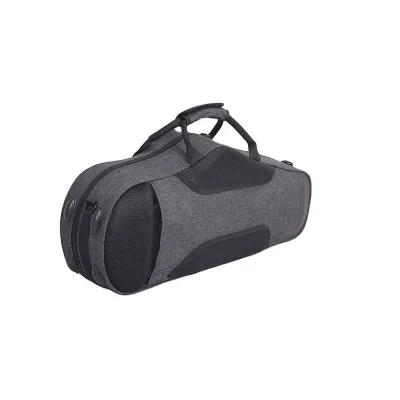
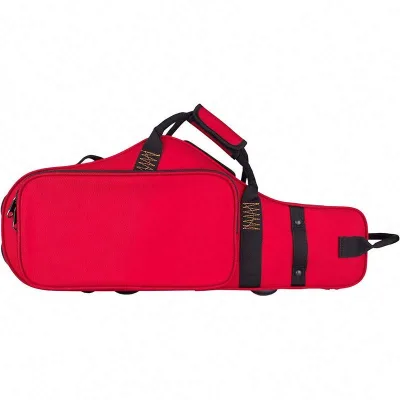
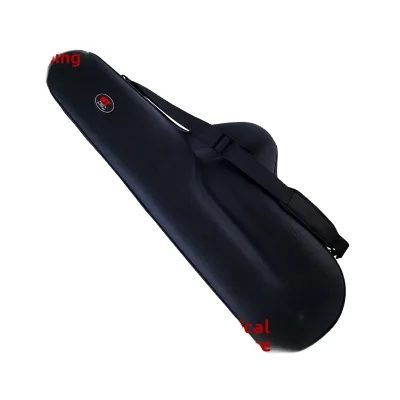
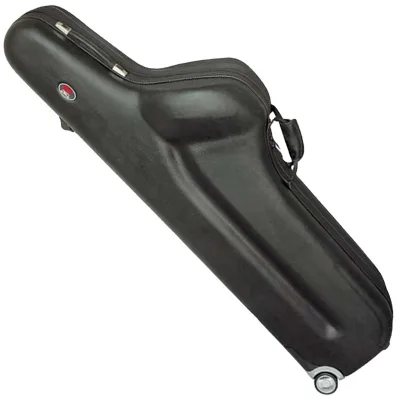
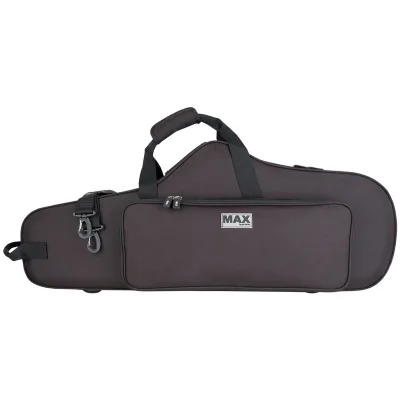
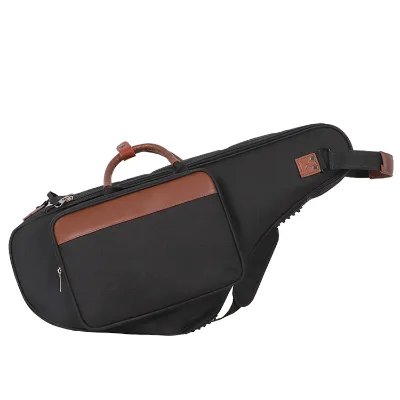
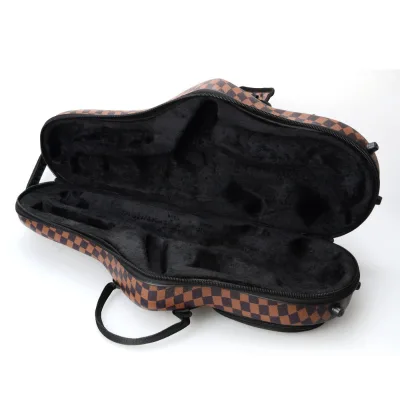
BSCI Factory 600D Oxford Material Hard Case Baritone Saxophone Bag Durable Alto Saxophone Bags
$16.38 - $20.51
MOQ: 50 pieces
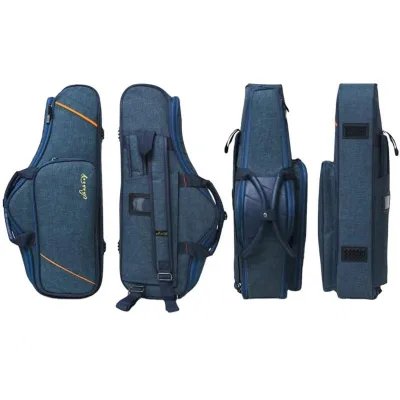
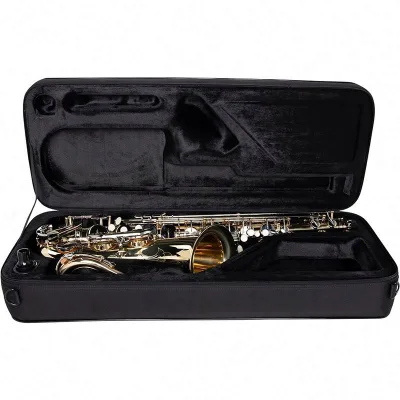
$11.19 - $14.28
MOQ: 3 pieces
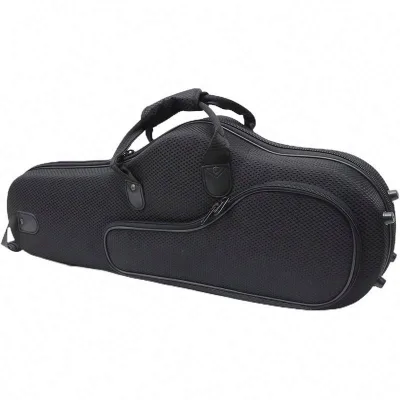

Jek Musical Instrument Co., Ltd.
- Manufacturer, Trading Company
- Hebei, China
- Lead time7 days
- Avg. response≤ 2h
Main productssax,reeds,mouthpiece,flute,Clarinet
Main marketsSouth Asia(12.00%), North America(10.00%), Western Europe(10.00%), Eastern Asia(10.00%), Mid East(10.00%), Africa(8.00%), Domestic Market(5.00%), Oceania(5.00%), Southern Europe(5.00%), Northern Europe(5.00%), Central America(5.00%), Southeast Asia(5.00%), Eastern Europe(5.00%), South America(5.00%)

Shenzhen Youfan Industry Co., Ltd.
- Manufacturer
- Guangdong, China
- Lead time30 days
- Avg. response≤ 5h
Main productsBags,Case,Carrier,Organizer,Pack
Main marketsNorth America(15.00%), South Asia(11.00%), Domestic Market(10.00%), Africa(9.00%), Eastern Europe(8.00%), Southeast Asia(7.00%), Southern Europe(7.00%), Central America(6.00%), Mid East(6.00%), Northern Europe(5.00%), South America(5.00%), Western Europe(4.00%), Oceania(4.00%), Eastern Asia(3.00%)
- Manufacturer
- Tianjin, China
- Lead time45 days
- Avg. response≤ 4h
Main productsDrum,Melodica,Accordion,Wind Instrument,Guitar
Main marketsSouth America(50.00%), Domestic Market(25.00%), Africa(25.00%)
$14.28 - $19.61
MOQ: 1 pieces
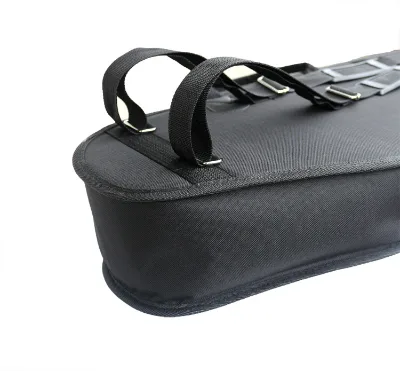
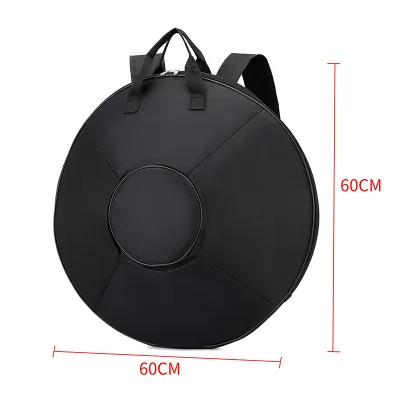
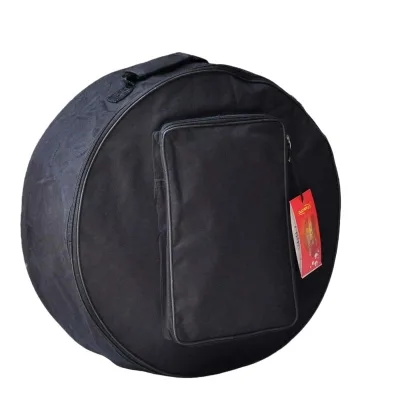

Xiamen Ederbou Industry&Trade Co., Ltd.
- Verified by CTI
- Combined
- China Fujian
- Lead time30 days
- Avg. response≤ 6h
Main productsCooler Insulated Bags, Backpacks, Delivery Bags, Travel Bags, Sports Bags, Picnic Bags
Main marketsSouth America,Southeast Asia/ Mideast,East Asia(Japan/ South Korea),Europe,Australia,North America


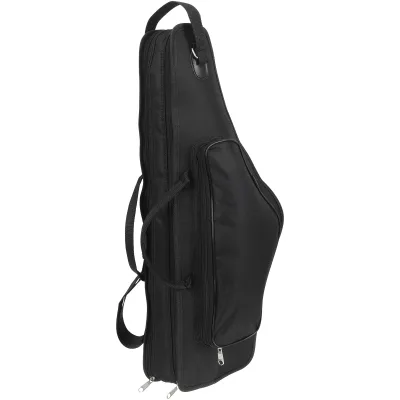
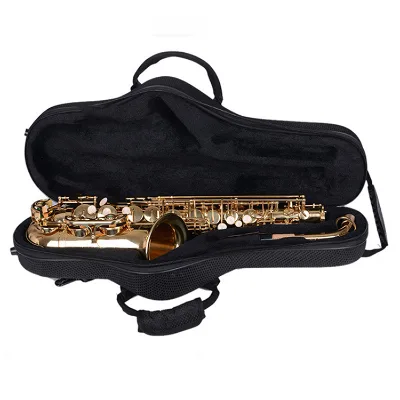
Custom Lightweight Polyfoam Alto Saxophone Case Bag with Mouthpiece Storage.
$4.98 - $6.00
MOQ: 300 Pieces
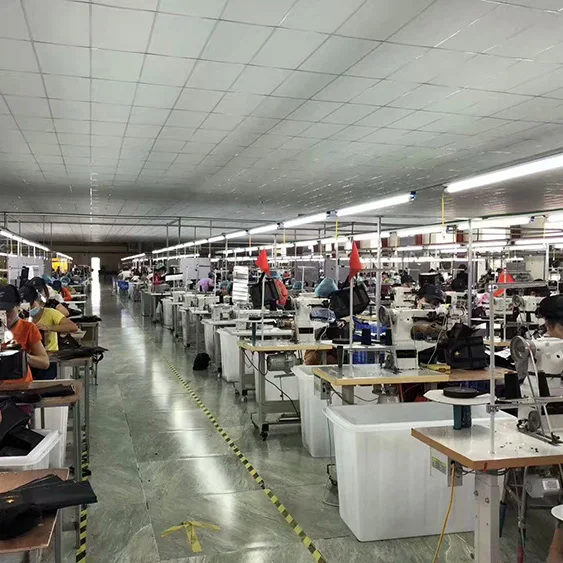
- Manufacturer, Trading Company
- Zhejiang, China
- Lead time7 days
- Avg. response≤ 6h
Main productsPet carrier bag,Toiletry bag,Backpack,Garment bag,Promotional bag
Main marketsNorth America(50.00%), Western Europe(20.00%), South America(20.00%), Eastern Europe(10.00%)

- Verified by TUVRHEINLAND
- Manufacturer/Factory
- China Jiangsu
- Lead time0 days
- Avg. response≤ 2h
Main productsMusical Instruments, Violin, Viola, Cello, Guitar, Violin Case, Guitar Case, Stringed Accessories, Wind Instrument, Percussion
Main marketsSouth America,Eastern Europe,Mid East,North America,Southeast Asia,Eastern Asia,Oceania,Western Europe,Africa


Musical Instrument Bag for Cello (BGC014)
MOQ: 10 Pieces

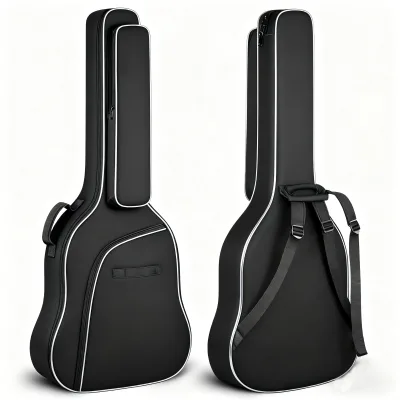
41" 5mm Padding Black Acoustic Guitar Bag (BGF615)
MOQ: 20 Pieces
![[Winzz] 41 Musical Instrument Acoustic Guitar Bag (BGF-815)](https://image.made-in-china.com/221f0j00zFSaPpGlhhqn/-Winzz-41-Musical-Instrument-Acoustic-Guitar-Bag-BGF-815-.webp)


Guangzhou Vines Musical Instruments Co., Ltd
- Verified by TUVRHEINLAND
- Trading Company
- China Guangdong
- Lead time15 days
- Avg. response≤ 5h
Main productsAcoustic Guitar, Electric Guitar, Classical Guitar, Electric Bass Guitar, Ukulele, Guitar Strings, Musical Instrument Accessories, Violin, Guitar Amplifier, Drum Piano
Main marketsAfrica,Europe,North America


Hotsale Guitar Bag Big Size Acoustic Guitar Bag Strong Cotton Guitar Bag4 Buyers
$3.50 - $7.80
MOQ: 10 Pieces


- Verified by SGS Group
- Manufacturer, Trading Company
- Lead time30 days
- Avg. response≤ 2h
Main productsDry Backpack, Cooler Bag, Hiking Backpack, Tactical Bag, Waterproof Duffel Bag
Main marketsWestern Europe(45%), North America(25%), Northern Europe(15%)
Alwaysfaith International Trade Co., Ltd. (huizhou)
- Verified by Intertek
- Trading Company
- Lead time0 days
- Avg. response≤ 5h
Main productsUkulele, Electric Guitar, Acoustic Guitar
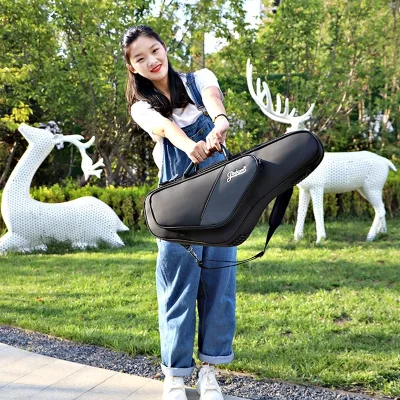
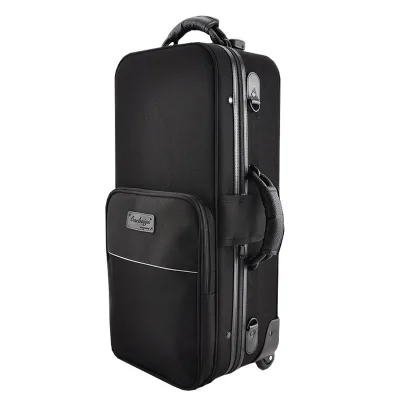
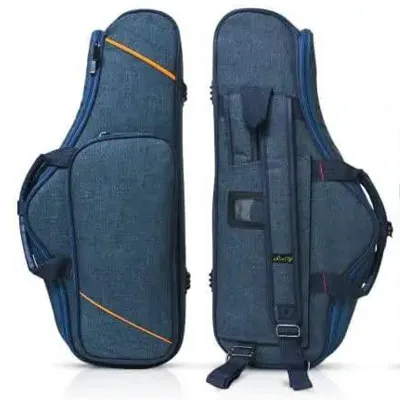
E-Flat Alto Saxophone Bags: Dual-Strap Backpack, Poly-Cotton Sax Case & Protective Storage Cover
$27.77 - $27.88
MOQ: 3 bags
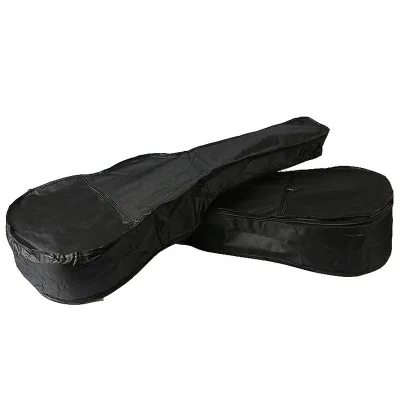
Guitar Bag 38 Inch 41 Inch Waterproof Acoustic Guitar Bags Adjustable Shoulder Strap Guitar Case
$4.94 - $5.14
MOQ: 1 pieces
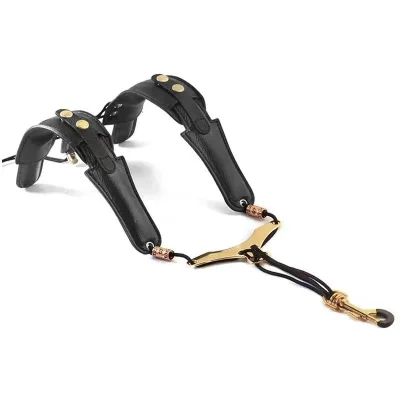
Wholesale Hot Selling Cheap High Quality Shoulders Student Adult Saxophone Strap
$3.51 - $4.00
MOQ: 1 pieces

Guangzhou Fu Li Ya Industry Co., Ltd.
- Verified by TUVRHEINLAND
- Combined
- China Guangdong
- Lead time30 days
- Avg. response≤ 11h
Main productsShopping Bag, Promotional Bag, Canvas Bag, Polyester Bag, Cotton Bag, Tote Bag, Non Woven Bag, Garment Bag, Cooler Bag, Hand Bag
Main marketsEurope,North America


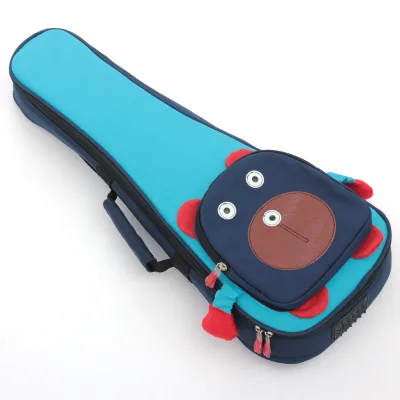
Factory Custom Guitar Shaped Bag Musical Instrument Bag
MOQ: 1000 Pieces


Quanzhou Lingyuan Bags Co., Ltd.
- Verified by SGS
- Combined
- China Fujian
- Lead time45 days
- Avg. response≤ 3h
Main productsSchool Bag, Sports Bag, Trolley Bag, Promotional Bag, Ladies Bag, Backpack, Hiking Backpack, Ski Bag, Hockey Bag, Bike Bag
Main marketsEurope,North America


2021 New Arrival Wholesale Cheap Instrument Bags & Cases Acoustic Guitar Bag
$4.00 - $6.00
MOQ: 50 Pieces
Alwaysfaith International Trade Co., Ltd. (Huizhou)
- Manufacturer, Trading Company
- Guangdong, China
- Lead time15 days
- Avg. response≤ 4h
Main productsOutdoor Entertainment,Musical Instrument,Audio Speaker,Tents
Main marketsNorth America(40.00%), South America(15.00%), Western Europe(10.00%), Central America(8.00%), Northern Europe(5.00%), Eastern Europe(5.00%), Mid East(5.00%), Eastern Asia(4.00%), Southeast Asia(4.00%), Oceania(2.00%), Africa(2.00%)
Alwaysfaith International Trade Co., Ltd. (Huizhou)
- Trading Company
- Lead time旺季: "1 - 500":15,"> 500":"To be negotiated", 淡季: "1 - 500":15,"> 500":"To be negotiated"
- Avg. response≤ 7h
Main productsUkulele, Electric Guitar, Acoustic Guitar
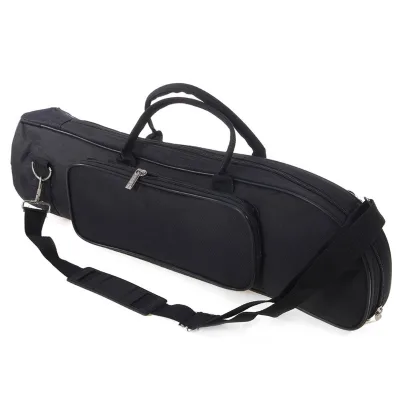
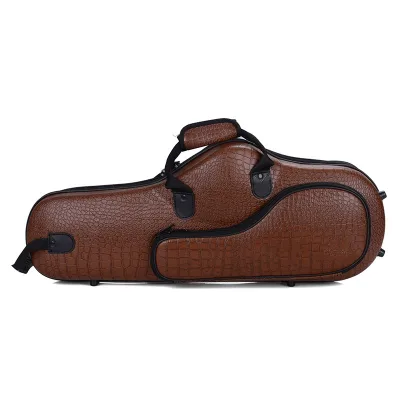
Wind Instrument Accessories Waterproof Saxophone Bag Oxford Cloth Cotton Storage Bag
$4.59 - $5.61
MOQ: 10 pieces

Jinjiang Jiaxing Supply Management Co., Ltd.
- Verified by TUVRHEINLAND
- Trading Company
- China Fujian
- Lead time30 days
- Avg. response≤ 1h
Main productsEVA Clogs, Flip Flop, Shoe Charms, Shopping Bags, Wristbands, Gifts, Promotional Gifts, Slipper, Sport Cap, Ball
Main marketsNorth America
Huizhou Height Industry Co., Ltd.
- Trading Company
- Guangdong, China
- Lead time25 days
- Avg. response≤ 5h
Main productsGuitar, Ukulele, Percussion, Musical Accessory, Bag
Main marketsNorth America(20.00%), South Asia(10.00%), South America(10.00%), Oceania(10.00%), Western Europe(10.00%), Southern Europe(10.00%), Northern Europe(10.00%), Eastern Europe(10.00%), Eastern Asia(5.00%), Mid East(5.00%)

Dongguan Runhong Sports Products Co., Ltd.
- Verified by SGS
- Manufacturer
- China Guangdong
- Lead time15 days
- Avg. response≤ 13h
Main productsLoptop Bag, Cup Covers, Lunch Bag, Wine Bags, Stubby Holders, Cooler Bags, Koozies, Beach Tote Bag
Main marketsSouth America,Southeast Asia/ Mideast,Europe,Australia,North America

Guangzhou Tianhe District Shipai Tianyu Electronic Business Department
- Trading Company, Distributor/Wholesaler
- Guangdong, China
- Lead time0 days
- Avg. response≤ 1h
Main productsVarious types of qin and accessories,Musical Instrument Accessories,Audio and accessories,Sound card player,Mixing console and accessories
Main marketsMid East(30.00%), Western Europe(25.00%), South America(15.00%), North America(15.00%), Eastern Europe(15.00%)
Yongkang Taige Daily Necessities Business Department.
- Trading Company
- Jinhua, China
- Lead time15 days
- Avg. response≤ 1h
Main productscup,bottle,Musical Instruments,bicycle,camping
Main marketsCentral America(30.00%), North America(20.00%), South America(20.00%), Southern Europe(10.00%), Northern Europe(10.00%), Western Europe(10.00%)
- Manufacturer, Trading Company
- Guangdong, China
- Lead time15 days
- Avg. response≤ 2h
Main productsPiano Pedal Extender, Piano Foot Pads, Guitar Stand And Hook, Capo, Drumsticks
Main marketsNorth America(60.00%), South America(20.00%), Southeast Asia(20.00%)
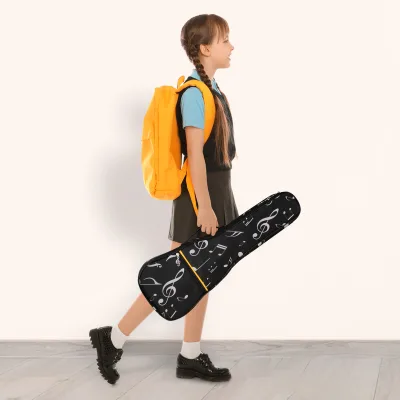
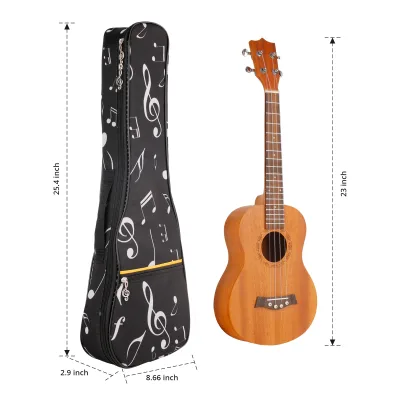
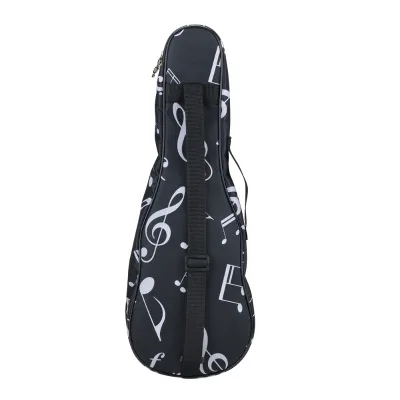
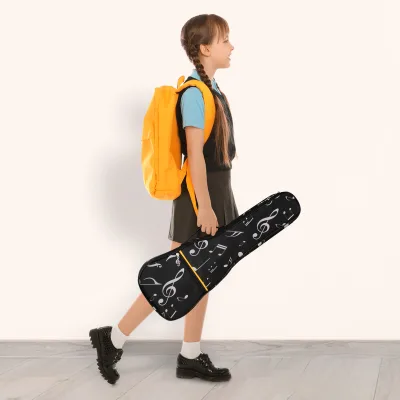
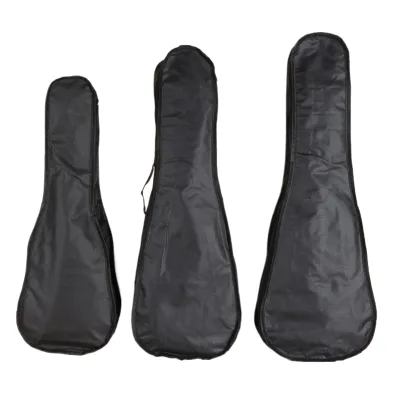
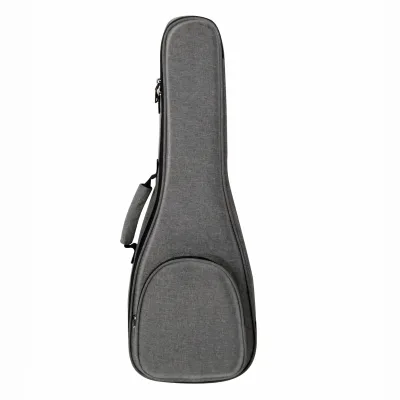
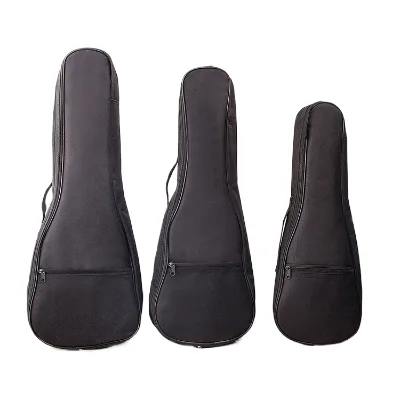
23 "ukulele Backable Cross-body Cotton Bag Plus Cotton Thickened Ukulele Bag
$2.50 - $3.03
MOQ: 100 pieces

Nantong Sinomusic Enterprise Limited
- Manufacturer/Factory
- China Jiangsu
- Lead time38 days
- Avg. response≤ 10h
Main productsStringed Instruments, Violin/Viola/Cello, Guitar/Bass/Ukulele, Keyboard Instruments, Digital Piano, Woodwind Brasswind, MIDI Controller, Percussion
Main marketsSouth America,Eastern Europe,Mid East,North America,Southeast Asia,Eastern Asia,Oceania,Western Europe,Africa

Tianjin H&W Instrument Co., Ltd.
- Trading Company,Manufacturer/Factory
- China Tianjin
- Lead time23 days
- Avg. response≤ 25h
Main productsGuitar, Violin, Trumpet, Musical Instrument, Drum Set, Saxophone, African Drum, Miniature Musical Instrument, Mandolin, Percussion Instrument
Main marketsSouth America,Eastern Europe,Mid East,North America,Southeast Asia,Eastern Asia,Oceania,Western Europe,Africa


MOQ: 1 Pieces

- Verified by CTI
- Manufacturer/Factory
- China Fujian
- Lead time23 days
- Avg. response≤ 7h
Main productsTrolley Luggage, Travel Bags, School Bag, Cooler Bag, Special Backpack, Delivery Bag, Picnic Bag, Hunting Bag, Duffel Bag, Rolling Bag
Main marketsMid East,North America,Southeast Asia,Western Europe

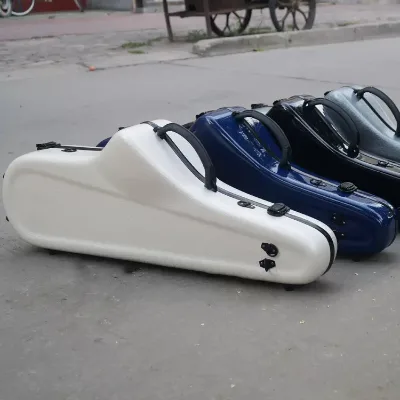
Wholesale OEM Classic Guitar Bags Comfort Design Double Guitar Bags Instrument Bags
$12.57 - $15.99
MOQ: 500 Pieces








Comprehensive Sourcing Guide
Black Saxophone Bag Supplier Concentration and Factory Types
Current data indicates a concentration of suppliers in China, specifically within the Tianjin and Fujian regions, alongside manufacturing capabilities noted in Hebei. These locations serve as primary hubs for the production of musical instrument accessories, including various bag types for saxophones. The supplier base includes a mix of combined entities that function as both manufacturers and trading companies, offering a diverse range of products from saxophone bags to electric guitars and brass instruments. This dual role allows for flexibility in sourcing, where some suppliers may handle direct production while others manage the logistics and sales channels for a broader portfolio.
When evaluating the factory types, buyers should look for companies that explicitly state their capacity for OEM and ODM services, as seen in the available data. Some suppliers offer their own brands alongside custom manufacturing, which can be crucial for businesses seeking unique product differentiation. The presence of combined company types suggests that a single supplier might manage the entire supply chain from raw material sourcing to final delivery, potentially streamlining communication. However, the specific establishment years and detailed factory certifications are not universally provided in the current results, requiring buyers to verify these specific credentials directly with each potential partner to ensure they meet long-term reliability standards.
How to Verify Black Saxophone Bag Suppliers
Verification begins with scrutinizing the response times and communication efficiency provided in supplier profiles, as these metrics often reflect operational readiness. In the current dataset, response times vary, with some suppliers showing a response time of 7.21 hours while others demonstrate a faster 5-hour turnaround. A quicker response time generally indicates a more active sales team and better potential for resolving urgent inquiries or custom requests. Buyers should prioritize suppliers who consistently demonstrate rapid communication, as this is a strong indicator of their ability to manage order fluctuations and provide timely updates on production status.
Beyond communication speed, verifying certifications and product standards is essential for ensuring quality and compliance. The available data lists SGS as a standard for several product models, suggesting that these items have undergone specific quality assessments. However, the certification category is broadly labeled as "Others," which means buyers must request specific documentation to confirm the exact nature of these certifications. It is critical to ask for proof of BSCI factory compliance or other relevant social and environmental standards, as these are often prerequisites for international buyers. Without explicit verification of these standards, relying solely on the general "Others" label poses a risk to supply chain integrity and brand reputation.
What to Compare Across Black Saxophone Bag Suppliers
Comparing suppliers requires a detailed analysis of lead times, minimum order quantities, and pricing structures to determine the best fit for specific business needs. Lead times in the current results show a standard of 30 days for general production, though some specific product listings indicate delivery windows of 5 to 25 days after deposit receipt. Minimum order quantities also vary significantly, ranging from as low as 3 pieces for certain soft carry bags to 50 pieces for more specialized hard cases. Buyers must align these constraints with their inventory strategy, as high MOQs may be prohibitive for startups, while low MOQs might result in higher per-unit costs.
Pricing and material specifications offer another critical dimension for comparison. The data reveals price ranges from approximately $9 to $40 per unit, heavily influenced by materials such as 600D polyester, 1200D polyester, or leather with varying padding thicknesses. For instance, a bag with 22mm leather padding commands a higher price point than one with 15mm polyester padding. Buyers should compare these attributes against their target market requirements, ensuring that the material quality justifies the cost. Additionally, customization availability is a key differentiator, with most suppliers offering custom logos and designs, but the specific terms and costs for these customizations must be clarified before committing to an order.
Common Black Saxophone Bag Sourcing Risks
One significant risk involves the discrepancy between product descriptions and actual specifications, particularly regarding material durability and waterproofing. While some listings explicitly state that a bag is waterproof with leather and polyester construction, others note that the product is not waterproof despite having similar padding features. This inconsistency can lead to product failures if the buyer assumes a certain level of protection based on a generic description. It is vital to request physical samples or detailed technical sheets that confirm the exact waterproof rating and material composition before placing a bulk order to avoid receiving goods that do not meet the intended use case.
Another risk stems from the variability in production capacity and the potential for supply chain disruptions. Although suppliers claim capabilities in OEM and ODM, the lack of specific establishment years or detailed factory audit reports in the public data makes it difficult to assess long-term stability. Some suppliers may be trading companies with limited control over the actual manufacturing process, which can lead to delays or quality inconsistencies. Buyers should verify the actual production location, such as the noted Hebei origin for specific models, and ensure that the supplier has the capacity to handle volume increases without compromising on quality or delivery schedules.
Black Saxophone Bag Regional Sourcing and Logistics
Sourcing from China, specifically regions like Tianjin, Fujian, and Hebei, offers access to a robust manufacturing ecosystem for musical instrument accessories. These regions are known for their specialized clusters in instrument production, which can provide competitive advantages in terms of raw material availability and skilled labor. However, the logistics of shipping from these inland and coastal hubs can vary, affecting both cost and transit time. Buyers should be aware that while some products originate from Hebei, the final shipping point might differ, and this can impact the overall logistics strategy and cost calculations for international delivery.
Logistics planning must also account for the specific packaging requirements and dimensions provided in the product data. For example, single package sizes are listed as 49x29x25 cm for certain models, which influences container loading efficiency and freight costs. Buyers should calculate the total volume and weight of their order, considering that some items have a gross weight of 5.000 kg per unit. Understanding these logistical details is crucial for optimizing shipping methods, whether by sea or air, and for negotiating freight terms with suppliers. Proper planning ensures that the goods arrive on time and within budget, minimizing the risk of unexpected costs or delays at the destination port.
Black Saxophone Bag Commercial Terms and Order Planning
Commercial terms and payment structures are pivotal in finalizing a successful sourcing agreement. The available data indicates that suppliers accept various payment methods, including T/T, Trade Assurance, MoneyGram, Western Union, and PayPal. Trade Assurance is particularly valuable as it offers a layer of protection for buyers, ensuring that funds are only released once the order is completed according to specifications. Buyers should prioritize suppliers who offer Trade Assurance or similar escrow services to mitigate financial risks, especially when dealing with new suppliers or large order volumes.
Order planning must also consider the sample lead times and the specific terms for customization. Sample times are noted as 5 to 7 days for certain models, which is a critical factor for buyers needing to validate product quality before mass production. Additionally, the availability of customized logos and specific material choices requires clear communication and potentially additional lead time. Buyers should establish a timeline that accounts for sample approval, production, and shipping, ensuring that all customization requests are documented and agreed upon in writing. This proactive approach helps prevent misunderstandings and ensures that the final product aligns with the buyer's expectations and market requirements.
FAQs
What is the price range for black saxophone bags?
Black saxophone bags are available with prices ranging from 9.00 to 40.00 USD per unit. Specific models like the SE-11 start at 9.00 USD, while leather options like the SE-10 can reach up to 40.00 USD. Prices vary based on material and padding thickness.
What are the minimum order quantities for these bags?
Minimum order quantities typically start at 5 pieces for standard polyester models. Some specific factory items require a higher minimum of 50 pieces. Buyers should verify the exact MOQ for each model number before placing an order to ensure compliance with supplier limits.
How long does it take to receive an order?
Standard lead times for these bags are approximately 30 days after deposit confirmation. Some suppliers offer faster sample times of 5 to 7 days. Delivery times generally range from 5 to 25 days after the deposit is received, depending on the specific supplier location.
Are customization options available for these bags?
Yes, customization is available for most Black Saxophone Bag models listed. Suppliers offer options for custom logos and specific fabric materials. Buyers can request tailored padding thicknesses and strap configurations to meet their specific instrument protection needs and branding requirements.
What materials are used to make these bags?
Materials include 600d polyester, 1200d polyester, leather, and nylon Oxford fabric. Padding thickness varies from 15mm to 22mm depending on the model. Some bags feature cotton interiors while others use polyester linings for added durability and instrument protection during transport.
Where are these saxophone bags manufactured?
These bags are manufactured in China, with specific origins noted in Hebei, Tianjin, and Fujian provinces. The products are exported from these regions to international markets. Buyers should verify the specific place of origin for each model to understand shipping logistics and potential tariffs.
Do these bags come with water protection features?
Waterproof capabilities vary by model, with some bags explicitly marked as waterproof while others are not. Leather models often provide better water resistance compared to standard polyester options. Buyers should check the specific product attributes for waterproof status before purchasing.