Dried Cynanchum Versicolor Radix Slices Suppliers and Manufacturers
Source Dried Cynanchum Versicolor Radix Slices from 20 verified suppliers. Compare key dimensions including location, lead time, MOQ, and pricing to identify the right partner. Review product specifications and contact suppliers directly to initiate your procurement process; review the available evidence before requesting comparable quotations from suitable candidates.
Suppliers List

Bozhou Swanf Commercial And Trade Co., Ltd.
- Trading Company
- Anhui, China
- Lead time7 days
- Avg. response≤ 3h
Main productsherb medicine,flower tea,dried Mushrooms,chinese herbs,Green tea
Main marketsNorth America(24.00%), Western Europe(19.00%), Oceania(14.00%), Eastern Asia(13.00%), Northern Europe(9.00%), South Asia(9.00%), Southeast Asia(5.00%), Eastern Europe(2.00%), Africa(2.00%), Central America(1.00%), Mid East(1.00%), Southern Europe(1.00%)
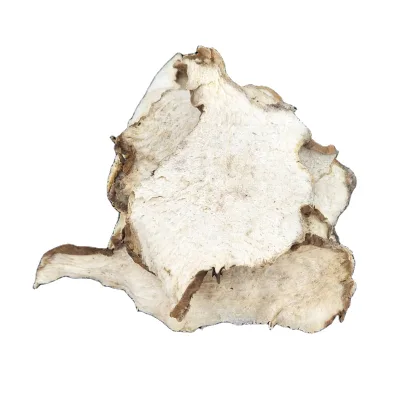
Raw Dried Cuts Rhizome of Thinnest Yam Smilax Lunglingensis Roots Slices for Herbs
$33.00 - $55.00
MOQ: 1 kilograms
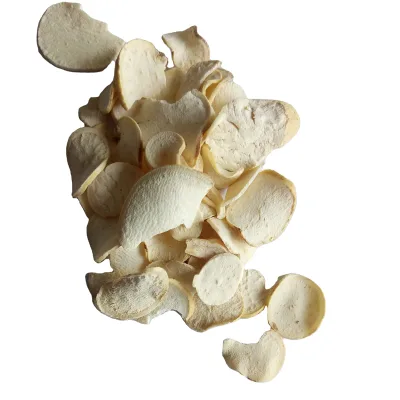
Bai Shou Wu Natural Cynanchum Wilfordii Rhizome Dried New Radix Cynanchi Bungei Root Slices for Sale
$16.39 - $33.80
MOQ: 1 kilograms
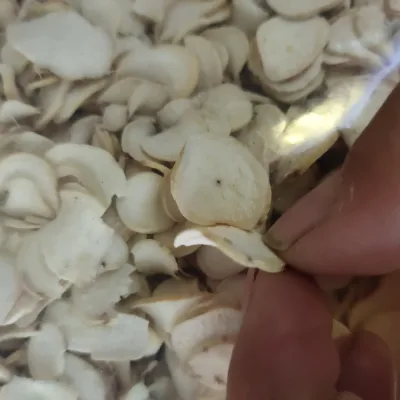
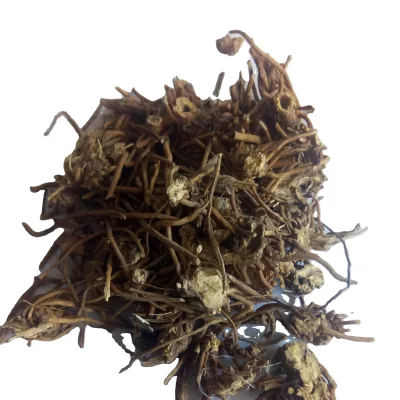
Bai Wei Wild Dried Black End Swallowwort Root Cynanchum Versicolor Radix Roots for Sale
$13.00 - $28.00
MOQ: 1 kilograms
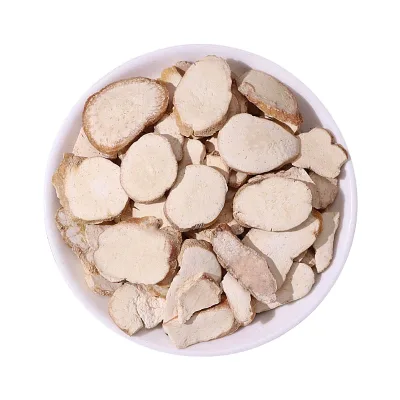
$18.50 - $33.91
MOQ: 1 kilograms
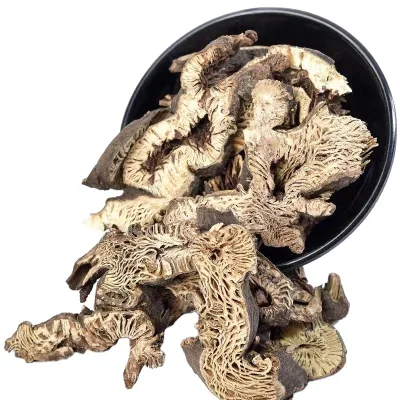
Sheng Ma Not Extract Dried Cimicifuga Heracleifolia RHIZOME Slices for Sale
$13.60 - $33.30
MOQ: 1 kilograms

Shandong Guanghua Agricultural Product Co., Ltd.
- Combined
- China Shandong
- Lead time15 days
- Avg. response≤ 22h
Main productsPeanut, Peanut Butter, Pumpkin Seeds, Sunflower Seeds, Dried Fruits, Beans, Spices, Foods, Peanuts, Peanut in Shell
Main marketsSouth America,Africa,Southeast Asia/ Mideast,East Asia(Japan/ South Korea),Domestic,Europe,Australia,North America

Anhui Chenlixin Health Industry Development Co., Ltd
- Verified by BV
- Combined
- China Anhui
- Lead time15 days
- Avg. response≤ 5h
Main productsHerbal Medicine, Herbal Tea, Traditional Chinese Medicine, Flower and Fruit Tea
Main marketsDomestic


Licorice Root Slices Traditional Chinese Medicine Liquorice & Glycyrrhizae Radix
$2.00 - $6.00
MOQ: 1 kg

- Verified by SGS
- Trading Company
- China Shandong
- Lead time15 days
- Avg. response≤ 3h
Main productsDehydrated Garlic, Dehydrated Onion, Dehydrated Ginger, Garlic Powder, Onion Powder, Ginger Powder, Freeze-Dried Vegetables, IQF Vegetables, Frozen Vegetables, Huawei Foodstuffs
Main marketsDomestic

Anhui Yaozhiyuan Chinese Herbal Medicine Co., Ltd.
- Combined
- China Anhui
- Lead time15 days
- Avg. response≤ 18h
Main productsChinese Medicine, Herbal Tea
Main marketsAfrica,Southeast Asia/ Mideast,Europe,North America

- Trading Company,Manufacturer/Factory
- China Shandong
- Lead time15 days
- Avg. response≤ 8h
Main productsFrozen Vegetable, Dried Mushroom, Freeze Dried Fruits, Freeze Dried Vegetables, Dried Shiitake Mushroom, Freeze Dried Raspberry, Freeze Dried Strawberry, Dried Lions Mane Mushroom
Main marketsSouth America,Eastern Europe,Mid East,North America,Southeast Asia,Oceania,Western Europe

Xinshao Nanmo Biotechnology Co., Ltd.
- Verified by SGS
- Manufacturer/Factory
- China Hunan
- Lead time15 days
- Avg. response≤ 9h
Main productsPlant Extract, Dried Herbs, Herbal Tea, Spices, Fruit and Vegetable Powder, Herbal Extract, Sugar Substitute, Health Care Products
Main marketsSouth America,Eastern Europe,Mid East,North America,Southeast Asia,Eastern Asia,Oceania,Western Europe,Africa


Factory Supply Natural Herbs and Spices Dried Turmeric Root Slices Curcuma Longa
$4.10 - $4.80
MOQ: 500 kg


Shanxi Fret International Trade Co., Ltd
- Verified by BV
- Combined
- China Shanxi
- Lead time15 days
- Avg. response≤ 3h
Main productsDried Apples, Dried Pears, Dried Peaches, Preserved Pear and Peach Halves, Sweet Corns, Hawthorn Snacks, Food Ingredients, Dried Shiitake Mushrooms
Main marketsNorth America
- Verified by TüVRheinland
- Trading Company
- Lead time0 days
- Avg. response≤ 1h
Main productsCandy, Herbs Products
Main marketsDomestic Market(35%), Mid East(30%), Southeast Asia(20%)
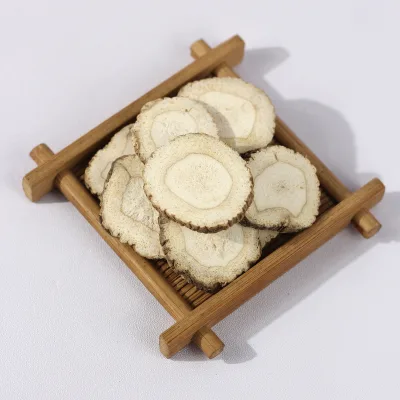
High Quality Origin Baizhi Round Radix Angelica Dahurica Slices for Health Food
$3.01 - $4.05
MOQ: 500 kilograms
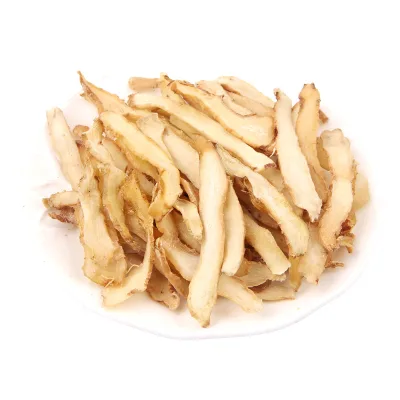
Good Quality New Arrivals Yellow Sliced Yu Zhu Radix Polygonati Officinalisfor Cooking Use
$8.50 - $8.70
MOQ: 500 kilograms
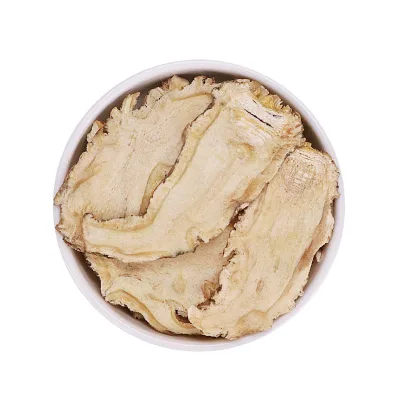
Various Good Quality Cost-Effective User-Friendly Long Service Life Angelica Slices
$25.80 - $26.55
MOQ: 500 kilograms
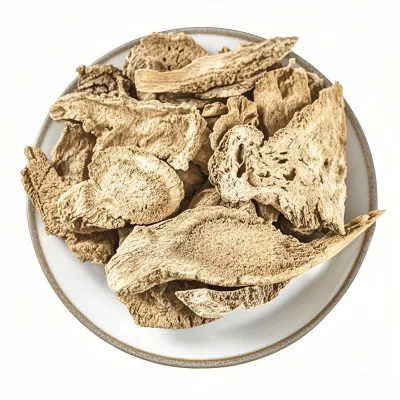
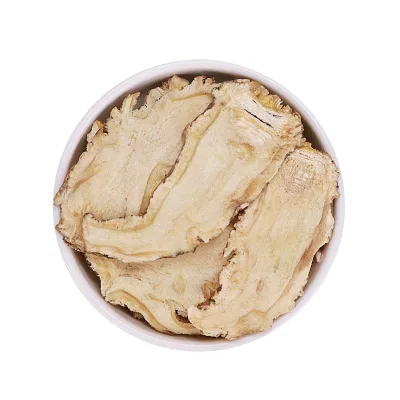
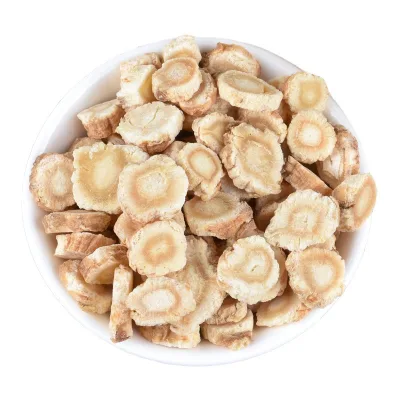

Anhui Highkey Import&Export Co., Ltd.
- Verified by TUVRHEINLAND
- Trading Company
- China Anhui
- Lead time15 days
- Avg. response≤ 5h
Main productsHerbal Medicine, Herbal Tea, Herbal Seed, Empty Tea Bag, Rhodiola Rosea, Panax Ginseng, Loofah Sponge, Healthcare Product, Planting Seed, Traditional Chinese Herbs
Main marketsSouth America,Africa,Southeast Asia/ Mideast,East Asia(Japan/ South Korea),Europe,Australia,North America


Shang Lu Bulk Radix Phytolaccae Sliced Phytolacca Americana Root Dried Pokeberry Root
$9.03 - $18.33
MOQ: 2 kg
Bozhou Jiahe Import And Export Trading Co., Ltd.
- Trading Company
- Anhui, China
- Lead time7 days
- Avg. response≤ 5h
Main productsFlower Tea,Herb Tea,Flavor Tea,Tea Bag,Green Food
Main marketsSoutheast Asia(30.00%), North America(30.00%), Oceania(10.00%), Southern Europe(10.00%), Eastern Asia(10.00%), Africa(5.00%), South America(5.00%)
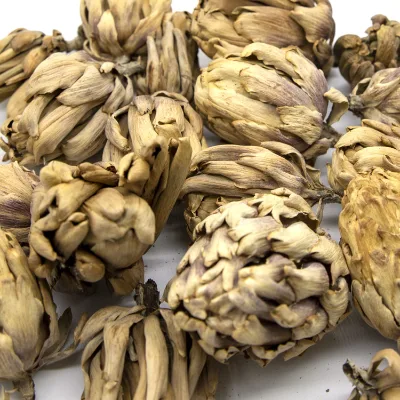
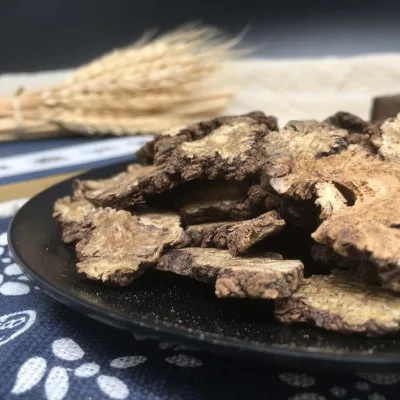
Wholesale Factory Supply Chuanxiong New Stock Natural Dried Ligusticum Wallichii
$7.90 - $11.90
MOQ: 1
![Wholesale [Platycodon Grandiflorum] Supply Sieved Foam-free New Stock Platycodon Grandiflorum Slices/dry/powder Chinese Herbal](https://file.focusaim.com/api/image/preview/21c6824ff05c9b4310ccd13fb6c8b830.png?bi=true&local=true)

Fruit Cube (Shandong Province) Food Technology Co., Ltd
- Verified by CTI
- Manufacturer/Factory
- China Shandong
- Lead time0 days
- Avg. response≤ 12h
Main productsFreeze Dried Strawberry, Freeze Dried Strawberries, Fd Strawberry, Fd Strawberries, Freeze-Dried Strawberry, Freeze Dried Blueberry, Freeze Dried Blueberries, Fd Blueberry, Fd Blueberries, Freeze Dried Apple

- Verified by CTI
- Trading Company
- China Anhui
- Lead time15 days
- Avg. response≤ 7h
Main productsHerbal Medicine, Blue Lotus Flower, Red Ginseng Root, Chinese Herbal
Main marketsSouth America,Africa,Southeast Asia/ Mideast,East Asia(Japan/ South Korea),Europe,Australia,North America

Shanghai Sinospices Sourcing Ltd.
- Manufacturer/Factory
- China Shanghai
- Lead time15 days
- Avg. response≤ 3h
Main productsGarlic Powder, Chilli Powder, Black Garlic, Ginger Powder, Onion Powder, Carrot Granules, Red Bell Pepper, Tomato Powder, Fd Sweet Corn, Fd Green Peas
Main marketsSouth America,Eastern Europe,North America,Southeast Asia,Western Europe

Rizhao Spring Trading Co., Ltd.
- Verified by CTI
- Manufacturer/Factory
- China Shandong
- Lead time15 days
- Avg. response≤ 3h
Main productsWalnut, Pet House, Peanut, Cat Litter, Pet Products, Pet Food, Cat Food, Pet Treats, Dog Food, Pet Toys
Main marketsMid East,North America,Western Europe

Bozhou Lianzhou Import and Export Trading Co., Ltd.
- Verified by SGS
- Trading Company
- China Anhui
- Lead time15 days
- Avg. response≤ 10h
Main productsFlower Tea Ingredients, Dried Flower, Chinese Herbal Medicine, Pet Herbal Medicine, Herb, Foot Bath Herbs, Baking Ingredients, Herbaceous Plants, Dehydrated Fruits
Main marketsDomestic

Chuan Niu Xi Wholesale Chinese Traditional Herb Dried Herbal Medicine Radix Cyathulae
$11.00 - $16.50
MOQ: 1 kg


Bozhou Bencao Yutang Health Industry Development Co., Ltd.
- Manufacturer, Trading Company
- Anhui, China
- Lead time0 days
- Avg. response≤ 2h
Main productssupplement and snack gummies,Powder drinks,Supplement Meal,Supplement drinks,Tablets
Main marketsNorth America(40.00%), Mid East(20.00%), Oceania(20.00%)

Gansu Cheezheng Industrial Group Co., Ltd.
- Verified by SGS
- Trading Company
- China Gansu
- Lead time15 days
- Avg. response≤ 3h
Main productsCordycpes, Dry Herbs, Health Products, Highland Barley, Natural Herbs, Rhodiola Rosea, Epimedium, Immunity Capsule, Herbal Tea
Main marketsEast Asia(Japan/ South Korea)


Zhihuangqi Radix Astragali Preparata Wholesale Chinese Supplier Chinese Traditional Herb
$5.16 - $12.11
MOQ: 1 kg
- Manufacturer, Trading Company
- Guangxi, China
- Lead time0 days
- Avg. response≤ 4h
Main productsstar anise,cinnamon,essential oil,Agarwood chip,Dried Fruit
Main marketsSoutheast Asia(60.00%), Mid East(35.00%), North America(5.00%)
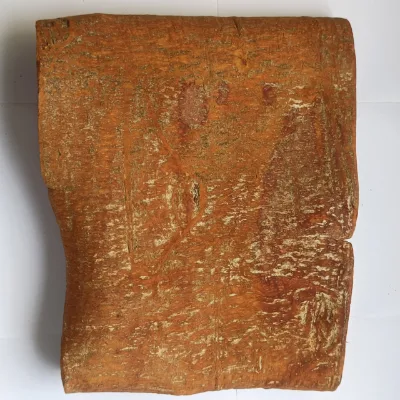
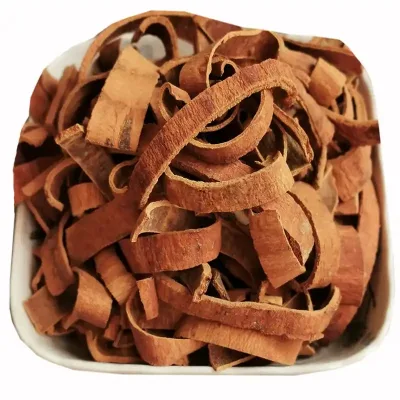
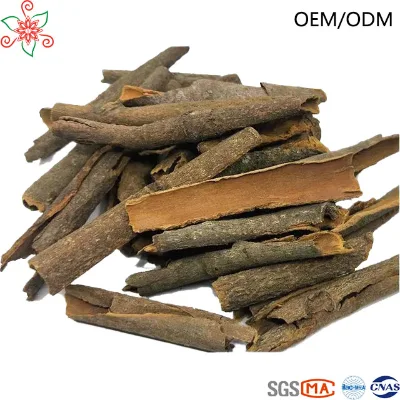
Peeled Cinnamon Bark Cool Dry Place Storage AD Drying Process Single Spices & Herbs
$4.05 - $4.58
MOQ: 100 kilograms
$3.50 - $3.90
MOQ: 10 kilograms

JINAN BRIGHT SUNSHINE IMP.& EXP. CO., LTD.
- Verified by TUVRHEINLAND
- Trading Company
- China Shandong
- Lead time15 days
- Avg. response≤ 18h
Main productsFresh Garlic, Fresh Ginger, Soy Asparagus, Fuzhu, Soy Sauce, Dehydrated Garlic Flake, Dehydrated Garlic Granules, Dehydrated Garlic Powder, Cinnamon, Chilli
Main marketsSouth America,Southeast Asia/ Mideast,Europe,North America




Comprehensive Sourcing Guide
Dried Cynanchum Versicolor Radix Slices Supplier Concentration and Factory Types
Supplier listings for Dried Cynanchum Versicolor Radix Slices, known in Chinese material trade as bai wei, cluster around established Chinese herb trading hubs rather than single-industry factory towns. Some listed sellers report Anhui as their registered location, and several product records cite a Bozhou, China business address, which is a recognized gathering point for medicinal root trading and processing intermediaries. Origins stated on individual product pages can differ from the seller's registered province, with one record listing Fujian as the place of origin; this mismatch is normal for traders who consolidate stock from multiple growing regions. Buyers should therefore treat the seller's registered location as the logistics anchor and the product's stated origin as the botanical sourcing claim to verify separately.
The supplier base in this category is dominated by trading companies rather than manufacturers. Main product lines on these profiles commonly span herb medicine, flower tea, dried mushrooms, Chinese herbs and green tea, confirming a multi-category herb trader model instead of a single-botanical processor. This matters when assessing capability: a trader can offer broader variety access and small-order flexibility, while direct farm or processor relationships may offer better lot traceability. Some records note wild collection, others cultivation, so the supplier type should be matched to your need for documented provenance. When cluster information is not displayed, identify concentration by comparing seller addresses, origin labels and repeat product families across multiple listings before shortlisting.
How to Verify Dried Cynanchum Versicolor Radix Slices Suppliers
Verification starts with reconciling the identity data a supplier displays. Check that the registered company type, province and business address are internally consistent with the product's declared origin; a seller registered in Anhui with a Bozhou address listing Fujian-origin roots is plausible but should be asked directly where the roots were collected and processed. Ask whether their bai wei stock is wild-collected or cultivated, since at least some records in this category flag the distinction, and the answer affects sustainability, identification risk and pricing. Request photographs of the actual batch rather than catalog images, because dried root slices vary in color and cut from lot to lot.
Second, verify operational reliability with concrete questions before any payment. Confirm current response availability, since listed response times in this category run around three hours and a supplier that drifts well beyond that in negotiations is a warning sign. Ask what their published lead time of roughly seven days actually covers: stock on hand, slicing, drying, sorting or packing, because delays usually occur at the sorting stage. Request third-party or in-house identification confirmation that the material is Cynanchum versicolor and not an adulterant root, and ask for moisture, foreign matter and sulfite residual figures if your market requires them. Keep the first order small, use a payment method with escrow protection where available, and treat any refusal to provide batch-level documentation as grounds to walk away.
What to Compare Across Dried Cynanchum Versicolor Radix Slices Suppliers
Build a comparison table using the dimensions suppliers actually display, then probe what they omit. Location and company type come first: an Anhui-based trading company with a Bozhou address will handle logistics differently from a farm-adjacent seller, and multi-category traders whose main products include herbs, flower tea and dried mushrooms should be compared on how central bai wei is to their business. Lead time is a meaningful differentiator; a listed figure of about seven days is fast only if it refers to ready stock, so normalize every quote to stock-ready versus made-to-order before ranking. Response time of roughly three hours is a useful baseline for communication quality, but verify it during actual negotiations rather than trusting the badge.
Then compare commercial attributes disclosed on product records. Published price ranges for comparable radix slice products in this category span roughly ten to fifty-five dollars per kilogram depending on botanical and grade, so insist that quotes specify grade, slice form and moisture content. Minimum order quantities vary widely, from one-kilogram trial lots to larger wholesale commitments, and low displayed MOQs often carry a unit-price premium. Check shelf life claims, which range from one to two years on similar items, and storage requirements of cool, dry conditions. Note establishment year and escrow availability only where displayed, and record their absence as a verification task rather than assuming every supplier provides these attributes.
Common Dried Cynanchum Versicolor Radix Slices Sourcing Risks
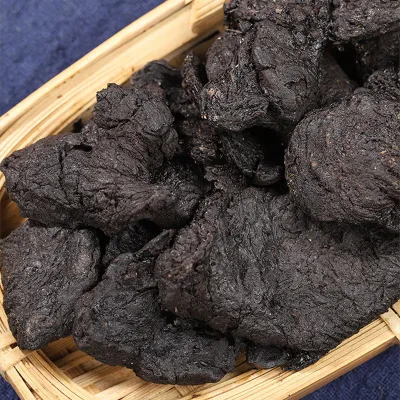
The dominant risk is species substitution and mixed botanicals. Dried brown root slices are difficult to identify visually once cut and dried, and similar swallows wort relatives plus unrelated radix materials can appear in mixed herb lots. Some suppliers' catalogs list adjacent botanicals such as Cynanchum wilfordii or Cynanchum bungei rhizomes, so confirm by Latin name that you are contracting for Cynanchum versicolor specifically. Wild-collected material, which at least one record in this category flags, adds a second risk layer: variable year-to-year availability, inconsistent slice sizing and higher susceptibility to soil debris and foreign matter. Cultivated lots trade off some of that variability for traceability.
Commercial risks follow a predictable pattern. Small trial quantities, sometimes as low as one kilogram, mean you evaluate a hand-picked sample lot rather than the bulk quality you will actually receive at scale; agree in writing that production lots must match the approved sample. Price spreads, with comparable radix slices quoted anywhere from roughly ten to fifty-five dollars per kilogram, tempt buyers toward the floor of the range where grade shortcuts are most likely. Origin ambiguity is also common, since a seller registered in Anhui may list Fujian origins or a Bozhou address, leaving the true collection source unclear. Finally, published lead times of about seven days may not include inspection or packing delays, and shelf life claims of one to two years require storage discipline on your side once goods arrive.
Dried Cynanchum Versicolor Radix Slices Regional Sourcing and Logistics
For this category, the practical logistics picture centers on Chinese inland herb trading hubs feeding coastal export channels. Listed suppliers commonly register in Anhui province and operate from a Bozhou address, a major inland consolidation point for Chinese medicinal roots, while individual product records may cite Fujian as the botanical origin. That means goods often travel from collection or processing sites to a consolidating trader before export, adding handling steps that affect cleanliness and packaging integrity. When planning, ask the supplier which facility actually packs your order and whether export documents will be issued from the registered company or an affiliated entity, since mismatches complicate customs clearance.
Freight planning should account for the product's physical profile. These are lightweight dried slices, typically packed per kilogram with single-package dimensions on similar records around twenty to thirty-five centimeters per side and gross weight near one kilogram, so air freight is viable for samples and trial orders while sea freight suits consolidated volume. Confirm the packaging is moisture-barrier and that the cool, dry storage requirement can be maintained through transit, especially for sea shipments in humid seasons. Build the published lead time of roughly seven days into your schedule, then add buffer for pre-shipment inspection and document preparation. For repeat purchasing, ask whether the trader can reserve cultivated lots from the same origin each season, since wild-collected bai wei availability can shift year to year.
Dried Cynanchum Versicolor Radix Slices Commercial Terms and Order Planning
Order planning for this category works best in two stages. Start with a paid sample or trial lot at the smallest quantity the supplier allows; records in this category show minimums as low as one kilogram, which is enough to run basic identity, moisture and cleanliness checks before committing capital. At the trial stage, lock the specification in writing: botanical name Cynanchum versicolor, slice versus whole form, brown color expectation, wild or cultivated source, moisture limit and packaging style. Reference comparable published price bands, where similar radix slice products list from roughly ten to fifty-five dollars per kilogram, only as a sanity check, because grade and lot specifics should drive your negotiated price, not the listing floor.
Scale-up terms should be structured around the risks specific to dried botanicals. Tie payment release to inspection, using escrow where the platform supports it, and stage larger orders so that each production lot must match the approved reference sample. Convert the displayed lead time of about seven days into a concrete delivery date with a stated tolerance, and confirm whether that period covers stock on hand or processing after order confirmation. Plan reorder cycles against the one-to-two-year shelf life stated on similar records and your own cool, dry storage capacity, avoiding overstock that ages past spec. Finally, confirm what documents the supplier provides, including origin paperwork and any certificates they actually hold, rather than assuming credentials are available on request.
Word count: approximately 1,390 words.
FAQs
What is the price range for dried Cynanchum versicolor slices?
The price range for dried Cynanchum versicolor slices is between 13.00 and 28.00 per unit. This pricing reflects the current market rates for this specific herb variety. Buyers should note that final costs may vary based on order volume and specific supplier terms. Always confirm the exact price with the supplier before placing an order to ensure accuracy.
What is the minimum order quantity for these herbs?
The minimum order quantity for dried Cynanchum versicolor slices is typically one kilogram. Some suppliers may accept orders starting from a single unit, depending on their specific policies. This low MOQ allows buyers to test product quality before committing to larger purchases. It is advisable to check individual supplier listings for any specific quantity restrictions or bulk discounts.
Where are these dried herbs sourced from?
These dried herbs are sourced from various locations in China, including Fujian and Jiangxi provinces. The suppliers are primarily located in Anhui, China, acting as trading companies. The products themselves originate from specific regions known for cultivating these medicinal plants. Buyers should verify the exact place of origin on the product listing to ensure it meets their sourcing requirements.
How long does it take to receive an order?
The lead time for receiving an order of dried Cynanchum versicolor slices is approximately seven days. This timeframe allows for processing and shipping preparation. Response times from suppliers are generally around three days, ensuring timely communication. Buyers should confirm the exact delivery schedule with their chosen supplier, as shipping methods can affect the total transit time.
What is the shelf life of these dried roots?
The shelf life of dried Cynanchum versicolor slices is typically one to two years. Proper storage in a cool and dry place is essential to maintain quality. Some products may have a shelf life of up to two years if stored correctly. Buyers should always check the specific shelf life indicated on the product listing to ensure freshness and efficacy upon receipt.
Are these herbs organic or non-organic?
The dried Cynanchum versicolor slices listed are generally non-organic. This classification is standard for many of the available products in this category. Buyers seeking organic certification should verify this detail directly with the supplier, as it is not universally guaranteed. The product specifications usually indicate whether the herbs are wild-harvested or farm-cultivated, which may also influence organic status.