Carbonated Japanese Cola Suppliers and Manufacturers
Explore 16 verified options for Carbonated Japanese Cola from Henan, China. Compare lead times, MOQs, prices, and product attributes like shelf life and storage. Contact suppliers directly to request samples and confirm specifications; review the available evidence before requesting comparable quotations from suitable candidates.
Suppliers List

Henan Grade Import And Export Co., Ltd.
- Trading Company
- Henan, China
- Lead time10 days
- Avg. response≤ 4h
Main productsDrinks, Potato Chips, Biscuits, Candies, Fruit Ice Cream
Main marketsNorth America(70.00%), Western Europe(20.00%), Southeast Asia(10.00%)
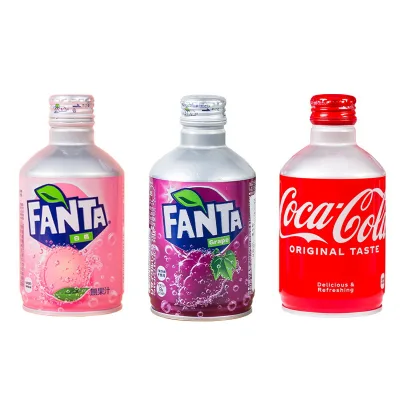
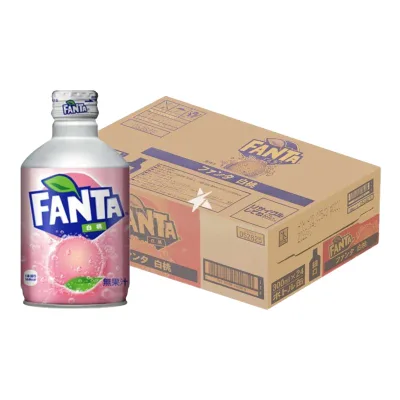
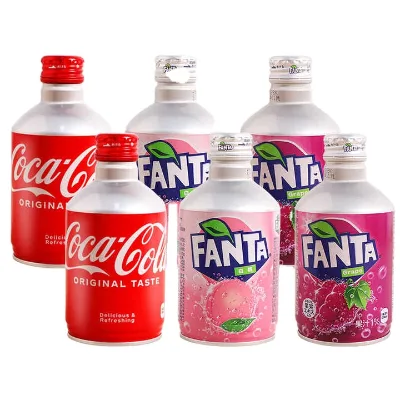
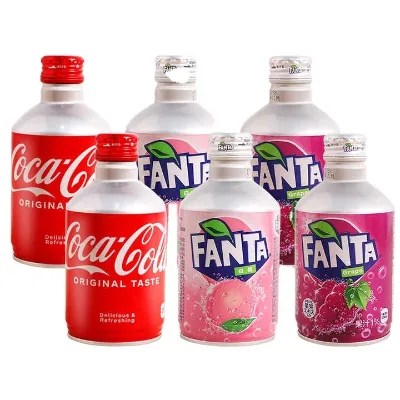
Japanese CoocaCola White Peach Soda Drinks 300ml Soft Drink Carbonated Fruity Grape Soda Water
$1.33 - $1.43
MOQ: 24 pieces
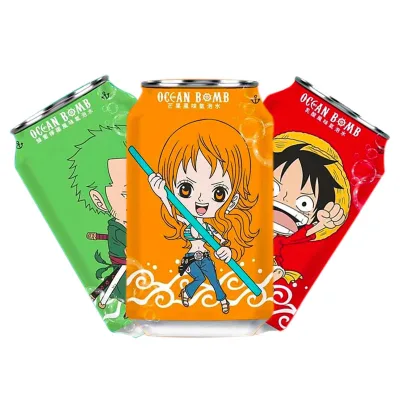
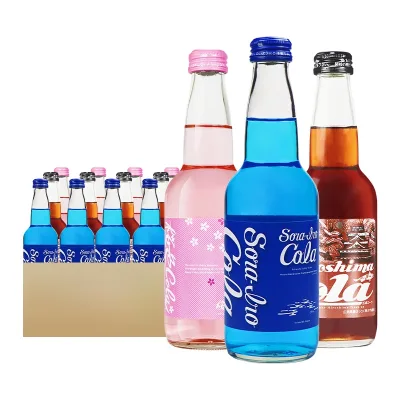
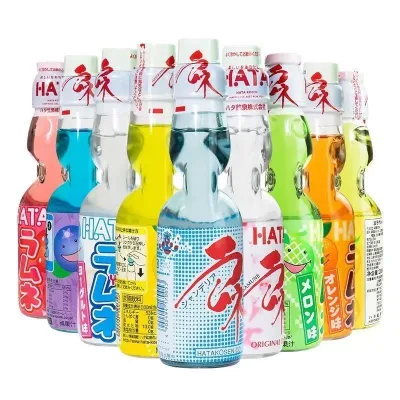
New Limited Edition Cartoon Character Carbonated Beverage Anime Joint Sparkling Water 330ml
$2.89 - $2.95
MOQ: 1 pieces

Hainan Laizhi Industry Co., Ltd
- Verified by BV
- Trading Company
- China Hainan
- Lead time15 days
- Avg. response≤ 3h
Main productsBeverage, Carbonated Drink, Beer, Fruit Juice, Aluminum Can, Tin Can, Coffee, Energy Drink
Main marketsAfrica


490ml Yellow Peach Soft Drinks Fruit Juice Carbonated Beverage Flavored Cola
$5.80 - $7.00
MOQ: 100000 Boxes

Zhengzhou Onion Trading Co., Ltd.
- Verified by TüVRheinland
- Trading Company
- Lead time10 days
- Avg. response≤ 2h
Main productsBiscuits, Candy, Potato Chips, Drinks, Dried Fruit
Main marketsNorth America(42%), Southeast Asia(18%), Mid East(9%)
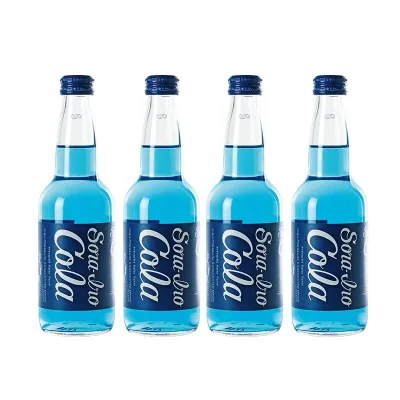
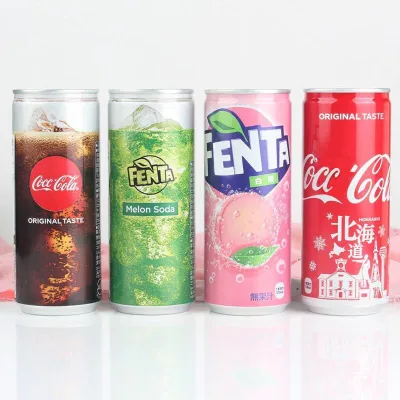
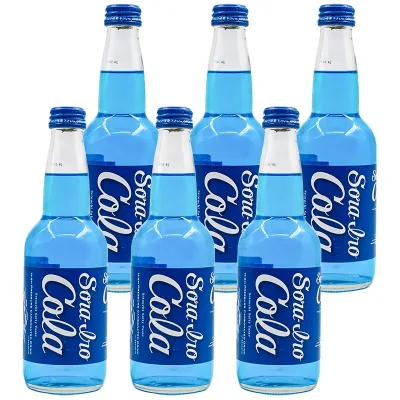
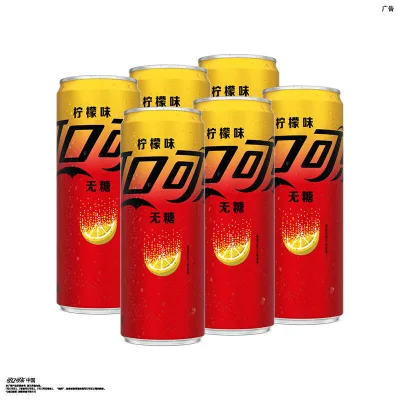
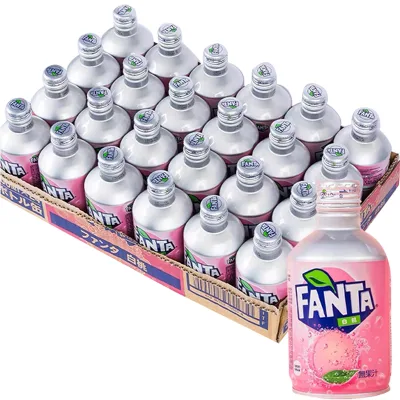
Hot Sale Japanese Carbonated Soft 300ML Insulated Beverage Tub Keeps Exotic Snacks and Drinks Cold
$1.34 - $1.40
MOQ: 24 acres
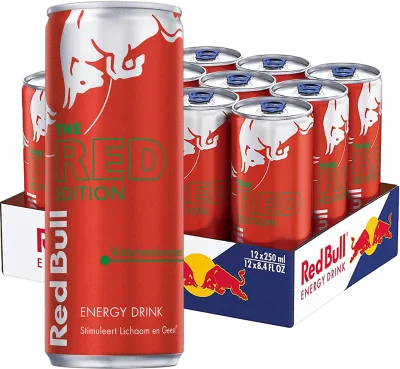

Hangzhou Cheerday Brewery Co., Ltd.
- Verified by BV
- Trading Company,Manufacturer/Factory
- China Zhejiang
- Lead time23 days
- Avg. response≤ 2h
Main productsBeer, Light Beer, Lager, Weizenbier, Ale, Can Beer, Bottle Beer, Strong Beer, Craft Beer, Dark Beer
Main marketsSouth America,Eastern Europe,North America,Southeast Asia,Eastern Asia,Oceania,Western Europe
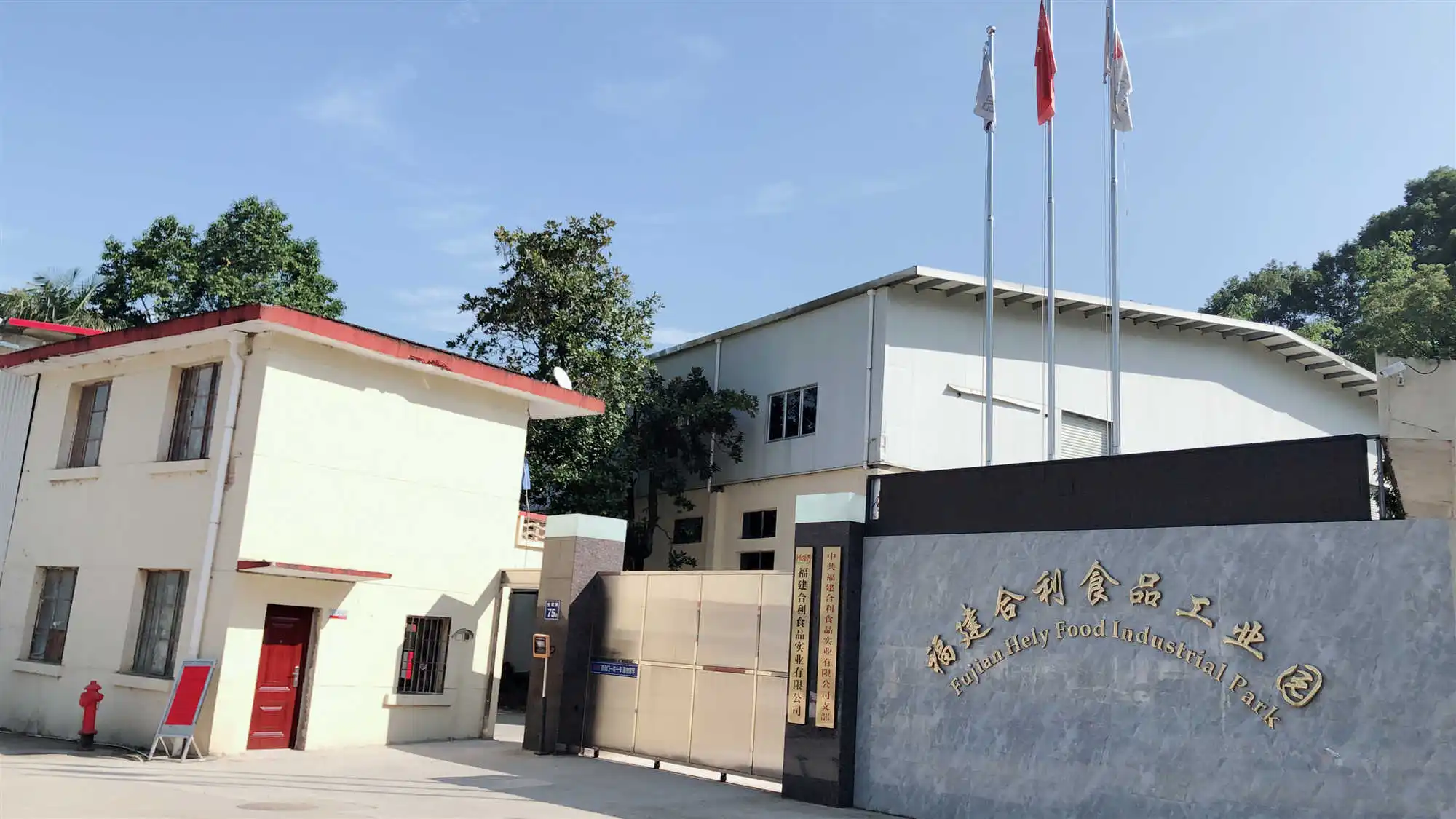
Fujian Jihe Supply Chain Co., Ltd.
- Trading Company
- Fujian, China
- Lead time10 days
- Avg. response≤ 2h
Main productsHealthy Tea,Coffee,Noodles,BISCUIT COOKIES,Snacks
Main marketsSouth America(25.00%), North America(25.00%), Southern Europe(10.00%), Western Europe(10.00%), Eastern Asia(10.00%), Mid East(10.00%), Africa(10.00%)
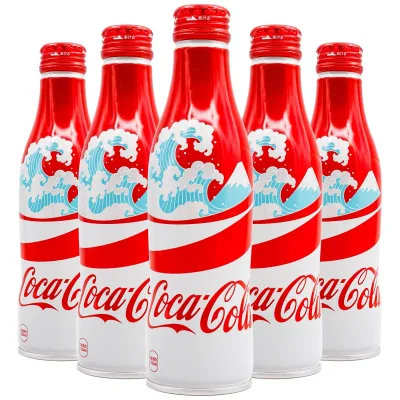
Wholesale 250ml Low-Fat Japan Cola Soda Carbonated Drink in Bottles for Snack Beverages
$1.73 - $1.92
MOQ: 30 pieces
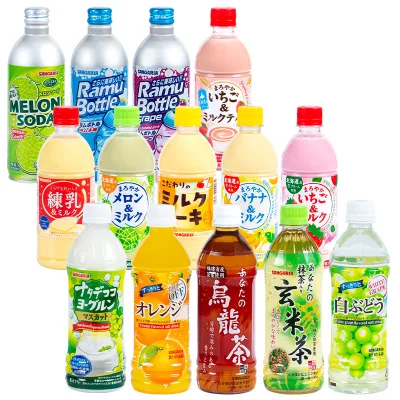
$1.01 - $1.38
MOQ: 48 pieces
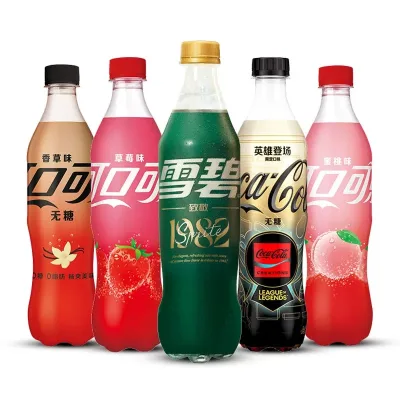
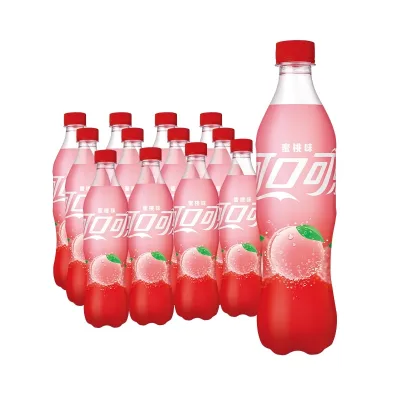
Hot Selling 500ml Exotic Soft Drink Peach-Flavored Cola with Various Fruity Soda Honey Flavors
$0.58 - $0.79
MOQ: 1 pieces

Tianjin Yujie Fengling Trading Co., Ltd.
- Verified by CTI
- Trading Company
- China Tianjin
- Lead time30 days
- Avg. response≤ 4h
Main productsCooking Oil, Vegetable Oil, Vegetables
Main marketsDomestic
Henan Rui Enbo Trading Company Ltd.
- Verified by Intertek
- Trading Company
- Lead time7 days
- Avg. response≤ 10h
Main productsBeverage, Snacks, Candies, Cookies, Chocolate
Main marketsNorth America(84%), Mid East(12%), Eastern Europe(1%)
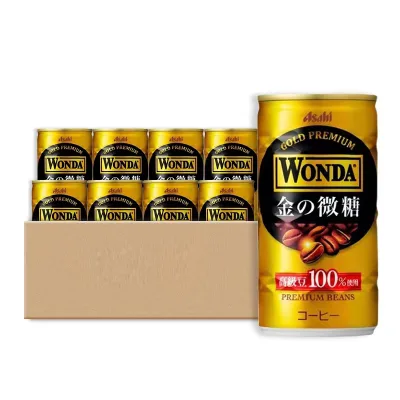
Japanese 185g Mellow Coffee Foods and Drinks Soda Carbonated Drinks Iont Drinks
$1.64 - $1.75
MOQ: 30 pieces
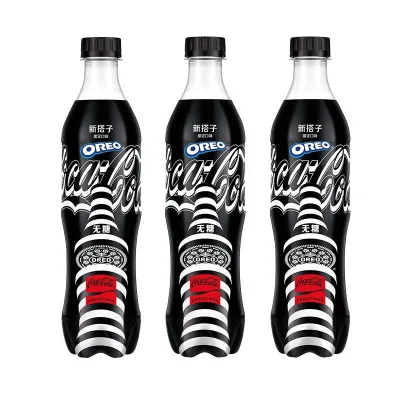
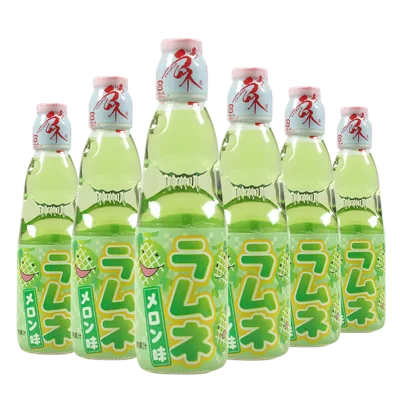
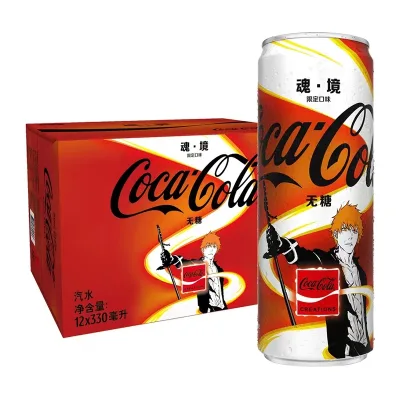
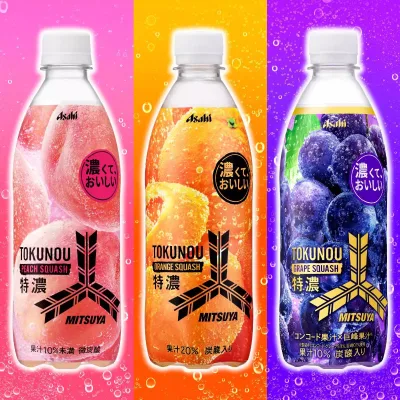
Soul Jing Bleach Jointly Named Kurosaki Ichigo Lechuang Unbounded Sugar Free Carbonated Drinks
$1.07 - $1.13
MOQ: 2 pieces
Qingfeng Feining Trading Co., Ltd.
- Trading Company
- Henan, China
- Lead time20 days
- Avg. response≤ 6h
Main productsbiscuits,potato chips,drinks,chocolates,skittles
Main marketsNorth America(85.00%), Eastern Europe(10.00%), Eastern Asia(5.00%)
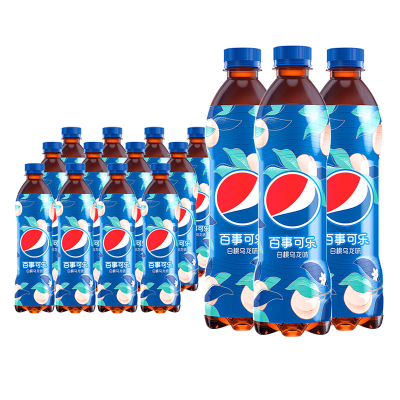
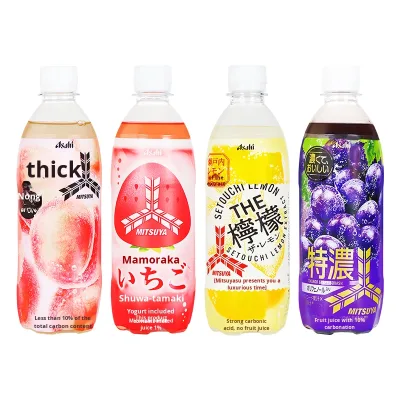
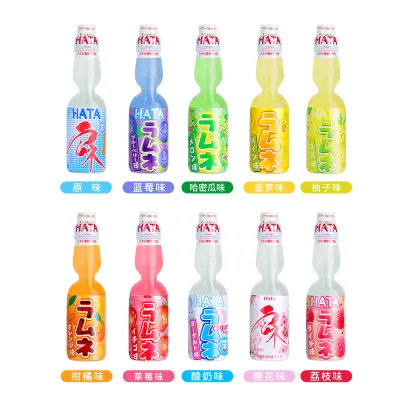
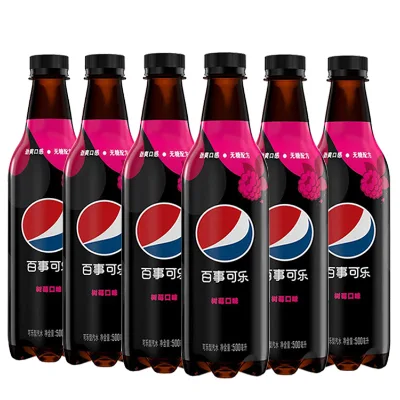
Popular Drinks White Peach Oolong Flavor Fruit Juice Carbonated Drinks 500ml Soft Drinks
$0.80 - $0.87
MOQ: 72 pieces

Hainan Zhenxi Industry Co., Ltd.
- Verified by CTI
- Manufacturer/Factory
- China Hainan
- Lead time15 days
- Avg. response≤ 5h
Main productsEnergy Drink, Beer, Soft Drink, Carbonate Beverages, Coffee, Alcoholic Beverage, Aluminum Cans, Tin Can
Main marketsSouth America,Eastern Europe,Mid East,North America,Southeast Asia,Eastern Asia,Oceania,Western Europe,Africa


Double Carbonated Cola in Pressure-Resistant Cans with Logo Customization
$5.00 - $8.20
MOQ: 1500 Boxes


Wholesale Factory Low Price Soft Beverage Export Supply Carbonated Drink
$5.00 - $8.20
MOQ: 1500 Boxes


Shandong Jinzhou Health Industry Co., Ltd.
- Verified by SGS
- Trading Company,Manufacturer/Factory
- China Shandong
- Lead time23 days
- Avg. response≤ 8h
Main productsAluminum Can, Aluminum Can Lids, Beer, Lager Beer, Soda Drink, Beverage Can, Beer Can, Soft Drink, Energy Drink, Aluminum Round Can
Main marketsSouth America,Eastern Europe,Mid East,North America,Southeast Asia,Eastern Asia,Oceania,Western Europe,Africa

Guangzhou Glory Enterprise Co., Ltd.
- Trading Company,Manufacturer/Factory,Other
- China Guangdong
- Lead time38 days
- Avg. response≤ 25h
Main productsSweetener, Instant Dry Yeast, Baking Powder, Beverage, Alcohol Drink, Monk Fruit Extract, Sugar, Machines of Beverage, Packaging Tins, Toothpaste
Main marketsSouth America,Mid East,North America,Southeast Asia,Oceania,Western Europe,Africa


Carbonated Drink with Fruit Flavor
MOQ: 2000
Henan Ousheng International Trading Pty Ltd
- Trading Company
- Henan, China
- Lead time15 days
- Avg. response≤ 13h
Main productsBeverages,Pre-packed snacks
Main marketsNorth America(50.00%), Western Europe(30.00%), South Asia(20.00%)

Qingdao Sincerity Import and Export Co. Ltd.
- Verified by SGS
- Trading Company
- China Shandong
- Lead time15 days
- Avg. response≤ 3h
Main productsBeer, Beverage, Brewing Equipment, OEM/ODM Services
Main marketsDomestic

Private Label Sparkling Carbonated Soda Drink - OEM Customization Available
$5.75 - $5.85
MOQ: 2000 Boxes

Private Label Carbonated Soda Drink Bottles - Customization and Certification
$5.75 - $5.85
MOQ: 2000 Boxes


Custom Private Label Sparkling Carbonated Soda Drink - OEM Certified Quality
$5.75 - $5.85
MOQ: 2000 Boxes


Private Label Carbonated Soda Beverage - Custom OEM and Certification Available
$5.70 - $5.85
MOQ: 2000 Boxes

Jinjiang Xiexiang Trade Corp., Ltd.
- Verified by CTI
- Trading Company
- China Fujian
- Lead time30 days
- Avg. response≤ 20h
Main productsCandy, Confectionary, Sweet, Chocolate, Snack, Food, Bubble Gum, Lollipop, Milk Candy, Spray Candy
Main marketsAfrica,Southeast Asia/ Mideast,East Asia(Japan/ South Korea)

MOQ: 800 Boxes

MOQ: 1000 Boxes

MOQ: 1000 Boxes

Hangzhou Golden Flavors Co., Ltd
- Verified by SGS
- Combined
- China Zhejiang
- Lead time23 days
- Avg. response≤ 7h
Main productsFood Flavor, Food Preservative, Food Thickerning, Food Sweetener
Main marketsDomestic

- Verified by TUVRHEINLAND
- Trading Company,Manufacturer/Factory,Other
- China Guangdong
- Lead time0 days
- Avg. response≤ 15h
Main productsCandy, Lollipop, Biscuit, Chewing Gum, Olivary Gum, Pectol Mint Candy, Bubble Gum, Toy Candy, Hard Candy, Jelly

MOQ: 500 Boxes

Africa Market Instant Cola Powder Juice for Sale
MOQ: 500 Boxes

Factory Wholesale Fruit Cola Flavors Drink Powder
MOQ: 500 Boxes




Comprehensive Sourcing Guide
Carbonated Japanese Cola Supplier Concentration and Factory Types
The current search results indicate a specific concentration of suppliers located in Henan, China, rather than within Japan itself. This geographical clustering suggests that many trading companies operate from this central Chinese province to source or repackage beverages labeled as Japanese imports. Buyers should note that while product attributes frequently list Japan as the place of origin, the supplier address and shipping place often point to Chinese factories. This discrepancy requires careful verification to distinguish between genuine Japanese manufacturers and domestic trading entities that may be sourcing finished goods or repackaging products for export.
Company types observed in the results are predominantly trading companies rather than direct manufacturers. These entities typically handle a diverse range of food and beverage products, including potato chips, biscuits, and various candies alongside carbonated drinks. The presence of a trading company structure implies that the supplier may not own the production facility but acts as an intermediary. Buyers must investigate whether the supplier has direct contracts with the Japanese factories or if they are sourcing from other distributors. Understanding this distinction is critical for assessing supply chain transparency and the authenticity of the "Japanese" branding on the final product.
How to Verify Carbonated Japanese Cola Suppliers
Verification begins with scrutinizing the place of origin and address fields provided in product attributes. Some listings explicitly state Japan as the origin while listing a Chinese address, creating a potential conflict that requires immediate clarification. Buyers should request official documentation, such as export certificates or factory audit reports, that confirms the actual manufacturing location. If a supplier claims the product is made in Japan, they must provide evidence of the Japanese manufacturer's identity and their authorization to export. Relying solely on product titles or keywords without supporting documentation poses a significant risk of receiving mislabeled goods.
Response time and communication quality serve as additional verification metrics for supplier reliability. The observed data shows a response time of four hours, which indicates a baseline level of operational readiness. However, buyers should test this responsiveness with specific, technical questions regarding production capacity and quality control standards. A supplier that answers quickly but cannot provide detailed answers about their supply chain or certification status may be a generalist trader rather than a specialized partner. Direct inquiries about the specific factory location and the relationship between the trading company and the manufacturer are essential steps to validate the supplier's claims before proceeding with any order.
What to Compare Across Carbonated Japanese Cola Suppliers
When evaluating multiple suppliers, the primary comparison points should include lead times, minimum order quantities, and pricing structures. The available data reveals lead times of ten days and minimum order quantities ranging from twenty-four units to one carton. Buyers must compare these figures across different suppliers to determine which offers the most favorable terms for their specific volume needs. A supplier with a lower MOQ might be suitable for testing the market, while a supplier with a shorter lead time could be preferable for urgent restocking. These operational metrics directly impact inventory management and cash flow, making them critical factors in the selection process.
Price ranges and product specifications also require detailed comparison to ensure value alignment. Current listings show price variations between approximately 1.31 and 1.71 per unit, depending on the specific product variant and packaging. Buyers should analyze whether the price difference correlates with genuine differences in quality, such as sugar content, flavor complexity, or packaging materials. Some products are described as low-fat or sugar-free, while others are standard carbonated drinks. Comparing the unit price against the specific attributes like volume, shelf life, and ingredient lists helps buyers identify the most cost-effective option that meets their quality standards without overpaying for unnecessary features.
Common Carbonated Japanese Cola Sourcing Risks
One significant risk involves the discrepancy between the claimed place of origin and the actual manufacturing address. Several product attributes list Japan as the origin while simultaneously providing a Chinese address or factory location. This inconsistency can lead to customs issues, mislabeling penalties, or consumer confusion regarding the product's authenticity. Buyers must verify the legal compliance of the product labeling in their target market to avoid regulatory violations. Relying on marketing terms like "Japanese Imported" without verifying the physical production site can result in receiving goods that do not meet the expected standards or legal requirements for import.
Another risk is the variability in product specifications and shelf life across different suppliers. While some listings indicate a shelf life of twelve months, others suggest eighteen months, and ingredient lists vary from carbonated water to specific fruit flavors. Inconsistent quality control or storage conditions during transit can compromise the product's integrity, especially for beverages sensitive to temperature and light. Buyers should request samples to test the actual taste, carbonation level, and packaging durability before committing to large orders. Failing to validate the physical product against the written specifications can lead to customer dissatisfaction and potential returns, damaging the buyer's reputation in the market.
Carbonated Japanese Cola Regional Sourcing and Logistics
Logistics planning must account for the specific shipping origins identified in the supplier data, which frequently point to Henan, China. This central location may influence transit times and shipping costs compared to suppliers located in coastal ports. Buyers should calculate the total landed cost, including freight from the inland factory to the port and then to the destination country. The single package sizes and gross weights provided, such as 45x35x20 cm or 50x50x50 cm, are essential for estimating container utilization and freight charges. Understanding the physical dimensions and weight of the packaging helps in optimizing the shipping strategy and minimizing unnecessary logistics expenses.
Storage requirements also play a crucial role in the logistics chain for these carbonated beverages. Product attributes consistently recommend storage in dry, cool places, with some specifying normal temperature storage. This requirement necessitates that the supply chain maintains appropriate temperature control from the factory to the final destination. Buyers should verify that their logistics partners have the capability to handle these storage conditions, particularly during transit in regions with extreme weather. Failure to maintain the recommended storage environment can lead to product degradation, such as loss of carbonation or flavor changes, rendering the goods unsellable upon arrival.
Carbonated Japanese Cola Commercial Terms and Order Planning
Order planning should be guided by the minimum order quantities and lead times observed in the supplier results. With MOQs ranging from twenty-four units to one carton and lead times of ten days, buyers can structure their purchasing cycles to maintain steady inventory levels. It is advisable to start with smaller orders to test the supplier's performance and product quality before scaling up to larger volumes. This approach mitigates the risk of overstocking or receiving substandard goods. Buyers should also consider the production date, which is noted as the latest production date in some listings, to ensure they receive fresh stock with maximum shelf life remaining.
Commercial terms regarding payment and escrow services are vital for securing the transaction. While specific escrow details are not explicitly detailed in the provided facts, buyers should insist on using secure payment methods that protect their funds until the goods are verified. The price ranges observed suggest competitive pricing, but buyers must confirm if these prices include shipping, taxes, or other duties. Clear communication about Incoterms is necessary to define who bears the risk and cost during transit. Establishing these terms upfront prevents disputes and ensures a smooth transaction process, allowing the buyer to focus on selling the product rather than resolving logistical or financial conflicts.
FAQs
Where are the Carbonated Japanese Cola suppliers located?
The suppliers are located in Henan, China, despite some products listing Japan as the place of origin. This indicates a trading company model where goods may be sourced from Japan but distributed from Chinese facilities. Buyers should verify the actual shipping address and manufacturer details for each specific order to ensure compliance with import regulations.
What is the minimum order quantity for these drinks?
The minimum order quantity varies by product, with some listings requiring 24 units while others accept just one carton. Specific items like the mini aluminum cans have a defined MOQ of 24 pieces. Buyers must check the individual product specifications to confirm the exact threshold before placing an order to avoid unexpected costs or rejection.
How long does it take to receive the carbonated beverages?
The standard lead time for these carbonated drinks is 10 days from the date of order confirmation. This duration applies to the production and preparation phase before shipping begins. Buyers should account for additional transit time depending on the destination country and the specific shipping method selected by the trading company.
What is the price range for Japanese imported cola cans?
Prices for these carbonated beverages range from approximately 1.31 to 1.71 per unit depending on the specific flavor and packaging type. The lowest price points are found for standard fruit soda varieties, while limited edition or vitamin-infused options may cost slightly more. Buyers should request a final quote based on their selected quantity and shipping destination.
How quickly do suppliers respond to inquiries about these drinks?
Suppliers typically respond to inquiries within 4 hours of receiving a message. This rapid response time helps buyers clarify product details and negotiate terms efficiently. However, actual response times may vary based on time zone differences and the specific trading company's current workload, so prompt communication is recommended for urgent orders.
Are these carbonated drinks sugar-free or low-fat options?
Yes, many of the listed carbonated beverages are marketed as low-fat or sugar-free options. Specific products include features like zero sugar content and low-calorie formulations suitable for health-conscious consumers. Buyers should verify the ingredient list and nutritional facts on the product packaging to confirm the exact composition before purchasing.
What storage conditions are required for these carbonated soft drinks?
These carbonated soft drinks require storage in a dry, cool place to maintain quality and shelf life. Some products specify normal temperature storage, while others recommend keeping them away from direct sunlight. Proper storage ensures the beverages remain fresh for up to 12 months, preserving the intended flavor and carbonation levels.