Wild Dried Plumyew Twig and Leaf Suppliers And Manufacturers
Source Wild Dried Plumyew Twig and Leaf from 10 verified suppliers. Compare key dimensions including location, lead time, MOQ, and pricing to find the right partner. Review product specifications and contact suppliers directly to initiate your procurement process; review the available evidence before requesting comparable quotations from suitable candidates.
Suppliers List

Bozhou Swanf Commercial And Trade Co., Ltd.
- Trading Company
- Anhui, China
- Lead time7 days
- Avg. response≤ 3h
Main productsherb medicine,flower tea,dried Mushrooms,chinese herbs,Green tea
Main marketsNorth America(24.00%), Western Europe(19.00%), Oceania(14.00%), Eastern Asia(13.00%), Northern Europe(9.00%), South Asia(9.00%), Southeast Asia(5.00%), Eastern Europe(2.00%), Africa(2.00%), Central America(1.00%), Mid East(1.00%), Southern Europe(1.00%)
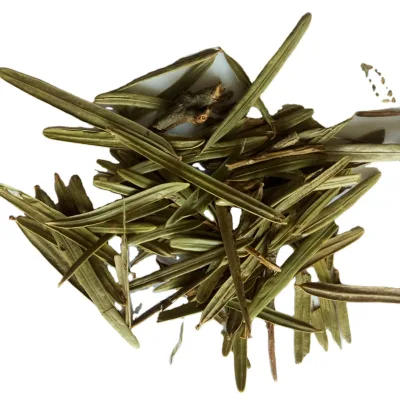
San Jian Shan Raw Dried Wholesale Green Natural Fortune Plumyew Twig and Leaf for Sale
$22.00 - $45.00
MOQ: 1 kilograms
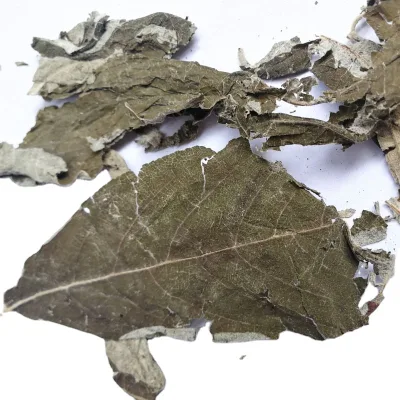
$22.00 - $35.00
MOQ: 1 kilograms
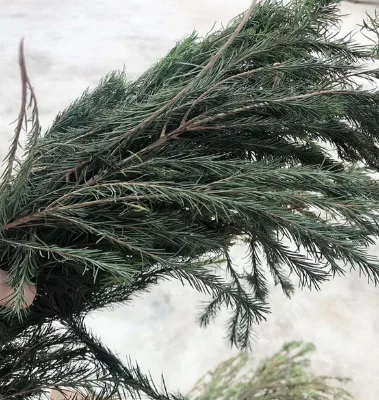
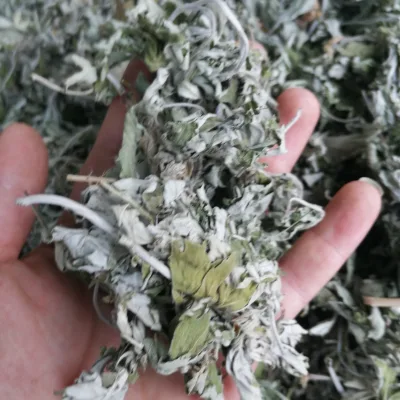
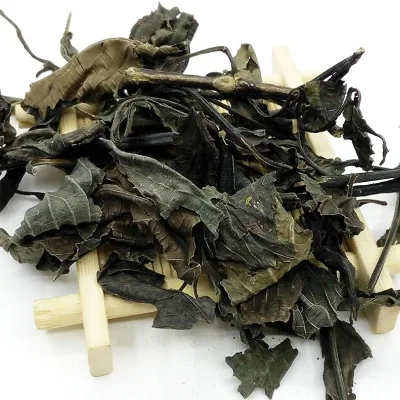
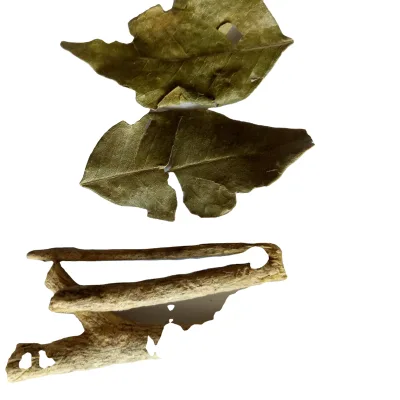
$22.35 - $35.55
MOQ: 1 kilograms

Anhui Highkey Import&Export Co., Ltd.
- Verified by TUVRHEINLAND
- Trading Company
- China Anhui
- Lead time15 days
- Avg. response≤ 5h
Main productsHerbal Medicine, Herbal Tea, Herbal Seed, Empty Tea Bag, Rhodiola Rosea, Panax Ginseng, Loofah Sponge, Healthcare Product, Planting Seed, Traditional Chinese Herbs
Main marketsSouth America,Africa,Southeast Asia/ Mideast,East Asia(Japan/ South Korea),Europe,Australia,North America

Shandong Guanghua Agricultural Product Co., Ltd.
- Combined
- China Shandong
- Lead time15 days
- Avg. response≤ 22h
Main productsPeanut, Peanut Butter, Pumpkin Seeds, Sunflower Seeds, Dried Fruits, Beans, Spices, Foods, Peanuts, Peanut in Shell
Main marketsSouth America,Africa,Southeast Asia/ Mideast,East Asia(Japan/ South Korea),Domestic,Europe,Australia,North America

- Verified by BV
- Manufacturer/Factory
- China Shandong
- Lead time23 days
- Avg. response≤ 25h
Main productsDried Fruit, Vf Vegetables&Fruits, Pumpkin Seeds, Pumpkin Seed Kernels, Walnuts, Pine Nuts, Sunflower Seeds, Sunflower Seed Kernels, Watermelon Seeds, Watermelon Seed Kernels
Main marketsSouth America,Eastern Europe,Mid East,North America,Southeast Asia,Eastern Asia,Oceania,Western Europe,Africa


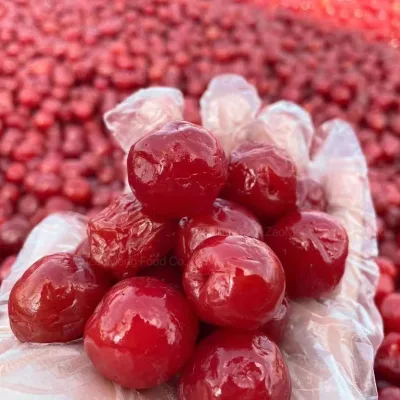
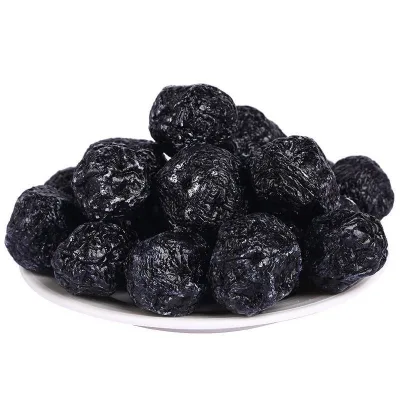
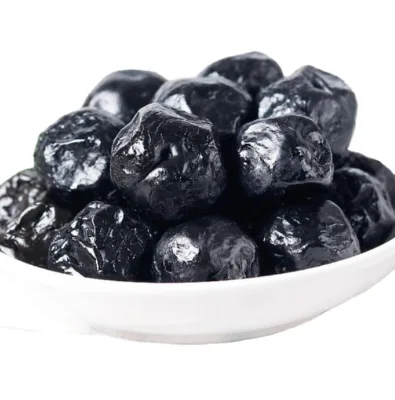
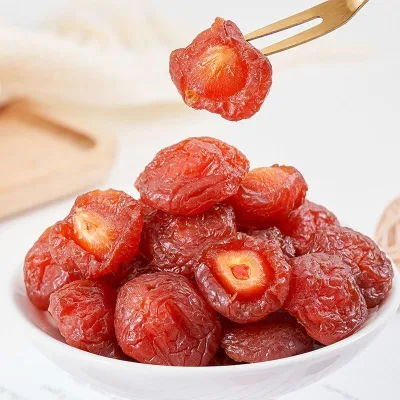
Hot Selling Sweet Tasete Dried Plum Chinese Preserved Fruit Dried Black Plum
$2400.00 - $2700.00
MOQ: 1 Tons


Jiangsu e.Funs Import & Export Co., Ltd.
- Verified by SGS
- Trading Company
- China Jiangsu
- Lead time23 days
- Avg. response≤ 7h
Main productsFruit, Vegetable, FUJI Apple, Dolo Apple, Red Star Apple, Huaniu Apple, Gala Apple, Qinguan Apple, Red Global Grape, Shandong Crown Pear
Main marketsAfrica,Southeast Asia/ Mideast
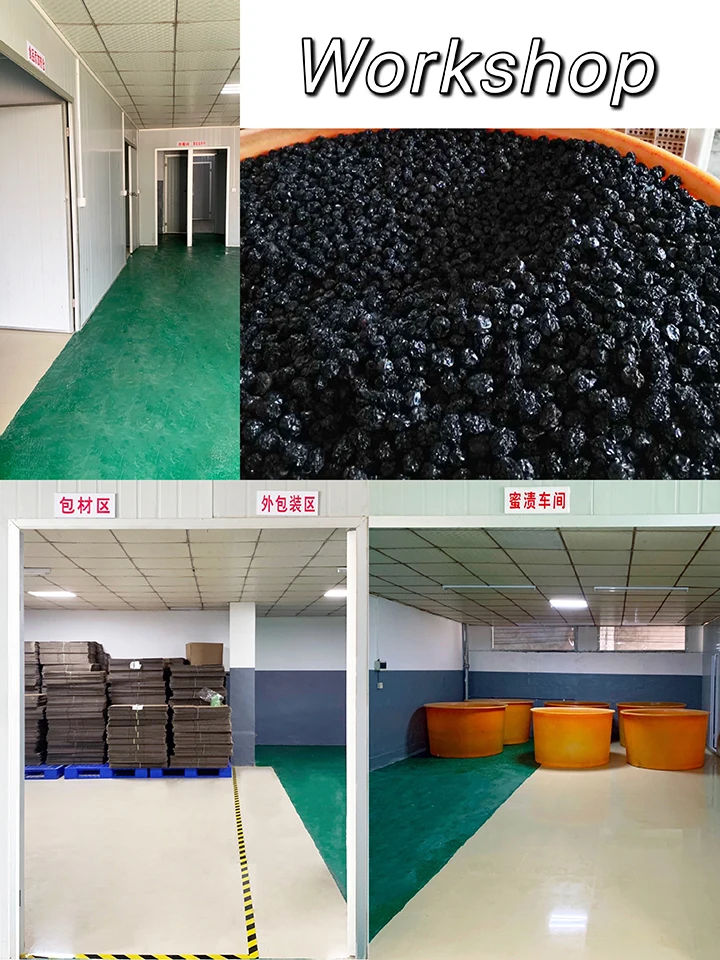
Shantou Zaomeng Food Co., Ltd.
- Trading Company
- Guangdong, China
- Lead time0 days
- Avg. response≤ 3h
Main productsDried Fruit,Dried Plum,Dried Vegetable,Dried Peach,Candy Toy
Main marketsSoutheast Asia(30.00%), Eastern Europe(20.00%), Africa(15.00%), Domestic Market(10.00%), North America(10.00%), Eastern Asia(5.00%), Southern Europe(5.00%), Northern Europe(5.00%)

Xiamen Friendship Bridge Co., Ltd.
- Verified by TUVRHEINLAND
- Combined
- China Fujian
- Lead time15 days
- Avg. response≤ 4h
Main productsNatural Plants Bonsai Seeds Seedlings, Indoor Plants Outdoor Plants, Bonsai, Calathea, Cactus, Aglaonema, Ficus, Succulent
Main marketsSoutheast Asia/ Mideast,North America

Inner Mongolia Xuanda Food Co., Ltd.
- Verified by SGS
- Combined
- China InnerMongolia
- Lead time15 days
- Avg. response≤ 13h
Main productsRoasted Sunflower Seeds, Pumpkin Kernels, Sunflower Seeds, Sunflower Kernels, Pumpkin Seeds, Watermelon Seeds, Watermelon Kernel
Main marketsOthers(foreignTradeCapacity.exportBusinessCapacityMarketOther),Southeast Asia/ Mideast,East Asia(Japan/ South Korea),Europe

Shanxi Fret International Trade Co., Ltd
- Verified by BV
- Combined
- China Shanxi
- Lead time15 days
- Avg. response≤ 3h
Main productsDried Apples, Dried Pears, Dried Peaches, Preserved Pear and Peach Halves, Sweet Corns, Hawthorn Snacks, Food Ingredients, Dried Shiitake Mushrooms
Main marketsNorth America

Shanxi Yancheng Trading Co., Ltd
- Verified by BV
- Trading Company
- China Shanxi
- Lead time15 days
- Avg. response≤ 6h
Main productsapples
Main marketsDomestic




Comprehensive Sourcing Guide
Wild Dried Plumyew Twig and Leaf Supplier Concentration and Factory Types
Current data indicates that suppliers offering Wild Dried Plumyew Twig and Leaf are concentrated in Anhui, China, with specific product listings noting origins in Fujian and Beijing while maintaining business addresses in Bozhou. This geographic spread suggests a sourcing network where trading companies operate from central hubs like Bozhou to aggregate goods from various cultivation or collection zones. The primary company type observed for these listings is the Trading Company, which implies that the entities managing the supply chain may not be the direct growers or processors but rather intermediaries coordinating the flow of herbs from the field to the international market.
Buyers should recognize that the presence of a Trading Company structure often means the supplier manages logistics and quality control rather than owning the raw material source directly. When evaluating potential partners, it is essential to verify whether the listed location represents the actual processing facility or merely the corporate registration address. The observed product attributes, such as "Wild" cultivation status and "Raw" processing types, require suppliers to have established relationships with local collectors or farms in regions like Fujian or Bozhou. Understanding this distinction helps buyers assess the depth of the supplier's supply chain control and their ability to guarantee consistent wild harvest availability.
How to Verify Wild Dried Plumyew Twig and Leaf Suppliers
Verification begins with scrutinizing the specific product attributes provided in the supplier catalog, such as the "Place of Origin" and "Address" fields which may list Fujian, China, or Bozhou China for the same item. Buyers must cross-reference these locations against the supplier's registered business address to ensure consistency, as discrepancies can indicate a lack of direct control over the sourcing process. The "Wild" cultivation status listed in product attributes requires confirmation that the supplier has legitimate access to wild harvest zones, as opposed to cultivated farms, which is a critical distinction for this specific herb type.
Response time is another critical verification metric, with observed data showing a standard response time of 3 days for some suppliers. A delay beyond this window may signal operational inefficiencies or a lack of dedicated staff for international inquiries. Buyers should also check for the presence of specific product details like "Model Number" and "Variety" to ensure the supplier can accurately identify the exact botanical specimen required. If a supplier cannot provide clear documentation linking the "Address" to the "Place of Origin" or fails to respond within the expected timeframe, it suggests a higher risk of miscommunication or unreliable service during the procurement process.
What to Compare Across Wild Dried Plumyew Twig and Leaf Suppliers
When comparing suppliers, the lead time is a primary differentiator, with current records indicating a standard lead time of 7 days for order fulfillment. This metric is crucial for planning inventory levels, especially for perishable or seasonal wild herbs where supply fluctuations are common. Buyers should also evaluate the Minimum Order Quantity (MOQ), which is observed to be as low as 1 unit for some listings, allowing for smaller trial orders. However, the price range varies significantly, with minimum prices starting around 22.00 and maximums reaching 45.00, necessitating a cost-benefit analysis based on the specific quality and volume requirements of the buyer.
Beyond pricing and logistics, the main products offered by each supplier provide insight into their specialization and reliability. A supplier listing "herb medicine" and "dried Mushrooms" alongside plumyew may indicate a broader trading scope, whereas a specialist might focus exclusively on single herbs. The "Organic/non-organic" status is another vital comparison point, as some listings specify "non Organic" while others claim "Organic" status, directly impacting the marketability of the final product. Buyers must align these attributes with their own quality standards, ensuring that the supplier's capabilities match the specific regulatory or consumer expectations for the intended market.
Common Wild Dried Plumyew Twig and Leaf Sourcing Risks
One significant risk involves the discrepancy between the stated "Place of Origin" and the actual "Address" of the supplier, which can lead to confusion regarding the true source of the wild material. If a product lists Fujian as the origin but the supplier address is in Bozhou, buyers must verify if the goods are being shipped from the collection site or if they are being consolidated from a different location. This ambiguity can complicate customs clearance and traceability, particularly when importing wild herbs that require strict adherence to botanical and geographical regulations.
Another risk is the variability in product specifications, such as the "Sliced/whole" status and "Shape" attributes, which can differ between batches or suppliers. Some listings describe the product as "Piece" or "Slices," while others specify "Cuts," creating potential confusion about the physical form of the delivered goods. Additionally, the "Shelf Life" varies, with some products listed at 1 year and others at 2 years, which affects storage planning and inventory turnover. Buyers must carefully review these attributes to ensure the product matches their operational needs and to avoid receiving goods that do not meet their quality or packaging expectations.
Wild Dried Plumyew Twig and Leaf Regional Sourcing and Logistics
Logistics planning must account for the specific regional origins noted in the product data, such as Fujian, China, and Beijing, China, which may involve different shipping routes and customs procedures. The "Address" field often points to Bozhou, China, suggesting that while the goods may originate from various provinces, they are consolidated and shipped from a central trading hub. This consolidation can streamline logistics but requires buyers to verify the actual shipping point to ensure accurate freight calculations and delivery timelines. The "Single package size" and "Single gross weight" provided in the product attributes are essential for calculating shipping costs and determining the most efficient transport method.
Buyers should also consider the "Storage Type" requirements, such as "Cool and dry" or "Cool, dry, sealed," which influence how the product must be handled during transit. Improper storage during shipping can degrade the quality of wild dried herbs, leading to spoilage or loss of potency. The "Weight (kg)" and "Single gross weight" data help in planning the volume of cargo, ensuring that the selected logistics provider can accommodate the specific dimensions and weight of the shipment. Understanding these regional and logistical nuances is vital for maintaining the integrity of the Wild Dried Plumyew Twig and Leaf throughout the supply chain.
Wild Dried Plumyew Twig and Leaf Commercial Terms and Order Planning
Commercial terms for this category often include specific pricing structures, with observed ranges starting at 22.00 and extending up to 45.00, depending on the quantity and quality specifications. The "Selling Units" are typically listed as "Single item," which allows for flexible ordering but requires careful calculation of total costs for larger volumes. Buyers must also consider the "Model Number" and "Variety" details to ensure that the commercial agreement covers the exact botanical specification required, as variations in these details can lead to disputes over product quality or identity.
Order planning should incorporate the "Lead time" of 7 days and the "Response time" of 3 days to establish realistic timelines for procurement and delivery. The "Shelf Life" of 1 to 2 years provides a window for inventory management, but buyers must factor in the time required for shipping and customs clearance to ensure the product remains viable upon arrival. Additionally, the "Processing Type" being "Raw" implies that no further processing is included in the standard order, which may require the buyer to arrange for additional handling or packaging. Clear communication of these terms is essential to avoid misunderstandings and ensure a smooth transaction process.
FAQs
Where are the suppliers of wild dried plumyew located?
Suppliers offering wild dried plumyew are located in Anhui and Fujian, China. Some listings also reference Bozhou as a specific address for sourcing. Buyers should verify the exact origin on product pages to ensure the location matches their logistics needs.
What is the minimum order quantity for these herbs?
The minimum order quantity for wild dried plumyew is one unit. This low threshold allows buyers to test product quality without committing to large volumes. It is suitable for small businesses or those sampling new herbal ingredients for their specific applications.
How long does it take to receive the order?
The standard lead time for these products is seven days. This duration covers processing and preparation before shipment. Buyers should confirm specific shipping times with the supplier, as actual delivery depends on the chosen logistics method and destination country.
Are the plumyew products organic or non-organic?
Available listings indicate that wild dried plumyew is non-organic. Some other herbal products in the same category may be organic, but the specific plumyew items listed are not certified organic. Buyers requiring organic certification must verify this status directly with the supplier.
What is the price range for wild dried plumyew?
The price for wild dried plumyew ranges from 22 to 45 units of currency per unit. This variation depends on the specific product grade and quantity ordered. Buyers should check the current listing for the exact price applicable to their order size and specifications.
How quickly do suppliers respond to inquiries?
Suppliers typically respond within three days to buyer inquiries. This response time helps facilitate quick communication regarding product details and order placement. Buyers should expect a reply within this window but should also check individual supplier profiles for any variations in availability.
What is the shelf life of the dried plumyew?
The shelf life for the dried plumyew products is one year. Proper storage in a cool and dry place is required to maintain this duration. Buyers should ensure their storage facilities meet these conditions to prevent spoilage before the product reaches its intended use.