Boltless Steel Metal Shelving Suppliers and Manufacturers
Compare 29 verified Boltless Steel Metal Shelving suppliers by location, response time, certifications, and product specifications like height and material. Review detailed attributes such as mobility and customization options before contacting vendors for accurate quotes; review the available evidence before requesting comparable quotations from suitable candidates.
Updated
Suppliers List

Shanghai Calin Logistic Equipment Co., Ltd.
- Verified by TUVRHEINLAND
- Trading Company
- China Shanghai
- Lead time15 days
- Avg. response≤ 22h
Main productsSelective Pallet Rack, Mobile Pallet Racking, Pallet Shuttle System, as/RS Automated Warehouse Rack, Long Span Shelving, Steel Grating, Wire Mesh Deck, Gravity Flow Rack, Push Back Racking, Rack Mezzanine System
Main marketsSouth America,Others(foreignTradeCapacity.exportBusinessCapacityMarketOther),Southeast Asia/ Mideast,North America

Jiangsu Welfor Storage Equipment Co., Ltd.
- Verified by BV
- Trading Company,Manufacturer/Factory
- China Jiangsu
- Lead time15 days
- Avg. response≤ 2h
Main productsStorage Rack, Shuttle Rack, Mezzanine Rack, Wire Mesh Container, Plastic Bin, Cantilever Rack, Warehouse Storage Equipment, Logistics Equipment
Main marketsSouth America,Eastern Europe,Mid East,North America,Southeast Asia,Eastern Asia,Oceania,Western Europe,Africa

Adidea (Xiamen) Industry And Trade Co., Ltd.
- Trading Company
- China Fujian
- Lead time30 days
- Avg. response≤ 13h
Main productsMetal Display Shelf, Display Stand, Metal Display Rack, MDF Display Showcase, Solid Wood Display Stand, Acrylic Display Stand, Supermarket Display Shelves, Wine Beverage Food Display Rack, Garment Bag Shoe Jewelry Display Stand, Tile Stone Granite Quartz Mosaic Display Stand
Main marketsSoutheast Asia/ Mideast,Europe,North America

Boltless Long Span Grocery Department Store Steel Office Shelving Metal Shelving
$10.00 - $20.00
MOQ: 100 Pieces

Boltless Shelving Slotted Angle Rack Shelving Metal Steel Boltless Shelving Manufacturer
$70.00 - $75.00
MOQ: 200 Pieces

Assembled Metal Boltless Home Storage Shelf Factory Shelves Heavy Duty Shelving Rack 5 Shelves
$70.00 - $75.00
MOQ: 200 Pieces


Screwless Shelving Metal Warehouse Industrial Storage Rack Tool Rack Supermarket Iron Shelving
$10.00 - $20.00
MOQ: 100 Pieces
Qingdao Flying Jerry Metal Products Co., Ltd.
- Trading Company
- Shandong, China
- Lead time20 days
- Avg. response≤ 3h
Main productsRACK SHELVING,PLATFORM HAND TRUCK,Firewood Rack,Welding Carts,Drum Cart
Main marketsEastern Asia(30.00%), Western Europe(20.00%), North America(10.00%), Domestic Market(10.00%), Eastern Europe(10.00%), South America(5.00%), Southern Europe(5.00%), Oceania(3.00%), South Asia(3.00%), Southeast Asia(2.00%), Central America(2.00%)

Qingdao Upban Warehousing Logistics Equipment Co., Ltd
- Verified by SGS
- Combined
- China Shandong
- Lead time15 days
- Avg. response≤ 1h
Main marketsSoutheast Asia/ Mideast,Europe,North America

Nanjing Suhong Intelligent Warehouse Equipment Co., Ltd
- Verified by BV
- Combined
- China Jiangsu
- Lead time23 days
- Avg. response≤ 2h
Main productsCustomized Racking, Heavy-Duty Pallet Racking, Drive-in Racking, Cantilever Racking, Mezzanine System, Intelligent Storage System, Drawer-Type Mold Racking, Gravity Flow Racking, Two-Way/Four-Way Radio Shuttle, Storage Shelving
Main marketsDomestic

Adjustable Warehouse Storage Medium Duty Metal Steel Shelving Boltless Shelves Rack
$25.00 - $35.00
MOQ: 20 Pieces

Warehouse Storage Equipment Metal Boltless Shelves Display Wire Steel Shelving Rack
$45.58 - $50.88
MOQ: 20 Pieces

Warehouse Pallet Storage Metal Steel Shelving Rack Shelves Shelf Shelving
$10.00 - $15.00
MOQ: 1 Pieces

OEM ODM Metal Boltless Warehouse Shelf Storage Tote Supermarket Shelves Steel Shelving
$1.88 - $2.18
MOQ: 5 Pieces

Warehouse Storage Selective Longspan Multi-Layer Rack Metal Steel Shelving
$15.00 - $18.00
MOQ: 1 Pieces

Industrial Warehouse Storage Metal Shelf Steel Angle Iron Boltless Shelves with Factory Price
$5.00 - $8.00
MOQ: 1 Pieces

- Verified by SGS
- Trading Company,Manufacturer/Factory
- China Shandong
- Lead time15 days
- Avg. response≤ 13h
Main productsSteel Rack, Metal Shelving, Heavy Duty Rack, Heavy Duty Shelf, Storage Rack, Warehouse Rack, Garage Rack, Garage Shelving, Fiberglass Ladder, Hand Truck
Main marketsSouth America,Eastern Europe,Mid East,North America,Southeast Asia,Eastern Asia,Oceania,Western Europe,Africa


Boltless Galvanized Metal Shelving Rack Steel Storage Stacking Racks & Shelves
$8.50 - $15.50
MOQ: 50 Pieces

Metal Storage Shelving Manufacturers Direct Sale Metal Storage Shelves for Kitchen
$8.50 - $15.50
MOQ: 50 Pieces


- Verified by BV
- Manufacturer/Factory
- China Zhejiang
- Lead time30 days
- Avg. response≤ 3h
Main productsBrush Cutter, Tiller, Garden Equipment, Chain Saw, Bike Rack, Motorcycle Lift, Furniture, Hooks, Garage Rack, Storage Bin
Main marketsSouth America,Eastern Europe,Mid East,North America,Southeast Asia,Eastern Asia,Oceania,Western Europe,Africa

Jiangsu Qifei Intelligent Storage Equipment Co., Ltd.
- Verified by SGS
- Combined
- China Anhui
- Lead time30 days
- Avg. response≤ 3h
Main productsRack, Sheft, Container, Platform, Cage, Racking, Storaging, Warehousing, Pallet, Mezzanine
Main marketsDomestic
Qingdao Cengfeng Metal Products Co., Ltd.
- Manufacturer, Trading Company
- Shandong, China
- Lead time10 days
- Avg. response≤ 15h
Main productswheel barrow,garden tool cart,hose reel cart,rubber wheel,hose reel hanger
Main marketsEastern Europe(25.00%), North America(20.00%), South Asia(10.00%), South America(2.00%)

Jiangxi Yuanjin Science & Technology Group Co., Ltd.
- Verified by TUVRHEINLAND
- Combined
- China Jiangxi
- Lead time15 days
- Avg. response≤ 1h
Main productsMobile Rack, Mobile Shelving, Bookshelf, Explosive Storage
Main marketsAfrica,Europe

Jiangsu JISE Intelligent Storage Equipment Co., Ltd.
- Verified by CTI
- Combined
- China Jiangsu
- Lead time23 days
- Avg. response≤ 2h
Main productsSelective Pallet Rack, Drive in Rack, Two Way Shuttle Rack, Agv Shelf, Longspan Shelf, Mezzanine, Robotics Shelf, Four Way Shuttle, Rivet Shelves, Gravity Rack
Main marketsSoutheast Asia/ Mideast,Domestic,Europe,North America

Metal Boltless Shelving Racking Systems Industrial Warehouse Storage Rack Shelf.
$0.90 - $1.20
MOQ: 500 kg


Warehouse Storage Shelf Medium Duty Boltless Shelving Steel Long Span Shelves
$0.90 - $1.40
MOQ: 500 kg


Dongguan Simply Metal Products Co., Ltd.
- Trading Company
- China Guangdong
- Lead time23 days
- Avg. response≤ 9h
Main productsWire Shelving, Wire Shelving Units, Shelving, Shelf, Wire Wall Shelf, Wire Rack Shelving, Wire Storage Racks, Wire Racks, Metal Wire Shelving, Wire Storage Shelves
Main marketsSouth America,Africa,Southeast Asia/ Mideast,Europe,Australia,North America
Qingdao Best Metal Products Co., Ltd.
- Verified by SGS Group
- Manufacturer, Trading Company
- Lead time30 days
- Avg. response≤ 2h
Main productsBoltless Shelving, Pallet Racking, Ceiling Garage Storage Rack, Supermarket Gondola Shelf, Utility Wagon
Main marketsWestern Europe(41%), Western Europe(15%), North America(9%)
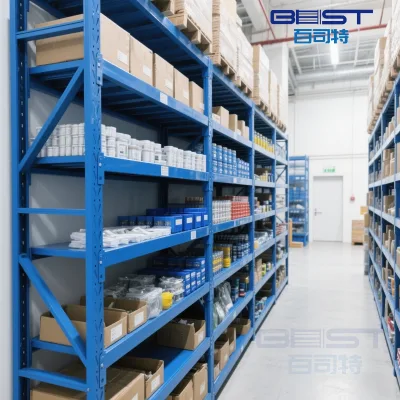
$23.449 - $138.8468
MOQ: 100 Minimum
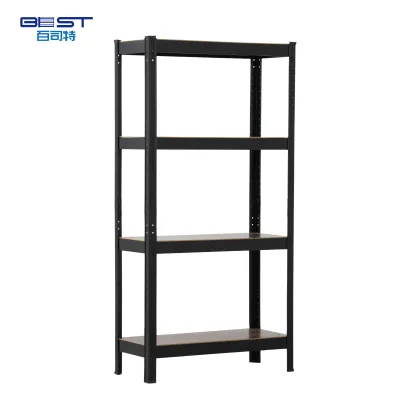
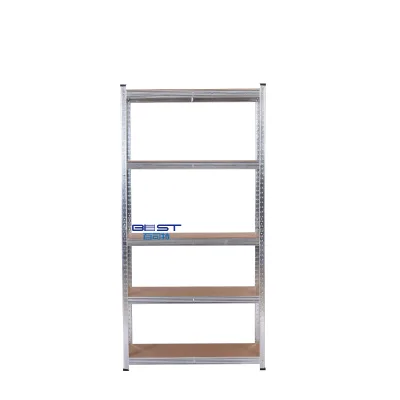
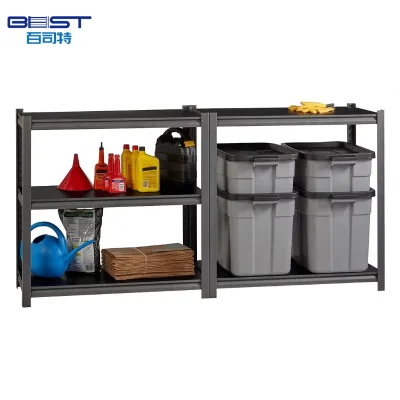
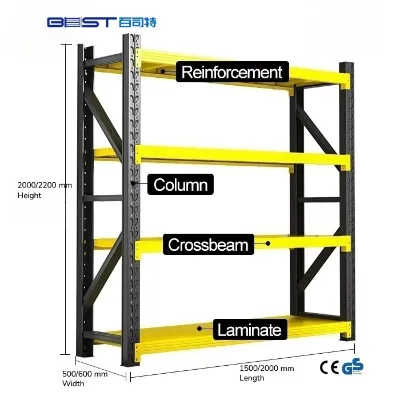
Xiamen Huayulai Industrial Co., Ltd.
- Manufacturer, Trading Company, Buying Office, Agent, Distributor/Wholesaler, Government ministry/Bureau/Commission, Association, Business Service (Transportation, finance, travel, Ads, etc), Other
- Fujian, China
- Lead time30 days
- Avg. response≤ 4h
Main productsTile display rack,Stone display rack,Supermarket rack,Bird Cages,Metal pop display
Main marketsNorth America(20.00%), Western Europe(10.00%), Mid East(10.00%), Southern Europe(10.00%), Southeast Asia(10.00%), Eastern Europe(10.00%), Northern Europe(10.00%), Central America(10.00%), Domestic Market(2.00%), South Asia(2.00%), Oceania(2.00%), Africa(2.00%), South America(2.00%)

Jiangsu Vijing Intelligent Logistics Co., Ltd.
- Verified by TUVRHEINLAND
- Combined
- China Jiangsu
- Lead time30 days
- Avg. response≤ 2h
Main productsPallet Rack, Pallet Racking, as/RS Racking System, Warehouse Racking, Warehouse Automation Solution, Cold Storage Automation, Radio Shuttle as/RS, Logistics Equipment, Heavy Duty Racking, Stacker Crane as/RS
Main marketsDomestic
Guci Storage Equipment (Quzhou City) Co., Ltd.
- Verified by TüVRheinland
- Manufacturer, Trading Company
- Lead time15 days
- Avg. response≤ 1h
Main productsWarehouse Shelving, Beam-style Shelving, Cantilever Rack, Attic Shelving, Supermarket Shelves
Main marketsNorth America(44%), Mid East(30%), Southeast Asia(10%)
Tianjin Emerson Metal Steel Products Co., Ltd.
- Verified by Intertek
- Manufacturer, Trading Company
- Lead time10 days
- Avg. response≤ 3h
Main productsLaser Cutting, Bending, Welding, Steel Sheet, Steel Pipe
Main marketsSouth America(25%), Oceania(25%), Mid East(25%)

Liaocheng Jiahe Warehousing Equipment Co., Ltd
- Verified by TUVRHEINLAND
- Combined
- China Shandong
- Lead time15 days
- Avg. response≤ 4h
Main productsCantilever Racks, Supermarket Shelves, Flat Panel Racks
Main marketsDomestic

Suzhou Jintu Metal Working Co., Limited
- Manufacturer/Factory
- China Jiangsu
- Lead time23 days
- Avg. response≤ 4h
Main productsSupermarket Shelf, Storage Rack, Shopping Trolley, Display Stand, Airport Trolley, Shop Fittings, Wire Shelving, Check out Counter, Supermarket Shopping Basket, Pallet Racking
Main marketsSouth America,Eastern Europe,Mid East,North America,Southeast Asia,Eastern Asia,Oceania,Western Europe,Africa

Household Metal Storage Rack Stainless Steel Shelves Wire Rack Shelving
$35.00 - $75.00
MOQ: 50 Pieces

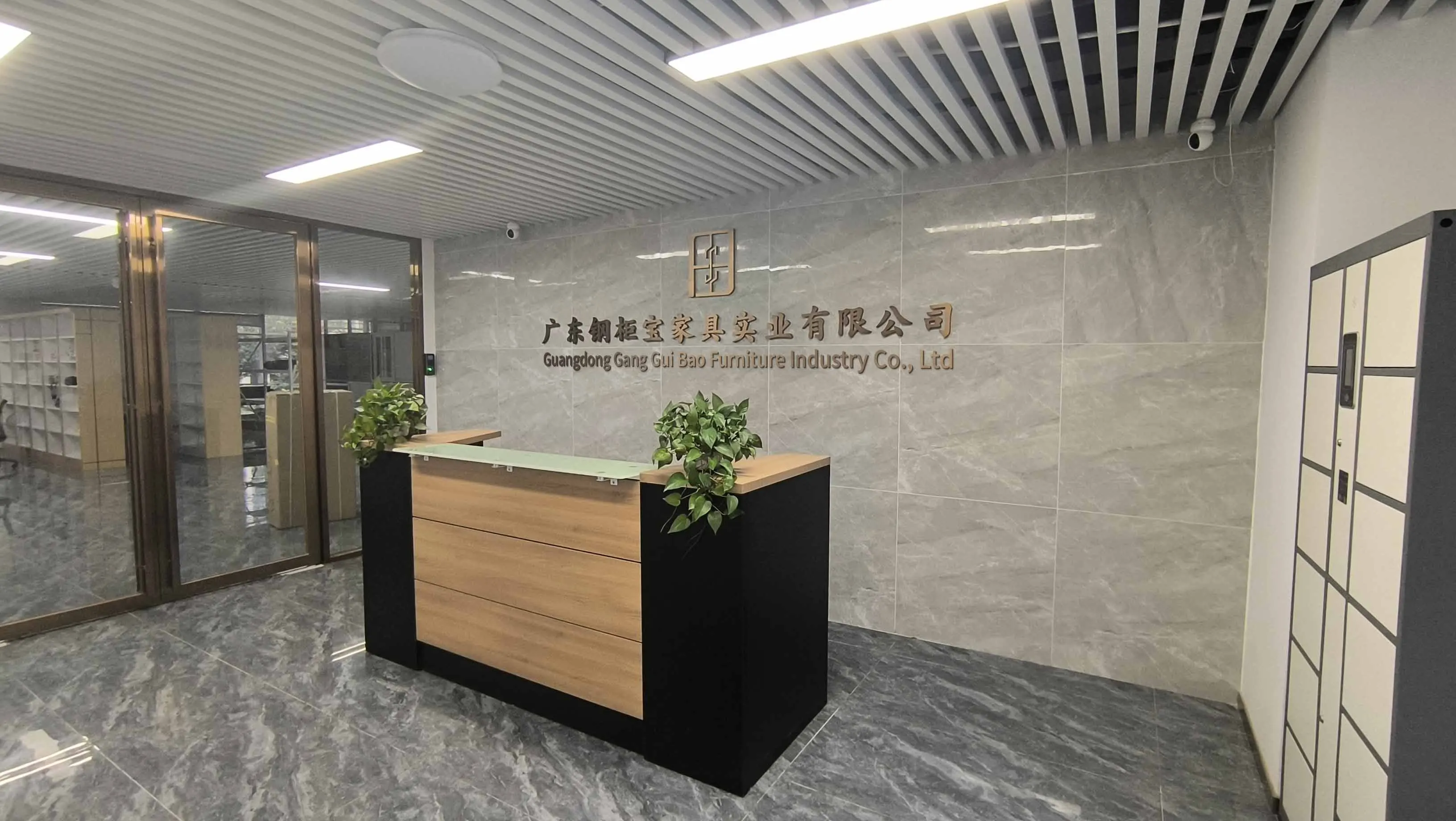
Guangdong Gang Gui Bao Furniture Industry Co., Ltd.
- Manufacturer
- Guangdong, China
- Lead time25 days
- Avg. response≤ 4h
Main productsmetal cabinet,storage locker,mobile pedestal,shelves & racks,metal bed
Main marketsNorth America(35.00%), Southeast Asia(15.00%), Mid East(8.00%), Africa(8.00%), Eastern Europe(6.00%), Central America(5.00%), Oceania(5.00%), South America(4.00%), Eastern Asia(3.00%), South Asia(3.00%), Domestic Market(2.00%), Western Europe(2.00%), Southern Europe(2.00%), Northern Europe(2.00%)
Henan Iyanen Furniture Manufacturing Co., Ltd.
- Verified by SGS Group
- Manufacturer, Trading Company
- Lead time20 days
- Avg. response≤ 2h
Main productsWardrobes, Heavy Duty Shelf, Office Cabinet, Steel Locker, Storage Cabinet
Main marketsNorth America(20%), Southeast Asia(15%), Mid East(15%)

Qingdao Xiangshun Intelligent Equipment Co., Ltd.
- Verified by SGS
- Combined
- China Shandong
- Lead time30 days
- Avg. response≤ 5h
Main productsShelving, Rack, Workbench, Boltless Shelving, Rivet Shelving, Corner Shelving, Garage Shelving, Steel Shelving
Main marketsDomestic

Hot Selling Stainless Steel Boltless Shelving for Home Use or Warehouse
$8.50 - $10.50
MOQ: 300 Pieces


Nanjing Jinhui Storage Equipment Co., Ltd.
- Verified by BV
- Combined
- China Jiangsu
- Lead time15 days
- Avg. response≤ 1h
Main productsWarehouse Rack, Storage Rack, Rack, Pallet Rack, Cantilever Rack, Mezzanine, Automatic System, Flow Rack, Drive-in Rack, Warehouse Equipment
Main marketsSoutheast Asia/ Mideast,Europe
Nanjing Better Metallic Products Co.,Ltd.
- Verified by Intertek
- Manufacturer, Trading Company
- Lead time7 days
- Avg. response≤ 22h
Main productsPallet Racking, Drive In Racking, Mezzanine Racking

Qingdao Luckreal International Trade Co., Ltd
- Verified by TUVRHEINLAND
- Trading Company,Manufacturer/Factory,Group Corporation
- China Shandong
- Lead time23 days
- Avg. response≤ 1h
Main productsRigging Hardware, Chain, Wire Rope, Precasting Accessories, Forged Parts, Hydraulic Crimping Tool, Lifting Accessory, Marine Hardware
Main marketsSouth America,Eastern Europe,Mid East,North America,Southeast Asia,Eastern Asia,Oceania,Western Europe,Africa

$26.00 - $35.00
MOQ: 1000 Pieces

Jinan Jiutong Storage Equipment Co., Ltd.
- Verified by SGS Group
- Manufacturer, Trading Company
- Lead time20 days
- Avg. response≤ 2h
Main productsStorage Shelves, Storage Bins
Main marketsNorth America(20%), Southeast Asia(20%), Oceania(15%)
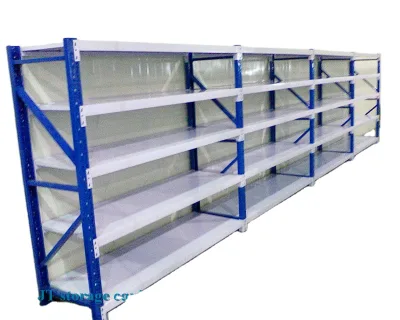
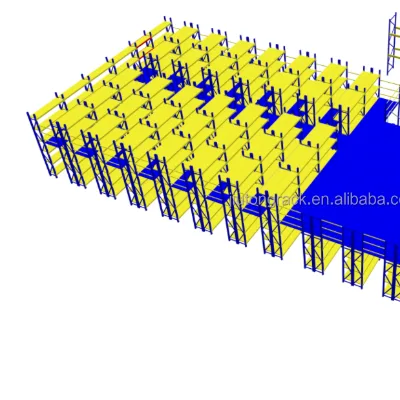
Heavy Duty Multi-lever Mezzanine Rack Metal Storage Shelves for Auto Shop
$974.0739 - $1024.3163
MOQ: 1 kilograms
Suzhou Hongye Business Equipment Manufacturing Co., Ltd.
- Verified by SGS Group
- Manufacturer, Trading Company
- Lead time12 days
- Avg. response≤ 5h
Main productsSupermarket Shelves, Warehouse Shelves
Main marketsDomestic Market(35%), Western Europe(30%), Mid East(15%)

Changshu Xunxun Merchants Super Equipment Co., Ltd.
- Trading Company,Manufacturer/Factory
- China Jiangsu
- Lead time23 days
- Avg. response≤ 3h
Main productsSupermarket Shelves, Warehouse Racks, Hardware Racks
Main marketsSouth America,Eastern Europe,North America,Southeast Asia


Factory Price Adjustable Boltless Angle Iron Shelf Slotted Steel Shelves for Storage
$45.00 - $50.00
MOQ: 10 Pieces












Comprehensive Sourcing Guide
Boltless Steel Metal Shelving Supplier Concentration and Factory Types
The current supplier landscape for Boltless Steel Metal Shelving reveals a distinct geographic concentration in China, with specific hubs identified in Shanghai and Jiangsu. These locations serve as primary centers for manufacturing and trading activities related to warehouse storage equipment. Suppliers operating from these regions often leverage local industrial ecosystems to produce components such as uprights, shelves, and dividers. The presence of manufacturers in Jiangsu suggests a strong regional capability for steel fabrication, while Shanghai-based entities may focus more on trading and export logistics. Buyers should recognize that location data provides a baseline for understanding supply chain proximity but does not guarantee the specific factory capabilities of every listed vendor. It is essential to verify whether a supplier is a direct manufacturer or a trading company, as this distinction impacts pricing structures and communication efficiency.
Company types vary significantly among the available suppliers, ranging from pure trading companies to those that are both manufacturers and factories. Some entities offer OEM and ODM services, indicating a higher level of customization capability and direct control over the production process. Others may primarily act as intermediaries, aggregating products from various factories to offer a broader catalog. The main products listed often include selective pallet racks, mobile racking, and gravity flow racks, suggesting that many suppliers are versatile in handling different types of warehouse storage solutions. This versatility can be advantageous for buyers seeking a single source for multiple storage needs. However, it also requires careful vetting to ensure that the supplier’s primary expertise aligns with the specific requirements of boltless shelving projects. Understanding the company type helps in assessing the reliability of technical support and the flexibility of order modifications.
How to Verify Boltless Steel Metal Shelving Suppliers
Verification is a critical step in ensuring the reliability of Boltless Steel Metal Shelving suppliers, and several key indicators can help buyers assess credibility. One important factor is the verification status provided by third-party inspection agencies. For instance, some suppliers have been verified by TÜV Rheinland or Bureau Veritas (BV), which adds a layer of trust regarding their business legitimacy and operational standards. Buyers should prioritize suppliers with such verifications, as they have undergone rigorous checks on their business licenses, factory audits, and product quality management systems. Additionally, system certifications like ISO 9001 are significant markers of a supplier’s commitment to quality control. While not all suppliers display these certifications, those that do often have more structured processes for maintaining consistent product quality. Buyers should request copies of these certificates and verify their validity through the issuing bodies to ensure they are current and applicable to the specific products being sourced.
Response time and service capabilities are also vital indicators of a supplier’s professionalism and reliability. Suppliers with faster response times, such as those averaging under two hours, demonstrate a high level of engagement and readiness to address buyer inquiries promptly. This responsiveness is crucial for resolving technical questions, negotiating terms, and coordinating logistics efficiently. Furthermore, some suppliers offer comprehensive service packages, including free installation drawings, detailed technical support, and 24/7 customer service. These services can significantly reduce the risk of installation errors and operational issues on-site. Buyers should evaluate the depth of support offered, as it reflects the supplier’s confidence in their products and their commitment to long-term customer satisfaction. It is also advisable to check for any additional services, such as on-site visits or factory tours, which can provide firsthand insight into the supplier’s manufacturing capabilities and quality control measures.
What to Compare Across Boltless Steel Metal Shelving Suppliers
When evaluating Boltless Steel Metal Shelving suppliers, buyers should compare several key dimensions to identify the most suitable partner for their needs. One critical factor is the lead time, which indicates how quickly orders can be fulfilled. Suppliers with shorter lead times, such as those offering 15-day delivery windows, can help accelerate project timelines and reduce inventory holding costs. However, lead times should be considered alongside production capacity and customization requirements, as complex orders may naturally take longer to complete. Another important aspect is the minimum order quantity (MOQ), which varies among suppliers. Some suppliers may have low MOQs, making them suitable for smaller projects or trial orders, while others may require larger volumes to achieve competitive pricing. Buyers should align their order size with the supplier’s MOQ policies to avoid unnecessary costs or supply chain disruptions.
Product specifications and customization options are also essential comparison points. Buyers should examine the material thickness, structural design, and load-bearing capacity of the shelving units to ensure they meet their specific storage requirements. For example, some suppliers offer adjustable mobility and semi-closed structures, while others provide open designs with multi-level racking options. Customization availability is another key differentiator, with some suppliers offering tailored solutions based on warehouse measurements. Additionally, buyers should compare pricing structures, keeping in mind that lower prices may not always correlate with better value if quality or service is compromised. It is important to consider the total cost of ownership, including shipping, installation, and maintenance, rather than just the unit price. By systematically comparing these factors, buyers can make informed decisions that balance cost, quality, and service efficiency.
Common Boltless Steel Metal Shelving Sourcing Risks
Sourcing Boltless Steel Metal Shelving from international suppliers introduces several risks that buyers must proactively manage to ensure successful procurement. One significant risk is the potential for quality inconsistencies, particularly when dealing with trading companies that may not have direct control over manufacturing processes. Variations in steel thickness, surface treatment, or structural integrity can lead to premature wear or safety hazards in warehouse environments. Buyers should mitigate this risk by requesting detailed product specifications and conducting pre-shipment inspections. Additionally, the lack of standardized certifications among some suppliers can make it difficult to verify compliance with international safety and quality standards. Buyers should prioritize suppliers with recognized certifications and clear quality assurance protocols to minimize the likelihood of receiving substandard products.
Another common risk is the complexity of logistics and shipping, especially for bulky items like shelving units. Delays in transportation, damage during transit, or incorrect packaging can disrupt project timelines and increase costs. Buyers should work with suppliers who offer robust packaging solutions, such as wooden pallets and protective film, to ensure safe delivery. Furthermore, communication barriers and time zone differences can lead to misunderstandings regarding order details, customization requests, or delivery schedules. Buyers should establish clear communication channels and confirm all order details in writing to avoid discrepancies. It is also advisable to include penalty clauses for late deliveries or quality issues in the contract to hold suppliers accountable. By anticipating and addressing these risks, buyers can enhance the reliability and efficiency of their sourcing process.
Boltless Steel Metal Shelving Regional Sourcing and Logistics
Regional sourcing plays a crucial role in determining the efficiency and cost-effectiveness of Boltless Steel Metal Shelving procurement. Suppliers located in China, particularly in hubs like Shanghai and Jiangsu, offer competitive advantages due to their proximity to major ports and established logistics networks. This geographic concentration facilitates faster shipping times and lower freight costs, making it an attractive option for buyers seeking timely delivery. However, buyers should also consider the impact of regional trade policies, tariffs, and customs regulations on the overall cost and lead time. Understanding these factors can help buyers optimize their supply chain and avoid unexpected delays or expenses. Additionally, some suppliers may offer local warehousing or distribution centers, which can further enhance delivery speed and flexibility for regional buyers.
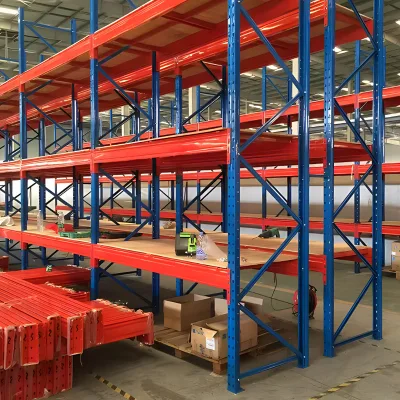
Logistics planning is essential for managing the transportation of heavy and bulky shelving units. Buyers should collaborate with suppliers to determine the most efficient shipping methods, whether by sea, air, or land, based on order size and urgency. Proper packaging is critical to prevent damage during transit, and buyers should verify that suppliers use industry-standard packaging materials such as wooden pallets, cartons, and protective films. It is also important to consider the unloading and installation requirements at the destination, as improper handling can lead to product damage or safety issues. Buyers should ensure that their receiving team is prepared to handle large shipments and that the installation site has adequate space and equipment for efficient unloading. By carefully planning logistics and partnering with reliable suppliers, buyers can streamline the delivery process and ensure the safe arrival of their Boltless Steel Metal Shelving orders.
Boltless Steel Metal Shelving Commercial Terms and Order Planning
Commercial terms and order planning are fundamental to securing favorable conditions and ensuring smooth transactions when sourcing Boltless Steel Metal Shelving. Buyers should negotiate clear payment terms, such as letters of credit or escrow services, to protect their financial interests and ensure that payments are released only upon satisfactory delivery and inspection of goods. Additionally, understanding the supplier’s pricing structure is crucial, as prices can vary based on order volume, customization requirements, and material specifications. Buyers should request detailed quotations that break down costs for materials, labor, packaging, and shipping to avoid hidden fees. It is also advisable to discuss volume discounts or long-term partnership agreements to secure better pricing for future orders. By establishing transparent commercial terms, buyers can build trust and foster a collaborative relationship with their suppliers.
Order planning involves aligning procurement schedules with project timelines and warehouse operational needs. Buyers should provide accurate forecasts and lead times to suppliers to ensure timely production and delivery. It is important to account for potential delays in manufacturing or logistics and build buffer time into the project schedule. Customization requests, such as specific dimensions or color options, should be communicated early in the process to avoid production bottlenecks. Buyers should also consider the scalability of their orders, as some suppliers may have limitations on production capacity or customization flexibility. By carefully planning orders and maintaining open communication with suppliers, buyers can optimize their inventory levels, reduce lead times, and ensure that their Boltless Steel Metal Shelving solutions meet their operational requirements efficiently.
FAQs
What is Boltless Steel Metal Shelving and where is it typically used?
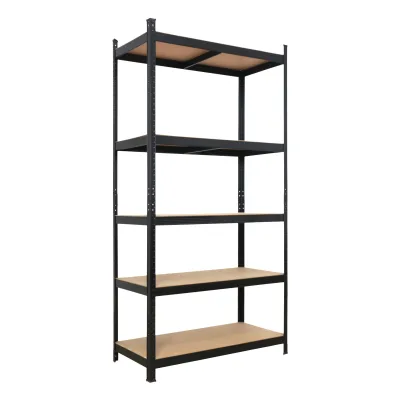
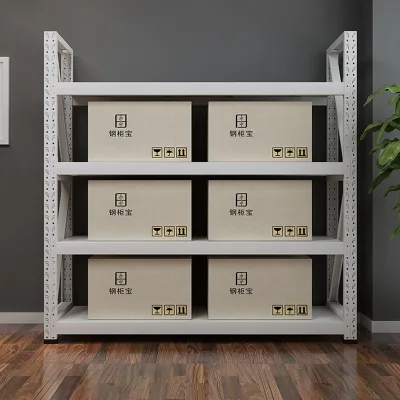
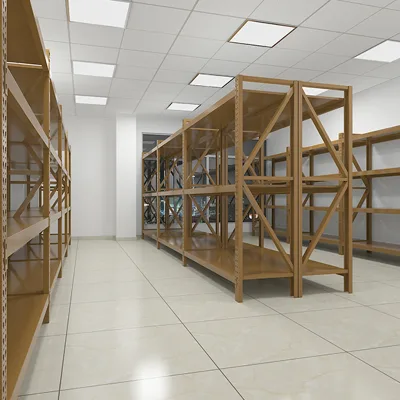
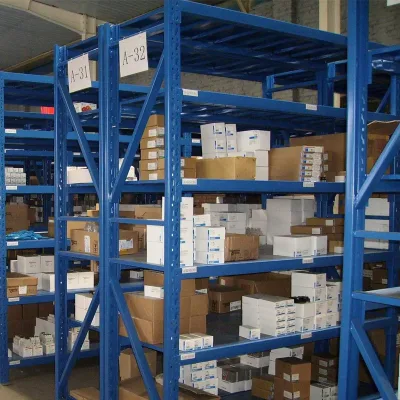
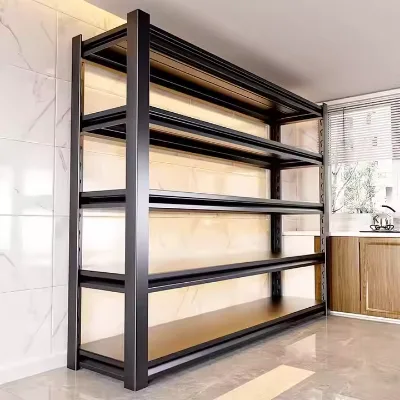
Boltless Steel Metal Shelving is a storage system assembled with rivet or clip connections instead of bolts, so units lock together without special tools. It is commonly used in warehouses, garages, workshops, retail backrooms, and archive areas. Listed products fall under stacking racks and shelves categories, with steel construction, adjustable shelves, and typical heights up to five meters.
How much does Boltless Steel Metal Shelving cost?
Pricing varies widely by size, gauge, and configuration. Listed examples range from a few dollars per component for simple shelf panels, to around one hundred eighty to two hundred dollars per shelving rack unit, and roughly one thousand to one thousand two hundred dollars for larger light duty systems. Always request quotes based on your required dimensions, load capacity, and quantity.
What is the typical minimum order quantity for boltless shelving?
Minimum order quantities depend on the supplier and product type. Examples in current listings range from ten units for light duty boltless shelving systems to one hundred units for individual shelf components priced under two dollars. Smaller MOQs usually apply to complete starter units, while high-volume component orders suit distributors. Confirm the MOQ directly with each supplier before placing a trial order.
Can boltless steel shelving be customized to fit my warehouse?
Yes, customization is available across most listed boltless shelving products. Common options include adjustable shelf positions, dividers, optional back and side cladding, shelf depths from four hundred to six hundred millimeters, and dimensions tailored to your warehouse measurements. Some suppliers provide free installation drawings and technician support. Specify your exact bay sizes, load requirements, and color preferences when requesting quotations.
What specifications should I check before ordering boltless shelving?
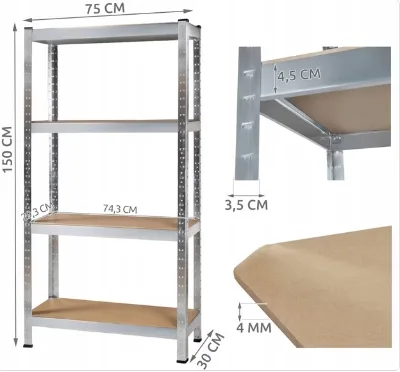
Check steel thickness for uprights and shelves, since listed standards show uprights around one and a half to one point eight millimeters and shelves from zero point seven to zero point eight millimeters. Also confirm shelf depth, overall height, load capacity, surface treatment such as powder coating, and packing method. Request detailed drawings to verify the configuration matches your storage layout.
How long does production and delivery usually take?
Lead times vary by order size and customization level. Current supplier listings show lead times around fifteen days for standard boltless shelving orders. Complex customized configurations, large volumes, or peak production seasons may extend this timeframe. Ask each supplier to confirm production time, packaging, and shipping schedule for your specific quantity before confirming the purchase order.
Do suppliers of boltless shelving hold quality certifications?
Certification levels differ between suppliers. Some listed companies hold ISO 9001 system certification, and individual products reference CE certificates and third-party verification from bodies such as TUV Rheinland or Bureau Veritas. Others list no system certification. Always ask for current certificate copies, verify their validity, and request test reports for steel thickness and load performance before committing to an order.
Where are most boltless steel shelving suppliers located?
The suppliers represented on this page are located in China, with listings referencing Shanghai and Jiangsu provinces. Both regions are established manufacturing hubs for warehouse racking and storage equipment. Location affects shipping costs and port access, so factor in proximity to export ports, freight terms, and total landed cost when comparing offers from different regions.